Backpacking Tents
Simond MT900 UL Review: A Two-Person Backpacking Tent With an Anti-Condensation Fabric
A close look at the Simond MT900 UL, a 1,550 g two-person backpacking tent with an anti-condensation single-wall fabric, a 5,000 mm fly and a £349 price.
Introduction
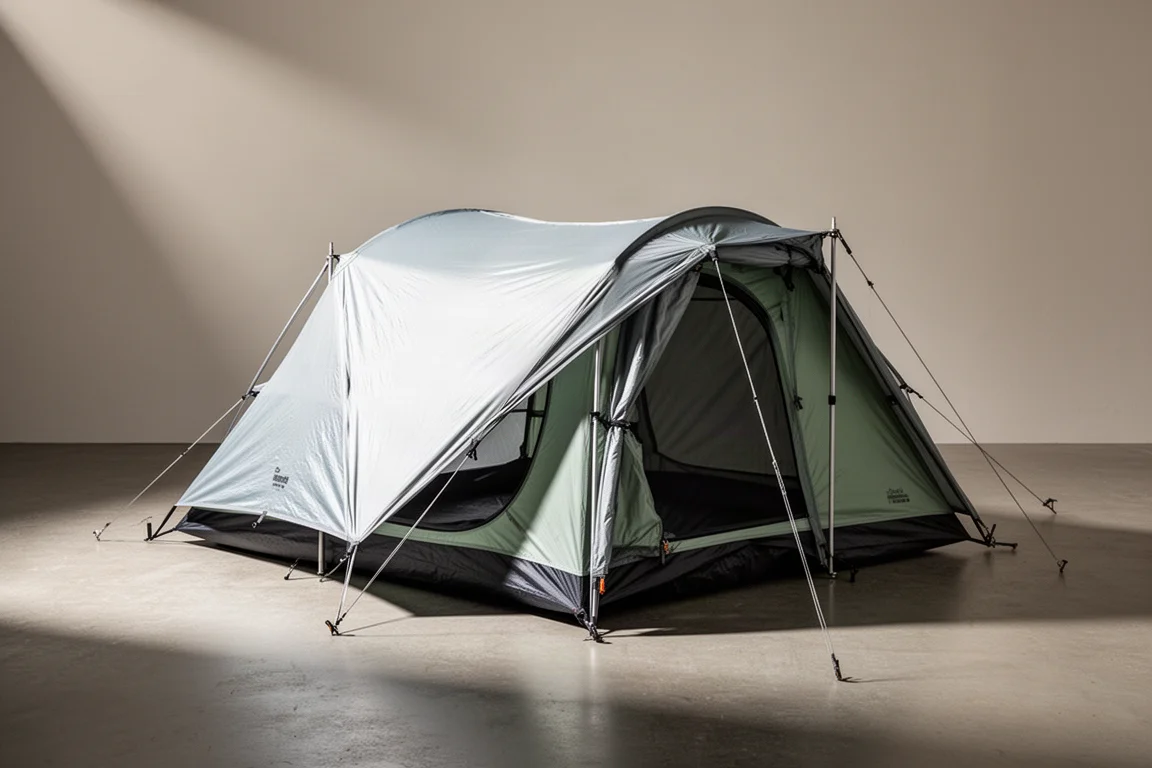
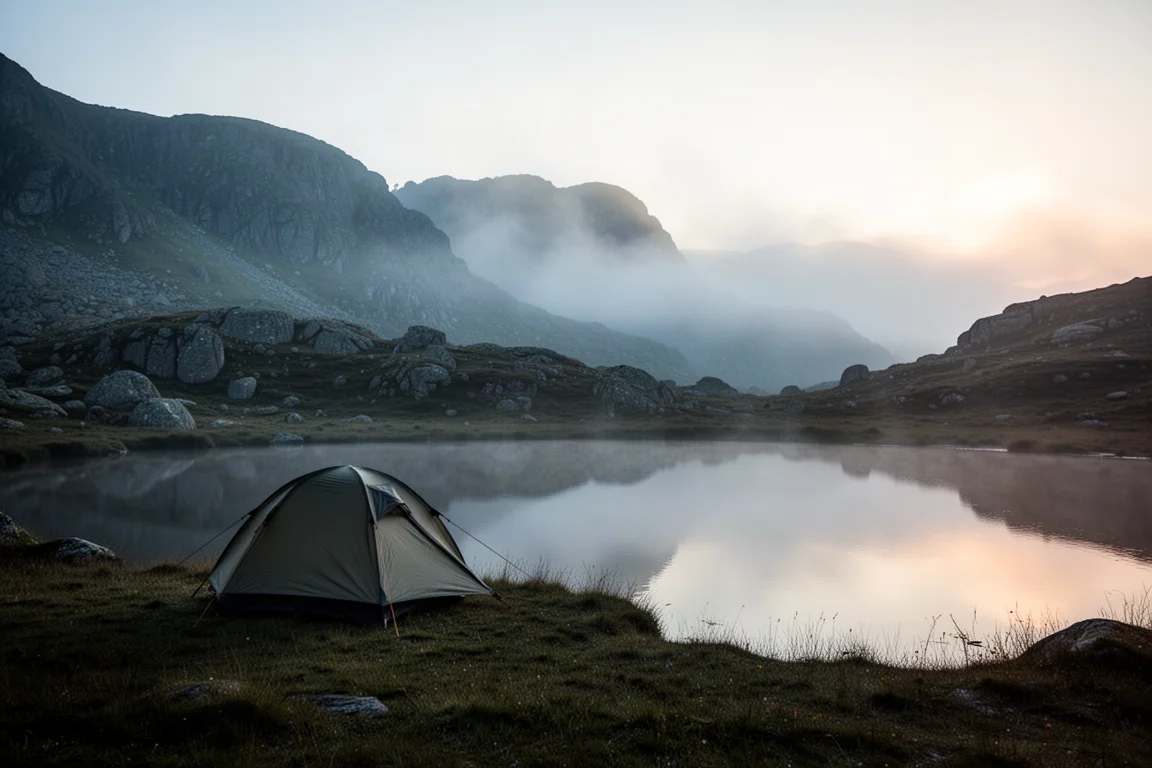
The Simond MT900 UL is an award-winning two-person backpacking tent from Decathlon’s mountaineering brand, and it retails at £349. It weighs 1,550 g, packs down to 39 cm by 12 cm, which works out at roughly 5 L, and it pitches inner and outer together as a single unit.
Those numbers are competitive for a two-person shelter, but they are not the reason this tent stands out. The headline feature is its fabric. The MT900 UL is a single-wall tent that uses an anti-condensation treatment on its synthetic fly, an approach intended to remove the usual penalty of single-wall camping: waking up to a wet inner surface, damp sleeping bag and clammy clothing.
Who the Simond MT900 UL Is For
This is a three-season tent, and it makes most sense as a summer tent. That framing is not a limitation so much as a design brief. The MT900 UL is built around ventilation and around the treated fabric, and both of those priorities pay off in warm, settled conditions rather than in driving winter weather.
It suits backpackers who want a genuine two-person shelter at a low weight, who value a quick and simple pitch, and who camp in the warmer half of the year. The tapered sleeping compartment measures 125 cm at the head end and 105 cm at the foot end, which is wide enough for two wide mummy-style sleeping pads side by side.
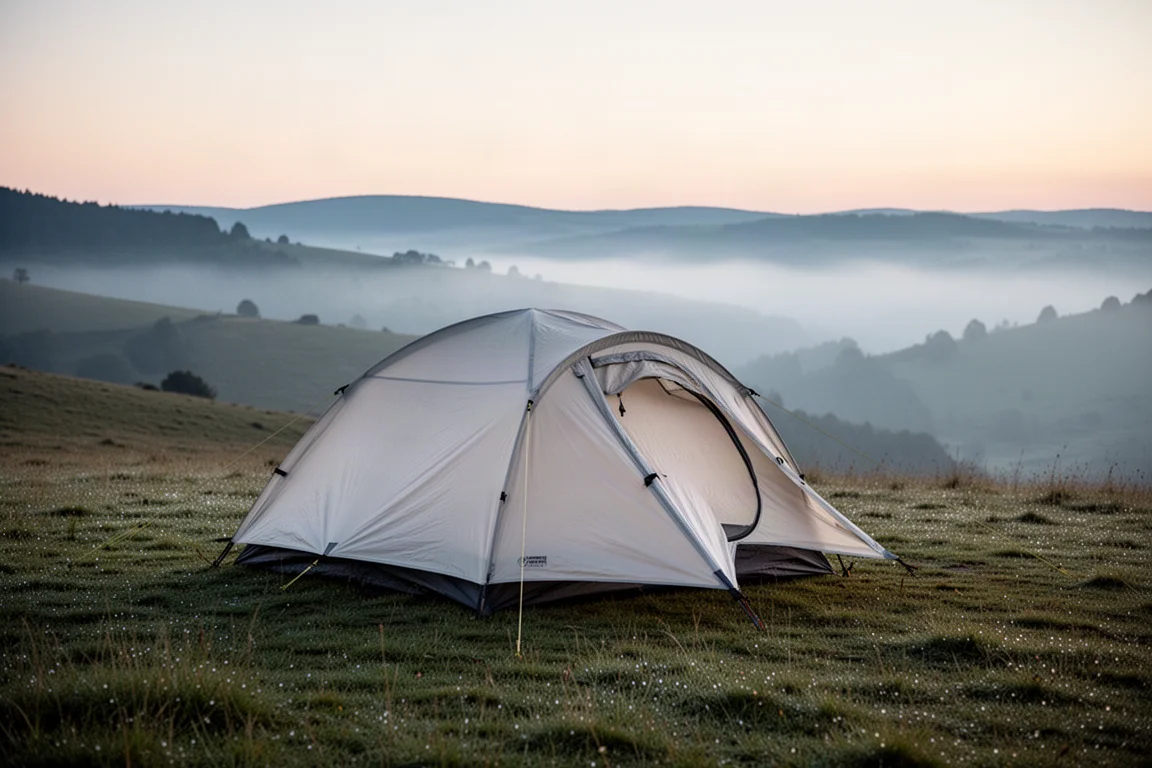
Two doors and two vestibules mean each occupant gets their own entry and their own storage, and the tent can be pitched from either end. For couples or pairs of friends sharing weight, that layout removes most of the daily friction of small tent living.
Main Strengths: The Anti-Condensation Fabric
Single-wall tents are lighter and simpler than double-wall designs, but they traditionally collect condensation on the inside of the fly. That moisture transfers to sleeping bags, clothing and anything pressed against the wall, which is why many backpackers avoid them.
Decathlon’s answer is a polyester fabric with an anti-condensation treatment, developed specifically so that a single-wall summer tent does not need a separate inner to stay dry. The claim is backed by testing both in the laboratory and in the field, and the results are published on the product page. In practice the treated surface resists the heavy internal beading that single-wall shelters are known for, which keeps the sleeping area and your gear noticeably drier through the night.
It is a genuinely different approach to a familiar problem, and it is the clearest reason to consider this tent over a conventional double-wall model at a similar weight.
Interior Space, Ventilation, and Pitching
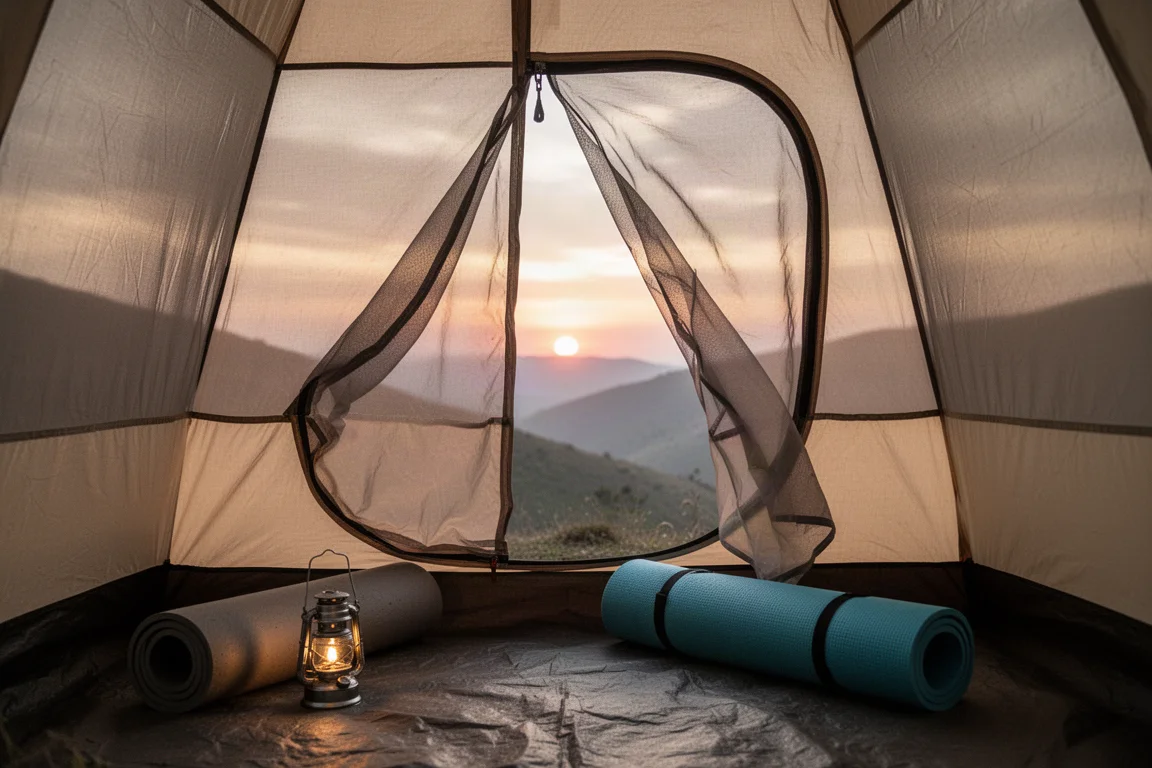
Inside, the tent uses a 40D fabric with a 3,000 mm hydrostatic head rating for the lower section, with solid material running up to roughly a foot before transitioning to full mesh above. That mesh band, combined with a large vent at the head end and a vent above each door, gives the shelter unusually strong airflow for its size.
The floor length is 210 cm and the interior height is 100 cm, so sitting up is comfortable, with clearance remaining above the head at 172 cm. Each vestibule offers 70 cm of depth, enough for hiking boots and a loaded backpack on either side. Practical details include two pockets at the head end, one on each side, a drying line, a lantern hook, and a double-zippered door with elastic that stows it out of the way for full access.
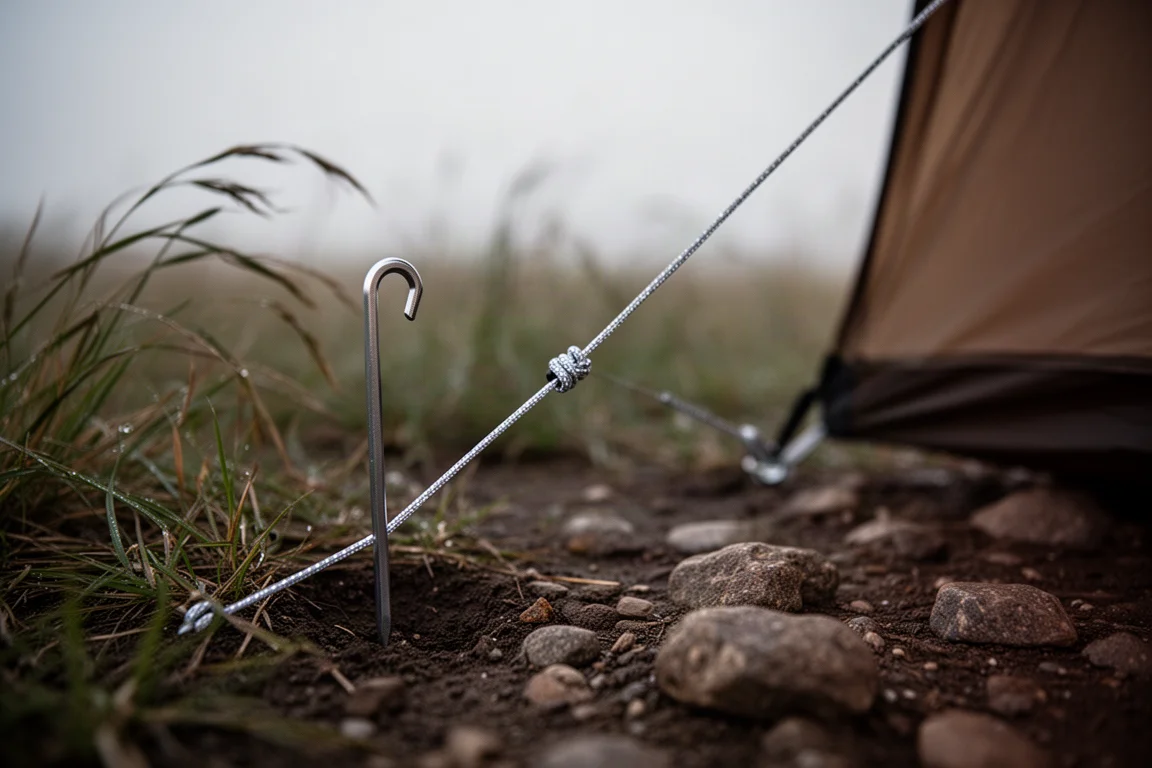
Pitching is quick. The all-in-one aluminium pole set is colour-matched and clips into place, and because the inner and fly go up together, there is no separate fly to wrestle on in bad weather. The package includes eight thin but very strong stakes that hold well in hard ground, three additional guy lines, and a pole repair sleeve.
Wind Performance and Weather Protection
The fly is a 20D polyester with a 5,000 mm hydrostatic head rating, and the fabric is highly reflective, which helps a pitched tent stay visible in low light. The pole structure sits on the outside of the fly, with two poles at one end and a single pole at the other.
That asymmetry is deliberate. The two-pole end is the head end, and it is the end that should be pitched into the wind. It has been tested to 70 km/h, while the opposite end is rated to 50 km/h. Adjustment points are fixed at the head end, with adjusters on the doors, an extra guy point on each door, and adjusters at the foot end, so the pitch can be dialled in reasonably well.
Things to Consider Before Buying
Wind is the main area to think about honestly. This is not a shelter built for exposed, stormy conditions, and there are stronger options if most of your camping happens on high, wind-hammered ground. The door guy lines sit quite low, and a few more attachment points would help the fly pull tighter and stay taut when the weather turns.
The single-wall design is also a deliberate trade-off. You gain lower weight and a faster pitch, but you rely on the ventilation and the treated fabric rather than a separate inner wall to manage moisture. That works best in the conditions the tent was designed for: warmer trips with reasonable airflow.
Build quality, on the other hand, is a point in its favour. Materials and hardware feel solid, the stakes are well chosen for firm ground, and the tent carries a 5-year warranty, which is a meaningful reassurance for a shelter that will be pitched repeatedly over several seasons.
Buying Advice
At £349 for a 1,550 g two-person tent, the MT900 UL sits in a sensible place for what it offers. The pack size of 39 cm by 12 cm means it stores easily in or on a rucksack, and the inner-and-outer-together pitch keeps setup short at the end of a long day.
Buy it if you want a light two-person shelter for three-season use, especially summer backpacking and wild camping, and if condensation is the thing that has put you off single-wall tents in the past. Look elsewhere if your trips regularly involve exposed ridgelines, strong winds or colder conditions, where a more wind-focused design will serve you better. For everyone else, this is a well-built, thoughtfully designed tent with a feature that genuinely changes how it behaves overnight.
It is worth checking the current price and availability before committing, since the value case rests on the combination of low weight, a fast pitch and the anti-condensation fabric at this price point.
Conclusion
The Simond MT900 UL is one of the more interesting two-person backpacking tents available, and not because of its specification sheet. Its anti-condensation fabric tackles the single biggest drawback of single-wall shelters, and it does so in a package that weighs 1,550 g, packs to about 5 L and pitches in a few minutes.
Pair that with two doors, two 70 cm vestibules, strong ventilation and a 5-year warranty, and the result is a summer-focused tent that is easy to recommend for the right kind of trip. Match it to warm, reasonably sheltered camps, pitch the two-pole end into the wind, and it delivers exactly what it promises.
Product link
View more details for Simond MT900 UL
This product is mentioned in the review. Check the specifications, options, and compatibility before buying.
View more details for Simond MT900 ULFurther reading
Related Reviews
Backpacking Tents
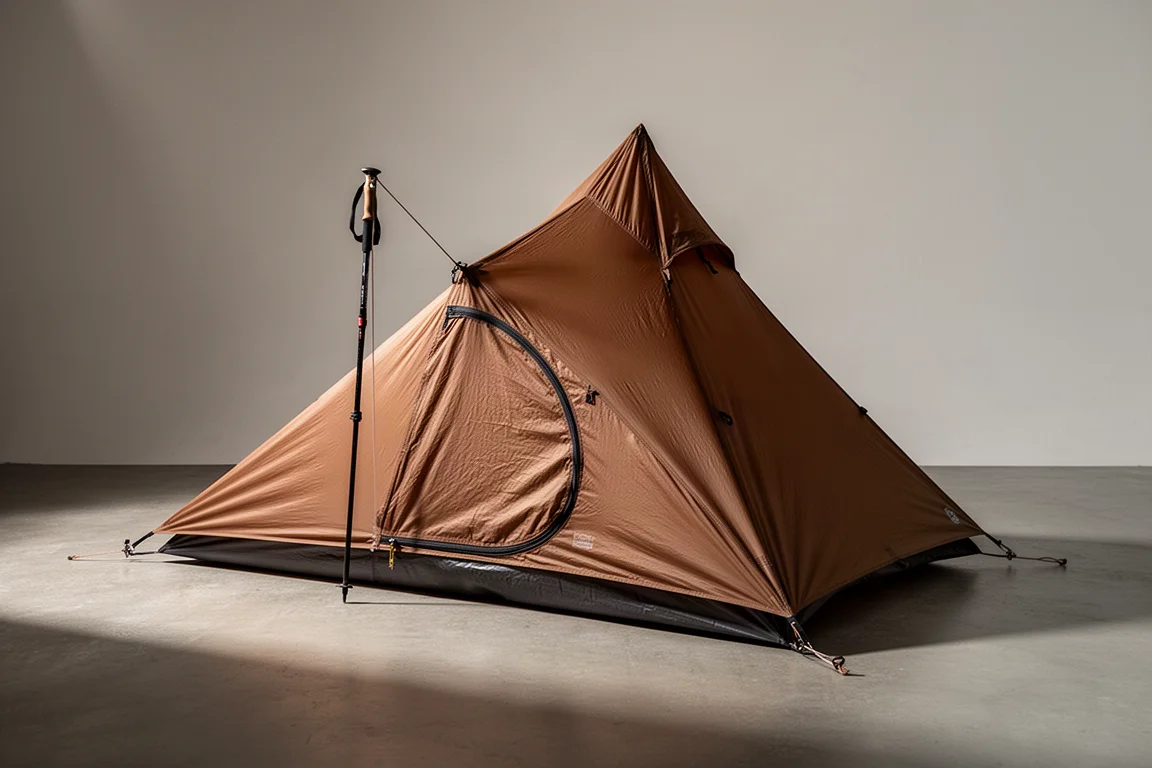
3F UL Lanchan Pro 1 Review: A 1 lb 8 oz Single-Wall Trekking Pole Tent
A practical look at the 3F UL Lanchan Pro 1, a single-wall trekking pole shelter with a 1 lb 8 oz weight, 20D silnylon fabrics, and a roomy 90 x 31 x 49 inch interior.
Backpacking Tents
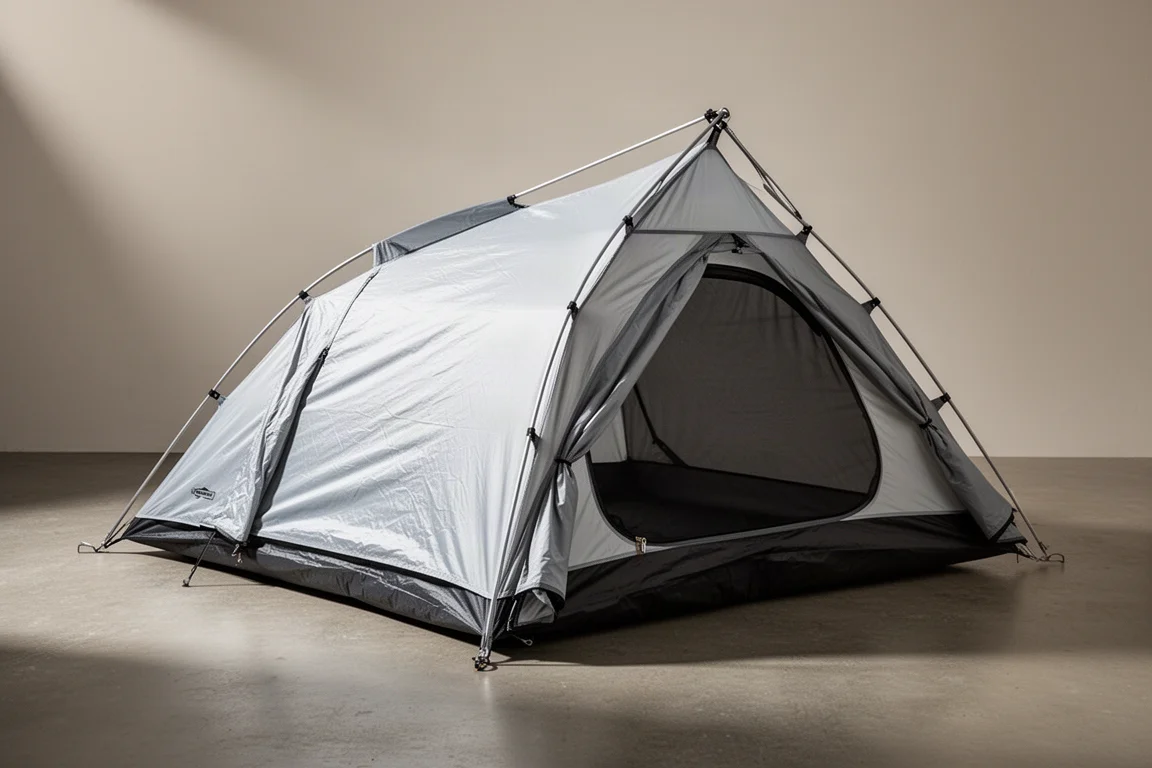
3F UL Taiji 2-Person Tent: A Convertible Backpacking Shelter Worth a Closer Look
A practical look at the 3F UL Taiji two-person tent, covering its materials, true two-person interior, fly-first pitching, and the seasonal inner swap that lets one shelter cover more of the year.
Backpacking Tents
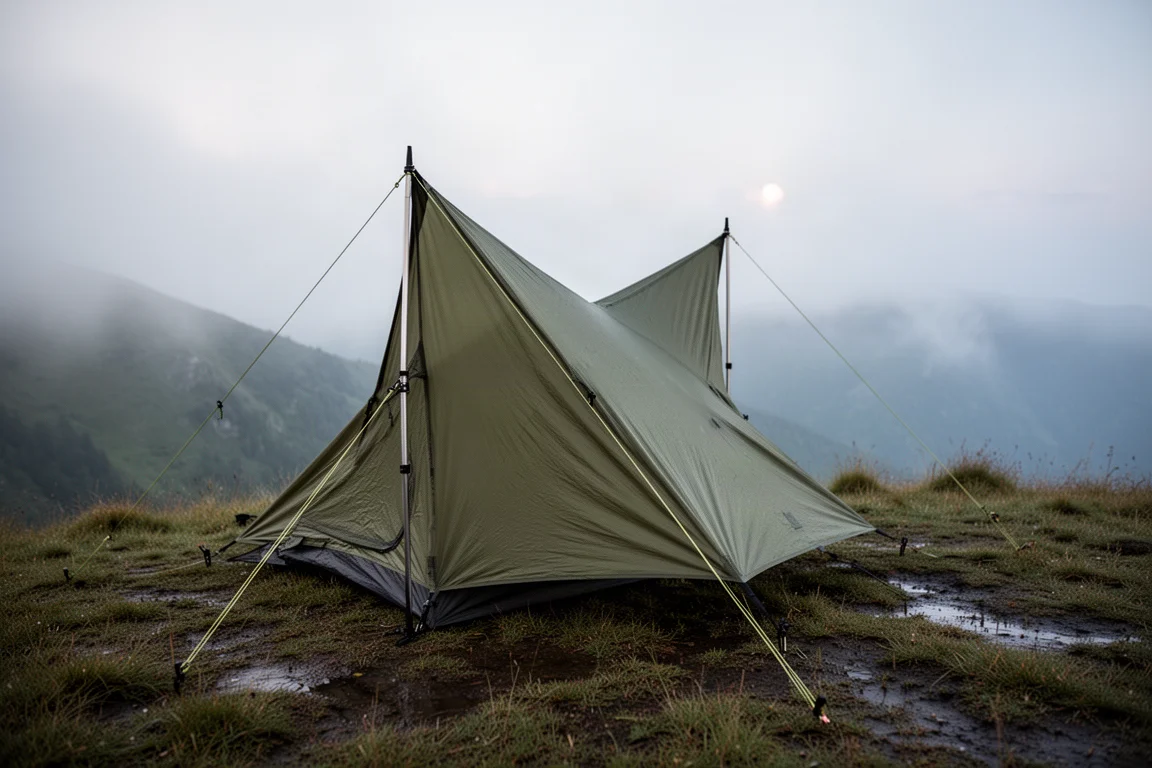
3FUL Lanshan Twoerson Pro Review: A Light Trekking Pole Shelter That Struggled in Rain
A two-person trekking pole shelter with a 2026 redesign, pitched with sticks and put through a night of steady rain. Here is what worked, what did not, and what to check before buying.