Head Torches
Silva Free 3000 Review: A Modular 3,000 Lumen Head Torch for Serious Night Use
The Silva Free 3000 pairs 3,000 lumens of output with a modular design that swaps heads, batteries, and mounts. Here is what it does well and what to weigh up.
Introduction
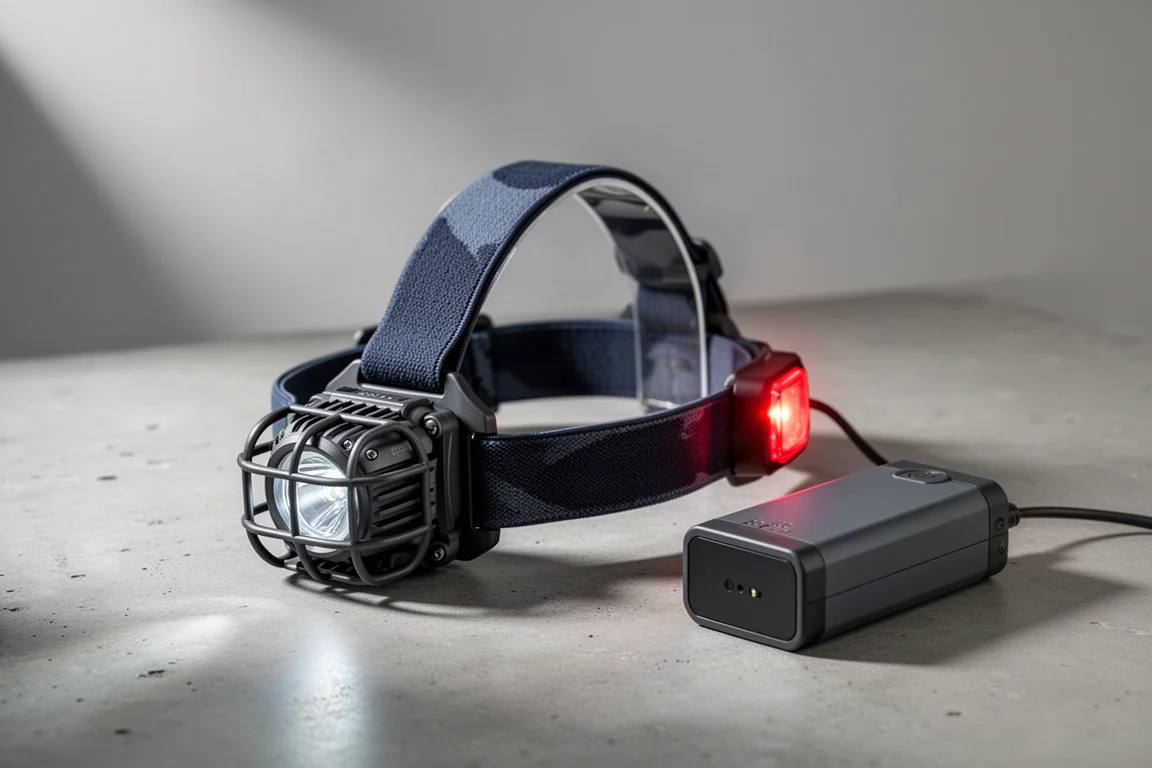
The Silva Free 3000 is a modular head torch built around a simple idea: if you are going to spend real money on serious light output, that light should not be locked to a single job. It sits at the top of the Free range with 3,000 lumens on tap, alongside a 2,000 lumen head in the same family, and it is designed so the head, the battery, and the mounting hardware can all be swapped or removed.
That flexibility is the reason this torch stands out. Plenty of high output head torches are excellent at exactly one thing. This one can be a head torch for a night run, a hand torch for a work area, or a bike light with the right mount, and the cooling hardware needed for sustained brightness travels with it.
It is also worth being clear about who it is not for. If all you need is something to check on the chickens or take the bins out, this is far more torch than the job requires. The Free 3000 makes sense when brightness, runtime, and adaptability actually matter.
Who This Head Torch Is For
This is a torch for serious users. Think night runners and hill walkers heading out through dark winter evenings, mountain bikers who want a beam that competes with dedicated bike lights, and anyone who spends long hours outdoors when daylight is short.
The appeal is not only peak output. It is the combination of a wide, comfortable headband, a genuinely simple control scheme, and a modular body that can be reconfigured around the activity. Riders who already own a handlebar or helmet mount in the common action camera fitting will find that the ecosystem slots into gear they already carry.
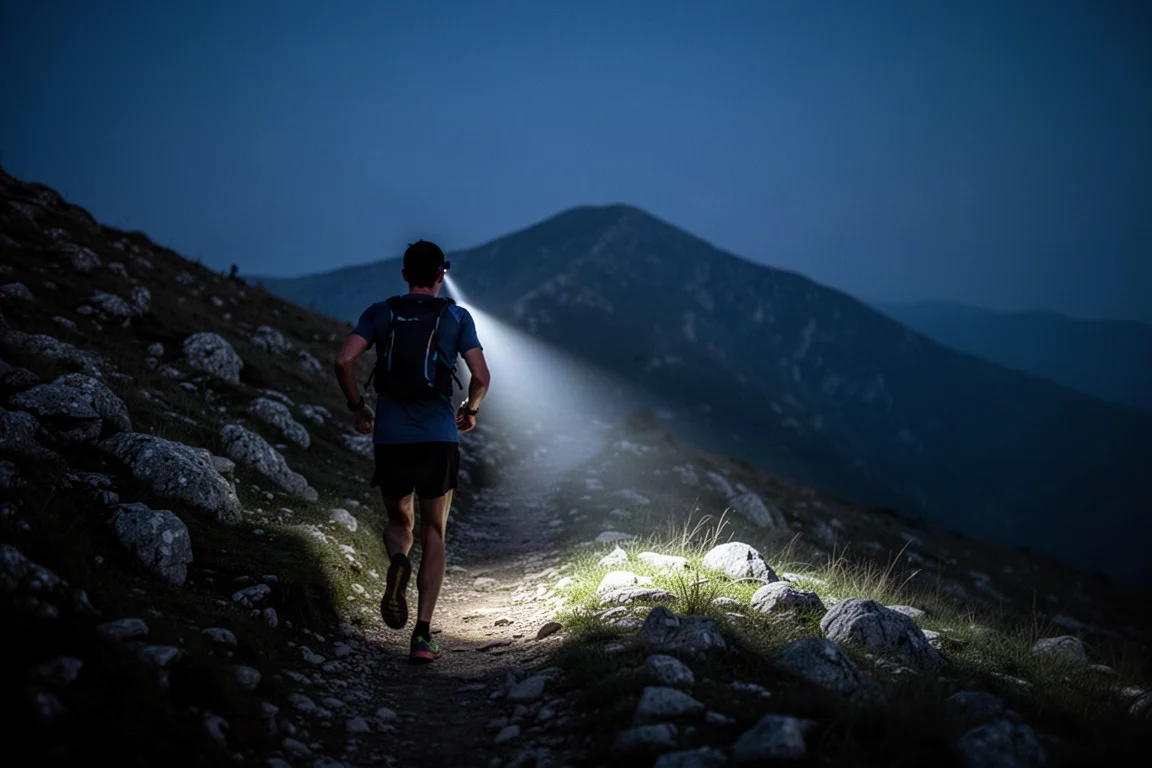
For casual around-the-house tasks, the lowest setting is still plenty, and the top setting is more than most people will ever need. The value here is headroom: having a very bright mode available when conditions demand it, without carrying a second light.
Modular Design and Mounting Options
The modular system is the defining feature. The lamp head clips off the unit, so if you own more than one Free head you can move between them freely. The 3,000 lumen head used here can be swapped for the 2,000 lumen version, which is useful when you want a lighter or more modest setup for a given outing.
The batteries are removable in the same way. Pop the headband off and the unit can be used as a hand torch, a work light, or an area light, which is a meaningful amount of extra usefulness from a single purchase.
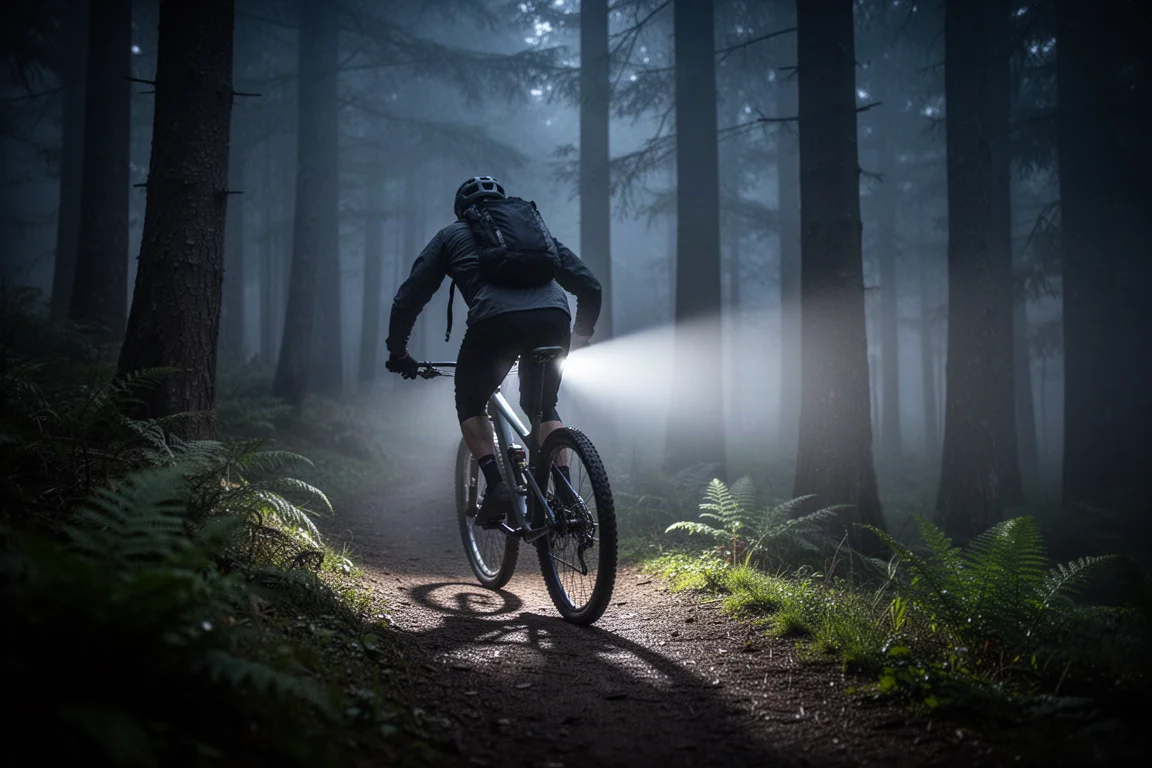
Bike use is well supported. A handlebar mount is available and feels solid and sturdy once fitted, and there is a good range of purpose made helmet mounts, including options that attach directly to a helmet or work with an existing action camera style mount. Given the output and the cooling built into the housing, this torch can hold its own against considerably more expensive dedicated mountain bike lights.
Light Output and the Light Flow System
Output is controlled by a single button, and the sequence is deliberately simple. The first press gives full power at 3,000 lumens. The second press drops to 1,000 lumens, which is notably efficient on battery life and comfortable for long stretches of moving. The third press takes you to the 80 lumen mode, which runs for something in the region of 35 hours and is the setting for extended trips where you still want usable light.
Many head torches hide their modes behind multiple buttons and long press combinations that are easy to forget between seasons. This one avoids that entirely, which matters when you are wearing big gloves in the cold and just want the light on.
Silva calls the adaptive beam behaviour Light Flow. Tilt the lamp downward, as you would when looking at your feet, and it widens into a broad flood spread. Tilt it up, which usually means you are moving faster and scanning further ahead, and the light reaches deeper into the distance. If you would rather manage the beam yourself, the feature can be switched off by holding the button down for about two seconds as you turn the torch on, rather than giving it the usual quick press.
Battery Options and Cold Weather Use
Because this is a high output torch, it takes larger batteries than many alternatives. The 36 watt hour pack fits neatly on the back of the unit and balances well. The 72 watt hour pack also fits in the same position, but it is noticeably heavier on the head, which is why the included cable is such a useful inclusion: it lets you move the battery off the headband and into a pocket or rucksack.
That cable has a second benefit. In the colder months, keeping the battery close to your body helps extend usable battery life considerably, so the ability to relocate it is not just about comfort.
With two battery sizes available, the system can be tailored to the outing. A longer night on the hill suits the larger pack, while a shorter run is better served by the lighter one that you simply strap on and go.
Comfort, Controls, and the Rear Safety Light
One of the neatest details is that no cabling is visible on the torch at all. The wiring is integrated through the elastic headband, so there is nothing to snag or dangle. The band itself is wide, which makes for a comfortable fit over long sessions, and a central band is supplied to share the load across the top of the head. Many users will not need it, partly because a silicone grip runs all the way around the inside of the band and holds the torch firmly in place.
Control is a single large button that is easy to locate and easy to press with gloves on. Press it, and you move through the three output levels in order.
There is also a rear red light built into the unit, with a button on the back to switch it on in either a constant or a blinking mode. It is deliberately not too intrusive, so it will not dazzle anyone following behind, but it remains visible at distance. Rear red lights are becoming more common on head torches, and some races now require one, so having it integrated is a genuine convenience.
Heat Management and Safe Storage
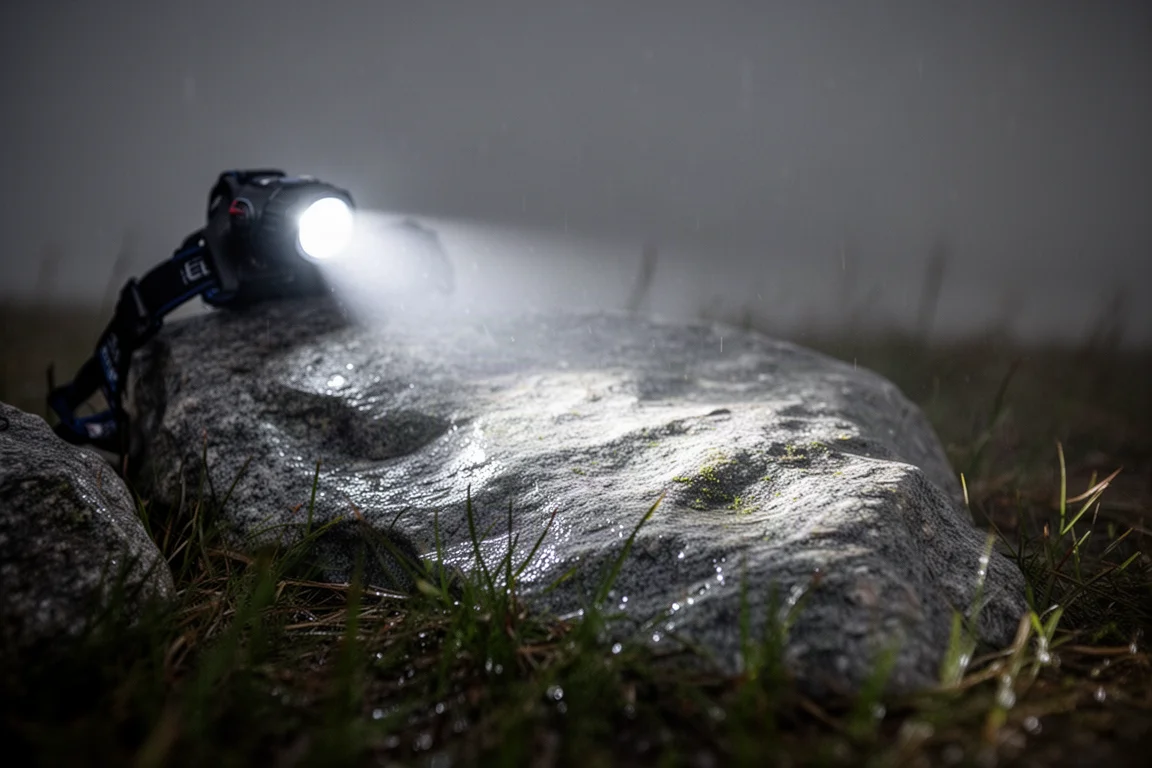
Sustained brightness generates heat, and hot LEDs lose efficiency, which drains power faster and causes output to drop. The housing on the Free 3000 is designed to disperse that heat effectively, so the unit warms up a little rather than overheating.
Because the housing can get warm in use, a plastic cage surrounds it to keep your hands and gear protected. That is a sensible piece of design on a torch with this much output.
For storage, the practical habit is to disconnect the battery and remove it when the torch is not in use. That removes any chance of the light switching on accidentally inside a rucksack.
Things to Consider Before Buying
The main trade-off is weight and bulk. The 36 watt hour battery sits comfortably on the back of the headband, but the 72 watt hour option is heavy enough that most people will want to run it on the supplied cable and carry it elsewhere. If you dislike cables running to a pocket, the smaller battery is the more natural pairing.
Output this high is also more than many buyers need. The 80 lumen mode is genuinely useful and runs for around 35 hours, but the headline brightness is aimed at people who move fast in the dark and want to see well ahead. If your outings are short and gentle, a simpler torch will do the same job.
Finally, plan your charging routine. High output modes consume power quickly, so a top-up before a long night out is worth building into your habits.
Buying Advice
Start by matching the battery to the way you actually move. Shorter runs and everyday evening walks pair best with the lighter 36 watt hour pack on the headband. Longer nights on the hill justify the larger pack, ideally routed to a pocket or rucksack with the included cable, which also helps in cold weather.
If you plan to use it on a bike, decide on your mounting approach early. The handlebar mount is a sturdy option for trail riding, while the helmet mounts are the better choice if you want the beam to follow where you look. Riders who already use an action camera style mount can build on hardware they own.
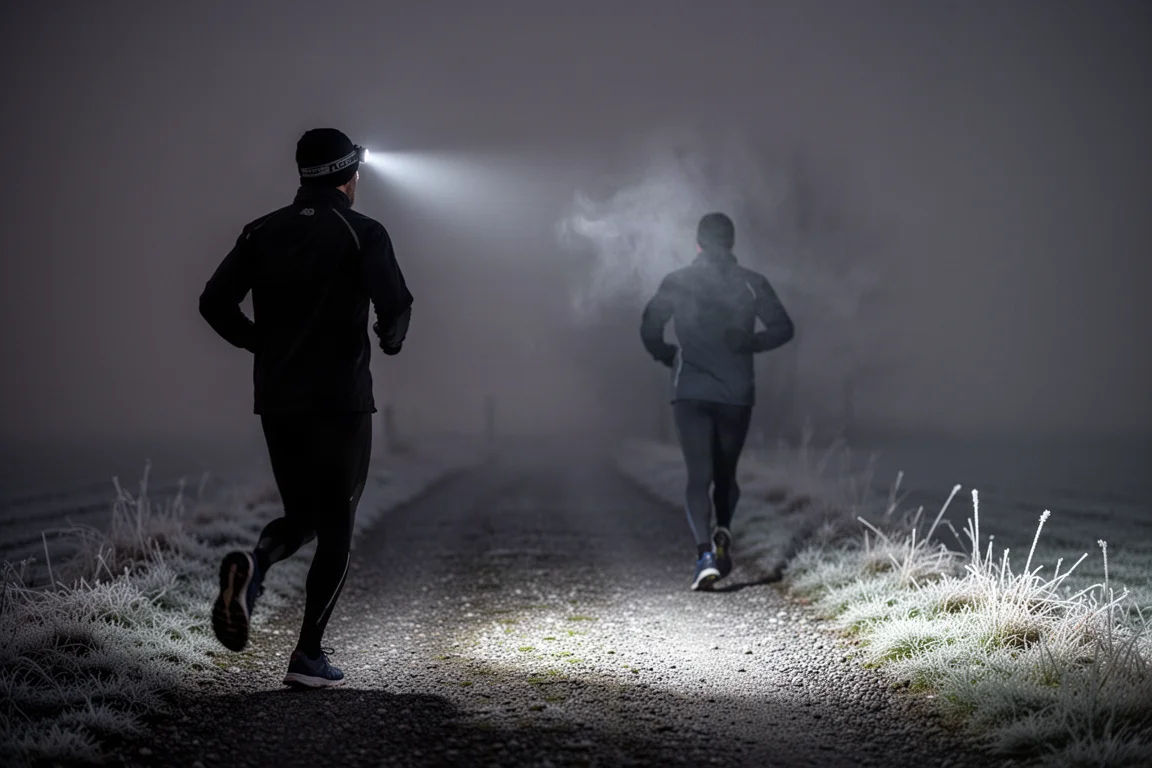
Beyond that, the decision is straightforward. If you want one light that covers running, walking, working, and riding without carrying a second torch, the modular approach pays off. If you only need a modest beam for quick jobs near home, spend less and keep it simple.
Conclusion
The Silva Free 3000 is a well thought out piece of kit. The modular heads and batteries, the cable free headband, the single button control, the adaptive Light Flow beam, the rear red light, and the cooling hardware all point in the same direction: a torch designed for people who take night hours seriously.
It is not the cheapest way to light up a driveway, and the larger battery asks you to think about weight. But as a versatile, high output system that can be reconfigured for different activities, it earns its place in a kit bag.
Product link
View more details for Silva Free 3000
This product is mentioned in the review. Check the specifications, options, and compatibility before buying.
View more details for Silva Free 3000Further reading
Related Reviews
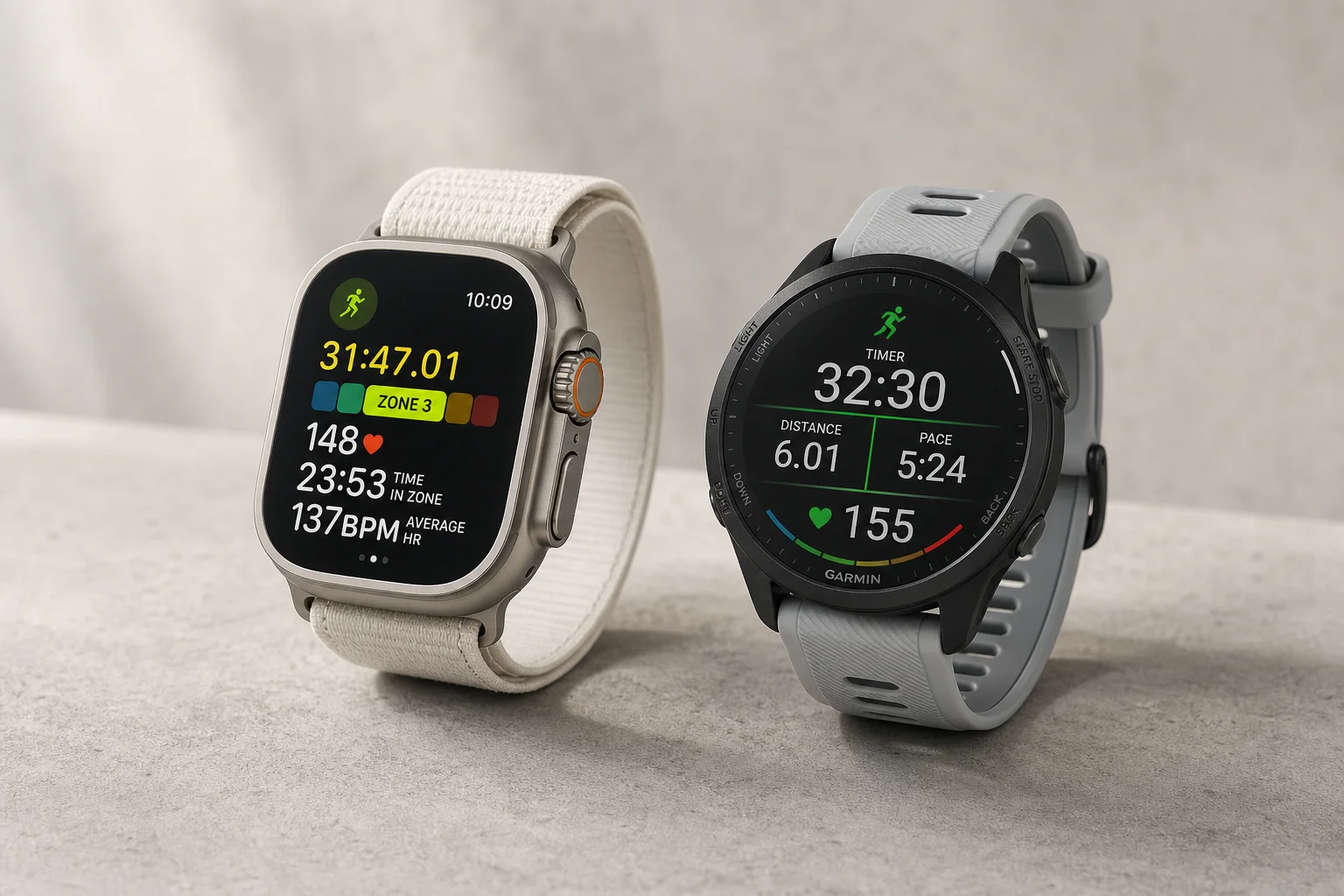
Wearables
Apple Watch vs Garmin for Running: A Year of Training Compared
After a year training for marathons with both devices, here's what actually matters when choosing a running watch.
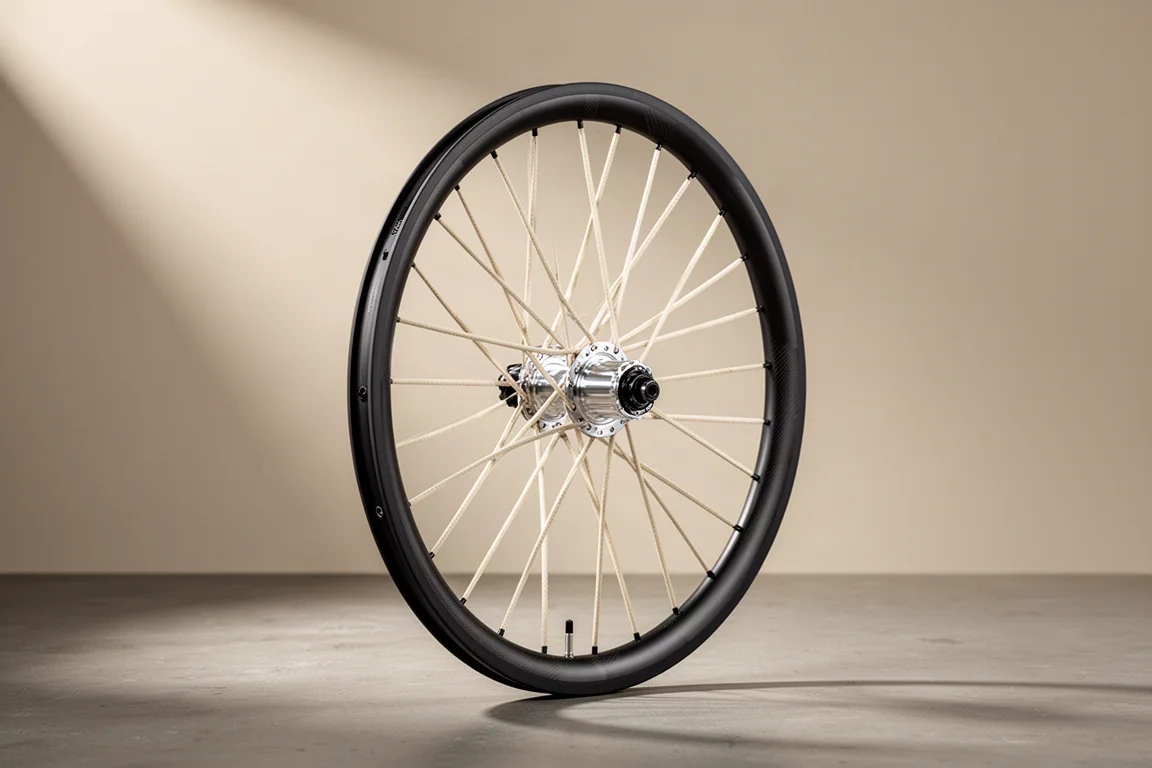
Mountain Bike Wheels
Berd PolyLight Spokes and a Custom Wheelset: Noble TR35 G2 Rims and Onyx Vesper Hubs Tested
A trail-tested look at Berd PolyLight fabric spokes alongside Noble Wheels TR35 G2 carbon rims and Onyx Racing Vesper hubs, including the weight saved and the trade-offs to weigh up.
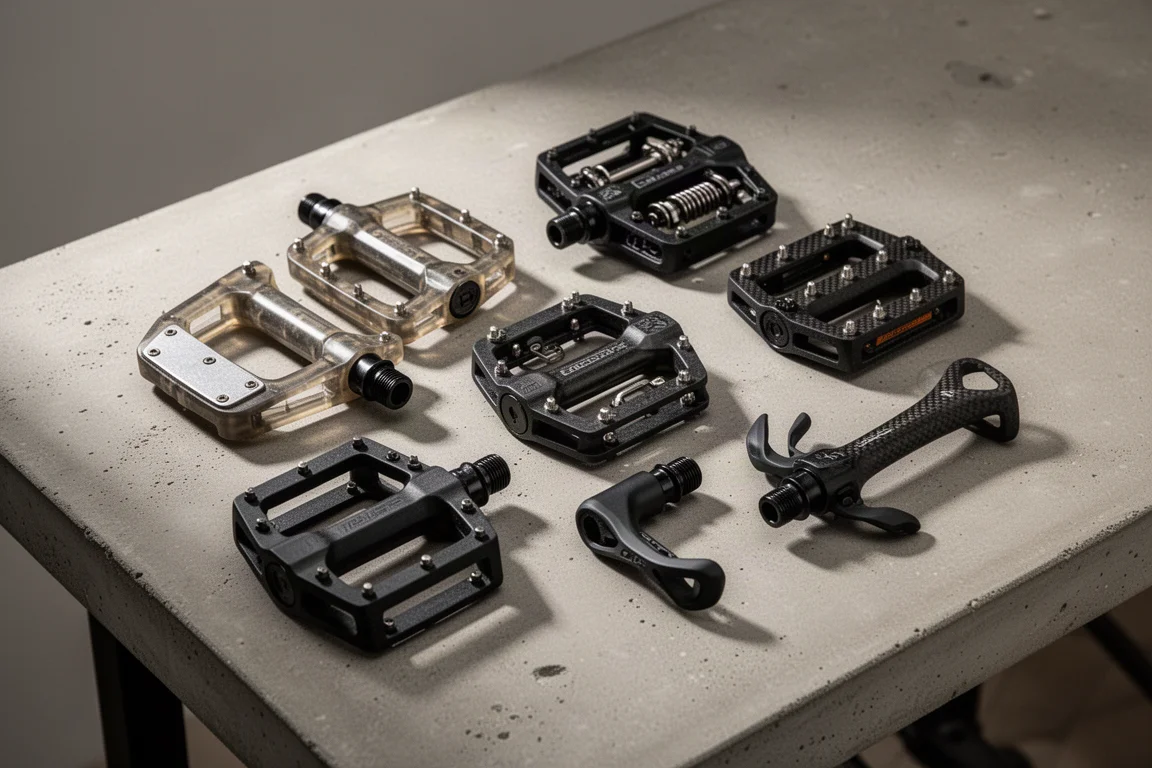
Cycling Pedals
Best Bike Pedals 2026: Road, Trail and Flat Pedal Systems Compared
A practical guide to the main road, off-road and flat pedal systems, covering the designs worth buying, the fit options that matter, and the ones to skip.