Art Supplies
Silicoil Brush Cleaning Tank Review: A Cleaner Way to Care for Oil Paint Brushes
A spring-coil brush cleaning tank that keeps solvents cleaner, brushes in better shape, and oil painting sessions far less messy.
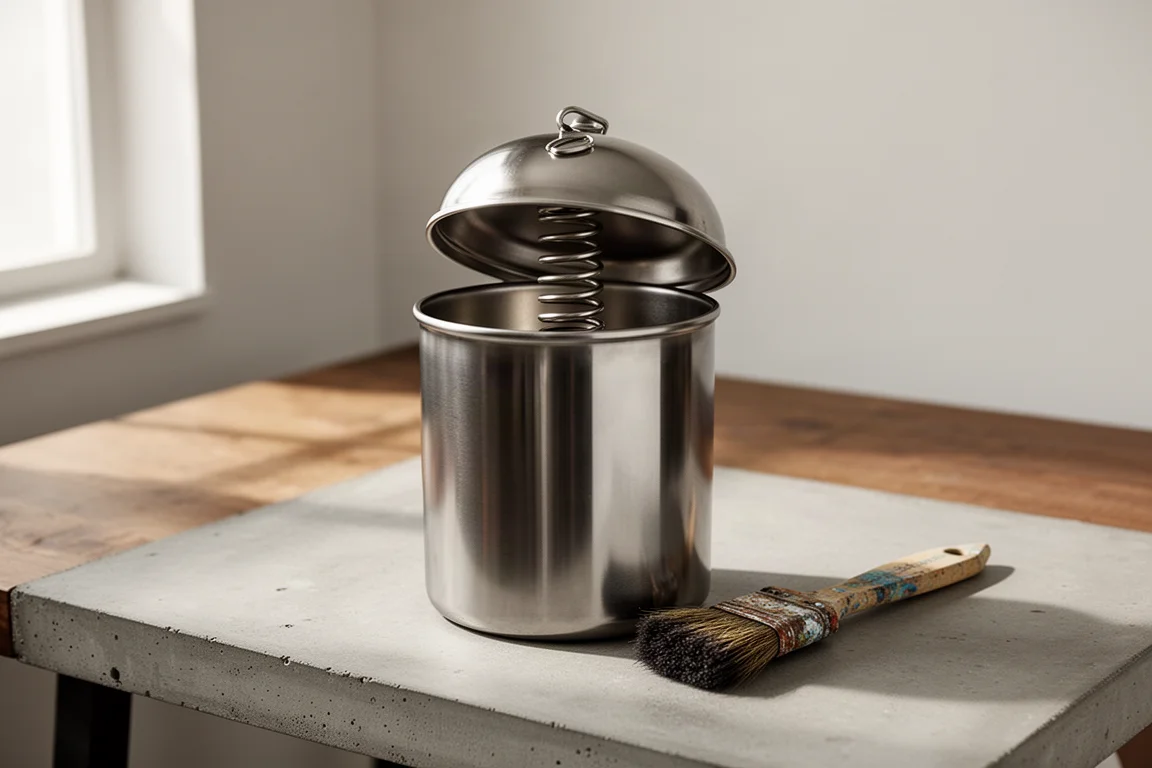
Introduction
Anyone who paints in oils knows the routine: a gooped-up brush, a jar of cloudy solvent, and bristles that never quite come back to their original shape. The Silicoil brush cleaning tank takes aim at exactly that problem with a simple but genuinely clever design. Instead of scrubbing your brush against the bottom of a jar, you work it against a raised metal coil, letting the solvent do the work while the paint residue settles out of reach below. After spending time with it, it is easy to see why so many oil painters consider it a studio staple.
Why Brush Cleaning Is a Real Problem
The traditional approach, a plain glass jar of solvent, tends to fail in predictable ways. Brushes come out with pigment still embedded in the bristles, colors get muddy on the next painting, and the solvent itself turns into a murky soup that barely cleans anything. Blotting on a cotton rag helps, but it only goes so far once paint has worked deep into the ferrule.
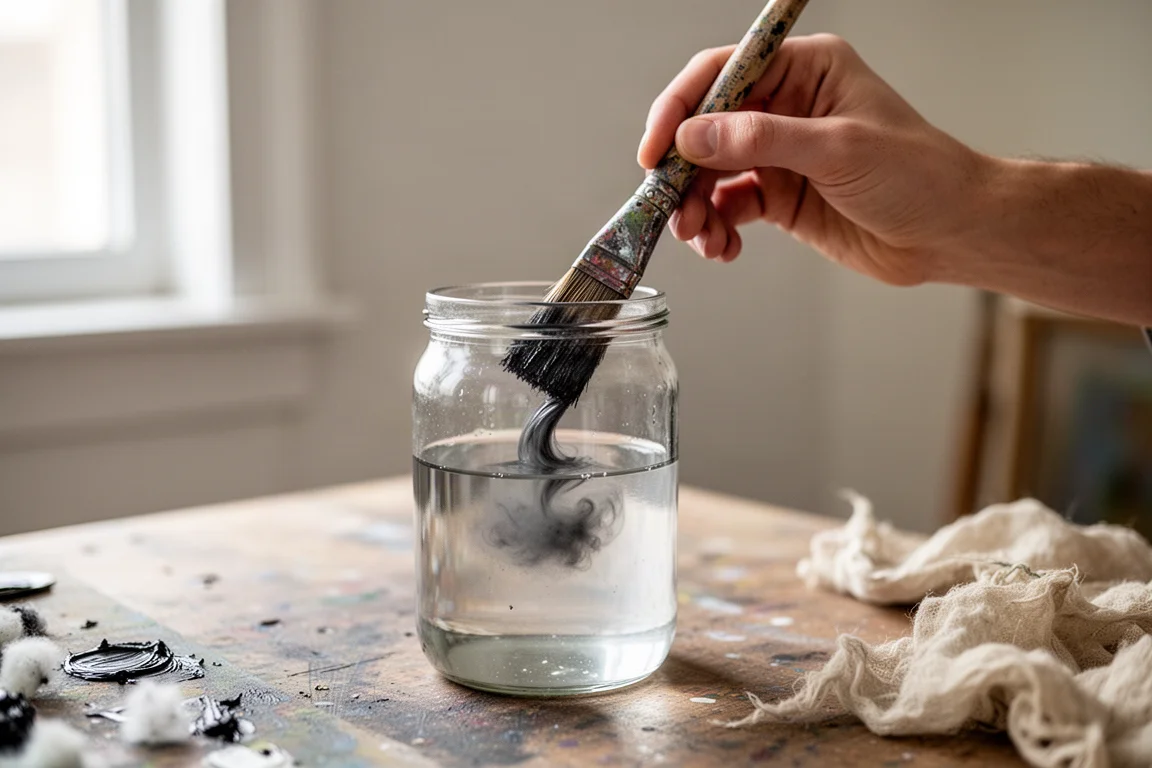
If you paint with very little paint on the brush at a time, you may get away with lighter cleaning, but for most oil painters the jar method means dirty bristles, dirty solvent, and a frustrating start to every session.
How the Coil Design Works
Open the tank and you will find a metal coil suspended above the bottom, with a springy, trampoline-like bounce. The idea is simple: dip your paint-loaded brush into the solvent and bounce it up and down on top of the coil. The flexing motion pumps solvent through the bristles and dislodges paint far more effectively than swishing alone.
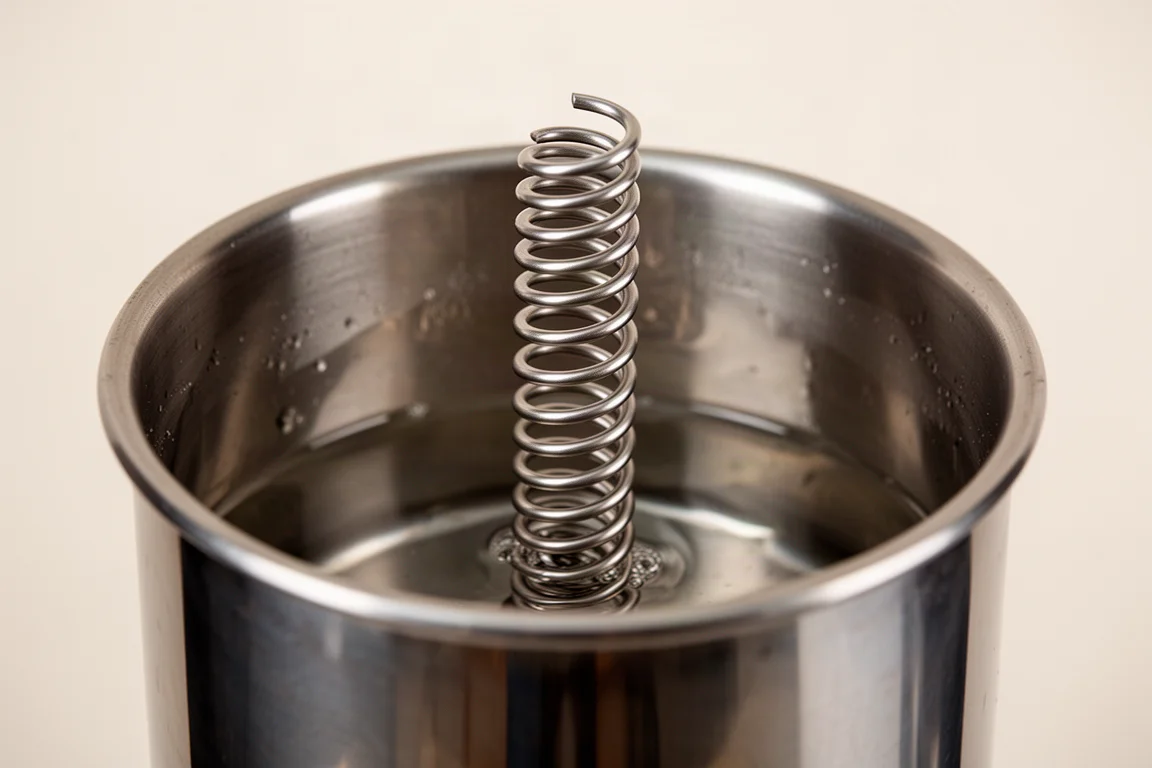
Because the coil sits raised inside the tank, your brush never touches the bottom. All the paint junk drips down past the coil and settles at the base, where it stays out of the way. After a cleaning session, put the lid on and let it sit overnight. By morning, the pigment has settled to the bottom and the solvent above it is clear and ready to use again.
Solvent Choice and Odor Control
The tank works best paired with a low-odor odorless mineral spirit such as Gamsol, which many painters consider among the safest solvent options for studio use. It is widely regarded as a better choice than harsher alternatives like turpentine for regular brush cleaning.
Keeping the lid on whenever you are not actively cleaning also matters. With the tank closed, fumes stay inside the jar instead of drifting through your workspace, which keeps the odor down considerably between sessions.
Long-Term Durability and Care
One of the more surprising aspects of this tank is how long it lasts. You do not really clean it in the usual sense; once the bottom is heavily loaded with settled oil paint, the tank goes to hazardous waste disposal and you buy a new one. Depending on how much you paint, that replacement cycle is long. A student taking a painting class, for example, would not be likely to fill one up before the class ends.
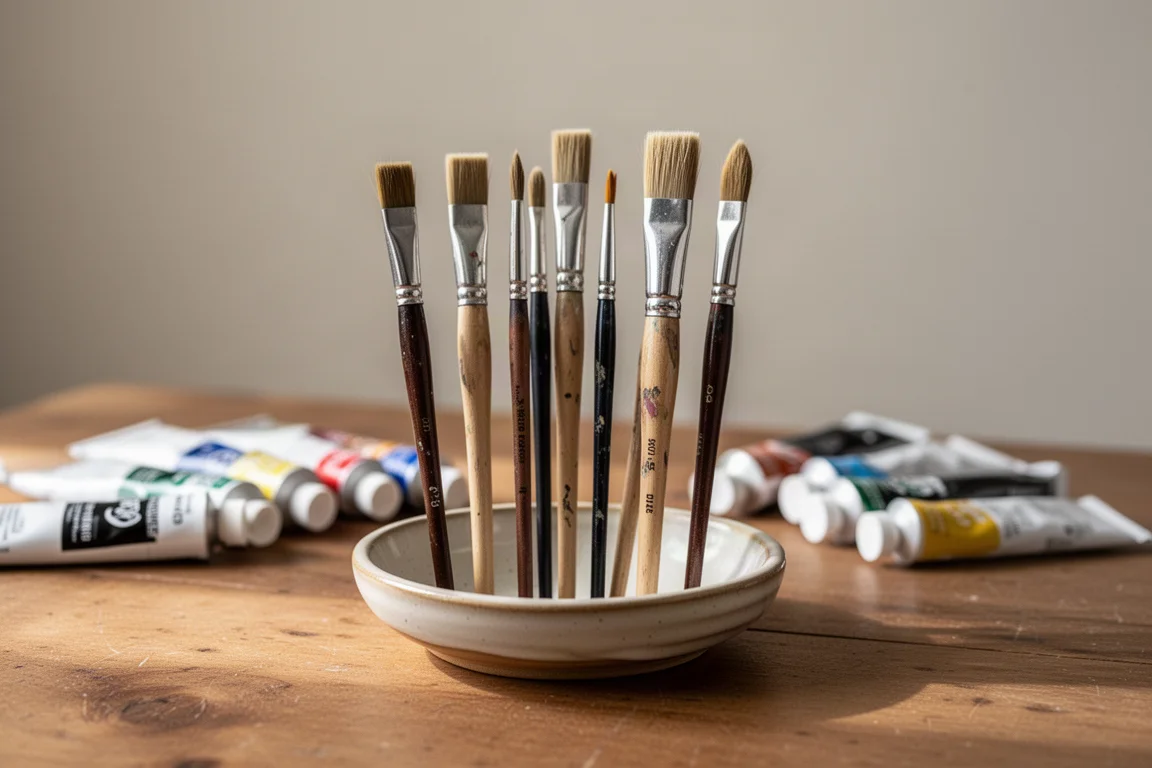
That long service life makes the modest purchase easy to justify, especially compared with repeatedly replacing fouled solvent or prematurely worn brushes.
Extra Tips for Cleaner Brushes
For a deeper clean, blot the brush on a cotton rag after the solvent bath, then work in a small amount of a citrus hand cleaner such as Gojo, or a basic degreasing hand cleaner like DNL from any hardware store. These household cleaners are inexpensive and often work better than specialty brush cleaners sold at art stores.
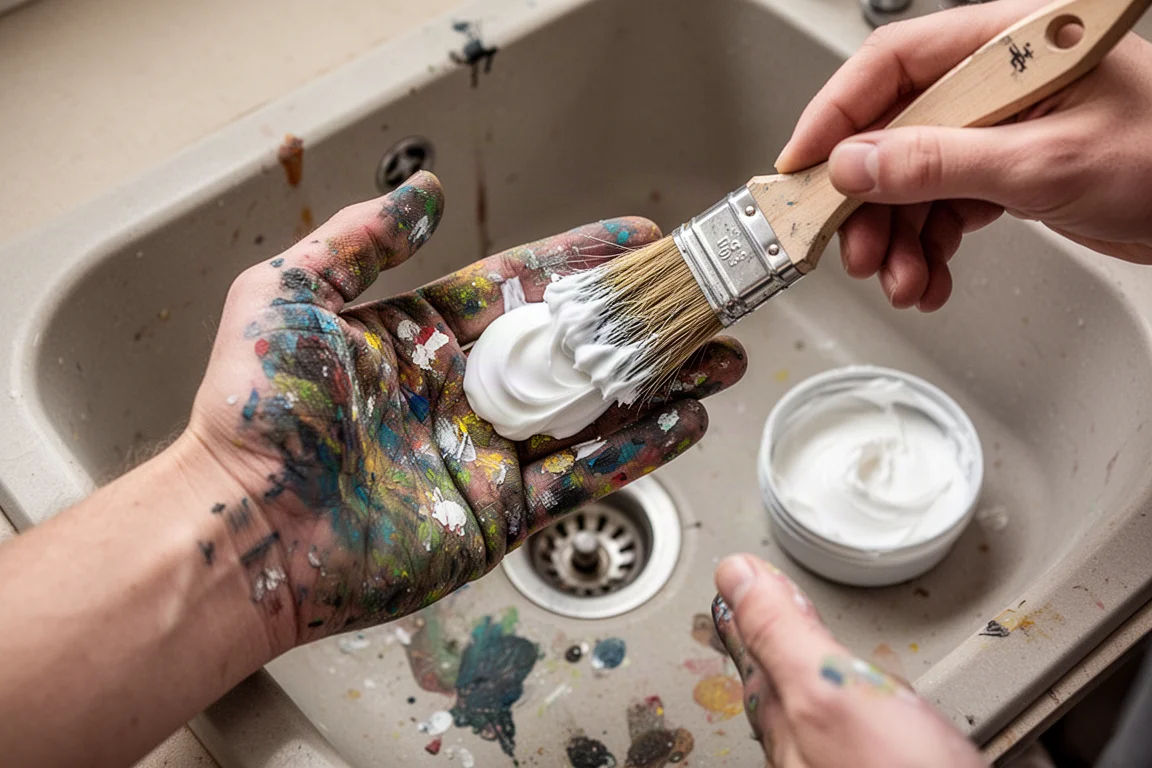
Gather several brushes together, hold them firmly, and press the bristles into your palm so the cleaner pushes the dirty pigment out. The bouncier the cleaner, the better it tends to work.
Buying Advice
The Silicoil tank makes the most sense if you paint regularly in oils and are tired of muddy brushes and wasted solvent. It pairs naturally with a low-odor mineral spirit and a well-ventilated routine: lid on when idle, lid off only when cleaning. If you paint rarely or use water-based media, the payoff is smaller and a simple jar may be enough.
Conclusion
The Silicoil brush cleaning tank is one of those rare studio tools that solves a daily annoyance with a genuinely simple mechanism. The raised coil keeps brushes away from settled pigment, the solvent stays usable far longer, and brushes stay cleaner than a jar-based routine can manage. For oil painters who care about brush condition and studio air quality, it is an easy recommendation.
Product link
View more details for Silicoil Brush Cleaning Tank
This product is mentioned in the review. Check the specifications, options, and compatibility before buying.
View more details for Silicoil Brush Cleaning TankFurther reading
Related Reviews
Art Supplies
Art Pop Watercolor Pencils 48-Color Set: A Thoughtfully Designed Student-Grade Option
The Art Pop 48-color watercolor pencil set blends well, dissolves smoothly, and includes artist-friendly details like barrel-printed color names, all at an affordable price.
Art Supplies
Artics Acrylic Markers 3mm Review: Versatile Paint Markers With a Few Caveats
A 48-color set of water-based acrylic paint markers that blend while wet, dry permanent, and keep the price low, though safety transparency remains a question.
Art Supplies
Best Art Supplies Worth Your Money: Pencils, Pens, Paints, and Paper That Earned Their Spot
After years of daily use and testing, these are the pencils, pens, watercolors, gouache, brushes, sketchbooks, and erasers that stand above the rest.