Snowboards
Signal Yep 2.0 Review: A Freeride Camber Board with a Friendlier Edge
A directional cam-rocker freeride snowboard with an extended pin tail, snappy camber pop, and an approachable flex that doesn't punish its rider.
Introduction
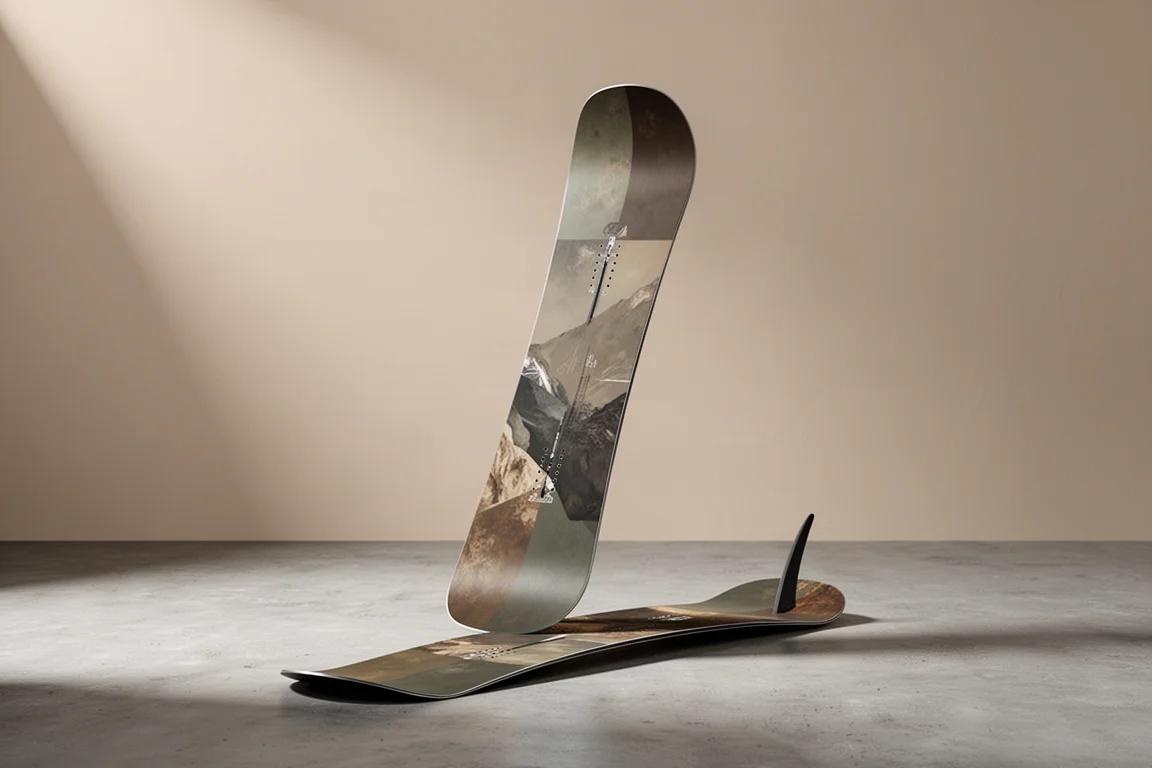
The Signal Yep 2.0 is a directional freeride snowboard built around a lot of camber and a nose that eases you into everything. It takes a discontinued Burton board, the Branch Manager, as its starting point and pushes that idea further with an extended pin tail. After riding it through blower morning powder, heavier midday snow, and chop dusted over groomers, it comes across as a deck that rewards commitment without being punishing. It was a genuinely fun ride, the kind of board you could picture yourself taking out every day.
Who the Signal Yep 2.0 Is For
This is a board for a freeride-focused rider who wants an approachable deck that isn’t going to kill them. The camber-heavy profile with early rise nose rocker, essentially a directional cam-rocker, gives you plenty of pop, snap, and drive underfoot while the rocker in the nose keeps turn entry and exit easy and helps the board float in powder. That combination makes it a good fit for confident riders who spend most of their time off the groomers but don’t want a stiff, demanding plank.
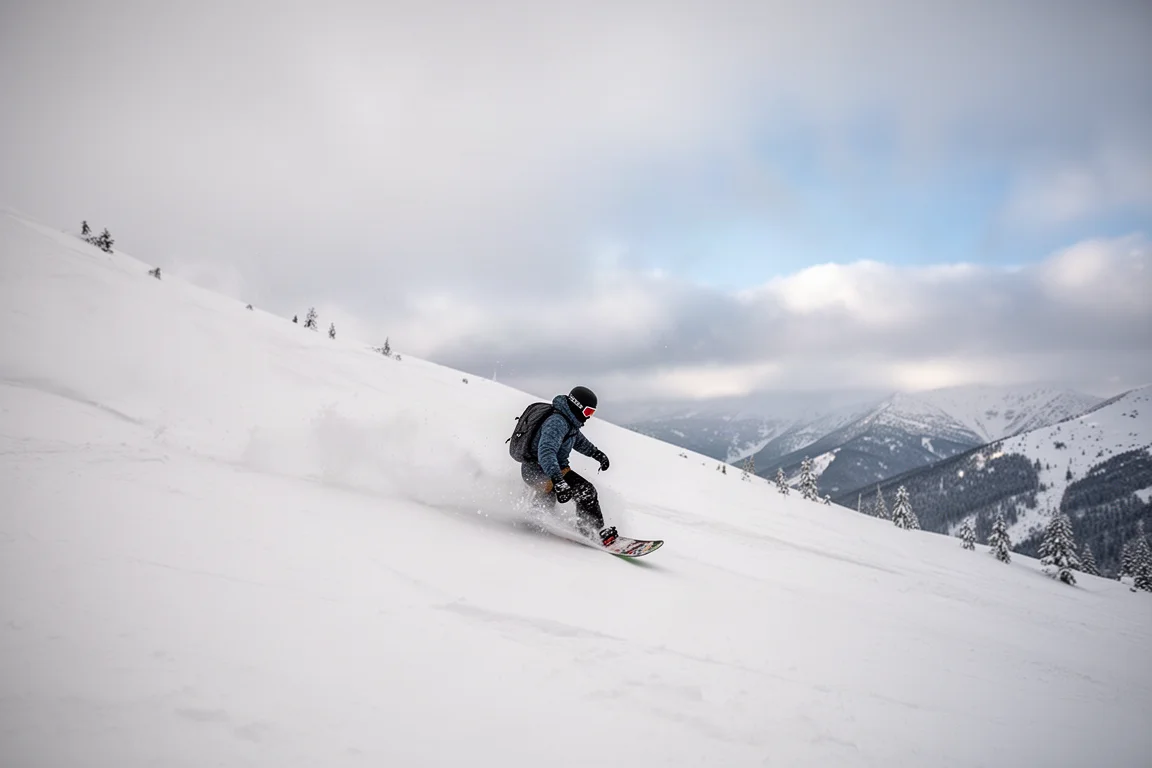
It’s available in 153, 157, and 161, and the review riding was done with Rome Black Label bindings and K2 Thoraxis boots. If you’re matching bindings to it, the Union Strata, Rome Katana Asymwrap, and Salomon District Team Pro are all recommended pairings.
Flex, Stability, and Pop
The overall flex is directional and middle of the road. There’s more play in the nose thanks to the rocker, and the board progressively stiffens from the camber section back through to the tail, with a clearly defined flex point right in front of the rear insert track. You notice that point when you load the board.
Stability is solid with one honest caveat. If you’re railing hard and drill something underneath, you’ll feel it. On groomers there’s a little chatter in the nose, but most of it doesn’t resonate back underfoot, so in practice you don’t really notice it. In rutted-out terrain, there’s enough flex for the board to bend with the contours, and whatever it skips over doesn’t translate much underfoot.
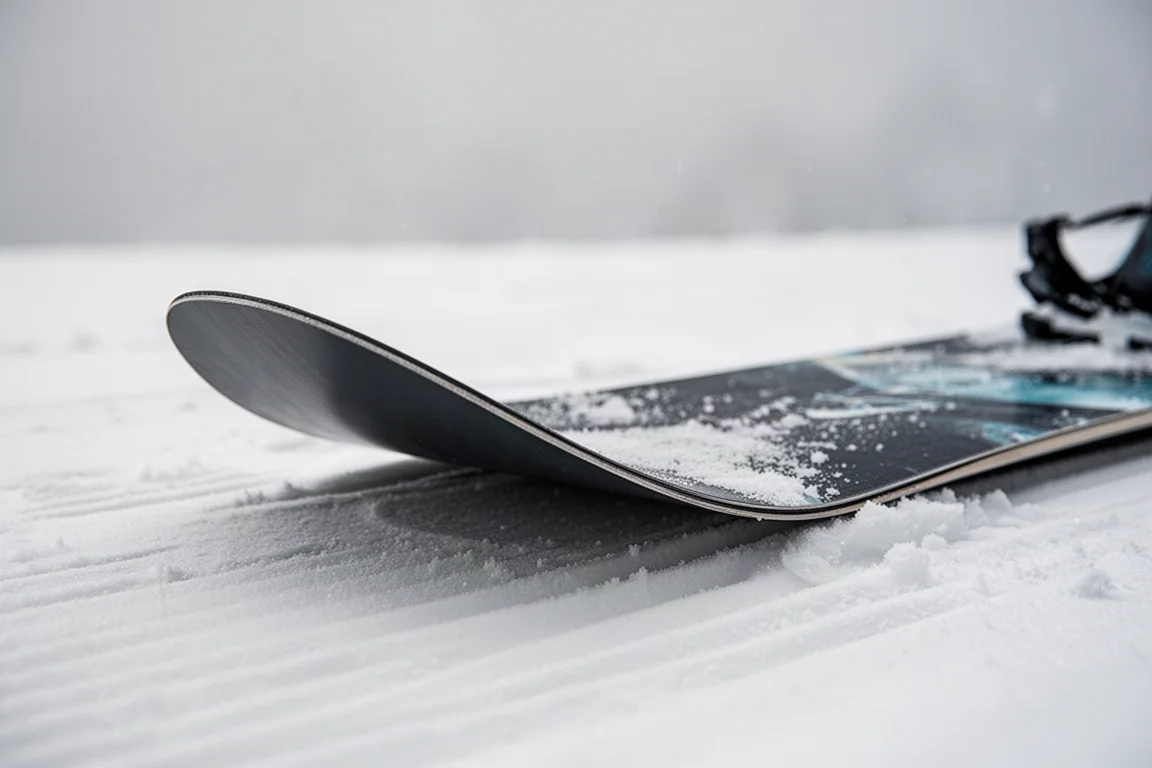
The extended tail changes how this board pops compared to the original Yep. It’s not explosive, you’re not going to boost to the moon, but the response is consistent and easy to feel. In fresh snow it pops well: the pin tail lets you sink in, push off, and spring back up. What you put in is what you get out.
Butterability and Playfulness
The nose is the best part of the board for butters. With the rocker up there and the flex point right where camber meets rocker, you can put your weight into it, it holds, and then it springs you out. The extended pin tail also helps the board wheelie better in fresh powder, though you can still play around on groomers.
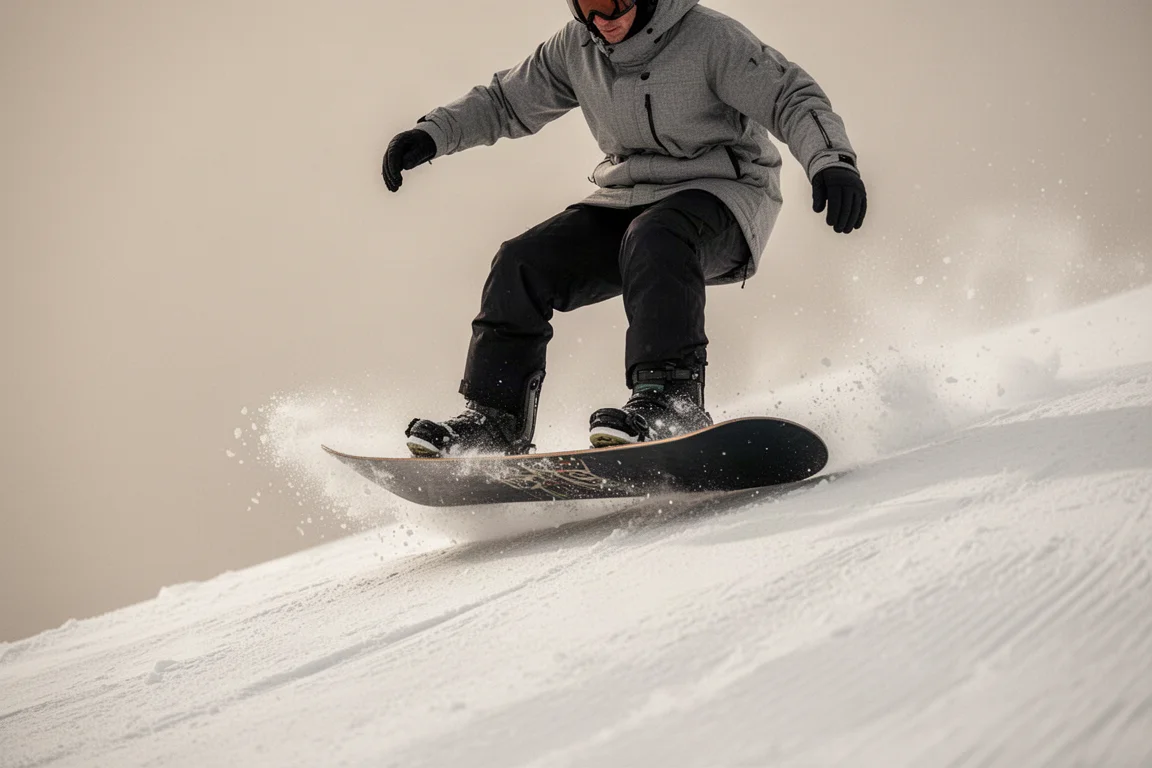
One thing to be aware of: those pointy tips can hook when you’re spinning and rotate you around faster than expected. It’s not a dealbreaker, just something to keep in mind while you’re messing around.
Carving and Edge Control
This board is fluid and smooth with good power transmission from edge to edge. You can feel the camber grip and lock in. Short, tight, quick carves and medium, mellow carves are both great, and because there’s more tail now, deeper, harder carves deliver more power than the original Yep. That extra tail also helps in steeper terrain, letting you drive the board more aggressively.
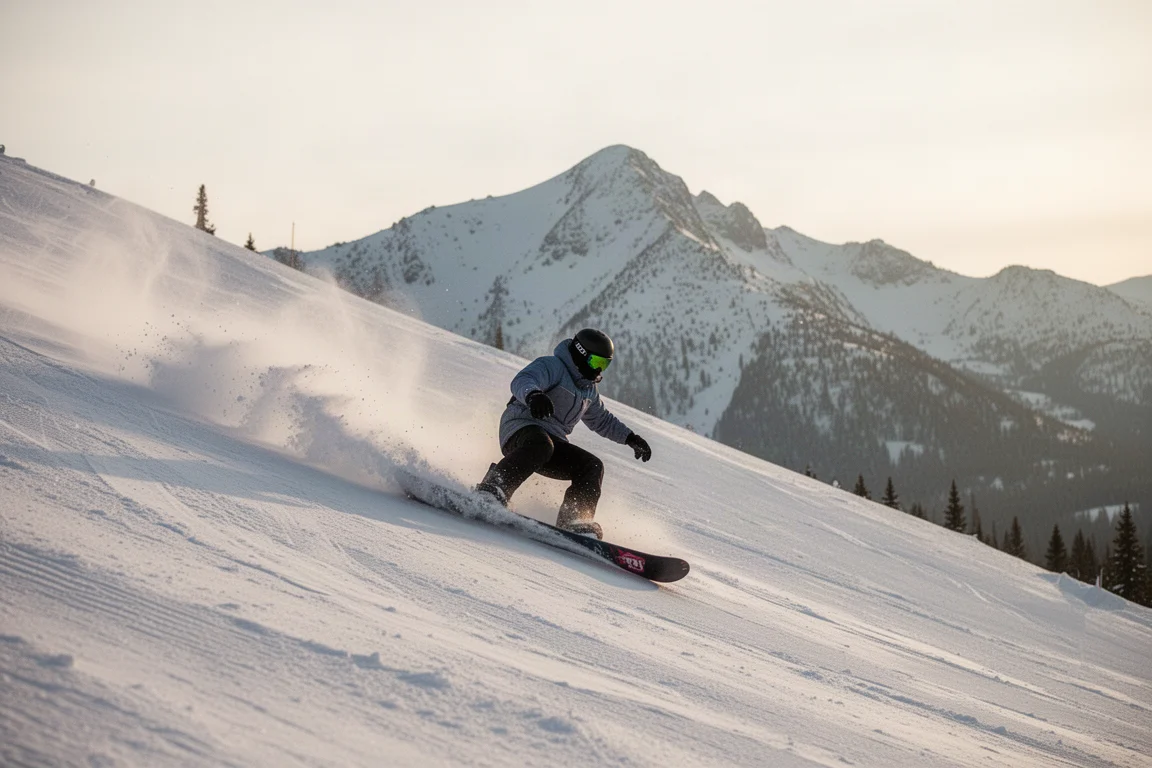
The flex point in front of the rear insert track doubles as a springboard. Drive your knee in and it gives you a launch point out of the turn, and it does the same job in powder. If you want to carve hard with this thing, you can.
Buying Advice
If the Branch Manager concept appeals to you, this is that idea taken further with the added pin tail. When you sink the tail and ride on your back foot in powder, the flex point helps keep the nose up while loading the board to pop when you need it. Comparables worth considering are the Jones Frontier, Capita Navigator, and Ride Moderator. One construction note worth knowing: third-party implementations of the channel track system have proven reliable here, with no loosening issues in use.
Conclusion
The Signal Yep 2.0 is a freeride board that balances serious camber performance with genuine approachability. It pops consistently, carves with authority, butters well off the nose, and floats convincingly in powder thanks to the extended pin tail. For riders who want a directional deck that rewards effort without demanding perfection, it’s an easy board to recommend.
Product link
View more details for Signal Yep 2.0
This product is mentioned in the review. Check the specifications, options, and compatibility before buying.
View more details for Signal Yep 2.0Further reading
Related Reviews

Snowboards
32 Middle Earth Scott Stevens Pro Model Snowboard Review: A Park Board With a Reversed Flex
A medium traditional camber park board with carbon V reinforcement that is stiffer in the tips and more playful between the feet. Here is how it rides and who it suits.

Snowboards
32 Snafu Review: A Directional All-Mountain Freestyle Board with Serious Pop
The 32 Snafu pairs a directional camber-rocker profile with a stiffening tail for powerful carves, big ollies, and a surprisingly damp ride.

Snowboards
32 XXX Pat Fava Pro Snowboard Review: A Stiff Camber Beast for Hard-Charging Riders
A full-width traditional camber deck that rewards aggression with stability and edge power, but demands effort everywhere else.