Snowboards
Signal Park Series Review: A Straightforward Full Camber Park Board
A classic camber park board with predictable pop, solid edge hold, and a mid-range flex that suits advanced park riders who live on features.
Introduction
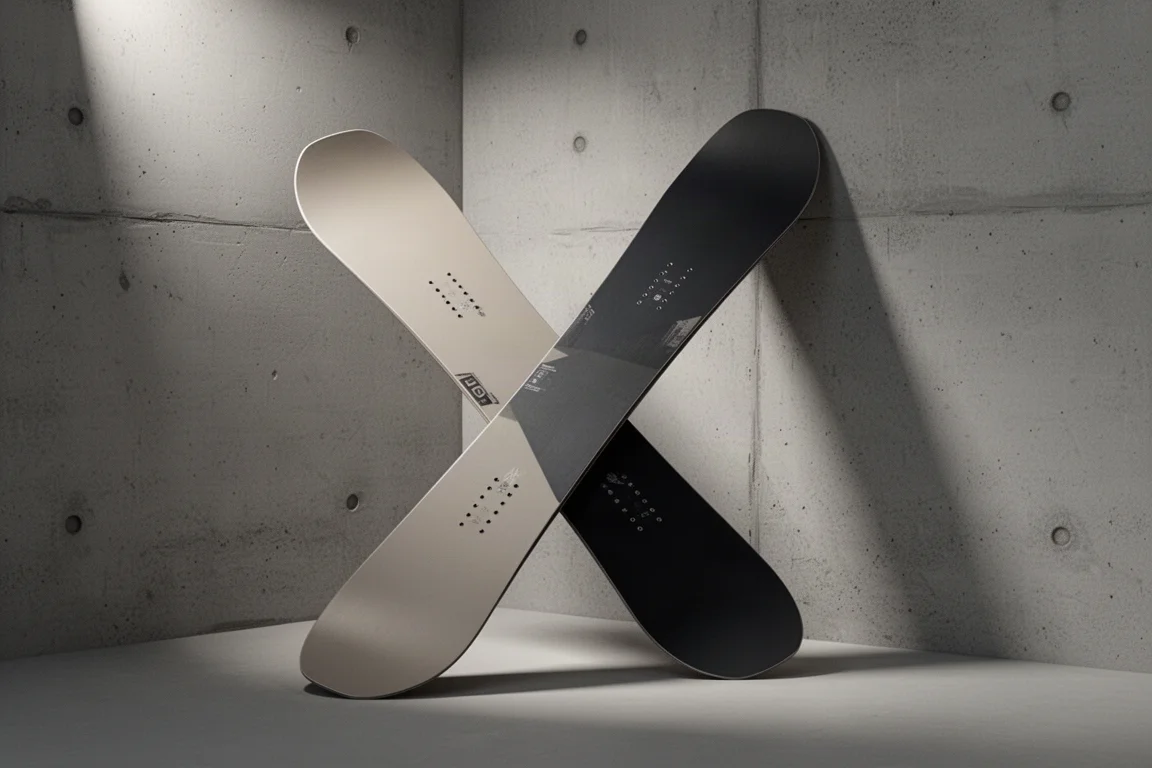
Some boards try to reinvent the ride with layers of tech, while others just do the basics extremely well. The Signal Park Series falls firmly into the second category. It is a traditional full camber board, camber running from contact point to contact point, aimed at park riders who want pop, drive, and stability without gimmicks. This review covers how it performs in a real day of riding, from crusty morning snow to spring slush, and who it makes the most sense for.
On-Snow Testing: Conditions and Setup
Testing took place at Copper Mountain on a demanding day. Overnight freezing left the morning snow firm, crusty, and chunky, the kind of surface that punishes a board that cannot hold an edge. By midday, sunshine softened the mountain into classic spring mashed-potato conditions, so the board got tested across both ends of the spectrum in a single day.
The flex sits right in the middle of the road, maybe leaning slightly toward the binding you are flexing into. It is fluid and very standard for a full cambered board. Stability is fairly solid, though this is a lively board that lets you feel what you are riding over. On smooth groomers there is effectively no top speed, but large, soft, soggy push piles can get it bouncing, so those are worth steering around.
Pop and Jump Performance
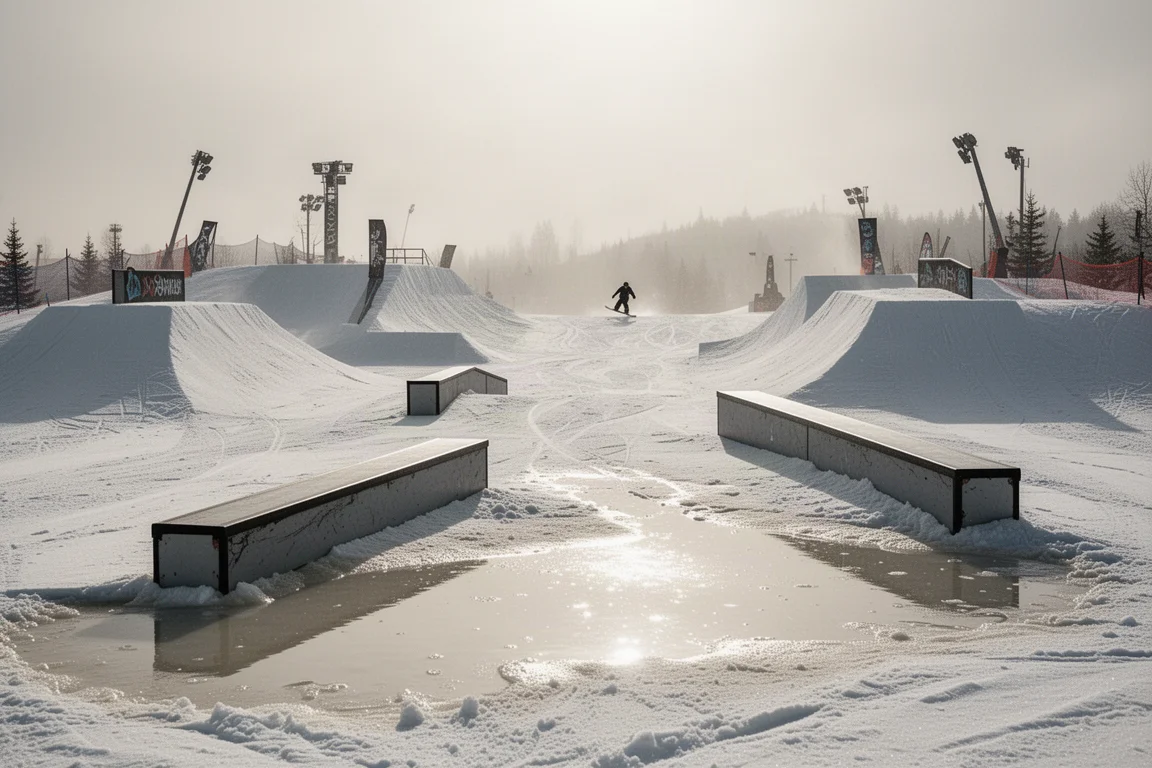
The pop on the Park Series is predictable in the best way. Ollies feel good with a nice snap off the tail, without being so explosive that the board shoots you unpredictably skyward. Taking it off rollers, side hits, and ollying slow signs all felt natural, and the edge is easy to set if you want to load up for a spin.
On jumps, the board was a genuinely good time on the medium-sized line. You can let the lip do the work or pop yourself, and it stays stable going in and out of landings. Even once the landings got rutted toward the end of the day, staying in the groove was comfortable, and when spinning, the edge would set and stop the rotation cleanly. No nasty surprises here.
Butters, Presses, and Jibbing
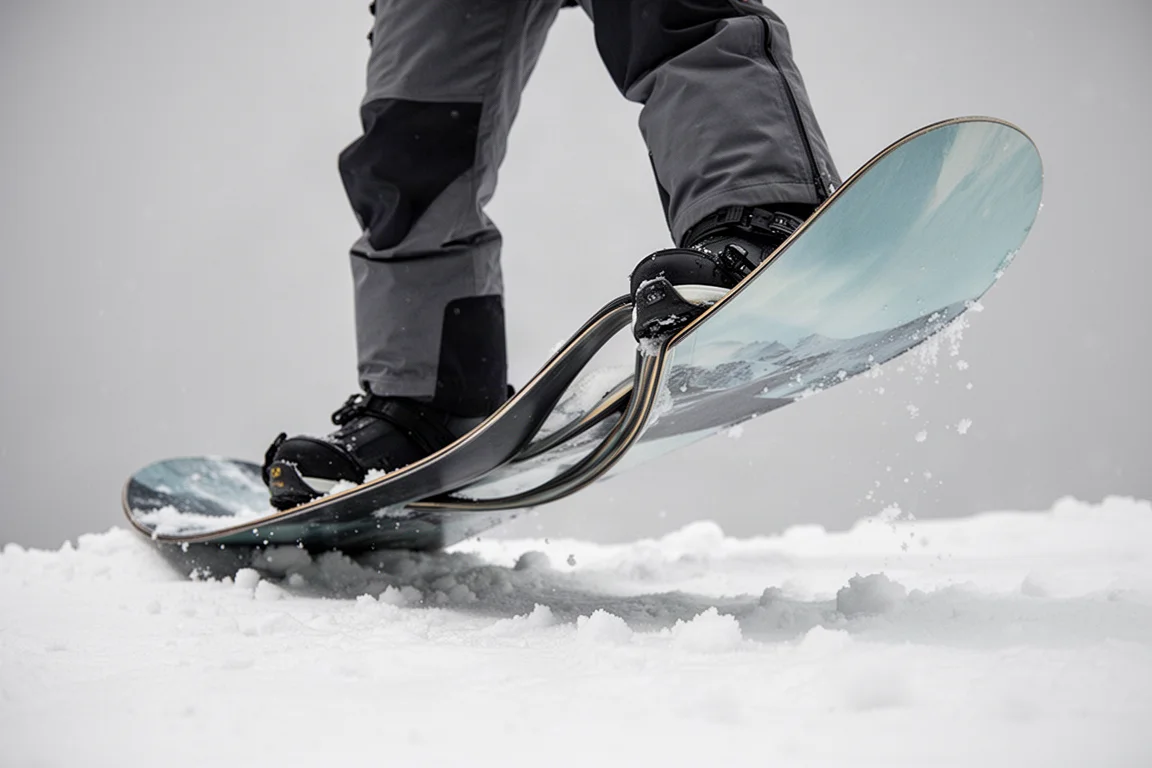
This is the one area that requires adjustment. Because there is no rocker meeting the camber, the tail has no flat, smooth loading zone, and the board wants to store energy between the feet. On tail and nose presses, it loads up and will spring you out slightly as you slide sideways through the butter.
It is controlled rather than violent, but holding presses requires a bit more focus to lock them in. That said, the energy release can work in your favor: if you want to spin out of a tail press on a rail or ledge, the board will happily pop you around. Between the feet on landings and jibs, it behaves like a standard, comfortable snowboard with no unwanted kick.
Carving and Edge Hold
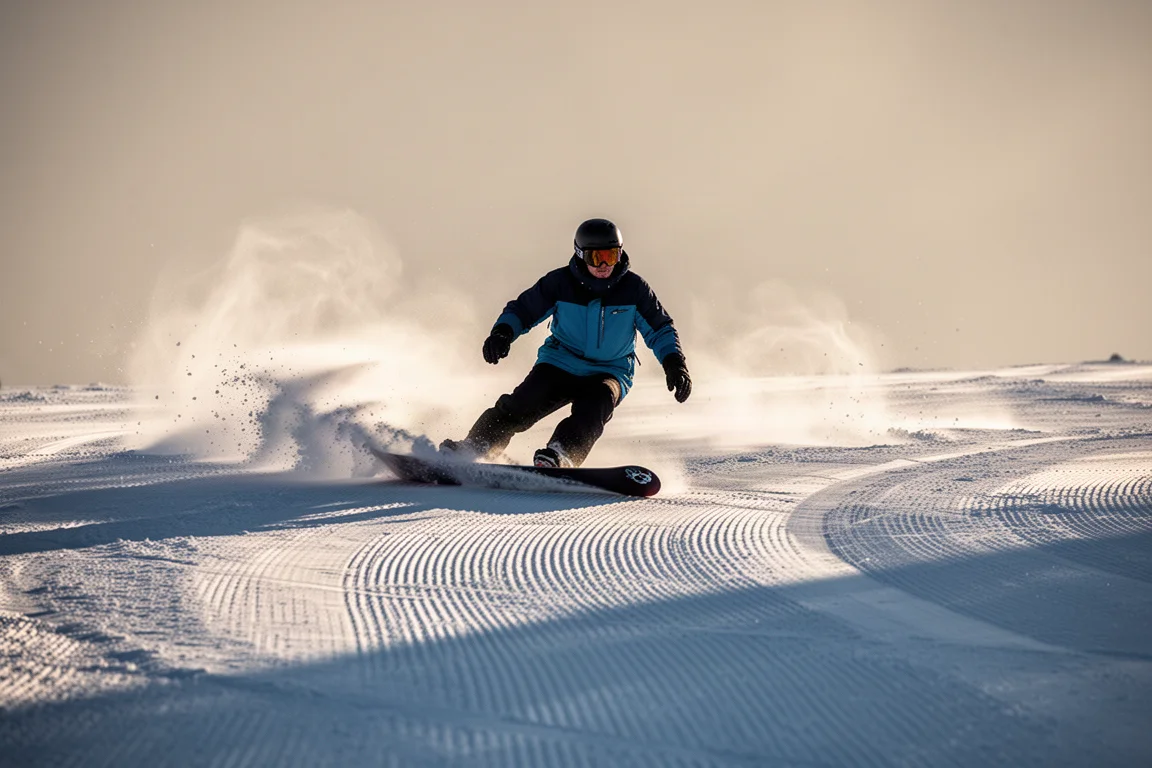
Carving was strong, especially in the firm morning snow. The edge held well on short, quick turns, and the lively character made it easy to bounce the board turn to turn. On medium carves it holds speed well and stays smooth, provided the groomer itself is smooth. Large carves on hard snow felt secure, with no skidding even though you can feel the surface underfoot.
It will also eurocarve. It is not the most precise eurocarver available, but the edge is trustworthy, and it gets the job done on firm and icy snow with zero to minimal problems. As the snow softens later in the day, carving just becomes easier across the board.
Who This Board Is For
The Park Series is built for the park rider on the more advanced side of intermediate or a fully advanced park rider who wants full camber for power and precision on bigger features. Ideally, the rider lives in the park all day and often rides softer slushy snow, similar to Big Bear conditions, where the board’s lack of heavy damping does not matter because icy chatter is not the main concern.
Things to Consider Before Buying
This is a standard snowboard in the truest sense, and that is both the appeal and the limitation. It is not the dampest board, so riders who spend most of their time on hard, icy runs will feel the chatter. It is not the most lively or exotic either, with no fancy tech or inserts to speak of. If you want a simple, solid, full camber board that handles the park well and can be ridden outside it, those trade-offs are easy to accept. Comparable boards worth cross-shopping include the K2 Afterblack, the Rossignol Reikit, and the Jones Tweaker, and pairing options mentioned alongside it include the Union Force, the Batallion Blaster Heel Wrap, and the K2 Bond bindings.
Buying Advice
If your season revolves around laps, jumps, and rails, and you already know you like the feel of traditional camber, this board fits that brief without overcomplicating anything. Match it with a mid-stiff park binding and pick a size that suits your weight and preference, then let the predictable flex and reliable edge do the rest. Riders who want a damp, chatter-free all-mountain ride should look elsewhere.
Conclusion
The Signal Park Series is exactly what it claims to be: a solid, standard full camber park board with predictable pop, good edge hold, and a forgiving mid-range flex. It shines in the park, as the name suggests, and it rewards riders who pay a little attention on presses. If that straightforward recipe sounds like your kind of ride, it is a confident pick.
Product link
View more details for Signal Park Series
This product is mentioned in the review. Check the specifications, options, and compatibility before buying.
View more details for Signal Park SeriesFurther reading
Related Reviews

Snowboards
32 Middle Earth Scott Stevens Pro Model Snowboard Review: A Park Board With a Reversed Flex
A medium traditional camber park board with carbon V reinforcement that is stiffer in the tips and more playful between the feet. Here is how it rides and who it suits.

Snowboards
32 Snafu Review: A Directional All-Mountain Freestyle Board with Serious Pop
The 32 Snafu pairs a directional camber-rocker profile with a stiffening tail for powerful carves, big ollies, and a surprisingly damp ride.

Snowboards
32 XXX Pat Fava Pro Snowboard Review: A Stiff Camber Beast for Hard-Charging Riders
A full-width traditional camber deck that rewards aggression with stability and edge power, but demands effort everywhere else.