Snowboards
Signal Park Pro Review: A Traditional Camber Park Board That Loads and Boosts
A traditional camber park snowboard with a middle-of-the-road freestyle flex, strong pop, and stable landings, plus a few trade-offs to weigh first.
Introduction
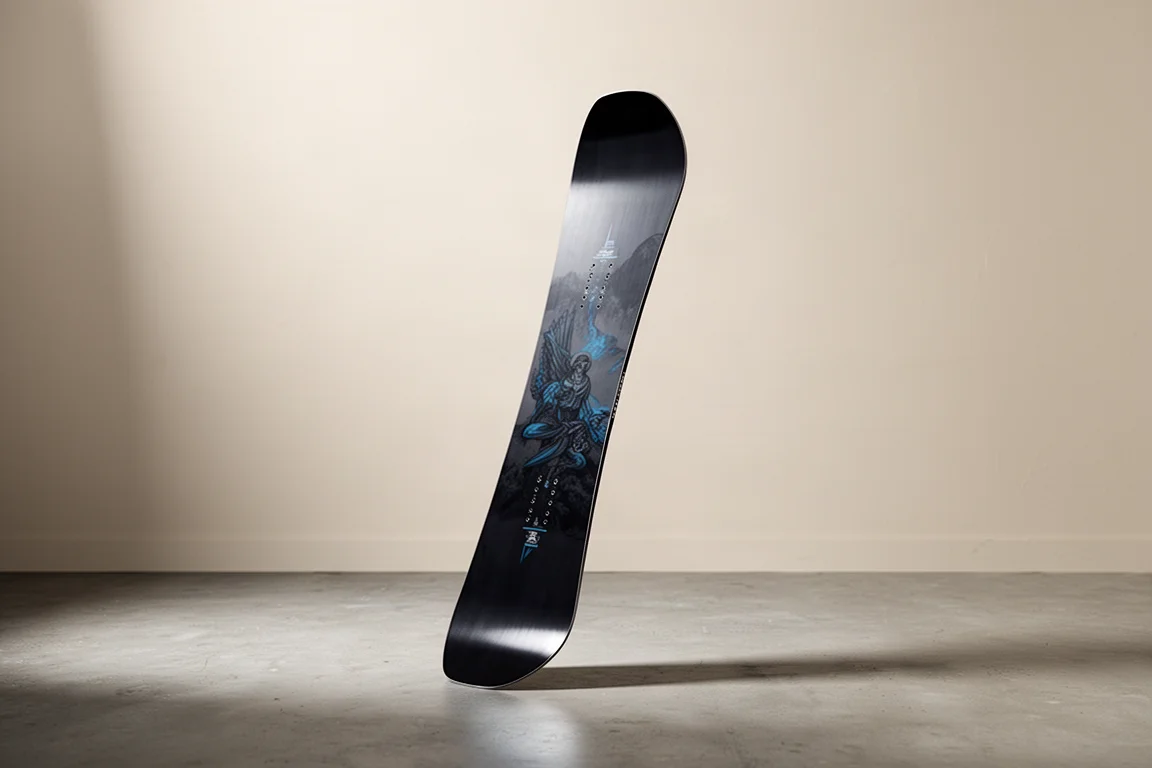
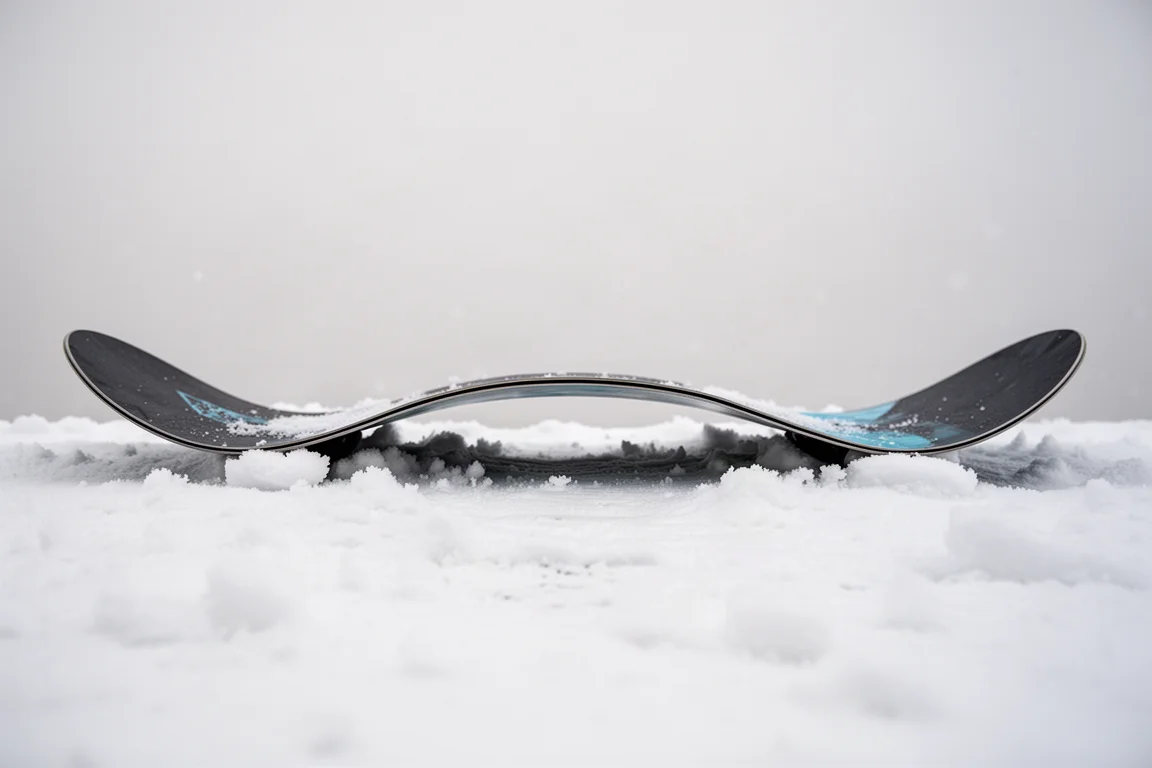
The Signal Park Pro is a traditional camber park snowboard built for riders who want a deck that loads up and gives something back. From contact point to contact point the profile runs a continuous arc of traditional camber, and that arc is the source of the load, pop, snap, and drive that shape how this board rides.
It is offered in 149, 151, 151 wide, 153, 153 wide, 155, 155 wide, and 157 wide. That spread covers a wide range of rider heights and boot sizes, and the wide options matter for anyone running larger boots who wants to avoid toe and heel drag on presses and carves.
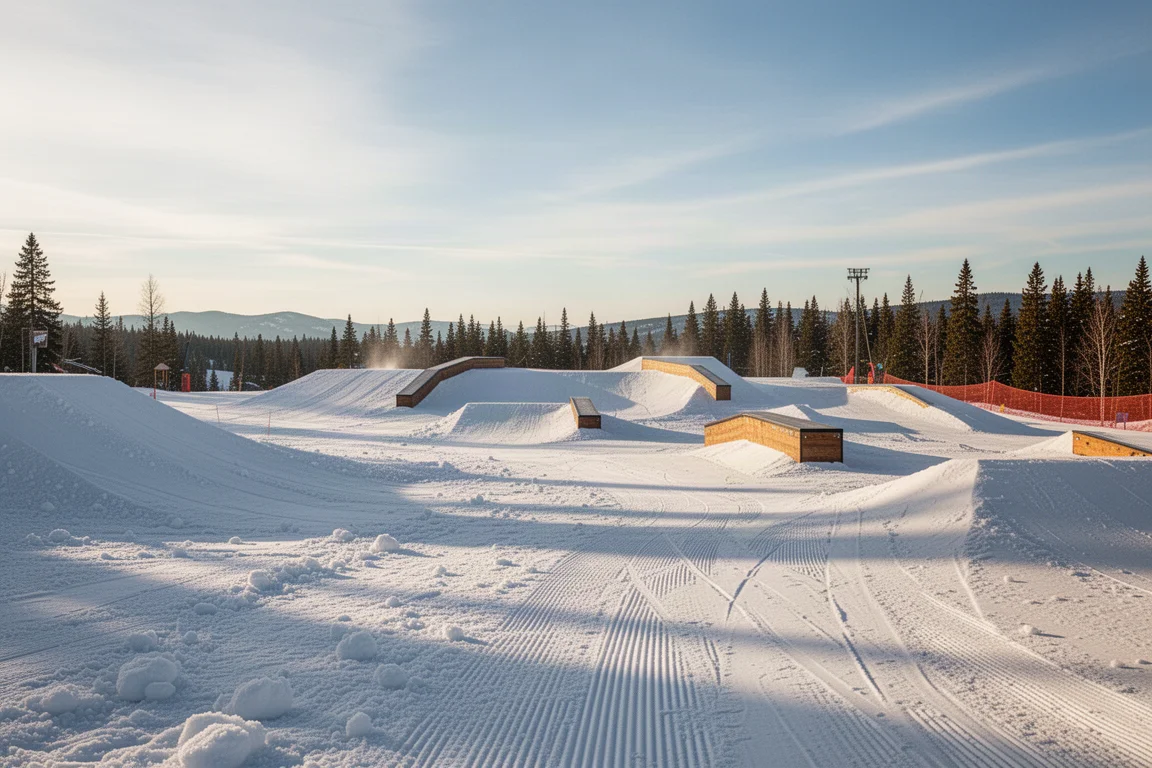
The overall flex sits right in the middle of the road for freestyle, with softer tips, a stiffer midsection, and a fair amount of torsional flex. Nothing about that pattern is radical, and that is precisely the point. It makes the ride predictable, which is what a park board needs to be when you are committing to a landing.
Who This Board Is For
This is a board aimed at the park rider who is hitting bigger features. Riders who spend their days on small jibs and mellow rollers will still get along with it, but the camber and rebound are tuned for someone who wants to load a deck hard and be rewarded for it.
It suits riders moving up from softer, more forgiving park shapes who now want more power underfoot. It also suits anyone who liked the feel of the Signal Park series but wanted a stiffer version of that ride with more rebound and more consistent output.
Main Strengths
The core strength here is a well-balanced combination of pop, stability, and predictability. Nothing on this board surprises you, and that consistency is what lets you push into bigger features with confidence.
Camber, Pop, and Rebound
Because the camber runs the full length of the effective edge, you have to load it up to get the most out of it. Do that and the rebound is solid. The board boosts hard when you pop, which makes it a natural fit for launching side hits and clearing rollers.
That same stored energy shows up on jumps. Load up before the lip and the board pops harder, sending you further and higher than a flat or rockered park deck of similar flex would.
Park and Jump Performance
On jumps of any size, small, medium, or large, the board has you covered. What stands out most is the stability through the landing. Ruts and chopped-up transitions do not buck you around the way they can on a looser board, and if you would rather take a laid-back approach you can simply let the lip throw you and ride it out.
In soft, choppy snow the board plows through with ease. When the chop firms up it tends to climb on top of it instead of getting bogged down, which keeps speed consistent when conditions deteriorate through the day.
Buttering, Jibbing, and Presses
Buttering is fairly easy on this board, though there is a little rebound to stay aware of. The sweet spots sit in the nose and tail out near the contact points, and once you lock into a butter you can feel it engage. It also lets you get creative, so swizzling and sizzling through a feature is well within reach.
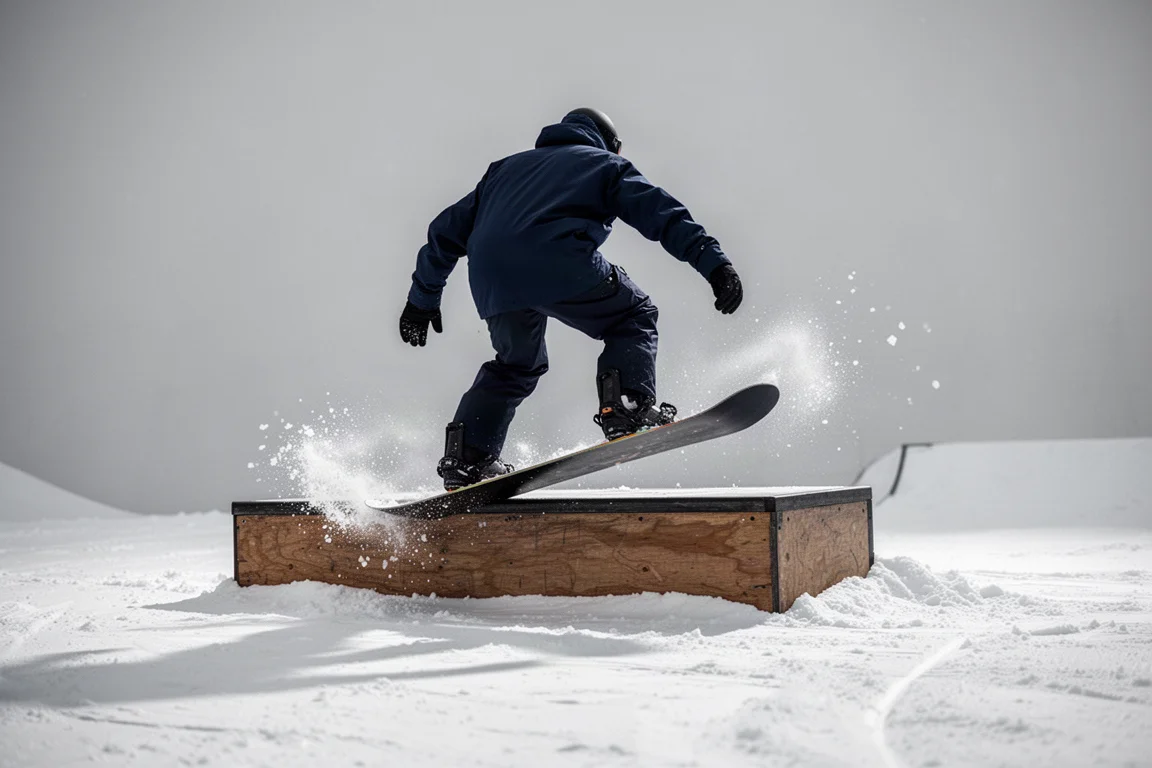
On jibs, a bit of speed goes a long way. Presses hold and lock in right to the end of the feature before the board snaps and pops you off cleanly, which means a rut in the landing is not something you have to worry about. When you go sideways it ever so slightly cradles the feature without ever clapping out, which is exactly what you want for sliding.
The trade-off in this area is edge-to-edge response. There is a slight delay in power transmission, most noticeable when you throw your hip toward the nose to drive the board off the front foot. It is not the quickest initiating deck, but once it is on edge you do have real power, and that power is there when you load the camber through the middle and push off the tail.
Things to Consider Before Buying
High-speed stability is genuinely good on this board, but you will notice some chatter in the nose that resonates slightly underfoot. For the most part it dissipates rather than building, so it is a minor quirk rather than a dealbreaker.
The bigger consideration is how much input the board asks for. Traditional camber rewards an active rider, and this deck needs to be loaded to deliver its pop and rebound. Riders who prefer a loose, low-effort feel may find it less immediately rewarding than a softer rockered shape.
Carving is also worth setting expectations around. If you absolutely need to lay a carve over, you can, but it is not something the board will do all the time. It stands out on short, tight, quick carves and medium mellow carves rather than long, locked-in rail turns.
Buying Advice
Match this board to the way you actually ride. If your days revolve around medium to large park features, jumps, and presses, the Signal Park Pro is a coherent choice: it is a solid, well-balanced park board with a consistent ride that tells you exactly what you are going to get.
Size selection matters as much as anything else here. The wide versions exist for a reason, and riders with larger boots should lean toward them to keep their stance efficient on presses and carves. Pair it with a mid-stiff freestyle binding so the board’s rebound is not muted, and expect to ride it actively rather than passively.
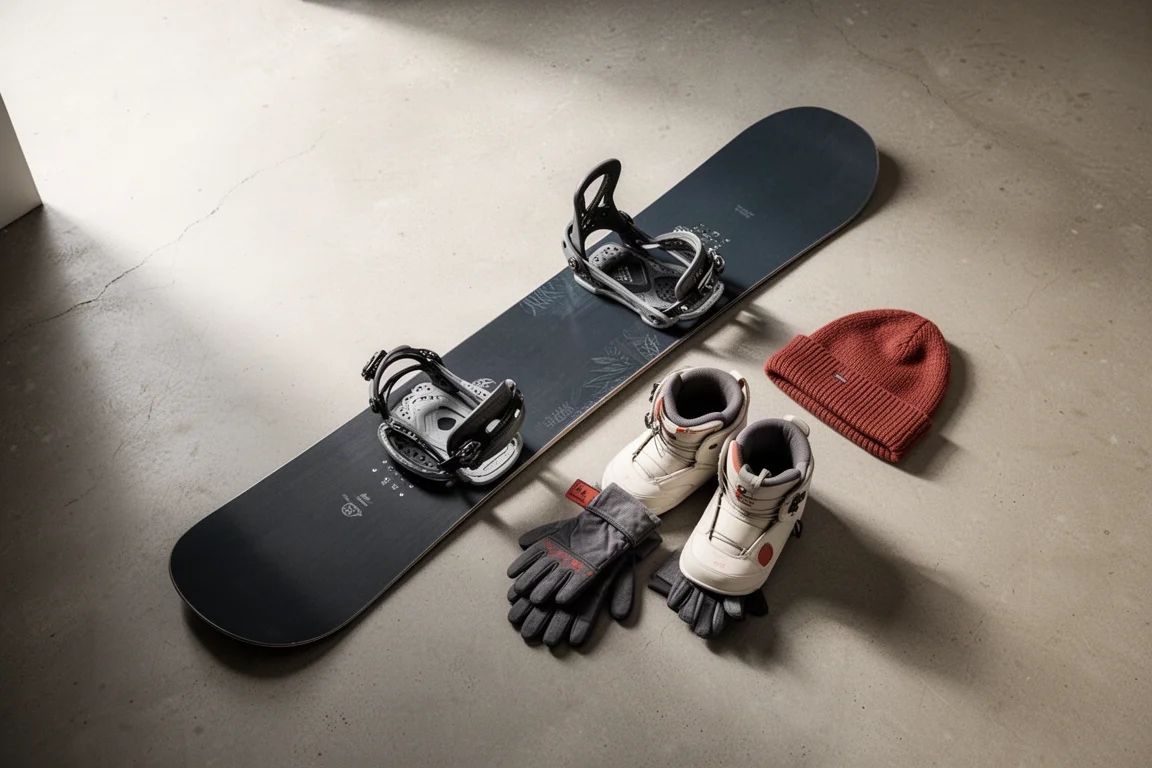
If you are comparing options in this class, boards with a similar intent include the Yes Jackpot, the Rome Agent, and the K2 Medium. For binding pairings that suit this flex pattern, the Now Select Pro, the Rome Katana, and the K2 Formula are all reasonable matches. Anyone stepping up from a softer park deck should feel the difference in the first few laps, and riders who already liked the Signal Park series will recognize the feel immediately, just with more rebound and more power behind it.
Conclusion
The Signal Park Pro essentially rides like a stiffer version of the Signal Park series. The extra rebound and power produce a consistent, predictable board that boosts as high as you are willing to load it, and it handles every park feature you point it at without drama. The nose chatter at speed and the slightly delayed edge-to-edge initiation are honest trade-offs, not hidden flaws. For the park rider chasing bigger features and reliable landings, this is a solid, well-balanced deck worth putting on a shortlist.
Product link
View more details for Signal Park Pro
This product is mentioned in the review. Check the specifications, options, and compatibility before buying.
View more details for Signal Park ProFurther reading
Related Reviews

Snowboards
32 Middle Earth Scott Stevens Pro Model Snowboard Review: A Park Board With a Reversed Flex
A medium traditional camber park board with carbon V reinforcement that is stiffer in the tips and more playful between the feet. Here is how it rides and who it suits.

Snowboards
32 Snafu Review: A Directional All-Mountain Freestyle Board with Serious Pop
The 32 Snafu pairs a directional camber-rocker profile with a stiffening tail for powerful carves, big ollies, and a surprisingly damp ride.

Snowboards
32 XXX Pat Fava Pro Snowboard Review: A Stiff Camber Beast for Hard-Charging Riders
A full-width traditional camber deck that rewards aggression with stability and edge power, but demands effort everywhere else.