Snowboards
Signal Compass Snowboard Review: 3D Twin Camber for Park Riders
A traditional camber twin with an hourglass 3D base that keeps speed flat basing, reduces edge hook, and stays playful for butters and jibs.
Introduction
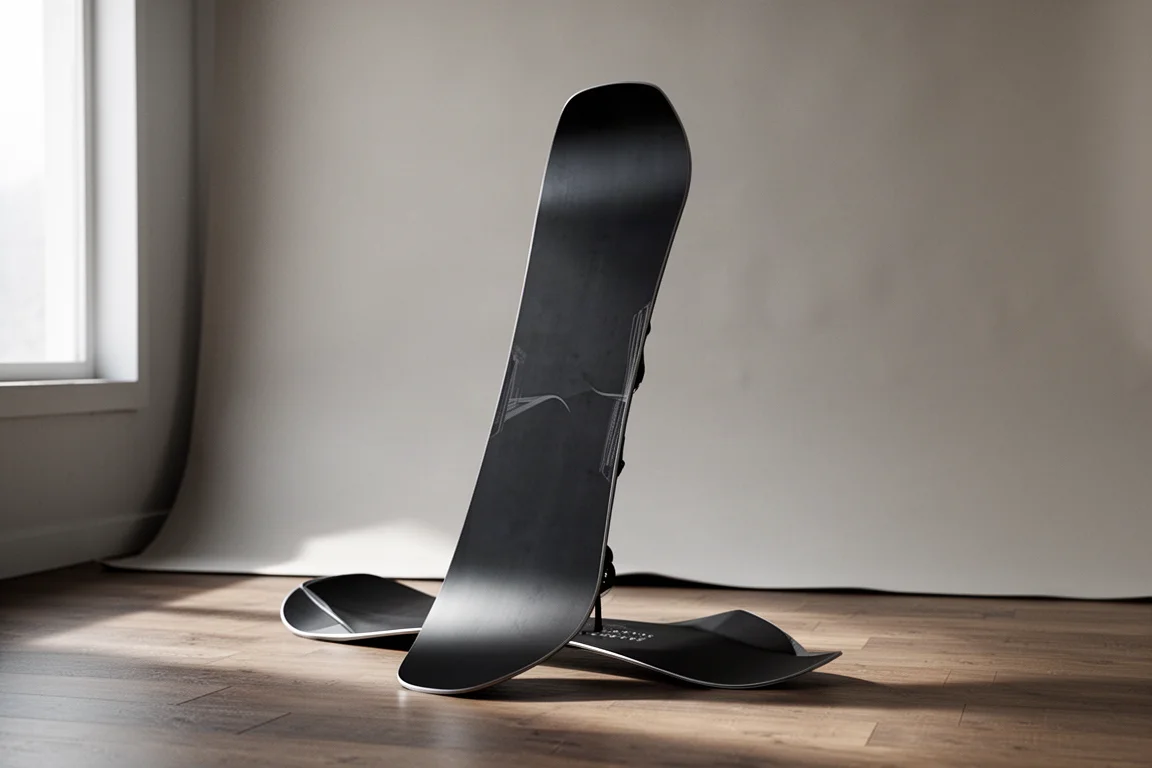
The Signal Compass is a twin park snowboard built around Signal’s 3D twin camber profile. It keeps the traditional camber arc from contact point to contact point, so you still get the load, pop, snap, and drive that camber is known for, but the base carries an hourglass-shaped 3D bevel that changes how the board behaves when you are flat basing, sliding sideways, and pressing.
Signal tested it at Copper Mountain on a sunny bluebird day with a mix of firm and fast, soft and creamy choppy groomers, slush, and ice in the shade. It was ridden with Rome Black Label bindings and K2 Thoraxis boots. It is available in 147, 153, and 156.
Who This Board Is For
Signal pitches this at the park rider who has taken one too many harsh scorpions and does not want their edge to hook up unexpectedly. It suits someone who is playful on features but still wants snap underfoot.
It is a good twin park board with 3D shaping, and the way the 3D is designed makes practical sense: you keep camber engagement while gaining better glide when flat and less edge catch when sideways.
Camber, Flex, and Stability
From contact point to contact point you get a traditional camber arc, but the hourglass base shape creates a beveled 3D that transitions in from the contact point and becomes more aggressive in the middle. This elevates the contact point, which reduces drag when flat basing and makes the board less hooky on firm snow or when hitting features.
The flex is middle of the road, if not slightly softer than middle of the road for a park board: softer tips with a stiffer midsection and a lot of torsional flex. One trade-off is chatter in the tips that resonates back underfoot. On lumpy terrain, keeping your knees bent lets the board either sail across the top or bend and contour with it; riding stiff-legged is asking to eat it.
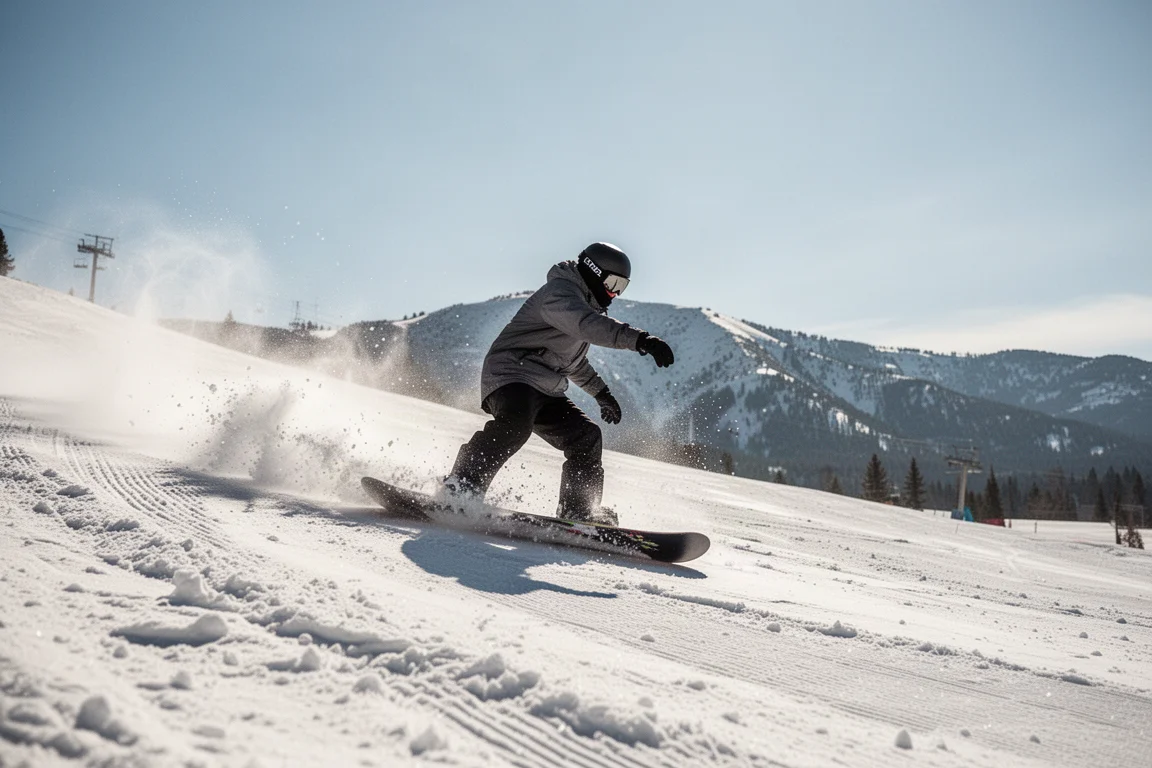
Because it is traditional camber, you do have to load the board. Rolling back on the tail produces a snap that is not the springiest out there, but it is consistent and gets the job done. You can also be a little more laid-back about engaging the camber and get a late, last-minute snap rather than forcing your weight into it.
Jumps and Landings
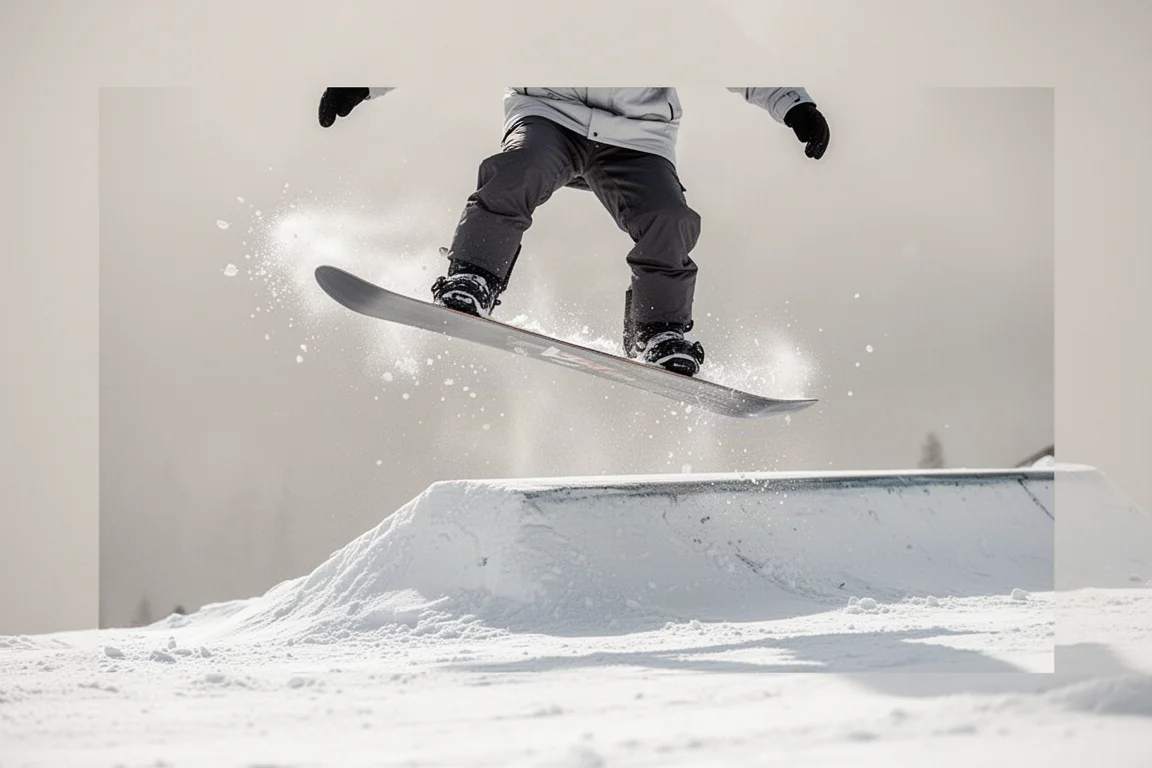
Small to medium jumps are about as big as you want to take on this board. The tips are not snappy or strong enough, in our view, for bigger features. If you go bigger anyway, land bolts: landing back seat will wheel you out.
The good news is that with the 3D shaping, the board stays stable coming down. You do not feel off-kilter like with some other 3D boards, and you can actually stomp a landing and ride away.
Butters, Jibs, and Pressing
How weird do you want to get with your butters? The tips are very soft and the 3D shaping prevents hook-ups, so you can really bend into the board, feel it press, and then flex a little more to engage the camber and pop out. You can swizzle, sit on the tail and spin 360s, or get on the nose and press however you want; it will hold.
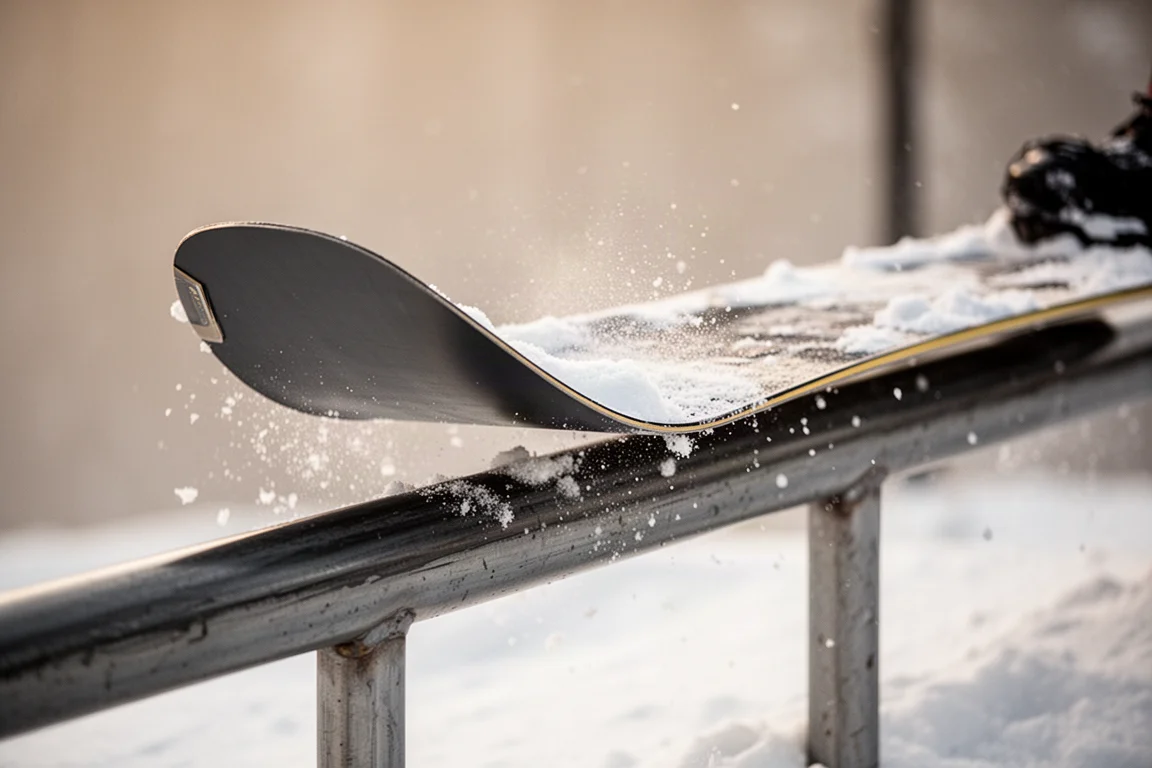
Jibbing works the same way. The sweet spot is immense in the nose and tail, and you can feel it lock in. If you get a little crooked on your nose or tail presses, edge bite is not a concern thanks to the 3D. When sliding sideways, the elevation is greatest through the middle, so on front or back boards you are sliding on a more elevated surface rather than worrying about the edge hooking up.
Carving and Edge Hold
One thing 3D-shaped boards usually lose is some power or edge hold. Here, you keep it except on deep, hard, aggressive carves, mostly due to the core construction: the tail lacks the power to continuously grip and drive through, so you get edge loss and slip at the contact point.
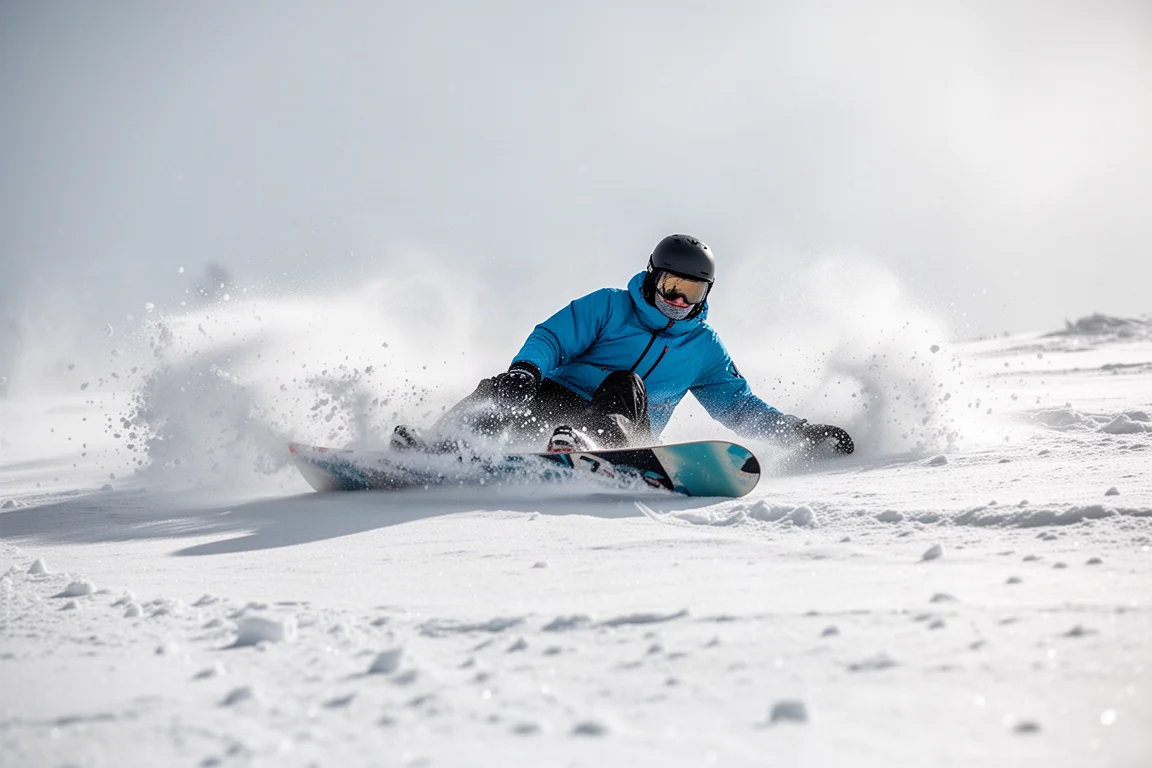
For short, tight, quick carves, the board is very nimble and fluid, possibly one of the most fluid and nimble 3D-shaped boards going edge to edge. You can feel it roll from toe to heel and steer underfoot, which also helps medium, mellow carves where it is locked in on edge. When you drive a knee in and push off the tail for deep, hard carves, the limitations show: soft snow lets you lay a Euro carve, firm and hard snow probably does not.
Design Background and Compatibility
The 3D shaping here is a logical progression of designer Jason Kesler’s earlier 3D work, mellowed out and tapered compared to the more aggressive angles of his previous builds. The result is some of the fastest edge-to-edge power transmission felt on a 3D twin park board: fluid, smooth, and solid. It should also stone grind without issue.
Buying Advice
If this style of 3D twin camber is not for you, comparable alternatives include the Bataleon Disaster Plus, the Ride Kink, and the Salomon Sleepwalker. For further finding recommendations, look at the Bataleon Chaos. Riders who prefer non-3D boards in this category should check reviews of those models instead.
Our take: if you want camber snap in a park board without the edge-catch anxiety, and you spend most of your time on small and medium features with a taste for butters and jibs, the Compass fits that brief well. Sizing runs from 147 to 156, and taller or heavier riders may want to evaluate whether the largest size matches their expectations before committing.
Conclusion
The Signal Compass is a well-executed 3D twin park board: consistent camber snap, immense press sweet spots, stable landings, and genuinely quick edge-to-edge transitions. Its limits are real but predictable, showing up mainly in tip chatter, big jumps, and deep aggressive carves. For playful park riders who want to stop worrying about edge hook-ups, it makes a lot of sense.
Product link
View more details for Signal Compass
This product is mentioned in the review. Check the specifications, options, and compatibility before buying.
View more details for Signal CompassFurther reading
Related Reviews

Snowboards
32 Middle Earth Scott Stevens Pro Model Snowboard Review: A Park Board With a Reversed Flex
A medium traditional camber park board with carbon V reinforcement that is stiffer in the tips and more playful between the feet. Here is how it rides and who it suits.

Snowboards
32 Snafu Review: A Directional All-Mountain Freestyle Board with Serious Pop
The 32 Snafu pairs a directional camber-rocker profile with a stiffening tail for powerful carves, big ollies, and a surprisingly damp ride.

Snowboards
32 XXX Pat Fava Pro Snowboard Review: A Stiff Camber Beast for Hard-Charging Riders
A full-width traditional camber deck that rewards aggression with stability and edge power, but demands effort everywhere else.