Backpacks
Sierra Designs Flex Capacitor Review: A 60L to 75L Expanding Backpack
The Sierra Designs Flex Capacitor grows from 60 L to 75 L at just 1.21 kg. A close look at its DAC Y-frame suspension, storage layout, and the trade-offs to weigh before buying.
Introduction
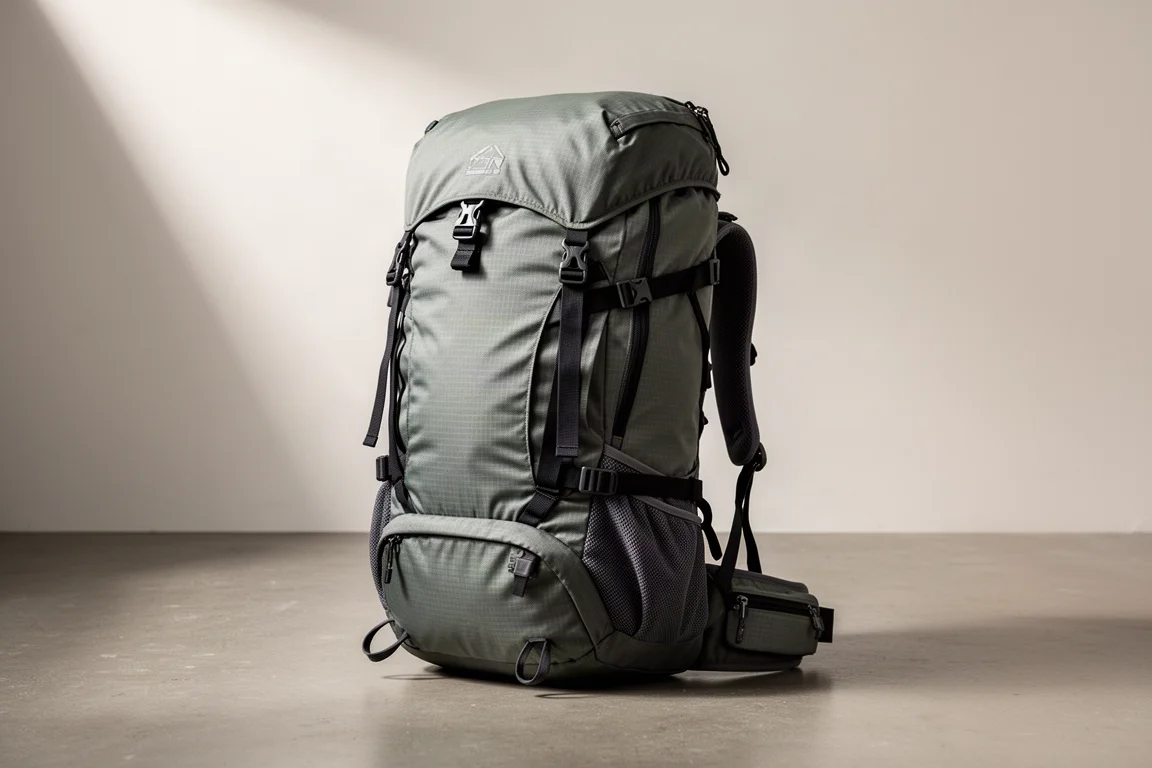
Some backpacks only make sense for one season. The Sierra Designs Flex Capacitor takes a different route. It is a single pack that expands from 60 L to 75 L, so the same bag can cover a stripped-back summer kit and a bulkier winter load. It weighs 1.21 kg and costs £195, which places it in a competitive spot for a pack with that much adjustable volume.
The idea will appeal to anyone who cannot justify a summer set, an autumn set and a winter set of gear, and who needs one pack to stretch across the whole year. The real question is whether the expanding design delivers a genuine advantage over a conventional backpack that can simply be cinched down.

Sierra Designs is known for unusual, inventive products, and this is clearly one of them. It uses a Y-frame suspension system built from DAC pole segments, the same kind of aluminium sections found in premium trekking poles. That is a genuine engineering story, and it is worth understanding before deciding whether the Flex Capacitor suits your trips.
Who This Backpack Is For
This pack is aimed at hikers and backpackers who work with one set of gear all year. If your budget or your storage space rules out separate seasonal kits, a pack that runs from 60 L to 75 L removes the need to own two bags. It also suits anyone who wants a large volume at a low weight, since 1.21 kg is light for a pack in this class.
It is less obviously suited to people who already own a well-fitting standard pack. A conventional backpack with side compression straps and an adjustable lid can also be made smaller or larger, even when it is not marketed as an expanding design.
Main Strengths: Suspension and Carry Comfort
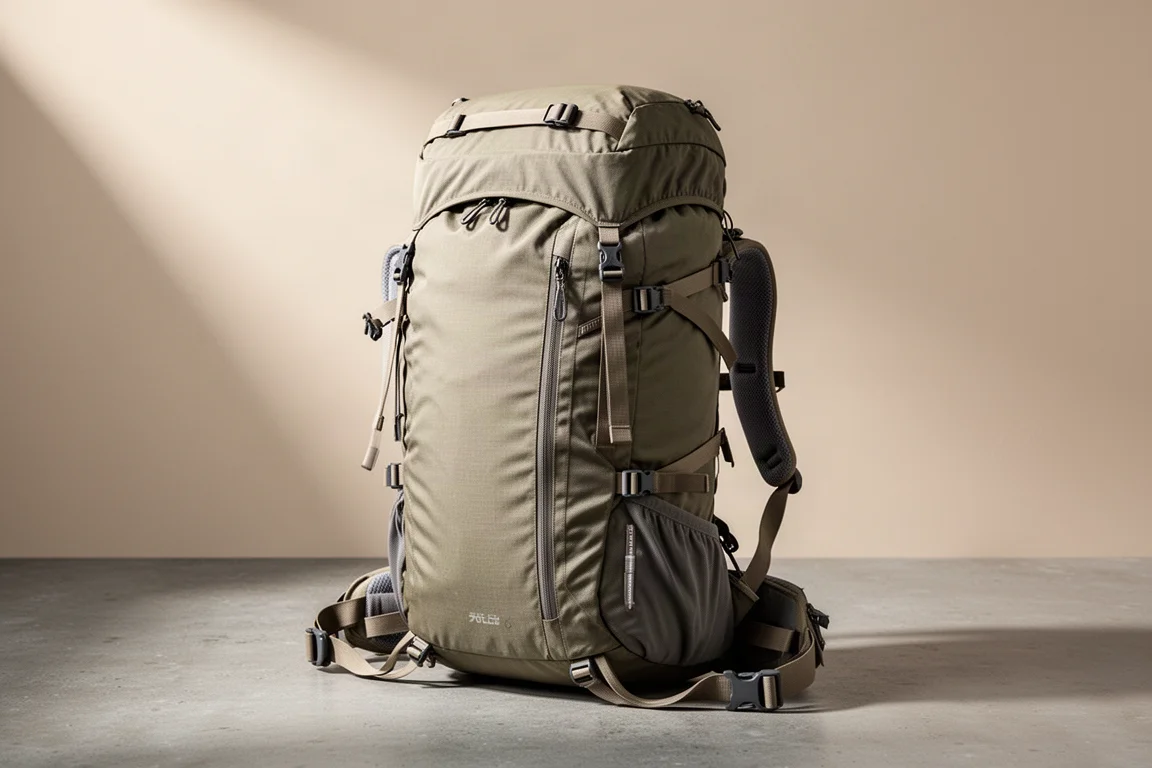
The Y-frame suspension is the standout feature. DAC pole segments form a Y shape that runs down into a single spine through the length of the pack, giving the load a structured frame without adding much weight. There is no suspended mesh back panel, but padding at the base of the back and up both sides of the spine leaves a channel for air to move through.
The shoulder straps and hip belt carry a reasonable amount of cushioning, and the pack includes load lifters, an adjustable up and down sternum strap and a two-into-one hip belt strap at the front. With the loads used in testing it carried comfortably. The practical ceiling sits around 15 kg, though, and the padding is not built for much more than that.
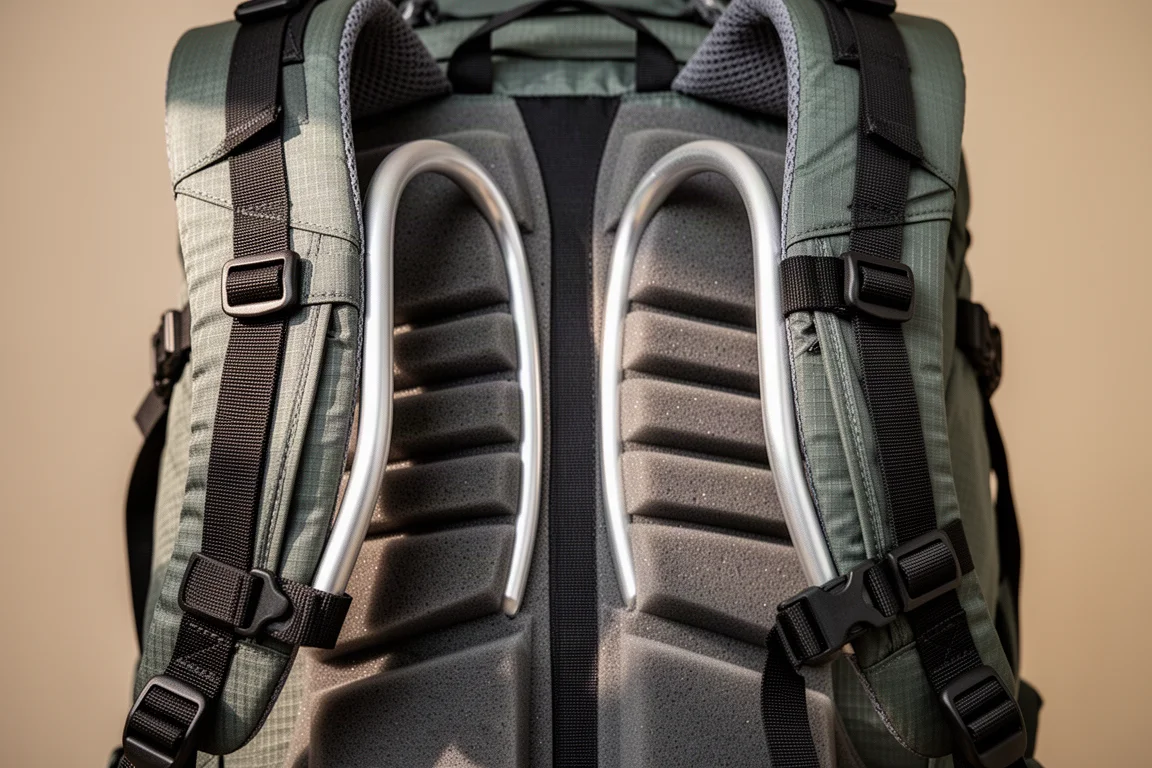
Because the frame expands outward from the back rather than upward, the weight stays relatively central instead of sitting high above the shoulders. That is a sensible piece of design for a pack that changes volume.
Main Strengths: Storage and Access
Volume is the headline. Undo the compression straps and the pack grows from 60 L through 65 L and 70 L up to 75 L, expanding outward from the back and to the sides at the same time. Main access is through the top, with a lid pocket for smaller items.
Both sides carry matching hardware: a side pocket, a zippered hip belt pocket and a set of clips and straps. There are two shoulder pockets that can be cinched, which is useful for small items you want close at hand. Inside, the main compartment is one large space with a large removable hydration reservoir sleeve. Undo the tabs and it lifts out. Leave it in and the hose can be routed down either the left or the right side.
The materials are mixed. The main body uses a thick 420D fabric, while the rest of the pack is a much thinner 100D. That helps keep the weight down, but it is worth noting for anyone who expects uniform toughness across the whole bag.
Things to Consider Before Buying
The hip belt is the most significant concern. It is not properly fastened, which means the hips cannot take as much of the load as they should. Weight ends up on the shoulders instead, and that limits how heavy a load the pack can realistically carry. A fixed hip belt would change the character of this bag considerably.
Pocket depth is the second issue. The side pockets are shallow, and a one litre bottle can work its way out at exactly the moment you need water. The shoulder pockets are only just deep enough for a bottle. A phone sits proud of the top and could pop out on rougher ground, and the same risk applies to sunglasses. The hip belt pockets are small despite the bulk of the belt, and they could have wrapped further around for more usable space.
The expansion itself has trade-offs. Growing outward to the sides and backwards can introduce a little instability, and the pack can feel like it is spreading wide. Used at 60 L, the extra compression straps hang loose, although that is a familiar situation with any pack cinched down hard.
Feature coverage is deliberately lean. There is no stash pocket, no dedicated trekking pole attachment, no side access, no sleeping bag compartment and no bottom entry, so everything goes in through the top. The back length is fixed as well, so fit depends entirely on the harness adjustments rather than a changeable torso size.

It is also worth comparing against a standard backpack. Many conventional packs can be shrunk or expanded using side straps and lid straps, so the expanding concept is less of a novelty than it first appears.
Buying Advice
At £195 and 1.21 kg, the Flex Capacitor offers a lot of volume for the weight, and that is a genuine achievement. As a 60 L pack it is comfortable and well thought out. As a 75 L pack it is harder to recommend, because the harness and padding are not designed to manage the loads that 75 L of gear usually implies, and going much above 15 kg is not advisable.
If you pack light and want one bag that can absorb a bulkier winter load, the concept makes sense. If you routinely carry heavy loads, a standard backpack with a more supportive hip belt is likely the better route, and the missing stash pocket, side access and sleeping bag compartment will matter more as volume increases.
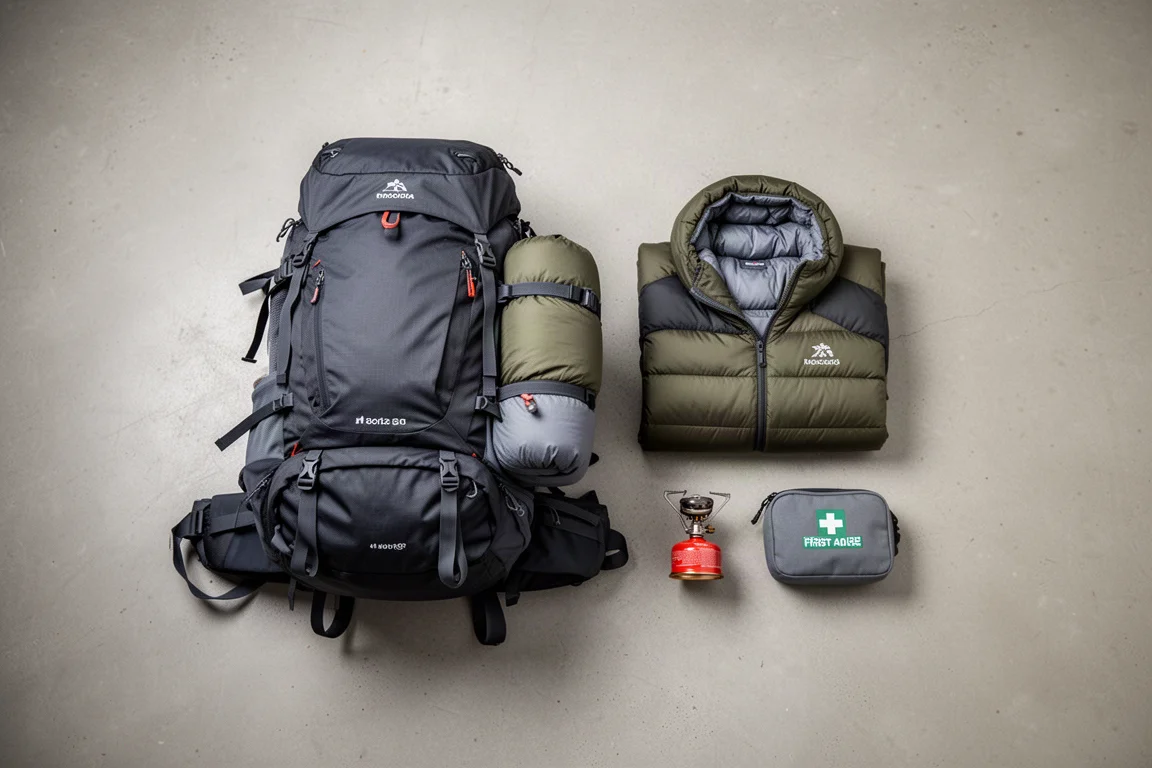
Buy it for the weight and the adjustable volume, not for the load-carrying capability at the top of its range. Matching the pack to the weight you actually carry is the decision that matters most here.
Conclusion
The Sierra Designs Flex Capacitor is a clever, lightweight design from a brand that is not afraid to try something different. It expands from 60 L to 75 L, weighs 1.21 kg and costs £195, and it carries well at moderate loads.
The trade-offs are clear: a hip belt that does not let the hips take their share, shallow pockets, and a feature set that skips several extras many backpackers rely on. For lighter loads and flexible volume, it is worth a look. For heavy winter loads, a conventional pack remains the safer choice.
Product link
View more details for Sierra Designs Flex Capacitor
This product is mentioned in the review. Check the specifications, options, and compatibility before buying.
View more details for Sierra Designs Flex CapacitorFurther reading
Related Reviews

Backpacks
Best Backpacks 2026: Laptop Protection, Durability, and Comfort Compared
We tested 12 backpacks from $18 to $350 for laptop protection, durability, back padding, comfort, zipper smoothness, and water resistance.
Backpacks
Best Backpacks Under ₹500 in India: Five Practical Options Compared
Five backpacks tested side by side, from budget-friendly to premium Indian brands. Real strengths, trade-offs, and honest buying advice for daily use.
Backpacks
Decathlon Trek 100 70L Backpack Review: Serious Value for Backpacking
A 70-litre backpacking pack with a torso system you can adjust while wearing it, a rigid frame, and a 10-year warranty for $120.