Sleeping Quilts
Sierra Designs Cloud Quilt 20° Review: A 1.5 lb Hybrid Quilt at $200
A lightweight hybrid quilt, blanket, and sleeping bag with 800 fill down and a $200 price, plus the comfort rating detail worth understanding before you buy.
Introduction
Sierra Designs has been part of the outdoor gear world for a long time, and the Cloud Quilt 20° is one of the more unusual pieces in its current catalog. It is not quite a sleeping bag, not quite a quilt, and not quite a blanket. It is all three, depending on how cold the night turns out to be.
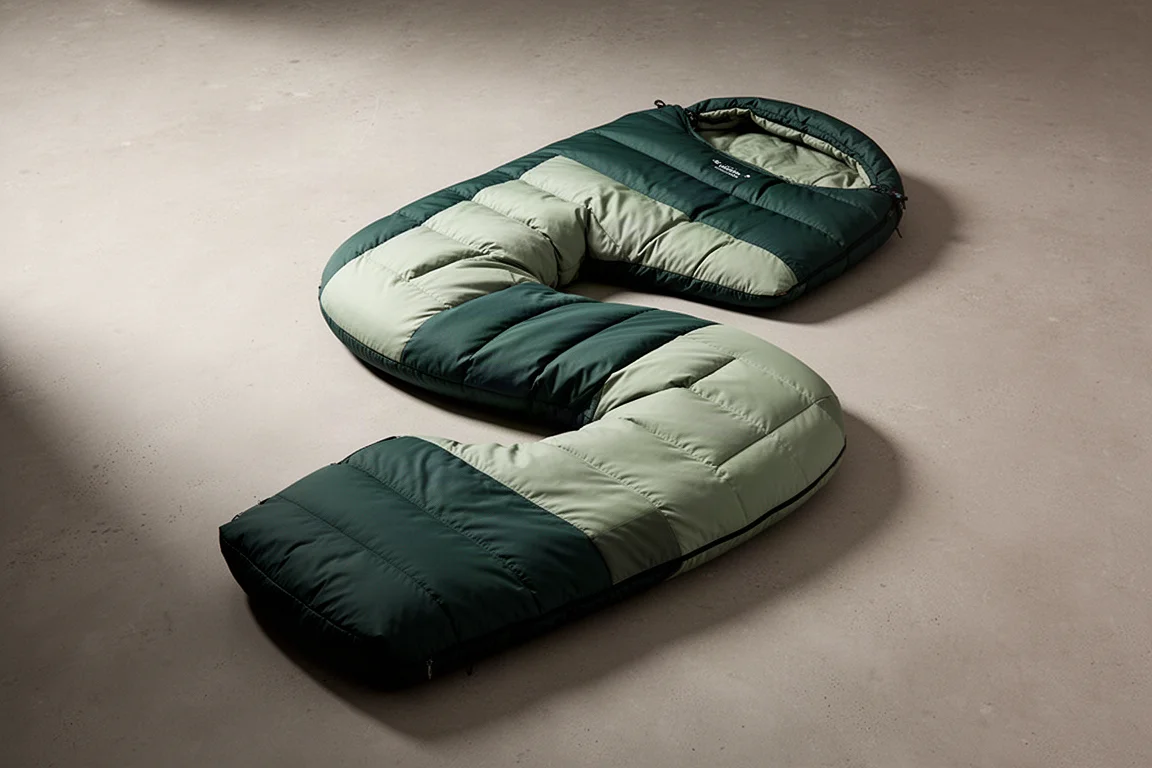
The idea behind it is straightforward. In mild weather you spread it out and use it as a blanket. As temperatures drop you wrap it around yourself like a quilt. When it turns properly cold you close it up and treat it as a sleeping bag, with a dedicated face opening and vent so you breathe outside the insulation instead of into it.
The regular version covered here weighs about 1.5 lb, uses 800 fill power dry down, and retails at $200. That combination of low weight and moderate price is what makes it worth a closer look for backpackers who want one piece of insulation that covers a wide temperature band.
Who the Sierra Designs Cloud Quilt Is For
This quilt is aimed at backpackers who count grams and want a single insulation layer that adapts rather than a closet full of bags. If you hike three seasons, sleep reasonably warm, and prefer an open quilt over an enclosed bag, the format makes sense. The same applies to campers who want a blanket for summer nights, a quilt for spring and autumn, and something bag-like for the shoulder season without buying three separate products.
The regular size is designed for sleepers up to 6 ft 3 in, and a long size is available for taller users. The tapered shape is wide across the head and shoulders and narrows toward the foot, which keeps bulk down where you do not need it.
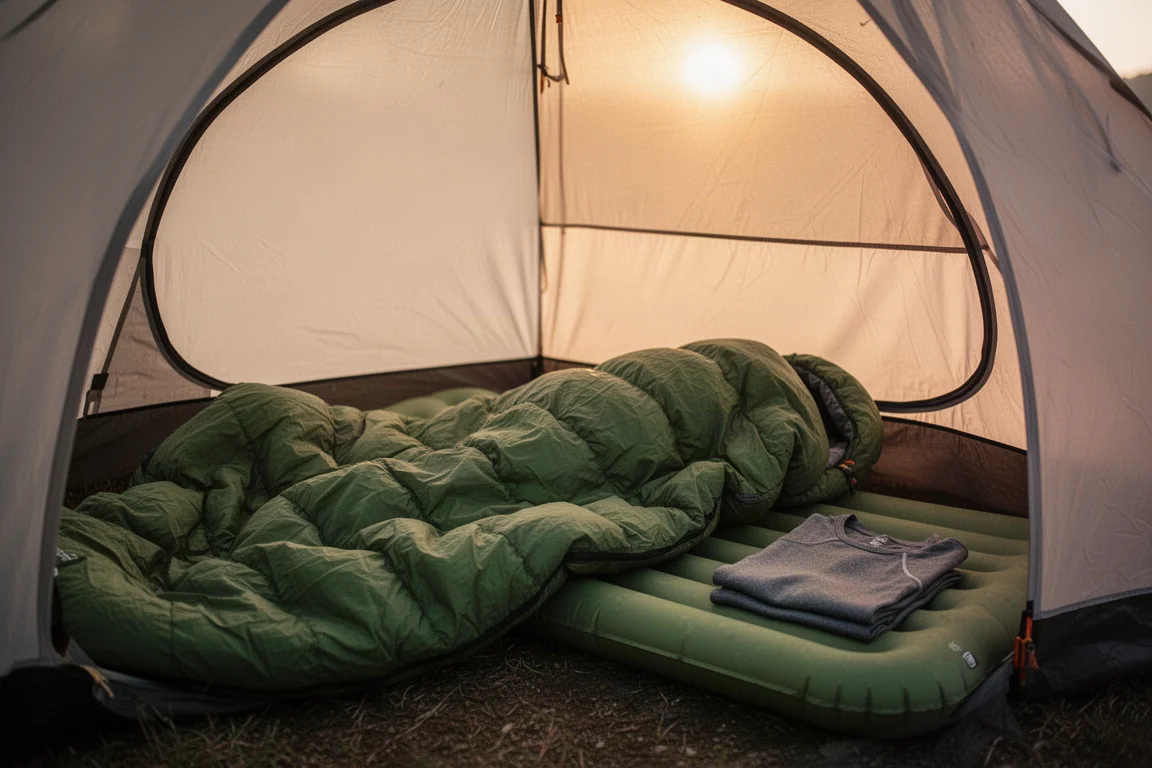
It is a less obvious fit if you sleep cold, if you want the fully enclosed feel of a zipped bag, or if you regularly camp in deep winter. In those cases a warmer, more conventional bag is the safer choice, and the comfort rating explained further down is the reason why.
Main Strengths
Weight is the headline. At roughly 1.5 lb, this is genuinely ultralight territory for a quilt with this temperature range, and it packs down to about 6.5 in by 6.5 in by 15 in in its compression sack.
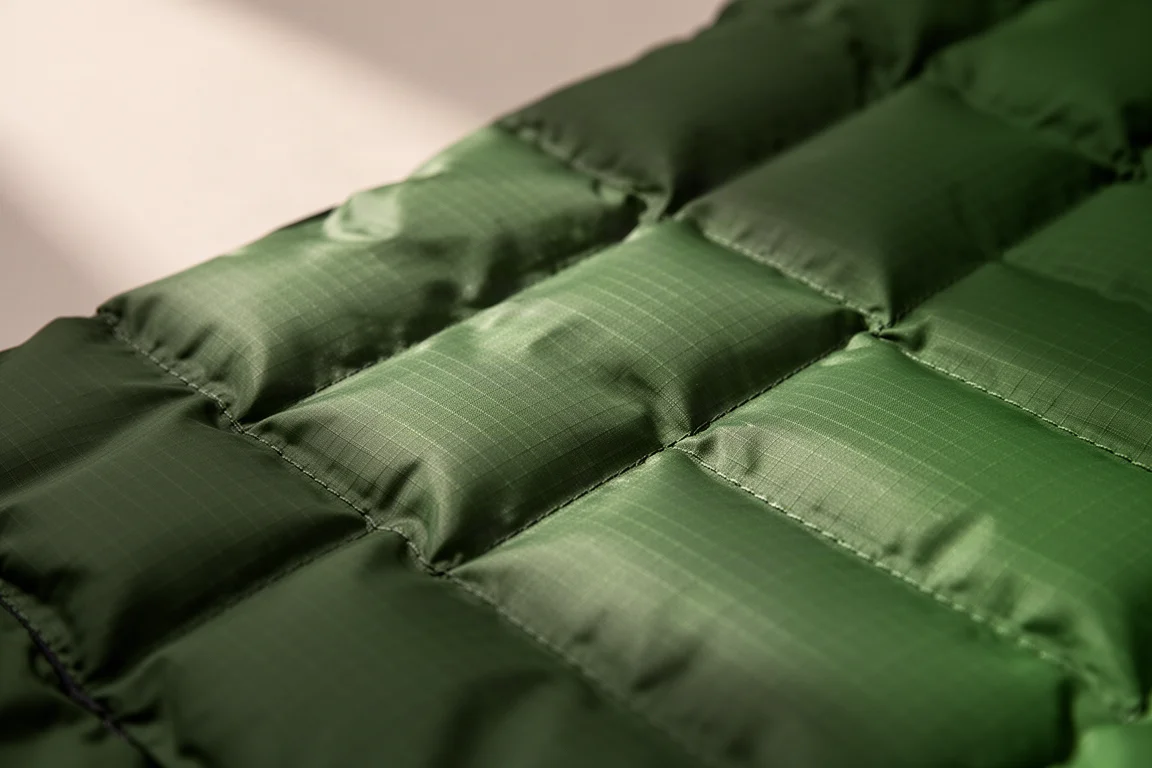
The insulation is 800 fill power dry down, and the shell and liner are made from a 15D 400T nylon ripstop with a waterproof treatment. That is a serious material specification at this price point.
Construction quality stands out as well. The seams are clean, the stitching is consistent, and there are no loose threads despite the number of seams involved. The baffles are rectangular rather than the more common angled or continuous pattern, which does a good job of holding the down in place so it does not migrate to other parts of the quilt. The fabric also holds the fill well, with no feathers working through the material.
The color scheme is a considered detail rather than an afterthought: a dark green shell paired with lighter shades of green across the panels.
How the Temperature Rating Works in Practice
Sierra Designs calls this the Cloud Quilt 20°, and that number needs some interpretation. The 20°F figure is the limit rating, not the comfort rating. The comfort rating is 32°F. The limit itself sits closer to 21°F than 20°F.
The difference is not marketing nitpicking, it is the difference between a good night and a long one. A limit rating describes the temperature at which a sleeper is expected to get through the night, not the temperature at which they will be comfortable. Around freezing, this quilt should keep most people comfortable. Push toward the low 20s and you will survive the night, but you will feel the cold.
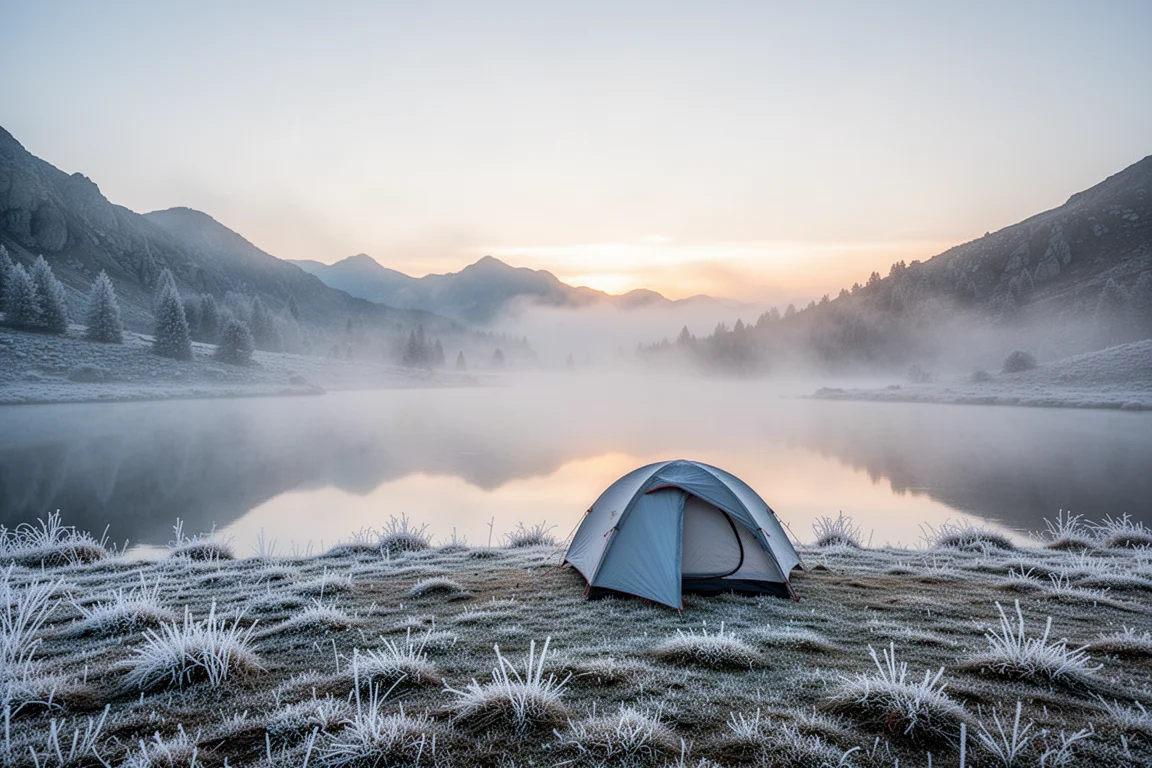
Read it as a three-season quilt that handles freezing conditions well and becomes a survival tool below that. This labeling convention is widespread across the sleeping bag industry, so the number on the label is best treated as a threshold rather than a comfort promise.
Plan your sleep system around the comfort figure rather than the model name. If your trips regularly dip well below freezing, either layer this quilt with additional insulation or choose a bag with a comfort rating that matches your expected lows.
Design and Build Quality Details
The face opening is the most distinctive feature here. A dedicated hole at the head end lets you tuck your head into insulated territory while a small vent keeps your breath outside the bag, which avoids the moisture buildup that comes from breathing inside any insulation. For cold camping, that means warmth around the head without a damp interior by morning.
Inside, the layout follows familiar quilt logic. There is a foot box for your feet, and the top of the quilt flares outward so it can be used as a quilt or a blanket when you do not need full coverage. The rectangular baffles run through the body of the quilt to keep the down distributed.
Everything else is what you would expect from a well-made quilt: a wide shoulder section, a tapered foot, a compression sack for packing, and materials that feel substantial in the hand without adding noticeable weight. The whole package reads as a thoughtfully assembled piece of gear rather than a stripped-down budget item.
Things to Consider Before Buying
The temperature rating is the first thing to get right. This is a 32°F comfort quilt with a 20°F limit, so if you are shopping for a true 20°F comfort bag, this is not it.
The quilt format itself takes some adjustment. Open quilts suit sleepers who move around and dislike being enclosed, but if you roll onto your side and want fabric around you at all times, a zipped bag may feel more familiar. Sierra Designs offers other Cloud models in the lineup, including a version with a zipper and a version without, so it is worth checking which configuration matches how you sleep.
Availability is another practical consideration. Sierra Designs has moved to selling directly to consumers rather than through retailers such as REI and backcountry.com, which means its products are less visible in stores and harder to find outside the brand’s own channels. The current catalog is also fairly small, and several designs have been on the market for a number of years. That is not a problem for a quilt you can buy today, but it is worth knowing if long-term product line continuity matters to you.
One more point for cold-weather campers: the face hole and vent are clever, but they are the kind of feature you want to validate against your own sleeping habits and expected conditions before committing to a single-quilt setup for winter trips.
Price, Value, and How Sierra Designs Sells Today
At $200 retail, this quilt is priced well below what the specification suggests. Comparable quilts from small cottage makers, built to a similar temperature range and with similar materials, commonly run $400 to $600.
Part of that gap comes from how the company now sells. Sierra Designs has cut out the middleman and sells directly to its customers, and prices have been reduced by as much as 30 to 40 percent as a result. That is a real advantage for buyers: 800 fill power dry down, a 15D 400T nylon ripstop shell and liner, and a 1.5 lb weight for $200 is a strong value equation.
The trade-off is visibility. Without placement on major retail sites, the brand depends far more on its own marketing to reach new customers, and that is a meaningful change for a company with this history.
Buying Advice
If you are up to 6 ft 3 in, the regular size should fit. Taller sleepers should look at the long version. If you want a zippered bag rather than an open quilt, the wider Cloud line includes that option, so confirm which configuration you are ordering before you buy.
For three-season backpacking, spring and autumn camping, and summer trips where a blanket is enough, this quilt covers a lot of ground for the money. If your trips routinely drop below freezing, treat the 32°F comfort rating as your planning baseline and either layer accordingly or step up to a warmer bag.
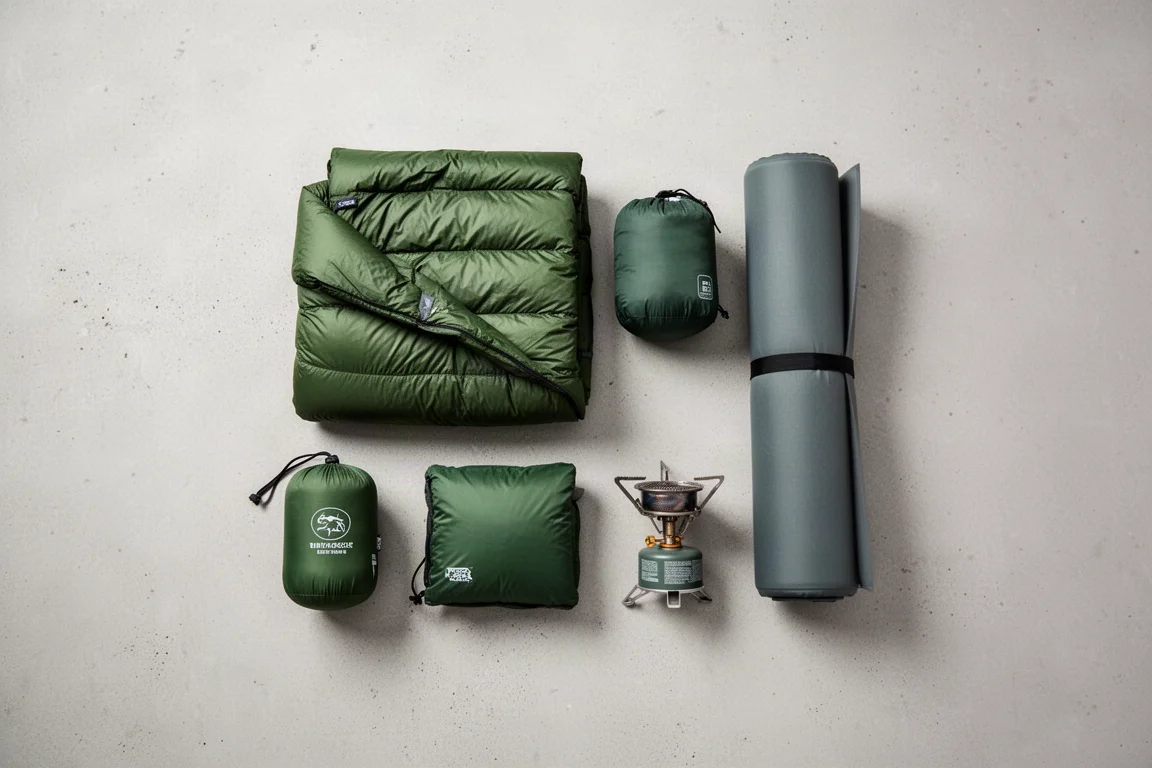
Because the brand now sells directly, check the current lineup and sizing on the manufacturer’s own store before ordering, and confirm whether the version you want includes a zipper. Prices and availability can shift with a direct-to-consumer model.
Conclusion
The Sierra Designs Cloud Quilt 20° is a genuinely interesting piece of gear: a hybrid blanket, quilt, and sleeping bag that weighs about 1.5 lb, uses 800 fill power dry down, and sells for $200. The construction is clean, the rectangular baffles keep the down where it belongs, and the face opening with its vent is a feature you rarely see anywhere else.
The one thing to go in with clear eyes about is the rating. This is a 32°F comfort quilt with a 20°F limit, and treating it as a true 20°F bag will lead to cold nights. Read the numbers correctly, match it to the conditions you actually camp in, and it is a lot of quilt for the price.
Product link
View more details for Sierra Designs Cloud Quilt 20°
This product is mentioned in the review. Check the specifications, options, and compatibility before buying.
View more details for Sierra Designs Cloud Quilt 20°Further reading
Related Reviews
Sleeping Quilts
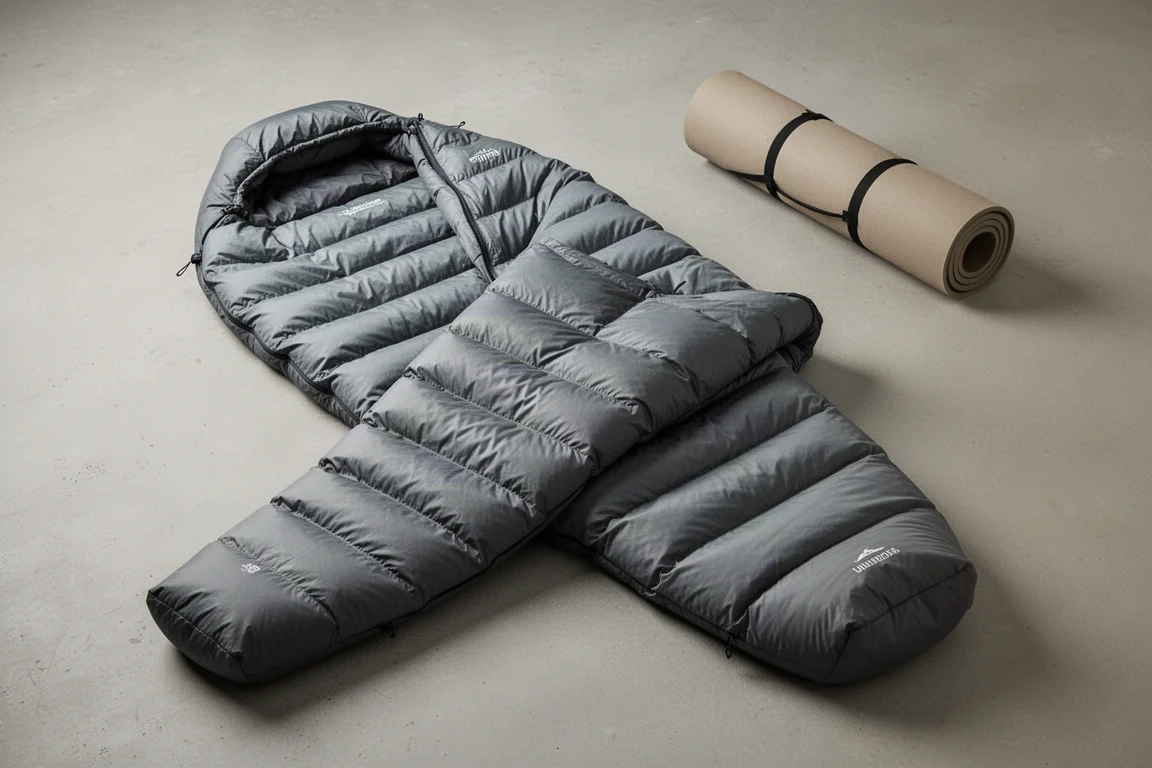
Outdoor Vitals StormLoft Quilt Review: A Backpacking Quilt That Does Not Draft
A close look at the Outdoor Vitals StormLoft Quilt, an 800 fill down backpacking quilt built to stay sealed through the night, plus the small design details worth knowing before you buy.
Camping Tents
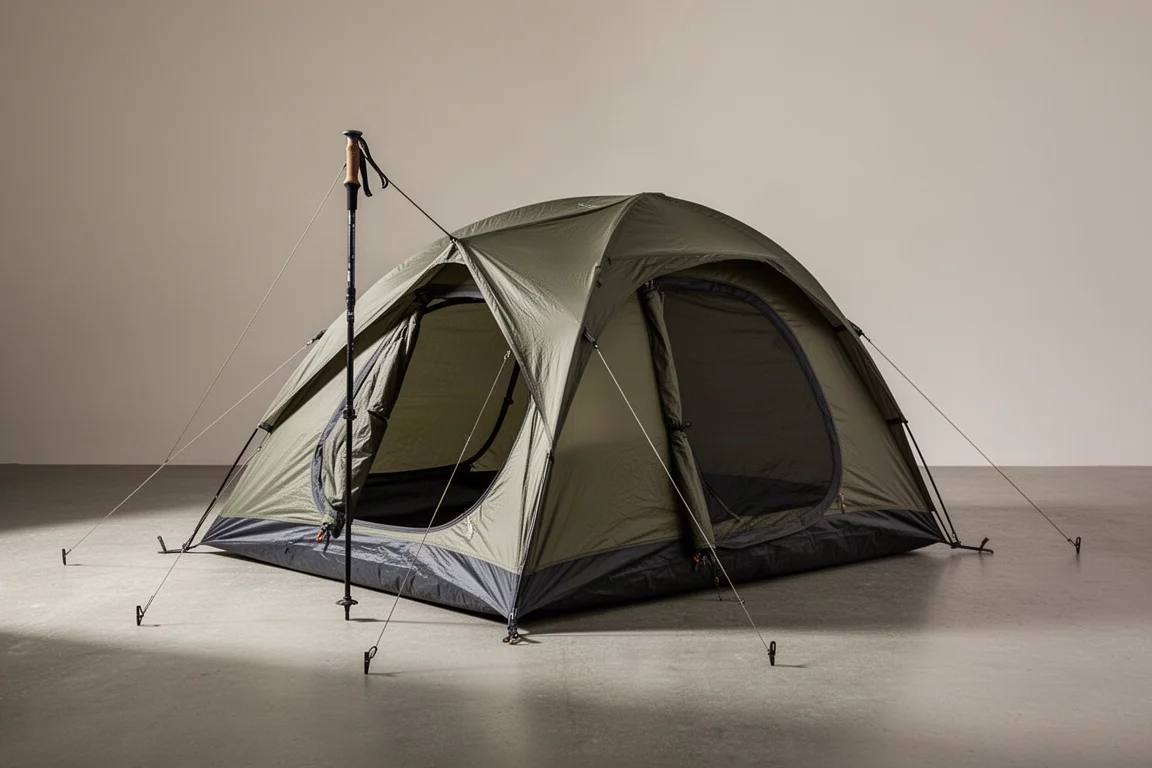
3FUL Gear Lanshan 2 Pro 4-Season Review: A Sub-$200 Single-Wall Trekking Pole Tent
An early look at the 3FUL Gear Lanshan 2 Pro 4-Season, covering its straightforward pitch, generous interior space, and the condensation and seam-sealing questions that come with any single-wall shelter.
Camping Gear
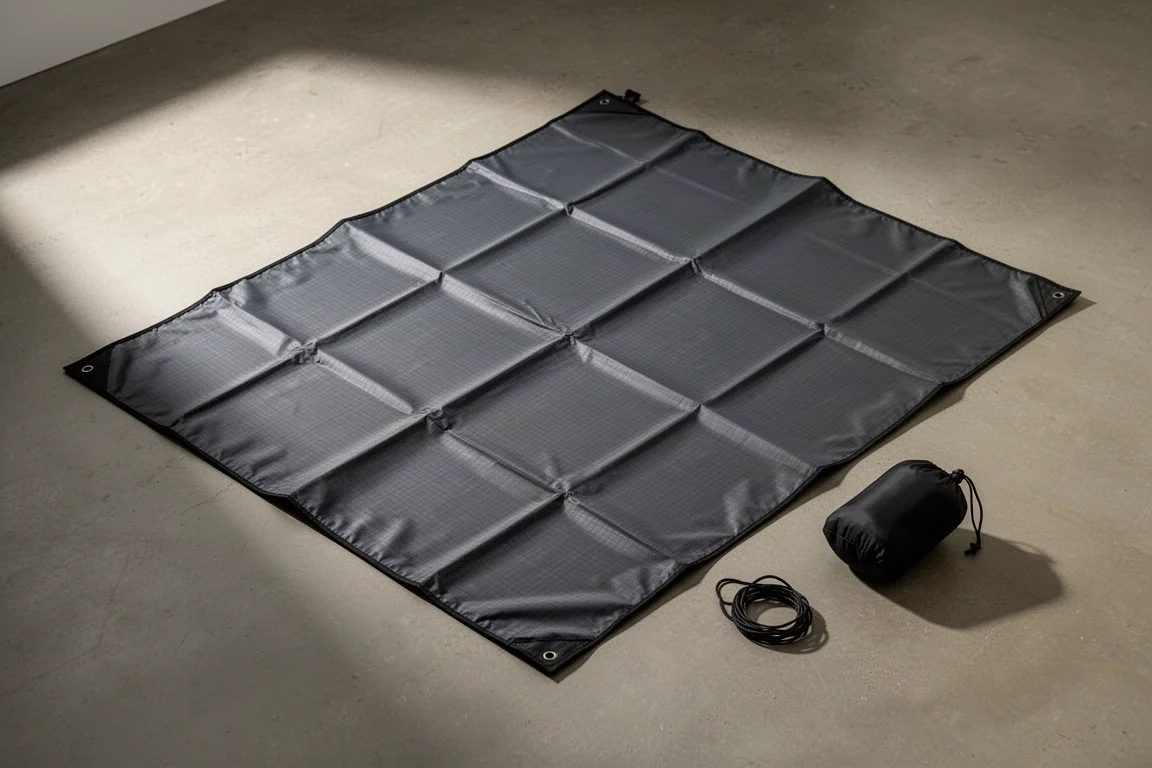
3FUL Ultralight Ground Sheet Review: A Two-Person Footprint Worth Packing
A 6.7 oz two-person ground sheet in ripstop silnylon, priced around $30. Here is what it protects, what it does not do, and who should pack it.