Running Headphones
Shokz OpenRun Review: The Bone Conduction Headphones for Runners
An updated Aeropex with quick charging, 8 hours of battery and an IP67 rating. Here is how the Shokz OpenRun performs on the road.
Introduction
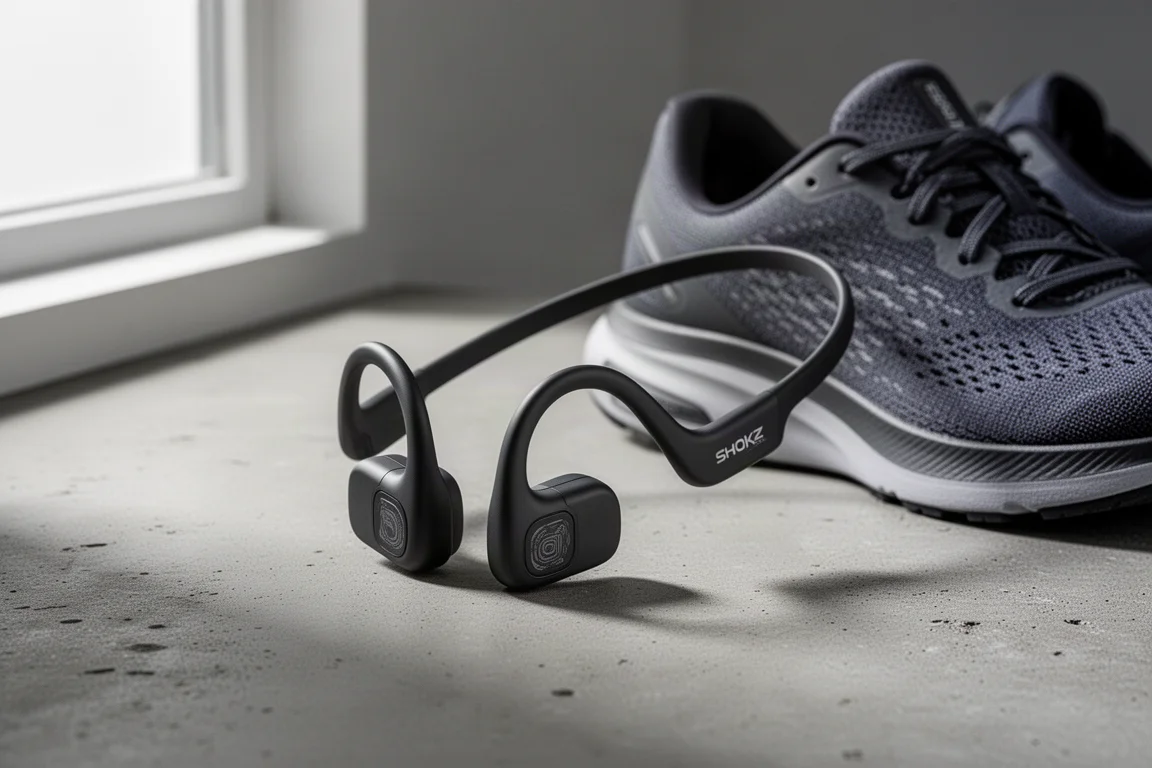
Shokz, the new name for AfterShokz, has updated its long-running Aeropex design and released it as the OpenRun. The bones of the product are the same, with one important addition: quick charging. If you have owned or considered the Aeropex, this is essentially the same headphone with a 10-minute charge feature bolted on.
The OpenRun costs £129.95, weighs 26 grams, carries an IP67 rating and is rated for 8 hours of battery life. It is the top-end bone conduction headphone in the Shokz range, sitting above the Trek Air and the cheaper OpenMove.
Fit and Comfort
Comfort is where the OpenRun makes its case. The band pops onto the head with no adjustment needed, and the design is among the lightest and most comfortable bone conduction headphones available, noticeably better than the Trek Air or OpenMove in that respect.
There are two sizes to consider. The OpenRun Mini has a band roughly half an inch shorter than the standard version. Because bone conduction headphones cannot be resized, it is worth thinking about head size before buying: if the standard band does not fit, the Mini is the safer choice.

Charging, Battery and Water Resistance
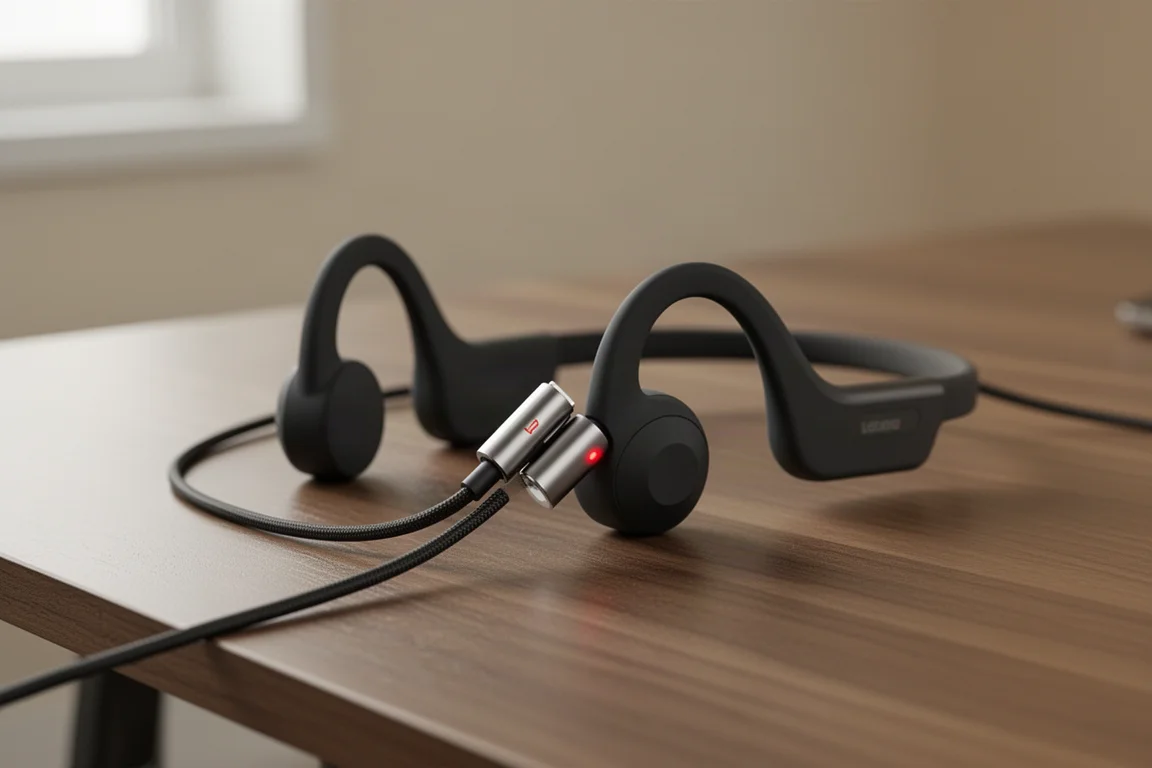
The headline change from the Aeropex is quick charging. Ten minutes plugged in buys about 1.5 hours of playback, which is genuinely useful if you realize the night before a race that you forgot to charge them.
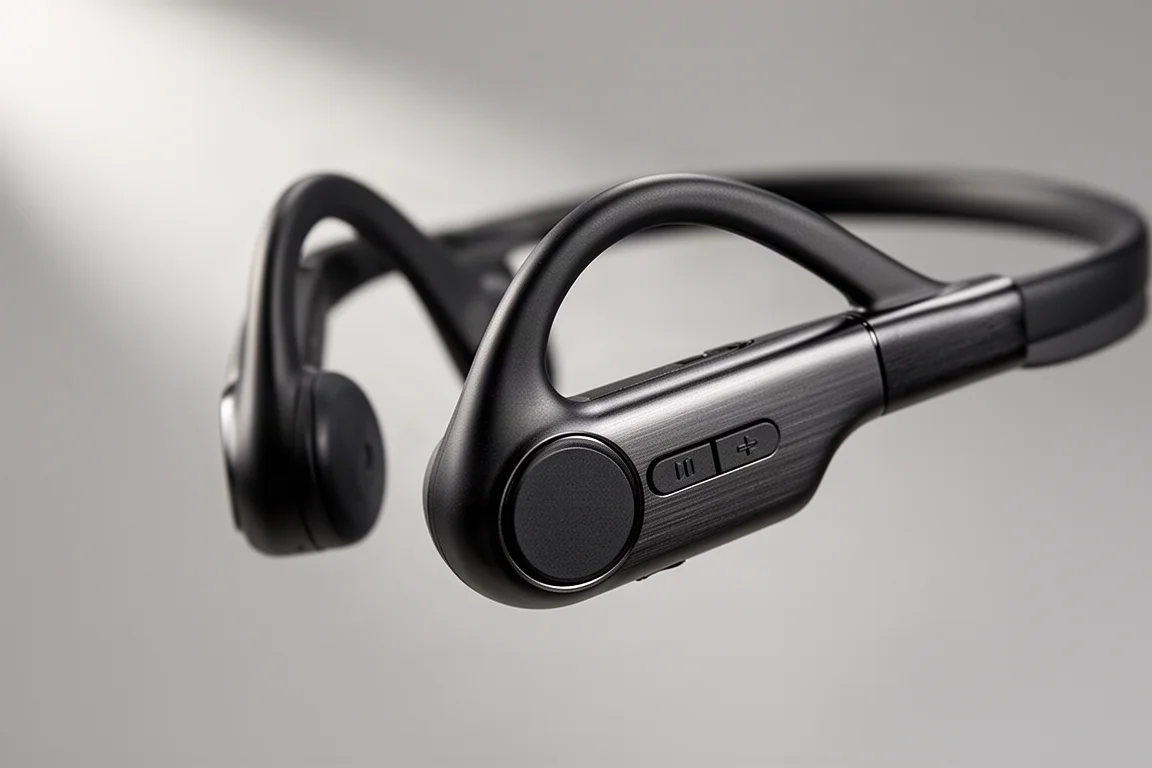
Battery is rated at 8 hours, but in practice that figure depends heavily on volume, connection and what you are listening to. A more realistic expectation is closer to 6 hours on average, with longer runs possible at lower volumes.
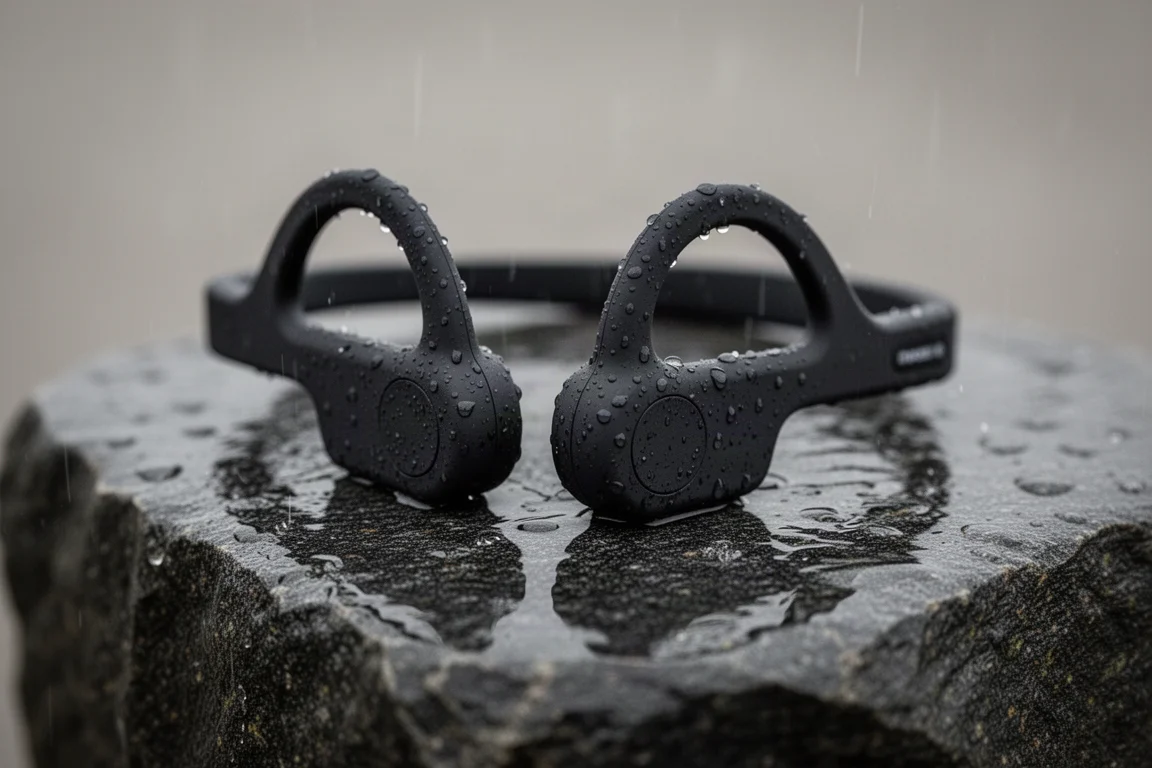
The IP67 rating means the OpenRun handles rain and sweat without issue, and the proprietary magnetic charging cable includes a moisture detection alert that warns you to dry the port before charging. The cable itself is a minor annoyance: you cannot swap in any USB-C cable, so keep it somewhere safe.
Connectivity and Controls
Bluetooth covers around 10 metres and works reliably with both a phone and a watch. Physical buttons on each side of the band handle power, calls, volume and music control, which is convenient for mid-run adjustments without pulling out a phone.
Sound Quality
Bone conduction headphones transmit sound through vibrations against the bones in front of your ears rather than into the ear canal, so they will never match regular in-ear headphones on pure fidelity. The surprise is how good the OpenRun sounds anyway. Music comes through clearly with respectable bass, and you can push the volume up while still hearing everything around you.
Podcasts and audiobooks are the weak point. In a quiet countryside setting they work fine, but in a busy city centre, traffic and crowd noise can swamp spoken audio.
That situational awareness is also the biggest advantage. Running in traffic with the OpenRun feels close to running with no headphones at all, which matters both for safety and for race rules: many UK races allow bone conduction headphones when standard headphones are banned.
Buying Advice
For anyone investing in a first serious pair of bone conduction headphones, the OpenRun is the strongest option in the Shokz lineup. It sounds better, weighs less and fits better than the Trek Air or OpenMove.
The OpenMove, at around £80, is significantly cheaper, but it is quieter, less comfortable and noticeably worse on the head over long runs. If bone conduction is going to be a regular part of your running, the extra £50 for the OpenRun is money well spent.
If you race in the UK, the ability to legally use them where normal headphones are banned makes the case even stronger. Just double-check the rules of any specific race before turning up.
Conclusion
The Shokz OpenRun takes what made the Aeropex great and adds a genuinely useful quick charge feature. They are light, comfortable, sweat-proof and safe for road running, with the main compromises being realistic battery life closer to 6 hours, a proprietary cable, and audio that favours music over podcasts in noisy environments. For runners in busy cities or on the UK race circuit, they are easy to recommend.
Product link
View more details for Shokz OpenRun
This product is mentioned in the review. Check the specifications, options, and compatibility before buying.
View more details for Shokz OpenRunFurther reading
Related Reviews
Running Headphones
Beats Powerbeats Pro 2 Long-Term Review: Still a Top Pick for Runners
After a year of running, battery cycles, and multi-device pairing, here is how the Powerbeats Pro 2 holds up as a sports earbud.
Running Headphones
H2O Audio Tri Run vs Shokz OpenRun Pro 2: Which Bone Conduction Headphones Make More Sense?
A value-focused bone conduction option goes up against the best-sounding pair we have tested. Here is how the trade-offs stack up for running and cycling.
Running Headphones
IO Breezy Bone Conduction Headphones Review: Affordable Open-Ear Running Audio
The IO Audio Breezy (IO iT Geo 1) packs Bluetooth 5.3, an IPX6 rating and a 36g frame into open-ear sports headphones that cost about half the price of the leading rivals.