Running Headphones
Shokz OpenRun Pro vs OpenRun: Is the Pro Worth the Upgrade?
A closer look at Shokz's bone conduction running headphones, comparing the OpenRun Pro's warmer, fuller sound and battery life against the standard OpenRun.
Introduction
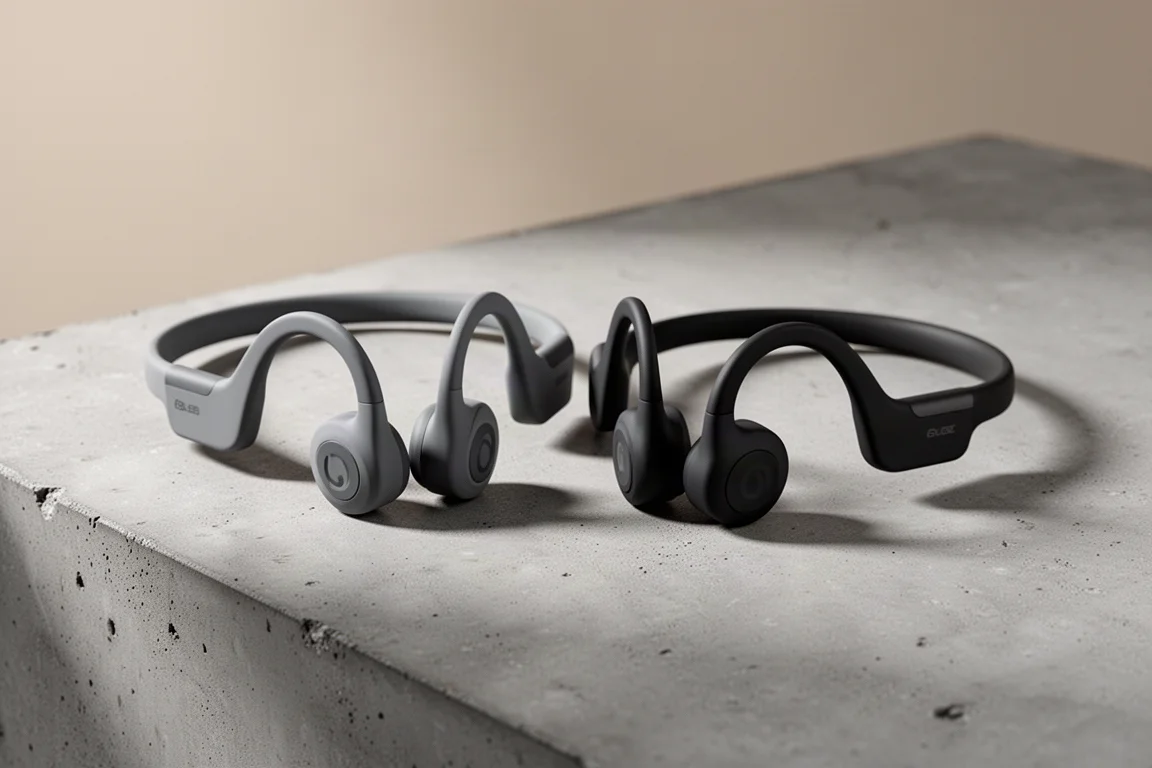
Shokz, formerly known as AfterShokz, has built a loyal following among runners who want music without losing contact with the world around them. The OpenRun earned plenty of praise for exactly that, but many listeners wanted a touch more low end. The OpenRun Pro is the company’s answer: a bigger-brother model with a meatier bass response, more volume range, and a few practical upgrades that make it genuinely interesting for music-loving runners.
Why the OpenRun Pro Exists
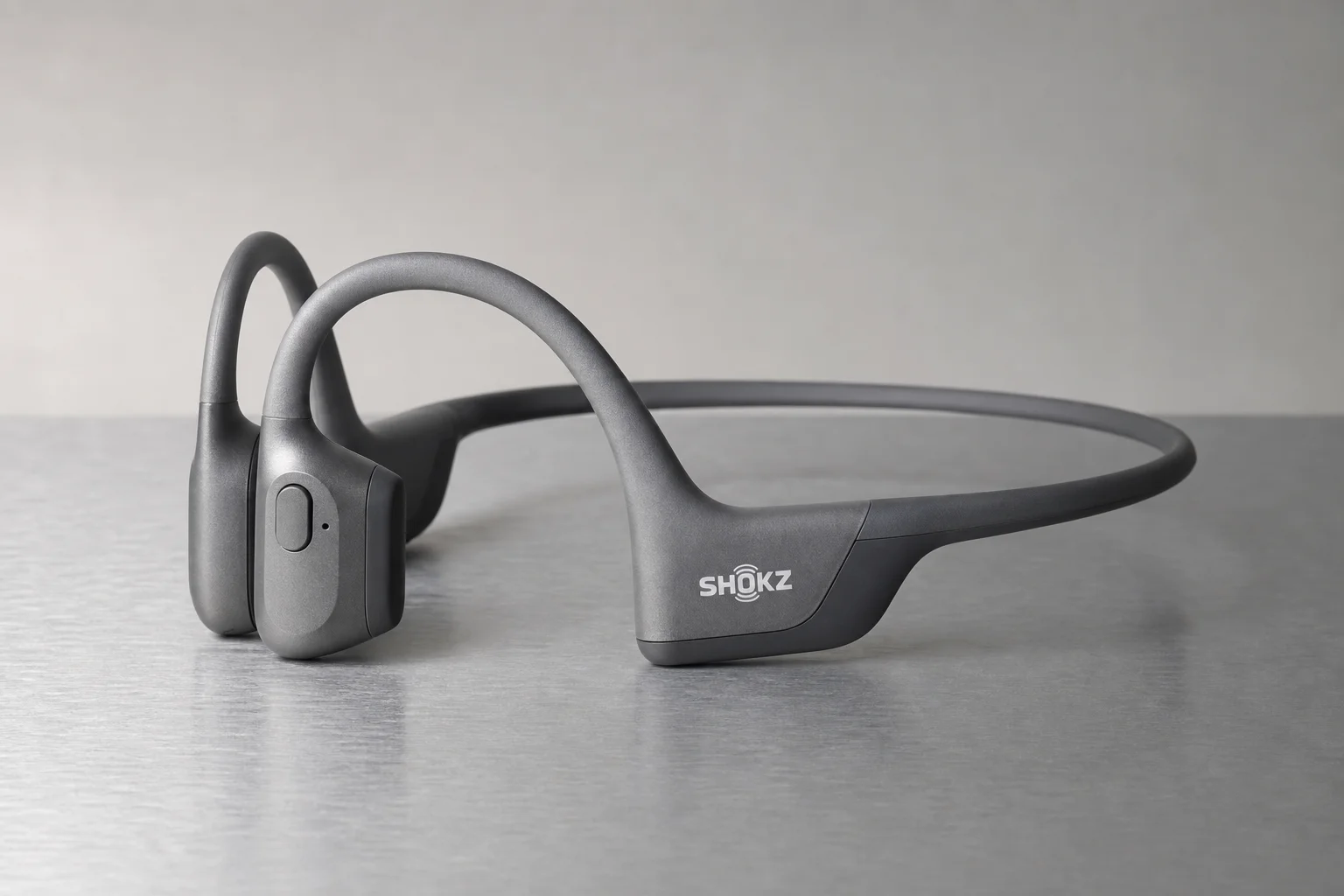
These are bone conduction headphones, so both models sit open-ear on your cheekbones and leave your ears completely free. You will hear the birds, the traffic, and, yes, the people who want to talk to you. That is the point. The trade-off is obvious: nothing here will match closed-cup headphones for sheer low-frequency presence, and that is true of most in-ear models too. The OpenRun series exists so you can stay aware of your surroundings while still enjoying what you are listening to.
The OpenRun Pro weighs only a few grams more than the standard OpenRun, and the balance between the drivers and the rear band feels almost identical. The real change is inside: upgraded drivers and an enhanced low-frequency delivery that rounds out the sound considerably.

Sound Quality: The Real Difference
This is where the Pro earns its name. Sub-bass elements come through far more convincingly, kick drums and snares hit harder, and the overall presentation is warmer and more rounded. Dynamic dance music and hip hop benefit the most, and guitar-driven rock gains a pleasing warmth in the low mids. Speech also sounds more natural and slightly less harsh, which is a genuine bonus for podcast and audiobook listeners.
There is more headroom too. On loud, heavily compressed tracks, the standard OpenRun could show a little high-end distortion at high volumes. The Pro stays clean even cranked up, with better stereo separation and vocals that sit more clearly in the mix. On quieter, more spacious tracks, drums and bass come through with real atmosphere.
If you mainly listen to podcasts, the standard OpenRun will probably do the job. If music is the reason you run, the Pro is the model to look at.
The Standard OpenRun Still Makes Sense
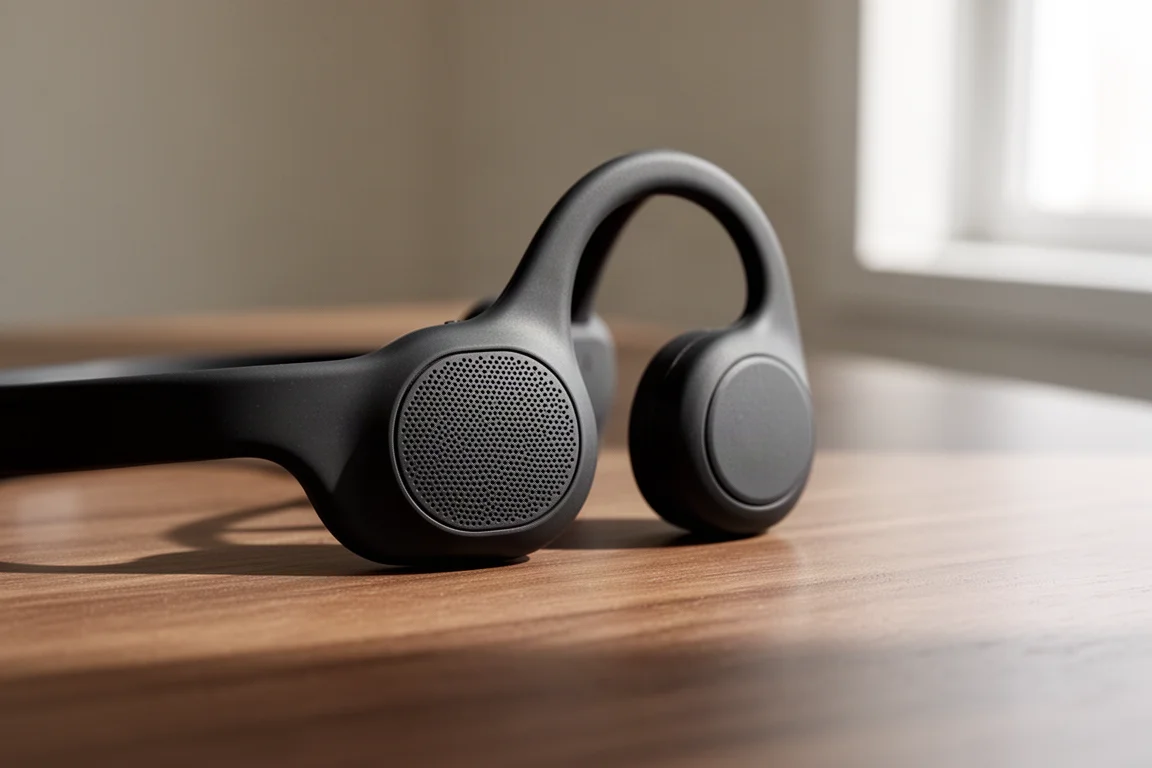
The OpenRun remains the lighter, more affordable option, and it holds one advantage: a full IP67 rating, meaning it can handle water immersion. The Pro trades some of that for dust and moisture weathering, partly due to the perforated parts on its drivers. If you regularly run in heavy rain or sweat through intense sessions, it is worth weighing that trade-off. The OpenRun also keeps the smaller form factor of the OpenRun Mini via a shorter band, while the Pro comes in one size only.
Battery, Charging and Pairing
The quick-charge feature carries over from the OpenRun and it is genuinely useful. A five to ten minute charge delivered at least 90 minutes of listening, a lifesaver if you forget to top up before a long run. With a full charge and regular microphone use across several three-hour sessions, the Pro managed around nine hours of use.
Charging uses a magnetic cable that stays attached even if the cable gets jostled, though it is a proprietary connector, so keep track of it. Charging indicators are simple: red while charging, blue when full, with audio feedback on the current charge level if you want it.
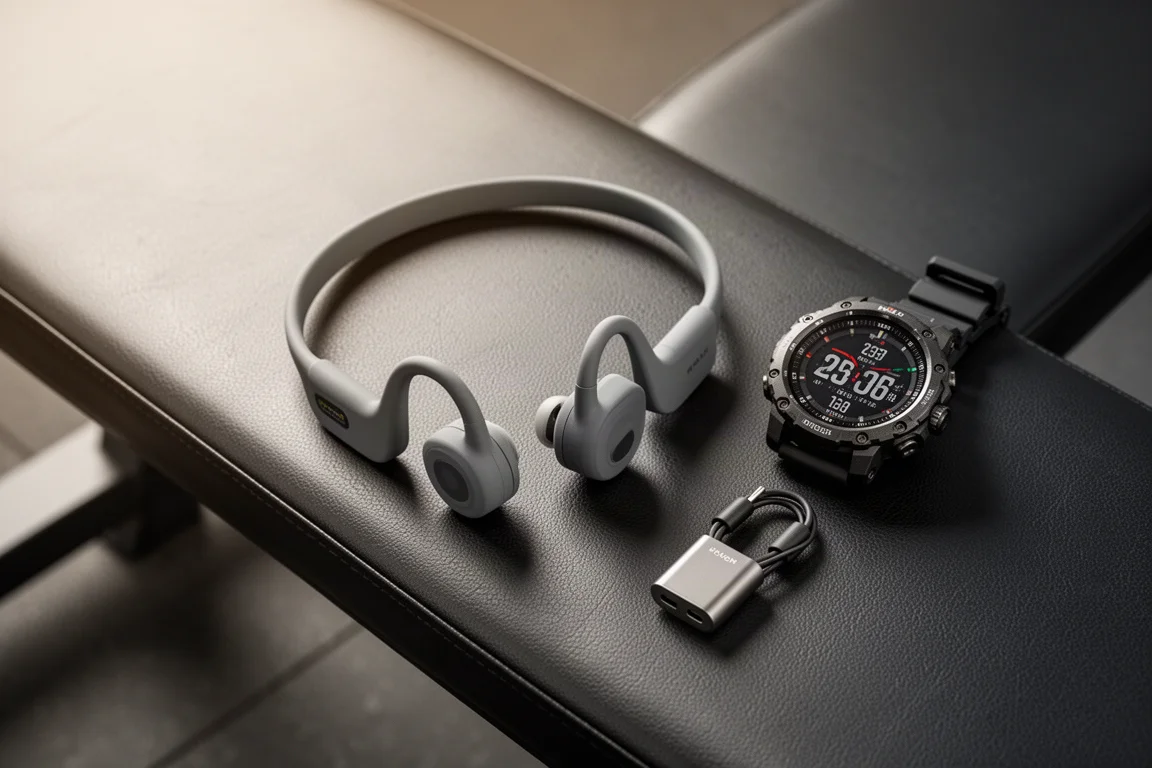
Pairing is refreshingly painless. The Pro can connect to two devices at once, and pairing with a GPS sports watch to play music directly, phone-free, works beautifully. Running with nothing but a watch on your wrist is a small freedom that is hard to give up once you have tried it.
Fit, Comfort and Everyday Use
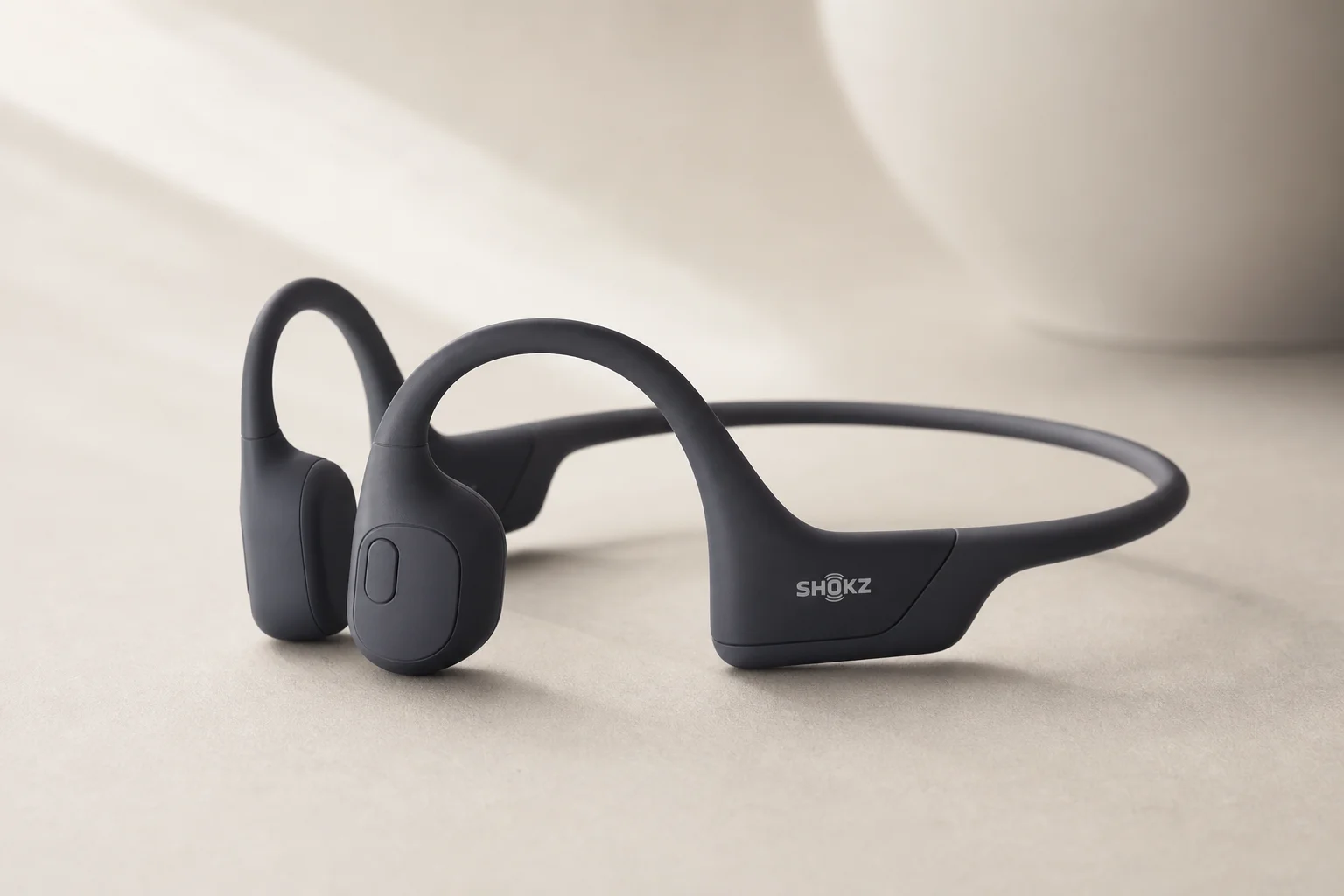
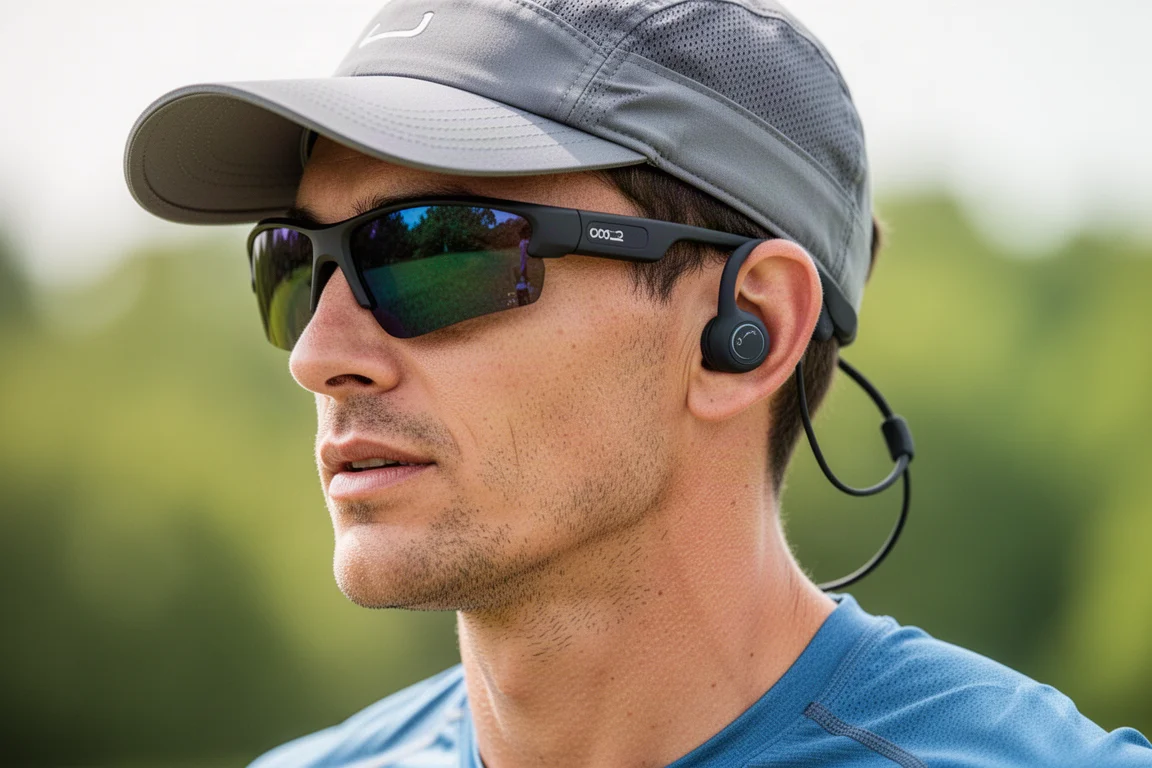
Fit is where Shokz has always been strong, and the Pro is no exception. It works happily with glasses and a cap, stays put at any pace, and delivers a consistent sound regardless of how fast you are moving. The extra few grams do not upset the balance between the drivers and the rear band.
The physical controls match the OpenRun exactly: previous and next track, standard playback functions via a multi-function button, call handling, and a voice assistant option that works about as well as voice assistants ever do.
Which One Should You Buy?
Both models share the same core strengths: open-ear awareness, a comfortable stable fit, quick charging, and simple controls. The decision comes down to how much you care about sound. If you are a podcast-first runner or you want the smallest, most affordable entry into bone conduction with full water-immersion protection, the OpenRun is still an excellent choice. If you have a big music collection and want the sound much closer to a proper representation of your tracks, the OpenRun Pro is a real step up and, for many, worth the extra cost. It is a simple, well-made device that does exactly what it promises: better music and better safety while you run.
Conclusion
The OpenRun Pro takes everything that made the OpenRun easy to recommend and adds a warmer, fuller, more dynamic sound alongside solid battery life and flexible pairing. For music-focused runners it is Shokz’s strongest effort yet, while the standard OpenRun remains a sensible pick for lighter listeners on a tighter budget.
Further reading
Related Reviews
Running Headphones
Beats Powerbeats Pro 2 Long-Term Review: Still a Top Pick for Runners
After a year of running, battery cycles, and multi-device pairing, here is how the Powerbeats Pro 2 holds up as a sports earbud.
Running Headphones
H2O Audio Tri Run vs Shokz OpenRun Pro 2: Which Bone Conduction Headphones Make More Sense?
A value-focused bone conduction option goes up against the best-sounding pair we have tested. Here is how the trade-offs stack up for running and cycling.
Running Headphones
IO Breezy Bone Conduction Headphones Review: Affordable Open-Ear Running Audio
The IO Audio Breezy (IO iT Geo 1) packs Bluetooth 5.3, an IPX6 rating and a 36g frame into open-ear sports headphones that cost about half the price of the leading rivals.