Running Headphones
Shokz OpenRun Pro 2 Review: The Best Bone Conduction Headphones for Runners Yet
Shokz combines air and bone conduction for its most powerful OpenRun sound yet, adds USB-C charging, and stretches battery life, though the upgrade comes at a higher price.
Introduction
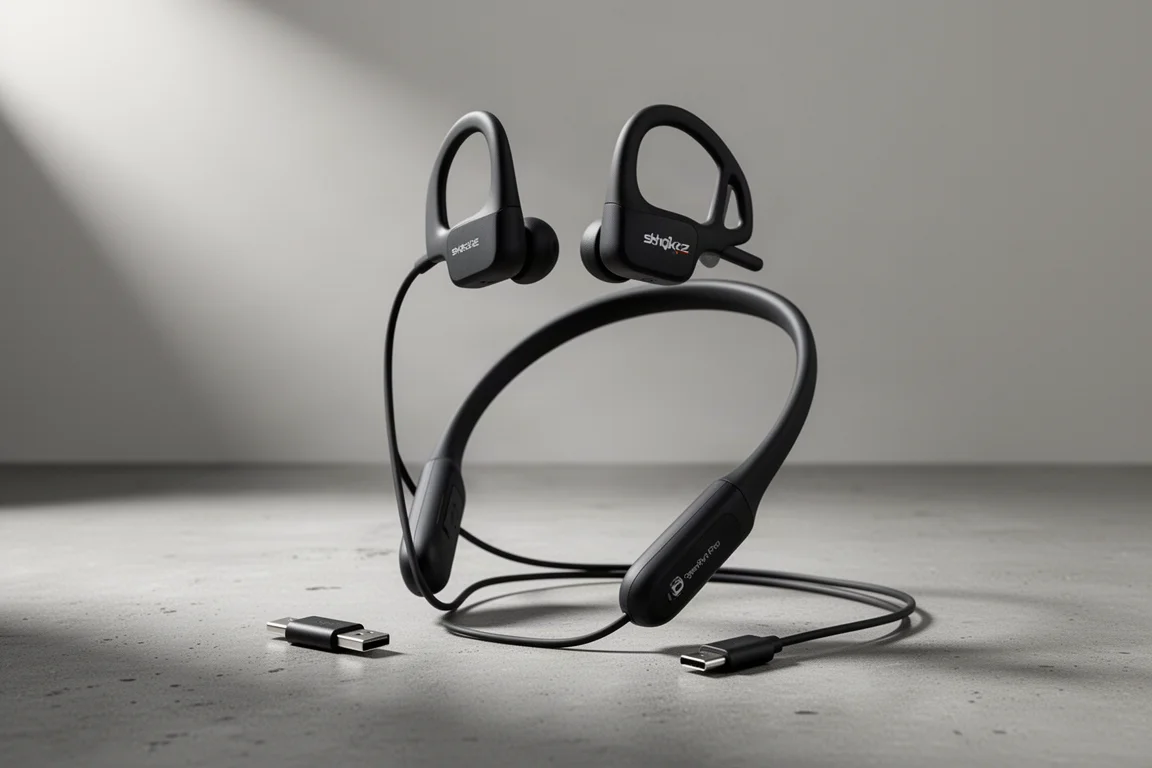
The Shokz OpenRun Pro 2 is Shokz’s premium sports headphone, built primarily for runners and positioned as the follow-up to the OpenRun Pro. The headline changes sit exactly where you would want them: sound and battery. Shokz has combined air conduction, previously used on its OpenFit range, with the latest generation of its bone conduction technology, and the result is a fuller, louder and warmer sound than any previous OpenRun model.
There is also a practical change that matters more than it sounds: the proprietary charging cable is gone, replaced by a universal USB-C setup. The price has moved up too, rising by £10 in the UK, which puts the Pro 2 near the top end of the open-ear headphone market, below truly wireless air conduction options like the Bose Ultra Open.
Who This Product Is For
These are running headphones first and foremost. If you have tried any of the previous OpenRun headphones, the fit and formula will feel familiar: a lightweight neckband design that wraps around the back of the head, hooks over the ears and stays put through sprints, downhills and long easy miles.
They are also aimed at anyone who values situational awareness above all else. Bone conduction leaves your ears completely open, so you can hear traffic, other runners and race marshals while you listen. That trade-off, giving up some sound quality in exchange for awareness, is the defining characteristic of this category, and the Pro 2 leans into it.

Main Strengths
The biggest upgrade is sound. Shokz has combined air conduction, which brings more power, warmth and bass, with the latest generation of its bone conduction technology, which keeps the clarity and strong awareness the brand is known for. Technically the OpenRun Pro already carried a single air conduction unit that Shokz never shouted about; the Pro 2 doubles that to two units and balances the two technologies far more prominently.
In use, the difference is noticeable. Back-to-back comparisons with the OpenRun Pro reveal a fuller, more powerful sound with more depth and a more notable bass response. One tester who had never been able to follow spoken-word podcasts on earlier OpenRun models found they could comfortably listen to podcasts and audiobooks on the Pro 2 in town, as long as the environment was not too loud.
The Shokz companion app adds preset and custom EQ modes, so you can tailor the sound to faster music or more relaxed listening, plus a multipoint pairing mode for connecting the headphones to multiple devices at once.
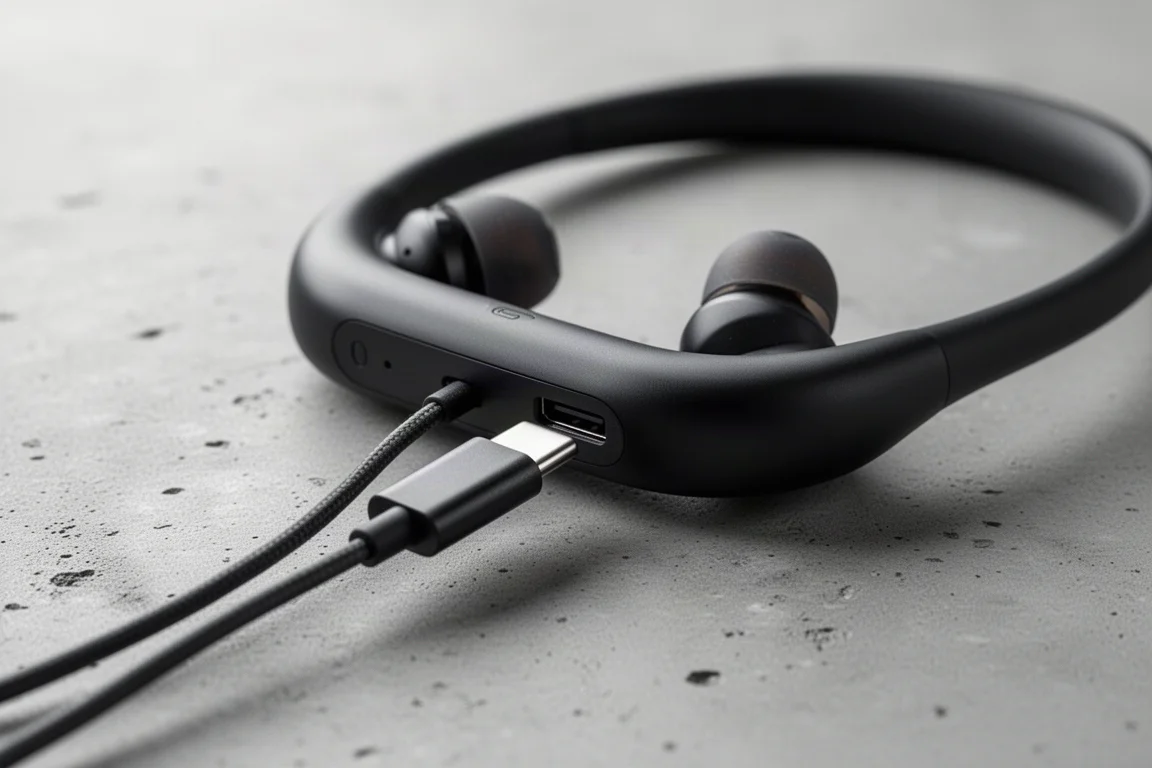
Charging is the other clear win. Moving to USB-C means you can top up with a cable most households already own, rather than hunting for a proprietary one. The fast charge mode has also improved, delivering more play time from a five-minute charge than the OpenRun Pro offered.
Battery life is rated at 12 hours and, in practice, sits a little lower if you listen loudly or use bass-heavy EQ modes, closer to 10 hours in real-world testing. That is still comfortably a week of training between charges, and it edges out the OpenRun Pro. Durability stays at IP55, which handles sweat, splashes and running in the rain.
Design, Fit and Controls
The design is very similar to the OpenRun Pro, using the same materials and still available in standard and small sizes. The smaller version is reportedly popular with UK runners. The extra weight from the dual-driver audio setup is noticeable when you pick the two models up side by side, but on the run it is not something testers noticed wearing them.
Fit is excellent. The ear hooks and headband create a secure, comfortable hold that does not budge regardless of pace or terrain, and they sit happily alongside hats, glasses and sunglasses. They are light enough that you can forget you are wearing them, and the neckband can be snapped around your neck when you are not listening, signalling to others that you are still reachable.
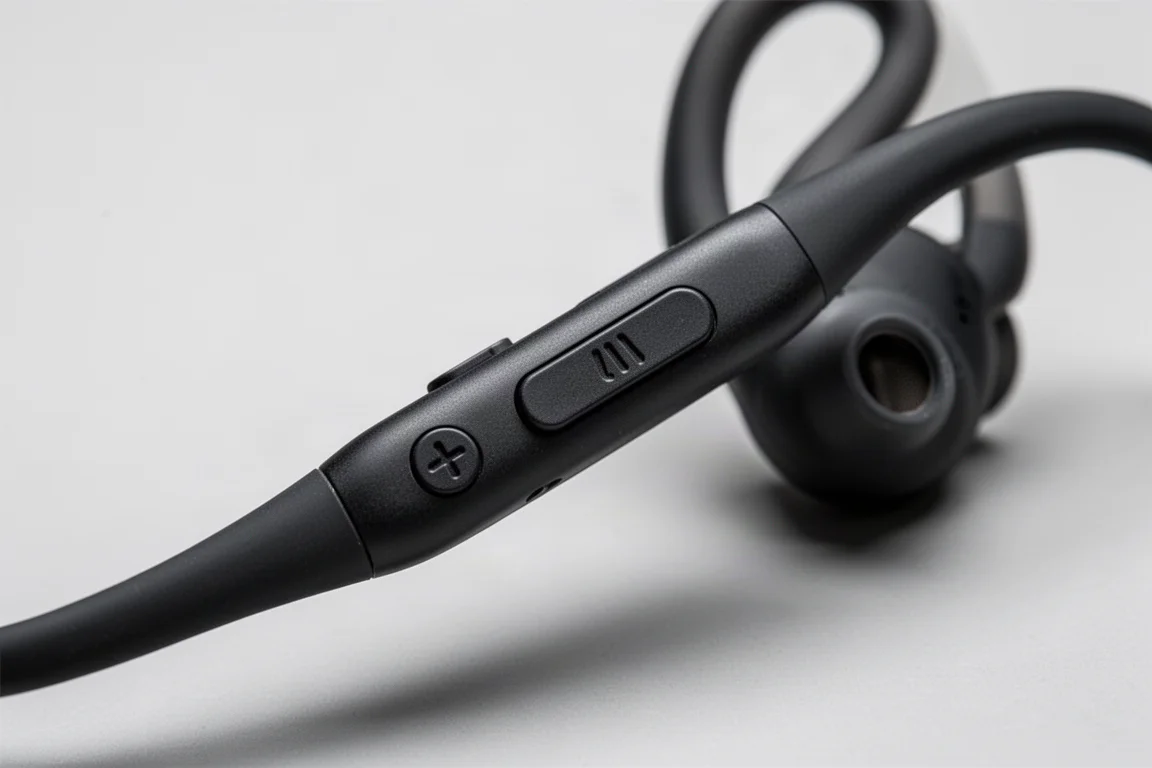
The controls are the same physical buttons as before: a volume rocker on the underside, a redesigned multi-function button on the exterior, plus power. They are among the best examples of physical controls on any sports headphones, easy to find and use mid-run without looking, which is why other brands continue to copy the approach.
Things to Consider Before Buying
The price is the sticking point. At around £170 in the UK, the Pro 2 sits at the top end of Shokz’s range and of open-ear headphones generally, yet the sound improvement over earlier OpenRun models is incremental rather than transformative. If you already own an OpenRun Pro and are happy with its sound, the USB-C port and slightly longer battery may not justify the spend.
Open-ear design still has inherent limits. Open headphones do not block external noise, so music and podcasts get drowned out by traffic, wind, travel or crowded events like big-city marathons. Low-pitched voices, such as male podcast hosts, suffer most. The louder these headphones get, the less awareness you gain, and testers felt the Pro 2 is close to the point where extra volume starts eroding the awareness benefit that makes bone conduction worth choosing in the first place.
There is also more competition than there used to be. The same-priced Shokz OpenSwim Pro adds MP3 playback, which makes it more useful in races if you run without a phone, though its sound is not as good. Cheaper options like the standard OpenRun still sound strong and remain the better value pick if you only want bone conduction for running and will use in-ear headphones elsewhere. The OpenFit Air offers solid sound and comfort but weaker awareness, and it is unclear whether race organisers would class it as a bone conduction headphone. Outside Shokz, air conduction options from Cleer, JBL and Shokz-style rivals offer strong value, and the Bose Ultra Open deliver the best sound quality found in any open headphone, at a much higher price.

Buying Advice
If you want the best sound, battery and fit available in a bone conduction design, the OpenRun Pro 2 is the pick. It is the best OpenRun headphone Shokz has made, and arguably the best bone conduction option for runners right now. The dual-driver approach delivers genuinely more power and warmth without sacrificing the awareness that defines the category.
If you are value-focused, though, think carefully. The standard OpenRun remains an excellent, cheaper alternative with a very similar design, and the OpenRun Pro is still worth a look now that it costs less. A flexible strategy many runners prefer: buy a cheaper bone conduction pair for runs and spend the savings on a good set of in-ear headphones for travel and the office. Only commit to the Pro 2’s higher price if you want the loudest, warmest and most capable sound this category currently offers.
Conclusion
The Shokz OpenRun Pro 2 is a solid, focused update that improves exactly where Shokz promised: sound quality, battery life and everyday charging convenience. It remains one of the best pairs of running headphones you can buy, with outstanding fit, best-in-category bone conduction sound and genuine long-run practicality. Whether it earns its premium over cheaper Shokz models depends on how much you value that extra volume and warmth, and whether bone conduction is your everyday headphone or just your running partner.
Product link
View more details for Shokz OpenRun Pro 2
This product is mentioned in the review. Check the specifications, options, and compatibility before buying.
View more details for Shokz OpenRun Pro 2Further reading
Related Reviews
Running Headphones
Beats Powerbeats Pro 2 Long-Term Review: Still a Top Pick for Runners
After a year of running, battery cycles, and multi-device pairing, here is how the Powerbeats Pro 2 holds up as a sports earbud.
Running Headphones
H2O Audio Tri Run vs Shokz OpenRun Pro 2: Which Bone Conduction Headphones Make More Sense?
A value-focused bone conduction option goes up against the best-sounding pair we have tested. Here is how the trade-offs stack up for running and cycling.
Running Headphones
IO Breezy Bone Conduction Headphones Review: Affordable Open-Ear Running Audio
The IO Audio Breezy (IO iT Geo 1) packs Bluetooth 5.3, an IPX6 rating and a 36g frame into open-ear sports headphones that cost about half the price of the leading rivals.