Fishing Reels
Shimano Tranx 300B vs Daiwa Lexa TWW 400: A Detailed Look at Three Baitcasting Reels
A practical comparison of the 2025 Shimano Tranx 300B, the Shimano Tranx A, and the Daiwa Lexa TWW 400 for anglers weighing their next baitcasting reel purchase.
Introduction
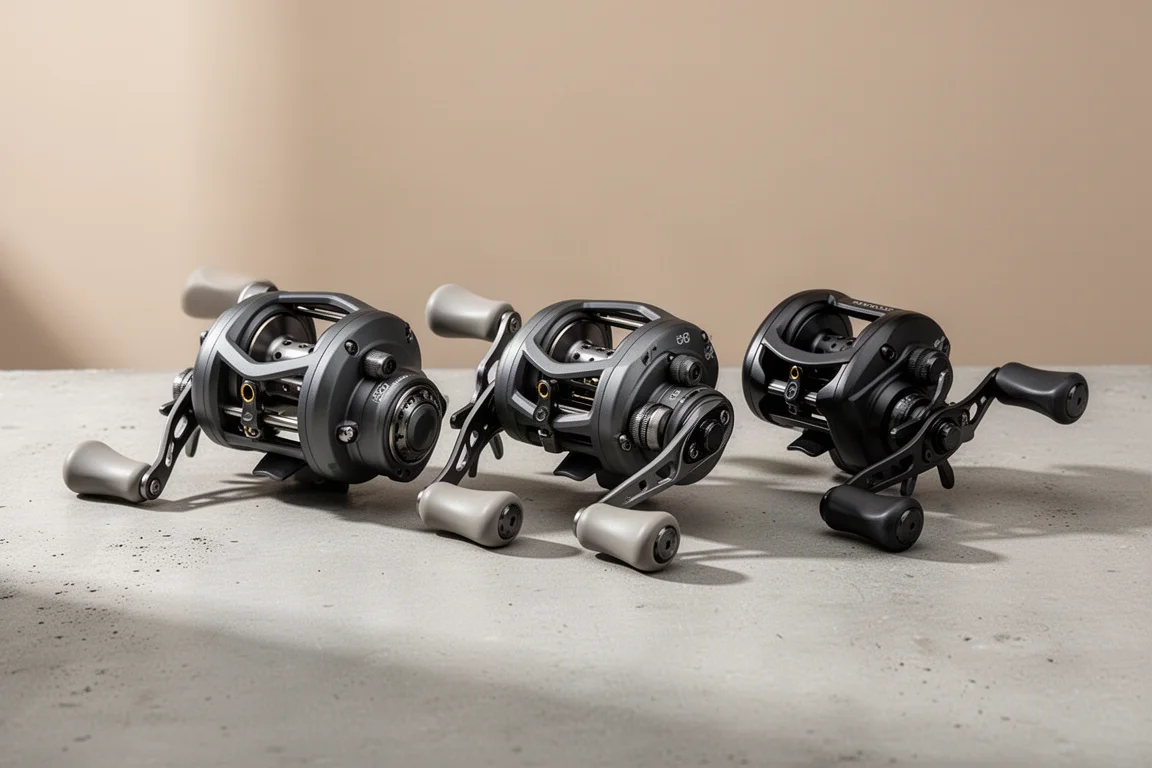
Choosing a new baitcasting reel often comes down to a few key questions: how does it cast, how does the drag behave, and how easy is it to maintain. Three reels that keep coming up in those conversations are the 2025 Shimano Tranx 300B, the Shimano Tranx A, and the Daiwa Lexa TWW 400. Each has a slightly different personality, and understanding those differences can help you pick the right one for your fishing style.
Shimano Tranx 300B: What’s New
The 2025 Shimano Tranx 300B is the HD variant of the updated Tranx line, and it brings several changes worth noting. The reel retails at $299 to $300, which represents no cost increase over the previous generation. That alone is notable in a market where prices tend to creep upward.
The Tranx 300B features a 7.6:1 gear ratio in the HG version, 18 pounds of max drag, and a 41-inch retrieve rate. It weighs 12.2 ounces, which is average for this class. The reel uses Shimano’s core solid body, X-Protect waterproofing, and micro module gearing. It has 5+1 ball bearings.
One of the most significant changes is the addition of Belleville washers in the drag stack. The previous Tranx 300 and 400 had none, which meant the drag star pressed directly on the clutch sleeve. That design produced a quick ramp-up but limited range. The new cup washers provide more compression range, giving you finer control across the drag curve.

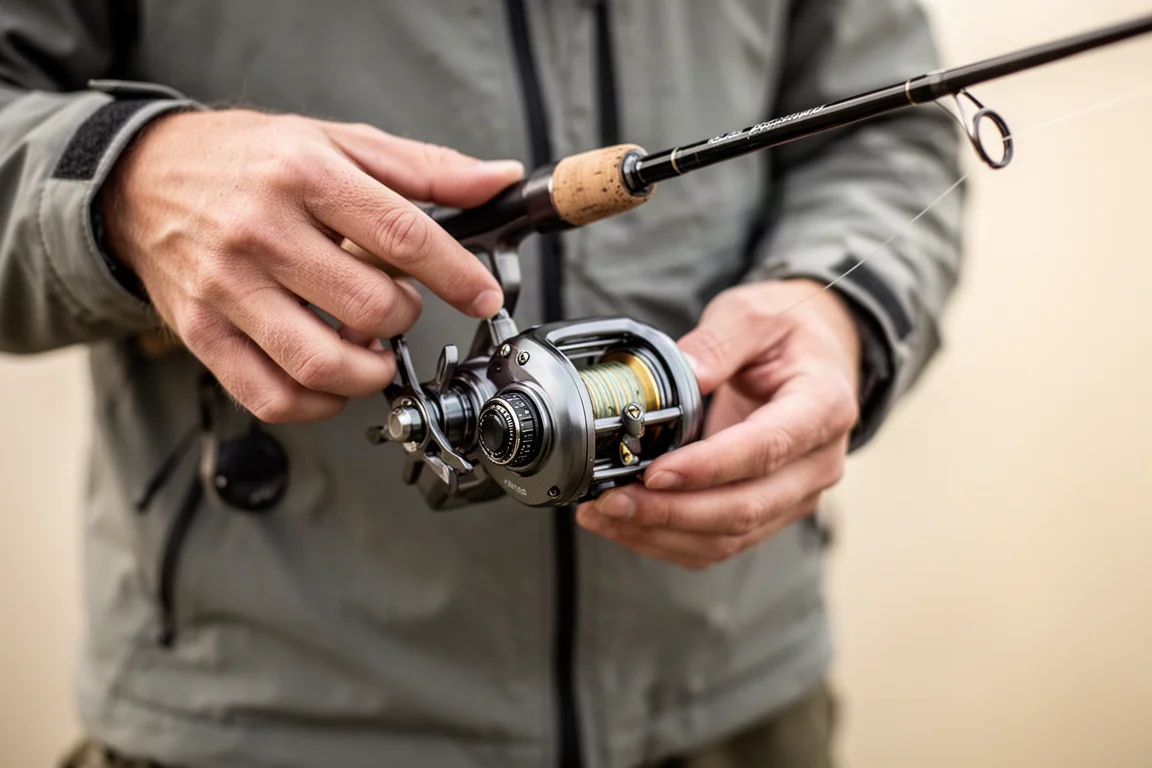
The external brake adjustment is another welcome update. Shimano has moved to an externally adjustable centrifugal brake system with eight pins. All eight pins come active from the factory, and they are straightforward to toggle on and off. The side plate rotates northward for access, and a small trick is to rotate the reel north to south before pushing the spool out, rather than prying it.
There are a few quirks. The external brake dial was extremely tight out of the box, requiring significant effort to turn. Lubricating it and letting it sit for about a week helped somewhat, but it remains an inconvenience early on. Over time, it may loosen with use, but it is worth knowing before you buy.
The reel also uses a composite pinion gear rather than stainless steel, and the level wind worm shaft is now a nylon-style material instead of metal. Shimano has added a spring-loaded double paw in the oscillation drive gear, which acts as a shear fail-safe. If the level wind jams, the gear clicks over without damaging the worm or paw. That is a thoughtful touch for durability.
Shimano Tranx A: The Familiar Option
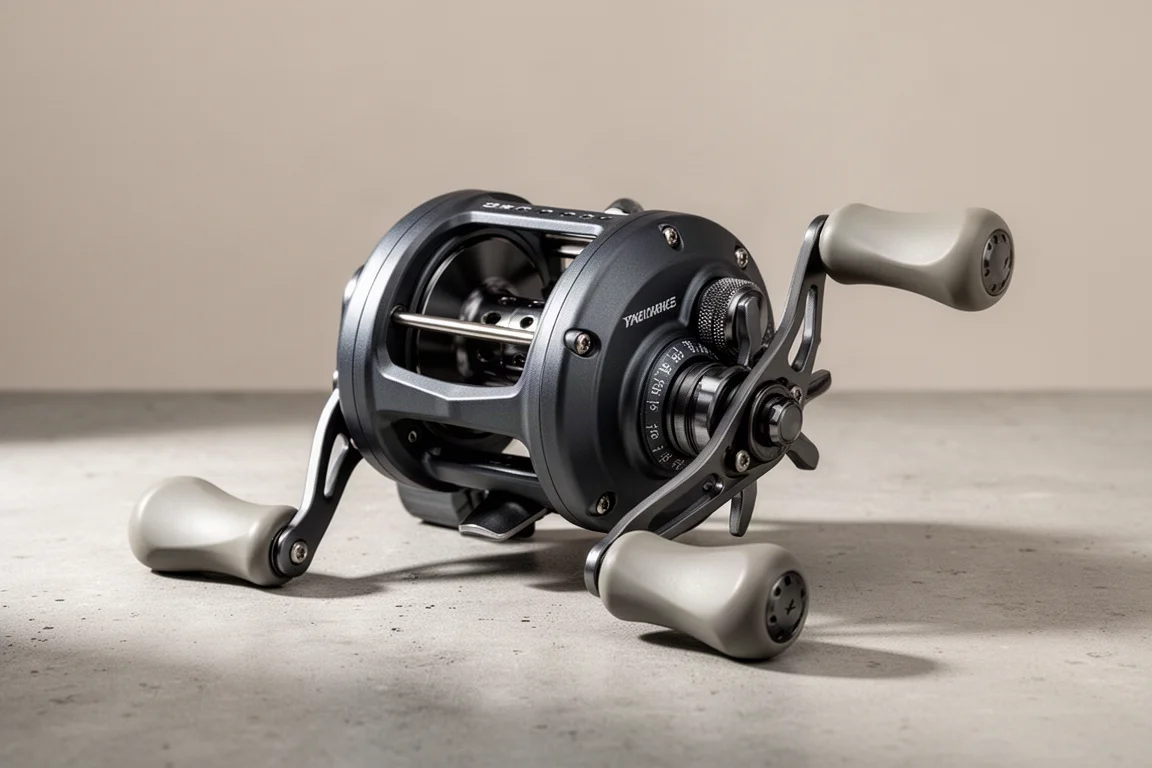
The Shimano Tranx A is the reel that many anglers already know. It shares the same core design philosophy as the 300B but represents the previous approach to the platform. If you have fished a Tranx before, the A model will feel immediately familiar.
The Tranx A retains the same frame and internal layout that made the original popular. It uses the same micro module gearing and core solid body construction. The drag stack is similar to the outgoing model, with greased carbon fiber and stainless steel washers.
One difference is the handle. The Tranx A uses a long strand carbon composite handle with a plastic outer and aluminum center cap. The color has shifted from the blue handle of earlier versions to a more neutral gray, which is a subtle but welcome change.
The level wind system on the Tranx A uses a metallic worm shaft, whereas the 300B has moved to a nylon-style material. Both have their merits. The metallic version is more traditional, while the nylon version self-lubricates and offers a bit of elasticity under stress.
For anglers who already own a Tranx A and are happy with it, the 300B is not a mandatory upgrade. The A model remains a solid performer, and the differences are mostly incremental. However, if you want the external brake adjustment and the improved drag range, the 300B is the one to consider.
Daiwa Lexa TWW 400: A Proven Performer
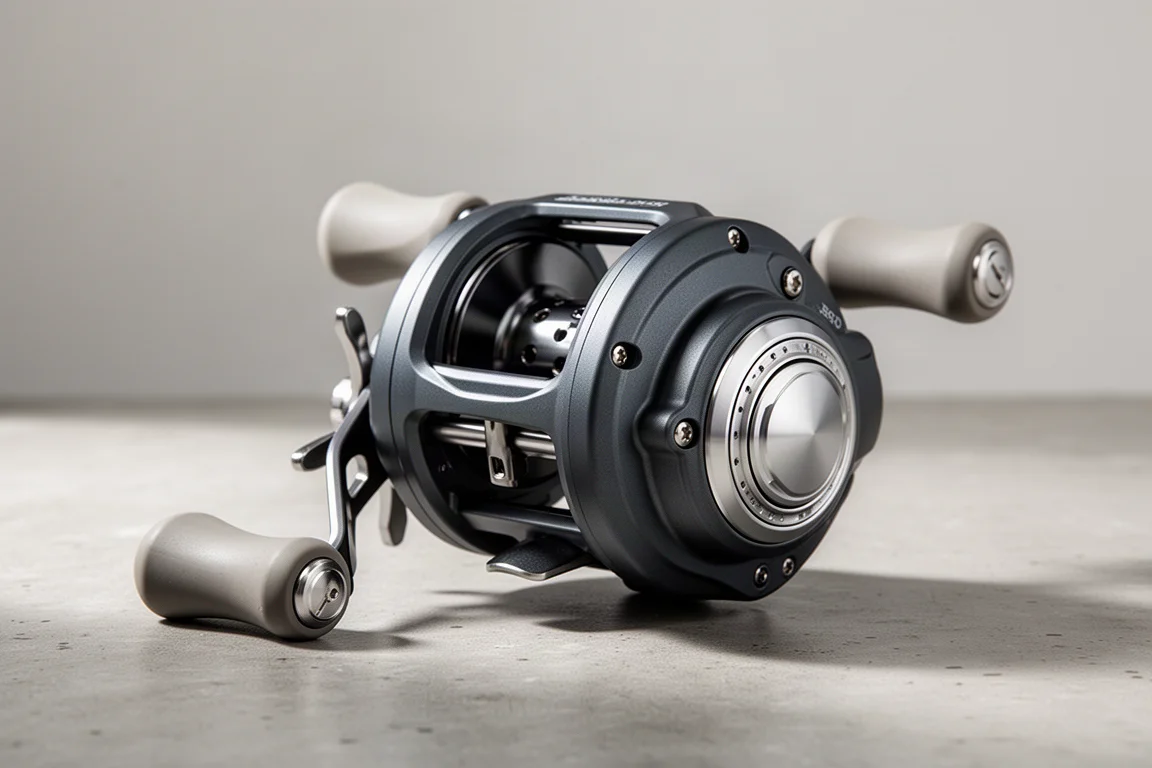
The Daiwa Lexa TWW 400 is a different take on the large low-profile baitcasting reel. It has been a favorite for years, and for good reason. The reel casts smoothly and holds up well under heavy use.
The Lexa TWW 400 features a wider spool compared to the standard Lexa 300. That wider spool provides more maintained inertia during the cast, which can help with distance. The reel feels smooth on the retrieve, though it can feel slightly overbraked compared to the narrower-spool Lexa 300.
One thing to note about the Lexa line is the handle material. The Lexa TWW uses a material that can go slick over time. It is not the most durable handle finish, and once it wears, it is difficult to restore. This is a minor annoyance rather than a dealbreaker, but it is worth knowing.
The Lexa TWW 400 has held up well over the years, handling fewer big fish than the standard Lexa 300 but performing reliably. It is a reel that many anglers put the most time on, and it has earned that trust through consistent performance.
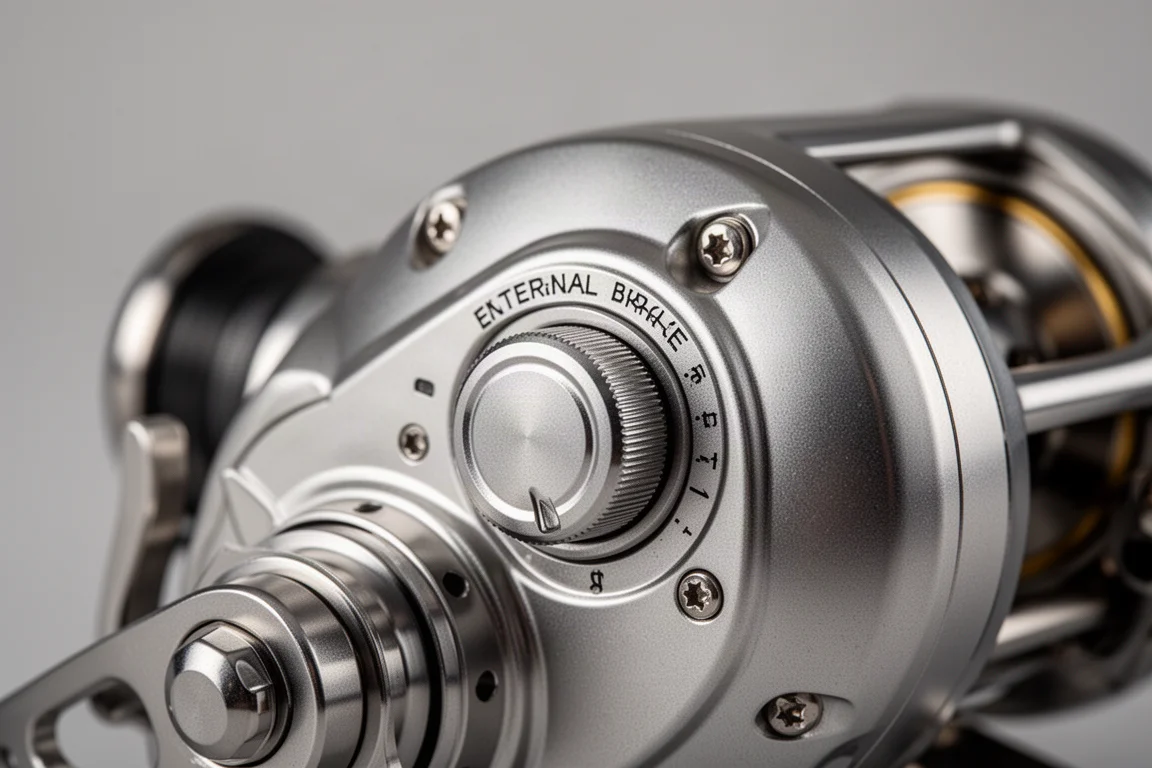
For those who want a reel that casts long distances and feels solid in the hand, the Lexa TWW 400 is a strong choice. It is not the newest reel on the market, but it remains competitive.
View more details for Daiwa Lexa TWW 400
How They Compare on the Water
When it comes to casting, the three reels have distinct personalities. The Shimano Tranx 300B with its narrower spool may offer better casting distance potential. The narrower spool means the line arbor shrinks, which can lower the feed rate and allow for finer brake adjustment. That could translate to more distance with careful tuning.
The Lexa TWW 400 casts smooth but feels slightly overbraked. It does not feel like it is bouncing off the rev limiter the way the standard Lexa 300 does. That sensation may just be a product of the wider spool and the interaction with the level wind, but it is noticeable.
The Tranx A sits somewhere in between. It is a proven caster with a familiar feel. If you are used to the Tranx platform, the A model will not surprise you, which is a good thing for consistency.
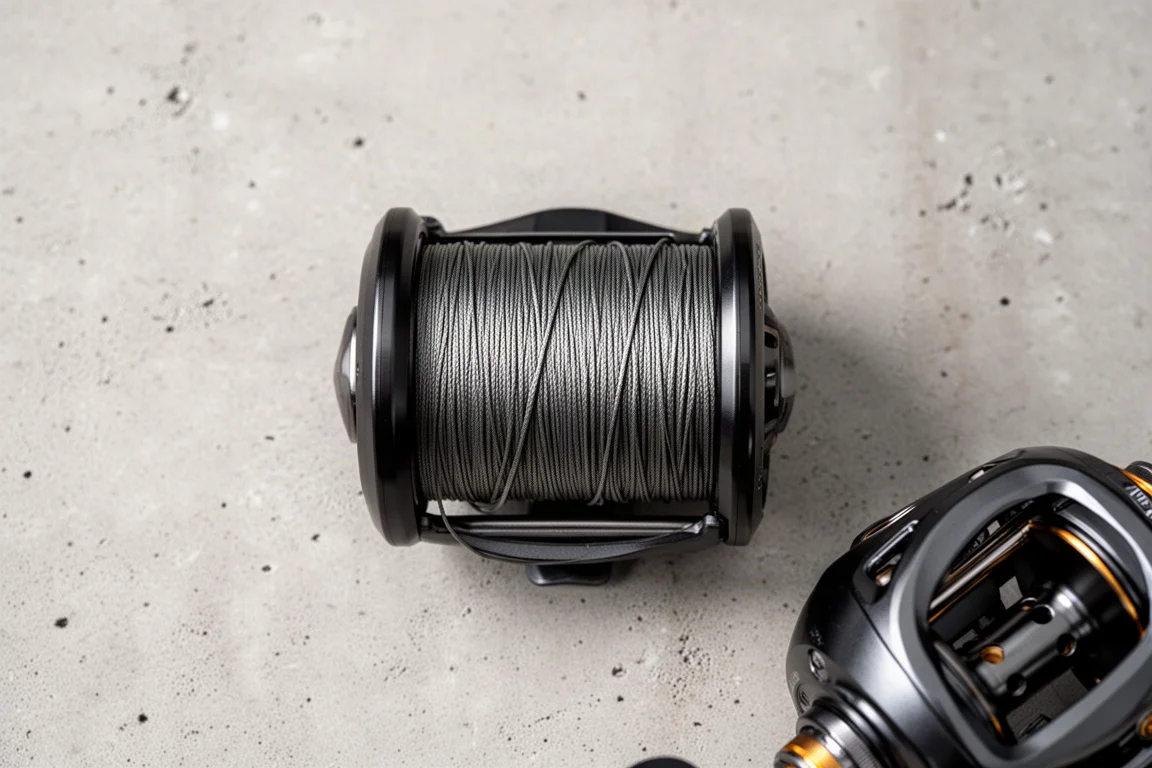
In terms of drag, the 300B has the advantage with its Belleville washers. The added range means you can fine-tune the drag more precisely, which is useful when fighting larger fish. The Tranx A and Lexa TWW 400 both have capable drag systems, but they lack the finer adjustment range of the 300B.
Maintenance is another area where the reels differ. The Tranx 300B makes the level wind paw directly accessible, which is a big plus for anglers who service their own reels. The Lexa TWW 400 is also straightforward to work on, though the handle material is a long-term concern.
Overall Buying Advice
If you are looking for the newest technology and the most refined drag system, the Shimano Tranx 300B is the clear choice. The external brake adjustment, the Belleville washers, and the shear fail-safe in the level wind make it a compelling upgrade. The tight brake dial out of the box is a minor annoyance, but it should loosen with use.
If you already own a Tranx A and are satisfied with it, there is no urgent reason to switch. The A model remains a reliable performer, and the differences are mostly incremental. However, if you want the latest features, the 300B is worth the upgrade.
If you prioritize casting distance and a proven track record, the Daiwa Lexa TWW 400 is a solid option. It casts smoothly and has held up well over years of use. Just be prepared for the handle material to wear over time.
Conclusion
All three reels have their strengths. The Shimano Tranx 300B brings the most new technology, the Tranx A offers a familiar and reliable experience, and the Daiwa Lexa TWW 400 delivers proven casting performance. Your choice should come down to what matters most to you: the latest features, a known quantity, or a reel that has already earned its reputation on the water.
Further reading
Related Reviews
Fishing Reels
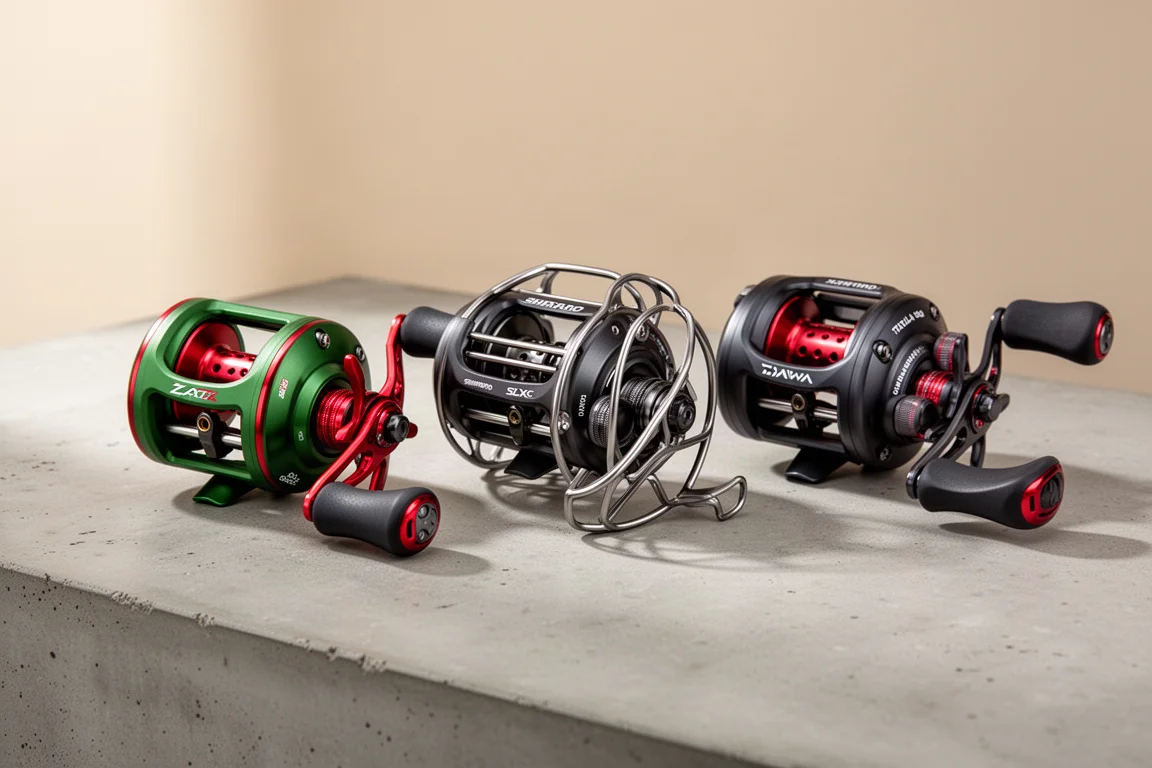
Best Baitcasting Reels 2026: Abu Garcia Zata vs Shimano SLX DC vs Daiwa Tatula 100
Three popular baitcasting reels compared for casting performance, braking systems, drag stacks, and overall value for bass fishing.
Fishing Reels
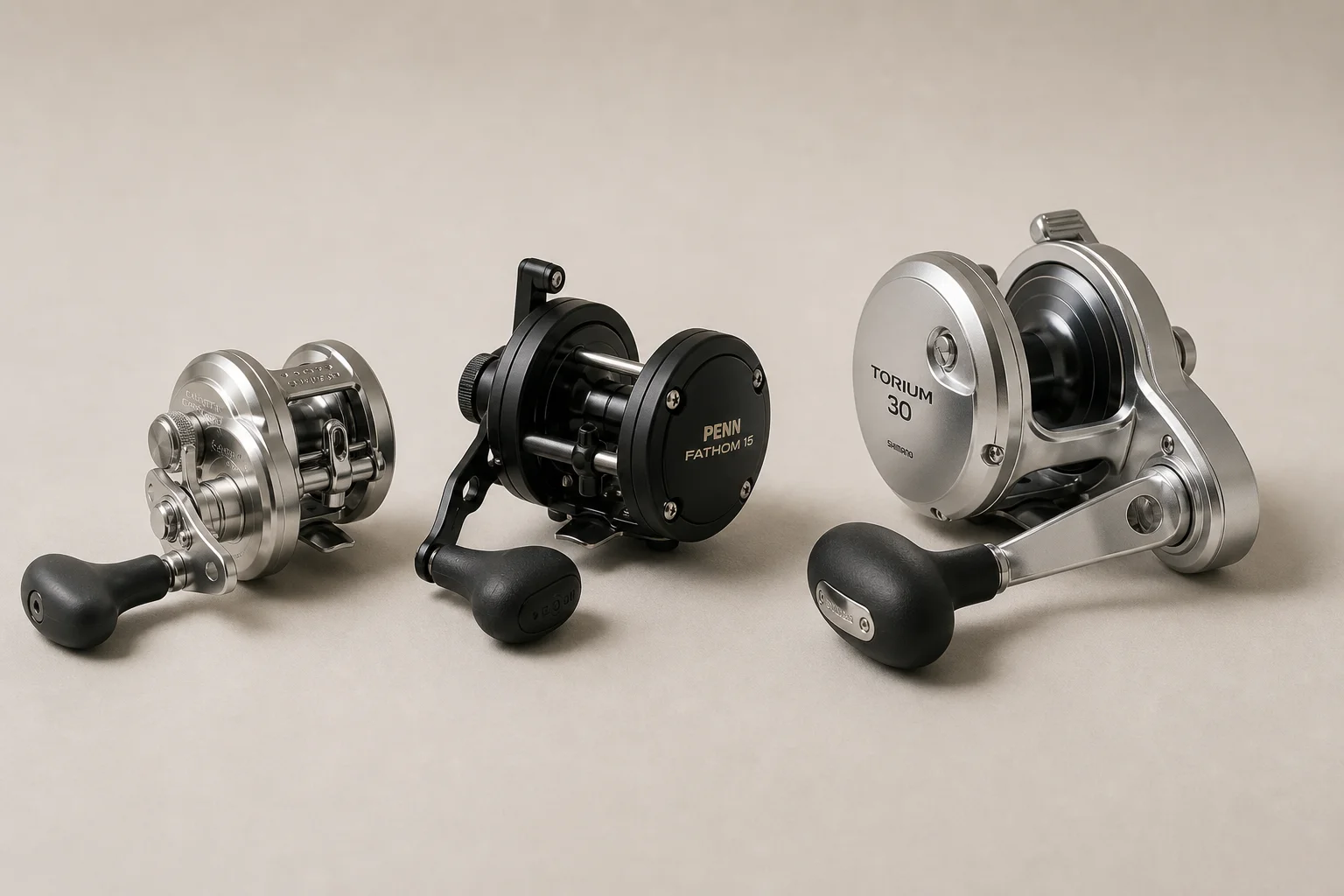
Best Conventional Reels Under 300: Three Saltwater Options for Different Fishing Styles
Three conventional reels that deliver durability and performance without breaking the budget, each suited to different saltwater fishing approaches.
Fishing Reels
Daiwa STEEZ Limited SV TW 1000H Review: A Closer Look at the Limited Edition Baitcasting Reel
A detailed look at the Daiwa STEEZ Limited SV TW 1000H, a limited edition baitcasting reel that promises SV Boost technology but delivers a familiar experience.