Fishing Reels
Best Baitcasting Reels 2026: Abu Garcia Zata vs Shimano SLX DC vs Daiwa Tatula 100
Three popular baitcasting reels compared for casting performance, braking systems, drag stacks, and overall value for bass fishing.
Introduction
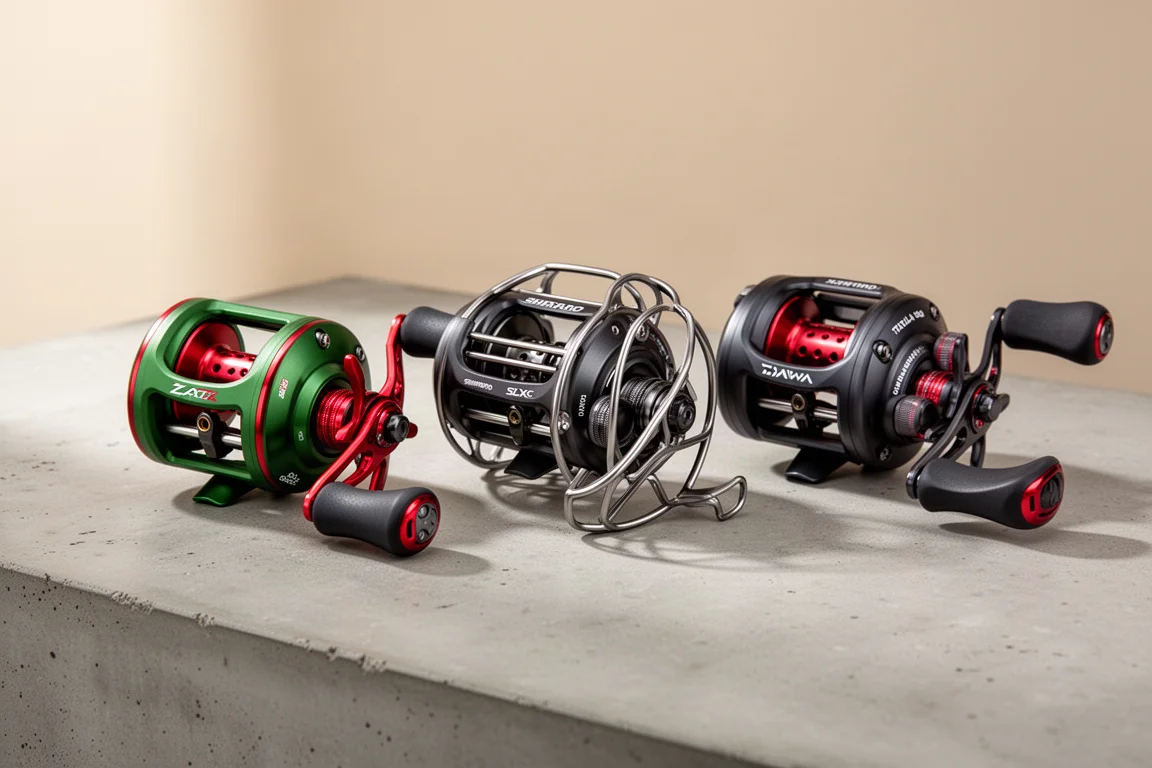
Choosing a baitcasting reel in the 100 to 200 dollar range means weighing casting performance, braking systems, drag stacks, and how the reel feels in your hand over hours on the water. Three reels that come up often in this conversation are the Abu Garcia Zata, the Shimano SLX DC, and the Daiwa Tatula 100. Each brings a different approach to braking, frame construction, and drag design, and each has its own set of trade-offs worth understanding before you buy.
Evaluation Criteria
When comparing these reels, the key factors are casting distance and smoothness, braking system behavior across different stages of the cast, drag stack quality and adjustability, frame construction and durability, and overall value at street price. How a reel performs during the break-in period of 50 to 60 hours also matters, since that is when consistency issues tend to show up.
Abu Garcia Zata
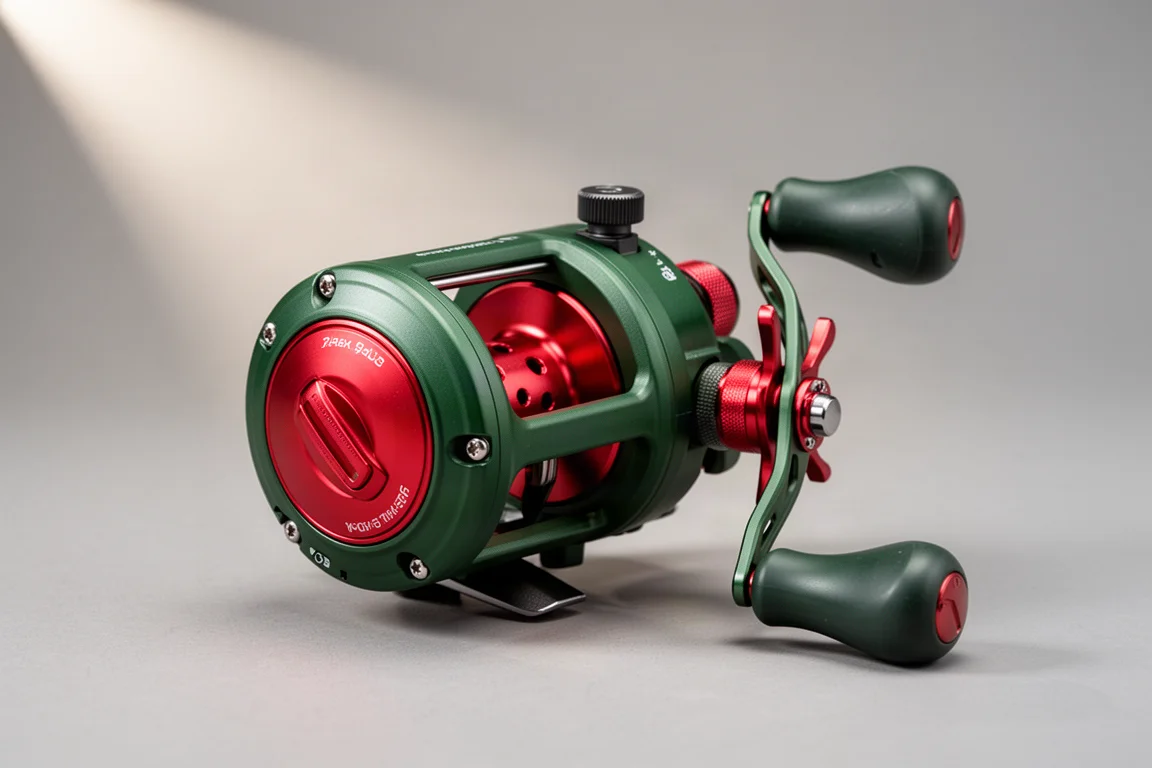
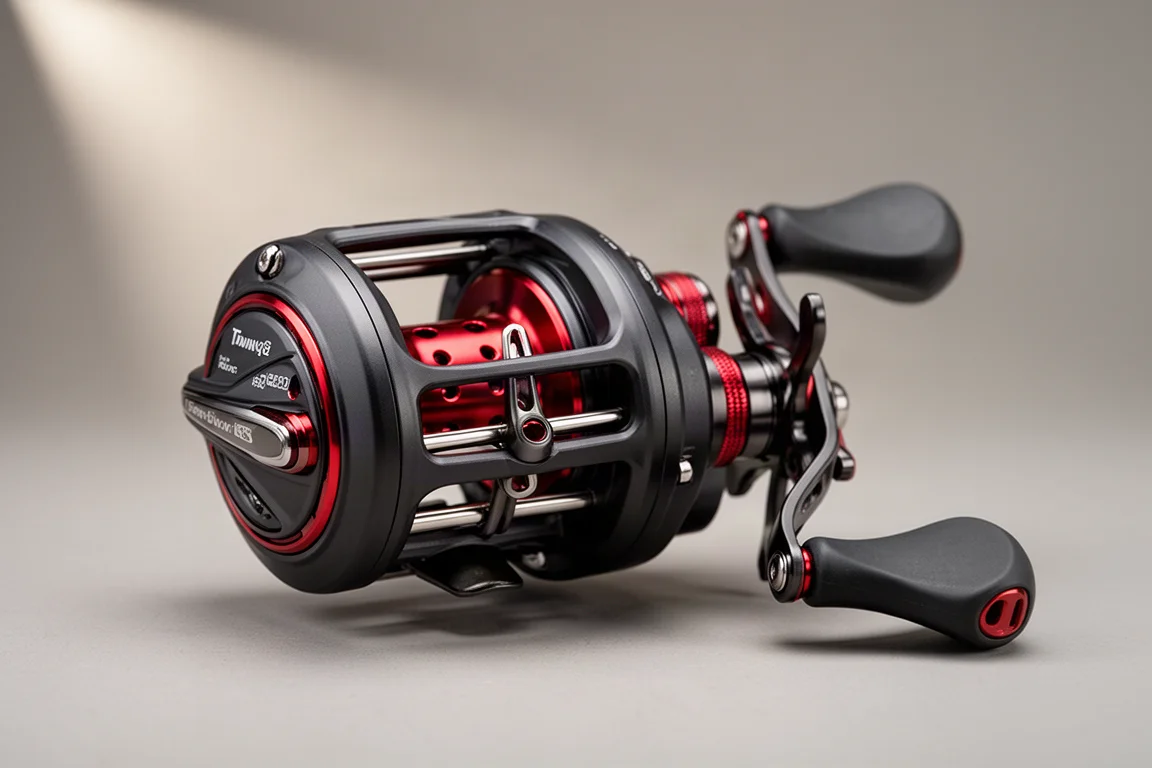
The Abu Garcia Zata is a green and red reel with a plastic frame and plastic side plates. It is a good all-around performer that casts well, and the braking system is very similar to what you would find on other reels in the Abu Garcia lineup. The linear magnetic brake applies more braking force than some comparable reels because there are fewer magnets, and the centrifugal brake is nearly identical to what you see elsewhere. You can switch pins, turn the magnets off and rely solely on centrifugal braking, or back the mag off and go all centrifugal. That flexibility accommodates a wide range of preferences on one platform.
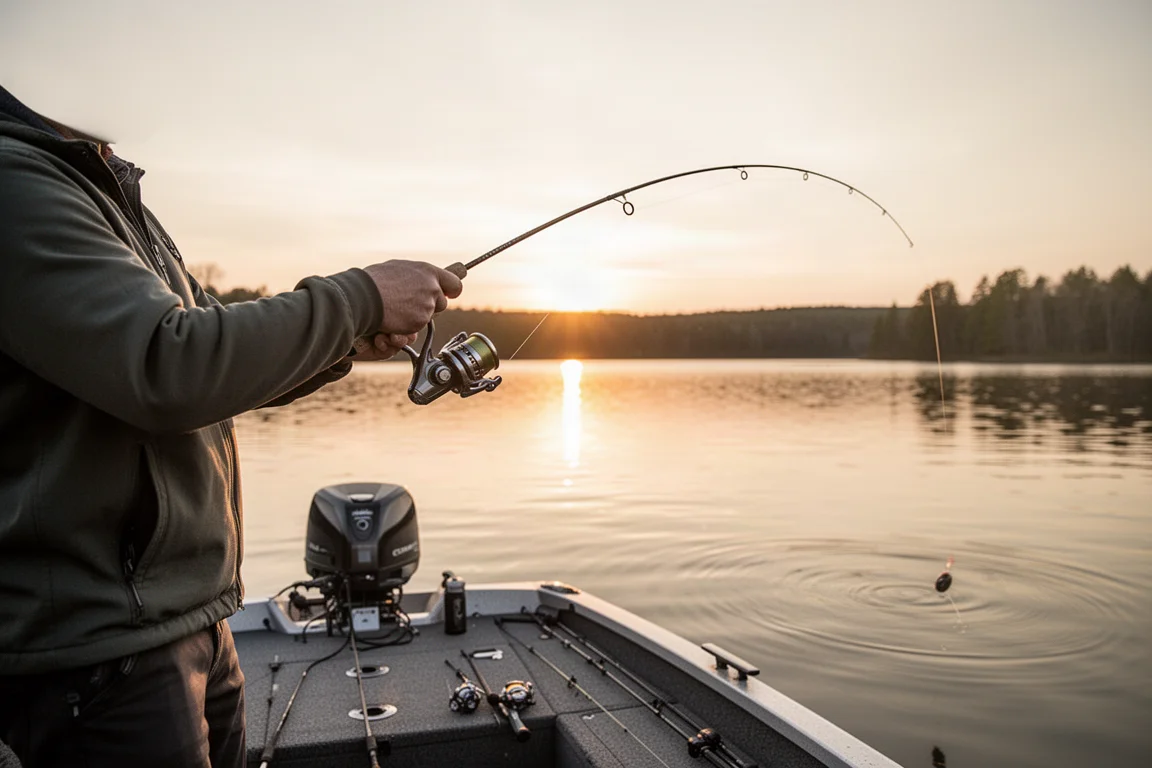
The drag stack on the Zata is large and impressive looking, with multiple carbon fiber washers. However, that extra drag surface area is not really needed for bass fishing. The drag adjustment is not easy to dial in precisely, going from super loose to halfway in about one and a half to two turns, then jumping from 8 pounds to 20 pounds with another half turn. The extra washers add compression that can affect line payout under resistance, but Daiwa and Shimano do not use this approach, and it is not necessary for most freshwater applications.
The Zata casts better than the Shimano SLX DC and the Daiwa Magforce reels, whether they use an SV spool or a hyper long cast spool. It is a decent reel, but at around 180 dollars, it faces stiff competition. The plastic construction is a downside if you prefer cast aluminum frames, and the reel does not feel as sturdy as metal cage designs when you are wrenching down on the drag around heavy cover.
Shimano SLX DC
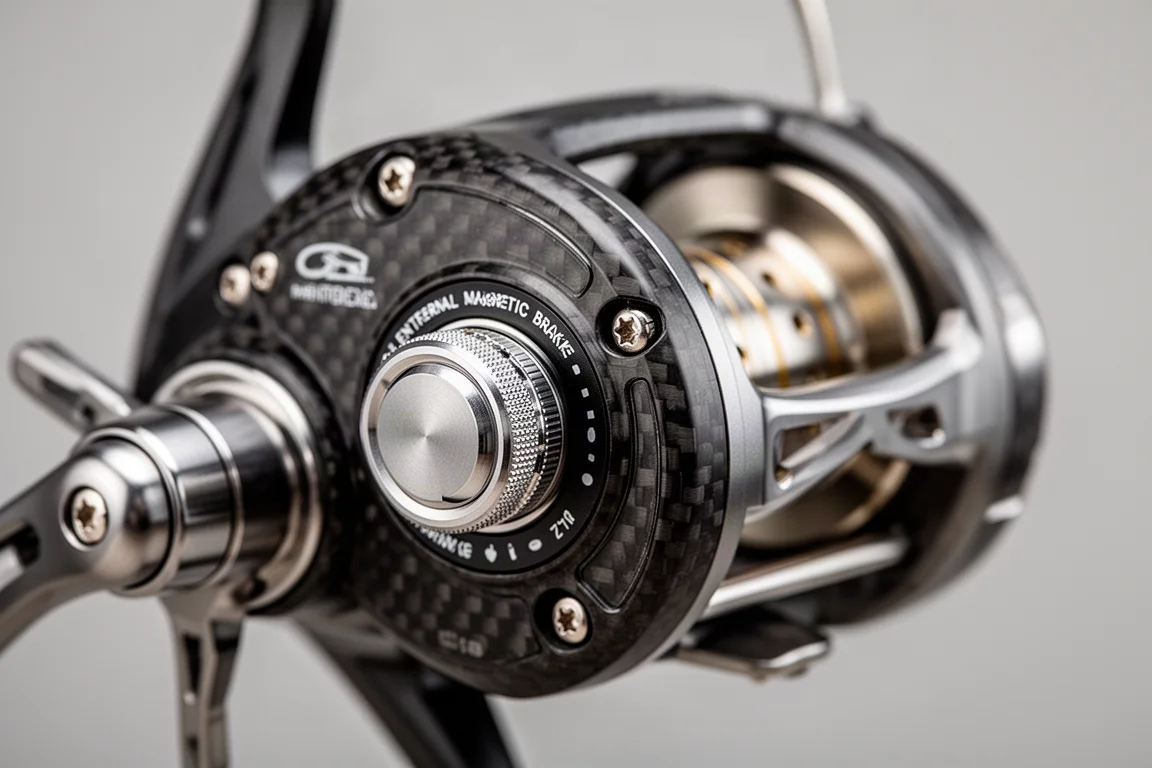
The Shimano SLX DC uses a DC braking system, which is a magnetic brake controlled by an actual computer that applies braking force where it deems necessary throughout the cast. This system performed well in testing, especially when slinging sidearm jigs at distances of 25 to 50 yards on the number one setting. The DC brake handles the later stages of the cast better than linear magnetic brakes, which tend to apply braking force more evenly but do not adapt as well as the spool slows down.
One thing to note about the SLX DC is that the thumb bar sits much higher than on other reels. If you prefer to rely mainly on your thumb to control the spool, you may need to choke up on the reel seat to get your hand higher and feather the spool properly. Without that adjustment, overruns can happen on the number one setting when casting jigs. This is something to consider if you are used to reels where the spool sits lower and your thumb has a more direct line to it.
The SLX DC has a felt drag washer, which is a cost-saving choice that some anglers dislike. However, a heavily greased felt drag can lock down at 6 to 8 pounds without problems and still pay out line when needed. For bass fishing, this is rarely a limiting factor, especially on a relatively new reel. The SLX DC also has fewer ball bearings than some competitors, but as long as the bearings are in the right spots, the count does not matter much.
The SLX DC is a better user experience overall compared to the Abu Garcia Zata. The spool thumb bar release feels better, and the metal cage frame with plastic side plates feels sturdier than a full plastic frame when you are fishing heavy braid around thick cover. If you want a new reel to play around with and enjoy, the SLX DC is a strong choice, and upgrading to a carbon drag stack is a worthwhile simple modification.
Daiwa Tatula 100
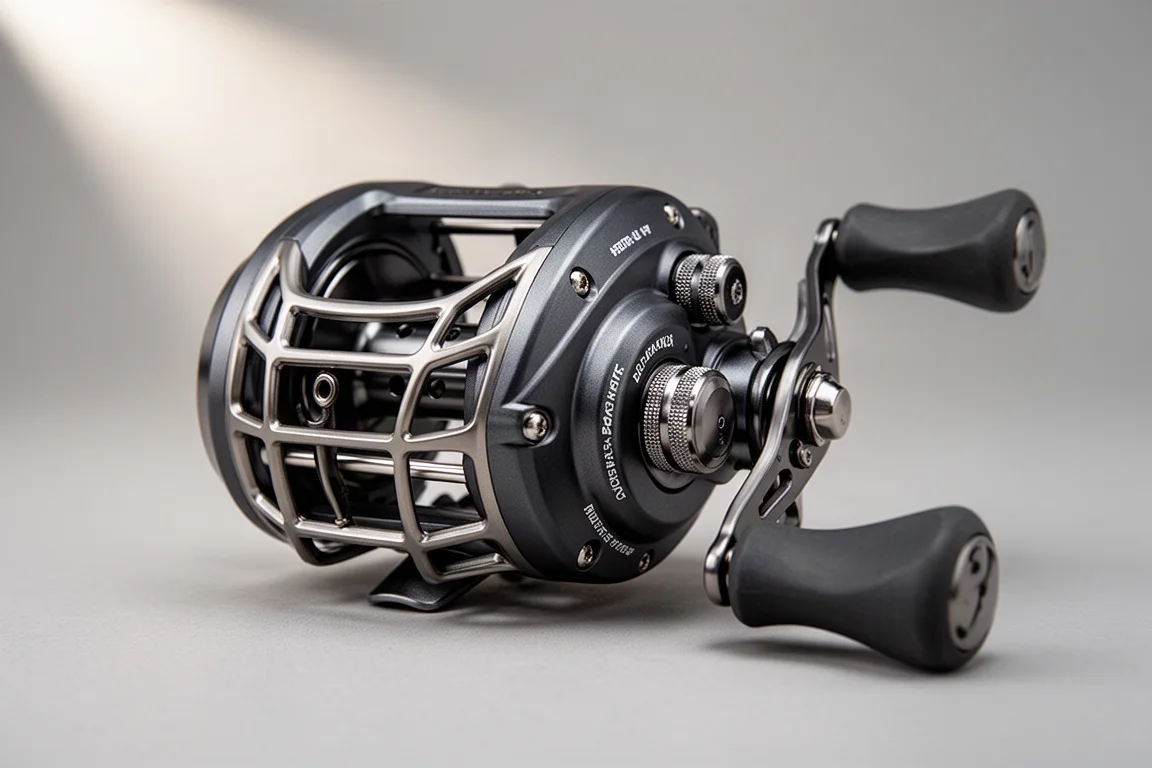
The Daiwa Tatula 100 platform retails for around 160 dollars and includes the T-Wing system, which is a wider level wind funnel that reduces the sensation of the line getting throttled back as it hits the level wind. This gives a smoother casting feel and can contribute to more distance. The T-Wing is a distinctive feature that no other reel on the market incorporates in quite the same way.
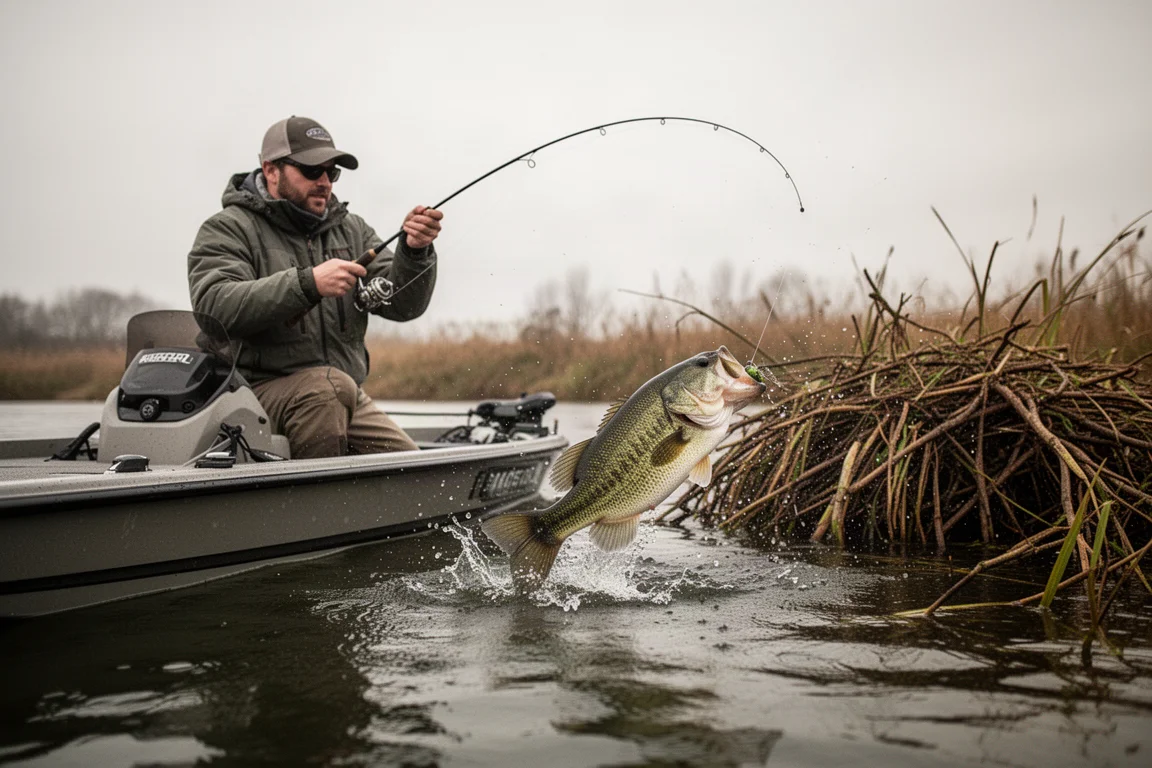
The Tatula 100 is not the smoothest reel out there and not the best Daiwa, but it is a Tatula, so it blends in with the rest of the lineup. The braking system uses Daiwa Magforce, which handles the later stages of the cast reasonably well. The reel has been available at street prices around 110 dollars, which makes it a strong value, especially considering the T-Wing system.
The Tatula 100 has a metal cage frame with plastic side plates, which feels sturdier than a full plastic frame reel. When you rock a fish and it does not move, and you are fishing 40 or 50 pound braid with a wrench-tightened drag around heavy cover, the metal cage frame feels solid and dependable. Graphite frames do not break easily, but the metal cage gives a sense of sturdiness that is hard to quantify but easy to feel.
Overall Buying Advice
If you are deciding between these three reels, the recommendation is to go with either the Shimano SLX DC or the Daiwa Tatula 100 over the Abu Garcia Zata, even if the Zata is available at a lower price. The difference comes down to frame construction. A plastic frame with plastic side plates feels different from a metal cage with plastic side plates, and that difference shows up when you are putting maximum pressure on a fish in heavy cover.
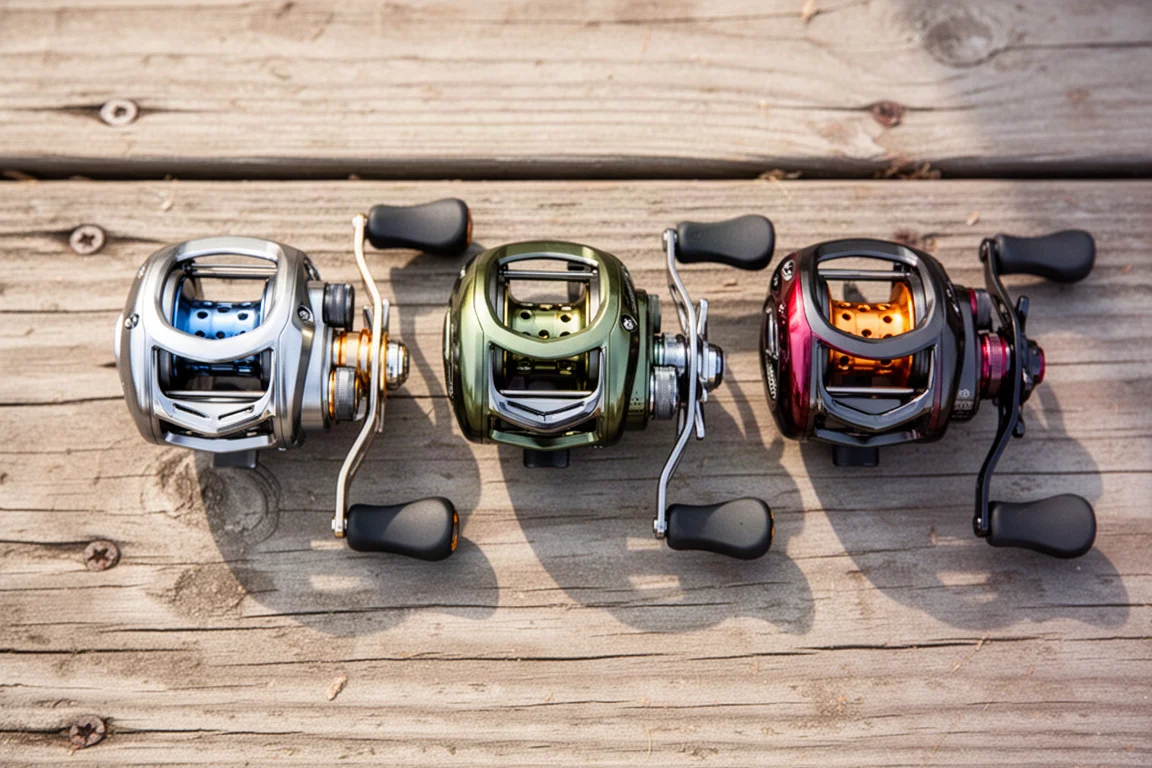
The Abu Garcia Zata is a good reel, and if you like plastic construction and are already accustomed to similar platformed plastic reels, it will be right up your alley. It looks nice with its festive green and red accents, and the attention to detail in the paint is better than some comparable reels. However, at the 180 dollar price point, you are no longer giving the benefit of the doubt for performance issues or inconsistencies during the break-in period.
For anglers who want the best casting performance, the Zata casts well, but the overall user experience of the SLX DC and the value of the Tatula 100 make them stronger recommendations. If you want a new toy to enjoy, the SLX DC with a carbon drag stack upgrade is a worthwhile investment. If you want the best value, the Tatula 100 at street prices around 110 dollars is hard to beat.
Conclusion
All three reels are capable performers, but they appeal to different priorities. The Abu Garcia Zata offers flexible braking and a large drag stack, but the plastic frame and drag adjustability hold it back. The Shimano SLX DC delivers a polished user experience with computer-controlled braking and a sturdy metal cage frame. The Daiwa Tatula 100 provides excellent value with the T-Wing system and a solid frame at a lower street price. For most bass anglers, the SLX DC and the Tatula 100 are the safer bets, especially once you factor in long-term durability and how the reel feels when the pressure is on.
Further reading
Related Reviews
Fishing Reels
Best Conventional Reels Under 300: Three Saltwater Options for Different Fishing Styles
Three conventional reels that deliver durability and performance without breaking the budget, each suited to different saltwater fishing approaches.
Fishing Reels
Daiwa STEEZ Limited SV TW 1000H Review: A Closer Look at the Limited Edition Baitcasting Reel
A detailed look at the Daiwa STEEZ Limited SV TW 1000H, a limited edition baitcasting reel that promises SV Boost technology but delivers a familiar experience.
Fishing Reels
Daiwa Zillion SV TW Review: A New Benchmark for All-Around Baitcasters
The Daiwa Zillion SV TW delivers refined casting, a smooth feel, and thoughtful details that make it one of the most compelling baitcasting reels in its class.