Outdoor Gear
Seven Standout Outdoor Gear Picks for 2023: Pads, Packs, Pillows, and a Headlamp
Seven backpacking gear picks for 2023, from a thicker camp pillow and quieter sleeping pads to a 970-gram pack and a USB-C headlamp.
Introduction
Seven pieces of backpacking gear stand out this year for one reason: each one goes after comfort you actually feel on trail. A camp pillow that holds its shape, two sleeping pads that are warmer, thicker and quieter, a headlamp that finally charges over USB-C, and two packs that carry a load better than their low weights suggest.
None of these are novelty items. They are refinements of categories that backpackers already depend on, and most of the updates answer complaints that have followed these products for years.
What Ties These Seven Picks Together
Three themes run through the list. The first is warmth-to-weight: the sleeping pads here push their warmth ratings higher without adding bulk, and one of them comes from a brand building its very first pad around reflective insulation. The second is sleep quality, which covers noise as much as warmth, since a crinkly pad in a shared tent is its own kind of problem. The third is carrying comfort, with a frameless pack that borrows running vest straps and a full-size pack that drops under one kilogram.
Two of the seven are brand new to the market, so hands-on detail is still limited and the specification claims are the main reference point for now.
Trekology Aloft Pro: A Thicker Camp Pillow With a Washable Cover
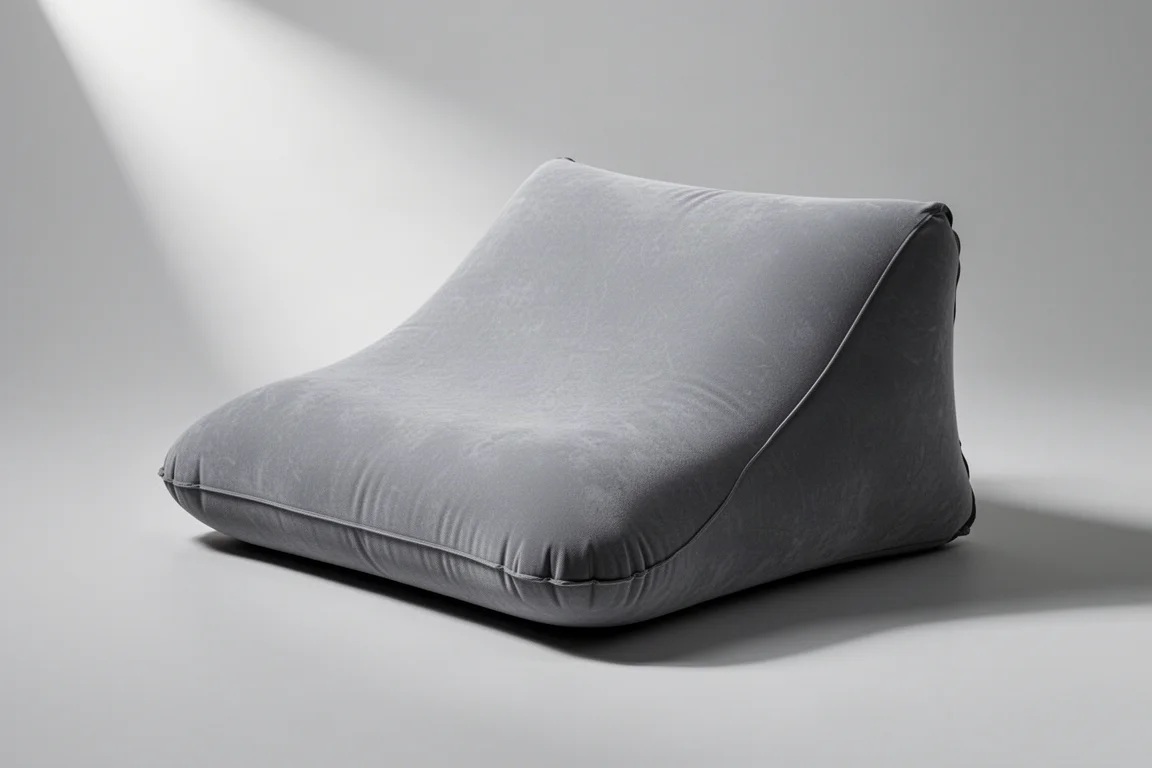
The Aloft Pro builds on the Aloft 2.0 with the features that made the earlier pillow popular, including a strap that keeps it attached to a sleeping pad and internal baffling that stops it from feeling like a balloon under your head.
The headline change is thickness. At five inches it is noticeably taller than the roughly three and a half inches of the 2.0, which should matter most to side sleepers who found the earlier version too low. The shape has been reworked as well, with a curved lower edge that a neck or shoulder can settle into, and a wedge profile that is taller at the back than at the front, a design borrowed from ergonomic pillows made for beds at home.
A removable pillowcase is included this time, which makes the pillow easier to keep clean and adds a softer surface for your face. Durability has been addressed too, with reinforced seams and thicker TPU aimed at better air retention over time.
Therm-a-Rest NeoAir XLite NXT: Warmer, Thicker, and Quieter
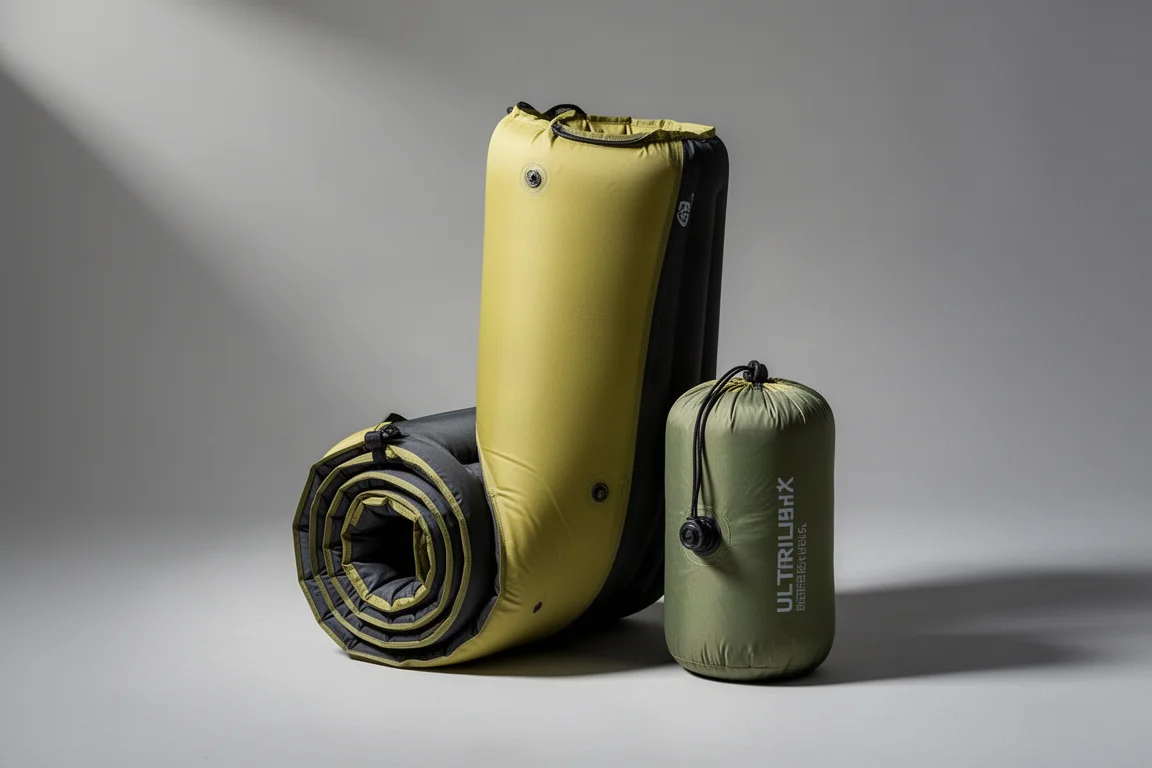
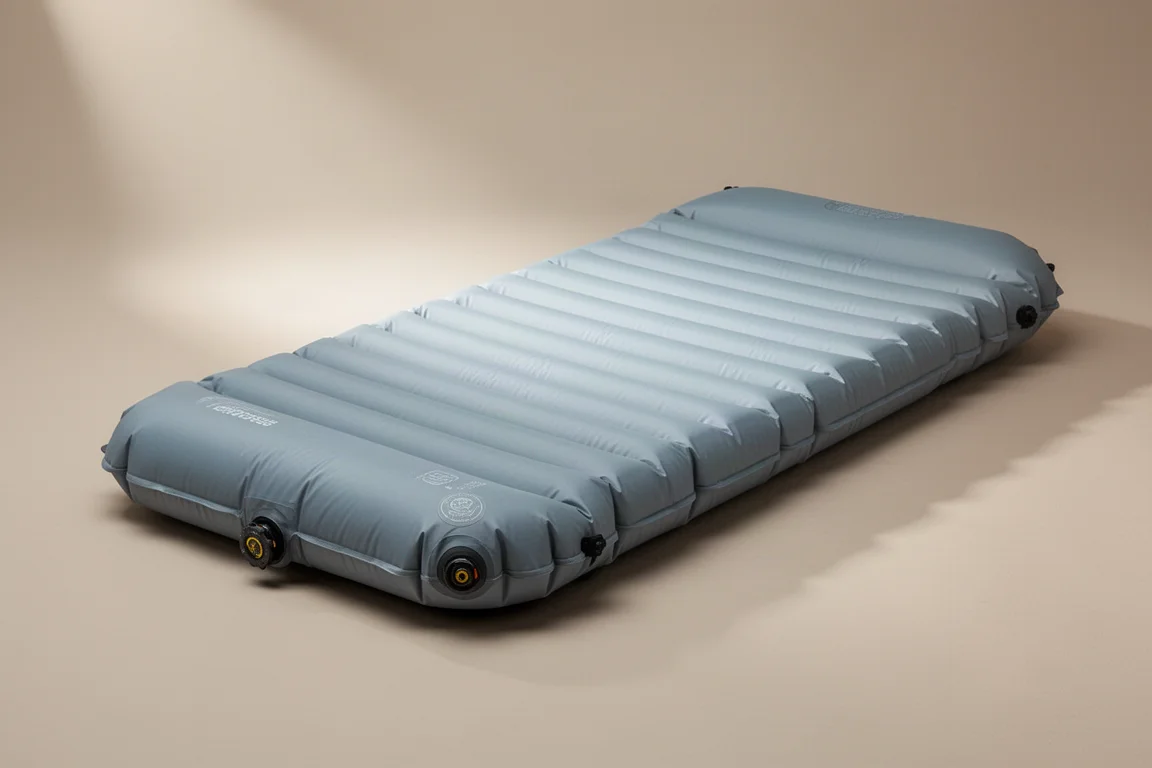
The XLite NXT is the three-season option in the updated NeoAir line. Warmth rises from an R-value of 4.3 to 4.5, and thickness goes from 2.5 inches to 3 inches, which is the change side sleepers will notice first. If you used to bottom out on your shoulder or hip, the extra air layer is designed to stop that.
Noise is the other headline. Therm-a-Rest states the NXT versions are up to 80 percent quieter, and in practice the XLite is where that claim lands most clearly. It is substantially quieter than the previous generation, including when it is moved off snow, where the older pad was especially loud.
New shapes are part of the update as well, including a square regular wide version that was not offered before.
Therm-a-Rest NeoAir XTherm NXT: Winter Warmth With Less Crinkle
The XTherm NXT keeps its place as the warm option for cold conditions. Its R-value rises from 6.9 to 7.3, the same thickness increase to 3 inches applies, and additional shapes have been added to the range.
The noise story is more nuanced here. The 80 percent quieter figure is a general claim for the NXT line, but the XTherm still uses a reflective mylar film inside, and that film still crinkles. In practice the XTherm NXT is roughly as noisy as the version before it. If you want the warmest pad in the line, the crinkle is part of the package.
Nitecore NU25: USB-C Charging and a Revised Headband Lineup
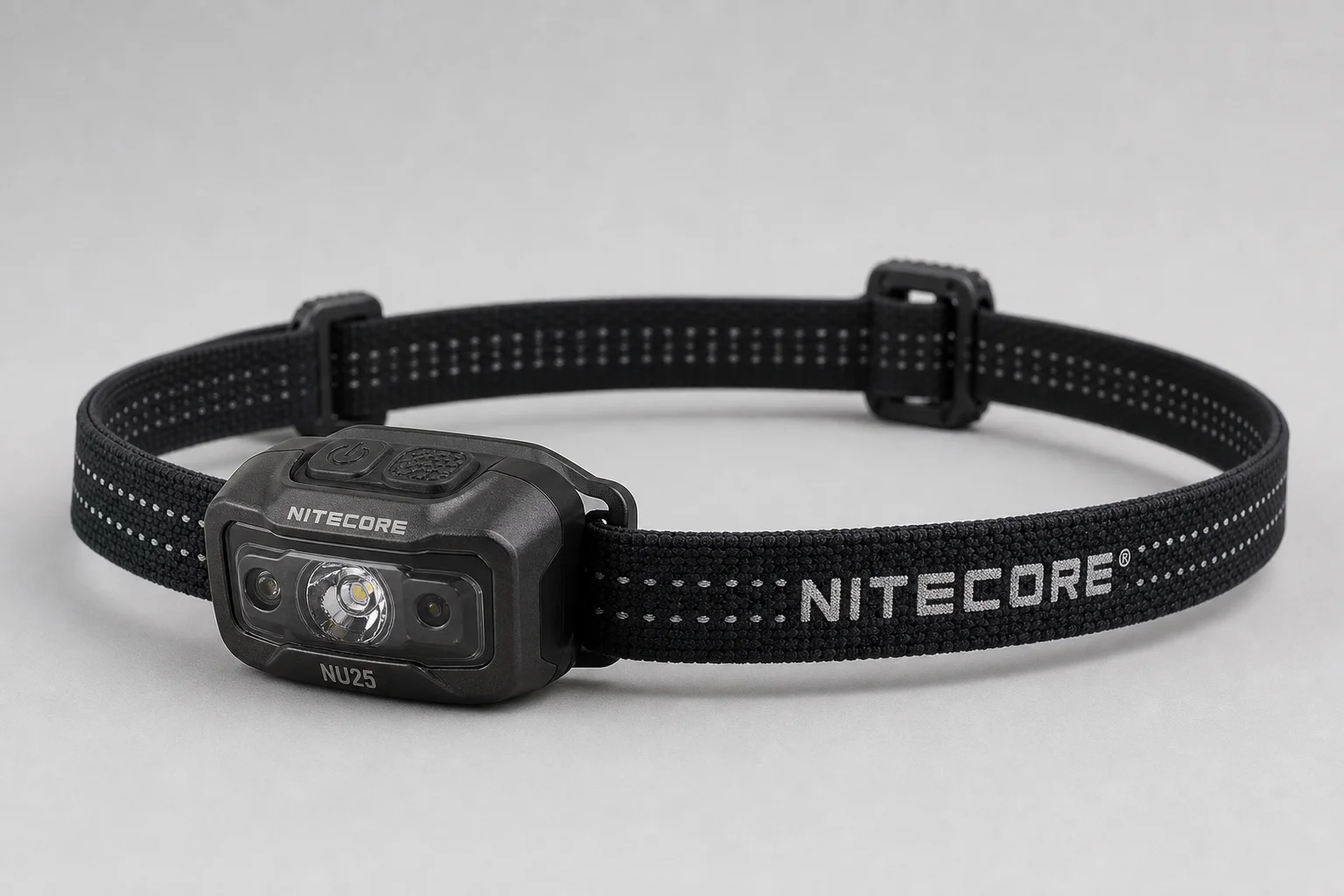
The NU25 has long been a favourite for ultralight backpacking, and the update addresses the most common complaint about it. Charging moves from micro-USB to USB-C, which means one cable can now cover the headlamp along with most other electronics in a pack.
The headlamp also gains an additional LED that changes the brightness profile, and the body is a little thicker than the previous version. Two headbands are offered: an ultralight shock cord band, and a mixed band that combines a strap with shock cord. The shock cord version tangles easily, so a standard band or an aftermarket cord modification may be the better route for regular use.
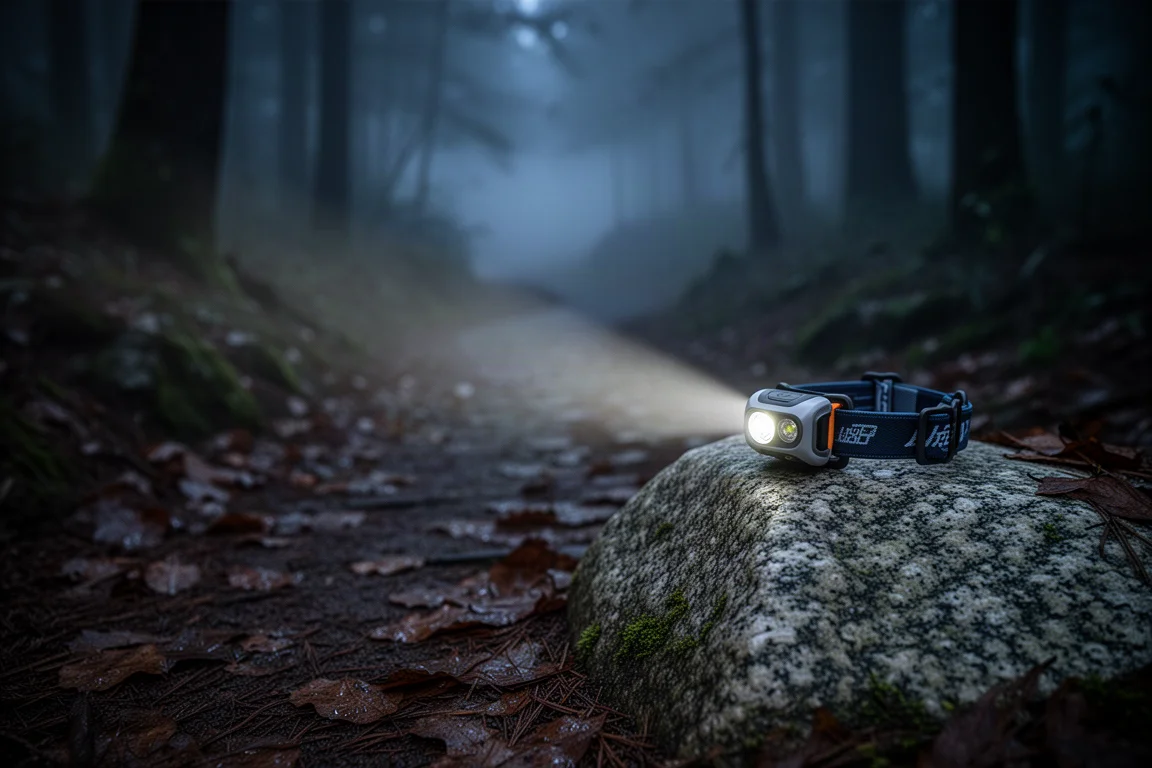
Either way, the USB-C switch is the change most people will feel on every trip.
Volpe Fast Pack 30: Ultralight Hauling With Load Lifters
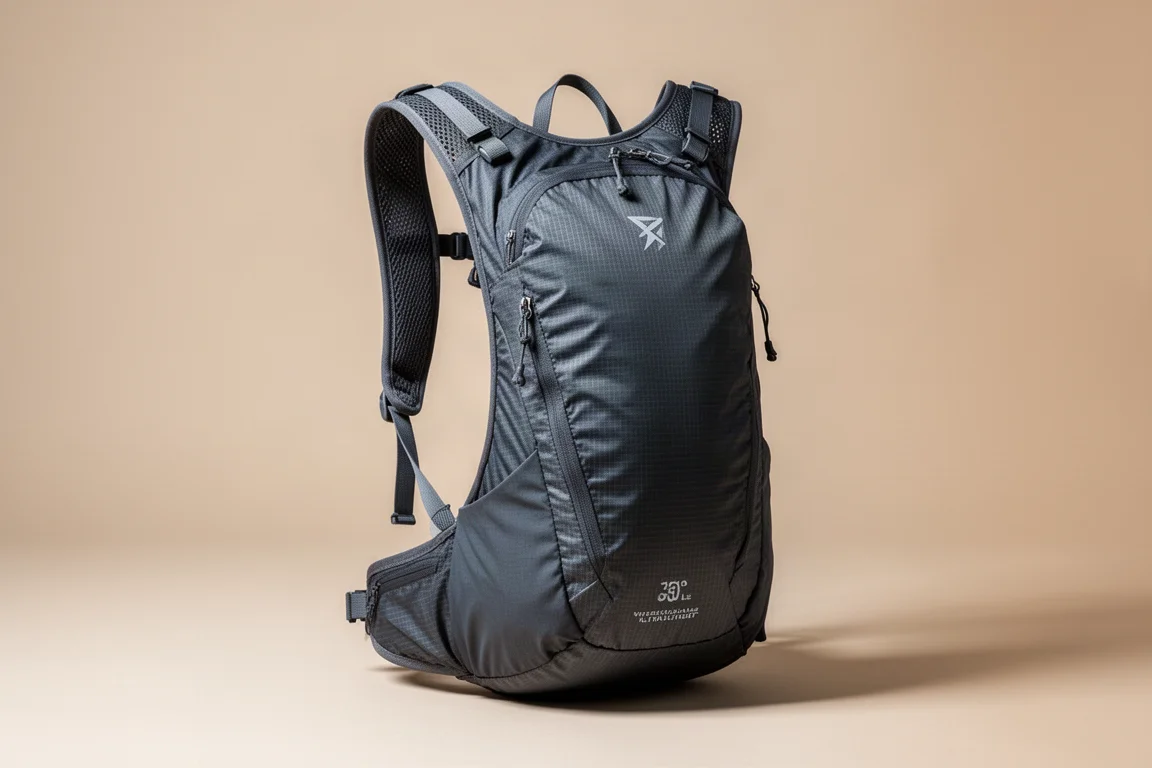
The Fast Pack 30 comes from a Mexico-based brand and is built from Ultra 100 fabric, a material with strong abrasion and tear resistance figures at a low weight. The pack uses running vest style shoulder straps, which spread weight across the chest and shoulders rather than concentrating it on two narrow straps.
Load lifters are included, which is unusual on a frameless ultralight pack and helps keep the load close to the body. In use, carrying around 30 pounds remained relatively comfortable for a frameless design, though that is still a lot of weight for a pack with no frame. For hikers coming from a heavier ultralight pack, the appeal is a similar feature set at a lower weight.
Osprey Exos Pro 55: A Full-Size Pack Under One Kilogram
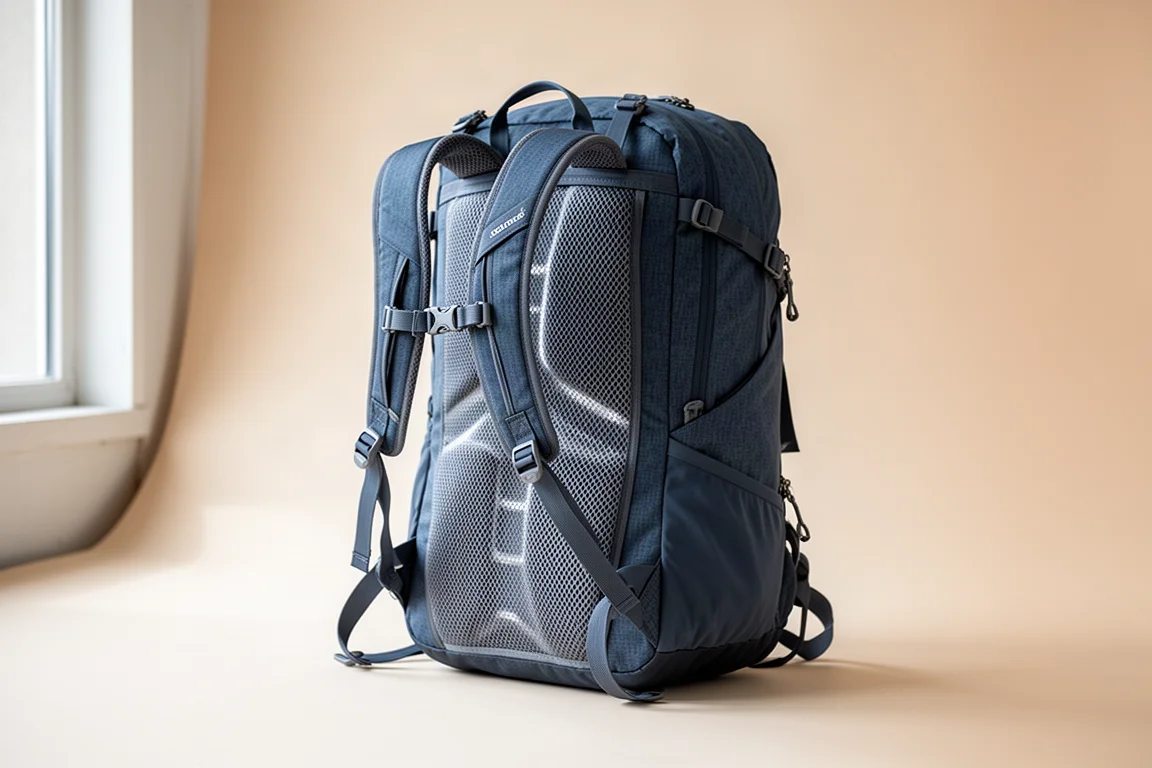
The Exos Pro 55 takes the established Exos platform and cuts roughly a pound, bringing the weight to 970 grams and under the one-kilogram mark. That is a serious number for a pack with 55 litres of capacity.
The weight saving comes largely from the fabric. Osprey uses its NanoFly material, a 100D nylon with UHMWPE grid-stop reinforcement of the same class used in Dyneema, which is strong and highly tear resistant. On paper, that means the pack keeps a durable body while shedding grams.
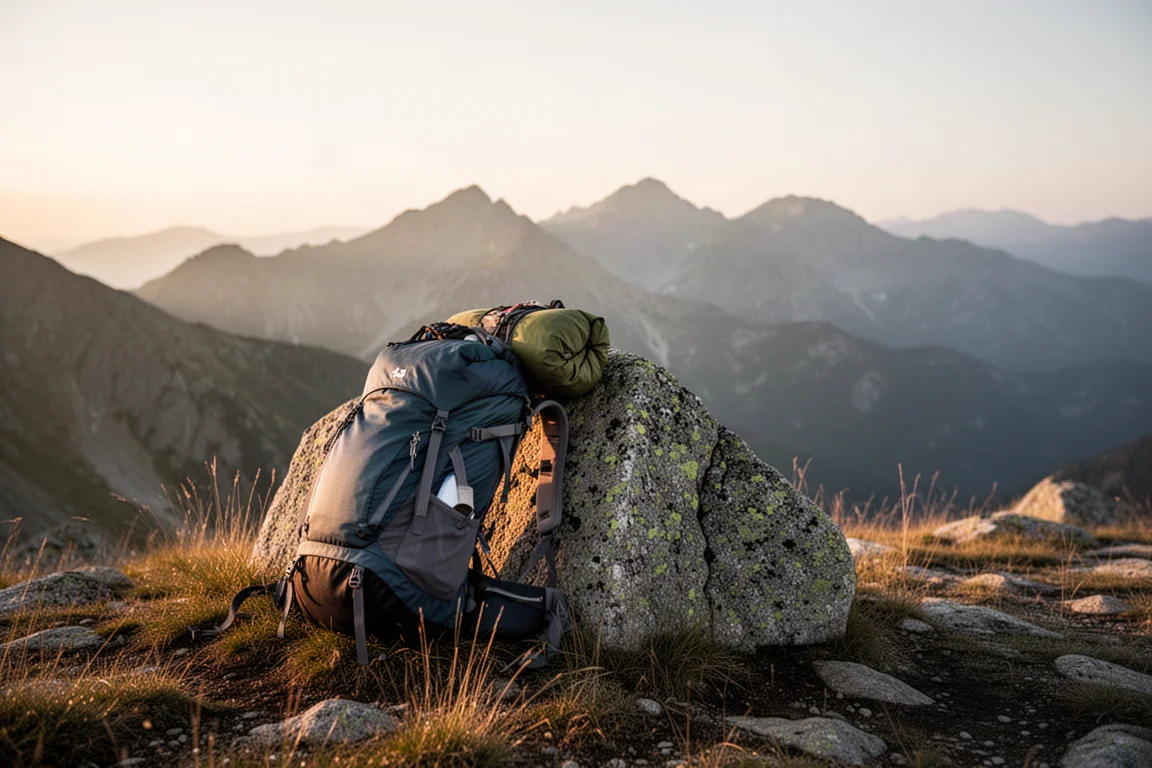
Hands-on time with this pack is still pending, so the weight and material specification are the facts to weigh for now.
Rab Ionosphere 5: A First Sleeping Pad With Reflective Insulation
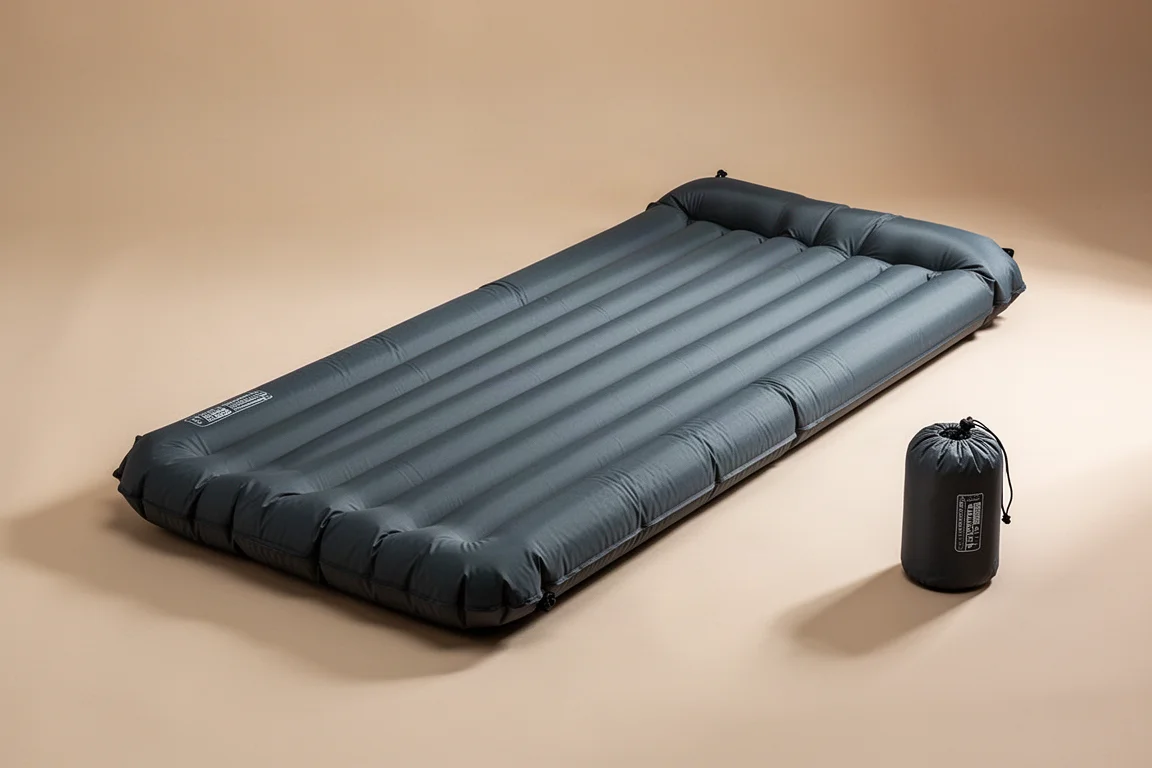
Rab has not made a sleeping pad before, and the Ionosphere 5 is its first entry into the category. The pad targets an R-value between 4 and 5, with final testing still to be completed, and the regular version weighs 475 grams.
Two insulation technologies do the work. A reflective film called TILT sits inside the pad to limit radiative heat loss, similar in principle to the mylar used in other brands’ pads. On top of that, synthetic fill is attached to both the top and bottom surfaces and spreads as the pad inflates, which is intended to reduce convective heat loss more effectively than a single flat sheet of insulation.
Comfort features include vertical baffles, which many sleepers find more supportive than horizontal ones, and raised side baffles that help keep you centred through the night. The pad is aimed at cold conditions, in the region of minus six degrees Celsius, or 20 degrees Fahrenheit.
Buying Advice: Matching Gear to the Trip
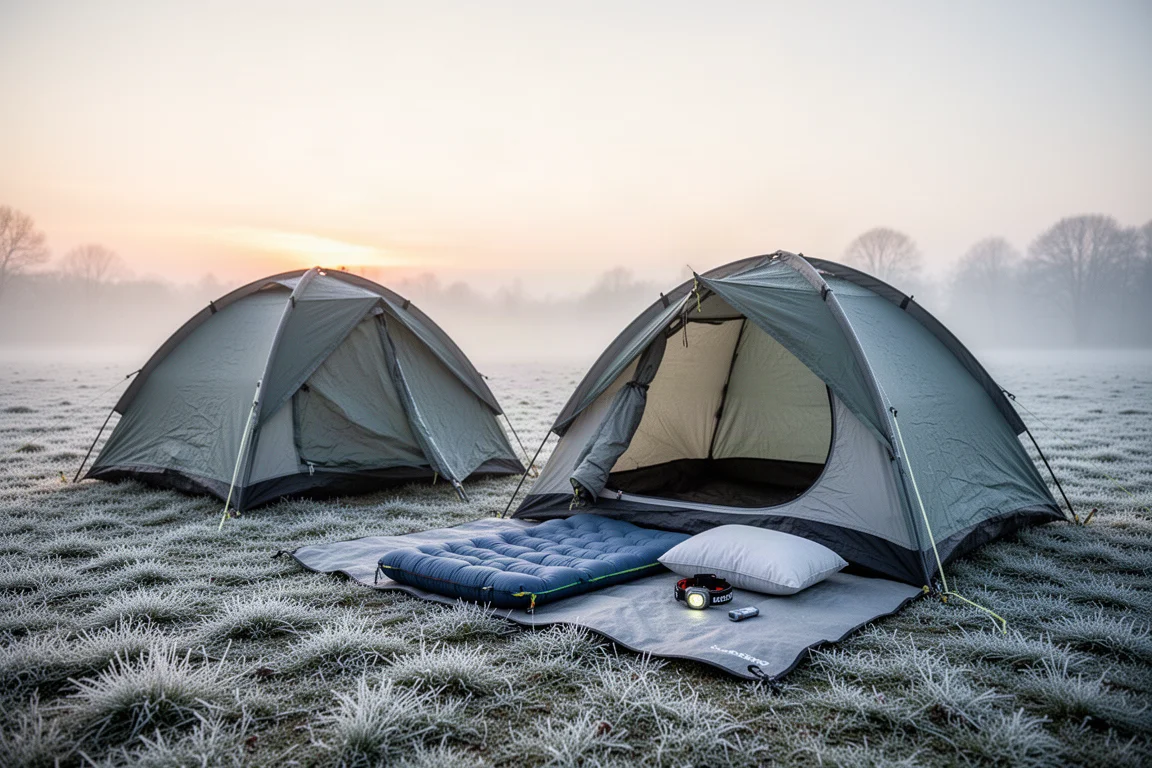
Sleeping pads are the easiest place to overspend or underspend, so start with temperature. An R-value around 4.5 covers three seasons for most people, while the higher figure of the XTherm is aimed at winter and shoulder-season trips. Thickness matters as much as warmth if you sleep on your side, and noise matters if you share a tent.
Packs come down to how you carry weight. A frameless design like the Fast Pack 30 rewards a light, compact load, while the Exos Pro 55 suits hikers who want full volume and a familiar pack layout without the usual weight penalty.
For accessories, the small upgrades tend to last. A USB-C headlamp removes one cable from your kit, and a pillow with a washable cover stays pleasant to use trip after trip.
Conclusion
Each of these seven items improves something you notice on every trip: how well you sleep, how easily you charge your gear, and how the load sits on your back. If you are updating one part of your kit this season, start with the piece that bothers you most, whether that is a pad that keeps you awake or a pack that wears you down by mid-afternoon.
Further reading
Related Reviews
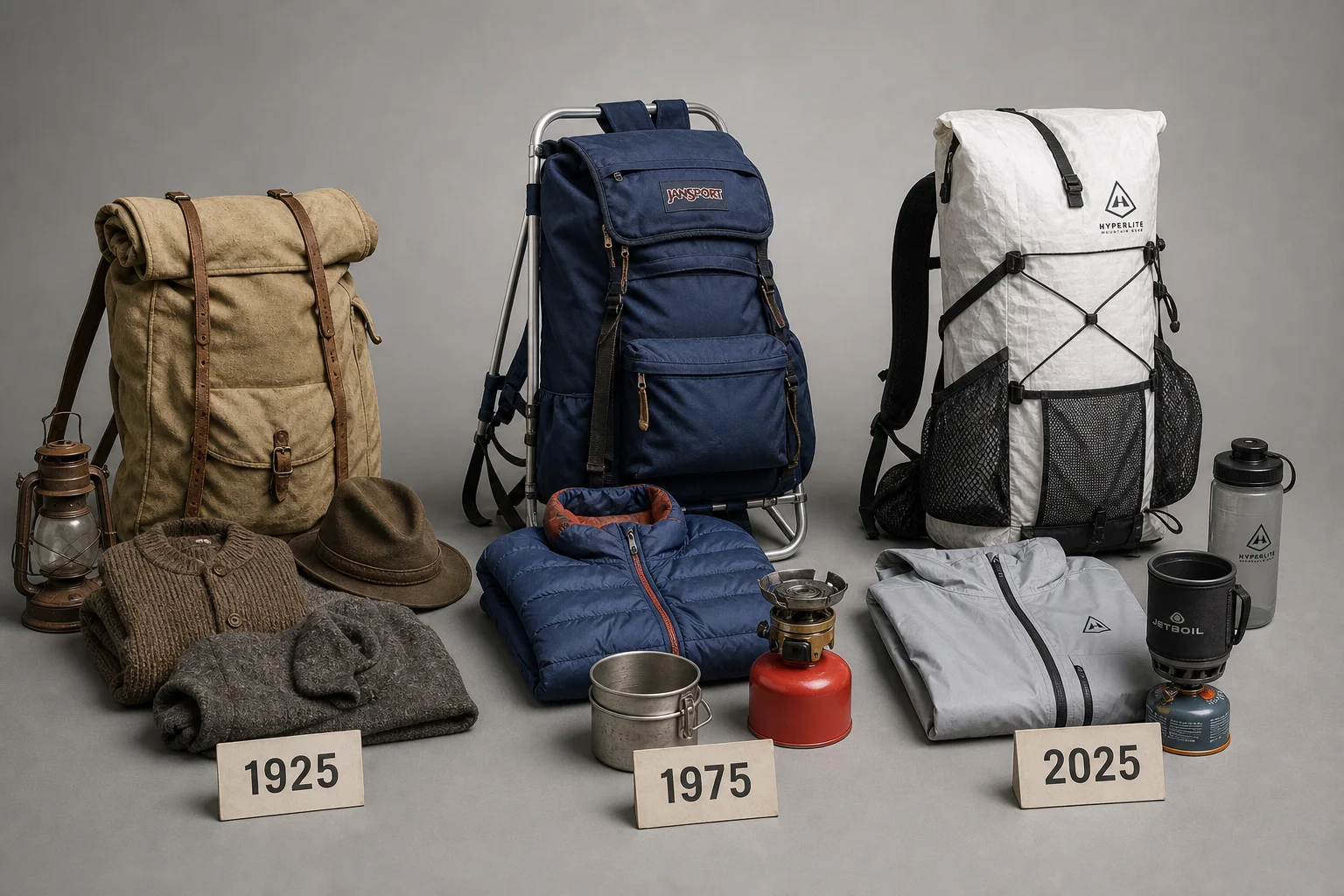
Outdoor Gear
Backpacking Gear Evolution: 100 Years of Technology Compared
We tested backpacking gear from 1925, 1975, and 2025 across a three-day hike in Yosemite. Here's how technology has transformed comfort, weight, and the outdoor experience.
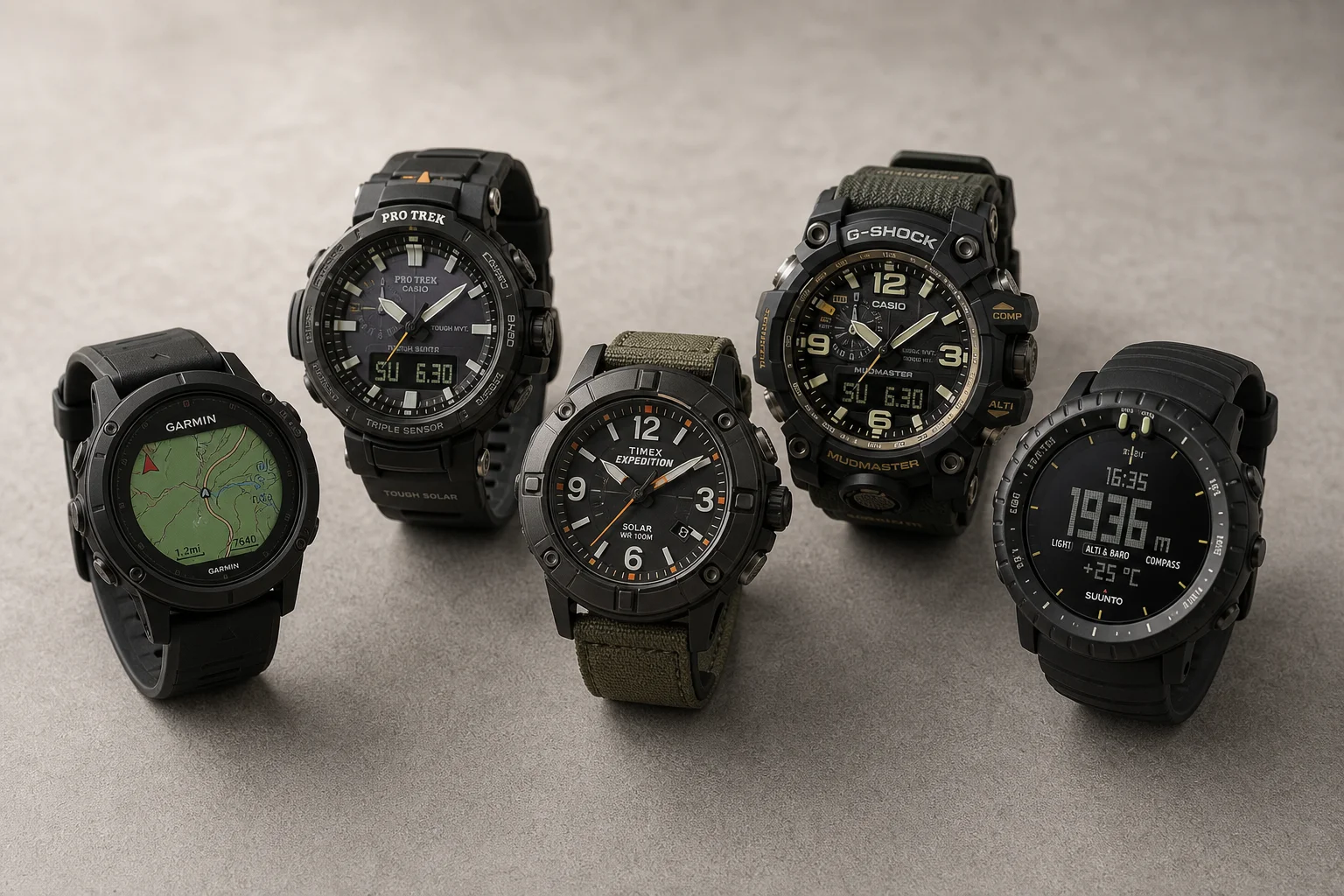
Outdoor Gear
Best Affordable Hiking Watches: Five Rugged Options for Outdoor Adventures
Five durable hiking watches that balance ruggedness, functionality, and value for outdoor enthusiasts who need reliable GPS tracking and weather resistance.
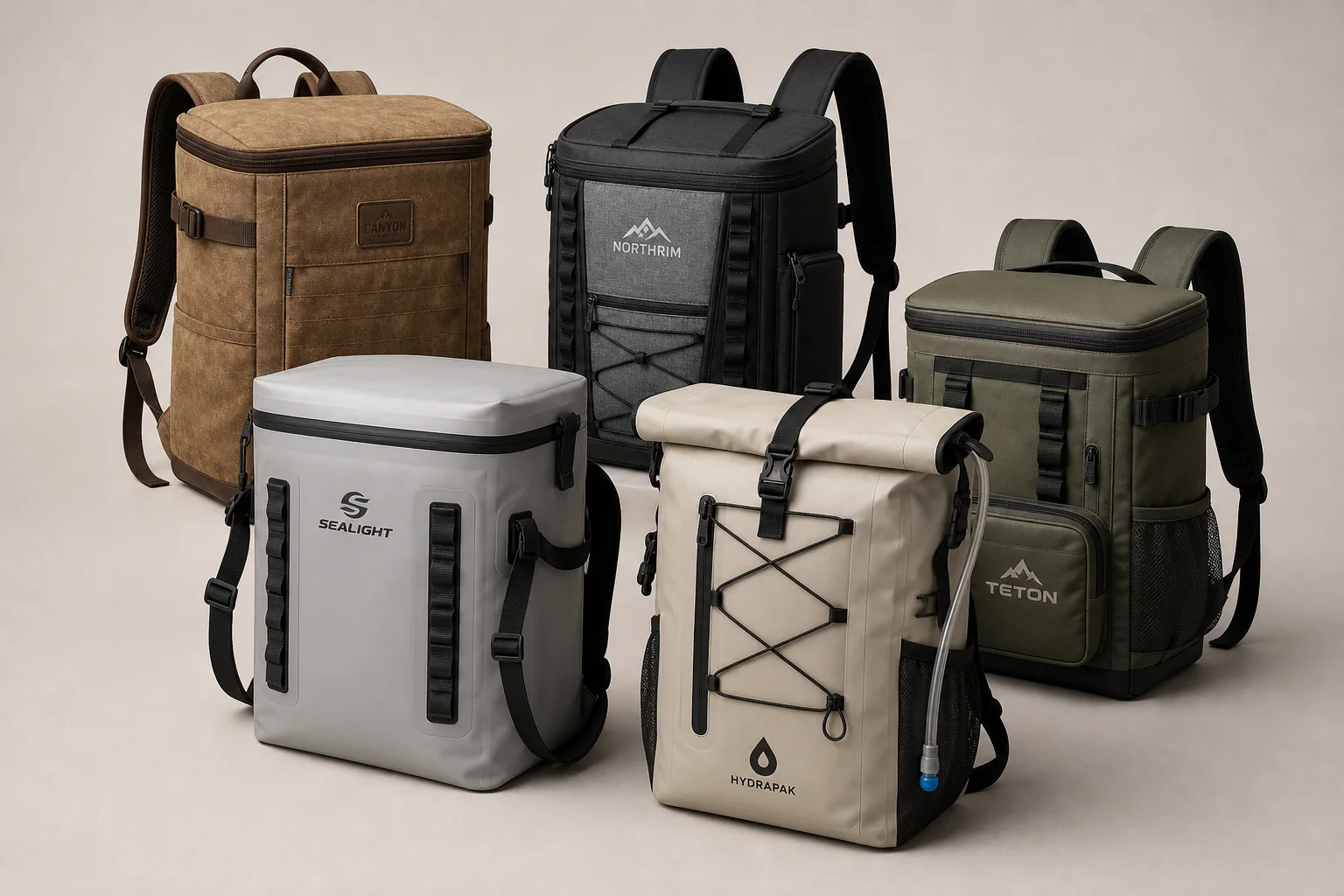
Outdoor Gear
Best Backpack Coolers 2026: Five Practical Options for Outdoor Adventures
Five backpack coolers with distinct cooling capabilities, storage features, and design trade-offs to help you choose the right one for your outdoor needs.