Backpacking Tents
Seven Backpacking Shelters Compared: Ultralight Tents to Freestanding Favorites
A practical comparison of seven backpacking shelters, from a cramped ultralight tunnel tent to a freestanding two-person favorite.
Introduction
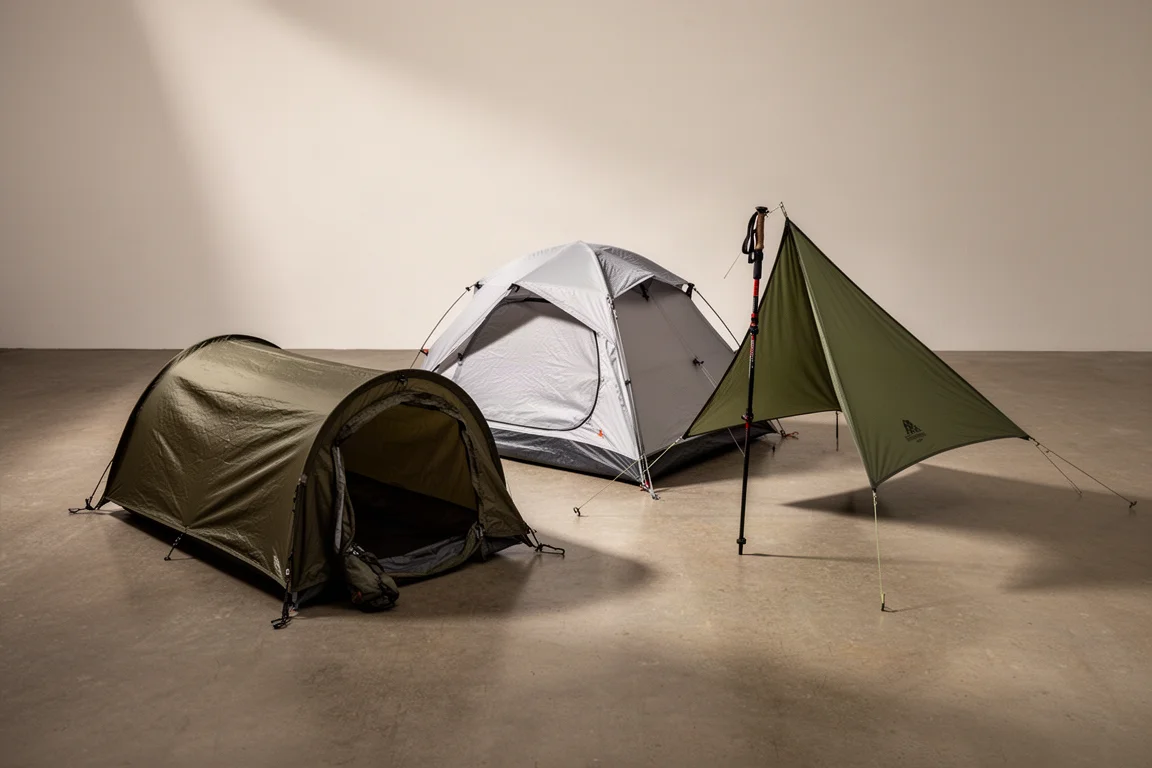
Choosing a backpacking shelter comes down to a small set of trade-offs: how much it weighs, how much livable space it gives you when weather keeps you inside, how quickly it pitches, and how well it manages condensation. The seven shelters in this comparison cover the full spread of those trade-offs, from a narrow ultralight tunnel tent that saves grams at the cost of comfort to a full freestanding two-person tent that has become a go-to recommendation.
Some of these models have been discontinued by their makers, and that is noted where relevant. Where a shelter is no longer in production, the useful takeaway is what it does well and which design principles it represents.
What Matters Most in a Backpacking Shelter
Packed weight is the first number most backpackers look at, but it is rarely the whole story. A shelter that weighs a few ounces less and forces you to sleep against a damp wall is not saving you anything. Livable space, measured by interior width, headroom, and whether the walls stay vertical at the head and foot ends, often matters more on a long trip than the weight printed on the spec sheet.
Ventilation is the second consideration. Double-wall shelters can still trap moisture when the outer fabric runs all the way to the ground and airflow has nowhere to go. A single small vent at the top of a shelter is usually not enough to clear the condensation that builds up overnight.
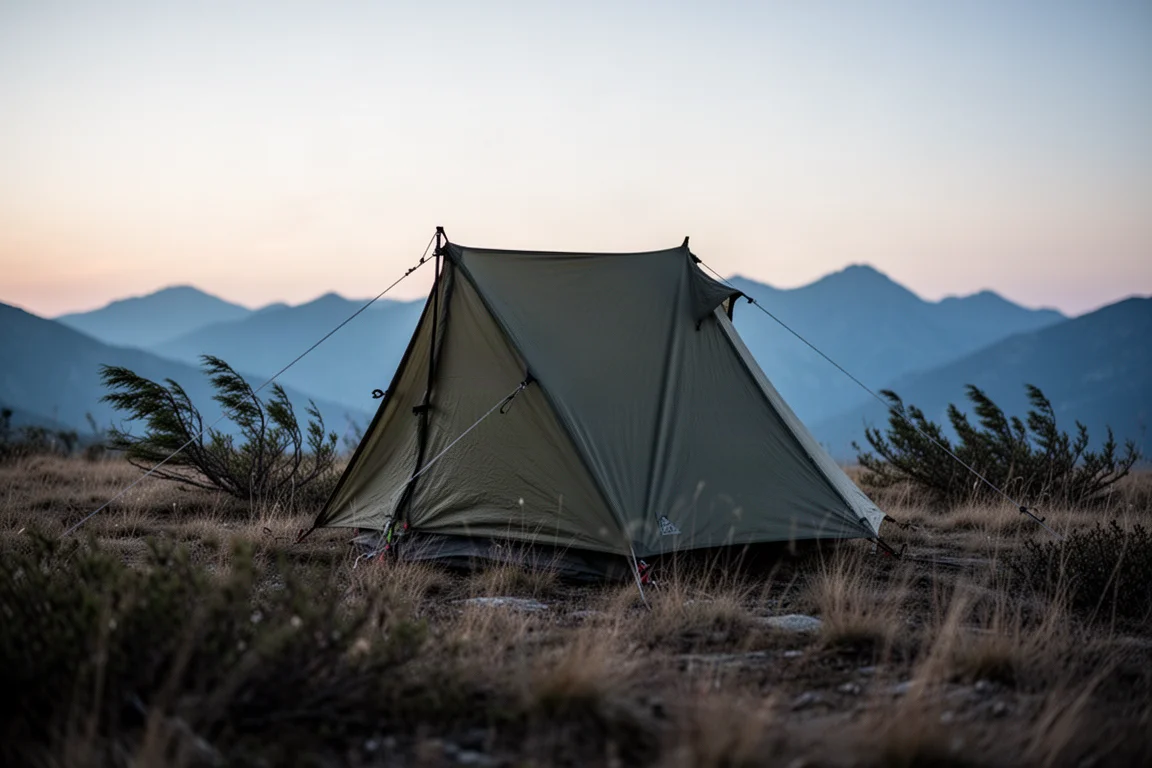
Setup style is the third. Freestanding shelters pitch with poles alone, which matters on rock, hard-packed ground, or anywhere stakes will not hold. Semi-freestanding and non-freestanding designs generally save weight and can still deliver a taut pitch, but they ask more of you in terms of anchoring and technique.
KUIU Dragonfly 1P: Ultralight, but Tight Inside
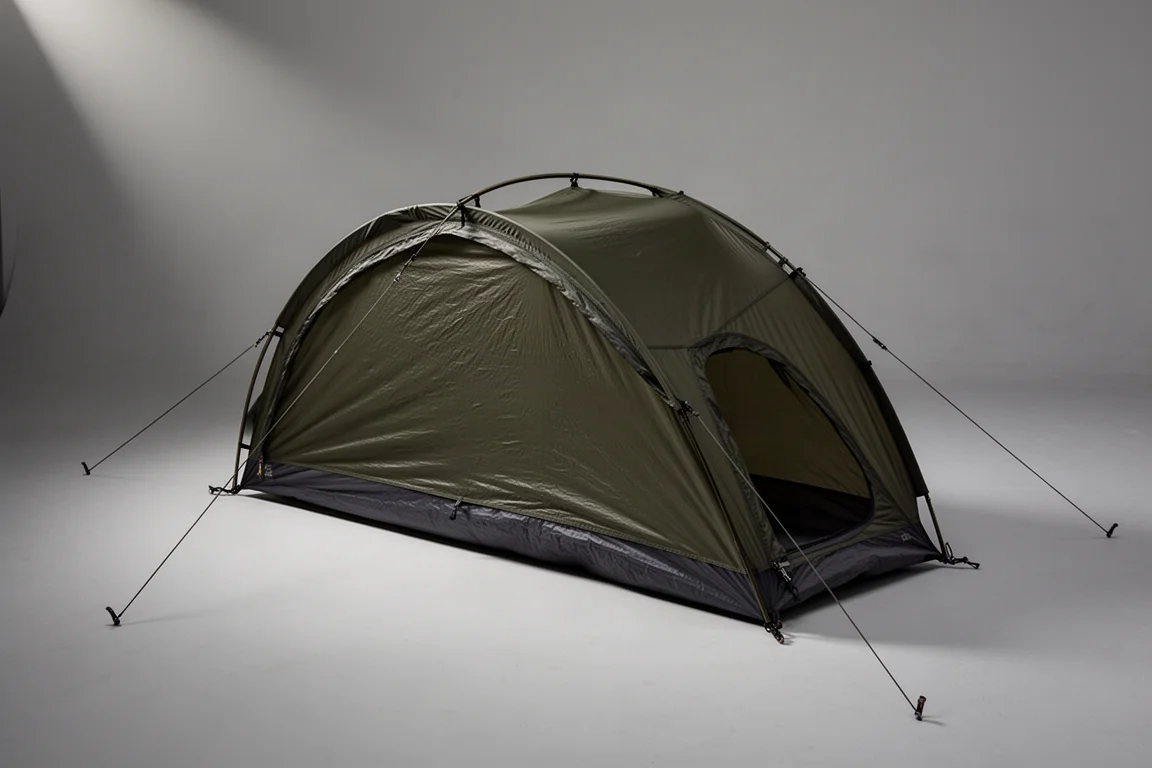
The KUIU Dragonfly 1P is built around a tunnel-style shape with a single arc pole that sweeps over the top. That profile makes it very light, easy to compress into a small package, and naturally resistant to wind and weather. On paper and in photographs, it looks like an ideal solo shelter.
Inside is where it struggles. The tent is narrow, and the livable space is limited compared with other one-person shelters of roughly the same weight. Setup is also the least enjoyable part of owning it: seating the pole and working it into the grommet takes more effort than it should, and doing it with cold hands on a cold morning is genuinely unpleasant.
At around $500 for a silnylon tent, it is also priced at the top of the solo category. The design has real strengths, but comfort and easy pitching are not among them.
Zero G Hiker OneP: More Space, More Condensation
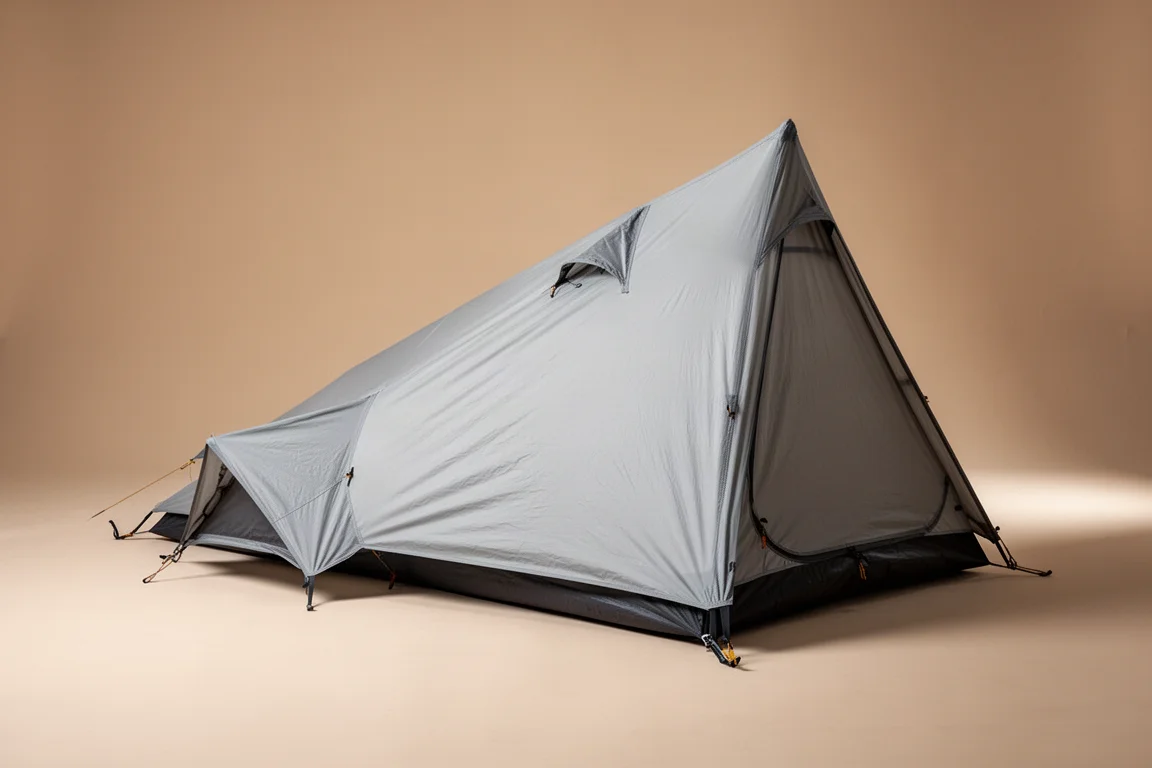
The Zero G Hiker OneP takes the opposite approach: it trades some weight for a roomier interior. A small vestibule at the head end gives you a place for a pack and boots, and the foot end rises into a vertical wall, which helps keep the end of a sleeping bag away from damp fabric.
Condensation is the catch. With the outer sidewall running all the way to the ground and only one small vent at the top, moisture builds up inside the shelter noticeably, even though it is a double-wall design. The tent is also heavier than several other one-person options, so it does not win on weight either.
It remains usable and the extra interior room is welcome, but it is not the shelter to choose if staying dry inside is your priority.
Sierra Designs Sweet Suite 2: Easy Setup and Two Doors
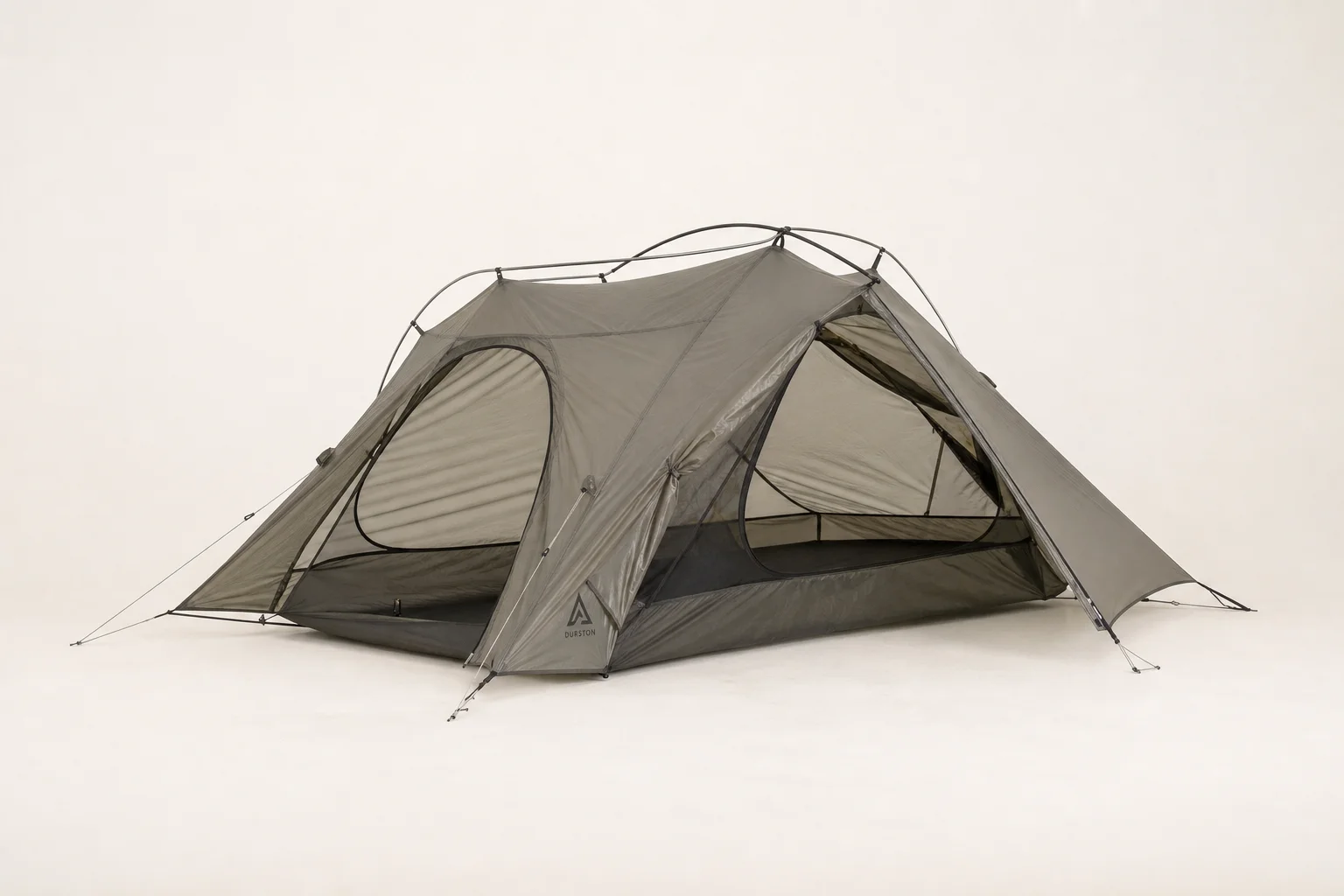
The Sierra Designs Sweet Suite 2 is a semi-freestanding two-person tent with two doors and two vestibules, a layout that makes it far more comfortable for two people than a single-entry design. Interior space is generous, ventilation is good, and setup is straightforward for a semi-freestanding shelter, which is unusual in this category.
The trade-offs are weight and price. It is heavier than many current two-person shelters and it was priced above several comparable options. It has since been discontinued, so the only route to buying one is through secondhand listings.
For a pair of backpackers who value interior comfort and quick pitching over the lowest possible weight, it remains a strong design.
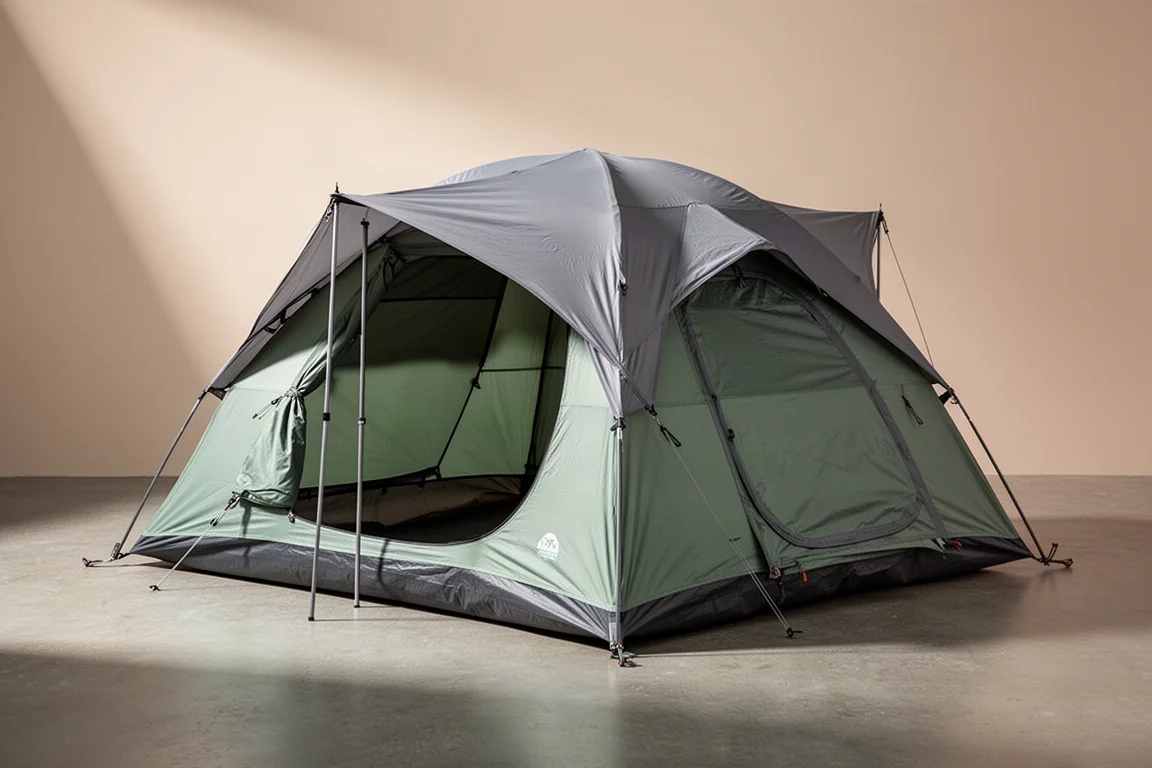
Sierra Designs Studio 2: Lightweight Front-Entry Comfort
The Sierra Designs Studio 2 is a semi-freestanding two-person shelter that lands just over three pounds in total weight. It uses a front-entry layout with a single door, so it is not as convenient for two people as a two-door, two-vestibule design, but the pole structure creates a genuinely roomy interior.
That interior volume is the point. This is a shelter for shorter trips where saving every ounce is not the goal, and for situations where weather might keep you inside for hours at a time. Everything about the design is aimed at trimming weight without cutting the features that make time in the backcountry comfortable.
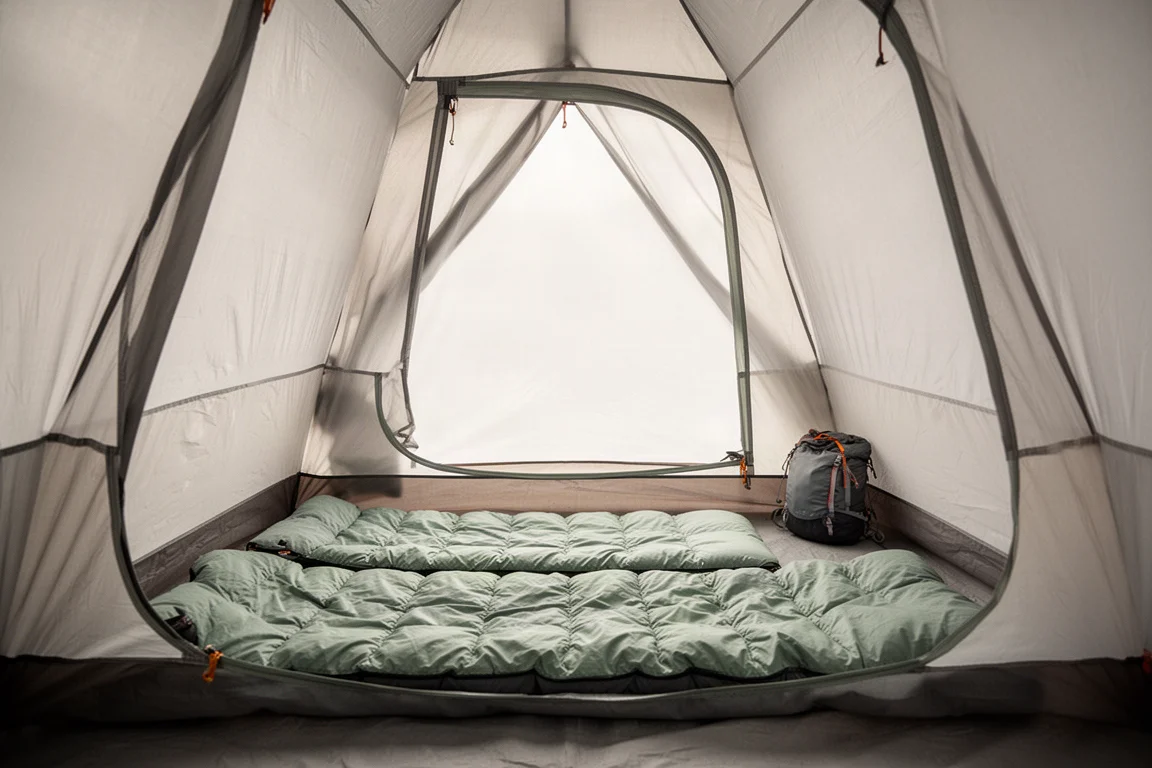
It has been discontinued, and it was sold at a low clearance price near the end of its run, so availability now depends on the secondhand market.
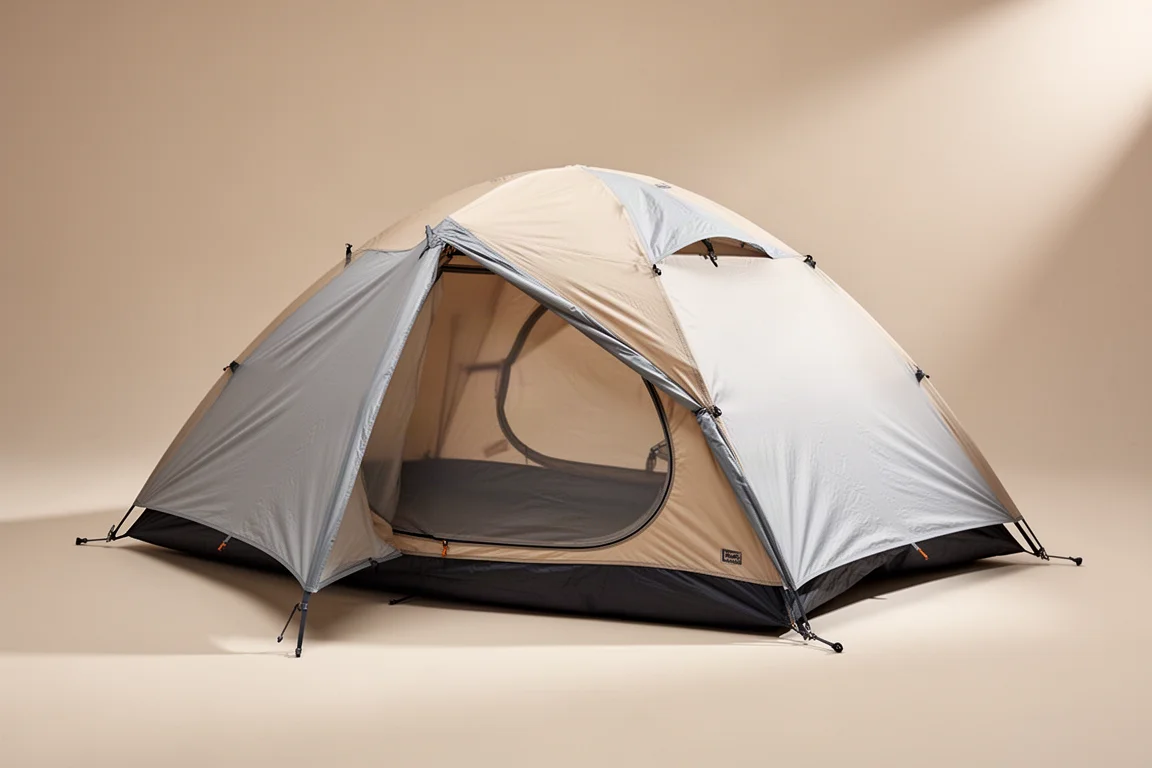
Sierra Designs Flashlight 2 FL: Livable Space First
The Sierra Designs Flashlight 2 FL is a non-freestanding two-person shelter that ships with its own poles, so trekking poles are optional rather than required. Weight is not its strength: it sits above the lightest two-person shelters and does not come in under the two-pound mark.
What it does exceptionally well is space. Two people plus gear fit comfortably inside, and instead of traditional vestibules it uses an awning that extends over the top plus small gear closets. Setup can be a little finicky compared with other non-freestanding tents, which is the main thing to know before committing to it.
This model has been out of production for some time, but the design philosophy behind it, prioritizing livable space over minimum weight, is worth looking for in current shelters.
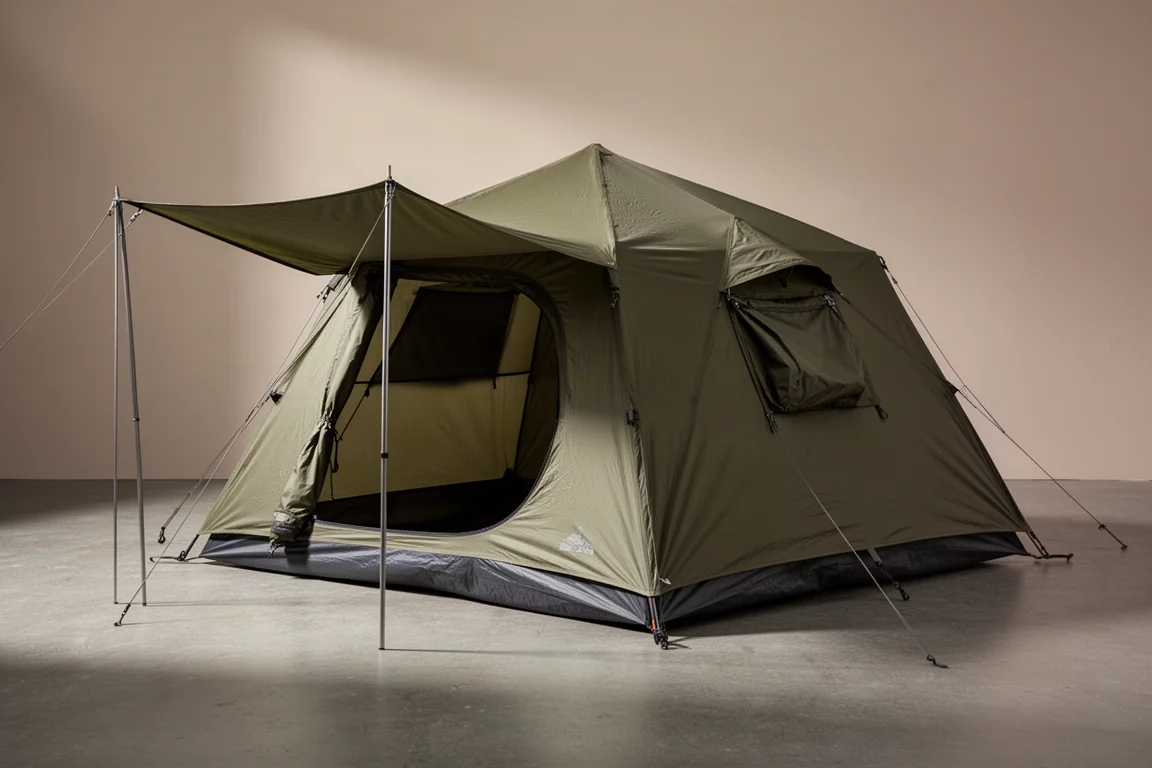
Gossamer Gear The One: Light, Simple, and Roomy
The Gossamer Gear The One is a true non-freestanding shelter that comes in at 29 ounces with the poles carried for it. It pitches quickly and holds a tight pitch every time, including on loose desert sand where stakes pull easily under tension, which is a strong result for a shelter that relies entirely on anchoring.
The surprise is the interior. Despite the low weight, there is far more usable space inside than the numbers suggest, and that combination of light packed weight and real livable space is what makes it such an appealing solo option.
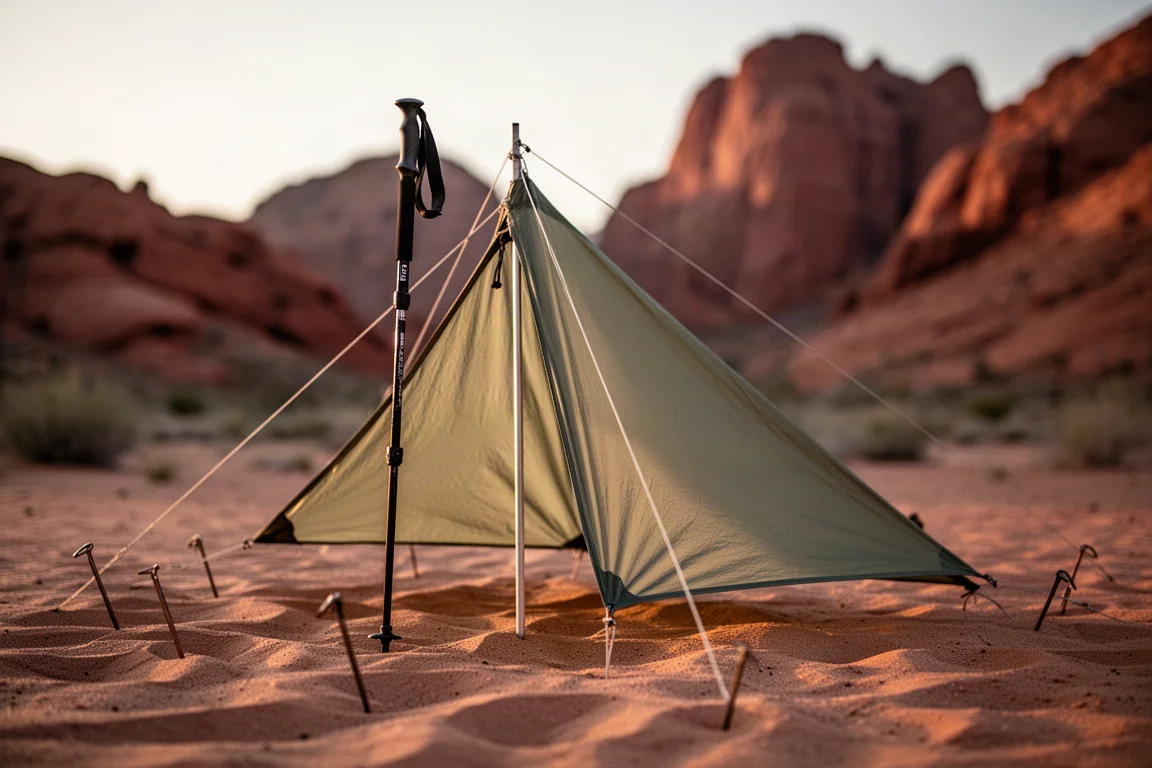
It is a one-person shelter with a non-freestanding design, so it does depend on solid staking and support poles rather than a freestanding frame. For weight-focused solo backpacking, that is a fair trade.
Big Agnes Copper Spur HV UL2: The Freestanding Favorite
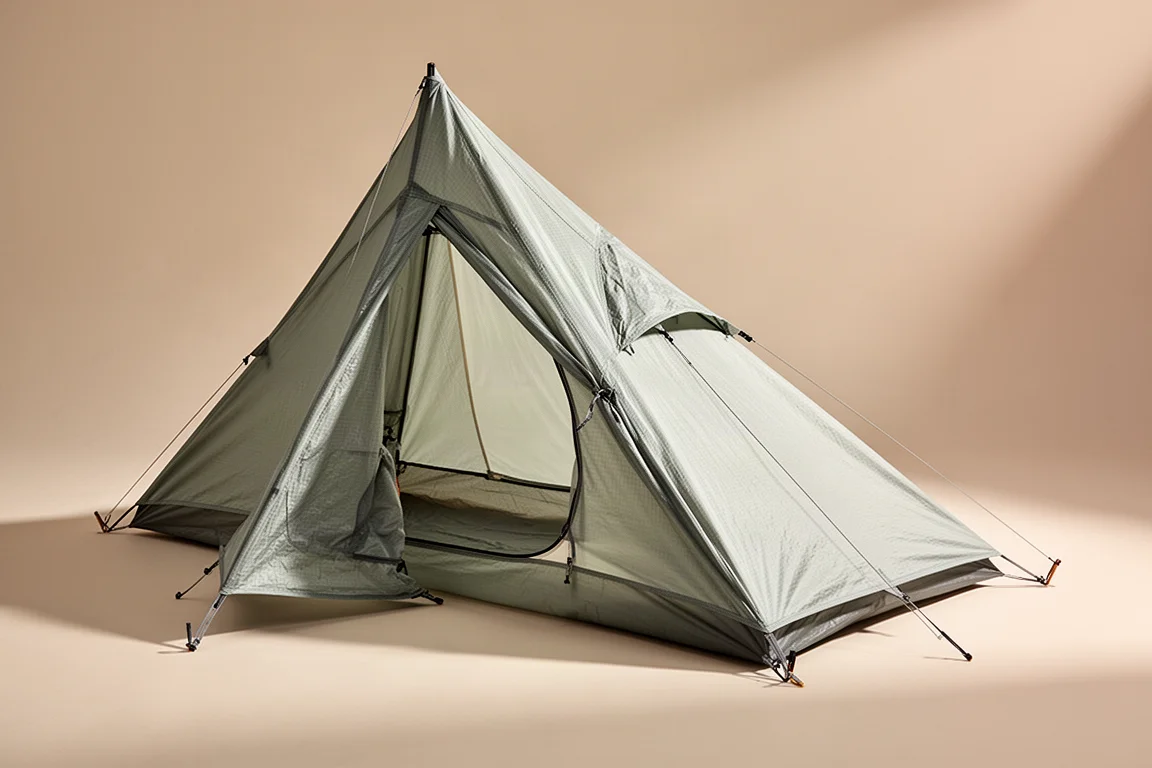
The Big Agnes Copper Spur HV UL2 is a full freestanding two-person shelter, and that is the first thing that sets it apart. It pitches with poles alone, which makes it practical on slickrock benches and any surface where stakes will not bite.
The fabrics are remarkably thin, yet the tent still feels sturdy and capable of taking real abuse. Interior organization is where it pulls ahead of everything else here: an elevated 3D pocket at the foot end holds jackets and clothing off the floor, head-end pockets keep small items accessible, and the rainfly includes an awning that extends usable covered space.
At roughly three pounds for two people, the weight splits neatly between two packs. The one caveat is that its performance in sustained bad weather has not been tested as thoroughly as its fair-weather behaviour. At around $450, it is a serious purchase, but for backpackers who want a freestanding shelter, it is the one to beat.
Buying Advice: Matching a Shelter to Your Trip
Start with how you actually camp. If you cover long distances and count every ounce, a non-freestanding shelter like the Gossamer Gear The One delivers low weight without giving up interior space, as long as you are comfortable relying on stakes and support poles. If you camp on rock, hard ground, or anywhere anchoring is unreliable, a full freestanding design such as the Big Agnes Copper Spur HV UL2 removes that problem entirely.
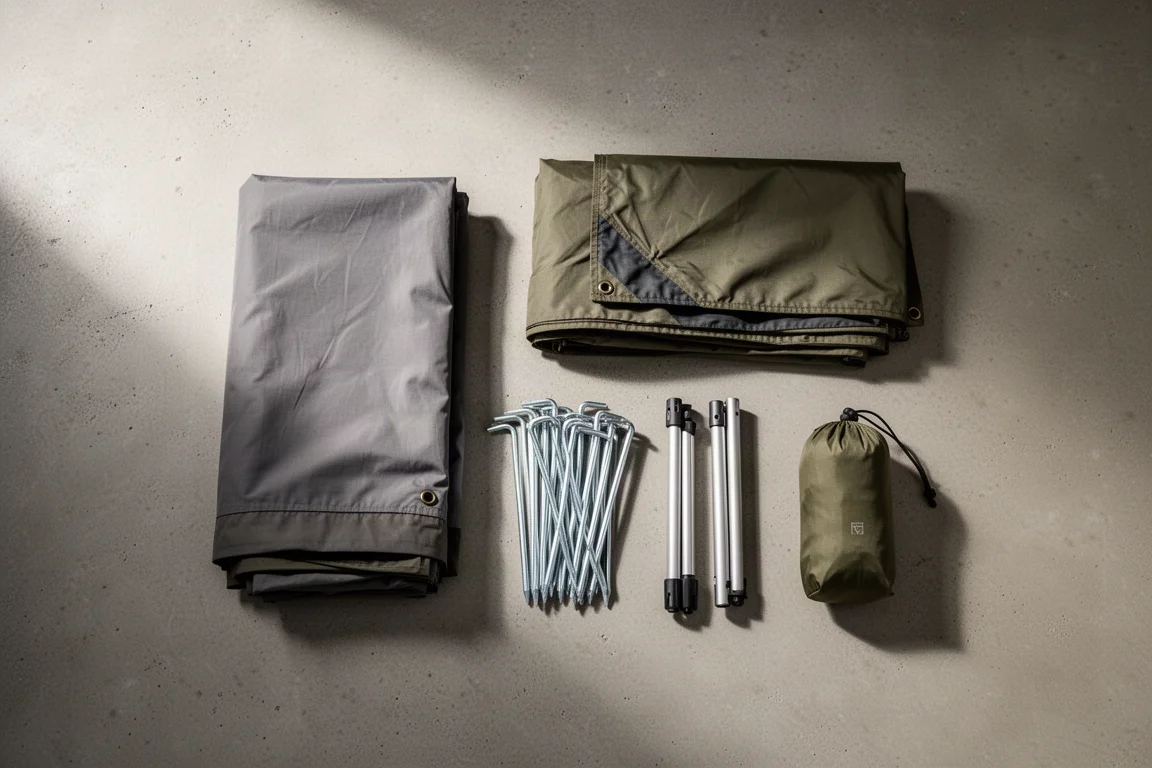
For two people, door count matters more than it seems. Two doors and two vestibules, as on the Sierra Designs Sweet Suite 2, avoid the awkward shuffle of a single front entry. If you expect to sit out storms inside the tent, the roomier interiors of the Sierra Designs Studio 2 and the Sierra Designs Flashlight 2 FL are worth the extra weight.
Several shelters here are discontinued, so check current availability and expect secondhand listings for those models. The design lessons still apply: ventilation, vertical walls, and a pitch you can manage with cold hands matter more than a fraction of a pound.
Conclusion
The best shelter is the one that matches your trips. The KUIU Dragonfly 1P is light and packable but narrow and fussy to pitch. The Zero G Hiker OneP trades weight for space and pays for it in condensation. The Sierra Designs Sweet Suite 2, the Sierra Designs Studio 2, and the Sierra Designs Flashlight 2 FL each prioritize comfort in different ways, and the Gossamer Gear The One proves that a light non-freestanding shelter can still feel spacious. For a freestanding two-person tent that pitches almost anywhere and organizes gear well, the Big Agnes Copper Spur HV UL2 is the clear standout.
Further reading
Related Reviews
Backpacking Tents
3F UL Lanchan Pro 1 Review: A 1 lb 8 oz Single-Wall Trekking Pole Tent
A practical look at the 3F UL Lanchan Pro 1, a single-wall trekking pole shelter with a 1 lb 8 oz weight, 20D silnylon fabrics, and a roomy 90 x 31 x 49 inch interior.
Backpacking Tents
3F UL Taiji 2-Person Tent: A Convertible Backpacking Shelter Worth a Closer Look
A practical look at the 3F UL Taiji two-person tent, covering its materials, true two-person interior, fly-first pitching, and the seasonal inner swap that lets one shelter cover more of the year.
Backpacking Tents
3FUL Lanshan Twoerson Pro Review: A Light Trekking Pole Shelter That Struggled in Rain
A two-person trekking pole shelter with a 2026 redesign, pitched with sticks and put through a night of steady rain. Here is what worked, what did not, and what to check before buying.