Trail Running
Serpent Trail 100K Gear Test: Two Trail Shoes and One GPS Watch Put Through a Full Ultra
A 14-hour, 100K trail race test of the Adidas Terrex Speed Ultra 2, Hoka Rocket X Trail and Garmin Forerunner 970, with honest notes on where each one shone and fell short.
Introduction
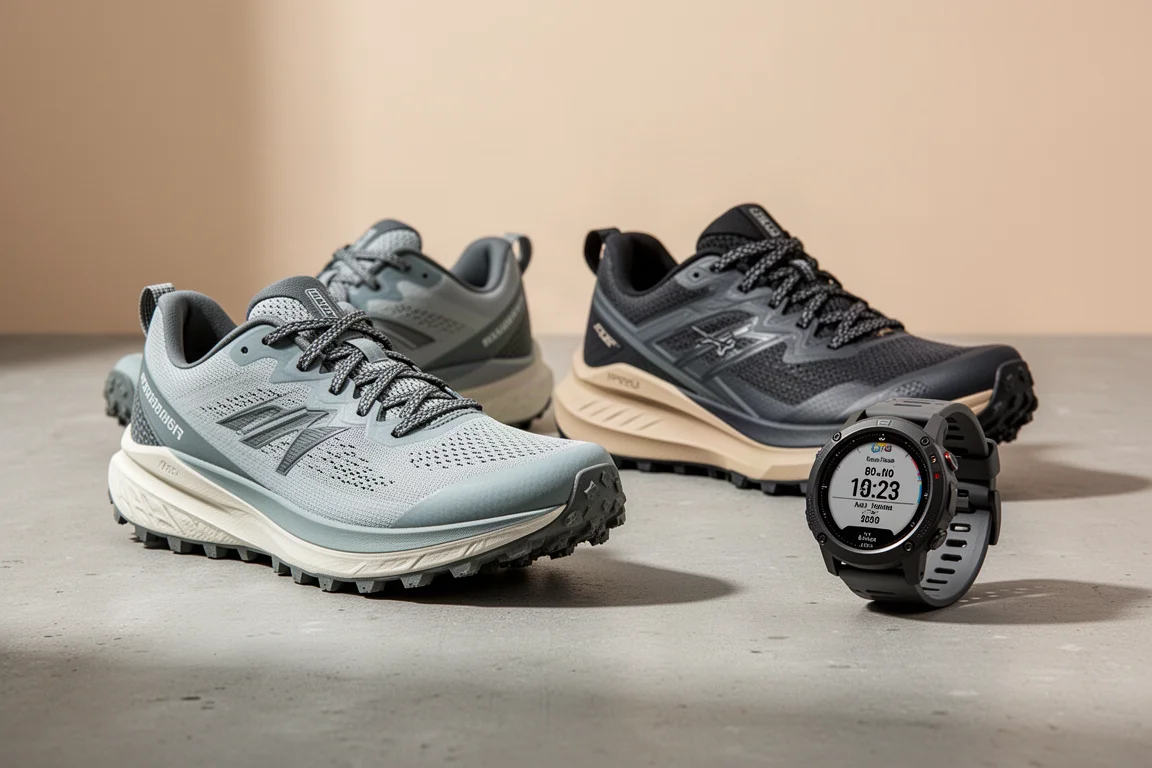
Racing a 100K is one of the most honest ways to test running gear. Over 14 hours on mixed trails, small design choices become very real trade-offs, and comfort problems that barely register on a short run can end a race day. That is exactly what happened on the Serpent Trail 100K in Hampshire, where three pieces of gear earned a proper verdict: the Adidas Terrex Speed Ultra 2, the Hoka Rocket X Trail, and the Garmin Forerunner 970.
The plan was straightforward. Start the race in a fast, light trail shoe for the runnable early sections, keep a plusher shoe in the drop bag for the second half, and let a GPS watch handle navigation on a course known for being easy to stray off. The race rewrote that plan in a few places, and those surprises are the most useful part of this test.
The Race That Shaped This Test
The Serpent Trail 100K follows a gorgeous route through Hampshire: woodland paths breaking out onto cornfields, rape seed fields and heather-covered open land, sandy trails, and country lanes through postcard villages. The terrain is largely runnable and non-technical, with rolling ground rather than serious climbs, and it was hot, with temperatures around 25 degrees Celsius or more and long exposed sections.
The organization was generally strong: a calm rolling start with an electronic tag system, aid stations roughly every 10 kilometers stocked with water, coke, squash, electrolyte tablets, bananas, oranges, sweets and watermelon, and a well-equipped finish with food, showers and grass to collapse on. Course marking was the big weak point. Small purple arrows blended into the background, several were badly placed, and even with a GPX track loaded the route was hard to follow without constant attention.

That mix of flat, runnable ground, heat, and relentless navigation made this a revealing testbed. Speed, cushioning, toe-box comfort and battery endurance all got pushed hard.
Adidas Terrex Speed Ultra 2: Fast and Nimble
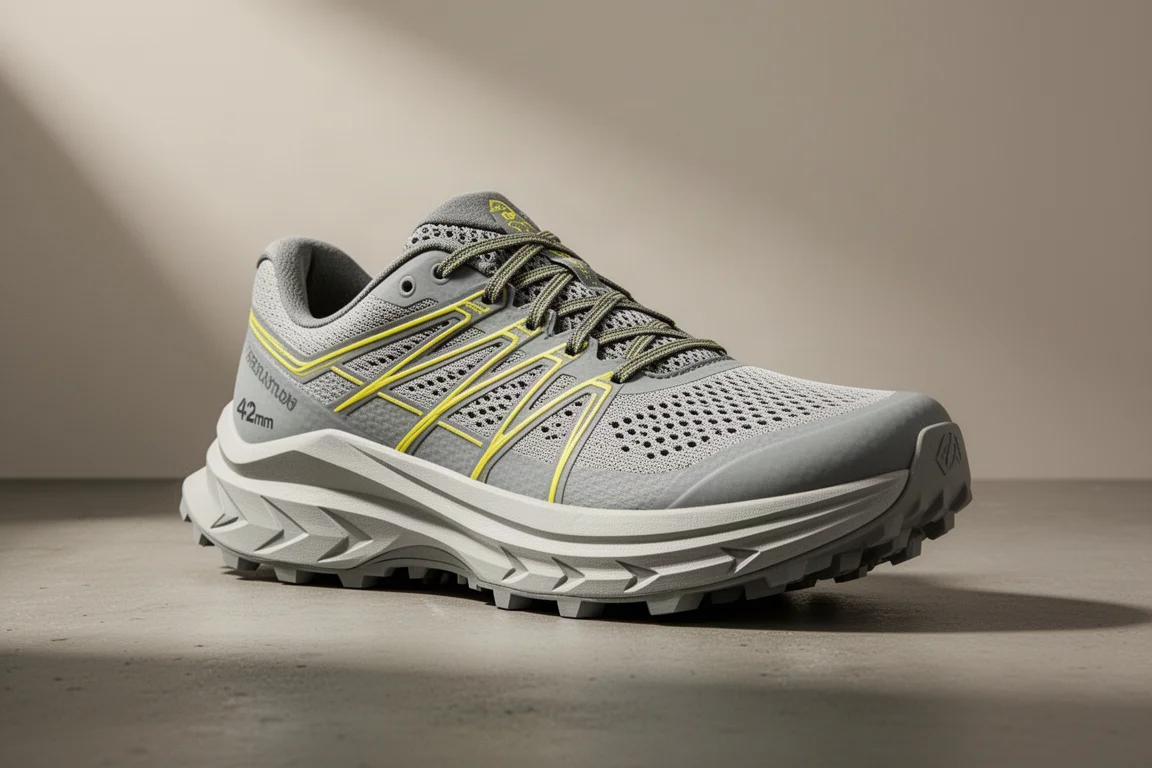
For the first three hours, the Adidas Terrex Speed Ultra 2 was excellent. The snappy rocker setup and energetic midsole ran like a dream on the flat, cluttered trails that dominate the early part of this course. The shoe is agile, nimble and sprightly, with lots of propulsion coming back, and it is clearly built for exactly this kind of terrain: hard-packed, groomed and runnable, where you can genuinely attack the course.
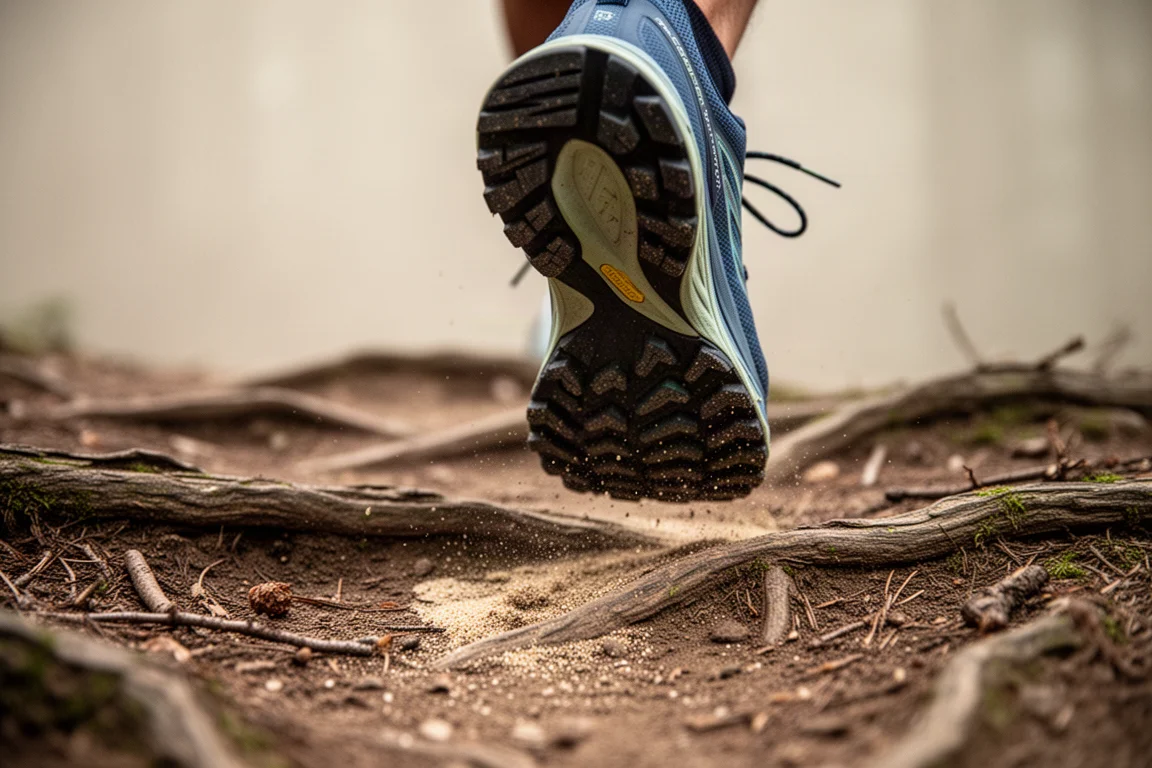
The problems appeared past the three-hour mark. Protection underfoot proved too thin once fatigue set in, with more impact coming up through the foot and running becoming uncomfortable. There were also a couple of ankle rolls on looser ground, so stability is not its strong suit. The biggest issue was toe-box length: by around 20 miles, the big toenails were lifting badly, and swapping out of the shoe at halfway felt like a godsend. Going half a size up may fix this, but it is worth testing carefully before a long race.
Hoka Rocket X Trail: Cushioning When It Mattered
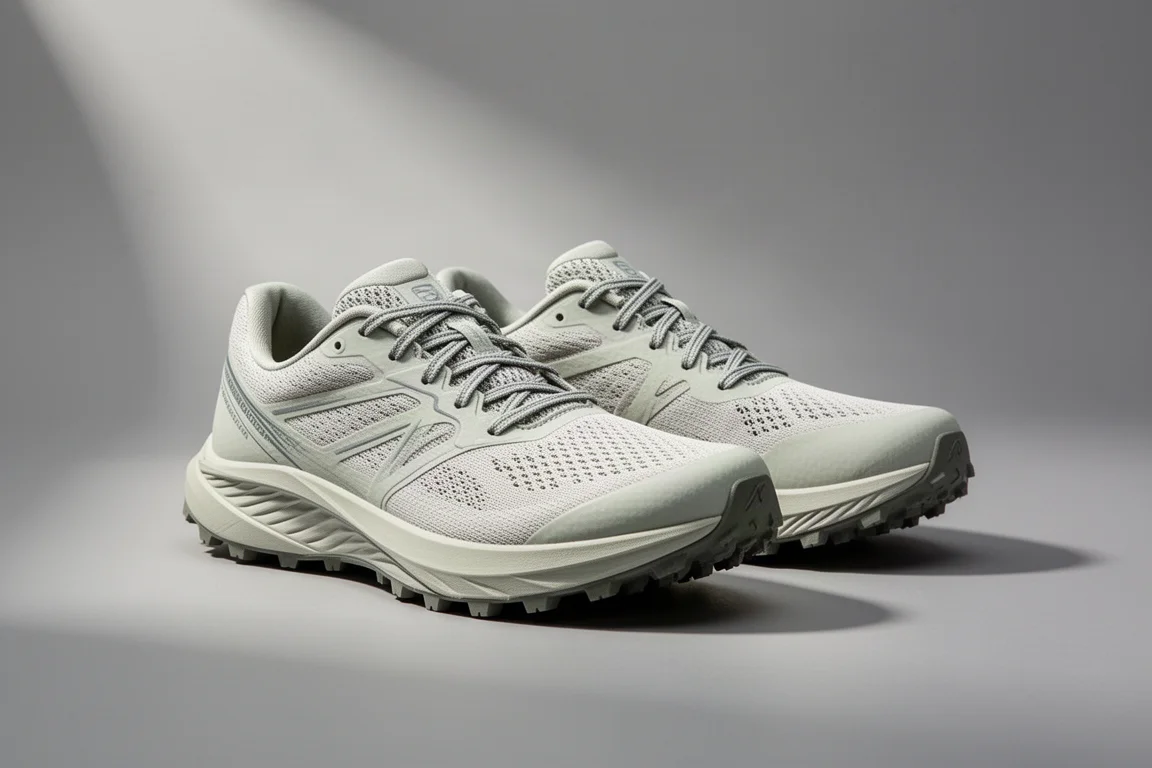
The Hoka Rocket X Trail came out of the drop bag at halfway and was the right call. The biggest difference is sheer cushioning: plush, super soft and noticeably bouncier, with a roomier toe box that spared the battered toes for the final 50K. The platform is less connected to the trail, but the shoe still returns a pleasant spring of energy without feeling as stiff or levered as the Adidas.
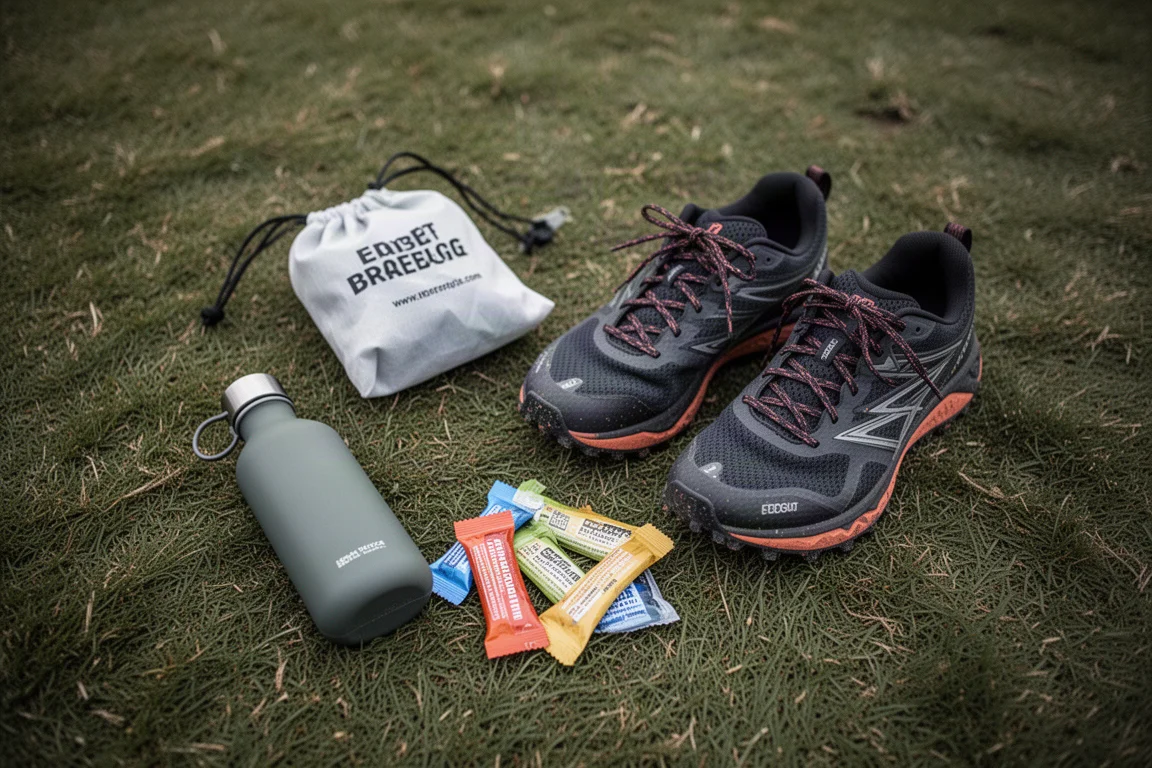
It handled the woodland paths and road sections of the back half of the race well, and it walked comfortably too, which matters a lot in a mixed-pace ultra with long marching sections. Stability is the caveat: the broad, soft platform is not ideal for technical or cluttered terrain or steep descents where you need control, and it struggled a bit through dry, rutted fields. On the balance of soft and energetic that this race demanded, though, it was exactly right.
Garmin Forerunner 970: Navigation Powerhouse, Battery Reality Check
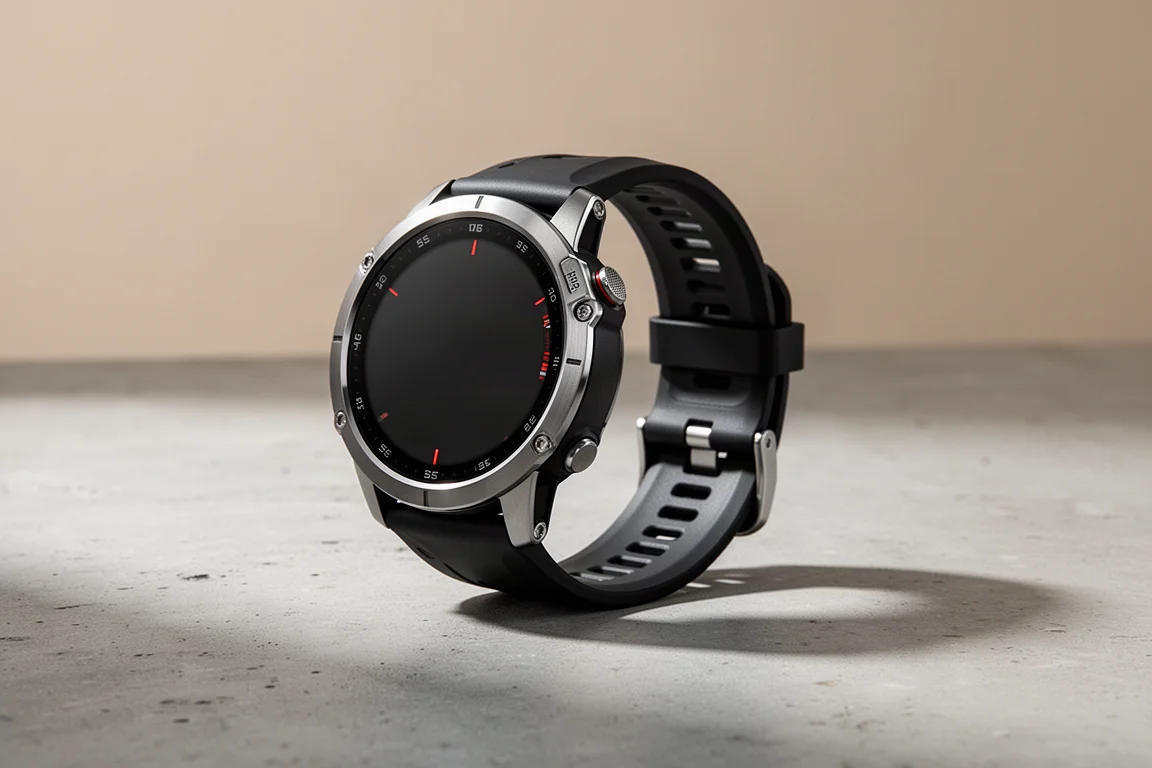
The Garmin Forerunner 970 did the heavy lifting for navigation, and with multiband GPS set to max accuracy it kept a reliable track of a course that was genuinely hard to follow. On paper it should offer around 21 hours of tracking using all systems, so expectations were high for a 14-hour day.
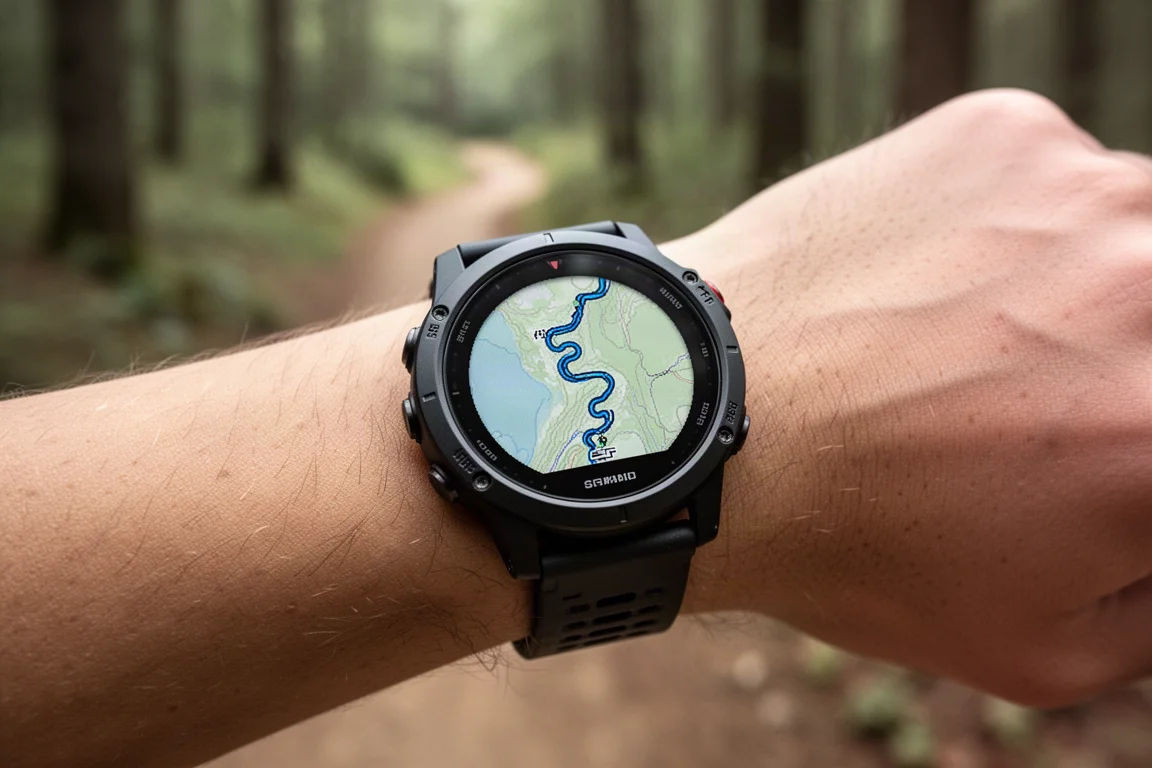
Reality was different. Taken off charge at 3 a.m., used for mapping for most of the run, and set to max-accuracy GPS, it gave up after around 13 hours with five miles still to go. Loading maps on the move was also a bit slow, so navigation was not as fluid as hoped. If your races involve long days of full-power GPS and constant map use, plan your battery management carefully.
Overall Buying Advice
Match the shoe to the day. If your race is short, fast and runnable, the Adidas Terrex Speed Ultra 2 is a brilliant weapon, ideal for something like a fast 50K on hard-packed trails; just check the toe box length for anything longer. If your event is a longer, mixed-pace ultra with walking breaks and heavy late-race miles, the Hoka Rocket X Trail is the better partner, provided the route is not too technical. And if you are pairing either with the Garmin Forerunner 970, do not assume the headline battery figure covers a full-power navigation day; carry a charging plan or dial back the GPS settings.
Conclusion
The Serpent Trail 100K was a stunning but demanding test, and it drew sharp lines between these three products. The Terrex Speed Ultra 2 is a fast-day shoe that ran out of protection and toe room past three hours. The Rocket X Trail softened the second half of the race at exactly the right moment, trading some ground feel for cushion and comfort. The Forerunner 970 navigated superbly but ran out of battery earlier than its spec suggested. Together they show why testing gear over real race distance matters so much.
Further reading
Related Reviews
Trail Running
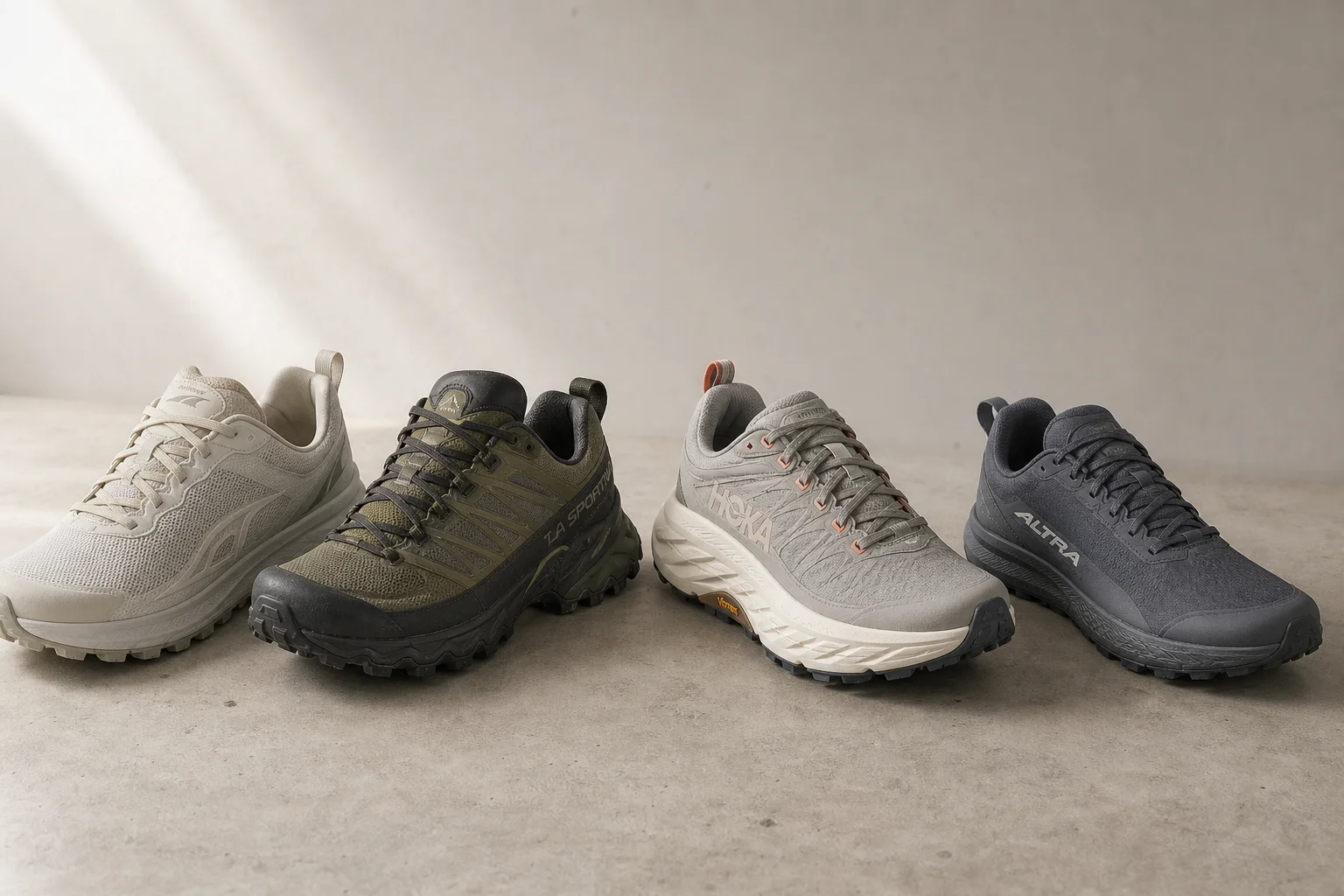
How to Choose Trail Running Shoes: A Guide to Shoe Type, Cushioning, and Drop
Learn the three most important factors when selecting trail running shoes: shoe type, cushioning level, and heel-to-toe drop.
Trail Running
Trail Running Poles: A Complete Guide to Technique, Fit, and Use
Learn why trail running poles redistribute workload, how to choose the right length and strap system, and master three essential climbing techniques for longer races.
Trail Running
Arc of Attrition Kit List: The Gear Worth Packing for a Winter Ultra
A practical look at the shoes, waterproofs, lighting, race vest and poles lined up for a brutal 100-mile winter coastal ultra, and why each piece earned its place.