Wireless Earbuds
Sennheiser Momentum True Wireless 3 Review: A Music-First Take on Detail and Price
A practical look at the Sennheiser Momentum True Wireless 3, covering sound quality, comfort, noise cancelling, controls and where it sits against the alternatives.
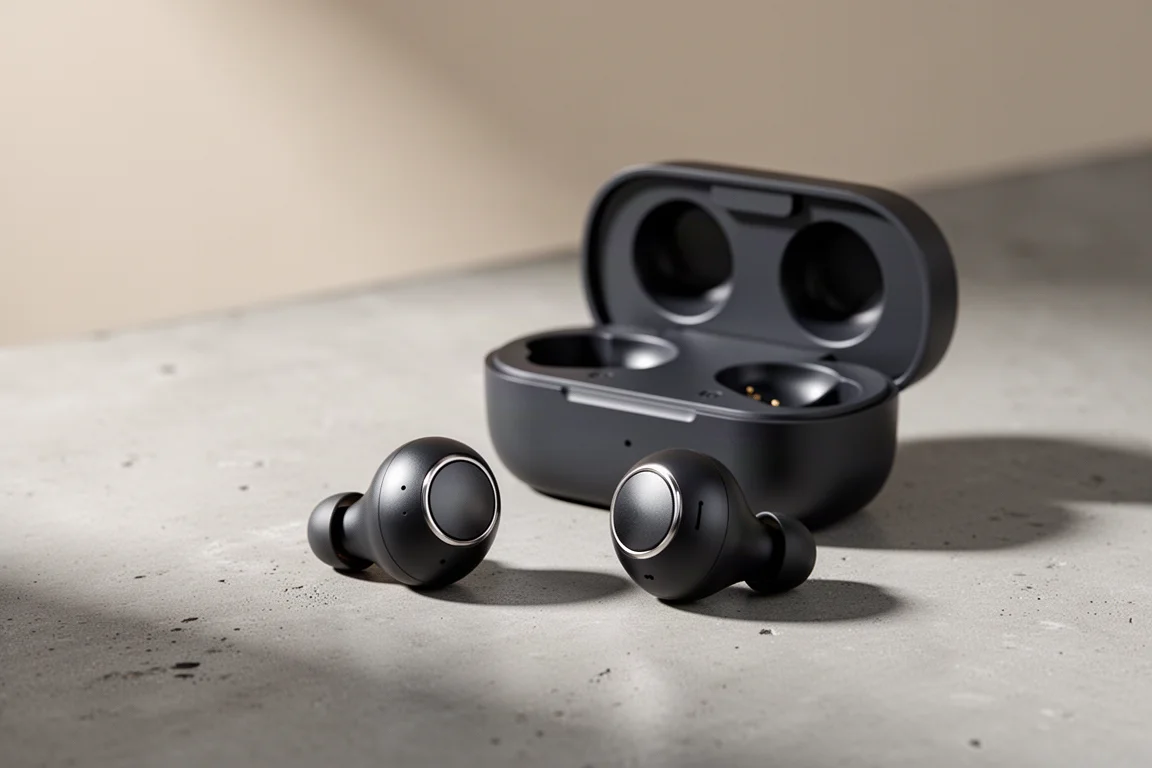
Introduction
The Sennheiser Momentum True Wireless 3 enters a crowded field of noise cancelling true wireless earphones with an unusual pitch. Rather than chasing the most complete feature set, it leans on sound quality. In direct listening it pulls more detail out of music than the Apple AirPods Pro (2nd generation), and it costs less. That single trade-off shapes almost everything worth knowing about this earphone.
The advantage does not come for free. The AirPods Pro remain the more polished all-rounder for calls, transparency and everyday controls, and the Sony WF-1000XM4 offers a punchier, chunkier presentation. The Momentum True Wireless 3 wins on the things that matter most when the only job at hand is listening to music.
Who the Sennheiser Momentum True Wireless 3 Is For
This is an earphone for listeners who put music first. If your day is built around calls, constant device switching and the strongest possible noise cancelling, a different pair will serve you better. If you want to hear deeper into a mix, follow individual instruments and feel the shape of a performance, this is the more rewarding option of the three.
There is also a practical limit worth knowing about before you buy. Quieter recordings, including many wide-dynamic-range albums mastered in the 1980s, leave only just enough volume headroom to reach a satisfying level. Louder modern masters are not affected by this, but if your library leans towards quieter pressings, it is a genuine consideration.

The appeal becomes clearer once you separate the two jobs these earphones do. As a lifestyle product with the slickest controls and the most reliable call quality, the Momentum True Wireless 3 is not the leader. As a device for sitting down and listening properly, it is the one that keeps drawing you back.
Main Strengths: Clarity, Detail, and Dynamics
The headline strength is a larger dose of clarity. More of the music is simply audible, and detail retrieval is better than the AirPods Pro (2nd generation) manages. That extra detail brings more air into the presentation and a stronger sense of instrument placement, so spatial cues become easier to follow.
Tonally, pianos and guitars sound more lifelike and believable, strings glide and glisten, and horns blare with proper bite. Next to the Sennheiser, the Sony WF-1000XM4 sounds noticeably muddier: it has plenty of punch and a big, chunky character, but it lacks the delicacy and finesse at the top end that this earphone delivers.
Most noticeable of all is the dynamic behaviour, both macro and micro. The shifts in sound, the moment a note comes to life and then falls away again, are more obvious here than on either of the alternatives. Albums with wide dynamic range benefit most, which makes the headroom limit noted above feel like a slightly awkward compromise.
Comfort and Fit Over Long Listening Sessions
The earpiece shape sits somewhere between the AirPods Pro and the Sony WF-1000XM4. In short sessions the AirPods Pro are the more comfortable of the two. Over several hours, though, the Sennheiser edges ahead of the Sony, and for anyone wearing true wireless earphones through a full working day that difference is easy to feel.

Fit is also the foundation for everything else these earphones do well. A secure seal is what allows the noise cancelling to work and what gives the low end its weight, so it is worth taking a few minutes to settle the earpieces properly before judging the sound.
Noise Cancellation and Transparency
Noise cancelling is not quite as good as the AirPods Pro (2nd generation). It can go toe to toe with the Apple pair at the low end, but across the rest of the frequency spectrum, and especially in the mid-range, more sound comes through even with cancellation fully engaged. The companion app offers several steps of cancellation so you can dial the effect in.
Transparency mode is good but not as good as the Apple implementation. For brief exchanges it is perfectly usable, and for a full conversation taking the earphones out remains the more sensible move anyway.
The wind noise mode is the standout feature here. It tackles wind really well, matching what the Sony offers, and the AirPods Pro have no equivalent. The trade-off is that you have to step the noise cancellation down to reach that setting, which lets in a little more external noise in exchange for cutting the wind.
One frustration is worth flagging. The wind reduction does not appear to work during phone calls, and callers have reported heavy wind noise even when the earphone itself was not picking it up.
Controls and the Companion App
Each earpiece carries touch sensors. A tap on the left cycles through transparency mode and noise cancellation, while the right handles play and pause, and tap to pause is handier than clicking an AirPod stem. Volume is the awkward part: you hold the right earpiece for a couple of seconds to raise it and the left for a couple of seconds to lower it, which is less convenient than the swipe gesture on the AirPods Pro 2 stems.

The companion app is good. It is easy to use and cleanly laid out, and it gives access to the noise cancelling steps described above. The occasional annoyance is that it can take up to a minute to recognise the earphones, even when they are already connected over Bluetooth and music is playing. It does not happen every time, but it is worth knowing about.
Things to Consider Before Buying
- Volume headroom on quieter, wide-dynamic-range recordings is limited, so some older albums will not go as loud as you may want.
- Noise cancellation and transparency trail the AirPods Pro (2nd generation), particularly through the mid-range.
- Volume control relies on press-and-hold gestures rather than a swipe.
- Wind noise reduction appears not to work during phone calls.
- The app can occasionally take up to a minute to see the earphones.
Buying Advice
Price is a genuine part of the argument. The Momentum True Wireless 3 sells for around €215, which is less than the AirPods Pro, while the Sony WF-1000XM4 can be found for roughly similar money, around €200 and up. If you want the best all-round true wireless earphone, the AirPods Pro still holds that title, and it remains a great sounding earphone for daily use.

If music is the reason you are buying, the calculation changes. The Sennheiser sounds quite a bit better than the AirPods Pro for pure listening, and that difference is consistent across the albums used to compare them. Buy it for the sound first and treat the rest of the feature set as secondary, and the purchase makes a great deal of sense.
Conclusion
The Sennheiser Momentum True Wireless 3 is not the most complete true wireless earphone on the market, and it does not pretend to be. Noise cancelling, transparency and control gestures all sit behind the AirPods Pro (2nd generation), and quieter recordings expose a real headroom limit.
What it offers instead is the better listening experience. More clarity, more detail, more air, stronger instrument placement and more convincing dynamics, all for less money than the Apple alternative. If you want one pair that handles everything competently, look elsewhere. If you want the pair that makes music sound best, this is the one to buy.
Product link
View more details for Sennheiser Momentum True Wireless 3
This product is mentioned in the review. Check the specifications, options, and compatibility before buying.
View more details for Sennheiser Momentum True Wireless 3Further reading
Related Reviews
Wireless Earbuds
AirPods Pro 2 vs AirPods Pro vs Sony WF-1000XM4: Which True Wireless Pair Should You Buy?
A practical comparison of the Apple AirPods Pro (2nd generation), the original AirPods Pro, and the Sony WF-1000XM4, covering noise cancellation, sound, comfort, and controls.
Wireless Earbuds
Apple AirPods Pro (2nd Generation) Review: Spatial Audio and Noise Cancelling in Focus
A practical look at the AirPods Pro (2nd generation): noise cancelling that silences voices, immersive Dolby Atmos spatial audio, hearing-test EQ, and the trade-offs worth weighing before you buy.
Wireless Earbuds
Bowers & Wilkins Pi5 S2 Review: Detailed Sound in a Bulky Case
The Bowers & Wilkins Pi5 S2 delivers rich, balanced sound and clear voice performance, but its charging case is bulkier than most and the fit needs attention while running.