Wireless Earbuds
Sennheiser Momentum Sport Review: Superb Sound, Sensor Extras That Divide Opinion
The Sennheiser Momentum Sport delivers outstanding audio and a secure fit for training, but heart rate accuracy and a high price make it a considered purchase.
Introduction
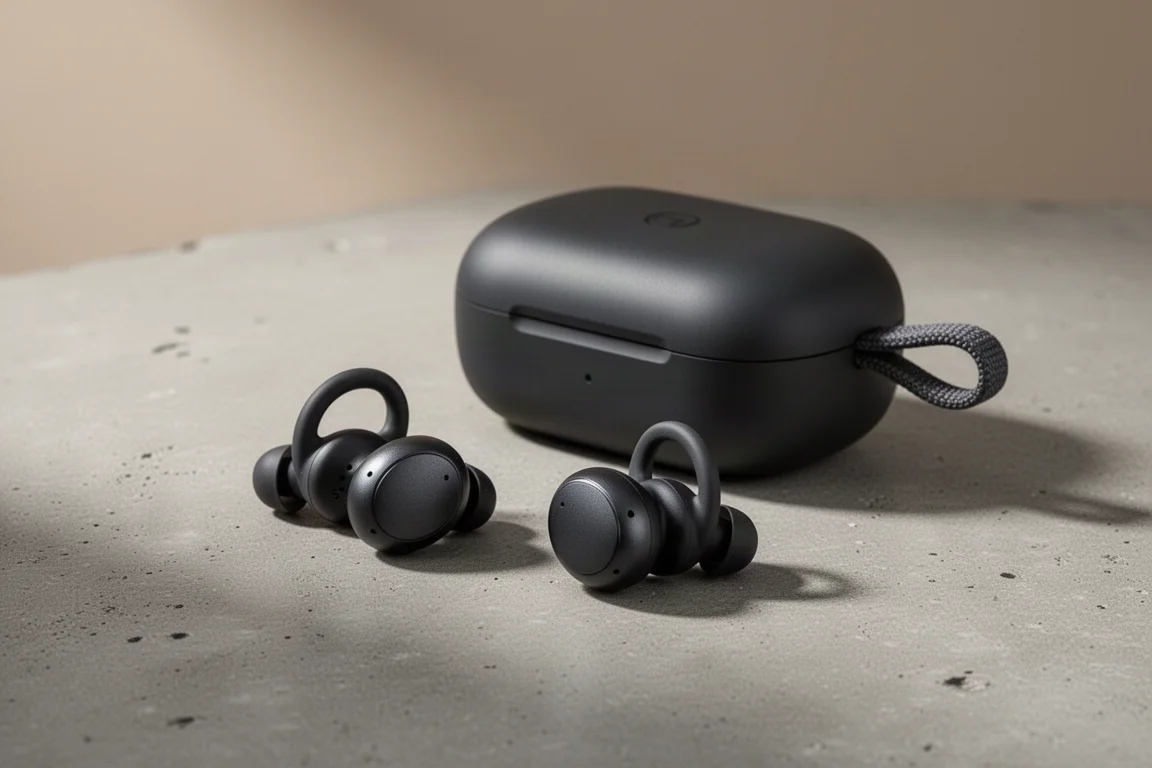
The Sennheiser Momentum Sport is a set of true wireless earbuds built for people who train with music, whether that means gym sessions, yoga, or long runs. They sit within the Momentum line, so the core promise is a bold Sennheiser sound signature, and they add two sensors that are still uncommon in headphones: a heart rate monitor and a core body temperature sensor. Both feed into a collaboration with Polar, and when paired with a compatible Polar watch and the Polar Flow app they can display that information in real time.
They are not inexpensive. Expect to pay around £260 or $330, which is more than a lot of top-tier true wireless earbuds and clearly more than sports-focused rivals such as the Jabra Elite 8 Active. Working out whether that premium makes sense comes down to three things: how they sound, how they fit over long sessions, and whether the fitness tracking is accurate enough to replace a chest strap.

That blend of premium audio and built-in sensors is what separates the Momentum Sport from most running earbuds, and it is also what pushes the price above the rest of the category.
Who the Sennheiser Momentum Sport Is For
These earbuds are aimed squarely at people who want high-grade Sennheiser sound while they exercise. If you run, lift, or move between gym and outdoor sessions and you care about audio quality as much as workout data, this is the audience Sennheiser is targeting.
The sensor features narrow that audience further. The heart rate and core body temperature tracking only reach their full potential inside the Polar ecosystem, so a compatible Polar watch and the Polar Flow app are effectively part of the experience. Riders and runners already using Polar hardware will get more from them than someone starting from scratch.
They are also a better match for shorter or moderate sessions than for very long endurance efforts. Runners who keep sessions to around 30 minutes to an hour will find the fit comfortable enough. Anyone regularly running two hours or more should think carefully about the pressure the wing tips place inside the ear over time.
Sound Quality and Noise Modes
Sound is the strongest part of the package. The Momentum Sport delivers a bold, powerful presentation with plenty of bass, but the low end does not swamp everything else the way it can on many sports earbuds. Clarity, balance, and treble sparkle survive alongside the low-frequency weight, and instrument separation in the upper ranges is genuinely outstanding for a pair of training earbuds. Bass boost is available, and it adds a noticeably different punch to dance-heavy running playlists, though the natural setting proves very hard to improve on.
Customisation is deep. There is an equaliser in the app, custom EQ presets, automatically generated presets based on listening habits, and sound zones that apply a chosen profile automatically when you arrive at a location such as a gym. Three sound modes cover active noise cancellation, anti-wind, and transparency. The noise cancellation is very good rather than class-leading, sitting just below the level of the best Sony and Bose alternatives but in line with strong rivals. The anti-wind mode is the standout: it disables the outer microphones used for noise cancellation while keeping the inner ones, which preserves the music and noticeably reduces wind roar on exposed runs and at track sessions. Transparency mode is more of a compromise. It becomes windy on the move, which can mask the traffic noise you turned the mode on to hear.
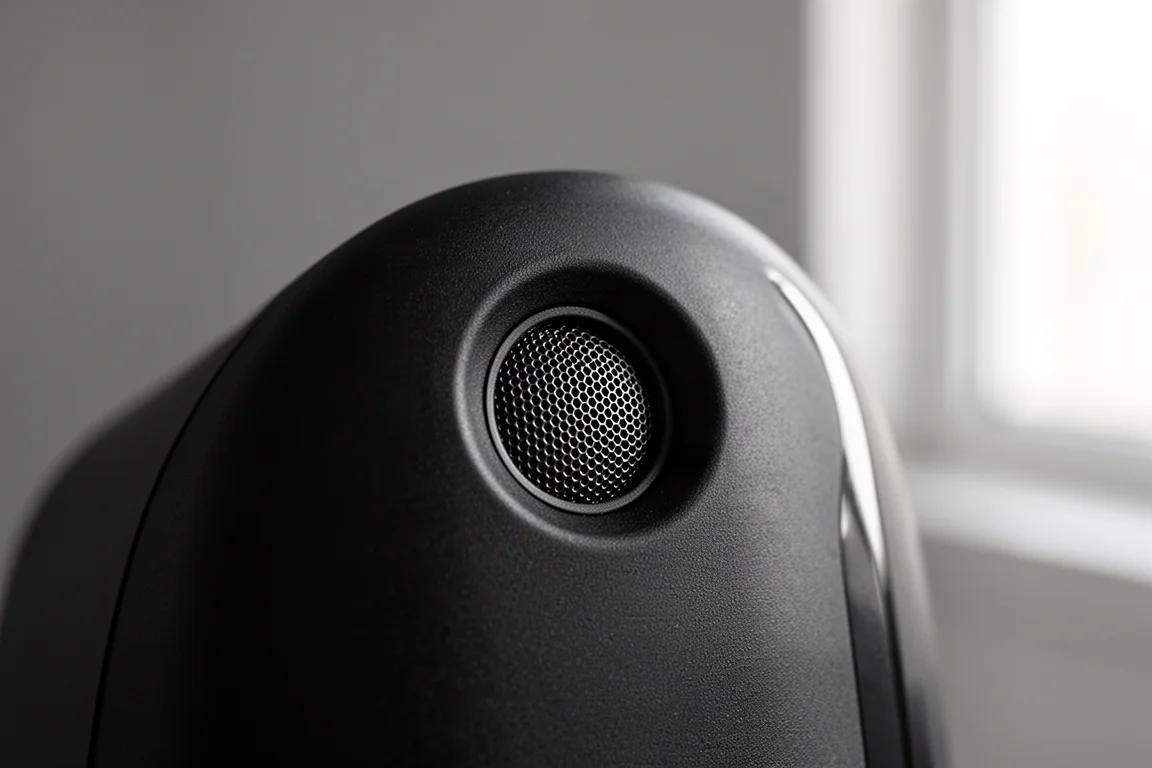
One limitation worth knowing is headroom. In quiet conditions along a river path, volume is ample. In a loud, windy race environment, the anti-wind mode filters most of the worst noise, but the top end does not always deliver the extra lift some runners want on race day.
Design, Fit, and Controls
Build quality is solid and the buds are light and compact in the ear. Fit without the fins was fine through a three and a half hour marathon, with no digging or discomfort, although a bud did work loose during a crowded half marathon. With the fins fitted, the hold is much more secure. The wing tips are the source of the main caveat: getting a comfortable and secure combination meant working through every available size, and the smallest wing proved the right choice here. Even then, sessions beyond roughly 90 minutes bring a gentle pressure inside the ear and some soreness on removal. The buds also hold in firmly, which matters more than comfort for many runners.
The wing tips are a little fiddly. They shift on the housing when the buds go in and out of the case, and they do not always sit perfectly aligned. The case is slightly bulky but slips into a running belt, and a toggle loop lets you hook it onto a key hook or belt so it is harder to lose.
Controls are customisable, and the tap-on-cheek gesture is genuinely useful because it avoids nudging the buds loose mid-run. A beep confirms how many taps were registered, which helps when triggering a multi-tap action such as a sound mode change. Out of the box the touch sensitivity is high, and wind or accidental brushes can trigger it. Dropping sensitivity to low in the app solves most of that, at the cost of needing the occasional extra tap to wake the controls. Volume still requires a physical touch, since the cheek gesture does not cover it.
Durability holds up well. A heavy rain test left the buds unaffected, and the case carries some weather resistance too, which is welcome if you carry it in a belt during long efforts.
Fitness Tracking: Heart Rate and Core Body Temperature
The heart rate sensor is the biggest disappointment. Pairing is excellent and works easily with Polar watches, Garmin watches, Apple Watch, and a range of apps, so connectivity is not the issue. Accuracy is. Against a chest strap, readings often matched closely in the first half of a run, then drifted. The sensor locked onto cadence instead of heart rate, or simply reported figures that were too high at a steady pace. It also produced a slightly elevated reading at a desk, which is not reassuring. On multiple runs, including a solo marathon and a half marathon, tracking sometimes started correctly and then flatlined without warning, leaving incomplete data at the end of the session.
Core body temperature tracking is newer territory and looks more promising. Readouts seem plausible, and the data tends to tell the same story as a dedicated core temperature sensor clipped to a chest strap. It is only really useful if you already understand what core body temperature tells you about cooling strategies and pacing, because there is no interpretation built in. Tracking heart rate and core body temperature together is handled through the Polar Flow app with compatible Polar watches, which means the feature is most valuable to someone already inside that ecosystem.
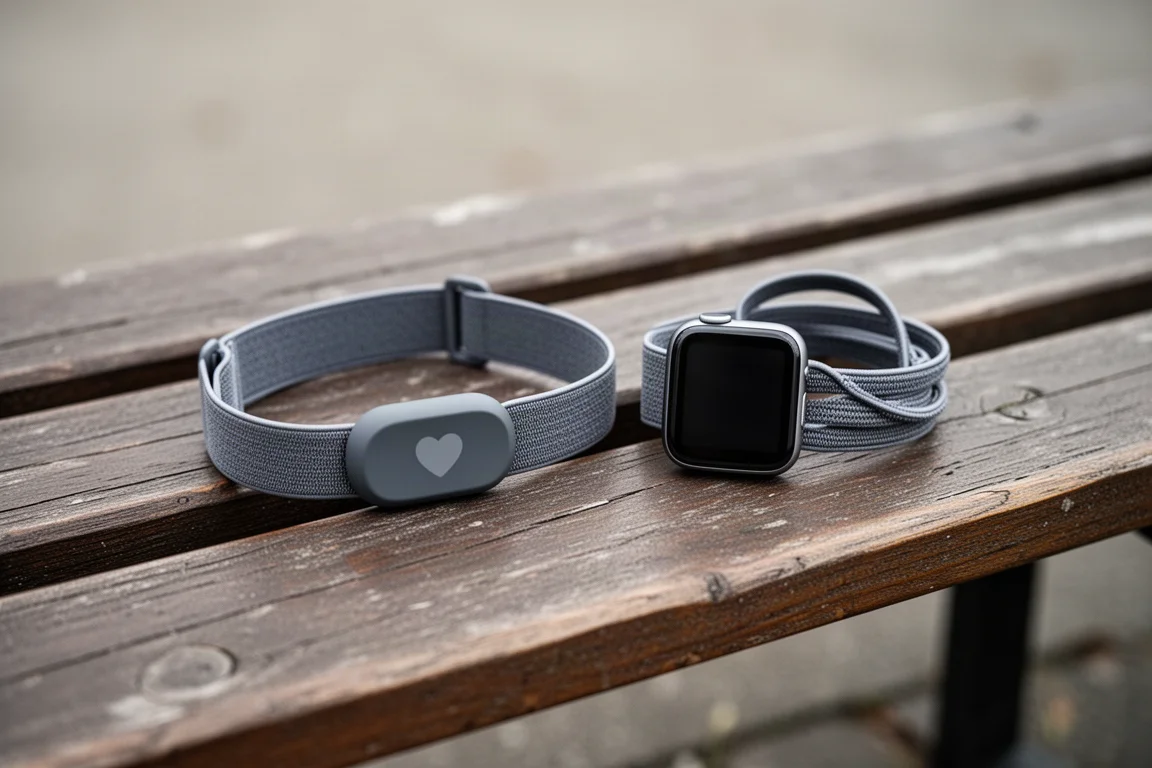
The practical conclusion is straightforward. If the sensors are meant to replace a chest strap, they need to be at least as accurate as the optical sensor in your watch. On heart rate, that bar is not met. The core body temperature sensor may interest runners training in hot conditions, but for most people it remains a bonus rather than a reason to buy.
Battery Life and Durability
Sennheiser rates the buds at six hours, with 18 hours in the case, and those figures account for sound modes. Real-world results land a little lower when everything is switched on. A three and a half hour marathon with wind mode and heart rate tracking consumed 60 percent, a 90 minute half marathon with bass boost and heart rate consumed 30 percent, and a 90 minute run with noise cancellation and no bass boost consumed 20 percent. That works out to roughly five hours of listening at high volume with sensors active, with quick charge and a battery eco mode helping to close the gap, and sensors can be switched off to extend runtime.
The case covers around three weeks of typical training before it needs a charge, and wireless charging is a convenient addition. Runners tackling six-hour-plus marathons will want the case with them to guarantee audio for the full distance.
Things to Consider Before Buying
The price is the first consideration. At around £260 or $330, the Momentum Sport costs roughly £60 or $130 more than something like the Jabra Elite 8 Active, and it is more expensive than many premium non-sport earbuds from established rivals. To justify that, the extras have to carry real weight.
Comfort over long distances is the second. The fit is secure, which is what matters most while running, but it is not the most comfortable option available, particularly past 90 minutes.
The third is the Polar requirement. Full value from the core body temperature tracking depends on the Polar Flow app and compatible Polar watches, so anyone outside that ecosystem is paying for capability they may not be able to use.
Finally, assess the heart rate tracking honestly. If you already run with a chest strap and want reliable data, the Momentum Sport is unlikely to replace it. If you want a supplementary reading and easy pairing to a watch, it is a convenience rather than a substitute.
Buying Advice
Buy the Sennheiser Momentum Sport for the sound. It is the best-sounding sports earbud in this class according to our testing, with natural clarity, strong but controlled bass, a secure fit, an effective anti-wind mode, and a well-built case. If your sessions are typically 30 to 60 minutes and you want premium audio while you train, they are an easy recommendation.
Be more cautious if you run marathons, train for hours at a time, or want the sensors to replace dedicated equipment. In those cases the comfort limits, the heart rate accuracy, and the reliance on the Polar ecosystem make the premium harder to accept. Rivals such as the Jabra Elite 8 Active, the Apple AirPods Pro, and the Bose QuietComfort Earbuds cost less, offer more comfortable fits and longer battery life, and while they do not match this level of sound quality, they remain very good in their own right. If the fitness sensors are not essential to you, that saving is meaningful.
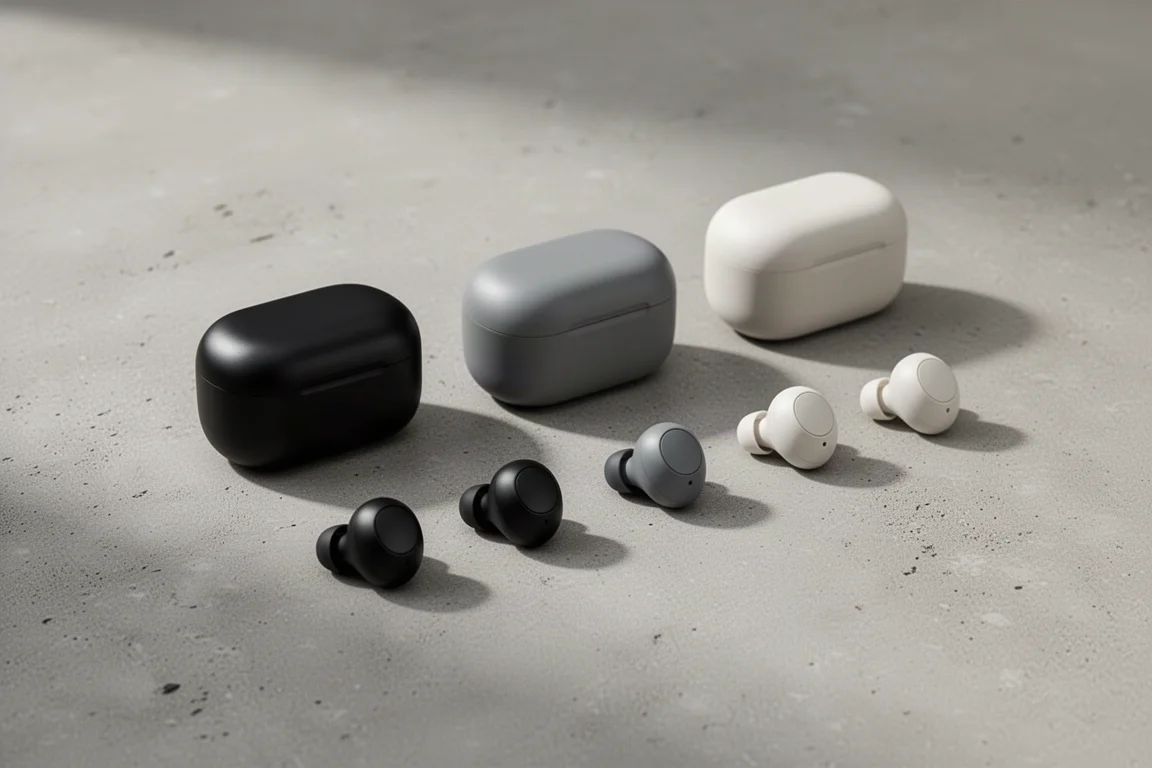
Put simply, this is an outstanding pair of sounding earbuds with fitness tracking attached. Buy them for the audio and treat the sensors as a bonus, and the value proposition makes far more sense than buying them as a training data tool.
Conclusion
The Sennheiser Momentum Sport gets a great deal right. Sound quality is exceptional and right at the top of the sports earbud pile, the app is easy to use with deep customisation, Polar integration is straightforward, and the anti-wind mode is a genuinely useful running feature. Build quality, rain resistance, and secure fit all support the training use case.
The frustrations are real, though. Fit is secure but not especially comfortable over long distances, the wing tips shift around more than they should, and the heart rate sensor is not reliable enough to replace a chest strap. Core body temperature tracking is interesting and shows potential, but it depends on the Polar ecosystem and offers no interpretation of its own. Combined with a price that sits above most premium rivals, those flaws add up to a considered purchase rather than an automatic one. If you want the best-sounding running earbuds and your sessions are on the shorter side, they will delight you. If you need endurance comfort and trustworthy training data, your money is likely better spent elsewhere.
Product link
View more details for Sennheiser Momentum Sport
This product is mentioned in the review. Check the specifications, options, and compatibility before buying.
View more details for Sennheiser Momentum SportFurther reading
Related Reviews
Wireless Earbuds
AirPods Pro 2 vs AirPods Pro vs Sony WF-1000XM4: Which True Wireless Pair Should You Buy?
A practical comparison of the Apple AirPods Pro (2nd generation), the original AirPods Pro, and the Sony WF-1000XM4, covering noise cancellation, sound, comfort, and controls.
Wireless Earbuds
Apple AirPods Pro (2nd Generation) Review: Spatial Audio and Noise Cancelling in Focus
A practical look at the AirPods Pro (2nd generation): noise cancelling that silences voices, immersive Dolby Atmos spatial audio, hearing-test EQ, and the trade-offs worth weighing before you buy.
Wireless Earbuds
Bowers & Wilkins Pi5 S2 Review: Detailed Sound in a Bulky Case
The Bowers & Wilkins Pi5 S2 delivers rich, balanced sound and clear voice performance, but its charging case is bulkier than most and the fit needs attention while running.