Robot Lawn Mowers
Segway Robotic Lawn Mower Review: Quiet, Wire-Free Mowing With a Bit of Setup Patience
A wire-free robotic mower that maps your lawn from your phone, cuts surprisingly quietly, and handles thick grass better than its tiny blades suggest.
Introduction
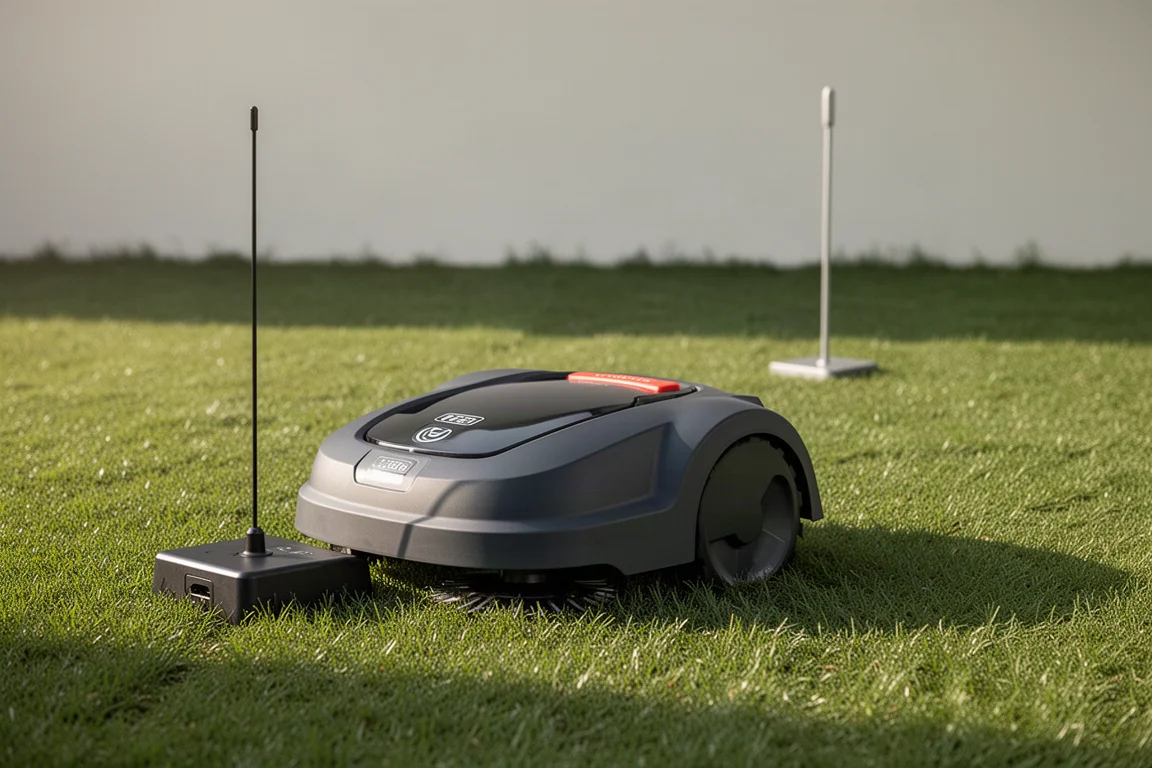
Robotic lawn mowers used to mean burying boundary wire around your garden, but the Segway robotic lawn mower does away with that entirely. Instead, you map your lawn by walking behind it with your phone, and a separate antenna keeps it located. The result is a mower that quietly trims your grass on a schedule you set, returning to its dock when it needs power. It takes a bit of patience to set up, but once configured, it simply gets on with the job.
What’s in the Box
Segway ships this as a full kit rather than just the mower. Alongside the main unit you get a charging dock and transformer to power it, plus the antenna for the exact Fusion locating system. The antenna mounts on a pole that pushes into the ground with a spiked base, secured with screw-type pegs. There are also spare blades, and a set of location pegs you push into the ground in place of the dock’s screws when you store the mower for winter, so it keeps its position for next season and you don’t have to redo all your parameters.
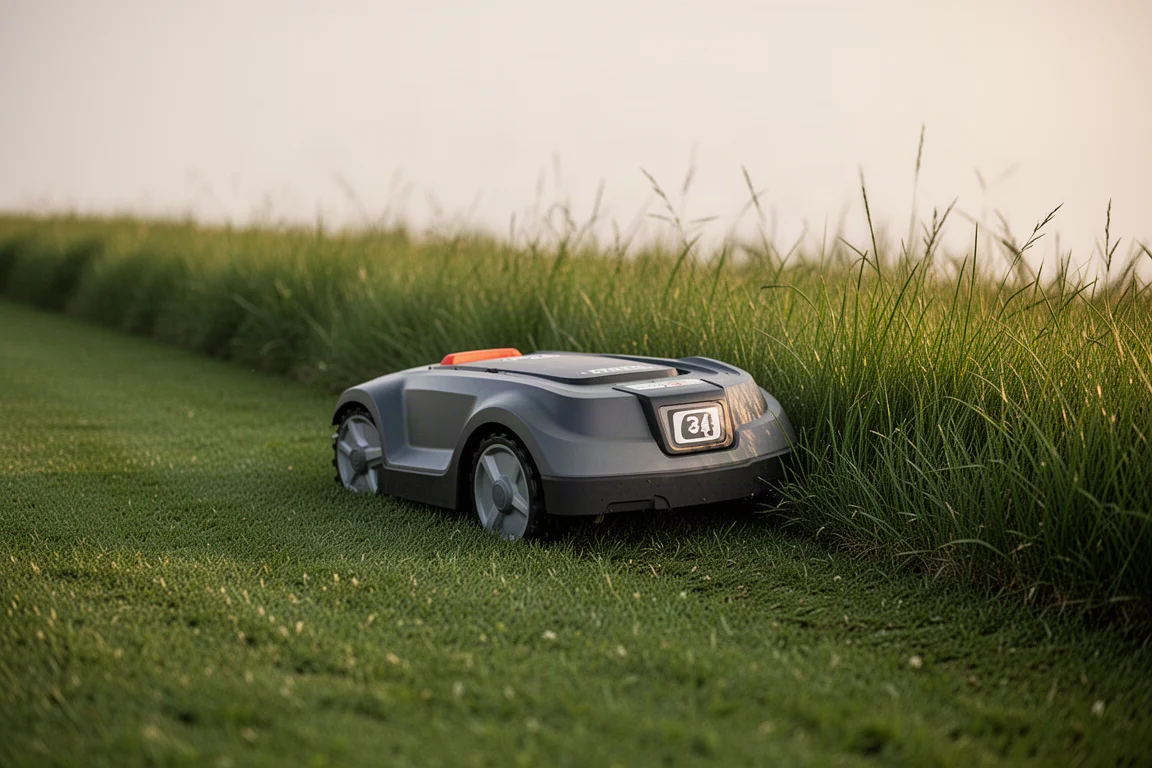
During setup you also clip a cardboard guide to the back of the mower, giving you roughly 150 mm (about 6 inches) of clearance so it doesn’t crash into obstacles while you map. You’ll still need a weed eater for the longer grass around the edges, just as you would with a normal mower.
Setup and Mapping
The app install is quick: email, password, done. From there you register the device and start mapping by walking along behind the mower with your phone, staying about 150 mm from the edge. It’s a little tricky to control if you’re not used to steering something from a phone screen, and going slow helps. If you drift off course, holding the erase button makes the mower back up until you’re back on track, and you can then straighten out and continue.
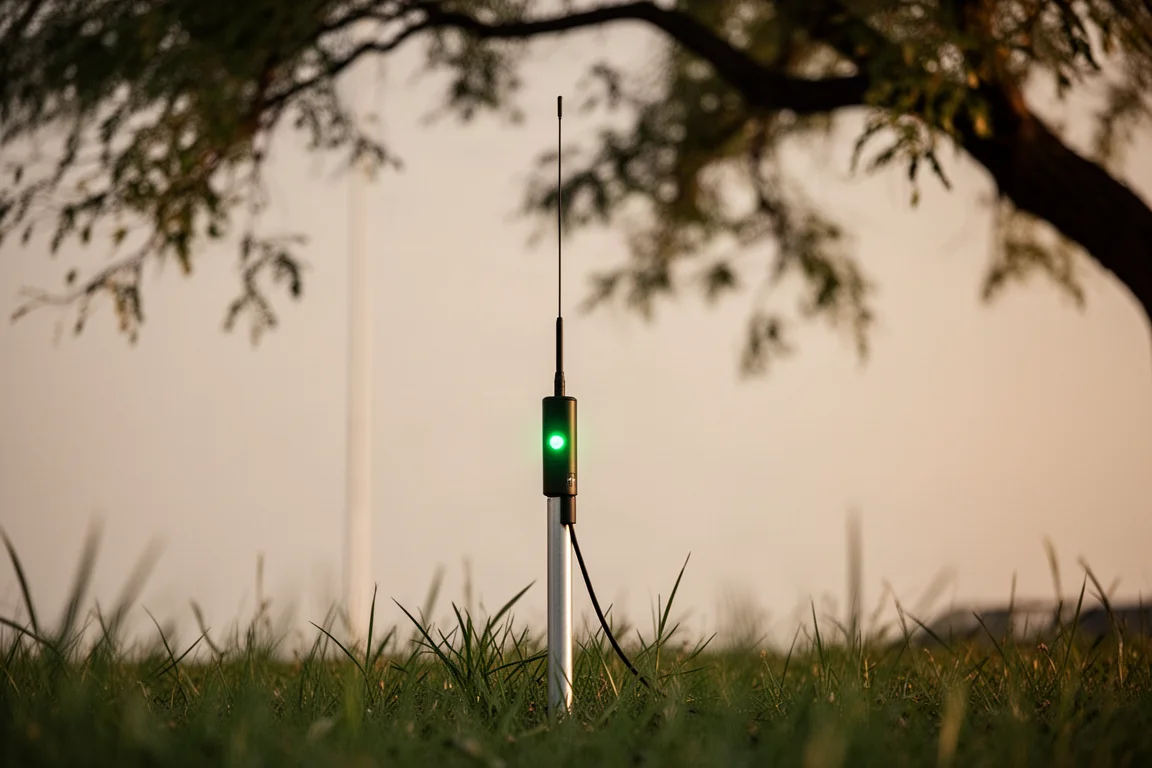
The antenna wants as clear a view of the sky as possible, away from trees and overhangs. The reception light on the unit tells you how you’re doing: blue or green flashing is good, a yellowy-orange means you may need to reposition it, and red means something is wrong. An extension kit is available so the antenna can be mounted higher, such as on a roof, for a cleaner signal. Pairing happens over Bluetooth, which you only need during setup, and the mower then connects over Wi-Fi, so the dock needs to be within range of your home network.
Once mapped, the app reports the area size automatically. The test lawn came out at 125 square meters, worked out entirely by the mower. This model is rated for up to 800 square meters, so larger properties would need a bigger unit.
Cutting Performance and Noise
The mower was tested at a 60 mm cut height before being dropped to 35 mm in thick kikuyu grass. It handled the thicker growth better than expected given how small the blades are: they’re tiny razor-like blades, closer to a craft knife than the heavy blades of a conventional mower, so they’re far less dangerous. The cutting width is limited to the small round area where the blades sit, so it works steadily rather than aggressively.
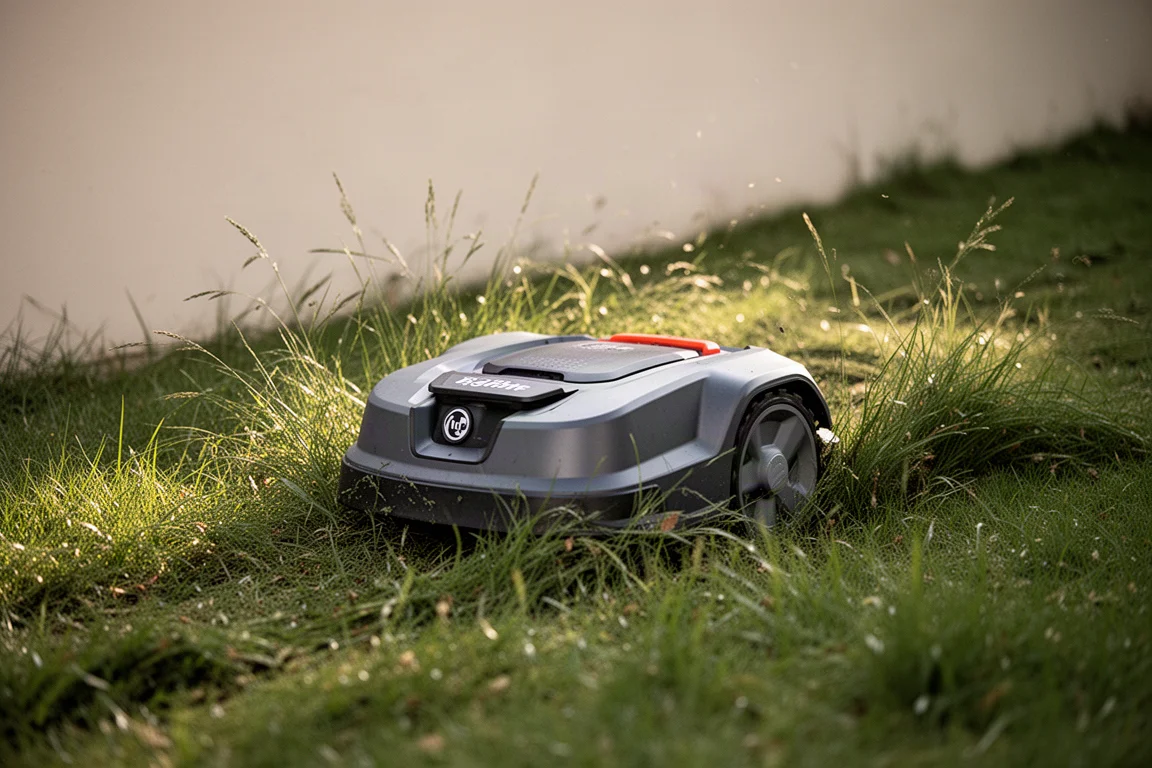
Noise is the standout. It’s extraordinarily quiet, quiet enough that a neighborhood full of them would be a genuinely pleasant place on weekends. You’ll hear the blade start and stop as it turns, which it does to avoid damaging the lawn, but the mower itself never becomes annoying.
On very steep or dips in the ground it can struggle: one dip on the test lawn defeated it, and the fix was creating an island around the obstacle. Islands are the app’s way of marking no-go zones, useful for a garden table, a septic tank breather, or anything else you want it to avoid. Lifting the mower triggers an immediate safety stop with a red light, and it won’t run until it’s set back down and restarted.
Scheduling, Smart Features and Power
You can set a regular mowing schedule, every second or third day for example, and it will run automatically. A rain sensor can skip a session when it’s pouring and the grass is wet, which is worth leaving on since mowing wet grass is never ideal. The vision fence system on the unit looks for objects on the lawn, anything bigger than around 100 mm or 4 inches, whether that’s a flower pot, a soccer ball, or a toy the kids left out, and steers around it.
If you don’t have mains power in the garden, the mower only draws around 90 watts while charging, so it can run off a portable power station. Pair that with a solar panel and you’re effectively mowing your lawn for free, with no petrol costs ever again. Bluetooth is only needed for setup; Wi-Fi and GPS handle the ongoing connection.
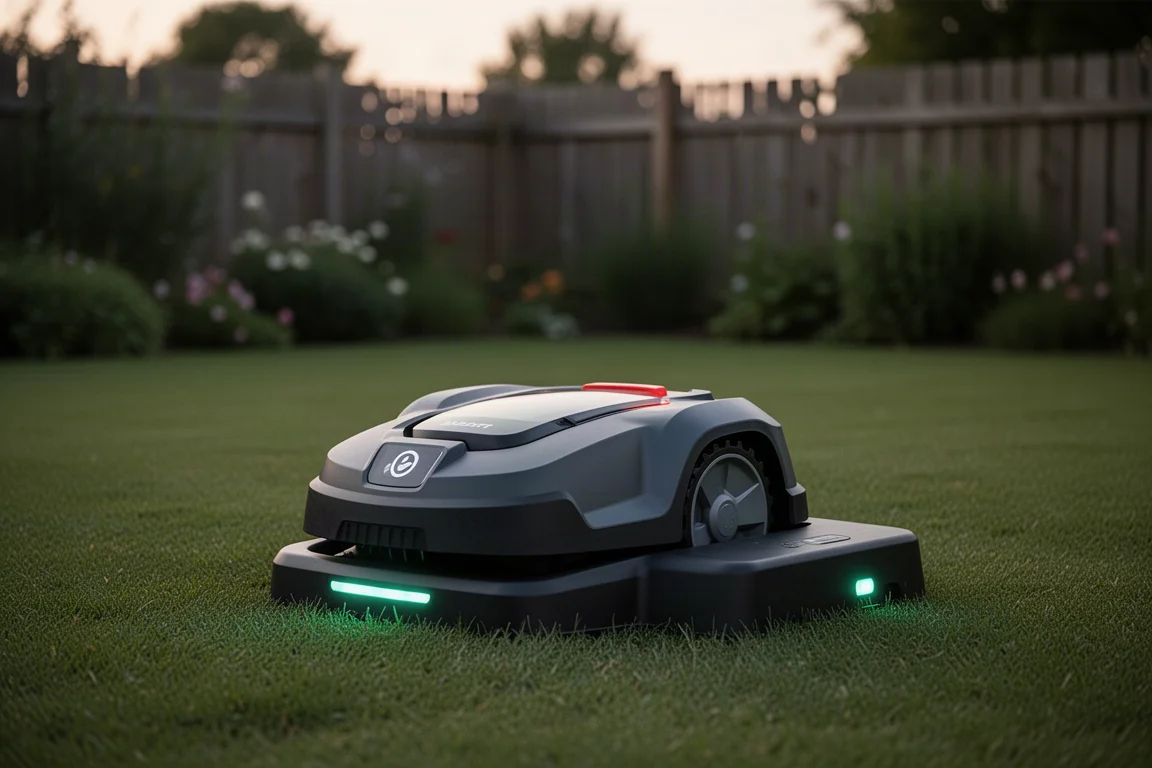
The main caveats: setup takes some time and a bit of fiddling to get everything aligned, the antenna placement matters for signal quality, and you need to mow regularly. Let the grass get too long and this mower will struggle, meaning you’ll be back out with a conventional mower.
Buying Advice
This mower makes the most sense for small to mid-sized lawns up to its rated 800 square meters, especially if you value near-silent operation and don’t want to bury wire. If your garden has significant dips, thickly overgrown patches, or is far larger than the rated coverage, plan accordingly or look at a bigger model. Budget time for the initial setup and antenna placement, and after that it will quietly do the mowing for you on schedule.
Conclusion
The Segway robotic lawn mower delivers on the core promise: quiet, automated, wire-free mowing that handles thicker grass better than its tiny blades suggest. Setup demands patience and decent antenna positioning, but once dialed in, it’s an easy way to keep a lawn trimmed without lifting a finger.
Product link
View more details for Segway Robotic Lawn Mower
This product is mentioned in the review. Check the specifications, options, and compatibility before buying.
View more details for Segway Robotic Lawn MowerFurther reading
Related Reviews
Robot Lawn Mowers
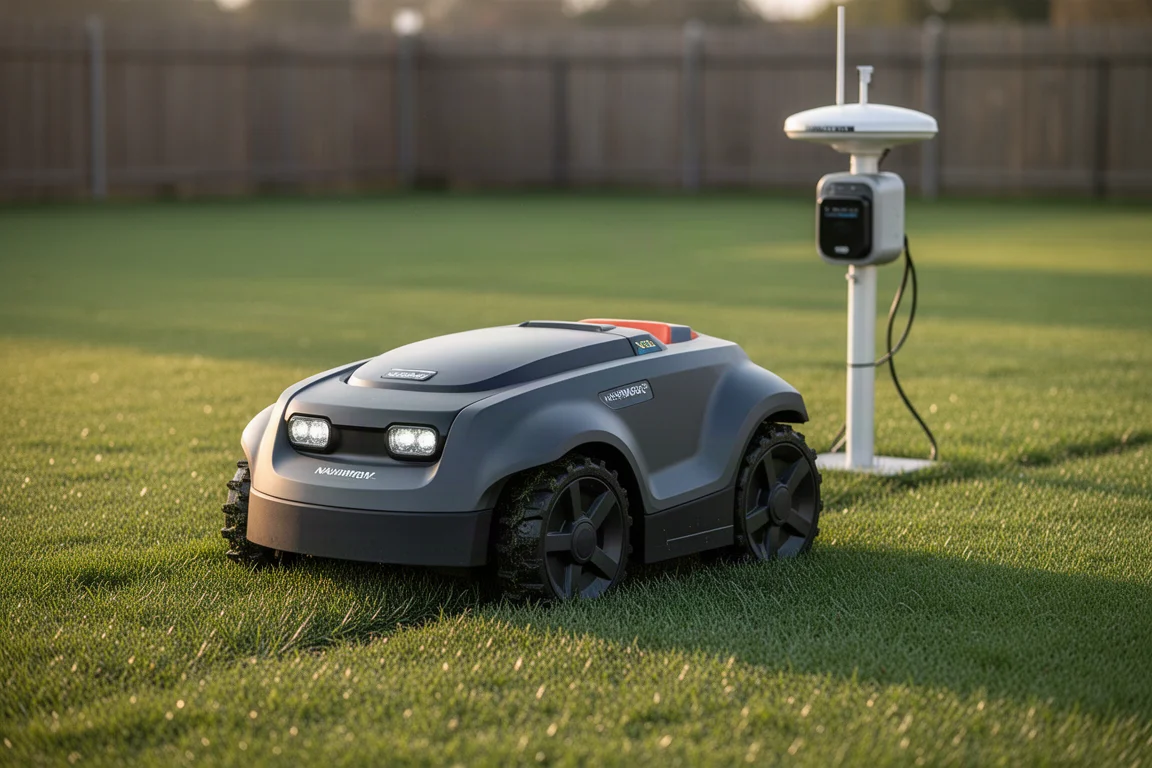
Segway Navimow X430 Review: A Hands-Off Robot Mower for Large, Challenging Lawns
A real-world look at the Segway Navimow X430 robot lawn mower, covering setup, cutting quality, obstacle detection, heat tolerance, and daily automation.
Robot Lawn Mowers
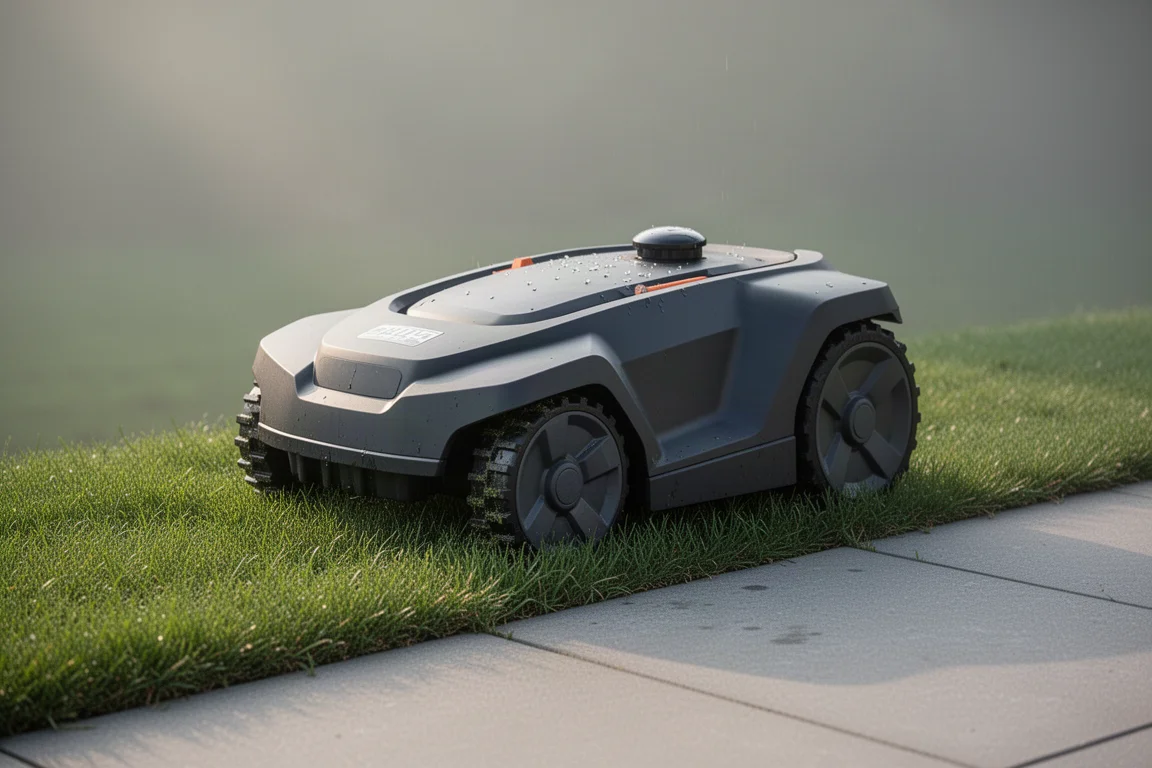
Airseekers Tron SE DS Review: A Robot Mower That Mulches Like Nothing Else
Six blades, Flow Cut mulching, net RTK navigation and strong wet-grass performance make this compact robot mower an interesting pick for smaller lawns.
Robot Lawn Mowers
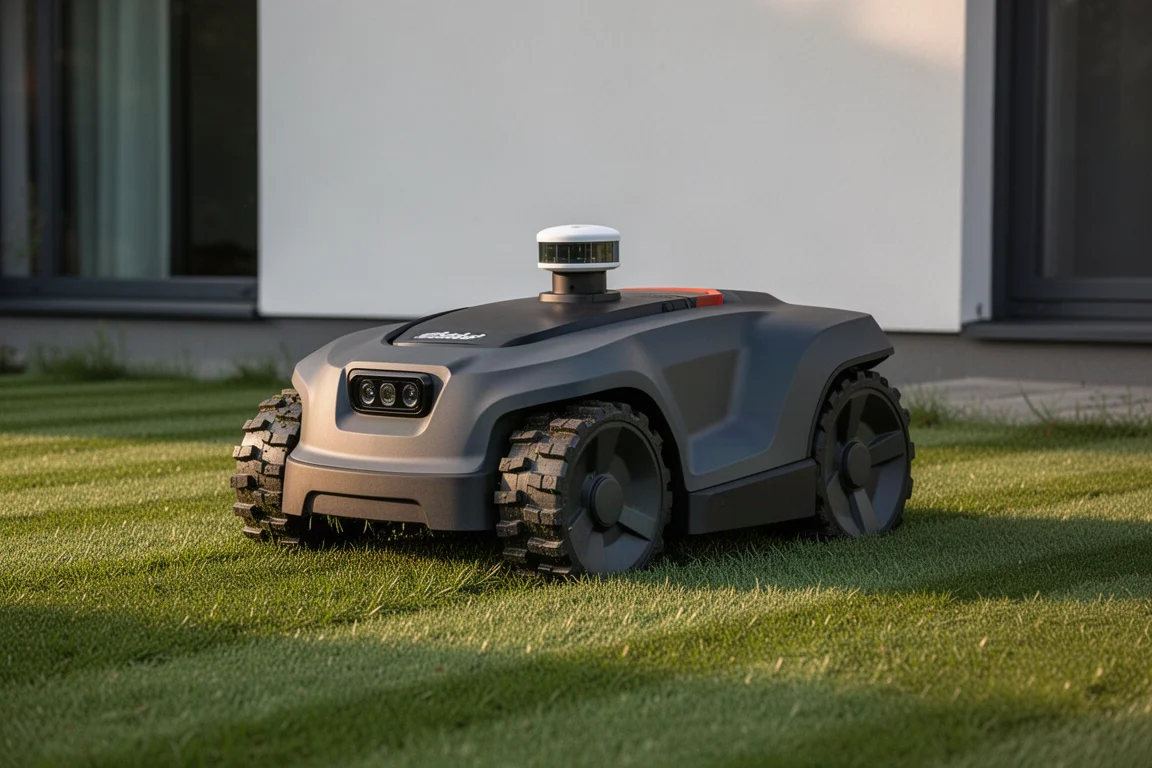
Antbot M9 Pro Review: A Compact Robot Mower That Cuts Where Others Give Up
The Antbot M9 Pro combines RTK, 360-degree lidar and dual cameras so it keeps mowing under trees and around obstacles. Here is how it performed in real-world testing.