Power Stations
Segway Power Q Cube Station 1000 Review: Modular Power That Stacks
A 1kWh expandable power station with a stackable battery design, solid port selection, and a few trade-offs worth knowing before you buy.
Introduction
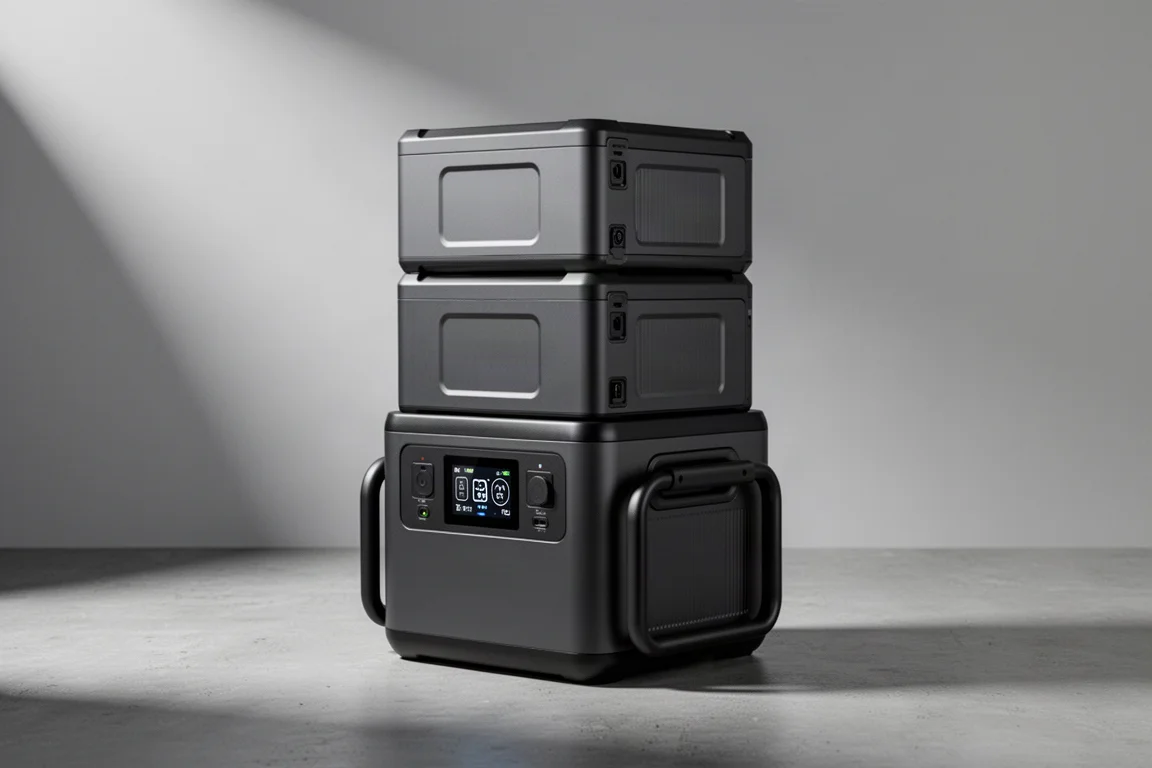
The Segway Power Q Cube Station 1000 takes a different approach to portable power: instead of one fixed-size box, it uses a stackable battery system where extra cells slide inside the main unit. That makes it interesting for anyone whose power needs change from trip to trip, but the modular design comes with some caveats. After putting it through a real load test with power tools, here is what stood out.
First Impressions
The 1,000Wh base unit feels well built, with solid side handles that do not stick up, leaving a fairly flat surface on top. The screen is one of the better ones we have seen in this category: clear, uncluttered, and genuinely informative. When an error code appeared during testing, the screen simply stated that over-surge protection had been enabled rather than showing a cryptic warning light that sends you digging through the manual.
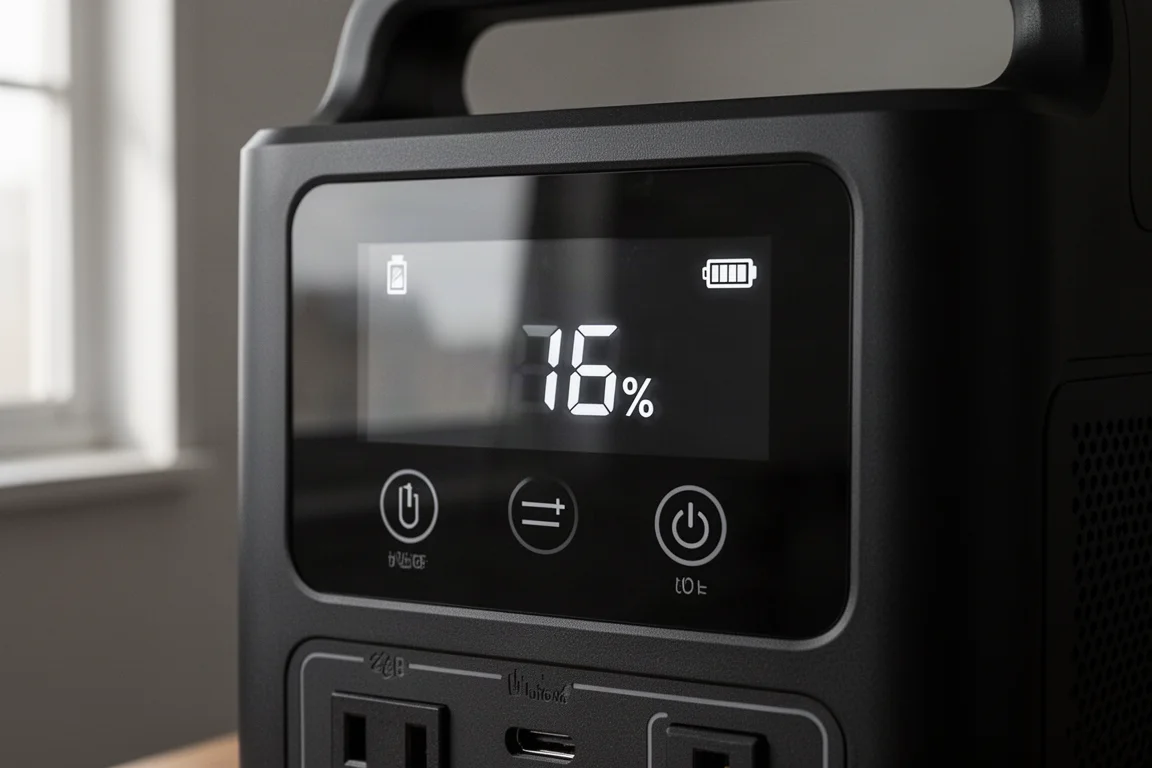
Port control is refreshingly intuitive. There is a dedicated button for the AC outputs and another for the DC ports, and everything turns on and off exactly where you expect it.
Ports and Everyday Usability
For a station this size, the port selection is generous. You get three AC outlets, a DC cigarette lighter socket, four USB-A ports, two USB-C ports, and two barrel plugs. That is more than enough for charging phones, laptops, and running small devices at the same time.
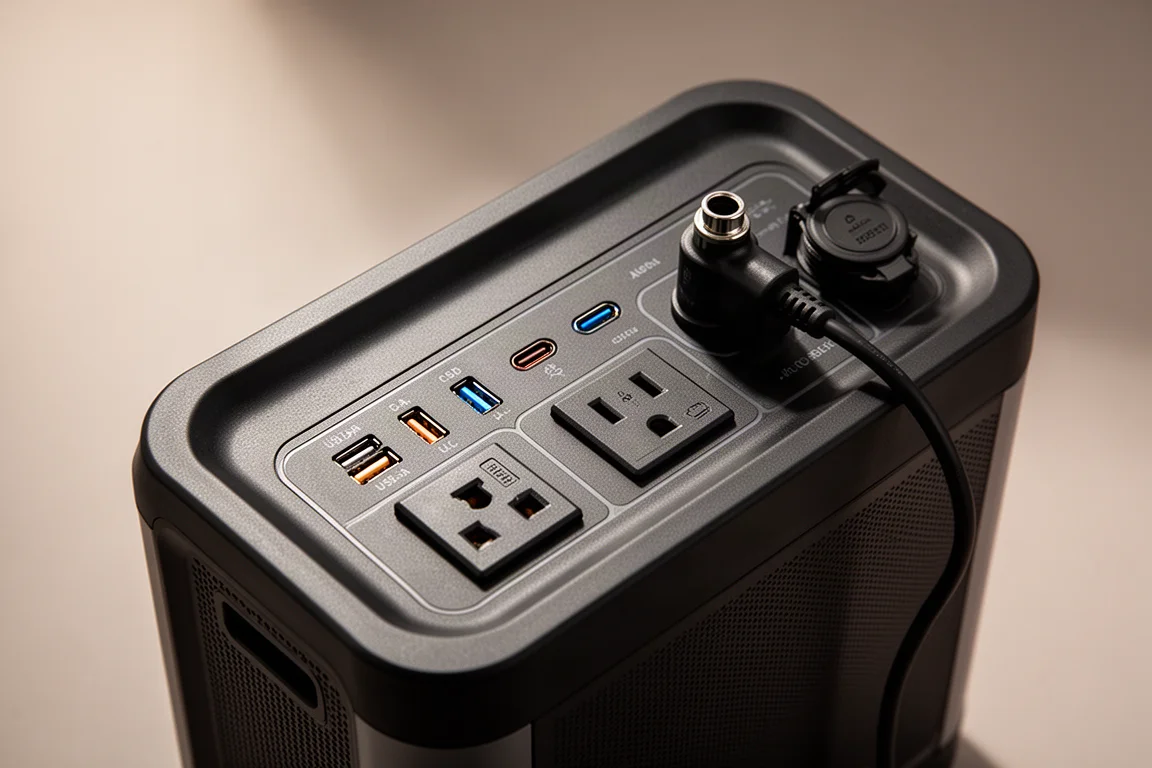
Around the back there is an Anderson port, a regular power plug input, and a reset button for the fuse, plus a small magnetic switch. One thing worth noting: the input is a standard PC-style power plug, so no proprietary power brick is needed. Most households already have a compatible cable lying around.
Load Test: What It Can Handle
The base unit was put to work with an air compressor, a grinder, and a drill running simultaneously. The compressor spike alone pushed output into the low 800-watt range, and the unit kept going. Adding the shop vac was ultimately too much, and the circuit protection tripped repeatedly, but critically, the unit reset and kept working every time. Some power stations we have tested fail permanently after a single overload event; this one shrugged off multiple surges.
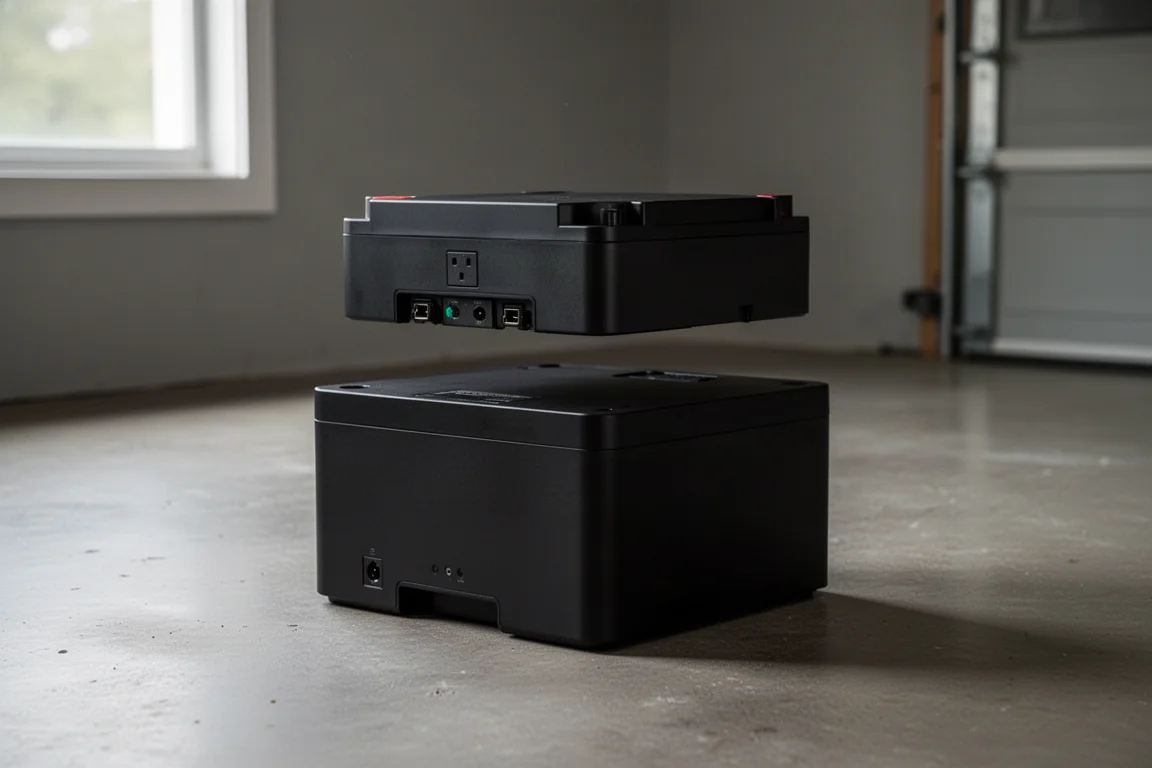
The build quality appears robust overall, with one small flaw: a rubber foot on the side had a tendency to fall off. It is a minor annoyance rather than a dealbreaker.
The Stackable Battery System
The headline feature is expandability. The base unit is actually an inverter, and separate battery cells stack inside it, secured with four screws, two on either side. You can add up to four cells for a total of roughly 5,000Wh. That is far more capacity than the typical 2kWh box, and the modularity works in three practical ways.
First, you can start small and buy cells later as budget allows. Second, you can leave the full 5kWh setup at home for backup and pull out only the capacity you need for a weekend camping trip. Third, transporting it is easier: break it down and distribute the pieces around a car or small RV instead of finding one giant storage spot.
It is not all elegance, though. Removing cells requires unscrewing four screws rather than a quick-latch system, and the inverter itself cannot be upgraded, so output stays capped at 2,200W no matter how many cells you add. There is also no integrated wheel system, which matters once the fully loaded 5kWh configuration gets heavy. A dolly can work around that, but it is an extra thing to buy.
Charging, Solar and UPS Mode
Solar input is handled by an 800W MPPT controller, which is decent rather than class-leading. What pushes it into genuinely good territory is the combination with 1,250W AC charging and the ability to charge from AC and solar simultaneously. Under good conditions, the whole box can recharge in under two hours, possibly closer to an hour when everything is set up well.
There is also a UPS mode, so a computer plugged into the station and the wall will not even notice a power outage; the switchover is that fast. A companion smartphone app rounds things out for anyone who wants detailed telemetry.
Other positives worth listing: a five-year factory warranty, LFP (lithium iron phosphate) battery chemistry, which is safer and offers far more recharge cycles than lithium-ion, and an IP56 rating. That rating means solid dust resistance and protection against strong water jets, so beach trips and splashes are less of a worry. We still would not leave it next to saltwater.
Things to Consider Before Buying
The limitations concentrate at the top end. Three AC plugs are fine at 1kWh, but at 3kWh or 5kWh you may really miss the extra outlets and the RV 30-amp plug that some competing 2kWh boxes include. If you never plan to plug an RV in, that will not matter to you; if you do, it is the main reason to look elsewhere.
Long-term support is also an open question. Segway is an established company with a track record in scooters and similar products, but this is a new product line, and there is no guarantee that expansion cells will be easy to buy three years from now. The product is launching through Kickstarter, which some buyers avoid entirely, with a launch date in early December.
Pricing and Buying Advice
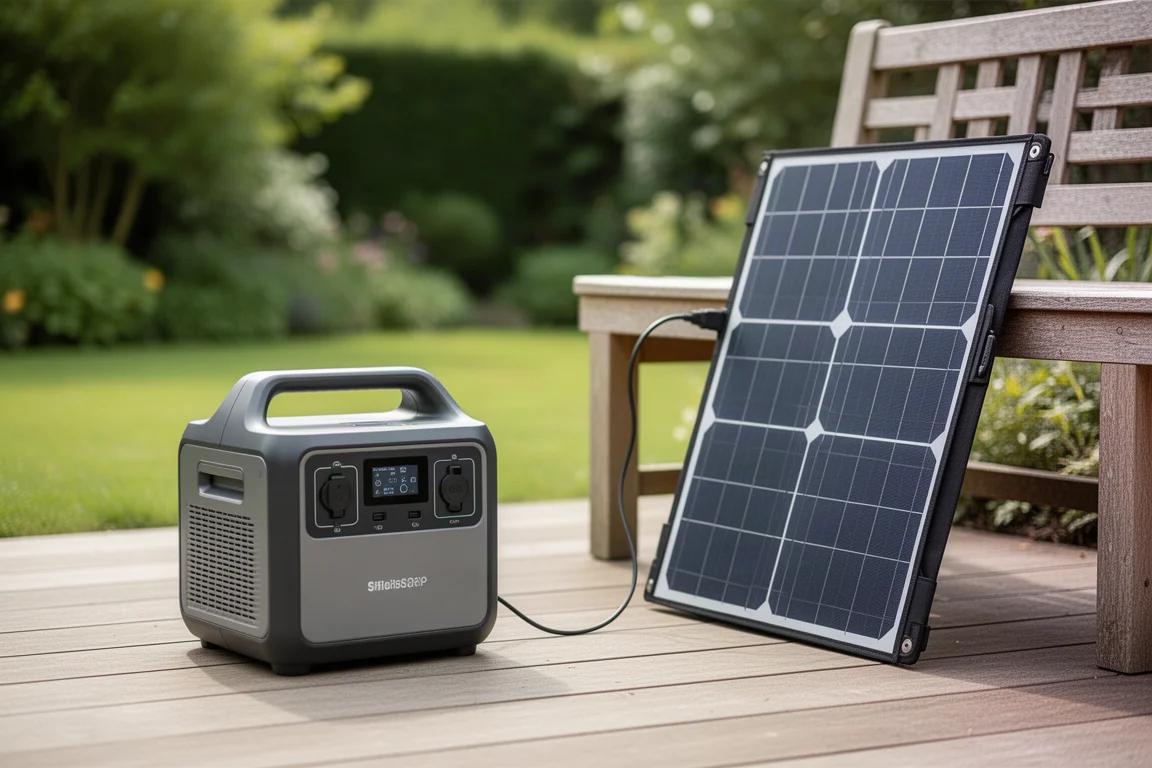
The Cube Station 1000 base unit is listed at $569, which feels slightly high at MSRP but reasonable, since you are paying for the inverter infrastructure of an expandable system. The launch bundle with the 100W SP1000 solar panel, which has a clever storage bag on the back, comes in at $798.
The better value shows up as you expand. A 2,000Wh configuration with the inverter, base, and one extra cell runs about $1,000, roughly half what comparable 2kWh systems used to cost. The full 5,000Wh home power bundle lands around $2,000, which is compelling if you can live with three AC outlets and no 30-amp plug.
For job sites, camping weekends, beach days, and keeping essentials like a refrigerator running during an outage, it makes a lot of sense. For RV owners who want a serious 30-amp hookup, it is not the right fit.
Conclusion
The Segway Power Q Cube Station 1000 is an innovative, well-built modular power station with excellent surge resilience, a great screen, fast combined charging, and a genuinely useful stacking system. Its weaknesses are the capped inverter output, limited AC ports at high capacities, no wheels, and a Kickstarter launch. If modularity matches how you actually use portable power, it is a strong option; if you need maximum outlets and RV compatibility, look elsewhere.
Product link
View more details for Segway Power Q Cube Station 1000
This product is mentioned in the review. Check the specifications, options, and compatibility before buying.
View more details for Segway Power Q Cube Station 1000Further reading
Related Reviews

Power Stations
Anker SOLIX F3800 Plus Review: A Powerful 6,000W Power Station With Some Trade-Offs
The Anker SOLIX F3800 Plus delivers a robust 6,000W inverter, fast solar charging, and solid UPS performance, but high idle draw and a hefty weight give buyers real things to consider.
Power Stations
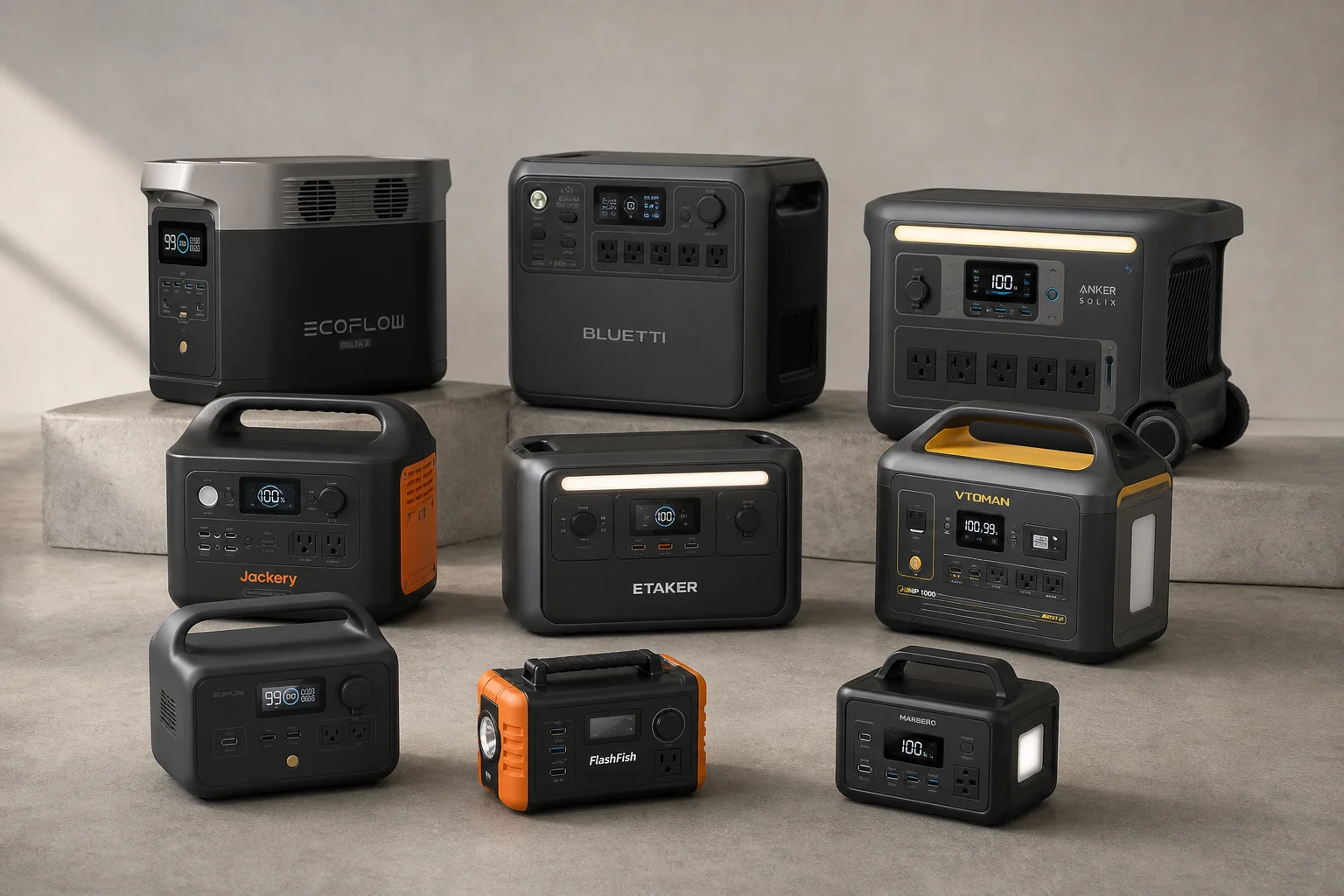
Best Portable Power Stations Under 2000Wh: 2025 Lab Tested Recommendations
Nine portable power stations tested in real-world conditions, from compact 500Wh units to capable 2000Wh models. Unsponsored recommendations for camping, emergencies, and creative work.

Power Stations
BLUETTI Charger 2 Review: A 1200W DC-to-DC Charger for Van Life and Overlanding
The BLUETTI Charger 2 combines 800W alternator charging with 600W solar input for a 1200W total, but compatibility and price deserve a closer look.