Home Appliances
SeedMax Eco H70 Review: A Commercial-Grade Dehumidifier That Actually Saves Money
After years of replacing budget dehumidifiers, one long-term test of the SeedMax Eco H70 shows why stepping up to a commercial unit can cost less to run over time.
Introduction
If you have ever bought a big-box dehumidifier, you probably know the pattern: it works fine for a season or two, then gives up shortly after the warranty expires. After spending a couple of thousand dollars on standard retail dehumidifiers over four or five years, only to watch them fail one after another, it made sense to try a different approach. That meant moving up to a commercial-level unit that costs more upfront but is built to survive real work.
Why Move Up to a Commercial-Grade Unit
The premise is simple: a commercial-grade machine that costs roughly double a decent retail model can still be the cheaper choice over time. In this case it turned out to be less expensive to run and more efficient, not just more durable. For anyone tired of the replace-every-14-months cycle, the math is worth a closer look.
Design and Build Quality
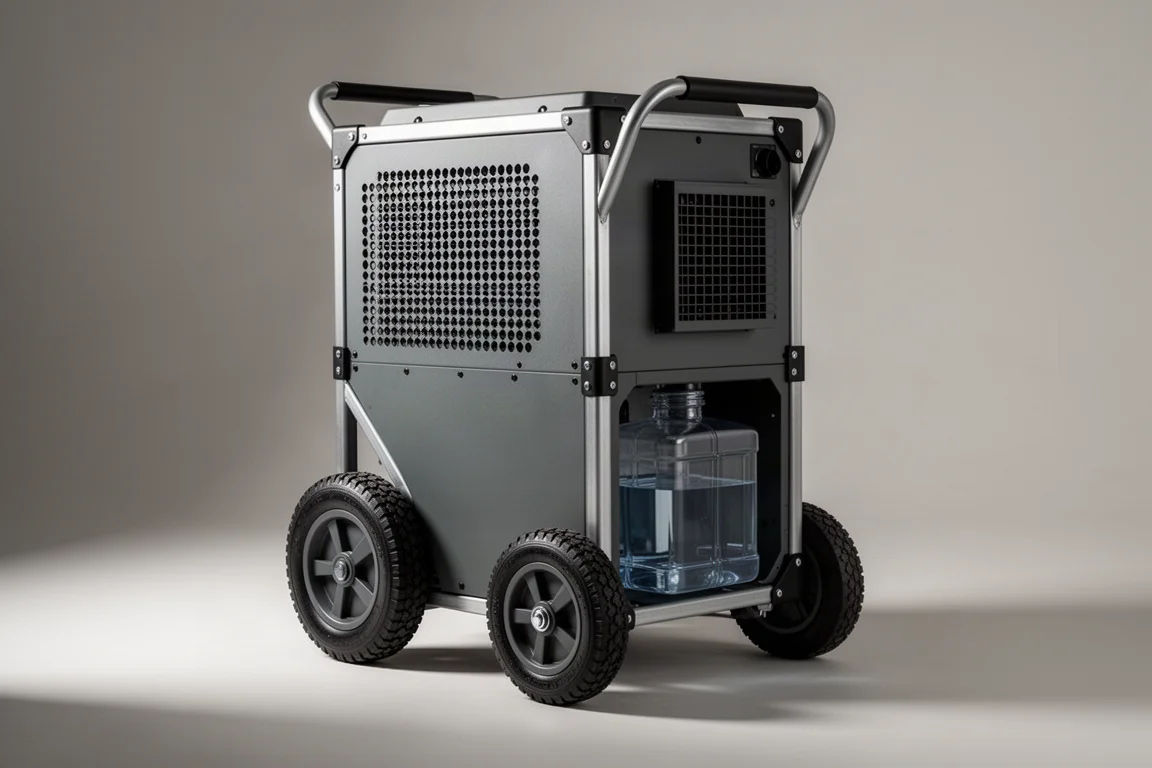
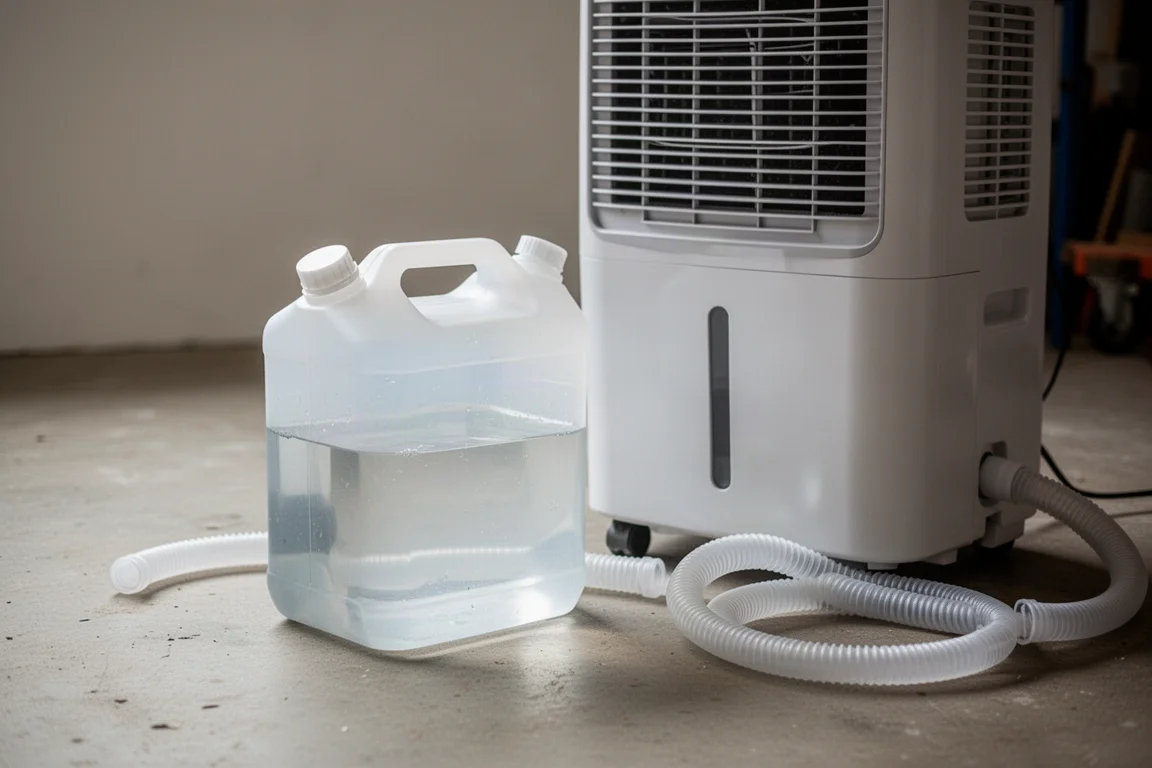
The SeedMax Eco H70 is a larger unit that is genuinely meant to be moved around. It is built noticeably better than typical retail models, with a steel frame inside and larger tires at the back for rolling across rough floors. At the front, there is a water canister that communicates when it is full and lets the unit shut itself off. For continuous operation, a hose can be attached for permanent water removal, and an optional pump is available if water needs to be moved over a longer distance.
A front filter is easy to maintain: it simply wipes clean. The side discharge fan is one of the most impressive parts of the design. Standard retail units barely move any air, while this one pushes a very significant amount, which keeps air circulating in a basement or shop and removes the need for a secondary fan. Surprisingly, it is also quieter than a comparable Frigidaire unit.
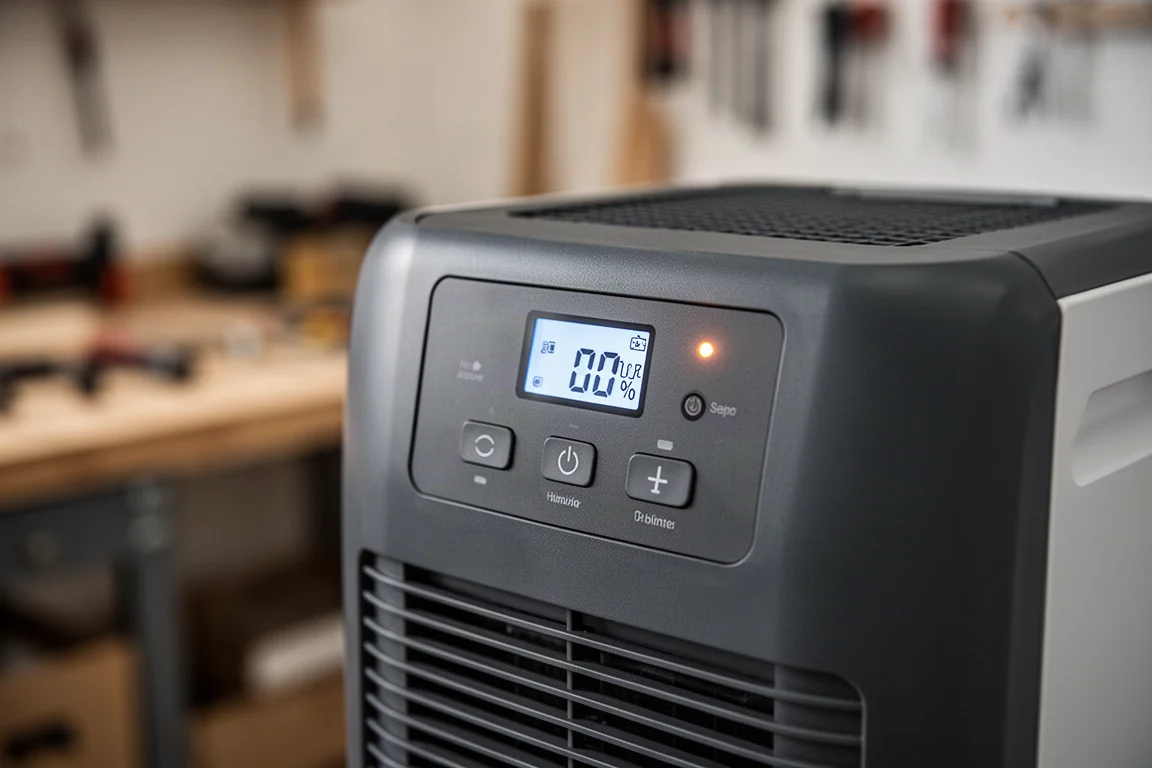
The control panel shows current humidity, a blinking droplet indicator confirming the compressor is running, and a running hour counter, which makes long-term monitoring straightforward. During testing the unit read 59% humidity in a wash bay with over 522 hours logged.
Real-World Efficiency Testing
Testing was done at 69 degrees and 51% humidity, deliberately chosen because that is how basements and shops actually behave. Many units stop performing well once humidity drops toward 40%, so a machine that keeps working in that range matters. Over 24 hours in these conditions, the SeedMax removed 30 pints of water and brought humidity down to 40%.
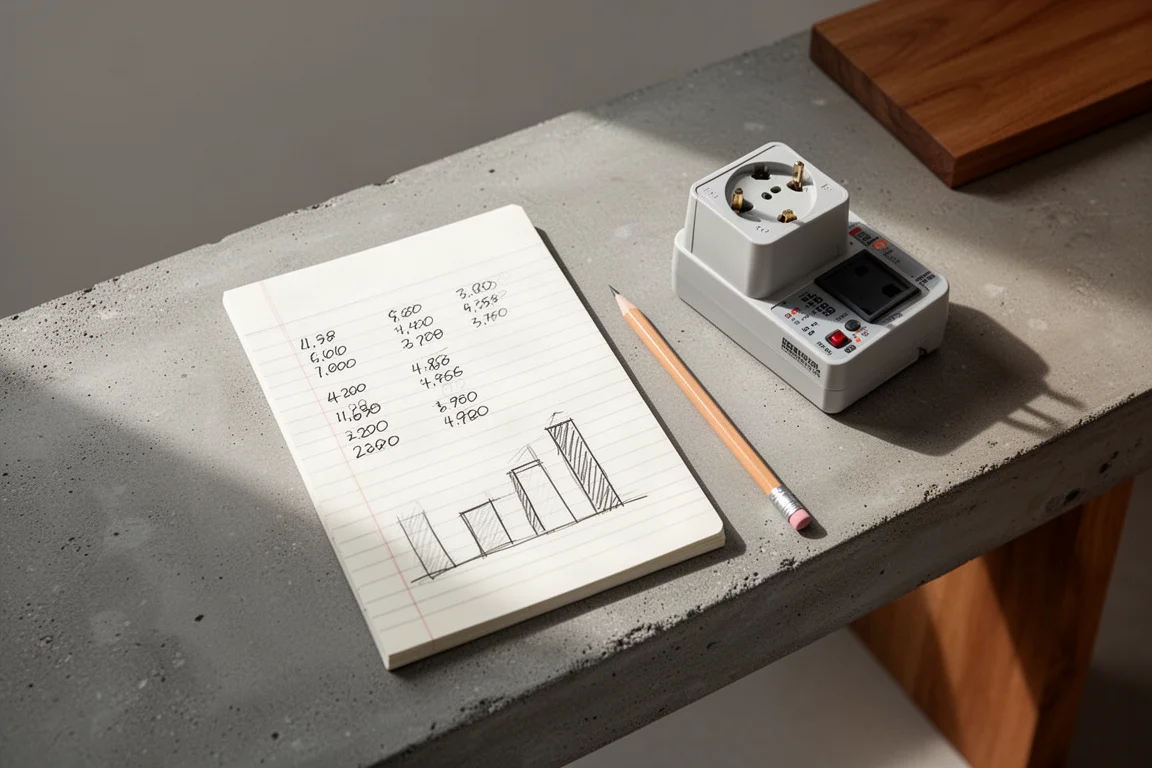
Power draw was 84 watts with just the fan running, and 526 watts with the compressor active. A shortened test used 2,148 watts and produced 210 watts per cup of water extracted.
For comparison, a Frigidaire retail unit managed 23.4 pints in 24 hours under the same conditions. That is seven pints less, but the efficiency gap is what really tells the story: 63 watts with a near-useless fan, 462 watts with the compressor, and 236 watts per cup of water in the same test, and that figure did not even include the secondary fan this unit requires. In practice, the cheaper retail machine costs more money per unit of water removed.
Official specifications claim 38 pints per day at 90 degrees and 90% humidity, and 70 pints per day at 80 degrees and 60% humidity. Those ratings describe conditions that few basements ever reach; hot, humid states with warm lower levels would come closer to them. For the ideal indoor range of 45 to 65% relative humidity, the real-world test figures above are the ones worth trusting.
Things to Consider Before Buying
The main hesitation is the upfront cost: this unit runs about double what a decent retail dehumidifier costs. That is a real barrier if the budget is tight. There is also a durability caveat worth stating honestly: 522 hours of testing is a meaningful sample but not a multi-year verdict, so long-term reliability claims rest on build quality rather than years of proven service.
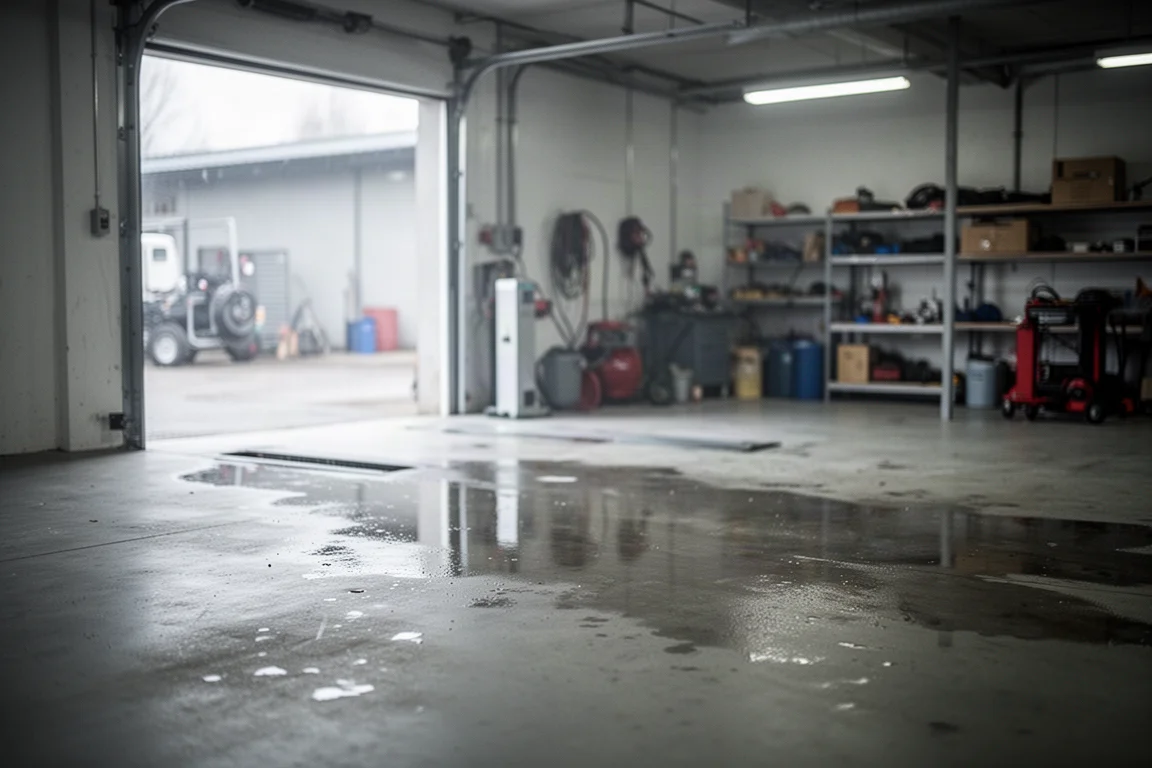
On the plus side, the coverage footprint is impressive. A shop of roughly 4,300 square feet stayed noticeably drier without needing a secondary fan running constantly. Fans only came back into play after heavy rainstorms or during heavy use of the wash bay, when extra evaporation needed help moving.
Practical accessories round out the ownership experience: the wipe-clean filter, the optional pump for long-distance drainage, and the hose hookup for hands-off continuous operation all reduce day-to-day maintenance.
Buying Advice
For anyone in a cooler climate running a basement or workshop where humidity sits in the 40 to 60% range, this unit’s efficiency at those conditions is the core argument. Retail units are typically rated for warmer, more humid conditions than real basements ever see, so their claimed numbers flatter them and their real performance disappoints.
If a budget dehumidifier has lasted three or four years, that is genuinely great, but the repeated experience here suggests most do not. If the thought of spending more upfront is uncomfortable, weigh it against buying two or three replacements over the same period and paying more in electricity for each one.
Conclusion
The SeedMax Eco H70 is not cheap, and it does not pretend to be. What it offers instead is a sturdier build, a strong fan that removes the need for secondary air circulation, quieter operation than expected, and measured efficiency that beats a retail competitor even before accounting for that competitor’s extra fan. For basements, workshops, and storage spaces in the 4,000-plus square foot range, it is a case where paying more upfront looks like the cheaper path over time.
Product link
View more details for SeedMax Eco H70
This product is mentioned in the review. Check the specifications, options, and compatibility before buying.
View more details for SeedMax Eco H70Further reading
Related Reviews

Home Appliances
Best Upright Vacuums 2026: Top Picks for Every Budget
We tested 23 plus upright vacuums to find the best performers across cleaning, sealing, usability, and value. These are the models worth considering.

Home Appliances
Best Vacuums 2024: Top Picks for Every Floor Type and Budget
A data-driven roundup of the best upright, cordless, and robot vacuums of 2024, with performance scores and buying advice for every budget.

Home Appliances
Best Vacuums 2026: Budget to Premium Roundup
Eight vacuums tested across carpet, hard floors, hair wrap, crevice cleaning, and air filtration. Find out which budget model beats the premium flagships.