Snowboards
Season Aero Snowboard Review: A Directional Freeride Board Built for Powder and Speed
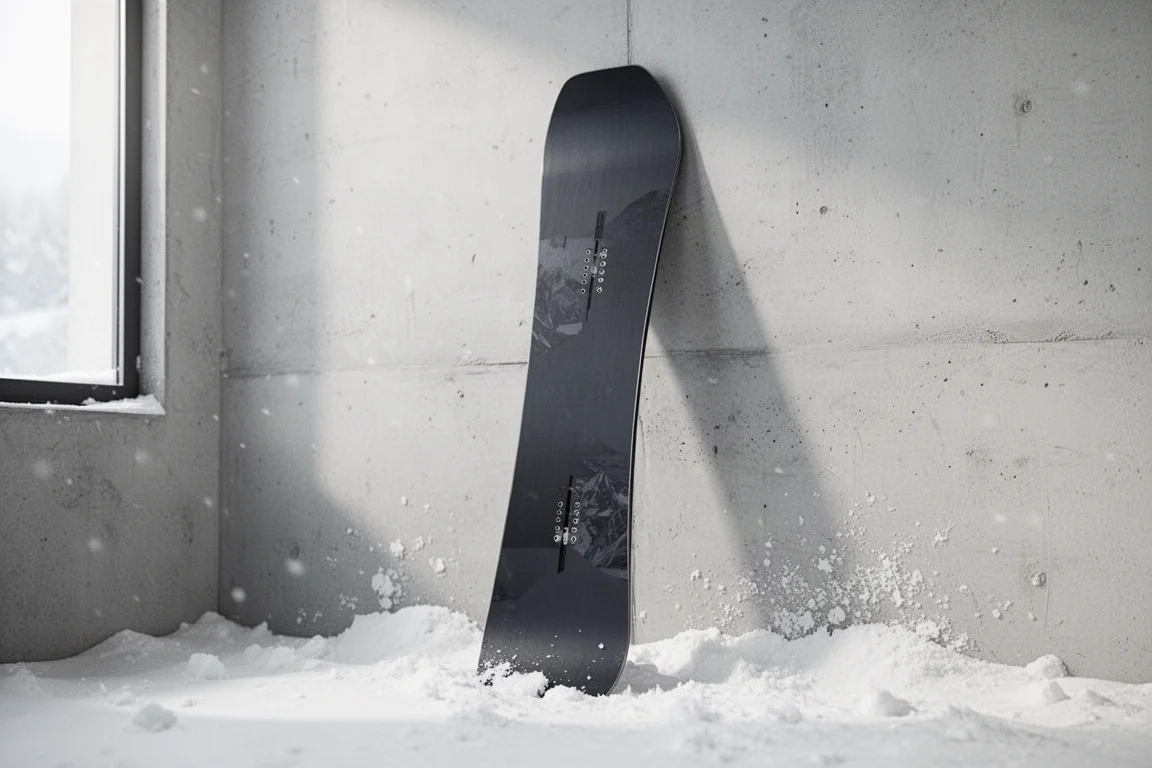
The Season Aero is a fully directional, camber-dominant freeride snowboard with powder-first geometry, strong carving stability, and an aggressive character best suited to experienced riders.
Introduction
The Season Aero sits at the freeride and powder-focused end of the Season Equipment lineup, and after a full day of testing in deep powder and resort groomers, its character is easy to sum up: aggressive, stable, and genuinely fun when pointed at steep terrain and untracked snow. This review breaks down the board’s tech, how it rides in different conditions, and who should actually put money down on it.
Who This Board Is For
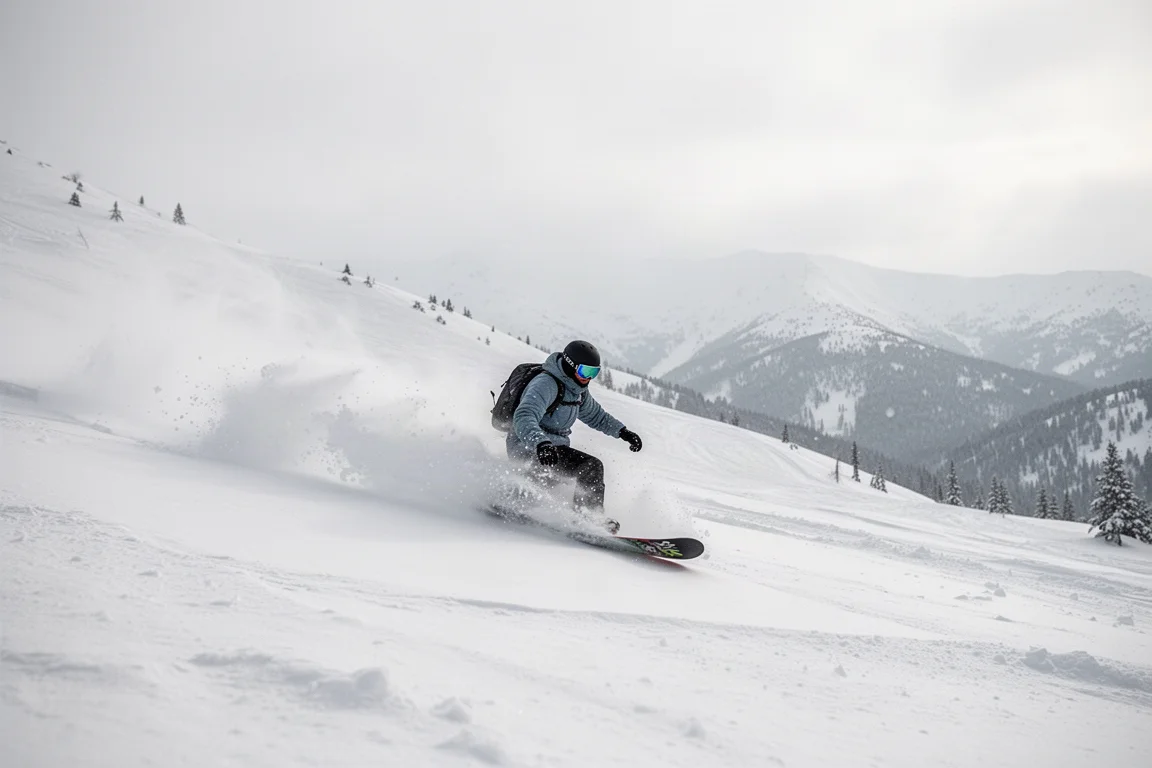
The Aero is a specialized board aimed at more experienced riders. It shines when you are exploring the alpine, dipping into trees, hunting for natural features on a powder day, or riding faster through variable terrain. If your days are mostly mellow groomer laps and casual cruising, this is probably more board than you need.
Key Tech and Construction
The Aero is fully directional, with a significantly longer nose than tail that adds surface area up front for better float in soft snow. A half-centimeter taper narrows the tail relative to the nose, and the bindings sit 1.25 centimeters setback, keeping your weight naturally toward the back. Together, these elements make floating in powder feel easier and more efficient.
The board is camber dominant with essentially full positive camber, delivering an energetic, precise, snappy feel. A small rocker release in both nose and tail helps the nose plane up in powder and mellows the board out on hard pack, making it a little less catchy while keeping that positive camber character.
Season builds the Aero with 360-degree double damping ABS sidewalls that wrap fully around the board, helping to smooth out vibration in variable snow and bumps so it is more comfortable on your feet and knees. There is also a steel skid plate on the tail for added durability, which can even throw the occasional spark on rocks in spring conditions.
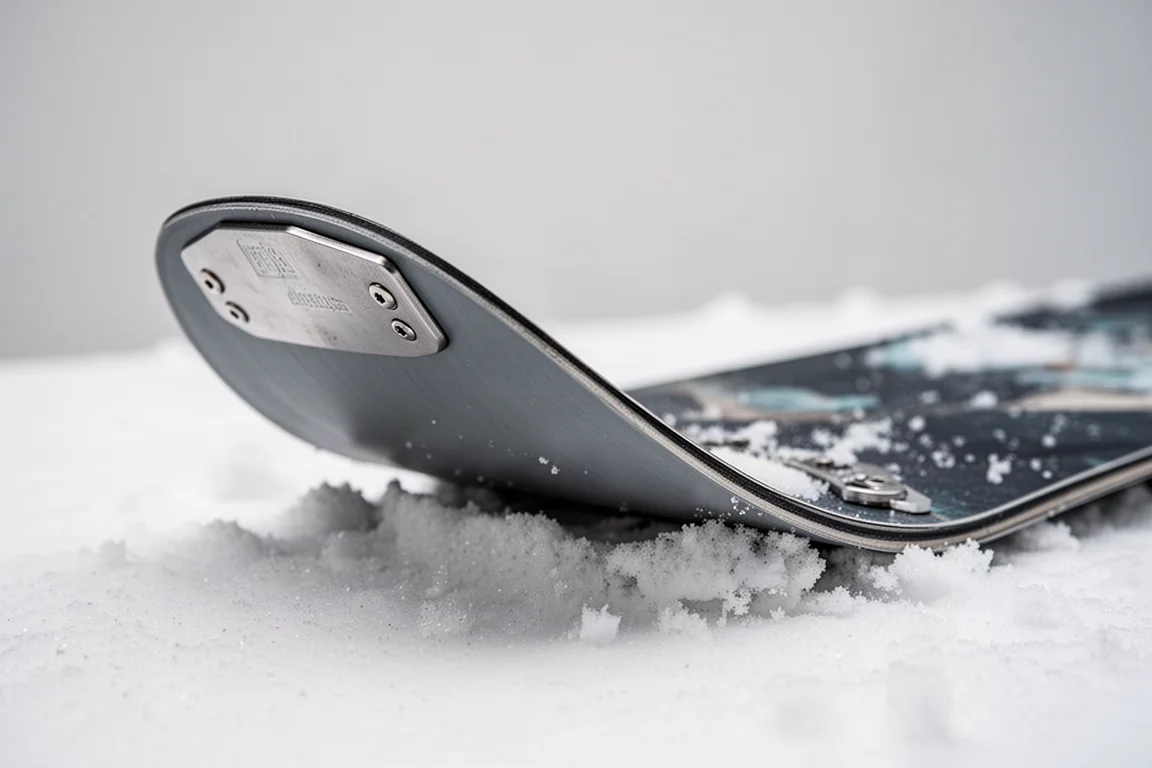
The board runs a sintered base, which is a harder, faster, and more durable material than an extruded base. It does need regular waxing to maintain a fast, consistent glide, but it is good to see a higher-end base spec on a freeride board like this.
One practical note: Season Equipment designs its entire line as gender inclusive. There are no separate men’s and women’s models, just shape, design, and feel offered in a wide size range. The Aero runs from 145 all the way up to 163 wide, so most riders can find a fit.
Flex, Pop and Freestyle Feel
Season claims the Aero sits on the stiffer side of medium with a consistent flex throughout. At around 150 pounds riding the 154, it feels closer to a true mid flex, though it still delivers plenty of precision, stability, and an aggressive overall feel.
Butters and flat-ground tricks are not this board’s priority. The consistent flex makes the tail sturdy and the nose supportive, but that same camber-dominant profile means you are fighting the board when you press, so it takes more effort to work on the snow. It is aggressive enough that you will want clean edge control when trying flat-ground tricks, or you risk catching an edge.
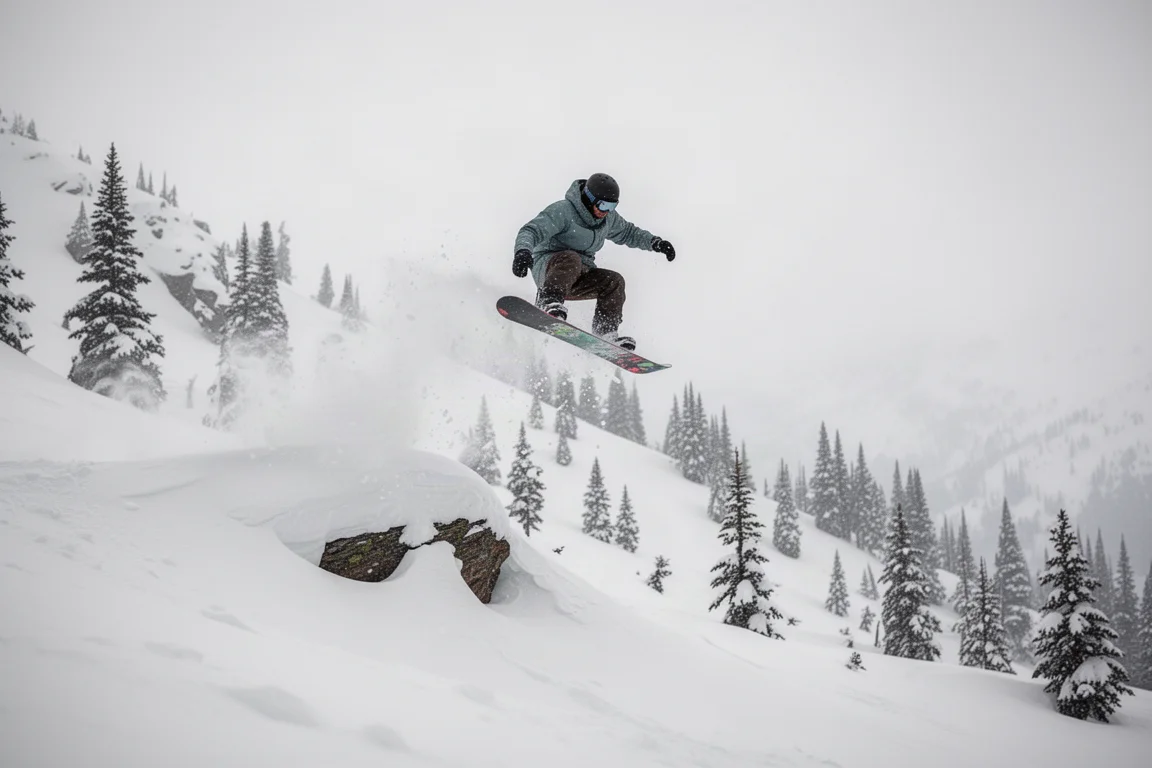
The flip side is pop. Load tension into the nose or tail and the Aero gives it back with a nice boost, whether you are ollieing a roller, getting onto a feature, or clearing jumps. In the park it is far more fun on jumps than rails: there is plenty of stability for larger features and bigger gaps, and it is forgiving if you land a little back seat, helping you get back to flat. Rails are a different story, with a fairly stiff torsional flex that feels a bit twitchy and can be sketchy unless you are already comfortable on rails on a stiffer board. Treat park time with this directional board as a novelty rather than a freestyle progression tool.
Carving and High-Speed Stability
Carving is a genuine highlight. The Aero stays stable and confidence-inspiring even at high speeds when you are bombing down groomers. The 154 has a relatively tight 7.3-meter sidecut for a freeride board, but at 25 centimeters at the waist it is fairly narrow, so it is not targeting aggressive euro-carve riders who lean the board way over at extreme edge angles.
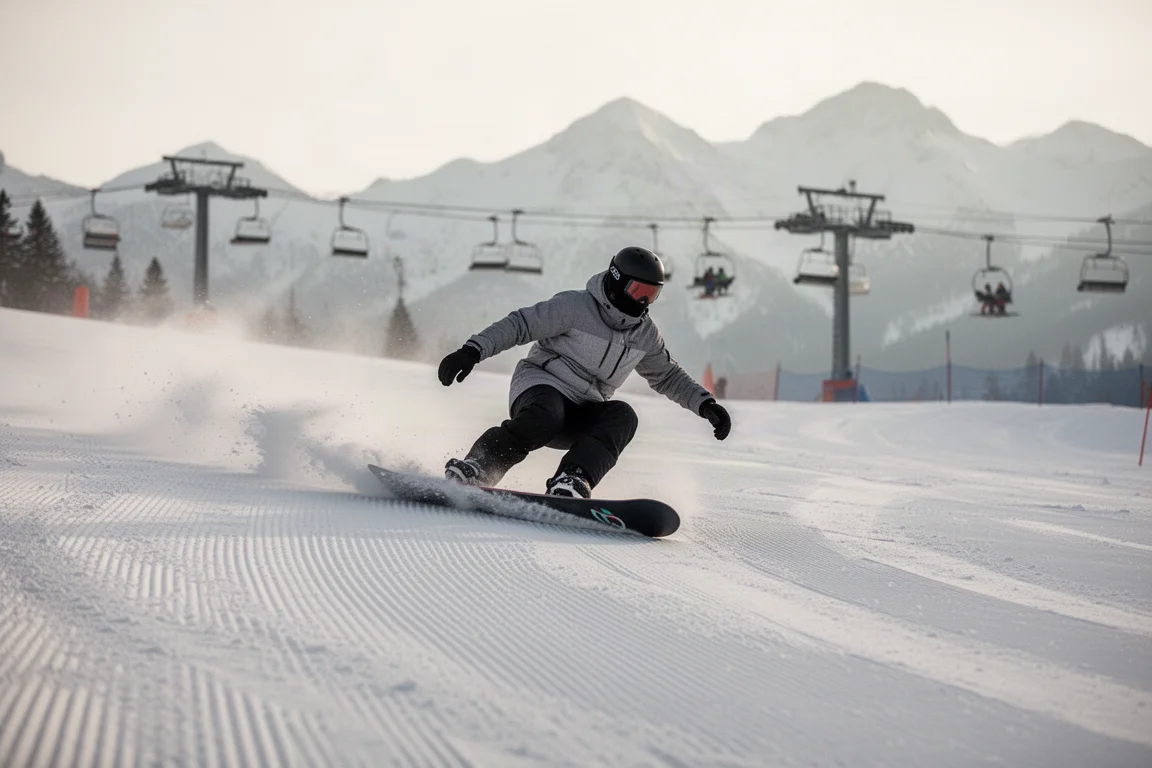
If your goal is charging hard around the resort, pointing it down steeper lines, and riding fast with confidence, the Aero comes through solidly. On powder specifically, it floats well and feels nimble in deep snow, especially as speeds increase. At moderate speeds it does not float quite as well as the Nexus or Forma in the Season lineup, but for steeper, more demanding backcountry lines and alpine exploration, the Aero is the stronger pick of the three.
Things to Consider Before Buying
This is an aggressive board, and that shapes the whole ownership experience. Expect a demanding ride on rails, a fight when you try to butter, and a base that demands regular waxing. None of these are dealbreakers for the right rider, but they are real trade-offs compared with a more all-mountain-friendly board.
Buying Advice
If you are an experienced rider looking for a specialized board for powder days, tree lines, alpine laps, and fast variable terrain, the Aero is easy to recommend. If you want a one-board quiver killer that is equally happy buttering flat ground and sliding rails, look elsewhere in the lineup or in the wider market.
Conclusion
The Season Aero rewards riders who know what they want from a directional freeride deck: efficient float, snappy camber energy, dependable high-speed stability, and real durability in the build. It asks for commitment in return, but for aggressive riders chasing powder and steep lines, it delivers exactly what it promises.
Product link
View more details for Season Aero
This product is mentioned in the review. Check the specifications, options, and compatibility before buying.
View more details for Season AeroFurther reading
Related Reviews

Snowboards
32 Middle Earth Scott Stevens Pro Model Snowboard Review: A Park Board With a Reversed Flex
A medium traditional camber park board with carbon V reinforcement that is stiffer in the tips and more playful between the feet. Here is how it rides and who it suits.

Snowboards
32 Snafu Review: A Directional All-Mountain Freestyle Board with Serious Pop
The 32 Snafu pairs a directional camber-rocker profile with a stiffening tail for powerful carves, big ollies, and a surprisingly damp ride.

Snowboards
32 XXX Pat Fava Pro Snowboard Review: A Stiff Camber Beast for Hard-Charging Riders
A full-width traditional camber deck that rewards aggression with stability and edge power, but demands effort everywhere else.