Backpacking Tents
Sea to Summit Telos TR2 vs Big Agnes Copper Spur HV UL2: Two Freestanding Backpacking Shelters Compared
A side-by-side look at two freestanding two-person backpacking shelters: packed weight, living space, storage, ventilation, and the trade-offs that decide which one fits your trips.
Introduction
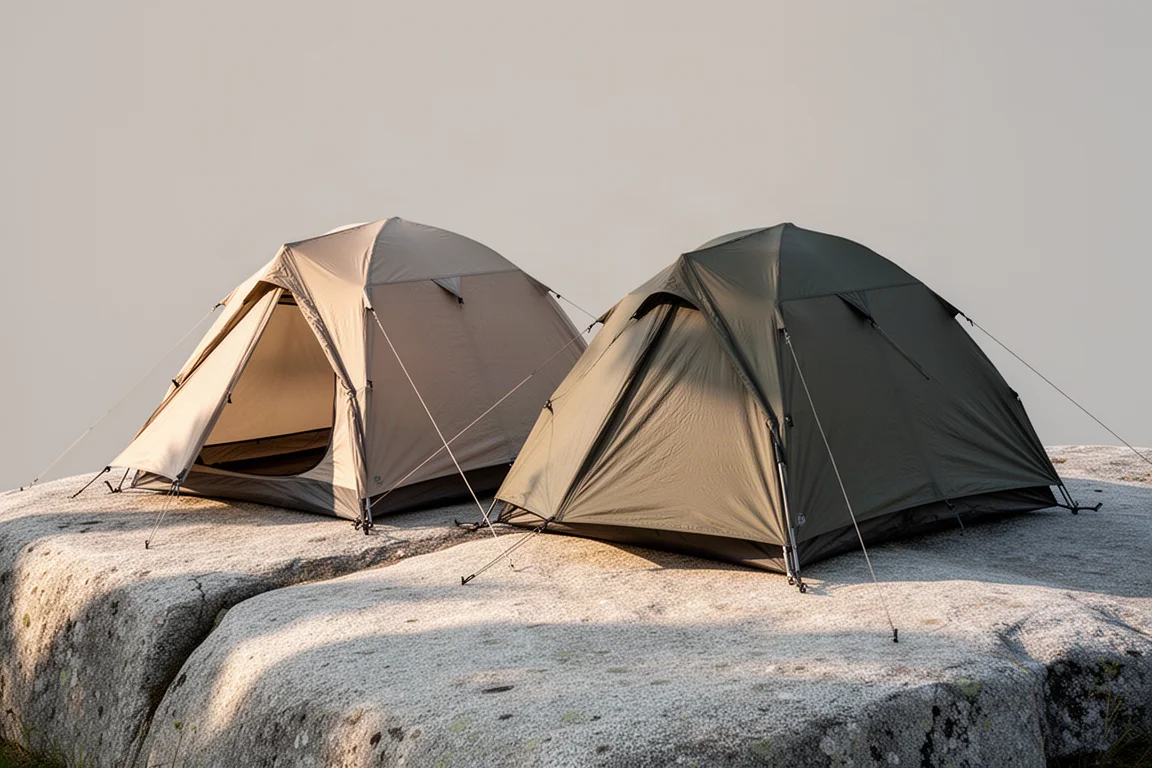
Two freestanding, double-wall, two-person shelters sit near the top of many backpackers’ shortlists: the Big Agnes Copper Spur HV UL2 and the Sea to Summit Telos TR2. Both are built to pitch quickly, to hold their shape without trees or perfect ground, and to keep two people comfortable across multi-day trips.
They are also close on the numbers. The Copper Spur HV UL2 is around $500 and 50 ounces packed, while the Telos TR2 is around $559 and 59 ounces packed. The differences that matter live in the details: how the walls are shaped, how much built-in storage each interior offers, how well each one ventilates, and how each behaves after a wet night.
This comparison walks through the design of both shelters, the strengths and trade-offs of each, and which kind of trip each one suits best.
What to Look For in a Freestanding Backpacking Shelter
Four things usually decide whether a freestanding shelter works for you across a full season: packed weight, interior living space, storage, and ventilation.
Packed weight sets how much you carry on every climb. Living space is about more than floor area, because wall angle and peak height determine whether you can sit up, change layers, and move around without fighting the fabric. Storage decides where wet jackets, headlamps, and small items end up. Ventilation decides how much condensation you wake up to on a cold, still night.
Weather protection, door and vestibule count, and price round out the picture. Both shelters here are double-wall designs with two doors and two vestibules, so the interesting comparisons are in the geometry and the smaller design choices.
Both tents are freestanding, which means they hold their shape with poles alone and only need staking for wind resistance and fly tension. That makes them easier to pitch on hard or rocky ground where stakes are difficult to place.
Big Agnes Copper Spur HV UL2: Room, Storage, and Weather Protection
The Copper Spur HV UL2 has been a reference point among freestanding two-person shelters for years. At 50 ounces packed it is the lighter of the two here, and it earns that weight through a long, efficient floor plan: 88 inches of length, 52 inches of width at the head end, and 42 inches at the foot end, with a 42-inch peak height.
That length is the standout number, and it accommodates tall hikers easily. The walls are fairly vertical, though less vertical than the Telos TR2, and the two-door, two-vestibule layout lets each person come and go on their own side.
The vestibule doors can be rigged as an awning, which is one of the few features that does not earn its keep in everyday use. The doors work perfectly well without it, and the double zippers make entry and exit quick either way.
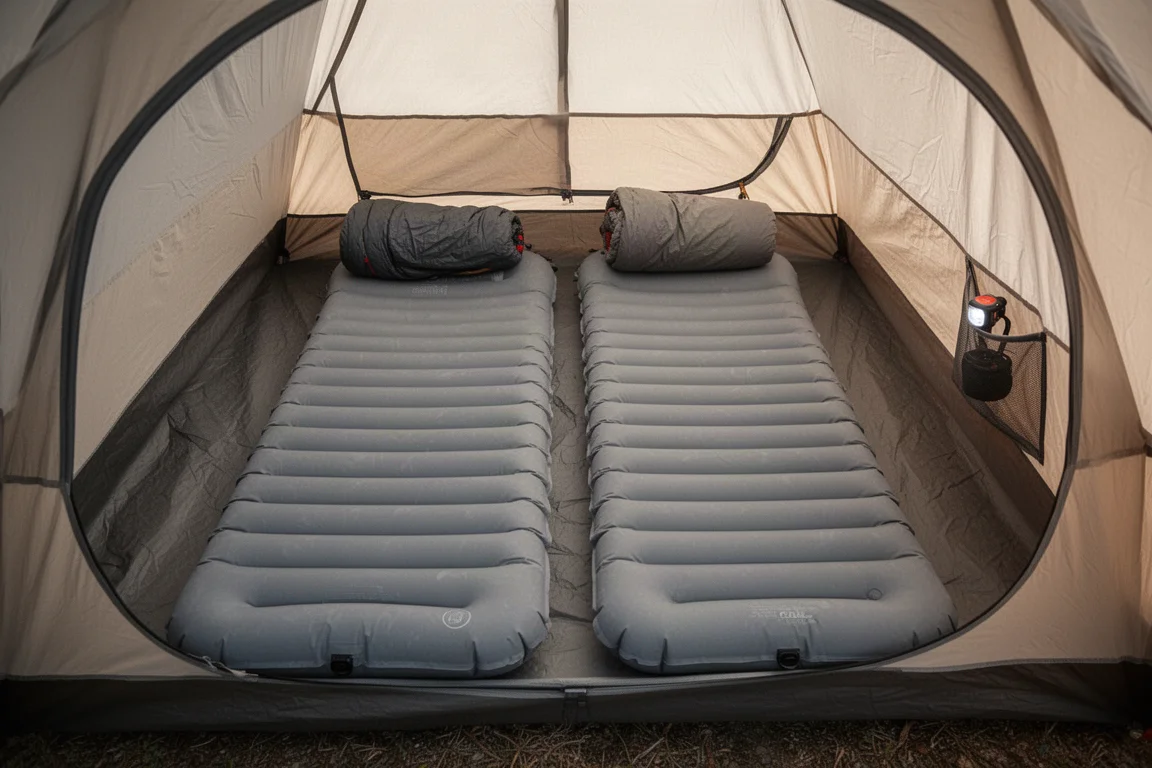
Where the Copper Spur pulls ahead is interior storage. A three-dimensional loft hangs overhead to lift gear off the floor, and there is a large pocket at the head end plus a pocket on each side. For two people sharing a shelter, that combination keeps small items organized and away from the sleeping area, and it is the kind of layout that makes the tent work well as a base camp shelter.
The trade-offs show up in tensioning. The fly and poles attach cleanly at the corners and the pole structure is solid, but the corner tie-outs are simple loops without line locks. Nylon stretches when it gets wet, so after a night of rain you cannot easily re-tension the fly and corners without undoing and re-staking. It is a small thing that becomes noticeable on wet trips.
In use, the Copper Spur handles weather well. It is stable, reliable, and it vents through a traditional peak vent that moves less air than the large vent design on the Telos TR2.
Sea to Summit Telos TR2: Vertical Space and Ventilation
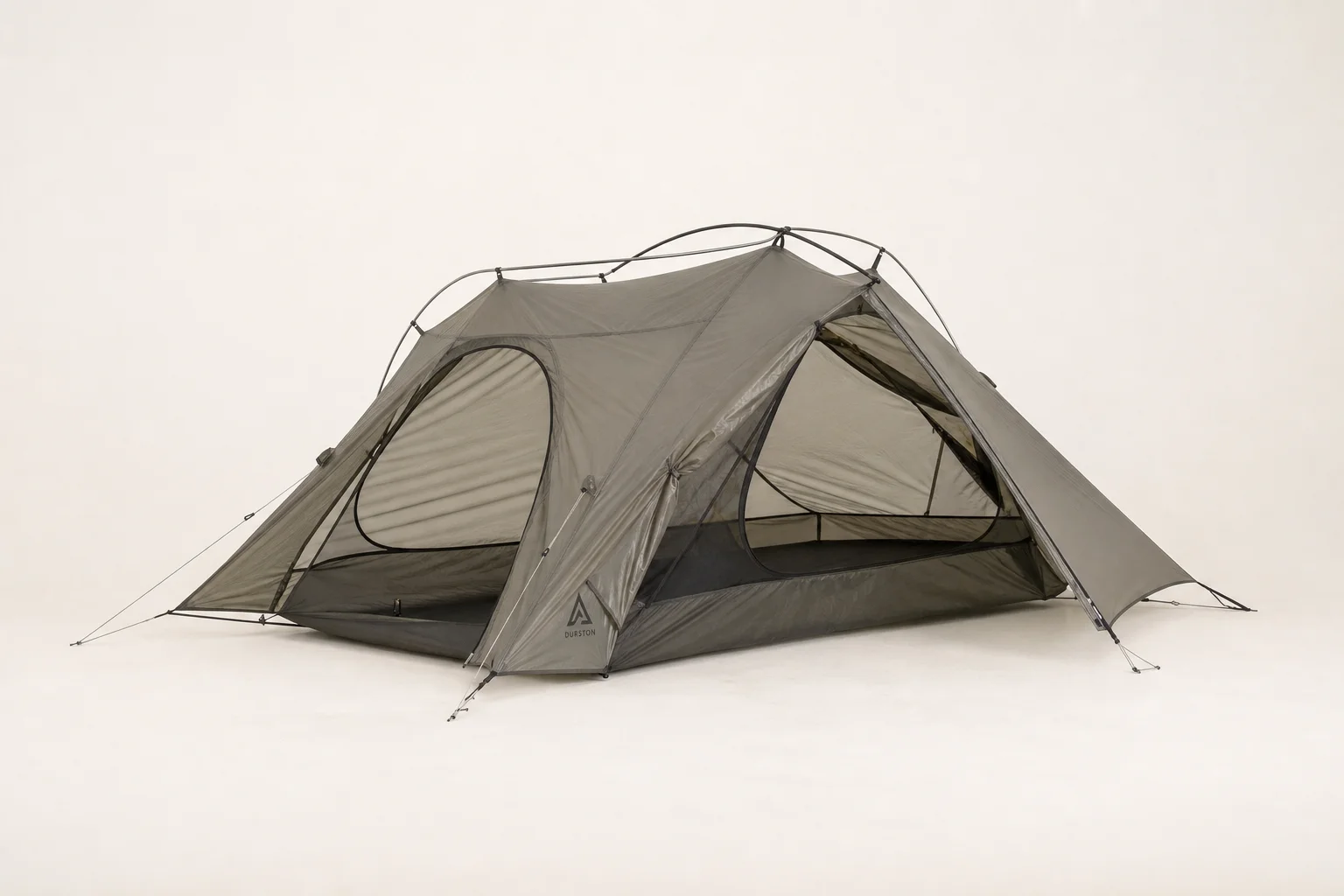
The Telos TR2 is newer to the market, and its most distinctive feature is the tension ridge pole design. Instead of a simple crossing arch, the poles raise an elevated wing across the peak of the shelter. The result is additional peak height across the entire width and noticeably more vertical walls, which translates into more usable interior volume for a similar footprint.
The dimensions sit close to the Copper Spur: 85 inches of length, 53 inches of width at the head end, 43 inches at the foot end. The shelter gives up three inches of length, which is unlikely to matter unless you are close to or over six feet tall. The head end is close to vertical and the foot end is very nearly vertical, so the space you gain is real sitting and changing space rather than a taper that disappears at shoulder height.
At 59 ounces packed, the Telos TR2 is nine ounces heavier, and it does not have a built-in overhead loft. Instead, the stuff sack is designed with clips so it can be hung from the head-end corner as additional gear storage, and there are two elevated pockets at the head end plus a tall bathtub floor. It is a practical arrangement, but it does not match the Copper Spur’s integrated storage.
Access is a strong point. The doors open wide for easy entry and exit, and even when you are coming in through the vestibule the vestibule space is generous. With two doors, each sleeper has their own side.
Ventilation is where the Telos TR2 holds a clear advantage. The tension ridge creates a large vent at the top of the shelter, and warm, moist air moves up through the body of the tent and out. The vent can be closed with a U-shaped zipper when driving rain is a concern, though that closure is only accessible from the outside.
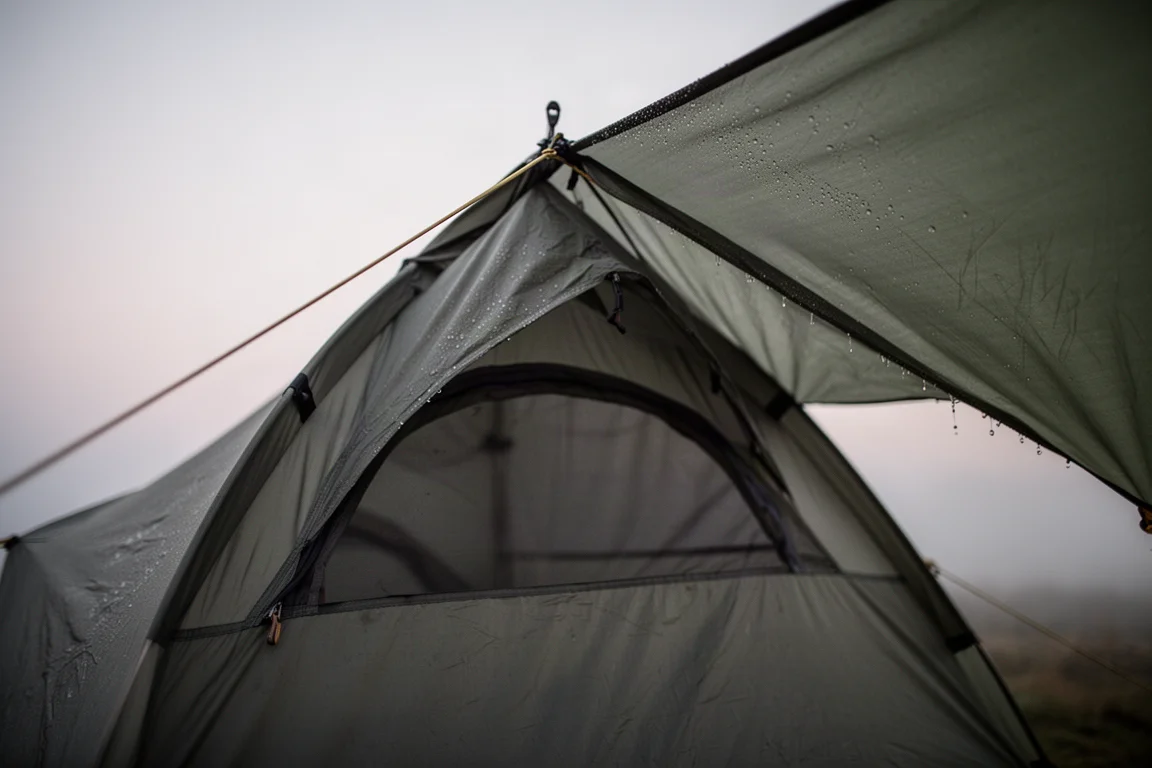
Weather performance holds up well. The Telos TR2 is strong and stable, and it behaves like a well-sorted freestanding shelter should when rain and gusts arrive.
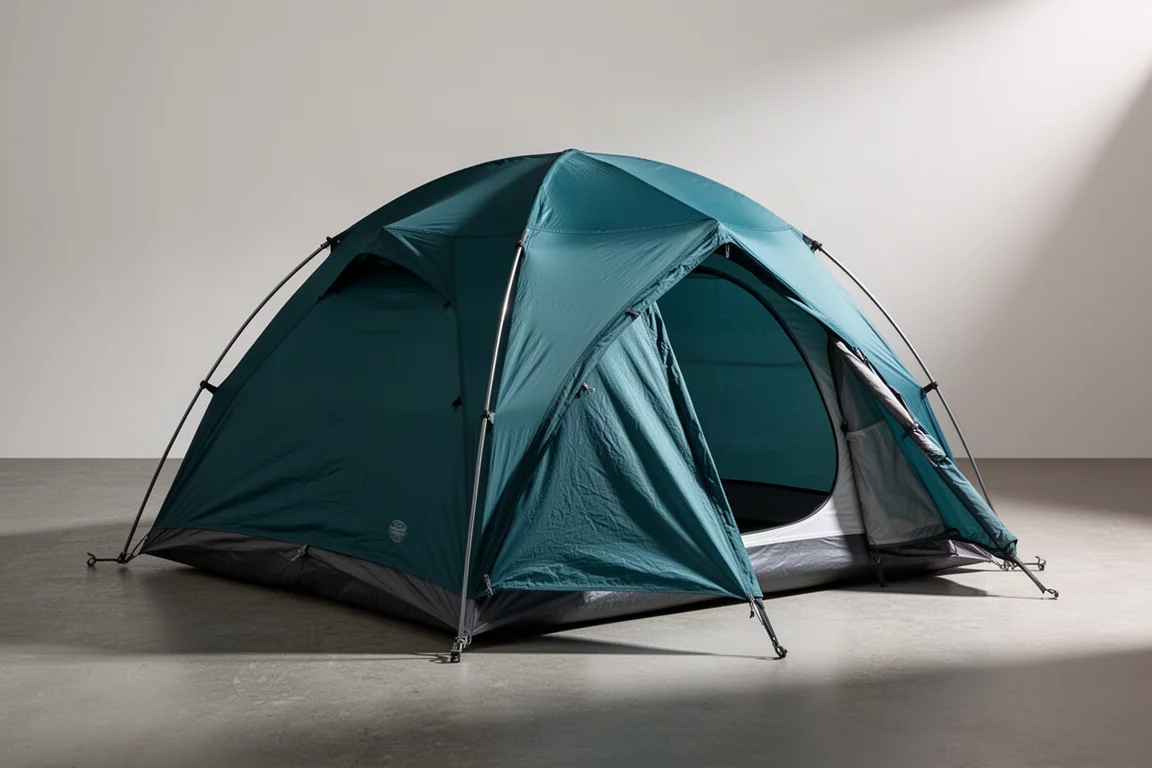
Weight and Packed Size Compared
The nine-ounce gap between 50 and 59 ounces is the most concrete difference between these two shelters. Nine ounces is a meaningful amount for long-distance backpacking and a minor one for short trips or base camp use.
Length is nearly identical at 88 and 85 inches, and width is within an inch at both the head and foot ends. Both shelters fall short in the same way for two people using wide pads: with 52 or 53 inches at the head end and 42 or 43 inches at the foot end, two 25-inch pads fit side by side at the head but crowd at the foot. Neither is a true two-wide-pad shelter in this size, and moving up to a three-person version is the only way to get that spacing.
Weather Protection and Ventilation Compared
Both shelters are double-wall designs, and both stand up to heavy rain, strong wind, and gusts. Neither is a fair-weather-only option, and both pitch taut on their pole structures.
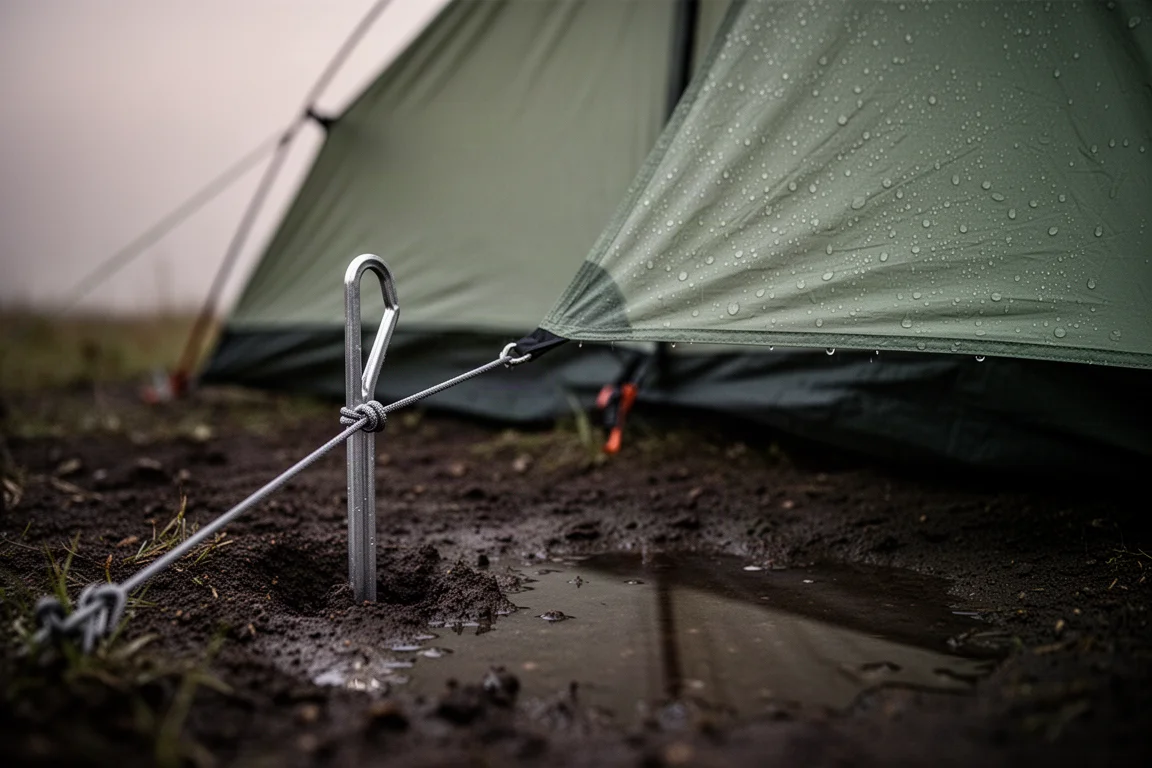
The difference is airflow. The Telos TR2’s tension ridge vent is large and moves noticeably more air through the shelter, which matters most on still, humid nights when condensation forms. The Copper Spur HV UL2 uses a traditional peak vent that is smaller and moves less air. The Telos vent can be sealed from outside when rain is blowing in, while the Copper Spur’s simple loop tie-outs cannot be re-tensioned after the nylon fly stretches in wet weather.
Sustainability and Brand Practices
For buyers who weigh production practices alongside field performance, Big Agnes publishes more detail about its efforts to reduce the footprint of its manufacturing. Sea to Summit does not publish comparable information on the same topic. That is worth knowing if sustainability reporting shapes how you choose gear, though it does not change how either shelter performs once you are out there.
Buying Advice: Which Shelter Suits Your Trip
There is no clear winner here, and the right choice comes down to which trade-offs you would rather carry.
Choose the Copper Spur HV UL2 if lighter packed weight and better built-in storage matter most. At 50 ounces and around $500, it is the lighter shelter, it has the longest floor in this comparison, and its overhead loft and pocket layout make it easy to keep two people organized.
Choose the Telos TR2 if interior volume and ventilation matter most. At 59 ounces and around $559, it gives up nine ounces in exchange for more vertical walls, extra peak height across the width, and a large peak vent that keeps condensation in check. The trade-off is that you will want to hang the stuff sack for gear storage rather than rely on a built-in loft.
Either way, you are getting a stable, weather-ready freestanding shelter that handles rain and gusty wind, sets up without trees or perfect ground, and works for backpacking trips where a reliable two-person tent is the priority.
Conclusion
The Copper Spur HV UL2 and the Telos TR2 sit close together on weight, dimensions, and price, and both are excellent freestanding shelters for two people. The Copper Spur wins on packed weight, floor length, and integrated storage. The Telos wins on vertical interior space and ventilation. Pick the one whose strengths line up with the trips you actually take, and either will serve you well season after season.
Further reading
Related Reviews
Backpacking Tents
3F UL Lanchan Pro 1 Review: A 1 lb 8 oz Single-Wall Trekking Pole Tent
A practical look at the 3F UL Lanchan Pro 1, a single-wall trekking pole shelter with a 1 lb 8 oz weight, 20D silnylon fabrics, and a roomy 90 x 31 x 49 inch interior.
Backpacking Tents
3F UL Taiji 2-Person Tent: A Convertible Backpacking Shelter Worth a Closer Look
A practical look at the 3F UL Taiji two-person tent, covering its materials, true two-person interior, fly-first pitching, and the seasonal inner swap that lets one shelter cover more of the year.
Backpacking Tents
3FUL Lanshan Twoerson Pro Review: A Light Trekking Pole Shelter That Struggled in Rain
A two-person trekking pole shelter with a 2026 redesign, pitched with sticks and put through a night of steady rain. Here is what worked, what did not, and what to check before buying.