Backpacking Tents
Sea to Summit Sentinel XP2 Review: A Winter-Ready Backpacking Tent Built for Bad Weather
The Sea to Summit Sentinel XP2 trades outright low weight for weather protection, liveable space, and genuinely flexible pitching. Here is what to know before buying.
Introduction
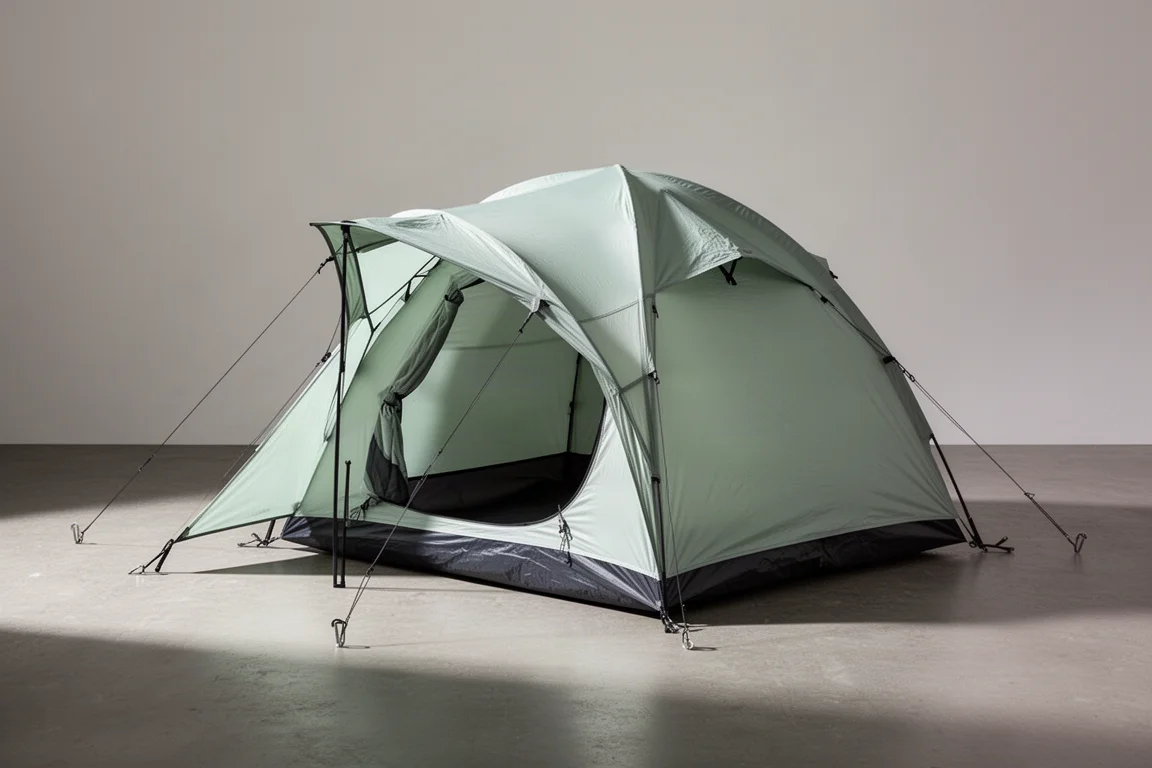
Sea to Summit brought the Sentinel XP series to market in winter rather than the usual spring tent season, and that timing tells you most of what you need to know. The Sentinel XP2 is not chasing the title of lightest tent on the market. It is designed as a place you can comfortably spend a long stretch of time inside when a storm rolls in and keeps you pinned down for a day, or several.
The range is offered in one, two and three person versions. The one person model is described as unusually spacious for its class, closer to a roomy solo-plus layout than a cramped bivy, while the two person version covered here is the middle of the line.
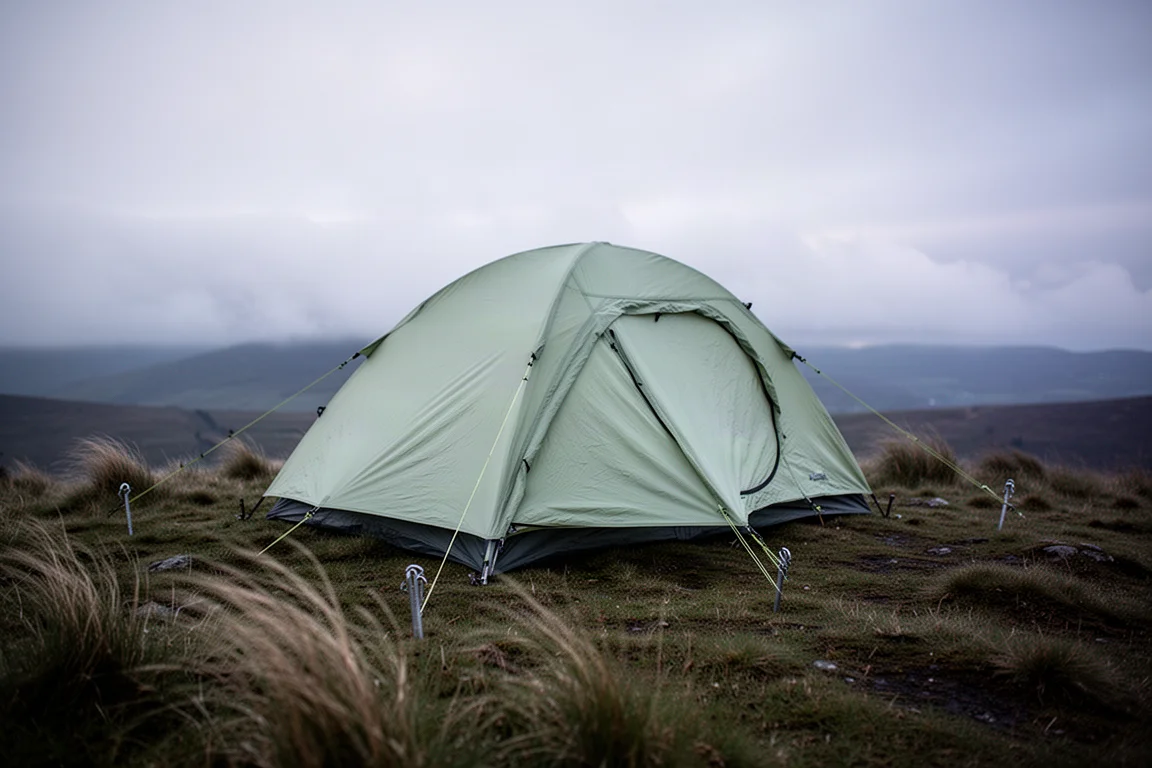
Four goals shaped the design: strong wind and weather protection, genuine liveability over long stays, adaptability to changing conditions, and easy pitching whether the inner or the outer goes up first. Those priorities come from the kind of weather found in Norway, Scotland and the UK uplands, where conditions can shift fast and a tent that cannot adapt becomes a liability.
Who This Tent Is For
This is a tent for backpackers who walk in changeable, exposed places and want one shelter that works across the year rather than a fair-weather summer tent. If your trips involve long approaches, uncertain forecasts, and the real possibility of spending a full day inside waiting out rain or wind, the Sentinel XP2 is aimed squarely at you.
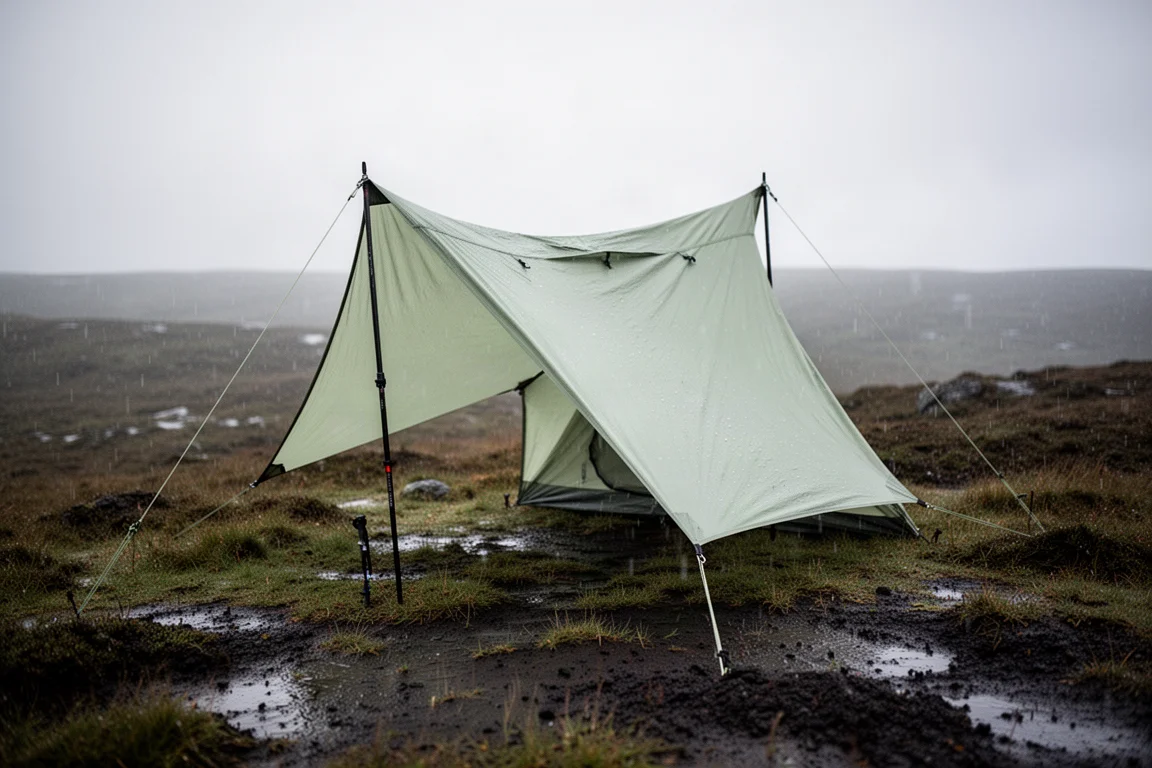
It also suits campers who care about how a tent feels from the inside. The flysheet colour is a pale frosty green, chosen so the interior stays bright on dark winter days without the harsh, glare-heavy feel of a yellow or red shelter. It reads as calm and legible rather than intense, which matters when you are spending long hours in the same small space.
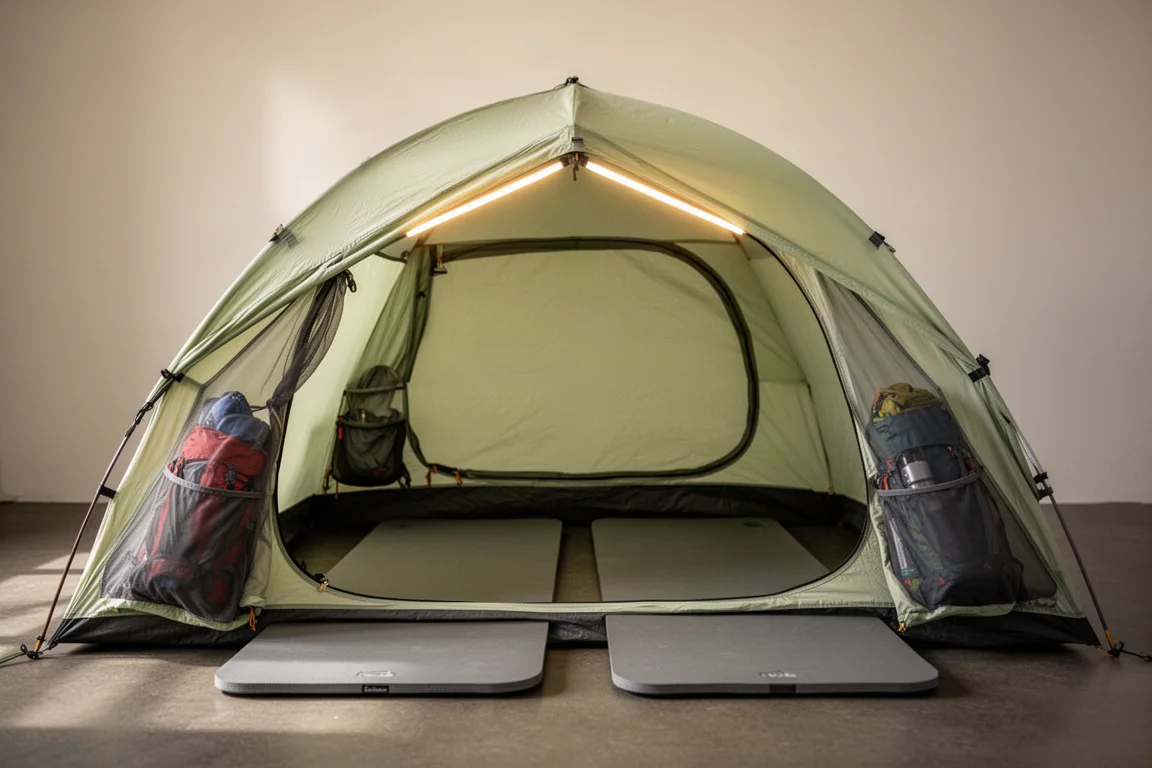
That emphasis on interior comfort runs through the details rather than sitting in the marketing. Storage, headroom and light management are all treated as part of the weather protection story, on the basis that a tent you can live in properly is a tent you will keep using in conditions that would send lighter shelters back to the car.
Weather Protection and Materials
The floor is the centrepiece of the build. Sea to Summit rates it at 25,000 mm hydrostatic head or higher, a substantial step beyond the 1,500 to 2,000 mm typical of many lightweight backpacking tents, and the material reportedly took over a year of development on its own. It feels noticeably more substantial when you roll the tent out, which may let some campers leave the groundsheet at home and save weight elsewhere.
That floor also turns up higher at the edges in a bathtub shape, so water running across the ground is less likely to find its way in. Above it, the inner combines mesh with fabric, and the fabric section runs higher than is common, adding splash resistance where it counts while the mesh above preserves airflow and keeps the overall weight down.
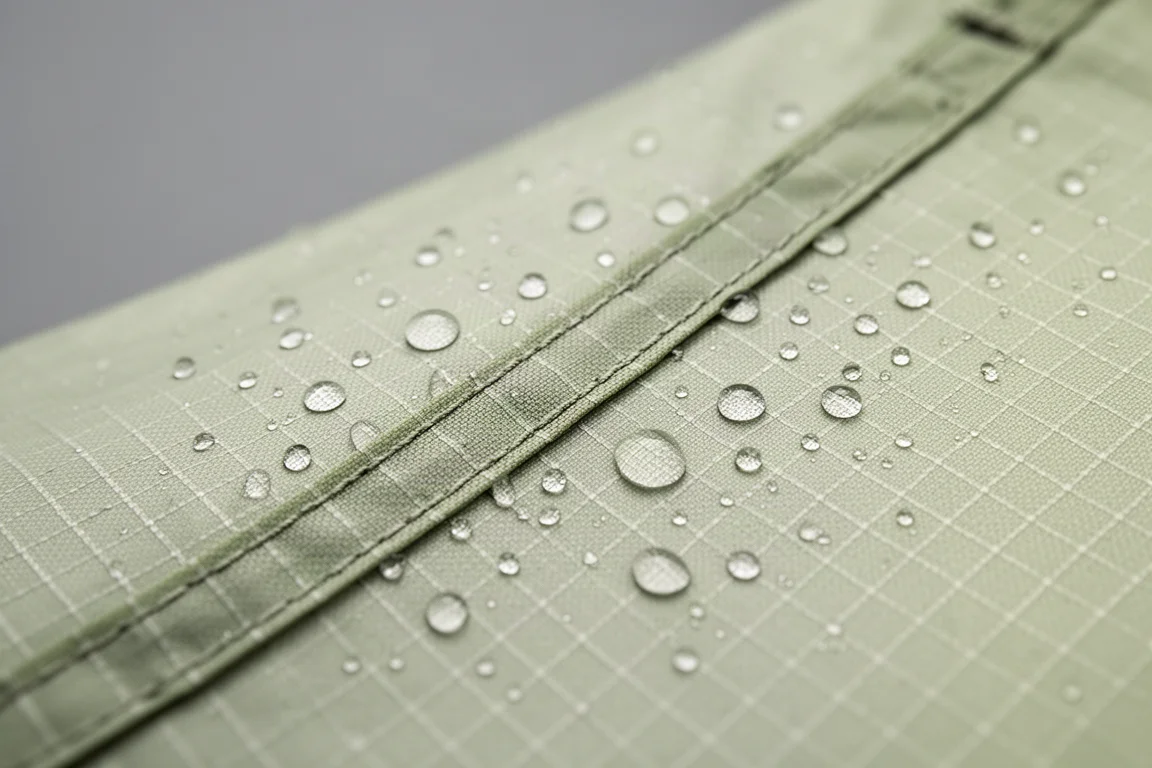
The flysheet is a different brief, rated at 2,000 mm hydrostatic head and built from a low-stretch ripstop polyester and nylon blend in 30D and 50D. Low stretch is the interesting part. Fabrics that sag when they wet out and dry again can go floppy, and a floppy flysheet starts flapping, which is when pole structures and seams come under real stress. A flysheet that holds its shape keeps the whole shelter working as intended. In wind tunnel testing, the design reportedly withstood 80 km/h, roughly 50 mph, which is strong for a tent at this weight.
The result sits between two categories. Expedition-style tents are typically heavier and more involved to pitch, while dedicated mountain tents are lighter but often small inside and less pleasant to spend time in. The Sentinel XP2 is a deliberate compromise between those two approaches.
Liveability and Interior Space
The floor plan is rectangular rather than tapered, which means rectangular sleeping mats fit properly and two occupants can lie side by side without negotiating over the narrow end. A person of around 6 ft 4 in can sit up and move around with room to spare, and the door opens unusually wide, exposing an extended base area that makes the living space feel considerably larger than the footprint suggests.
Symmetry is a theme throughout. There are two doors and two porches, so neither occupant has to climb over the other, and the vestibules are large enough for boots, packs and cooking out of the weather. The pole sleeve doubles as a light bar, so a head torch slots in and illuminates the interior without hanging awkwardly from the roof. Two large side pockets take a book, a head torch and loose kit, and a row of small hooks along the top edge gives you somewhere to hang a lantern or a damp layer.
Ventilation is adjustable without leaving the tent. The flysheet can be rolled back on a clear evening to open up the view and increase airflow while the mesh inner keeps insects out, and it can be closed again from inside.
Pitching, Adaptability, and Stability
Pitching is one of the strongest arguments for this tent. It can go up inner first or outer first, and the outer-first option is genuinely practical rather than a claim that collapses into a wrestling match in the rain. All the hardware at the pole ends is metal, with no plastic to crack in cold conditions, and the buckles take the pole tips directly, so you can raise the structure and then tension it down afterwards.
The pole set uses high quality DAC poles with a simple central hub, and the sections are colour coded. Everything comes off a single middle section, which makes assembly quick and hard to get wrong.
Over the vestibule sits a short overhanging bar, and it does more than add headroom. It extends past the door line, giving the inner far more usable space than a conventional steep-sided profile. It also gives the pole a place to exit through the vent while you peg the tent out, so you are not crawling back inside to hunt for a clip you missed. That same vent, called the airlift vent, opens and closes from inside or outside for cross-flow on warmer days, and it appears on both sides.
The overhang has a structural purpose too. Rather than simply being blown away, tents in extreme wind are often crushed from above, and the overhanging bar is designed to act as a counterbalance that spreads that load and helps the shelter stay standing. It is a thoughtful piece of design rather than a proven guarantee, but the logic is sound.
Stability can be extended further. A Velcro tab lets you attach a trekking pole to the overhanging bar for additional structure, and the guy lines use small boomerang hooks that store neatly in a bundle and can equalise two lines at once, so a tent that is already solid becomes noticeably more planted when the wind picks up. The pegs are robust, with eyelets that make them easier to handle in mud.
Adaptability goes beyond pitching direction. The flysheet can be pitched on its own as a simple shelter, and with trekking poles it can be raised into a hangout mode, a gazebo-like space to sit out a drizzly afternoon without retreating into the inner. Takedown is handled with the same care: you can unclip and pack the inner first while still under cover, put waterproofs on inside the remaining shelter, and leave the flysheet as the last thing to pack, so the inner stays dry.
Things to Consider Before Buying
The two person version weighs around 2.1 kg. That is a reasonable figure for what the tent offers, and it can be stripped down to something lighter, but it is not the lightest option in its class and Sea to Summit is not pretending otherwise. If your priority is the lowest possible pack weight, this is not the shelter that wins that comparison.
The inner uses a significant amount of mesh, which is excellent for ventilation and weight but requires care in cold, wet conditions. Pitching outer first solves most of that problem, and the process is straightforward, but it is worth knowing before you buy rather than discovering it on a wet hillside.
The airlift vent is a design argument rather than a demonstrated outcome, so treat the wind-crushing benefit as sensible engineering rather than a proven number. Hangout mode also depends on carrying trekking poles, which most backpackers will do but not all.
Buying Advice
The Sentinel XP2 makes the most sense for anyone who wants a single tent that can handle year-round backpacking in changeable, exposed conditions. If your trips involve long days of walking, unreliable forecasts and the occasional day stuck in camp, the extra weather protection and interior comfort justify the weight penalty over a dedicated summer shelter.
Size choice comes down to how you travel. The one person version is generous for solo use and worth a look if you want space to spread out, the two person version is comfortable for two adults sharing, and a three person version is available for larger groups or anyone who wants maximum room.
If you already carry trekking poles, you get the full benefit of the extra structure tab and hangout mode at no additional weight. If you do not, the tent still works exactly as designed, you simply lose a couple of the optional extras.
Conclusion
Sea to Summit set out to build a tent that is weatherproof, liveable, adaptable and easy to pitch, and the Sentinel XP2 delivers on all four without pretending to be something it is not. The 25,000 mm floor, the low-stretch flysheet, the metal hardware and the inner or outer first pitching all point in the same direction: a shelter that stays comfortable and intact when conditions turn.
It is not the lightest tent you can carry, and for many buyers that will be the only real trade-off. For backpackers who value protection, space and a genuinely pleasant place to wait out bad weather, it is a compelling option to build a kit around.
Product link
View more details for Sea to Summit Sentinel XP2
This product is mentioned in the review. Check the specifications, options, and compatibility before buying.
View more details for Sea to Summit Sentinel XP2Further reading
Related Reviews
Backpacking Tents
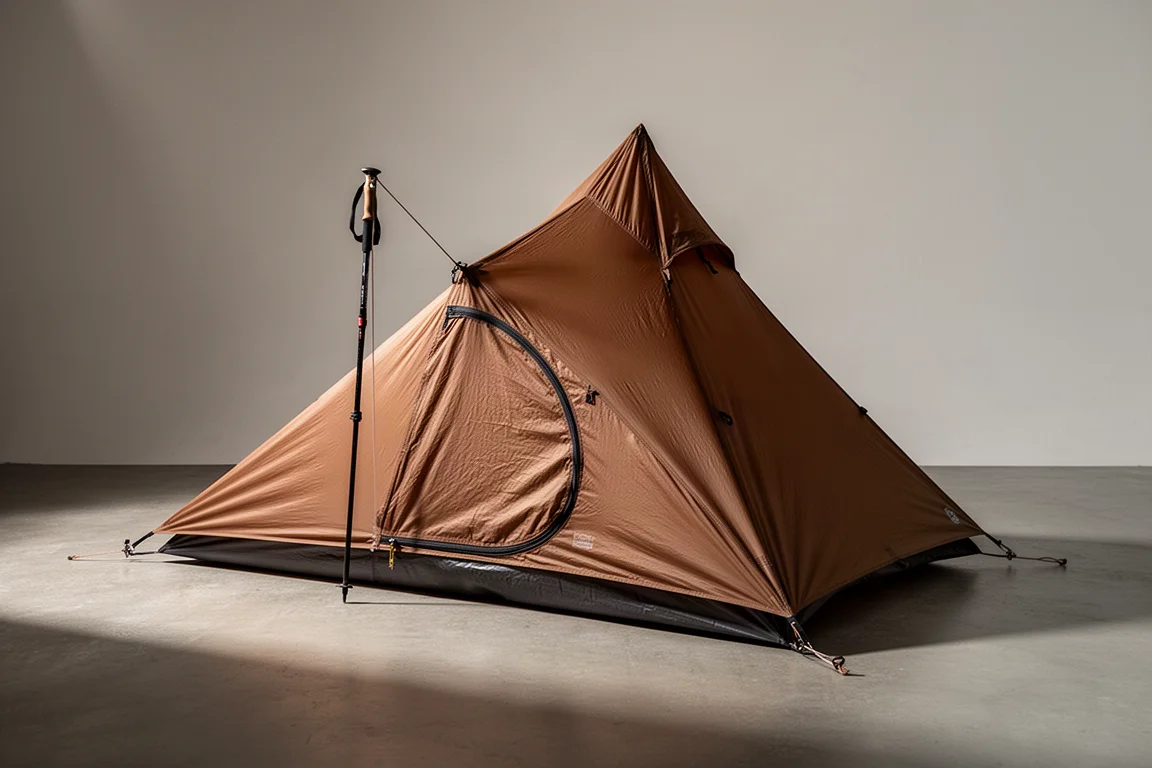
3F UL Lanchan Pro 1 Review: A 1 lb 8 oz Single-Wall Trekking Pole Tent
A practical look at the 3F UL Lanchan Pro 1, a single-wall trekking pole shelter with a 1 lb 8 oz weight, 20D silnylon fabrics, and a roomy 90 x 31 x 49 inch interior.
Backpacking Tents
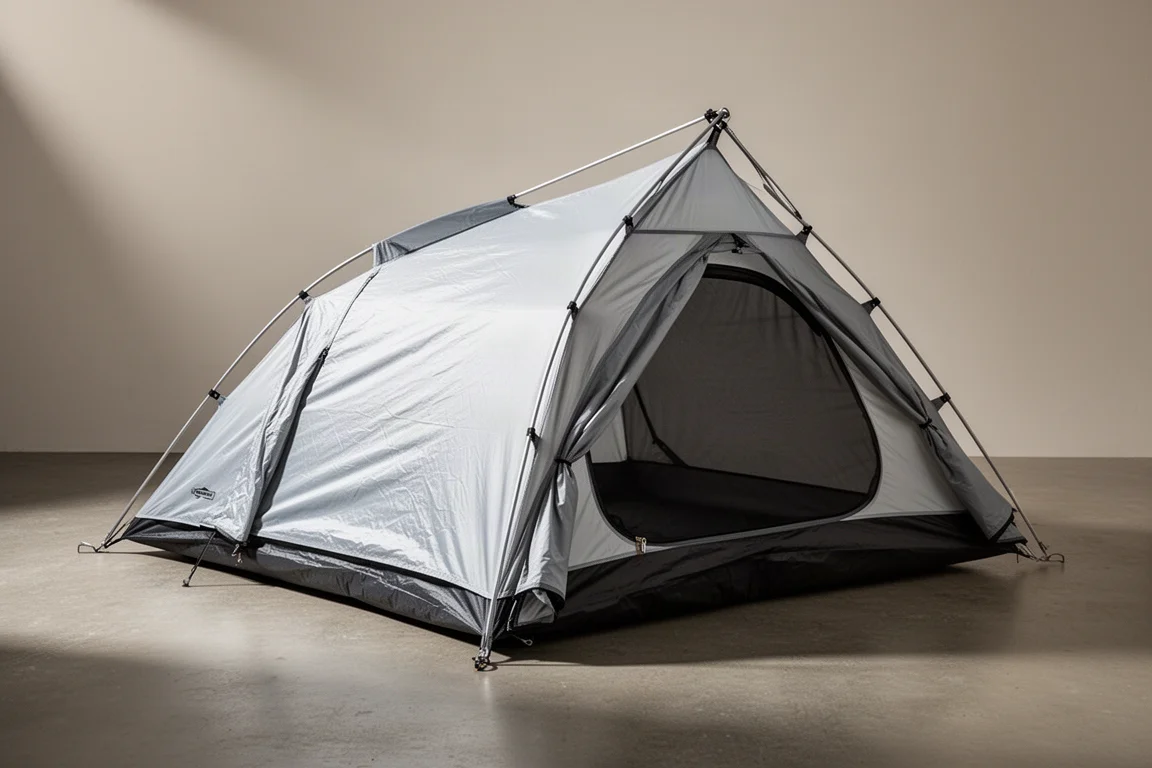
3F UL Taiji 2-Person Tent: A Convertible Backpacking Shelter Worth a Closer Look
A practical look at the 3F UL Taiji two-person tent, covering its materials, true two-person interior, fly-first pitching, and the seasonal inner swap that lets one shelter cover more of the year.
Backpacking Tents
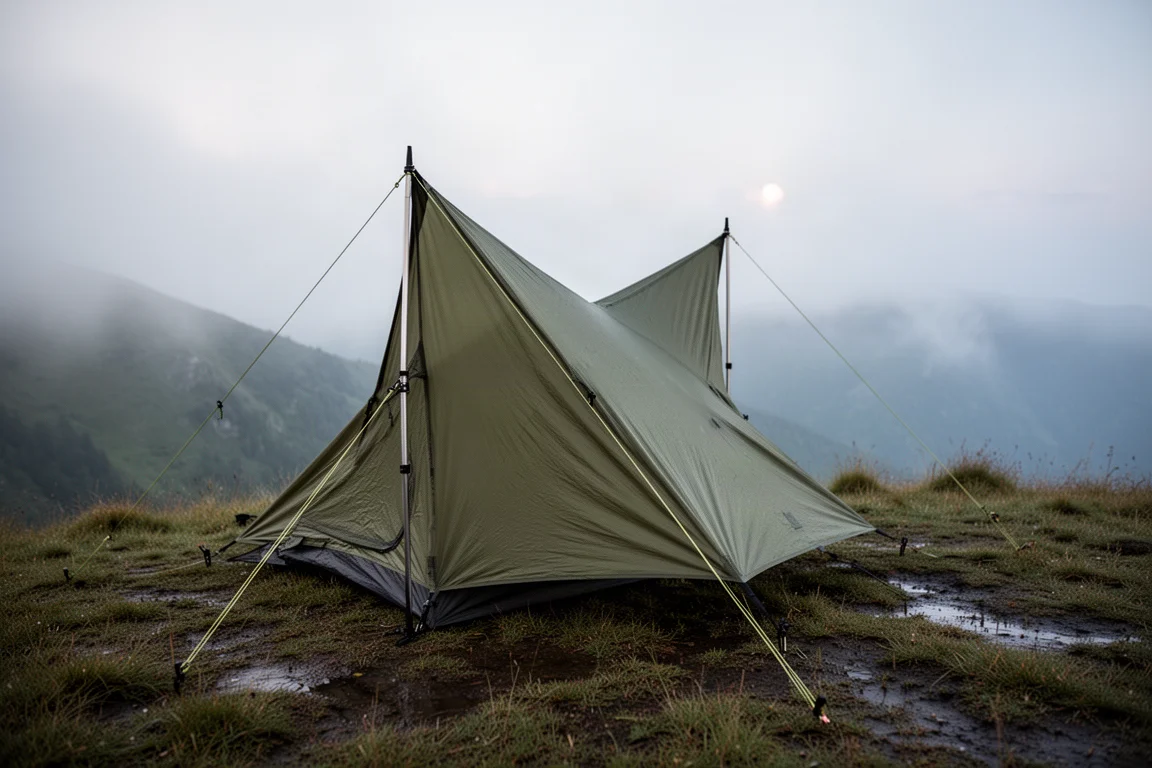
3FUL Lanshan Twoerson Pro Review: A Light Trekking Pole Shelter That Struggled in Rain
A two-person trekking pole shelter with a 2026 redesign, pitched with sticks and put through a night of steady rain. Here is what worked, what did not, and what to check before buying.