Trail Running Shoes
Scott Supertrac RC3 Review: A Fast, Connected Trail Racer With One Big Catch
The Scott Supertrac RC3 brings a new Matrix upper, refreshed Kinetic Light foam and a redesigned radial traction outsole, but the narrow fit demands a careful look before buying.
Introduction
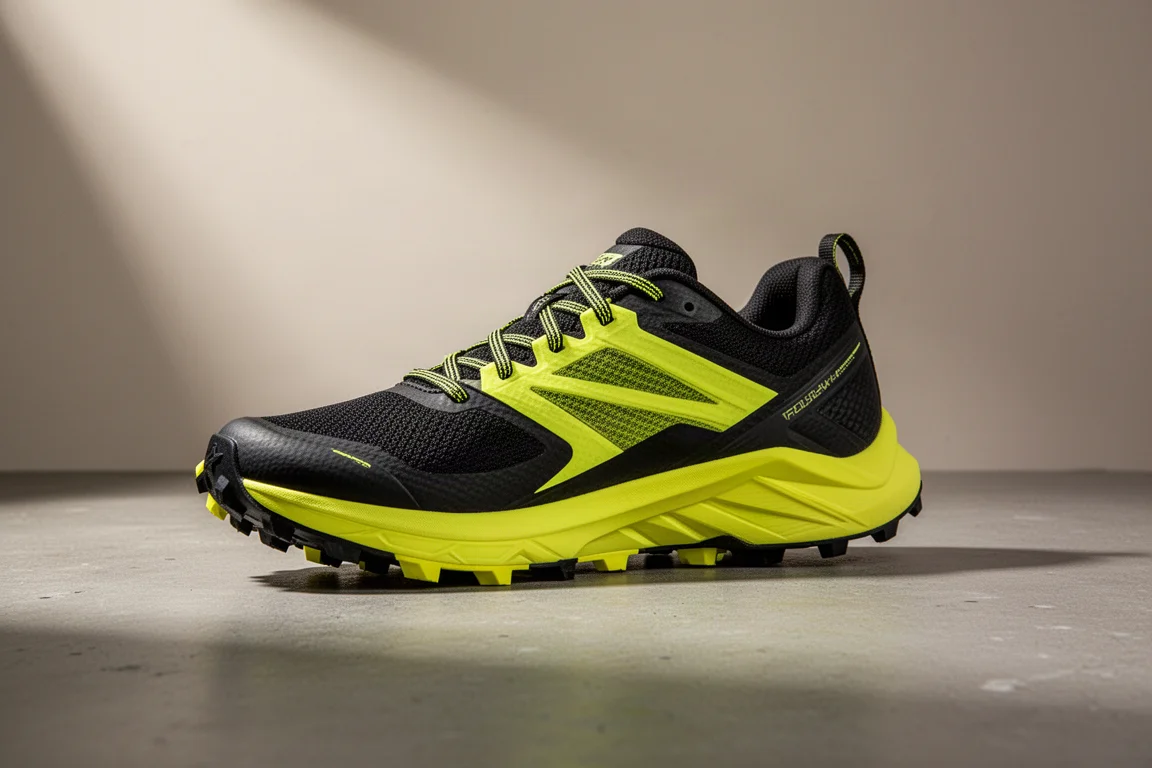
Scott trail running shoes have been a mixed experience over recent years. The Supertrac RC2 was a lightweight, nimble and responsive favorite that earned a spot on a 2021 top three trail shoe list, while the Kinabalu 3 was the opposite: heavy, stiff at the midfoot and with midsole foam so firm it felt like running in wooden clogs. That made the arrival of the new Supertrac RC3, in a striking black and safety yellow colorway, something to approach with both hope and caution.
This is very much a new shoe from the ground up. The RC3 introduces a new Matrix upper, a reworked midsole with Kinetic Light foam, and a redesigned radial traction outsole. After a first eight-mile outing on rooted, rocky and off-camber woodland trails, the early signs are genuinely encouraging, with one important caveat about fit.

Design and Construction
The Supertrac line has always been Scott’s fast, quick and responsive trail option, aimed at race day and quicker training sessions, and it has long been the shoe of choice for their elite athletes. The RC3 retails in the UK for £165 and keeps the racing pedigree intact.
Key numbers are distinctive. The midsole offers a 20mm stack height at the heel and 15.5mm under the forefoot, giving an unusual 4.5mm heel offset. Weight is a nice lightweight 253g in a men’s UK 9.5.
The upper is the biggest update. Scott has used Matrix material for the first time in one of its trail running shoes, and the result is a bootie design rather than a traditional tongue, closer to pulling on a sock than lacing up a shoe. An elasticated collar around the ankle helps keep trail debris out, and zonal padding down the center of the tongue area prevents laces digging into the top of the foot, a common complaint with bootie-style uppers.
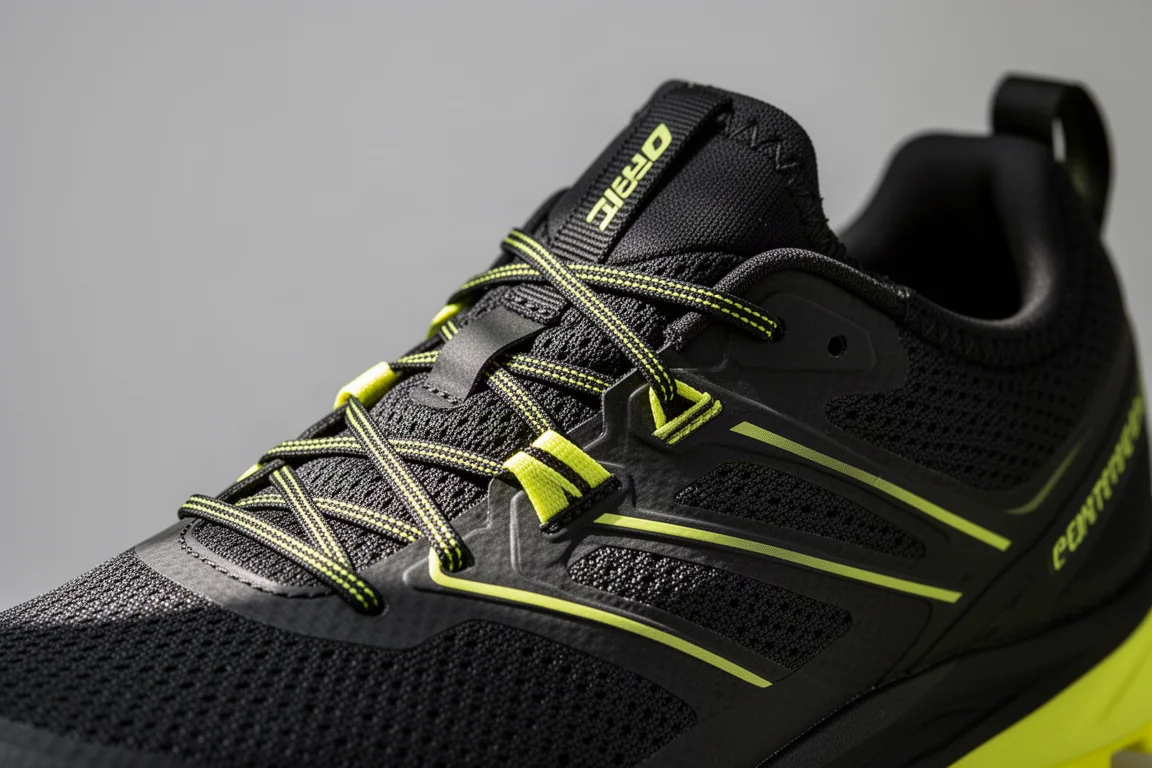
There is solid structure too, with a substantial heel cradle, overlays running from the heel along the midfoot, over the lace eyelets and wrapping around the toe box, plus a toe bumper up front for extra protection.
Underneath, the new Kinetic Light foam midsole is claimed by Scott to be lighter, more rebounding and more durable than before. On hand it feels soft and bouncy rather than firm, which is reassuring. Scott has also worked in its evolved rocker technology, developed over ten years of R&D, and the RC3 visibly carries more rocker geometry than the previous version.
On the Trail: First Run Impressions
Sizing is where this shoe needs careful attention. Tried on at home, the UK 9.5 felt true to size on length with good toe box room, but extremely narrow in width. The RC2 was already a narrow shoe, and the RC3 feels narrower still. Within the first mile of running, though, the upper started to give and the constriction eased off noticeably.
By the end of the eight-mile run, the upper was fitting well: a secure lockdown around the midfoot, a good hold in the heel and comfortable padding where it matters. There were no rubbing, hot spots or blisters at any point. The fit is genuinely glove-like, secure enough that the laces could arguably come out and the shoe would stay put.

On a technical, rooted, off-camber ridge line, the shoe felt light, nimble and responsive, with excellent ground feel and connection. The bootie construction and precision fit kept the foot locked in place on tricky terrain, in a way that recalls other lightweight performance race shoes.
Traction and Ride Feel
The redesigned radial traction outsole rotates its lugs 360 degrees in a spherical pattern, paired with a chunky 5mm lug depth and Scott’s traction rubber. On dry, loose, gravelly, stony and rooted trails, grip never came into question. Confidence was high throughout, and the lug pattern and depth suggest the RC3 would also handle muddy conditions well, though wet and muddy terrain was not tested on this outing.
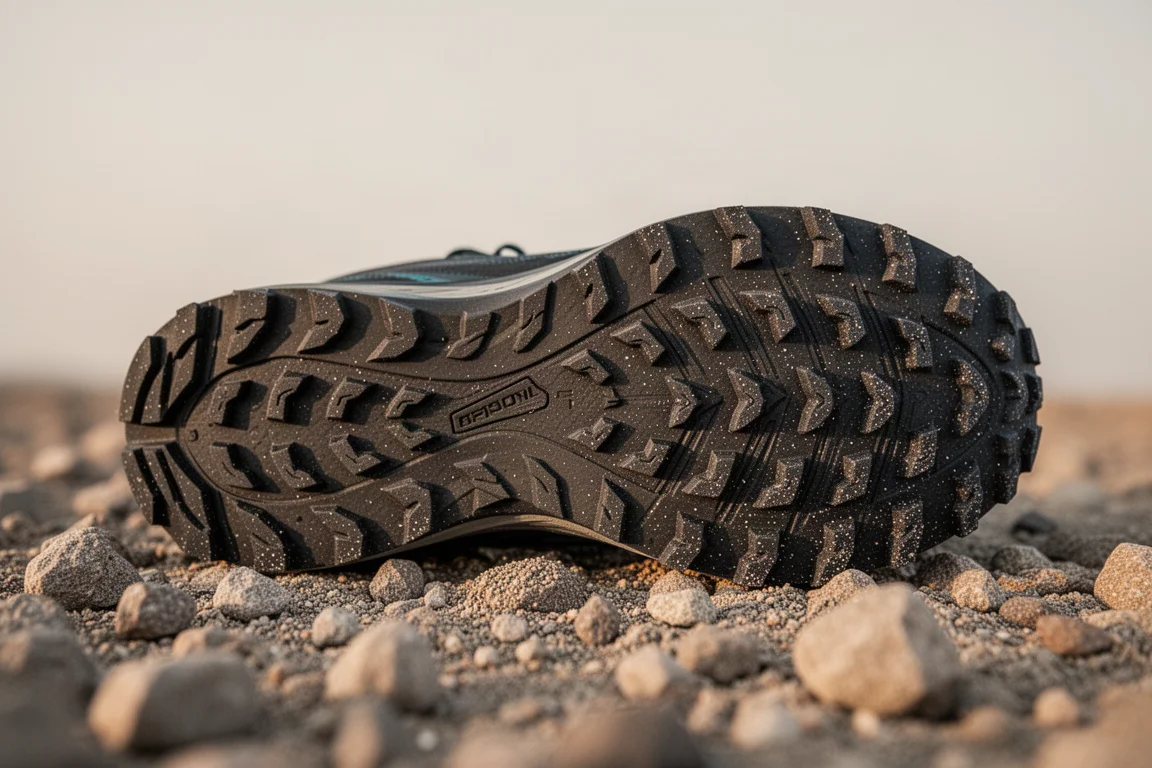
Underfoot comfort is a real strength for a stripped-back racing shoe. The Ortholite Ultra insoles have a memory-foam-like plushness close to the foot, and combined with the Kinetic Light foam midsole, the RC3 balances comfort, protection, connection and performance nicely. It even cushioned short tarmac sections acceptably. This is not a deeply cushioned shoe, and it will not deliver the soft bouncy ride of max-cushion trail options, but for a lightweight racer the comfort is genuinely decent, and longer efforts up to around 50k distance seem plausible.
Things to Consider Before Buying
The narrow fit is the defining issue. If you have any real width to your foot shape, or you simply like volume and room to wiggle your toes in the toe box, this is not the shoe for you. Even on a naturally narrow foot, the first moments in the RC3 felt uncomfortably tight, and the shoe only eased into comfort with running. If longer training runs are the plan, a little more toe box width would still be welcome.
Everything else leans positive: the bootie upper is a clear improvement in connection, the new midsole adds comfort and protection over the RC2 while keeping the fun, nimble, responsive character, and the Matrix upper should help longevity.
Buying Advice
If you want a slimline, highly connected trail racing shoe that feels fast, responsive and locked-in, the Supertrac RC3 deserves a close look. It is best suited to runners with narrow feet, racing and quicker training sessions, and technical terrain where ground feel and traction matter more than plush cushioning. Wide-footed runners or fans of roomy toe boxes should look elsewhere.
Conclusion
Scott has done a good job with the RC3 update. The bootie Matrix upper, Kinetic Light foam midsole and radial traction outsole combine into an impressively connected, light and responsive trail shoe with surprisingly decent underfoot comfort for its class. The very narrow fit is the single biggest reason to hesitate, but for the right foot shape, the RC3 is an easy recommendation.
Product link
View more details for Scott Supertrac RC3
This product is mentioned in the review. Check the specifications, options, and compatibility before buying.
View more details for Scott Supertrac RC3Further reading
Related Reviews
Trail Running Shoes
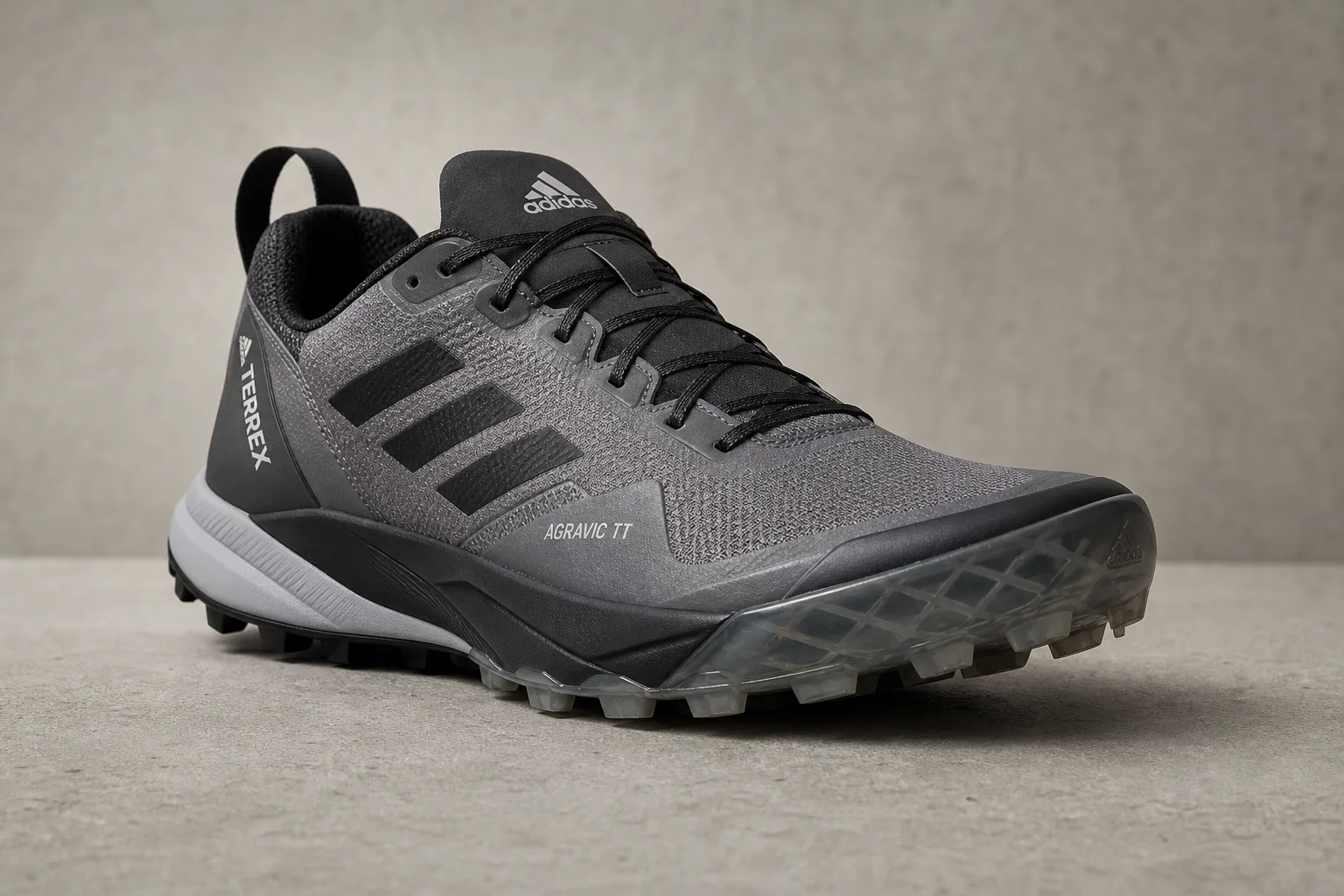
Adidas Terrex Agravic TT Review: A Technical Trail Shoe Built for Rocky Terrain
The Adidas Terrex Agravic TT combines a full-coverage rock plate with a firmer midsole to deliver protection and stability on technical, rocky trails. A capable choice for runners who prioritize underfoot defense over lightweight cushioning.
Trail Running Shoes
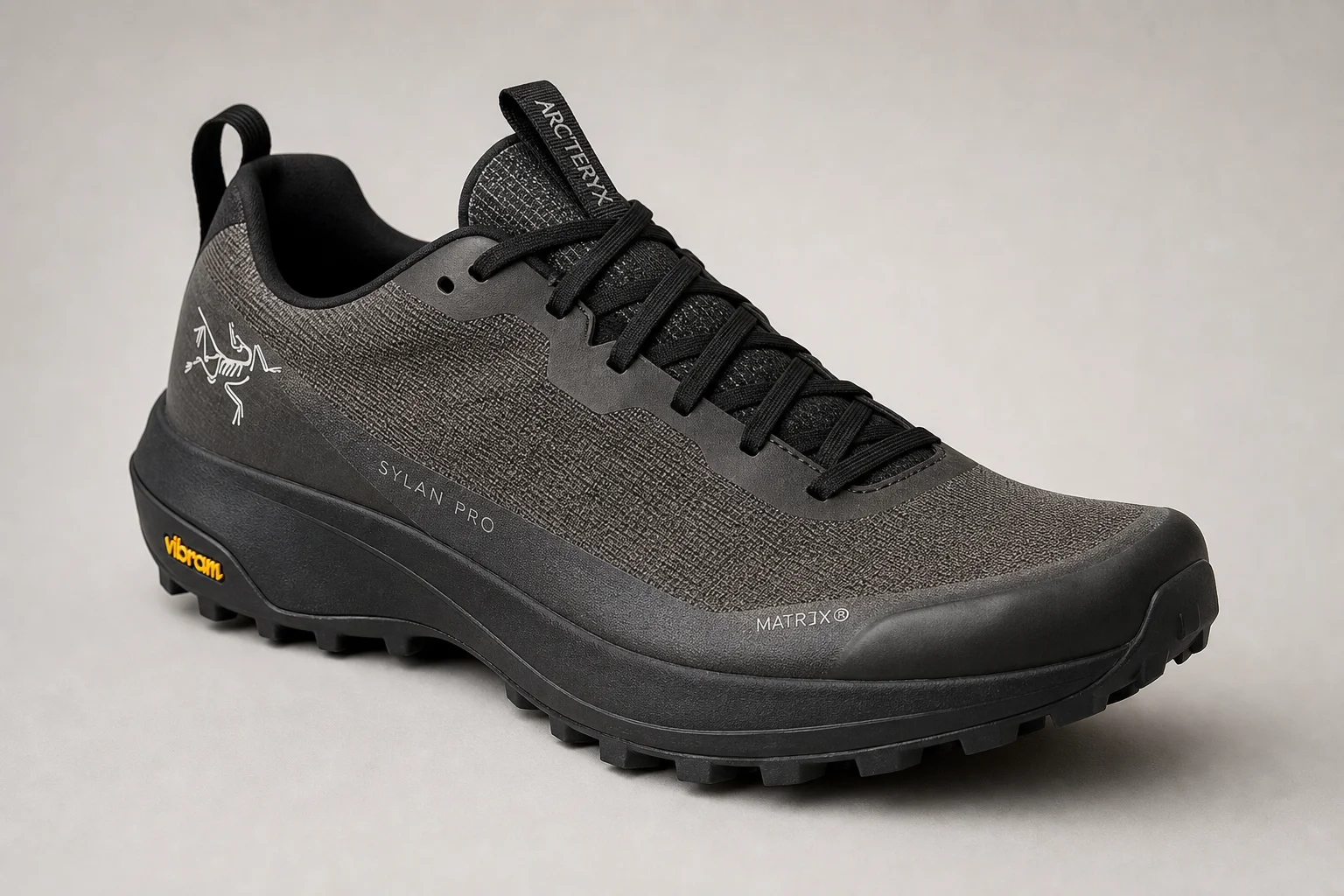
Arc'teryx Sylan Pro Review: A Rocker-Focused Mountain Running Shoe Tested on 20 Miles
The Arc'teryx Sylan Pro brings a pronounced rocker geometry and secure fit to mountain terrain. We tested it on a 20-mile Sawtooth loop to evaluate its climbing efficiency, protection, and handling of technical descents.
Trail Running Shoes
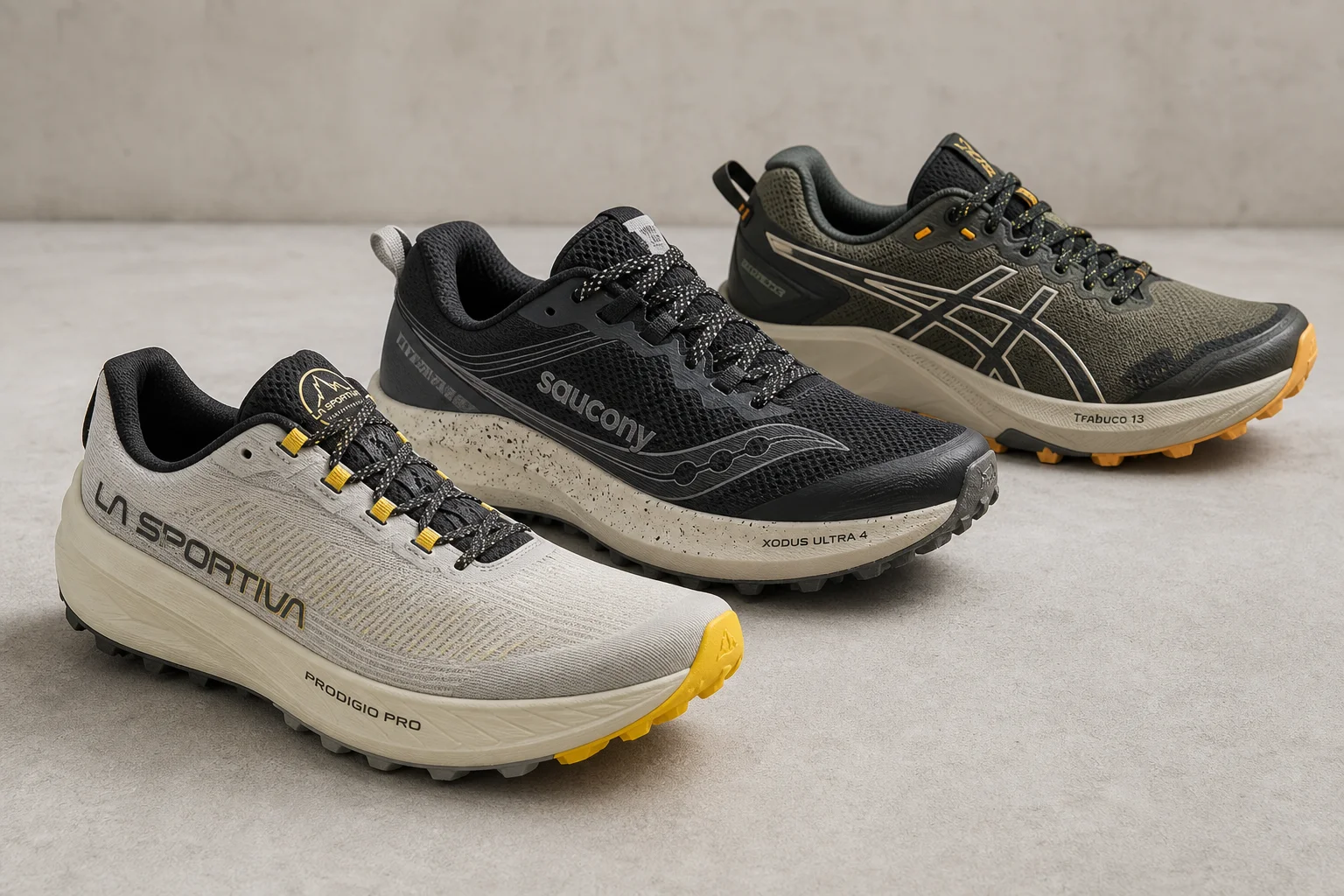
Best All-Mountain Trail Running Shoes: Three Versatile Options for Any Trail
A focused roundup of three all-mountain trail running shoes that handle technical terrain, long distances, and variable conditions with real strengths and practical trade-offs.