Cross-Country Mountain Bikes
Scott Spark RC World Cup AXS First Ride Review: A Sharper, More Capable XC Race Bike
First ride impressions of the all-new Scott Spark RC World Cup AXS, a full-suspension cross-country race bike that is faster, more efficient and far more confident on descents.
Introduction
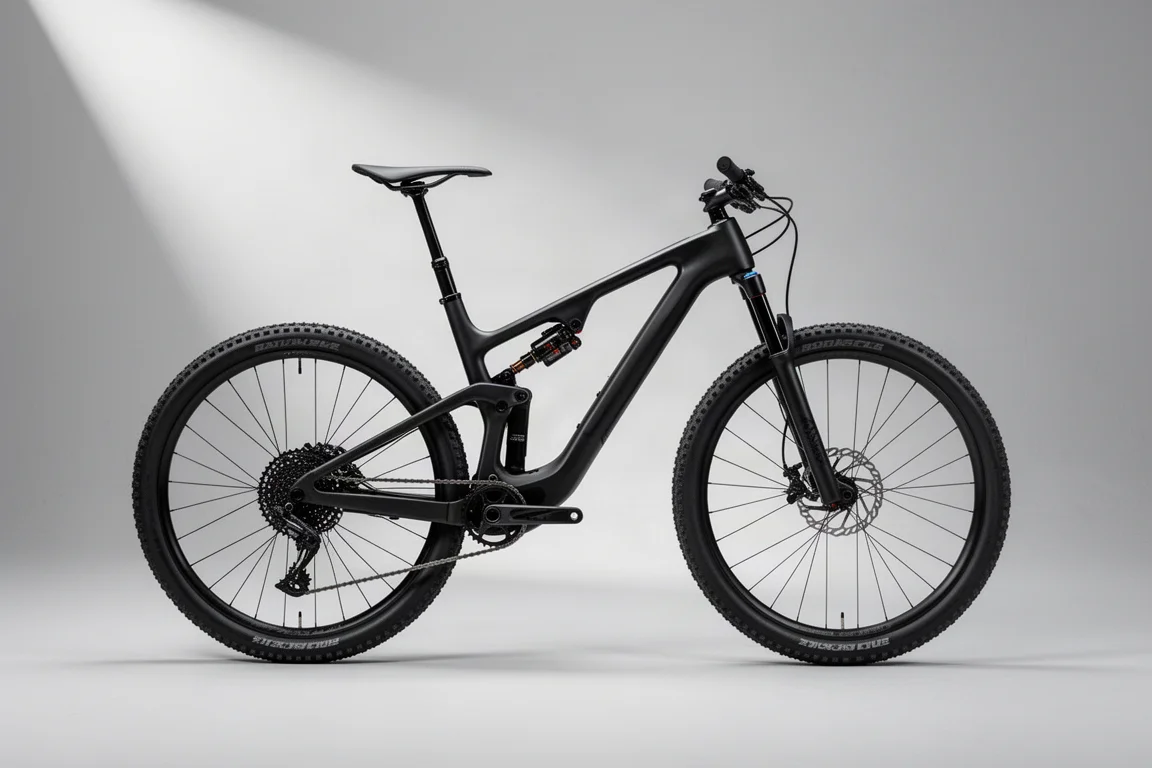
The all-new Scott Spark has been redesigned with one clear goal in mind: to make a faster cross-country race bike. After spending time on local trails with the range-topping Spark RC World Cup AXS, it is clear this is a very different machine from the previous generation. The frame is stiffer, the geometry has been loosened slightly, and travel has grown to 120mm front and rear. The result is a bike that still feels every bit a race bike, but one that is far more forgiving and rewarding when the trail points downhill.
Who This Bike Is For
The new Spark is aimed at two types of riders. The first is the cross-country racer who wants a lightweight, efficient and agile bike that climbs well and carves through corners. The second is the former racer or fast recreational rider who no longer lines up at the start gate but still wants race-bike speed and efficiency without the weight of a bigger-travel trail bike.
The wider appeal comes from a real improvement in descending confidence. With 20mm more rear travel, a slacker head angle and a longer reach, the Spark offers a larger comfort buffer on rough and slippery terrain. For most riders, that makes the bike easier to ride fast downhill while keeping the agility that defines a cross-country machine.
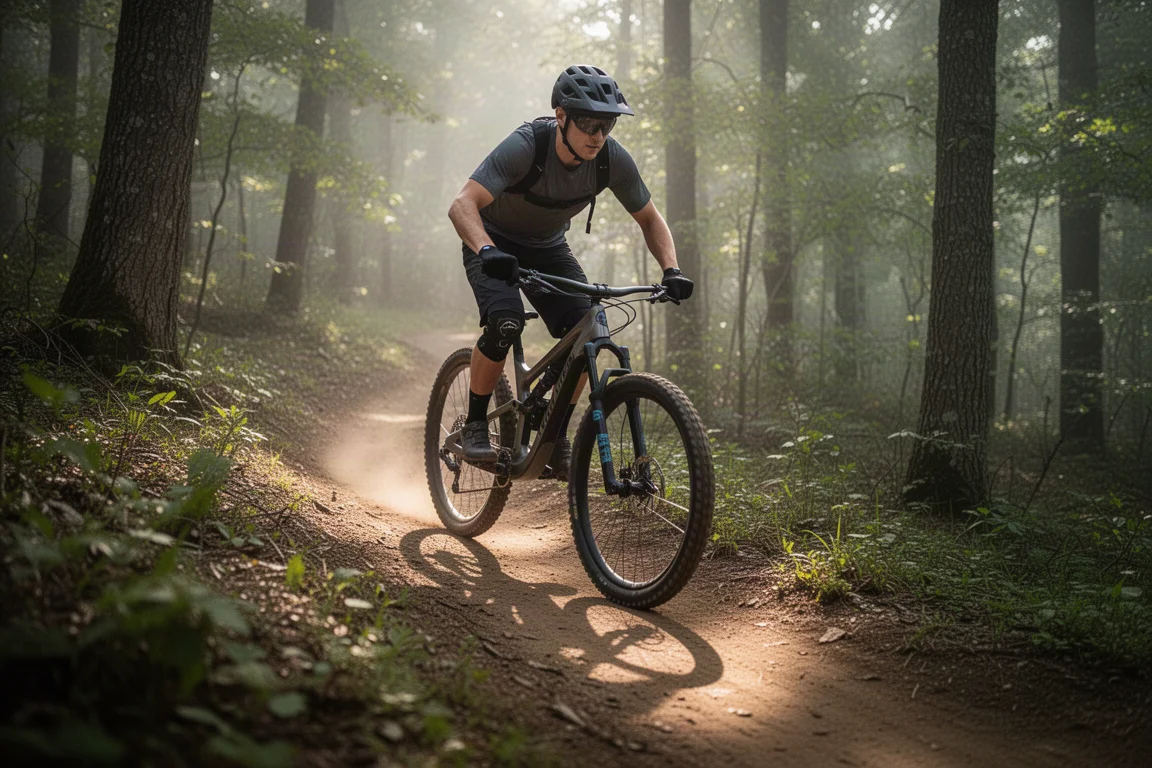
That combination is what makes the new Spark feel like more than just an update. It remains fast, light and precise where it counts, but it no longer asks for elite bike handling just to stay composed on a technical descent.
First Ride Performance: Speed and Efficiency
From the very first pedal strokes, the Spark feels rapid. The stiff carbon frame and low weight make it easy to bring up to speed, and the suspension stays quiet and efficient until the terrain demands it. In the fully open mode, the 120mm of travel is plush and supportive, yet the bike remains well controlled on climbs. Unless you are really mashing the pedals, the open mode is efficient enough that most riders will rarely feel the need to lock it out.
The TwinLoc system remains a defining feature of the Spark. Two levers on the handlebar control both the front and rear suspension, offering fully open, traction and locked-out modes. The traction mode firms the suspension for climbing and makes the bike feel sharper under power, while the fully locked mode is best saved for smooth roads. In practice, the open mode is so well controlled that the traction mode is a bonus rather than a necessity.
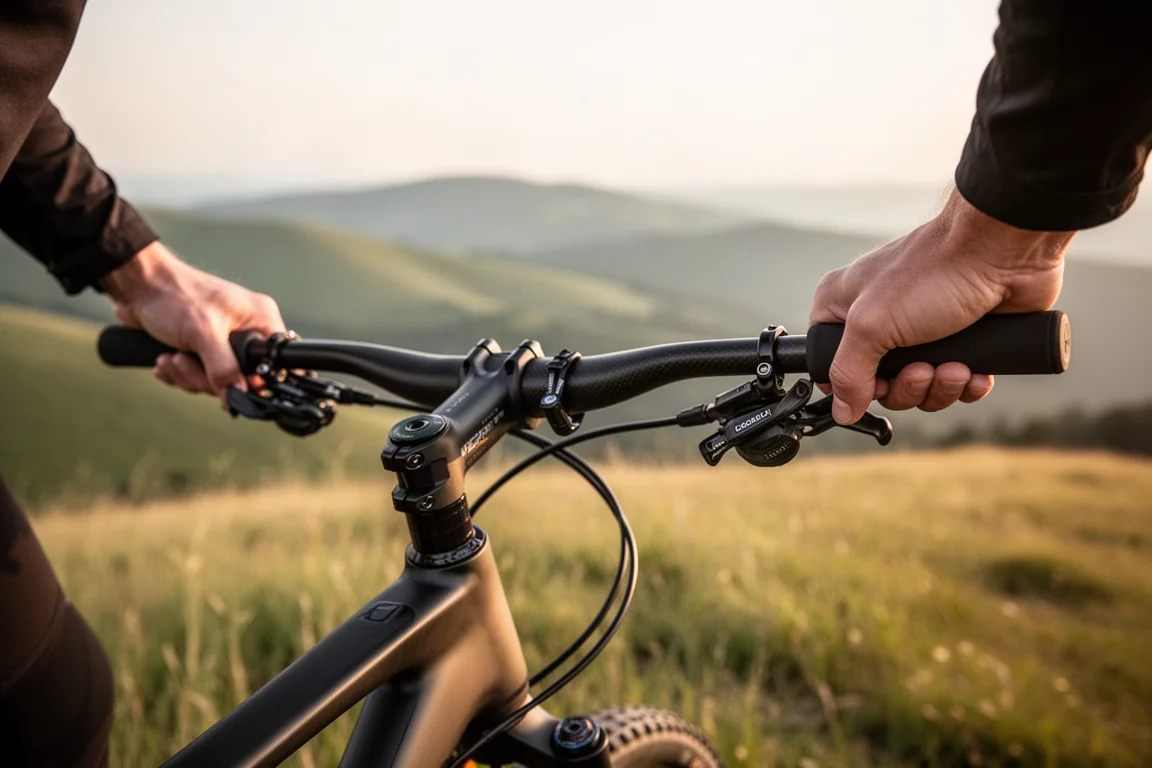
Traction mode does, however, give the bike a distinctly more urgent feel on steep seated climbs, which is exactly where a race bike should shine. And because the suspension is working more efficiently, you can stay on the power through rough sections without losing momentum.
Main Strengths: Descending Confidence and Clever Design
The most significant change for this generation is on the way down. The stiffer frame and slacker geometry make the Spark noticeably more responsive when you really get on the power, but it is the descending behaviour that stands out. On slippery, rooty tracks where an older cross-country bike would start to feel nervous, the new Spark holds its line with far more composure. It is not a downcountry bike in this build, but it offers a much bigger safety margin than its predecessor.
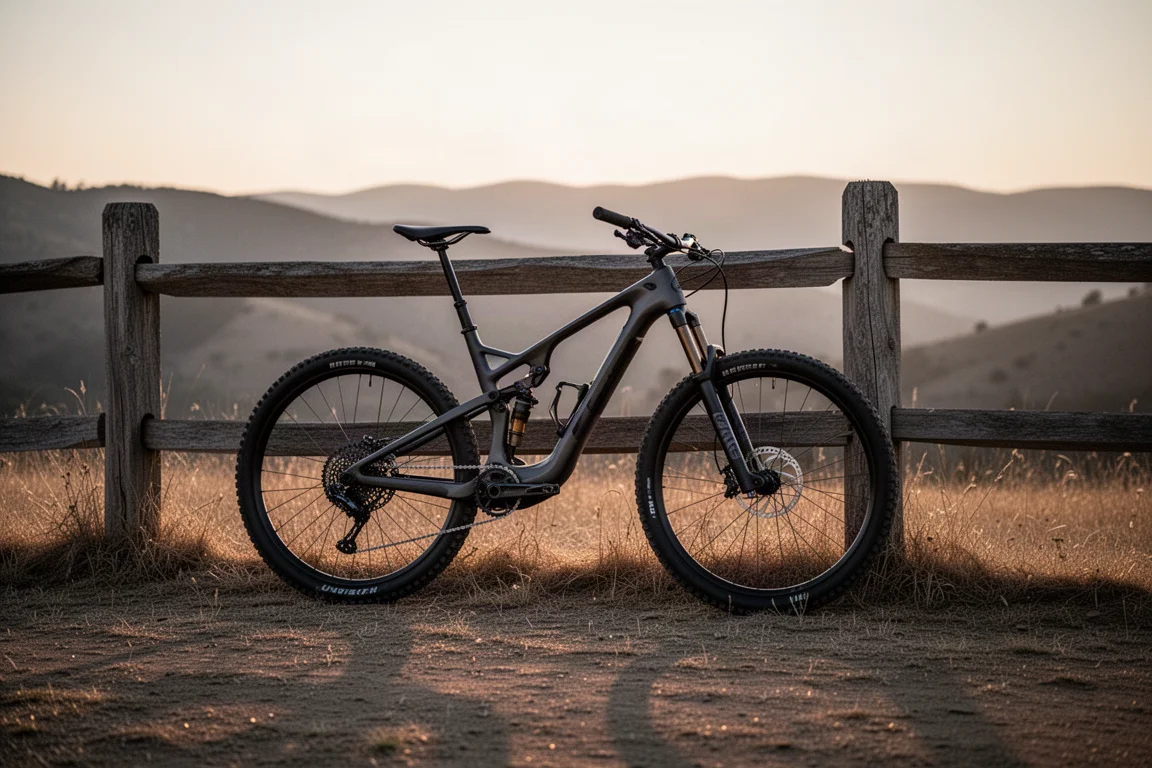
The design is just as striking as the ride. The rear shock now sits concealed inside the carbon frame, low down near the bottom bracket, which gives the whole bike a clean, fast look. The layout is also meant to protect the shock from mud and moisture, a genuine consideration for riders in wet climates. Time will tell how well the compartment seals against the elements, but the approach is a sensible one for year-round riding.
Scott has also worked to make the hidden shock reasonably simple to set up. There is a sag indicator window on the frame so you can check your sag figure while seated, and the compartment still allows access to the rebound adjuster and air valve. The RockShox SID fork is even easier: sag markings and recommended settings are printed directly on the fork leg, so setup takes minutes.
Things to Consider Before Buying
This is still a race-focused bike. The geometry changes are noticeable but not extreme, and the RC World Cup AXS build sits firmly in cross-country territory. Riders who want more capability on demanding terrain can look at the trail version of the Spark, which adds a 130mm fork and slightly larger tyres for a more downcountry feel.
The concealed rear shock is a clever idea on paper, but its long-term durability in wet and muddy conditions will depend on how well the compartment keeps dirt out. Setting up the rear shock is also a little more involved than a traditional exposed layout, though the frame design makes routine checks straightforward. And at £7,299, the reviewed build is a serious investment, well above the entry point of the 26-model Spark range, which starts at just over £2,000.
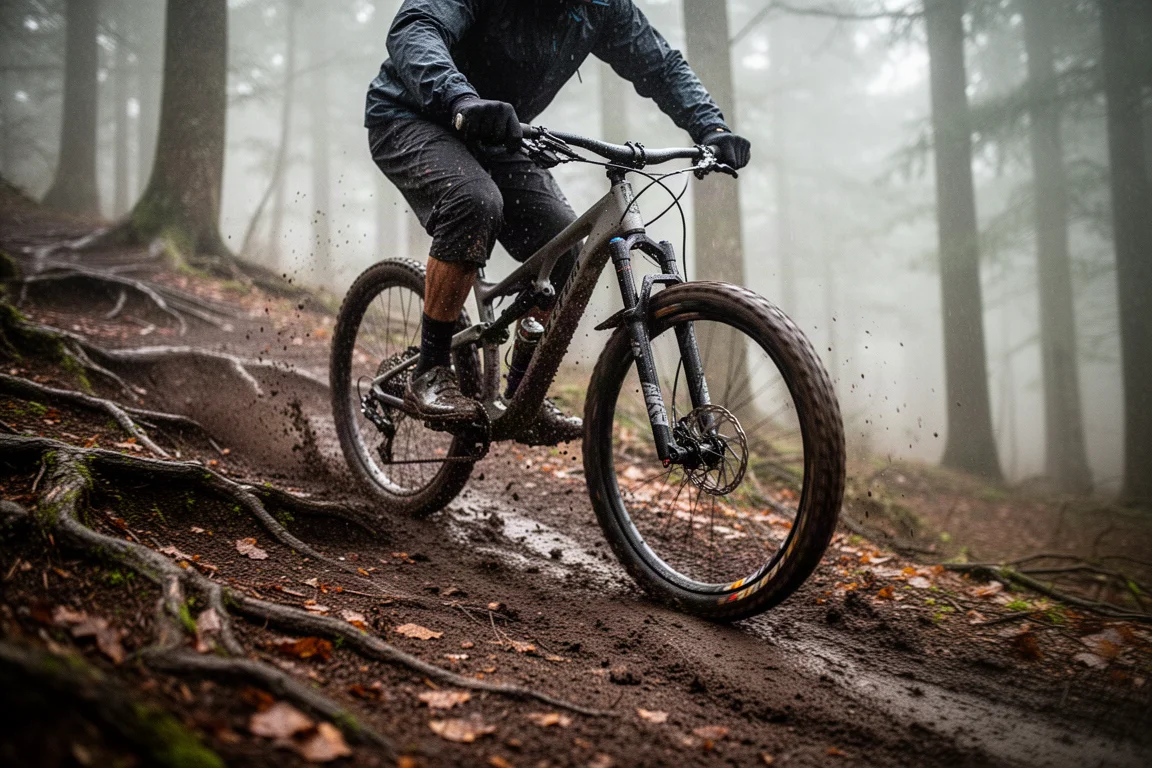
It is also worth remembering that the Spark is a bike built for speed. Climbing efficiency and rapid acceleration are the priorities, and while the extra travel adds descending capability, this is not a replacement for a bigger-travel trail bike on very rough terrain.
Buying Advice
For riders who want a fast, lightweight cross-country bike that also rewards descending, the Spark RC World Cup AXS is a compelling package. The specification is strong: a SRAM X01 Eagle AXS wireless 12-speed groupset, Shimano XTR disc brakes, a Syncros carbon wheelset with a matching one-piece carbon handlebar and stem, fast-rolling Maxxis Rekon Race tyres, a RockShox SID Select fork and a Fox dropper post. On paper, and on the trail, it is a bike that lives up to its looks.
The new Spark manages to appeal to a wider audience without alienating the core cross-country racer. It keeps the speed, efficiency and agility that define a great race bike, then adds enough descending confidence to make it genuinely fun for non-racers as well. If you want a bike that rewards both the climb and the descent, this should be high on your list.
Conclusion
Scott has pushed the Spark in a very promising direction. The new frame is faster, the suspension is more capable, and the bike is far more enjoyable on descents than the model it replaces. First impressions suggest this is a race bike that works brilliantly as a fast trail bike too, appealing to racers and non-racers alike. It is an impressive step forward for one of cross-country’s most recognisable names.
Product link
View more details for Scott Spark RC World Cup AXS
This product is mentioned in the review. Check the specifications, options, and compatibility before buying.
View more details for Scott Spark RC World Cup AXSFurther reading
Related Reviews
Mountain Bikes
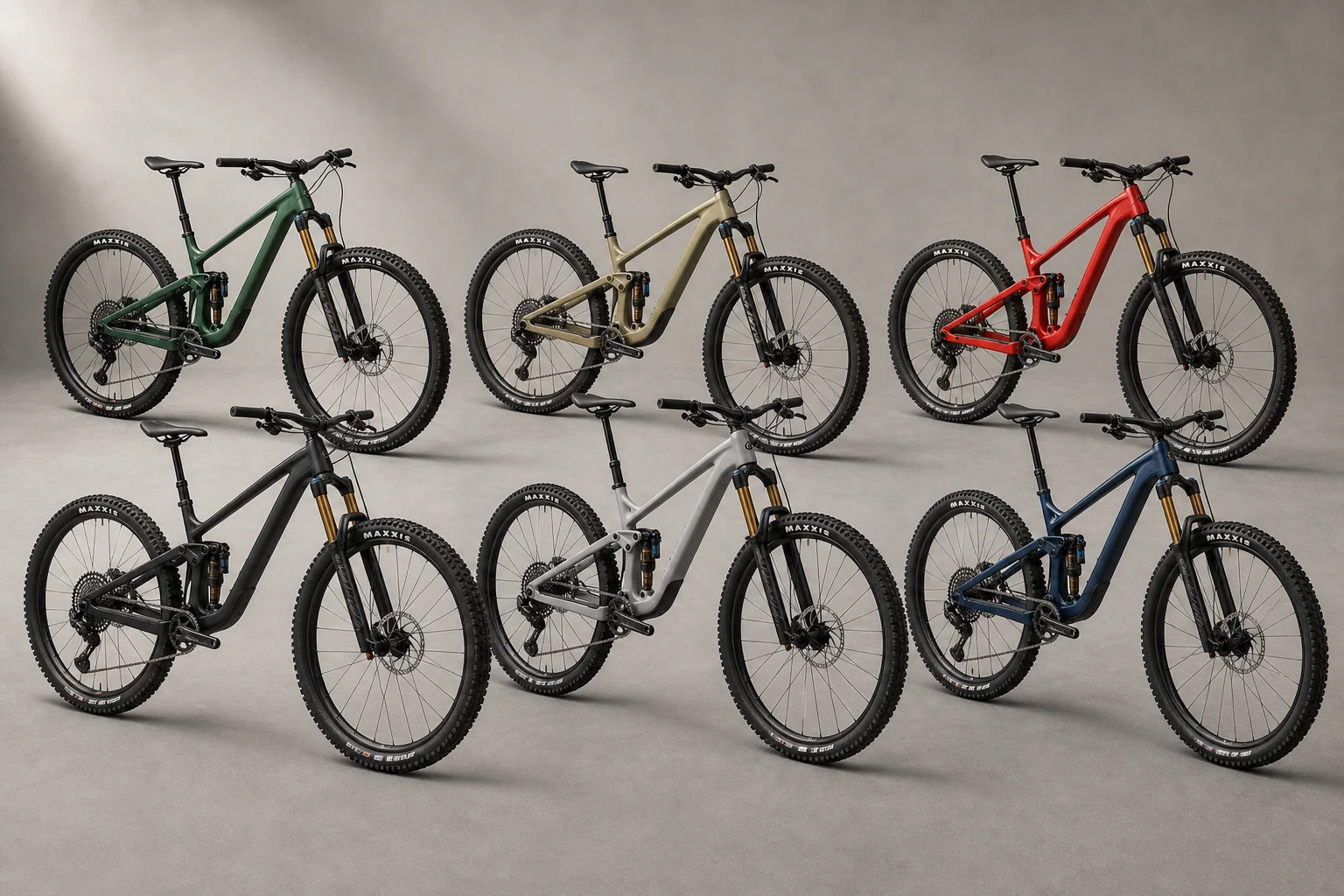
Best Budget Full Suspension Mountain Bikes Under $2,000: Six Trail Bikes Tested
A practical comparison of six capable 29-inch trail bikes priced at $1,800 to $2,000, tested on real terrain to help you choose the right entry-level full suspension bike.
Road Bikes
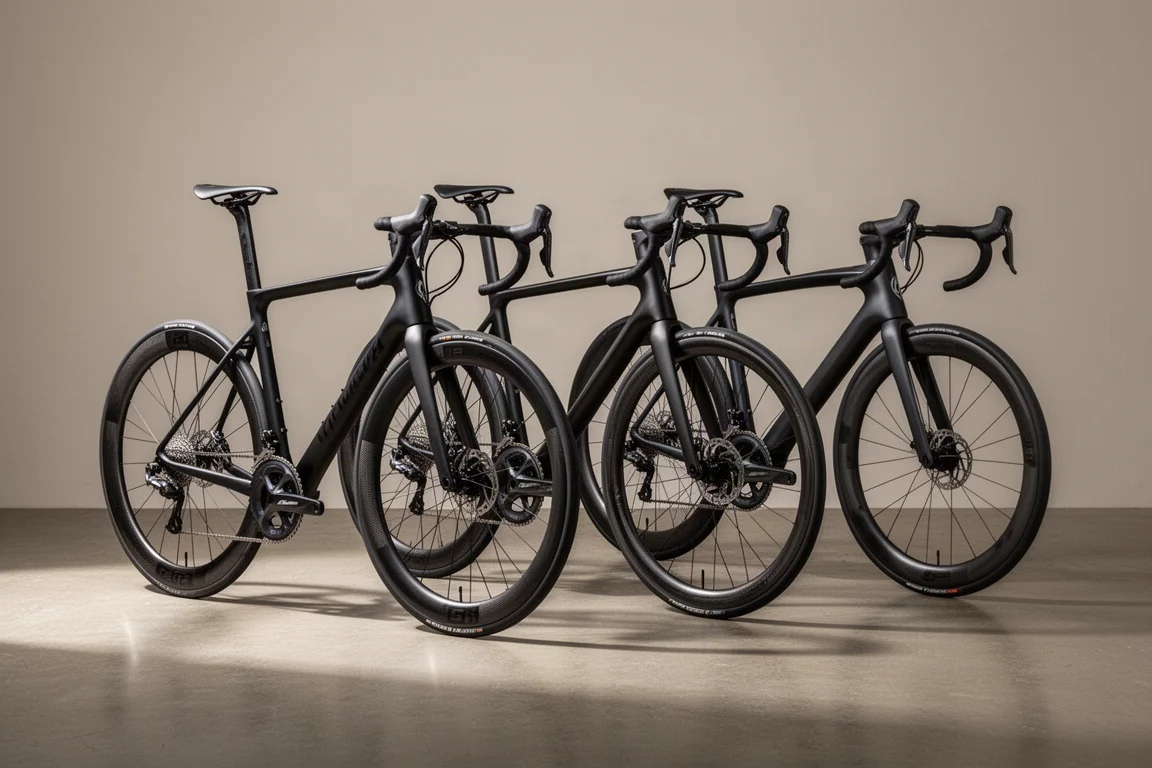
Best Cheap Modern Classic Road Bikes: 8 Secondhand Carbon Picks
Eight lightweight carbon road bikes from the 2010 to 2020 era that deliver race-ready performance at secondhand prices, plus what to check before you buy.
Mountain Bikes
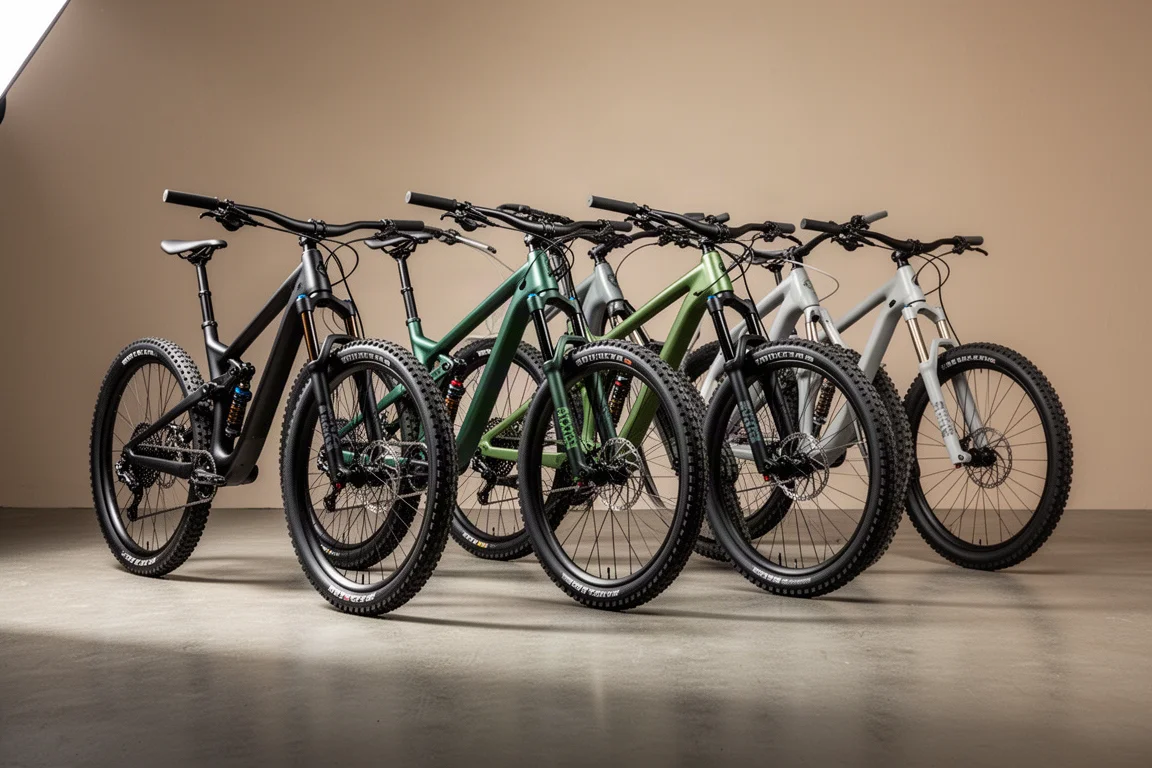
Best Downcountry Bikes: Five Fast, Capable Trail Machines Worth Considering
Five downcountry bikes that blend cross-country climbing speed with genuine descending attitude, from US-built carbon to steel and race-ready builds.