All-Mountain Skis
Scott Pure Free 90 Review: A Solid All-Mountain Ski for Advanced Skiers
A 90 mm all-mountain ski with a poplar core, metal laminate, and a frontside-leaning shape that rewards advanced and expert skiers who want one ski for most days.
Introduction
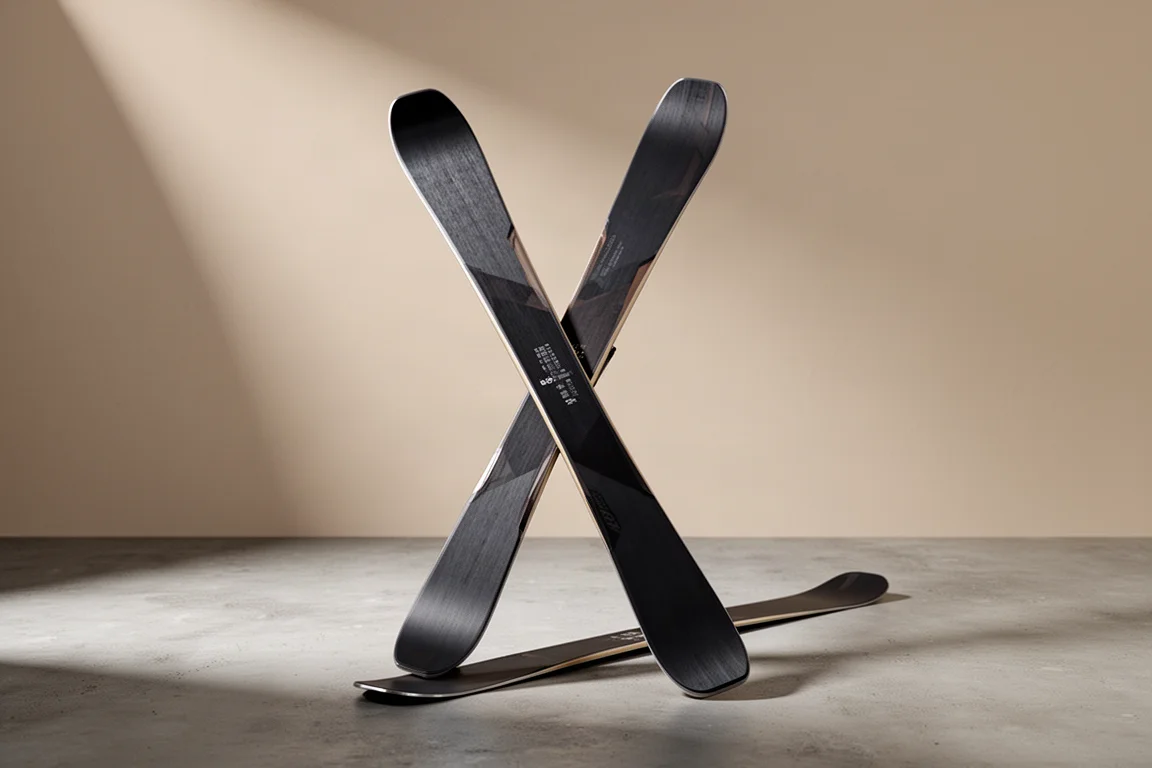
The 88 to 90 mm waist class is one of the busiest corners of the ski market, which makes it genuinely interesting when a brand takes a distinct approach rather than following the crowd. The Scott Pure Free 90 sits at 90 mm underfoot, narrower than the Mission 98 and built with a different construction that leans more toward the front side of the mountain while keeping the all-mountain versatility intact. It does not carry the freeride mentality of its wider sibling, but it does its own thing very well.
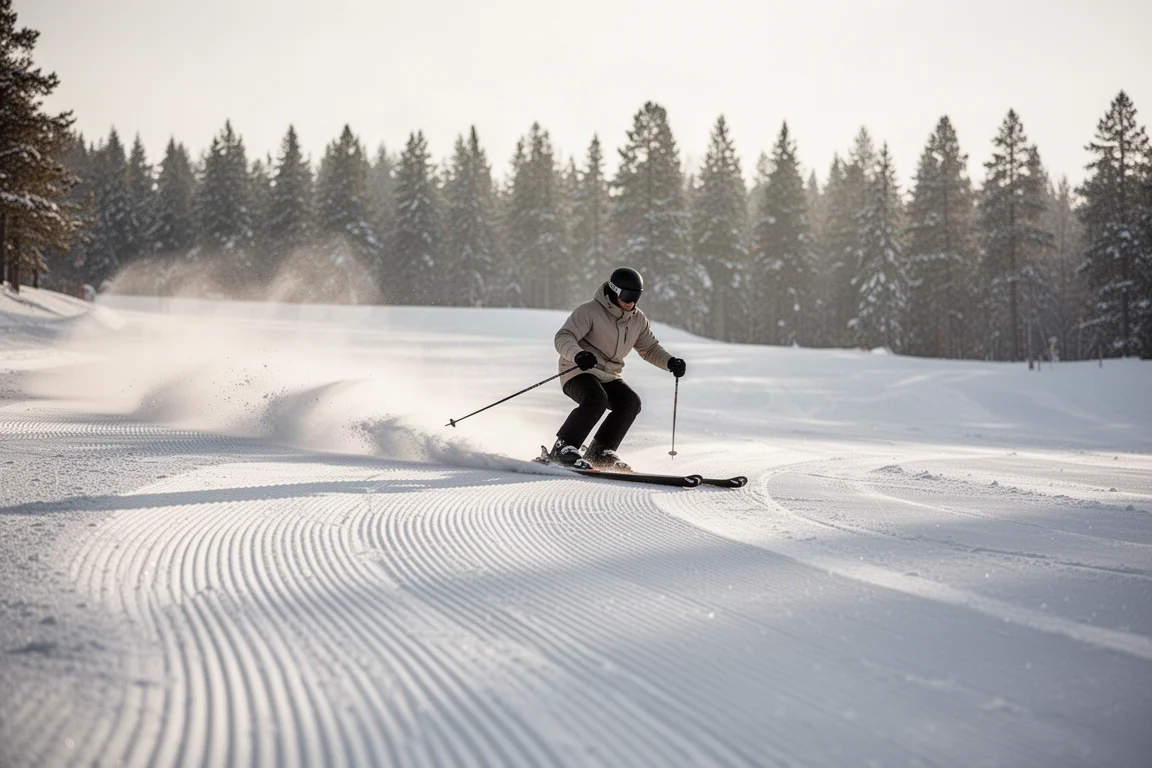
The short version: this is a ski for advanced and expert skiers who spend most of their days on trail and want a single pair that stays composed when they wander off it.
Who This Ski Is For
The Pure Free 90 is aimed squarely at advanced and expert skiers looking for something solid, stable, and fun across a wide range of conditions. It rewards a skier who already has solid technique and wants a platform that responds to deliberate input rather than doing the work automatically.
It is also a natural fit for anyone who looked at the wider Mission 98 and decided that a freeride-leaning ski was more than they needed. The Pure Free 90 trades some of that off-piste bias for stronger frontside manners, which suits the reality that most skiers spend most of their time on groomed terrain.
It is less obviously suited to a lighter or less experienced skier who wants a ski that feels instantly forgiving, and it is not the right pick for someone whose priority is a dedicated deep-snow tool.
Main Strengths
The core is where a lot of this ski’s character comes from. Scott builds it around a poplar wood core, which is denser and more stable than the poplar and beech blend used in the 98. Add a metal laminate underfoot and full sidewalls, and you get the carving power and the beefy, planted feel that defines this ski. Notably, there is no carbon in this construction, so the performance comes from wood, fiberglass, and metal working together rather than from a lightweight stiffening agent.
That combination puts the 184 cm length at roughly 2,050 grams. The number matters because it explains the on-snow feel: this is not a featherweight ski, and it does not try to be. The payoff is a stable, woody, damp ride that holds up when the snow gets firm and chopped.
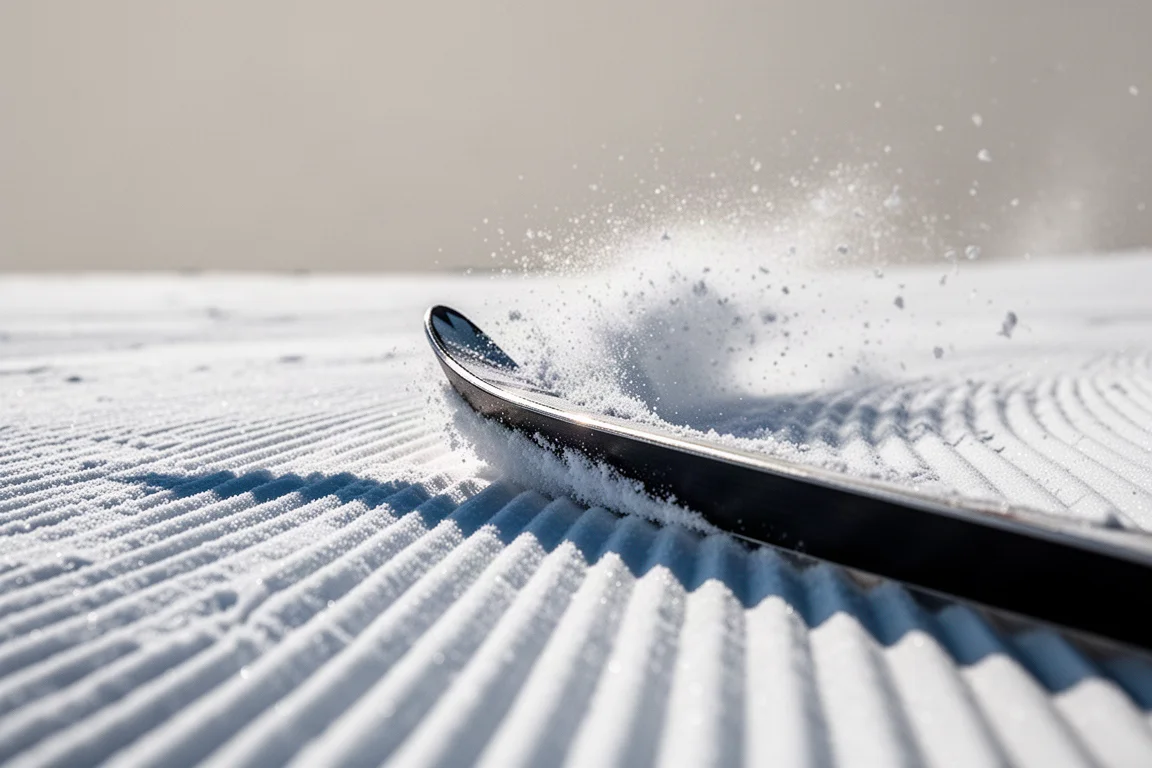
There is positive camber underfoot, and that is where a good deal of the energy and edge grip comes from. Combined with the poplar core, the ski feels lively out of a turn without ever feeling nervous. The 21 meter turn radius at 184 cm is another deliberate choice: it is not a tight slalom-style sidecut, so you are not locked into one turn shape. You put your own input in, and the ski gives back a range of turn shapes. For all-mountain use, that flexibility is a real benefit.
Carving and Edge Grip
The tail tells much of the story here. There is no long rocker behind the binding, which leaves a long effective edge and a shape with very little taper. On firm snow, the result is dependable grip and a solid platform to stand against. The rocker profile is moderate in length but pronounced in splay, a trait that shows up across Scott’s lineup. Rather than a long, gradual rise, the tip juts up more aggressively, which is notable for a 90 mm ski.
The flex is not overly stiff, but it has a clean snap and rebound that keeps groomed runs feeling energetic rather than lifeless.
Off-Piste and Soft Snow Manners
Away from the groomers, that same flex profile holds up well for off-piste and adventure skiing. The subtle splay in the tail is the useful detail here. It is not a twin tip by any stretch, but the gentle bend helps you release out of turns and adds a little playfulness when the snow gets soft.
That tail shape is a good illustration of the ski’s overall intent. It is shaped to be used on trail most of the time, with enough tail release and tip splay to stay enjoyable when you take it into softer terrain.
Things to Consider Before Buying
The most important consideration is weight. At roughly 2,050 grams in the 184 cm length, the Pure Free 90 sits above some direct alternatives in the same size that come in under 2,000 grams. That is not a flaw so much as a design decision: the trade is a denser, more stable, wood-forward feel instead of a lighter, more metallic one. If you want a ski that feels airy in the hand, this is not it. If you want something that feels planted, it is exactly that.
The rocker is worth understanding before you buy. Splay is pronounced rather than gradual, which changes how the tip engages, and the long effective edge with minimal taper means the ski wants a confident, engaged skier. It will not magically produce short turns for you.
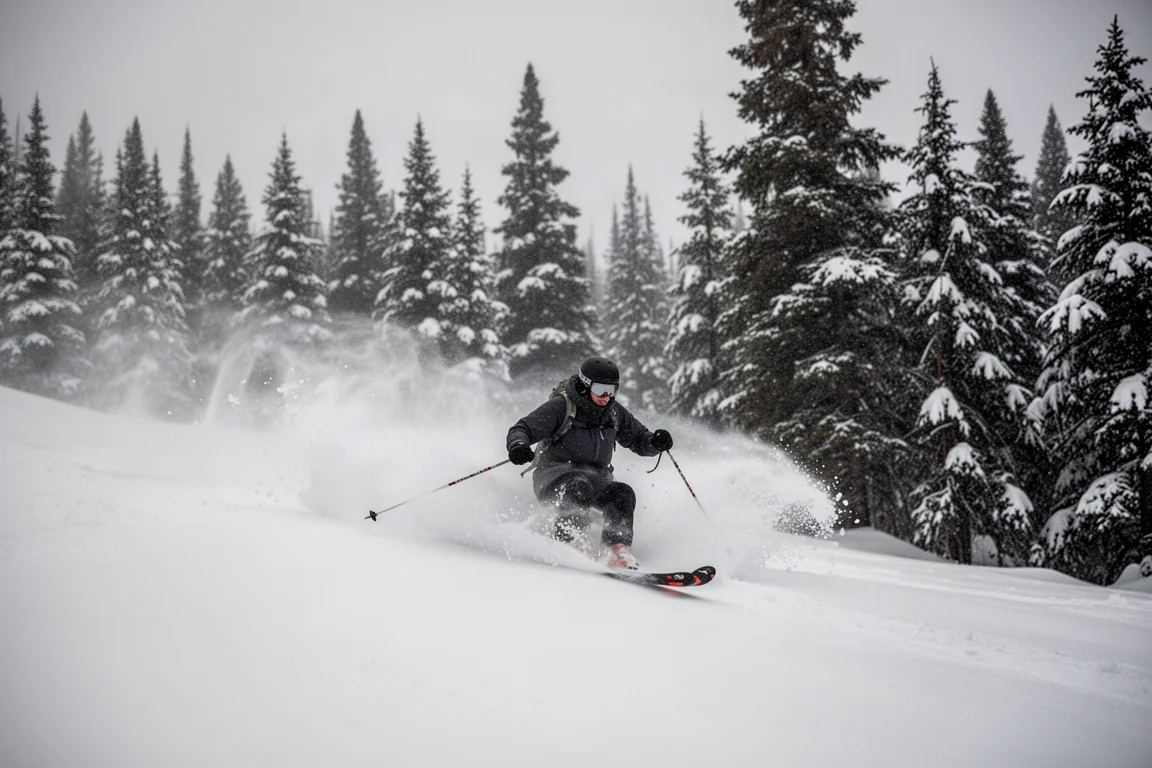
Finally, the narrower waist relative to the Mission 98 means less float in deep snow. That is the intended trade for stronger frontside performance, but it is worth being honest about how much untracked snow you actually ski.
Buying Advice
If you are an advanced or expert skier who wants one ski for the majority of your days, the Pure Free 90 is a coherent answer. It is at its best on firm groomers and mixed conditions, where the poplar core, metal laminate, and full sidewalls give it the carving power and stability that define the experience. It also holds up for off-piste and adventure skiing, provided you are not expecting freeride-level float.
Match it to your priorities. Choose it if you value stability, edge grip, and a wide range of turn shapes you control yourself. Look at the wider Mission 98 instead if deep snow and a freeride orientation matter more than frontside precision.
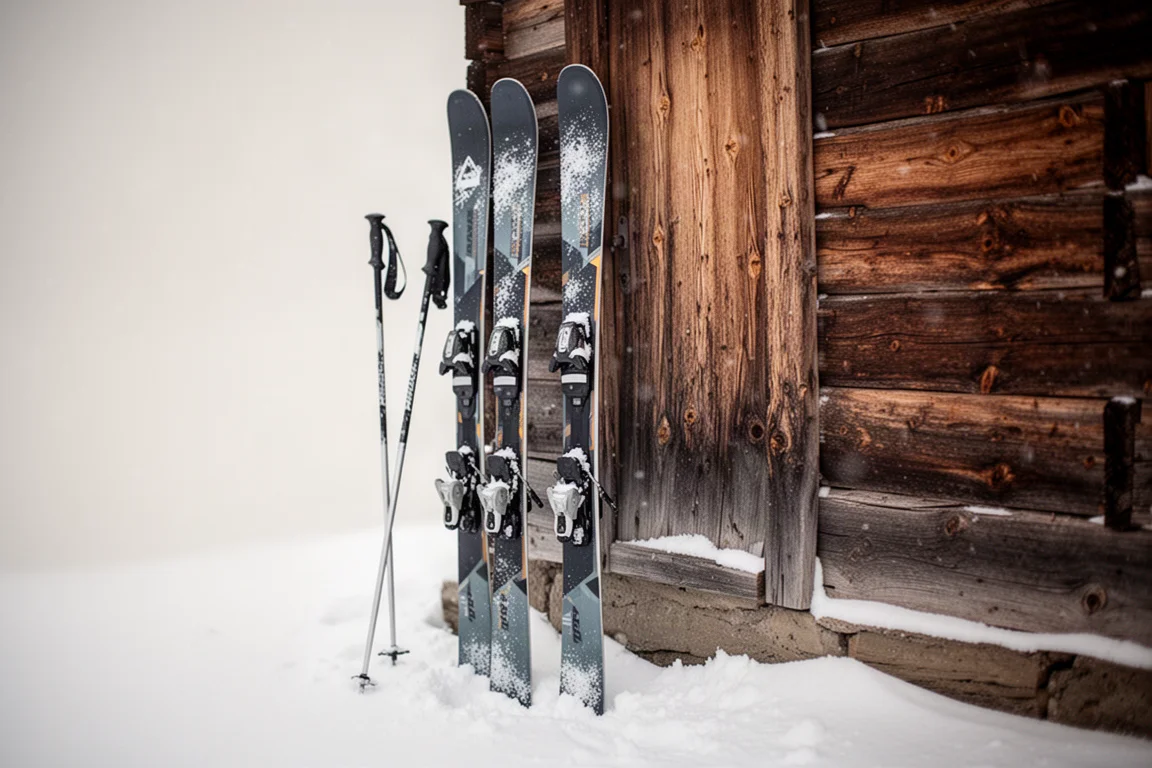
Sizing deserves a moment of thought as well. The 21 meter radius and 2,050 gram weight figures quoted here are for the 184 cm length, and both the weight and the turn radius will shift with the size you pick. If you are on the fence between lengths, think about whether you want more stability at speed or more maneuverability in tight terrain.
Conclusion
The Scott Pure Free 90 is a well-resolved all-mountain ski for advanced and expert skiers. A dense poplar core, metal laminate, and full sidewalls give it carving power and a solid, stable feel, while the moderate rocker, pronounced splay, and subtle tail bend keep it versatile when you leave the groomers. It is not the lightest option in the 90 mm class, and it is not a freeride ski, but it is honest about what it is: a strong, frontside-leaning all-mountain tool that most skiers will actually use most of the time.
Product link
View more details for Scott Pure Free 90
This product is mentioned in the review. Check the specifications, options, and compatibility before buying.
View more details for Scott Pure Free 90Further reading
Related Reviews
All-Mountain Skis
100mm All-Mountain Skis Compared: 23 Versatile Models Worth Knowing
A practical walkthrough of 23 all-mountain skis around 100mm underfoot, covering weight, rocker, metal construction, and the rider each model suits best.
All-Mountain Skis
2026 Black Crows Camox Review: A More Stable, More Versatile All-Mountain Twin Tip
The 2026 Black Crows Camox adds an ash layer underfoot, wider tips and tails, and a revised rocker profile. Here is what those changes mean on snow.
All-Mountain Skis
Armada Antimatter 88 Review: A Light, Lively All-Mountain Ski That Rewards Any Style
The Antimatter 88 pairs a poplar core with carbon stringers for a surprisingly energetic ride that suits intermediates and experts alike.