Trail Running Shoes
Scott Kinabalu 3 First Impressions: A Trail Shoe With Real Fit and Grip, But a Stiff Ride
A full first-run look at Scott's redesigned Kinabalu 3 trail running shoe: secure fit, strong outsole grip, and some notable trade-offs in weight and cushioning.
Introduction
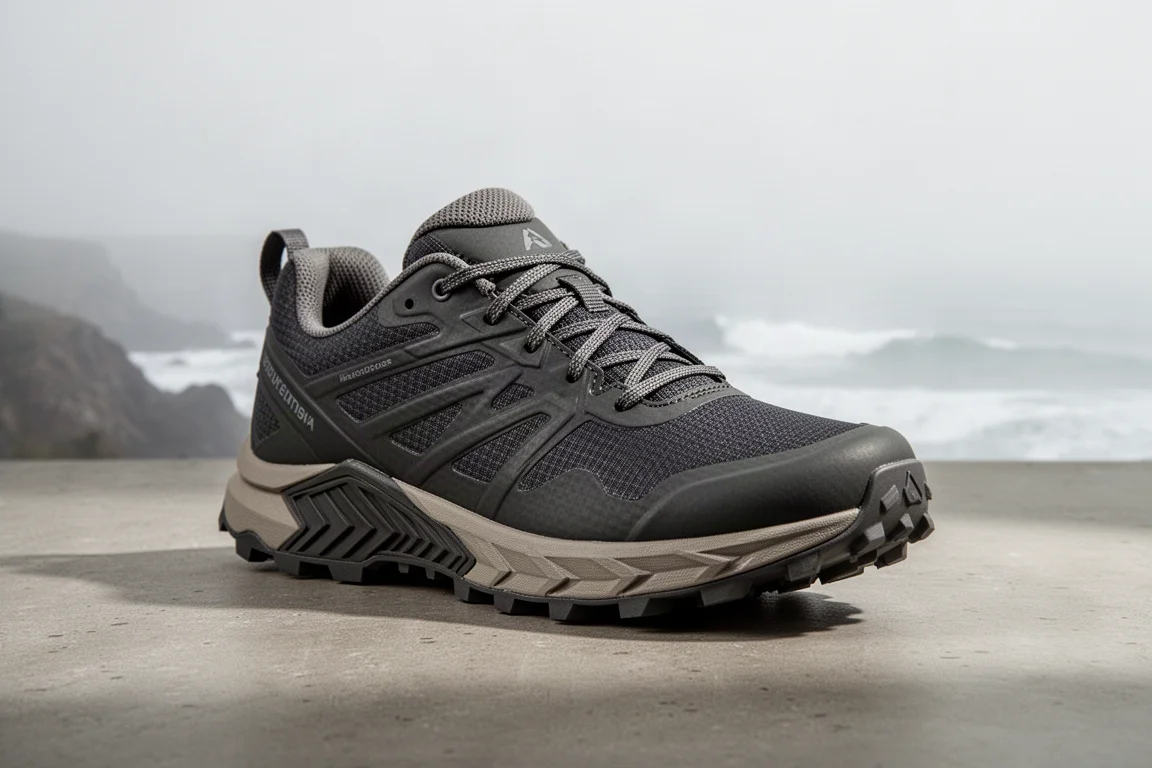
The Scott Kinabalu 3 is the third generation of Scott’s trail running shoe, and this time around it has gone through a complete redesign. Scott says the new version improves comfort, protection, and running efficiency. After a first run of just over seven miles on mixed coastal terrain, those claims hold up in some areas and fall short in others. Here is how the shoe is built, how it performed, and who it might actually suit.
Specs and Construction
In a UK 9.5, the Kinabalu 3 weighs a fairly hefty 360g, so it is not the lightest trail shoe available. It uses an unusual 7mm heel offset with a 29.5mm stack height at the heel and 22.5mm under the forefoot. Picking the shoe up, it feels somewhat heel-heavy, which sets expectations for the run.
The upper is a lightweight but durable ripstop mesh that feels built to take abuse. Inside, there is a well-padded gusseted tongue for midfoot lockdown, plus zonal padding around the ankle collar and heel cup that works like a small pillow wrapping the ankle. A substantial heel cradle gives good structure at the back of the shoe, and a toe bumper with plenty of overlays wrapping the heel, midfoot, toe box, and lace eyelets adds both structure and durability. On paper, this looks like a well-put-together trail shoe that should hold up to mileage.
Moving to the midsole, Scott uses its aero foam, described as lightweight and responsive and claimed to return 14% more energy than standard EVA. It is a dual-density setup, with a slightly softer feel at the heel compared to the midfoot and forefoot. In practice, though, the midsole feels like the heaviest part of the shoe. It is also remarkably rigid: twist it laterally or try to flex it at the midfoot and it barely gives at all, which is unusual for a non-plated trail shoe.
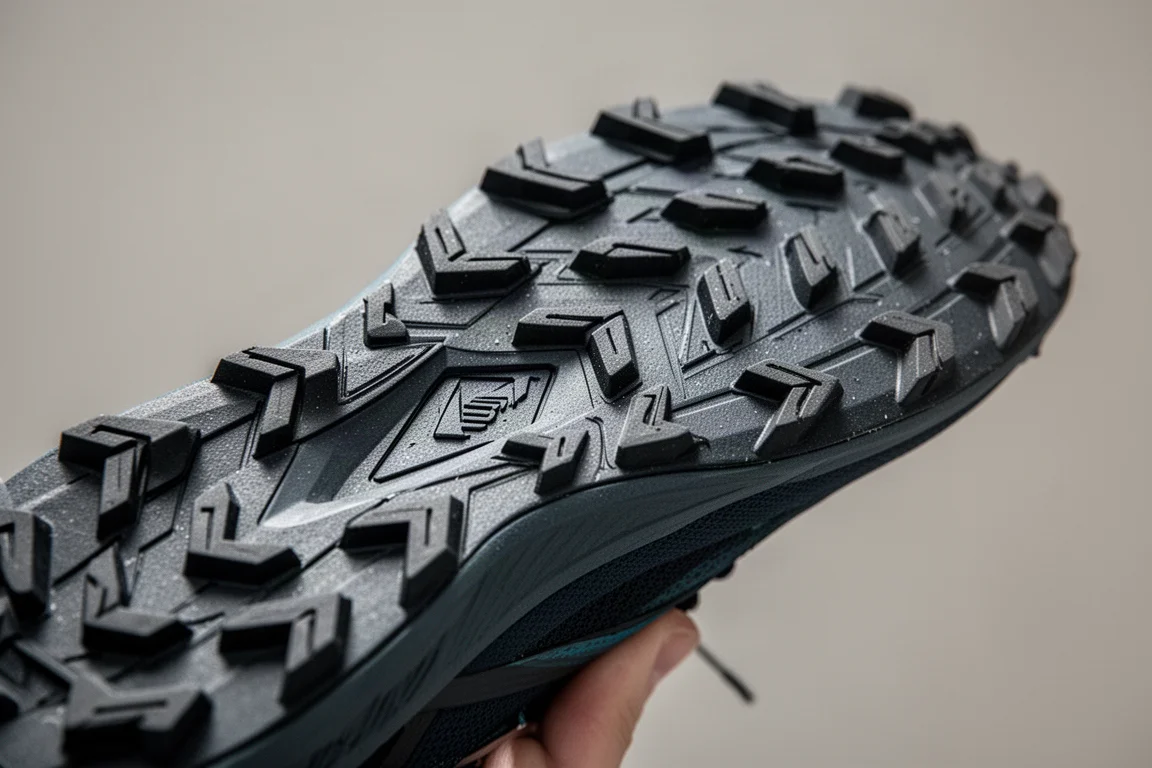
The outsole uses Scott’s versatile lug pattern: forward-facing chevrons under the forefoot for traction when driving forward on flats or climbs, and reverse-facing chevrons at the heel for grip on steep descents. Lug depth measures 4mm, coated in Scott’s durable rubber.
Fit and Feel on the Run
Scott shoes have consistently run true to size, and a UK 9.5 fit perfectly on length here. The shoe probably suits a narrower foot shape. The midfoot lockdown from the gusseted tongue is very secure and comfortable, the toebox width was just right, and heel hold was excellent, which has not always been the case with other Scott trail shoes.
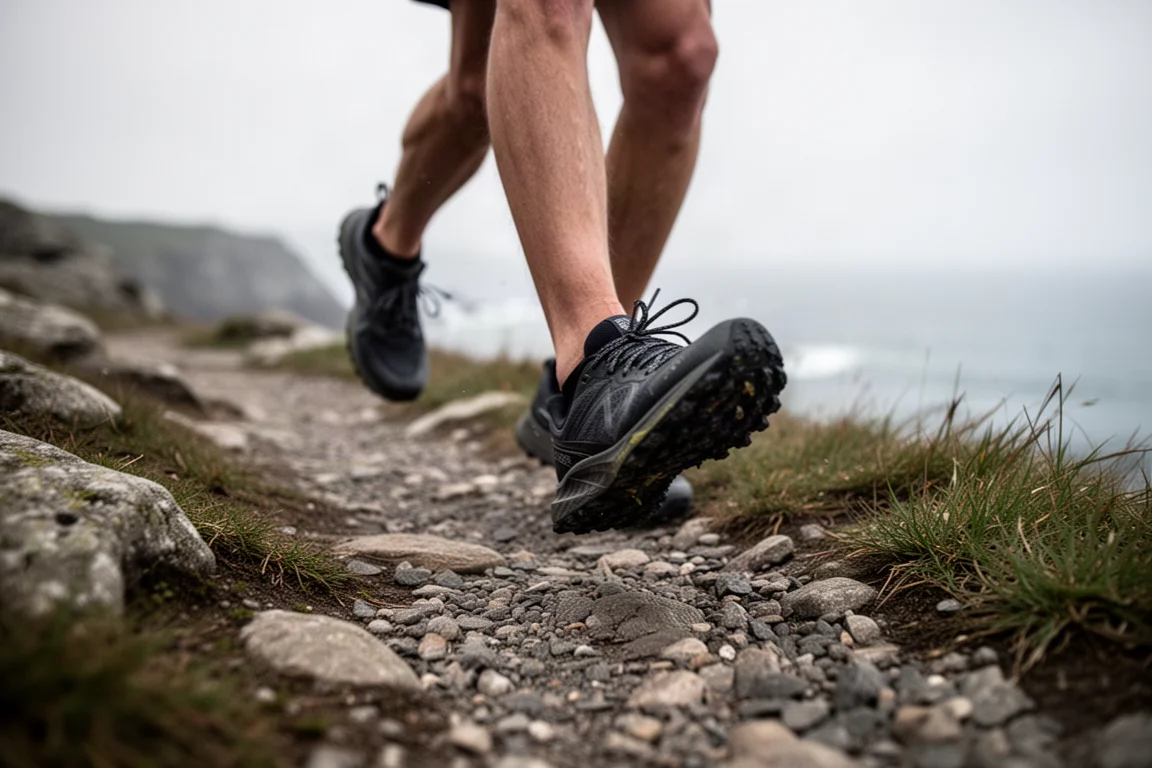
The main caveat out of the box is that the upper needs bedding in. The ankle collar and heel cup are quite stiff at first, so there is no slipper-like feel straight away. On uneven or off-camber ground, the outside edge of the high collar on the left foot started to dig in around the later miles, leaving some lingering soreness. It did not cause blisters, but it is worth watching if you are sensitive around the ankle.
On the positive side, the outsole handled everything the run threw at it: solid grip on rocky trails, reliable traction on tarmac, and good bite from the 4mm lugs on gravelly ground, soft sand, and short muddy sections. In genuinely deep or boggy mud, a 4mm lug would likely struggle, but for typical mixed trail conditions it coped very well.
Where It Works, and Where It Does Not
The ride is where the Kinabalu 3 divides opinion. The rocket geometry in the midsole makes the shoe feel efficient on flatter, more compacted trail and road sections, and the secure fit and outsole grip are genuinely strong points.
However, the ride itself is firm, bottom-heavy, and unresponsive. The shoe gives an old-school feel at a time when most midsole foams are getting lighter, softer, and bouncier. The claimed energy return is hard to detect on the run; it can feel like the shoe returns very little at all. The extreme midfoot stiffness also carried over, feeling almost like a plate had been worked in, and around mile six a hotspot formed just behind the ball of the left big toe, likely from the lack of flex. A couple more miles would likely have turned that into a bigger problem.
Buying Advice
The Kinabalu 3 makes sense for runners who prioritize a secure, durable upper, dependable grip on mixed terrain, and a stable, planted feel over plush cushioning. If your trails are rocky, gravelly, and mostly compacted, and you like a firm, structured ride, it could work well.
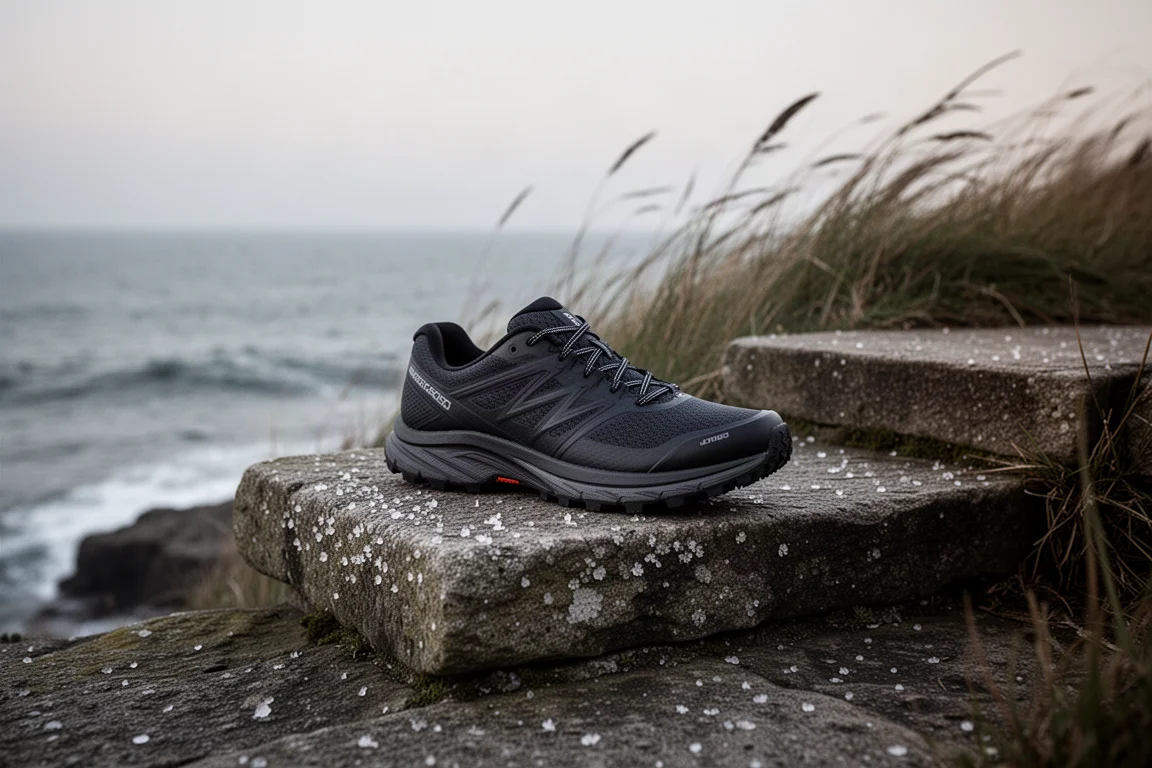
If you want a light, bouncy, cushioned trail shoe for longer runs, this is probably not it. The 360g weight, firm dual-density foam, and rigid midsole make it a demanding shoe, and larger sizes will feel even heavier. A softer foam blend with more visible energy return would go a long way here.
Conclusion
The Scott Kinabalu 3 gets the fundamentals of fit, lockdown, protection, and outsole grip right, and it looks built to last. The trade-off is a heavy, stiff, and firm ride that some runners will find old-school rather than efficient. If a secure, grippy, structured trail shoe appeals to you, it is worth a try, ideally with a short test run first to check how the stiff midsole and high ankle collar work with your feet.
Product link
View more details for Scott Kinabalu 3
This product is mentioned in the review. Check the specifications, options, and compatibility before buying.
View more details for Scott Kinabalu 3Further reading
Related Reviews
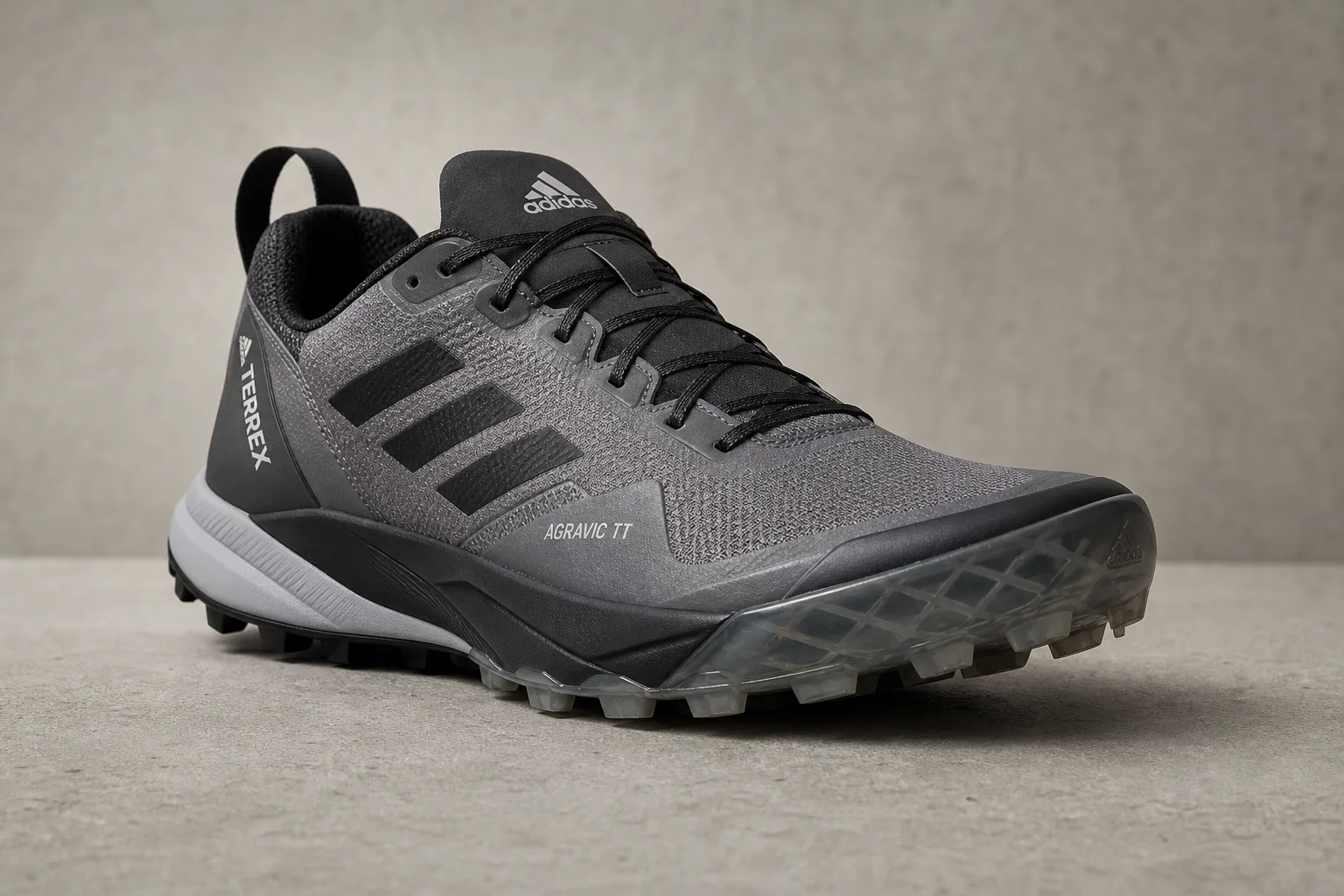
Trail Running Shoes
Adidas Terrex Agravic TT Review: A Technical Trail Shoe Built for Rocky Terrain
The Adidas Terrex Agravic TT combines a full-coverage rock plate with a firmer midsole to deliver protection and stability on technical, rocky trails. A capable choice for runners who prioritize underfoot defense over lightweight cushioning.
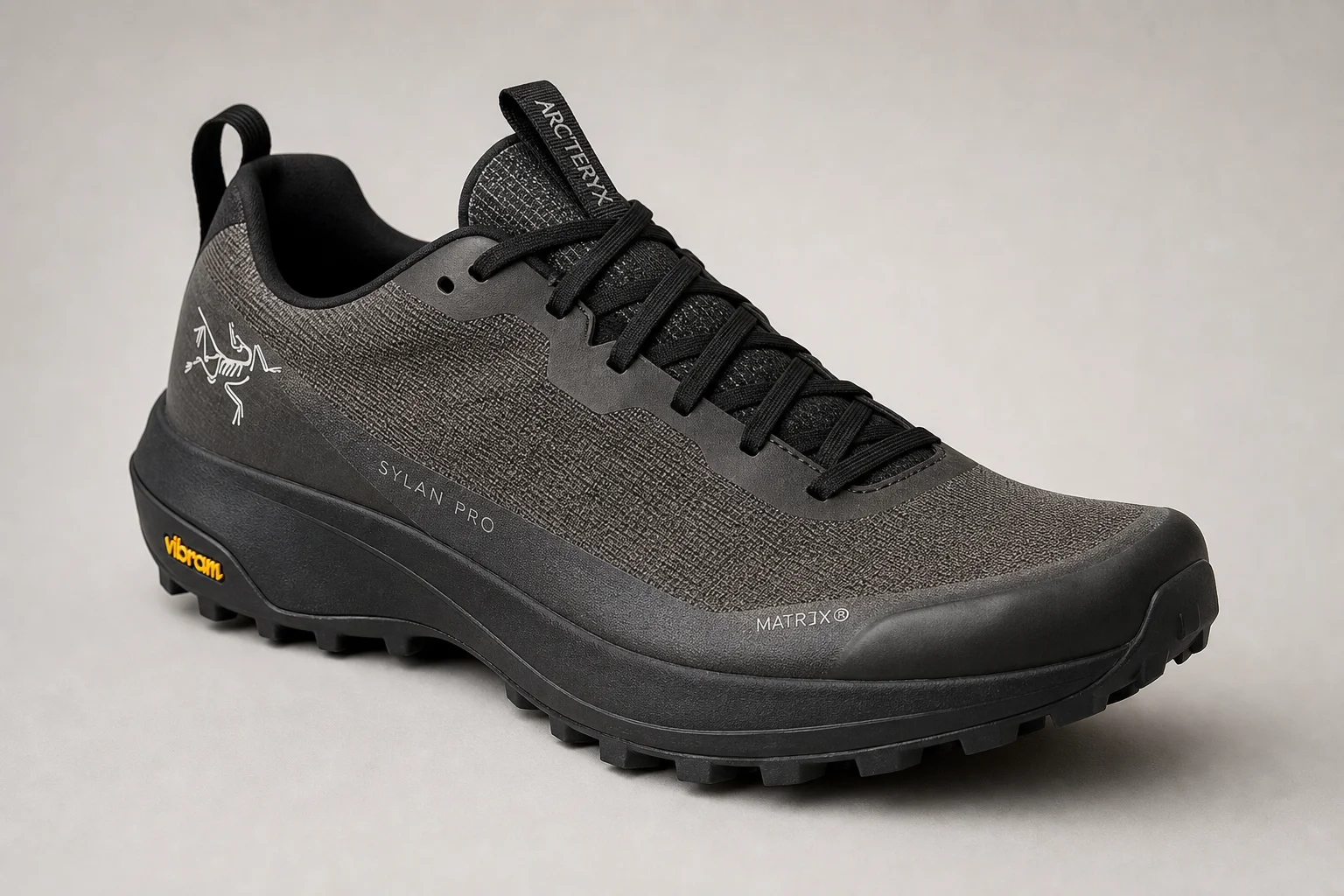
Trail Running Shoes
Arc'teryx Sylan Pro Review: A Rocker-Focused Mountain Running Shoe Tested on 20 Miles
The Arc'teryx Sylan Pro brings a pronounced rocker geometry and secure fit to mountain terrain. We tested it on a 20-mile Sawtooth loop to evaluate its climbing efficiency, protection, and handling of technical descents.
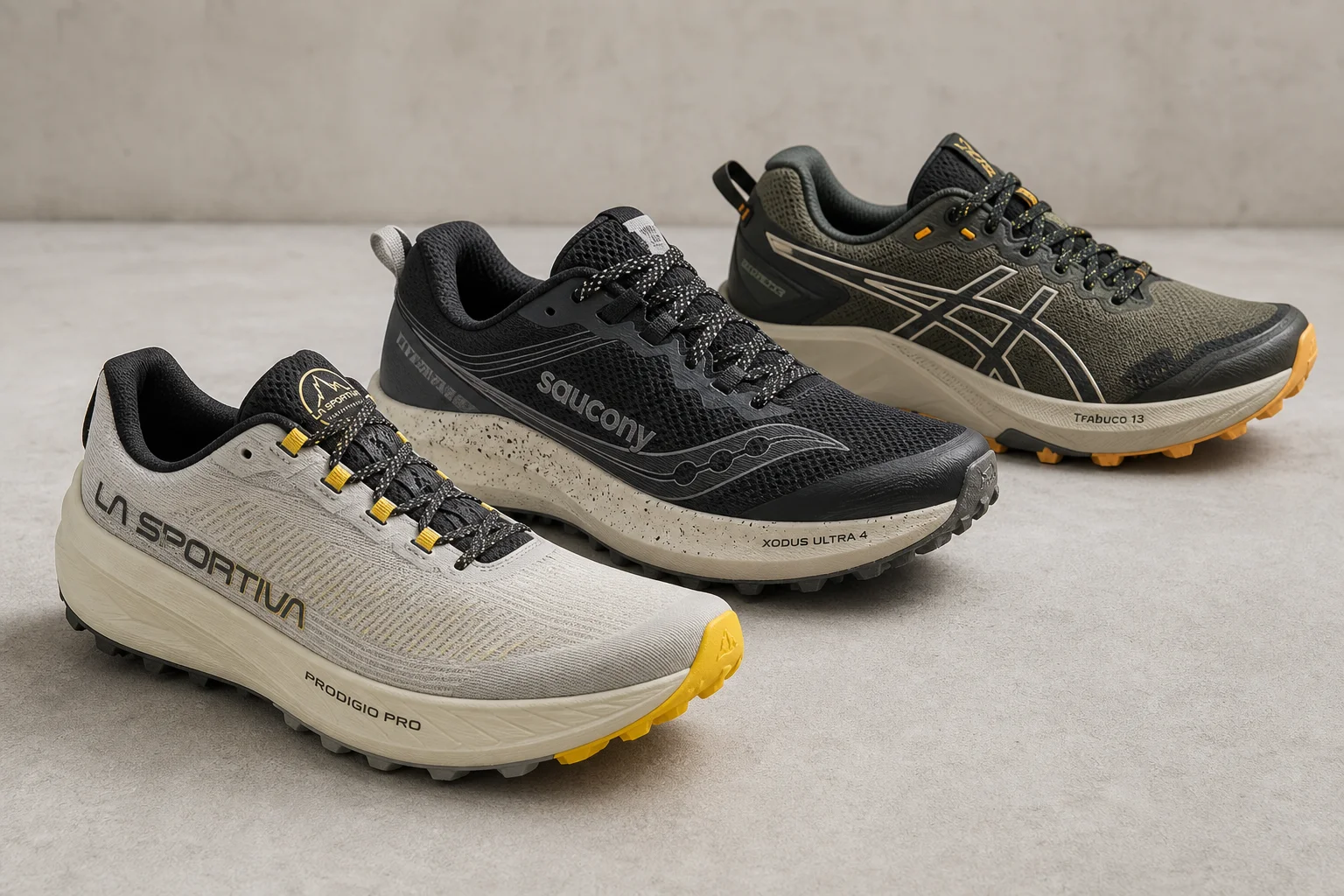
Trail Running Shoes
Best All-Mountain Trail Running Shoes: Three Versatile Options for Any Trail
A focused roundup of three all-mountain trail running shoes that handle technical terrain, long distances, and variable conditions with real strengths and practical trade-offs.