Road Bike Wheels
Scope Artech 4A Review: A 1,200g Aero Wheelset and the Premium It Asks For
A long-term look at the Scope Artech 4A, a 45mm carbon road wheelset with a hooked rim, 3D-printed hubs, and a claimed 1,200g weight that sits firmly in premium territory.
Introduction
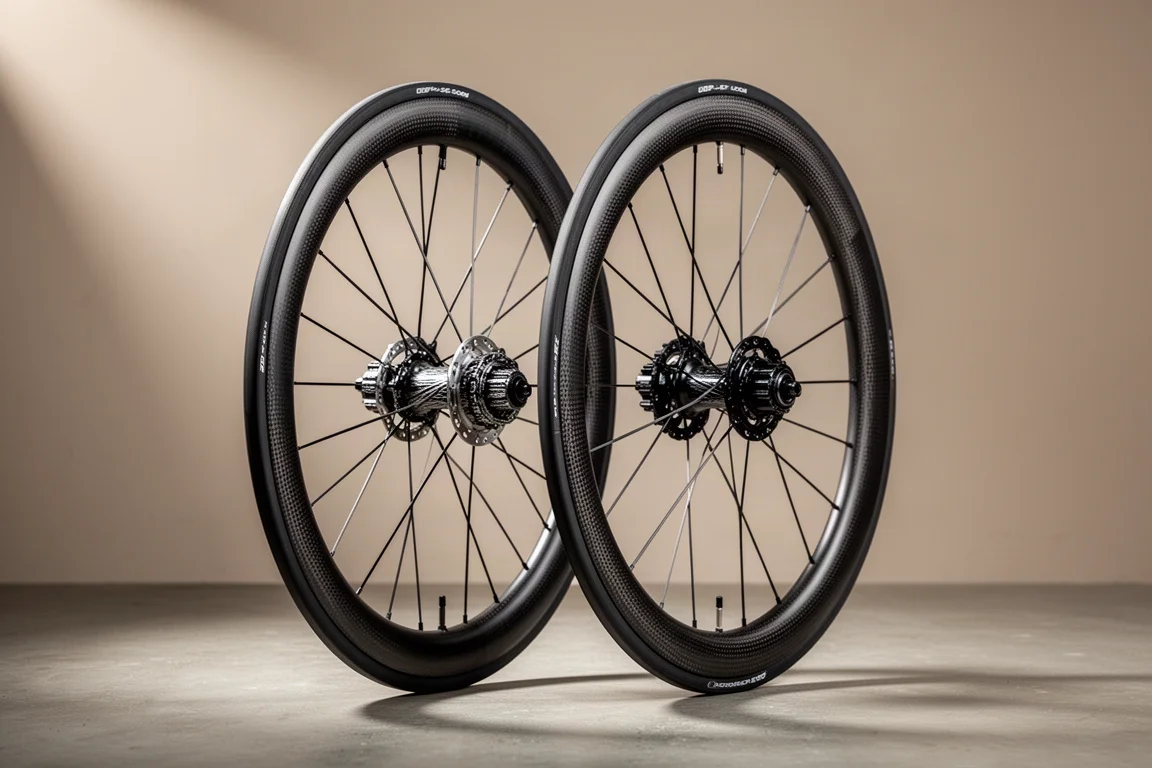
Premium road wheels have had to work harder than ever to justify their prices. Affordable carbon has improved steadily, and the gap between a mid-priced set and a halo product is narrower than it once was. The Scope Artech 4A is aimed squarely at that top tier, and it arrives with an unusually specific set of claims: a 45mm deep rim, a 25mm internal width, a hooked bead, bladed carbon spokes, and a claimed weight of just 1,200g for the pair.
The Dutch brand behind it has moved from relative obscurity to a much higher profile over the past year, and these wheels are now used in the professional peloton by the Ineos Grenadiers. That kind of visibility invites scrutiny, especially at this price. Long-term testing is the only honest way to find out whether a wheelset like this holds up, so the evaluation here is based on roughly six months of riding in British winter rain and mud, followed by summer conditions and a training camp in southern Spain.

Who the Scope Artech 4A Is For
The range offers a few configurations, and the 4A is the model sold as the all-road version: 45mm deep, 25mm internal width, hooked rim, and no hookless concerns for riders who prefer a conventional bead. That internal width is designed around modern wide rubber, and the test setup used 28mm front and 30mm rear tires, which suits it well.
A narrower, non all-road variant uses a 23mm internal width for riders running 25 to 28mm tires, and it saves a little weight. For most riders, the wider version is the more sensible choice. The all-road label is a little misleading these days, since most modern road wheels now start at 25mm internally or above.
Depth is the other decision. A 45 to 50mm rim depth remains a genuinely good all-round compromise: fast on flat roads, stable enough in crosswinds, and light enough to climb well. Going deeper adds aerodynamic benefit but also weight and twitchiness in gusty conditions, so this range of depth is a practical fit-and-forget choice for road racing, sportives, and everyday fast riding.
Main Strengths: Aero, Weight, and Ride Quality
The headline number is weight. At a claimed 1,200g for a 45mm deep rim, the Artech 4A is lighter than comparable offerings from brands such as Hunt, Zipp, and Enve. That combination of aerodynamic depth and low mass is where these wheels score best, and it is a large part of the argument for the price.
On the road, that balance translates into a set that carries speed on flat terrain and still feels eager when the gradient turns upward. Climbs that normally punish a deep-section wheel do not produce the usual weight penalty here. The wheels roll smoothly and tubeless tire installation has been straightforward, with no need for inflator tricks or repeated attempts.
Some of that responsiveness comes from the carbon spokes. Riders who dislike the firmer feel of carbon spokes will notice it here. Compared with steel-spoke wheels such as the Enve equivalents, the Artech 4A transmits more road feedback and feels stiffer and crisper, while wide tires do a lot to soften the surface underneath. The difference is small, but at this price point the small differences are what separate one premium wheelset from another.
Rim Design and the Fish-Scale Texture
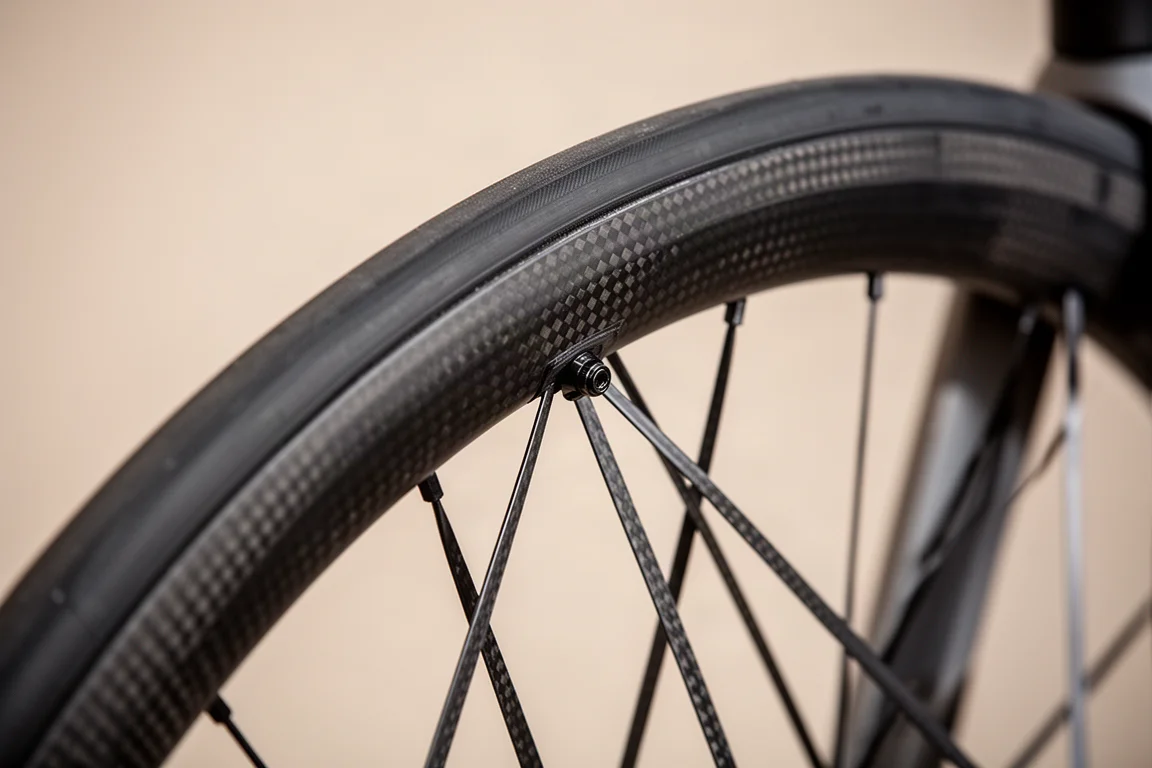
The most distinctive visual feature is the rim surface, a patterned texture said to be inspired by fish scales. The claim is that it generates velocity streaks that travel at different speeds across the rim surface, stabilising airflow and reducing drag. It is easy to write off as a gimmick.
An independent wind tunnel test is a useful counterpoint. In that testing, the deeper 65mm version of this wheel topped the field, which suggests the surface treatment is doing real work rather than merely looking unusual. It is reasonable to expect the 45mm version to perform close to the leading wheels at a similar depth, though that specific comparison has not been verified directly.
3D-Printed Hubs
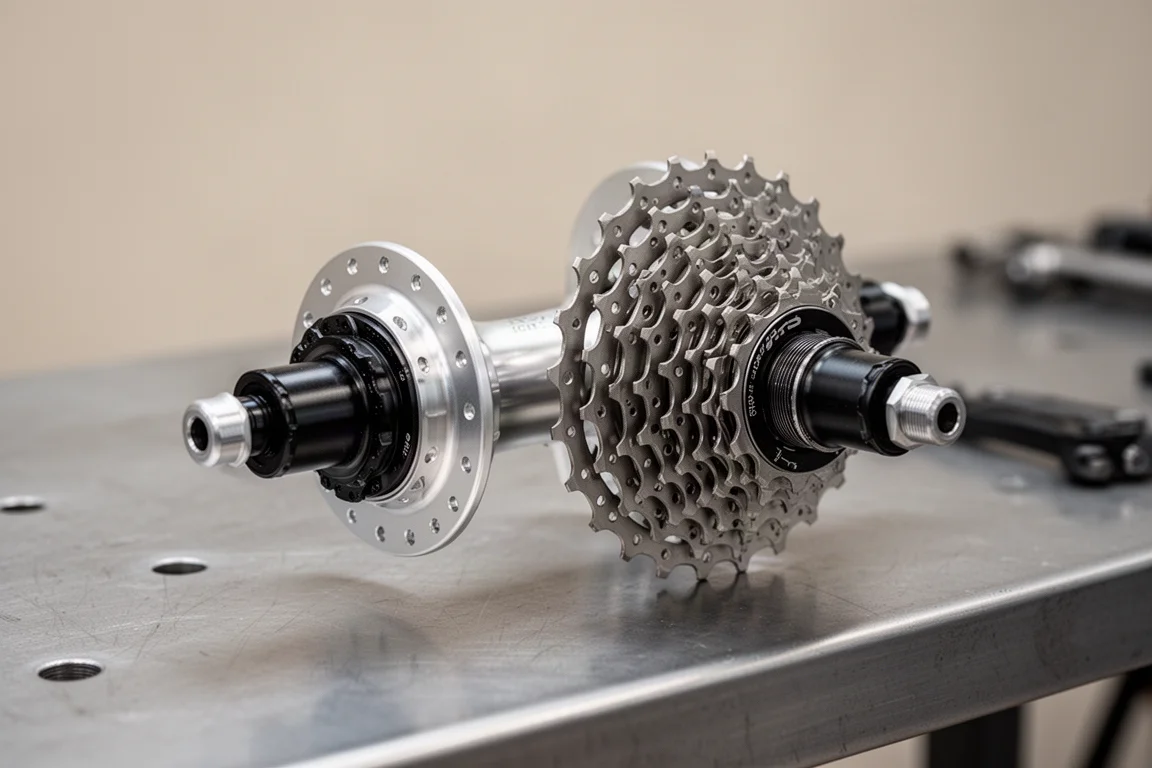
The hubs are the other major technical talking point, and they are 3D printed, which is a first for cycling wheels as far as is publicly known. The reason is weight: the pair is claimed at 220g, against over 330g for Enve’s lightweight pro hubs.
They look unlike anything else on the market, though the core surface texture is rougher than a forged hub and the flange styling is less sharp than some modern alternatives. Early versions of these printed hubs suffered from corrosion and cracking, but the finish and construction have since been updated. The wheelset used for this testing has shown none of those problems.
Other details include carbon bladed spokes, 18 in the front and 24 in the rear, with hidden nipples. The freehub is a lightweight diamond ratchet SL unit made from titanium with a diamond-like carbon coating, and the standard build uses SKF bearings, with a ceramic bearing option available as an upgrade.
Things to Consider Before Buying
The most immediate trade-off is sound. These wheels are loud, and the freehub noise is prominent enough to be a genuine annoyance for some riders, though it doubles as an audible warning when approaching walkers and dog owners. A silencing kit is available to buy if the volume becomes tiresome.
Maintenance is another consideration. The hidden internal nipples look clean but make truing a wheel less convenient when it is needed. The 3D-printed hubs are also an open question for the long term. Six months of hard use produced no issues, but the first-generation problems were significant enough that some buyers will want reassurance before committing, and the surface texture is rougher than on a conventional forged hub.
The ride is firmer than a smooth steel-spoke build, which matters for lighter riders in particular. And then there is the price. At around £3,500, with a further £500 for the ceramic bearing upgrade, these are among the most expensive wheels a rider can buy today, even if they are not the most expensive in absolute terms.
Living With Them Over Six Months
Six months is not a lifetime, but it is considerably longer than the two to four weeks typical of a short test, and long enough to surface durability problems. These wheels arrived in January and were ridden through a wet, muddy British winter, including jet washing the hubs after rides, and then through summer conditions and a training camp in southern Spain.
They were also used across several different bikes with both Shimano and SRAM groupsets. Through all of it, the hubs still look as they did on arrival, with no visible corrosion or cracking, and the spokes and rims have shown no issues worth reporting. That is a meaningful result given the history of the printed hub design.
Ownership terms support that confidence. The wheels come with a lifetime warranty and a lifetime crash replacement policy, and a 30-day free trial allows riders to try them before fully committing. For anyone uneasy about the early hub failures, those protections are a reasonable safety net.
Buying Advice
If a rider is already shopping in this bracket, the Scope Artech 4A makes a compelling case. The combination of a 1,200g claimed weight, a 45mm aerodynamic profile, a hooked rim for wide tires, and a clean durability record over six months of hard use is difficult to match, and the lifetime warranty and crash replacement policy reduce the risk attached to the 3D-printed hubs.
The honest caveat is that plenty of cheaper wheelsets deliver similar real-world performance, and the freehub noise and internal nipples will not suit everyone. This is a purchase that makes sense when the budget is there, when the priority is the very best blend of aerodynamics and low weight, and when the buyer values the ownership protections on offer. Riders who want maximum smoothness over maximum response may prefer a steel-spoke alternative instead.

Conclusion
The Scope Artech 4A is an extremely expensive wheelset, and it does not pretend otherwise. What matters is whether the performance justifies the outlay, and over six months the answer has been largely yes. The weight is exceptional for the depth, the aerodynamic design appears to be backed by real testing rather than marketing language, and the hubs have held up in conditions that would expose a weak design.
Anyone hesitant about the early hub issues should weigh that against the lifetime warranty and crash replacement cover, which go some way toward softening the risk. Buyers who simply want fast, light, confident wheels for racing, sportives, and long club rides will find these deliver, provided they can accept the noise, the maintenance quirks of hidden nipples, and the firm ride that comes with carbon spokes. For riders already spending at this level, the Artech 4A deserves a serious look alongside the obvious alternatives.
Product link
View more details for Scope Artech 4A
This product is mentioned in the review. Check the specifications, options, and compatibility before buying.
View more details for Scope Artech 4AFurther reading
Related Reviews
Road Bike Wheels
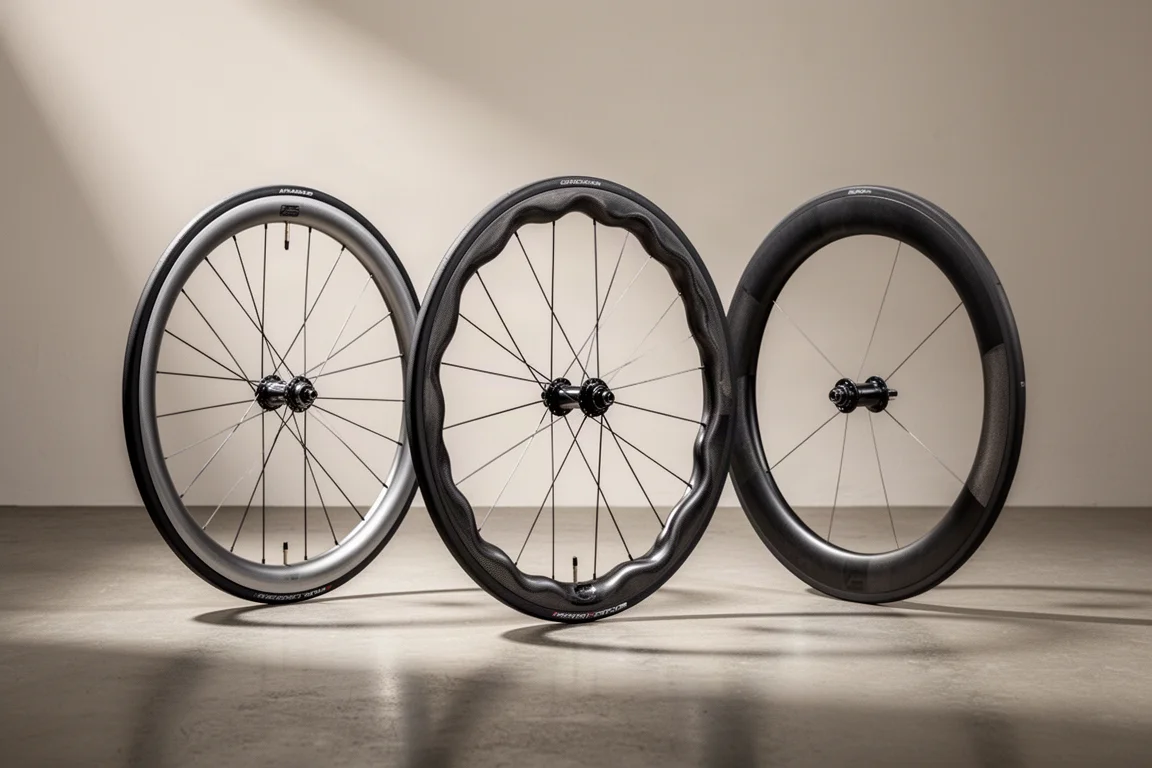
Best Rim Brake Road Wheels 2026: Seven Options for Every Budget
A practical guide to rim brake road wheelsets across almost every price point, plus custom build advice and a secondhand inspection checklist.
Road Bike Wheels
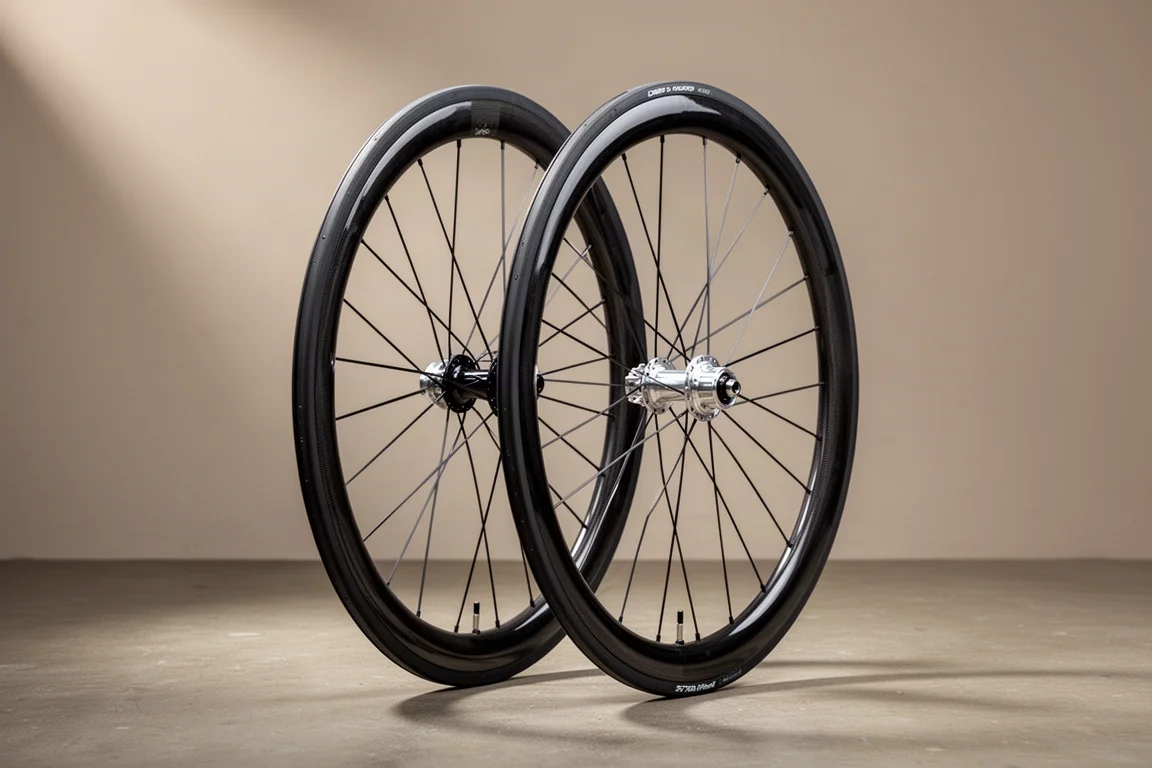
Best Road Bike Wheels: A Practical Tier Guide to Six Sets Worth Buying
Six road and gravel wheelsets compared, from accessible carbon upgrades to World Tour race wheels, with the trade-offs that matter before you buy.
Road Bike Wheels
Campagnolo Hyperon Review: A 37mm Carbon Wheelset Built for All-Round Road Riding
A mid-depth carbon road wheelset that climbs well, stays stable in gusty crosswinds and looks the part, with a few trade-offs worth checking first.