Road Bike Wheels
Best Road Bike Wheels: A Practical Tier Guide to Six Sets Worth Buying
Six road and gravel wheelsets compared, from accessible carbon upgrades to World Tour race wheels, with the trade-offs that matter before you buy.
Introduction
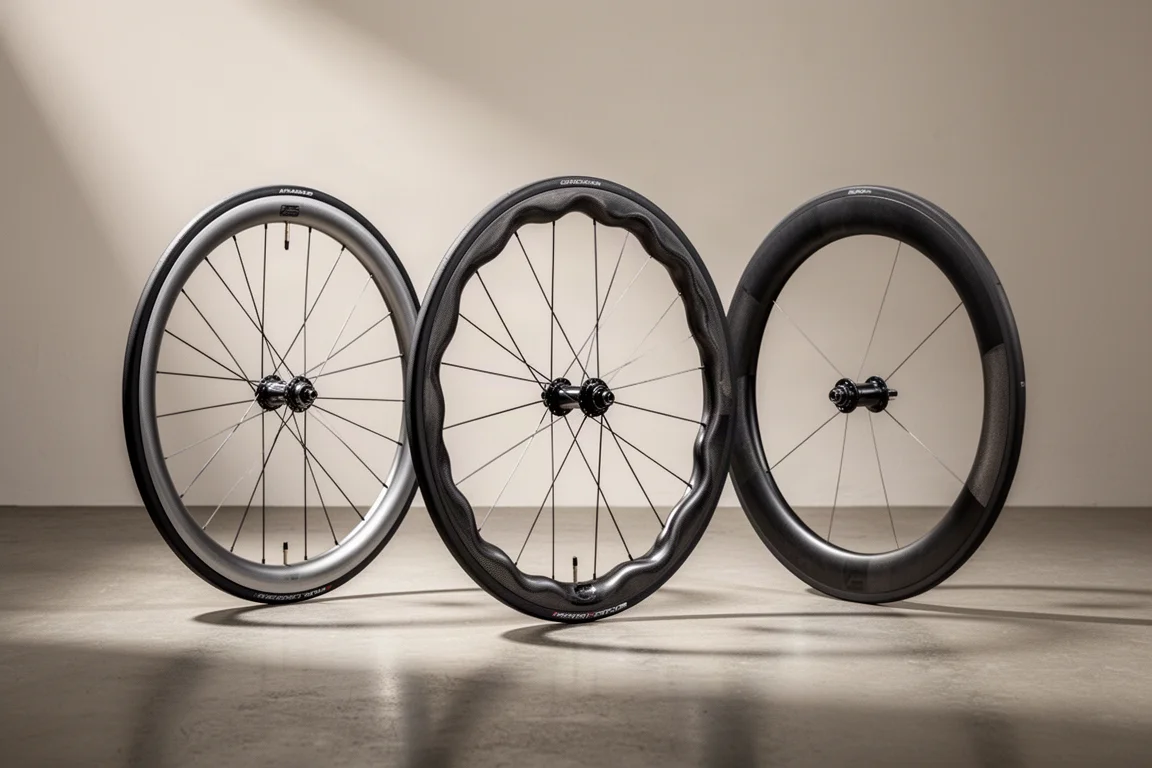
Wheel prices span an enormous range, and spending more does not automatically deliver a better ride. The six sets below stood out across a wide spread of road and gravel riding, from accessible carbon upgrades to wheels ridden by a World Tour team. Each one earns its place for a specific reason: warranty support, hub quality, crosswind stability, or simply strong value at its price point.
Several of these wheels share design ideas. Hookless rims, wider internal widths, rim brake availability and freehub compatibility all come up, and each carries trade-offs worth understanding before you commit.
How These Wheels Were Judged
Three things separated the memorable wheelsets from the forgettable ones.
The first is ride quality on real roads rather than test tracks. Stiffness matters, but so does composure in crosswinds and how a wheel feels after four hours in the saddle. The second is the hub, because it shapes engagement, serviceability, and how easily you can move a wheelset between bikes or drivetrains. The third is ownership cost, which includes crash replacement programs and warranty terms rather than just the sticker price.
A note on hookless rims, which appear on several carbon wheelsets here. A hookless rim relies on tire pressure pushing against the rim walls to hold the tire rather than a hooked bead. Maximum pressure recommendations vary by wheel and tire brand, so check the current ETRTO guidance for safe tire and rim combinations before riding.
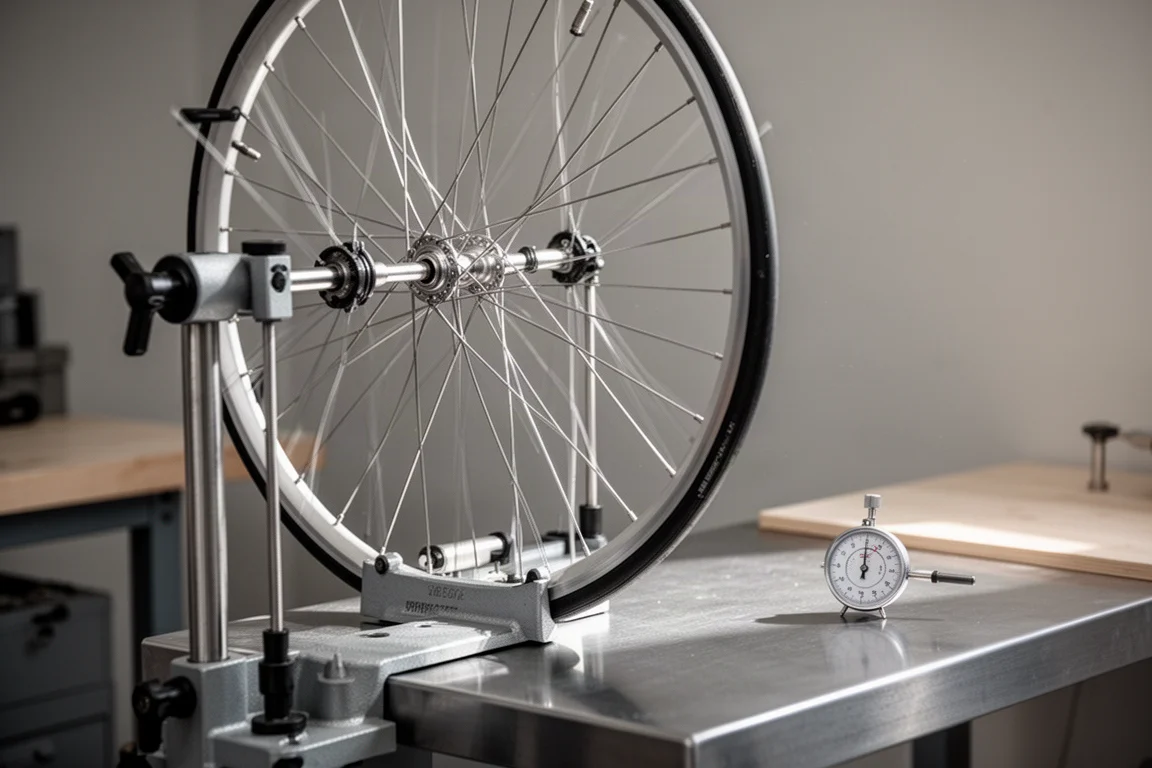
Claimed weights are also worth reading carefully. A claimed figure for a set is a starting point rather than a guarantee, and the difference between two wheels of similar depth is often smaller than the marketing suggests.
Zipp 303 S: The Sensible Carbon Entry Point
The 303 S is the most accessible carbon wheelset in the Zipp range, and it makes a strong case as a first upgrade. You get carbon rims, tubeless-ready construction, disc brake fitment, and a claimed weight of 1,525g for the set.
The standout feature is the lifetime warranty, which covers intended use. Hit a pothole out on a ride and you are covered. Crash in a race and you are covered. Damage from being hit by a car falls outside the program, since that is expected to be handled by separate insurance.
The rims are hookless, which will put some riders off. It is not a dealbreaker, but it does mean paying close attention to tire compatibility and pressure limits. Beyond that there is very little to criticise, and these wheels have consistently felt great to ride.
Zipp NSW 353: Top-Tier Speed With a Polarising Look
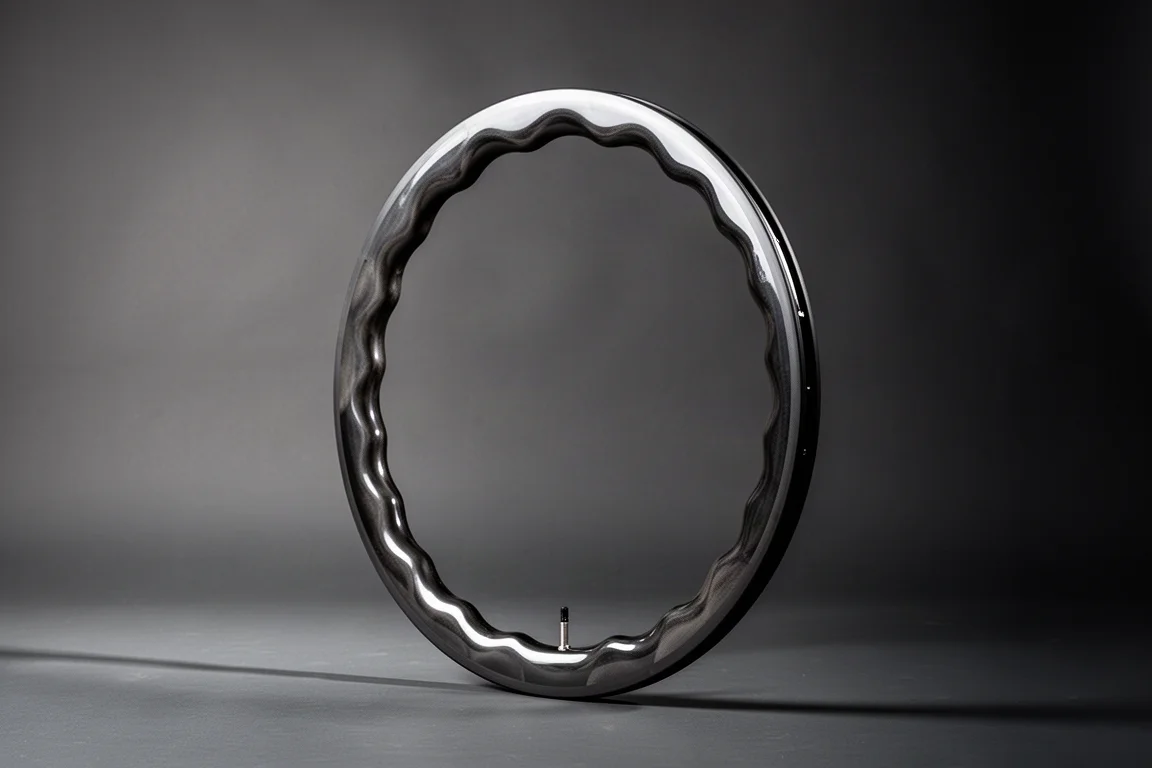
NSW stands for Nest Speedworks, named after the area of the company’s research and development offices. These sit at the very top of the Zipp range and cost £3,376 for a set.
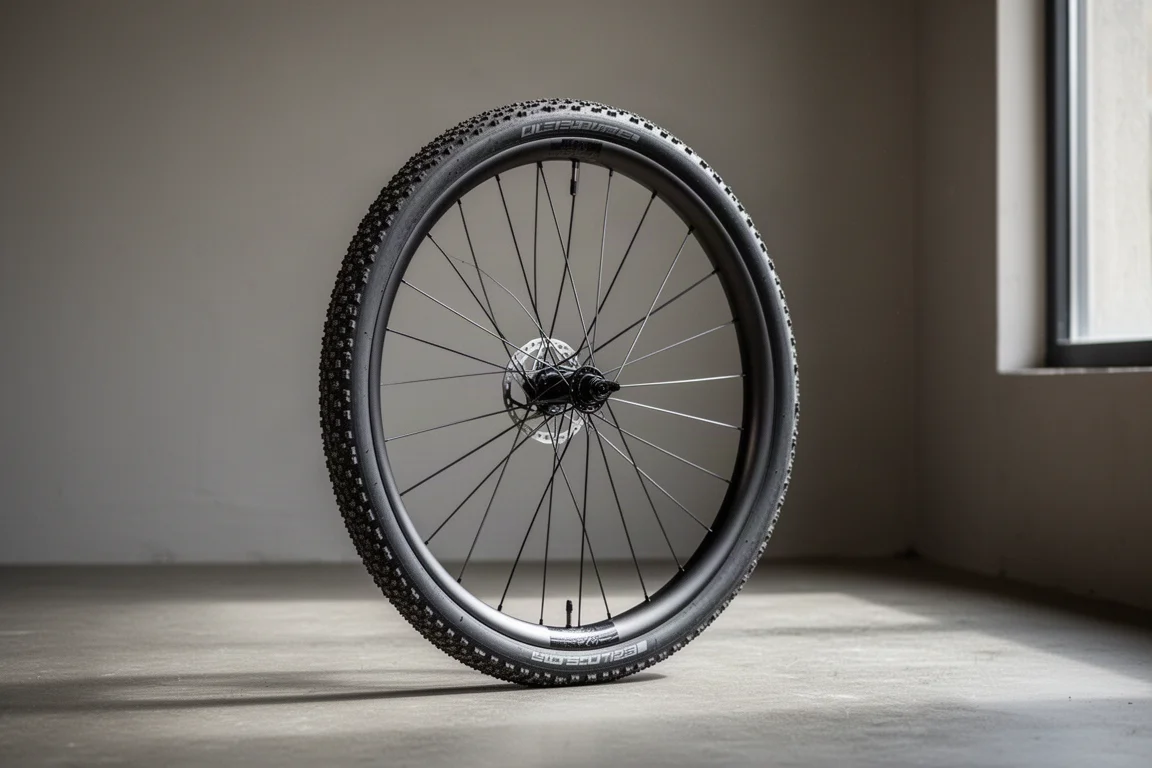
The 353 is the shallower option compared with the 453, and it is also wider internally, which makes it suitable for gravel as well as road. On the road it rides exceptionally well, which is exactly what you would hope for at this price. The freehub has a loud, distinctive sound that some riders love and others find too much.
The wavy rim profile and the glossy finish divide opinion, and the lower-priced Firecrest models are arguably cleaner looking. If the aesthetics work for you, the ride quality will not disappoint.
Enve SES: The Premium Aero Benchmark
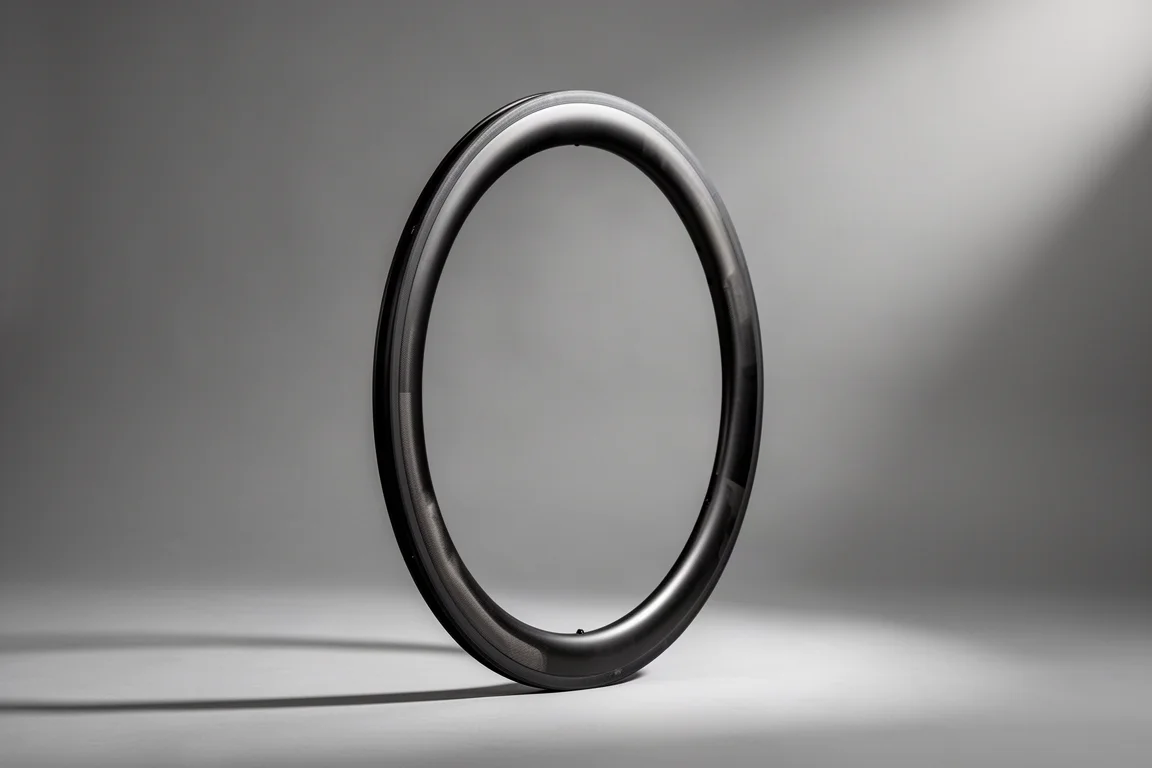
The SES range is Enve’s top-end offering, and it answers the main complaint about the more affordable Foundation wheels. The internal width is 25mm, which is very wide, and tires mounted on these rims look noticeably broad.
These are a pro-level wheelset, and part of what you pay for is the branding and the kudos that comes with it. The performance gain over cheaper alternatives is real but modest, and the price is significant at £3,350 for a set. It is also not the most expensive option in this guide.
The most interesting detail is the mismatched depths. Depending on which set you buy, the front wheel is slightly shallower than the rear, and the rim profiles differ as well. The front wheel, which is what causes instability in crosswinds, is designed to be the more stable of the two. In practice that approach works, and these wheels feel unusually calm in strong, gusty wind.
DT Swiss ARC 1400 DICUT DB: Hub Performance First
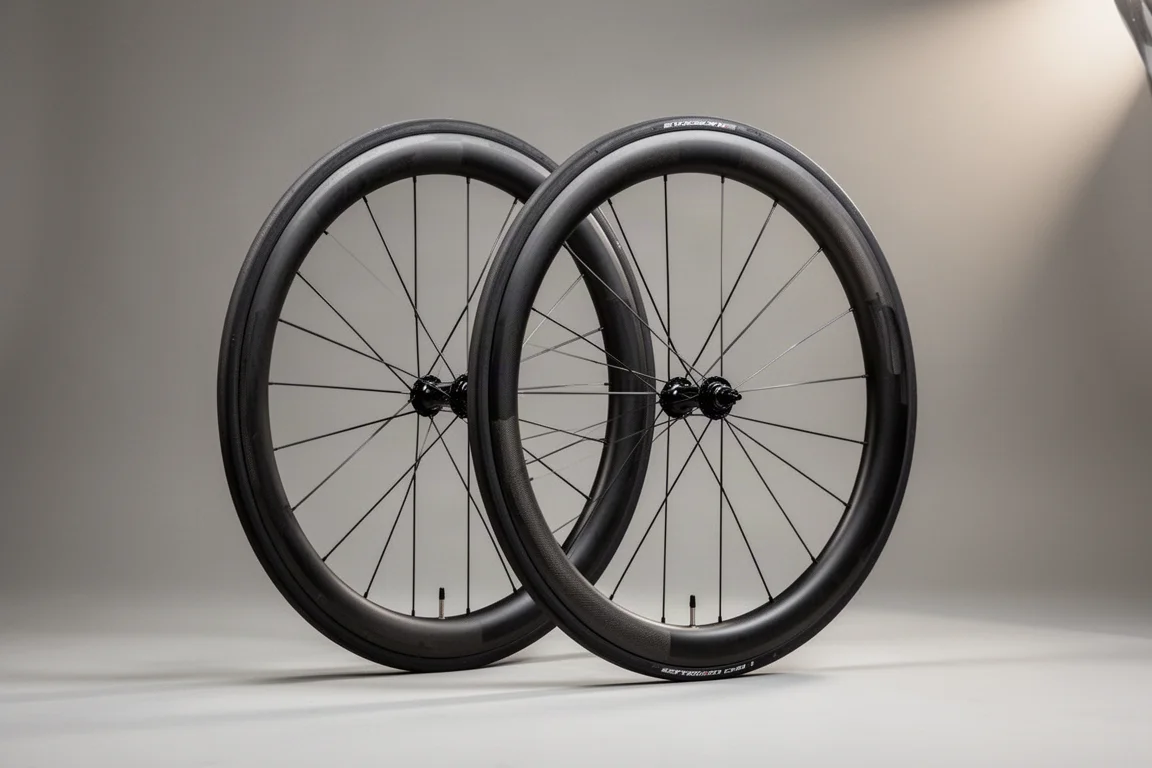
DT Swiss sells a wide range of wheels that look nearly identical at very different prices, which makes the line-up confusing to shop. The ARC 1400 DICUT DB sits in the middle of that range and has been ridden extensively. The DB stands for disc brake, and a rim brake version is still offered, which is increasingly rare at this level.
The 20mm internal width is not the most modern figure available, though it is certainly not outdated. The real strength is the hub. DT Swiss manufacture their own hubs, and the DT240 units here use a ratchet mechanism, so engagement is very fast and the difference is easy to feel when you pedal.
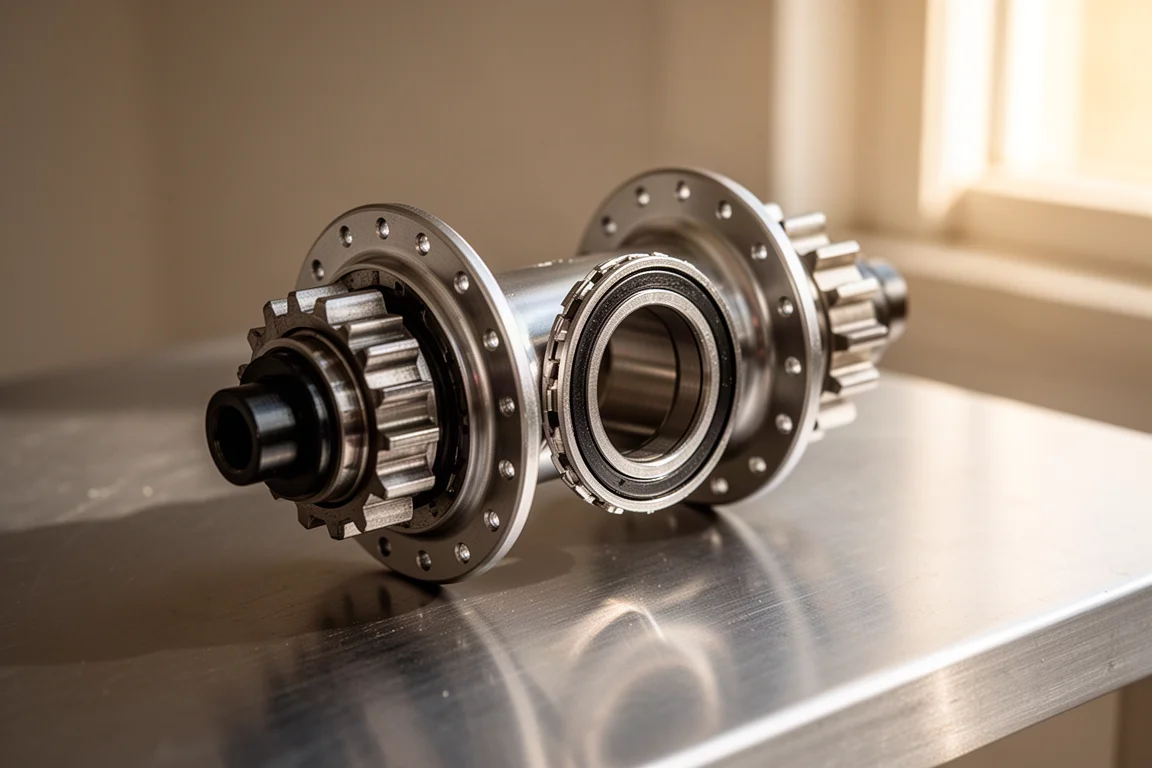
The trade-off is appearance. Like most DT Swiss wheels, these are understated to the point of being plain, with a single small logo. At around £2,000 a set, you are paying for hub quality, reliability and long-term serviceability rather than visual drama.
Shimano Ultegra C50: Value That Punches Above Its Price
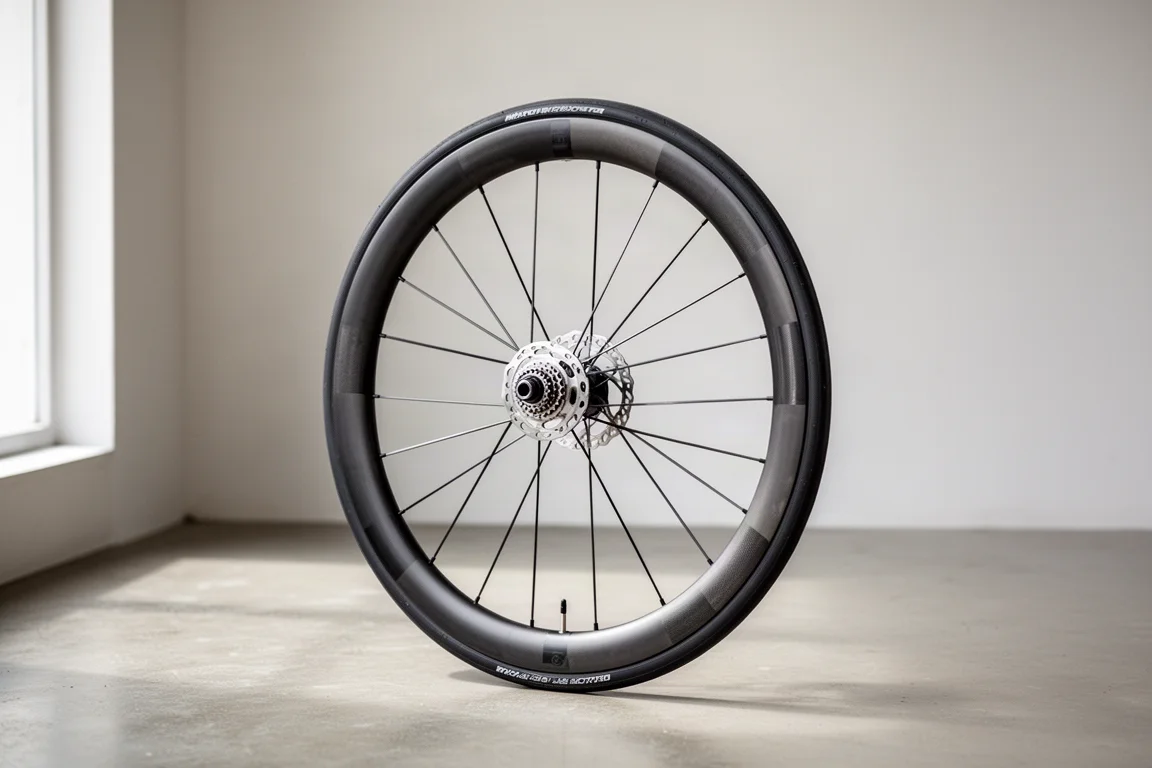
Shimano’s wheel range is easy to overlook, and that is a mistake. The Ultegra C50 sits roughly £250 above the 105 WH-RS710-C46-TL, and the extra spend buys a lighter wheel, a better carbon layup, a deeper and therefore faster rim, and a 2:1 spoke pattern on the rear wheel. It also simply looks better.
These are not the lightest wheels in this guide, but for the price they are extremely good. The hubs use cup and cone bearings rather than sealed cartridges, a system Shimano has refined over many years. The small ball bearings are serviceable rather than disposable, and the freehub sound is exactly what a freehub should sound like.
The limitation is compatibility. Shimano wheels lock you into a Shimano freehub, so riders running other drivetrains should factor that in before buying.
Swiss Side Hadron Ultimate: World Tour Aero Without the Theatre
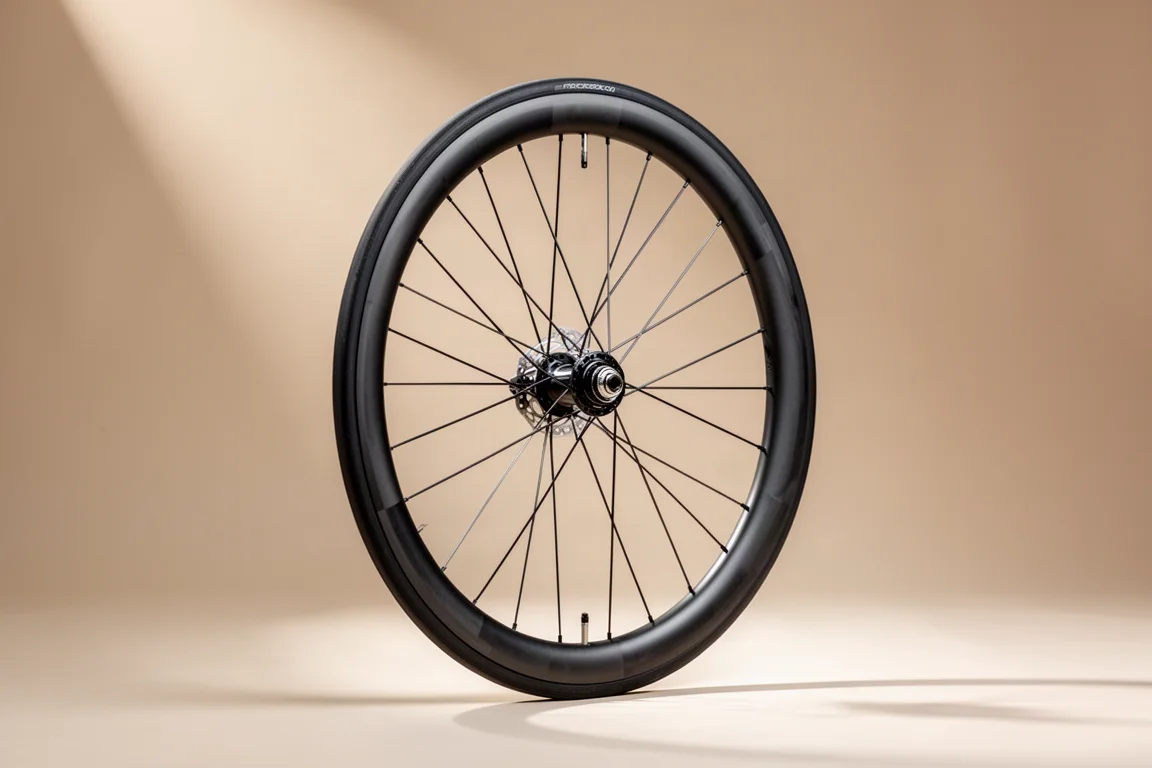
Swiss Side develops its wheels in collaboration with DT Swiss. The hubs differ, but much of the aerodynamic work is shared, and the Hadron Ultimate is the set used by the Decathlon AG2R World Tour team.
They are not flashy in the way that a Zipp or an Enve is. What they offer instead is World Tour-level aerodynamics at £1,396 for a set, along with a 50 percent crash replacement program if you damage them in a race. For a bike built specifically for racing, these deserve serious consideration.
Buying Advice: Matching Wheels to Your Riding
Start with the hub, not the rim depth. A fast-engaging, serviceable hub affects every ride, and it determines how easily you can move the wheels between bikes or drivetrains. Freehub compatibility is the single most common reason a good wheelset becomes an awkward one, so confirm it before you buy.
Next, decide how much warranty and crash protection matter to you. Programs differ significantly. Some cover intended use including race crashes, others offer a partial replacement on a crash, and others provide none at all. If you race or ride rough roads, that coverage can be worth more than a small weight saving.
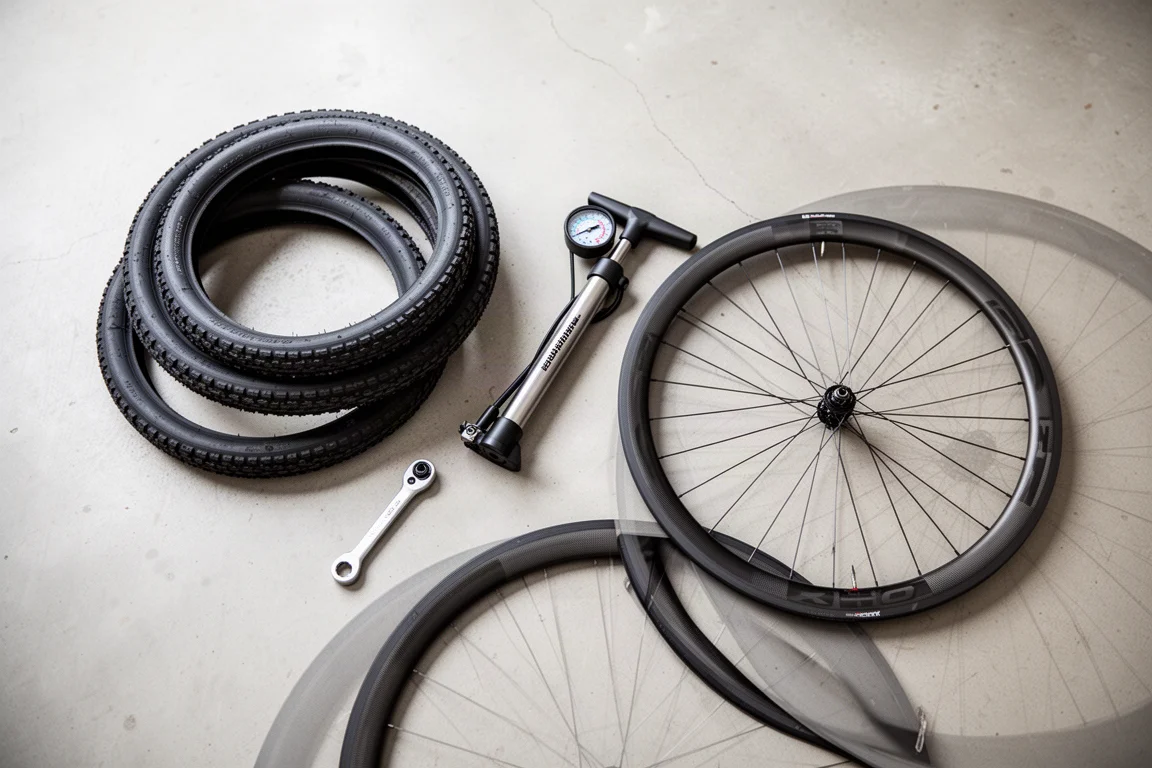
Rim depth should follow your terrain. Deeper rims are faster in a straight line, but a shallower and more stable front wheel is easier to live with in gusty conditions. If most of your riding happens in wind, a wheel with a shallower or mismatched front profile will likely serve you better than the deepest option you can afford.
Finally, weigh internal width against the tires you actually run. A wider internal width supports wider tires and suits gravel, while narrower rims remain perfectly usable on the road. If you are considering hookless rims, confirm that your tire and pressure combination meets current ETRTO guidance before you ride.
Conclusion
There is no single best wheelset here, only the one that fits how you ride. The Zipp 303 S is the most approachable carbon upgrade, the Shimano Ultegra C50 is the value pick, the DT Swiss ARC 1400 leads on hubs, the Swiss Side Hadron Ultimate brings World Tour aero at a reasonable price, and the Enve SES and Zipp NSW 353 sit at the top for riders who want the best and are prepared to pay for it.
Check the details that matter to you, particularly freehub compatibility, warranty terms and rim width, and any of these sets can be a confident purchase.
Further reading
Related Reviews
Road Bike Wheels
Best Rim Brake Road Wheels 2026: Seven Options for Every Budget
A practical guide to rim brake road wheelsets across almost every price point, plus custom build advice and a secondhand inspection checklist.
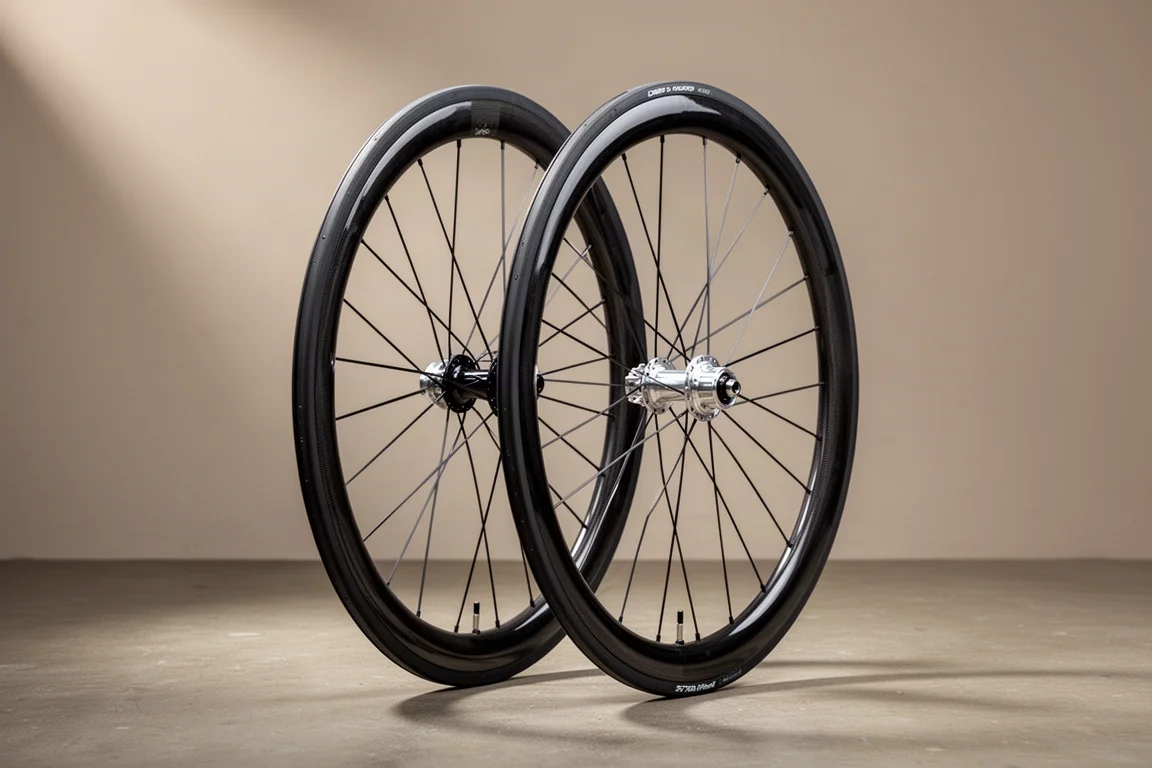
Road Bike Wheels
Campagnolo Hyperon Review: A 37mm Carbon Wheelset Built for All-Round Road Riding
A mid-depth carbon road wheelset that climbs well, stays stable in gusty crosswinds and looks the part, with a few trade-offs worth checking first.
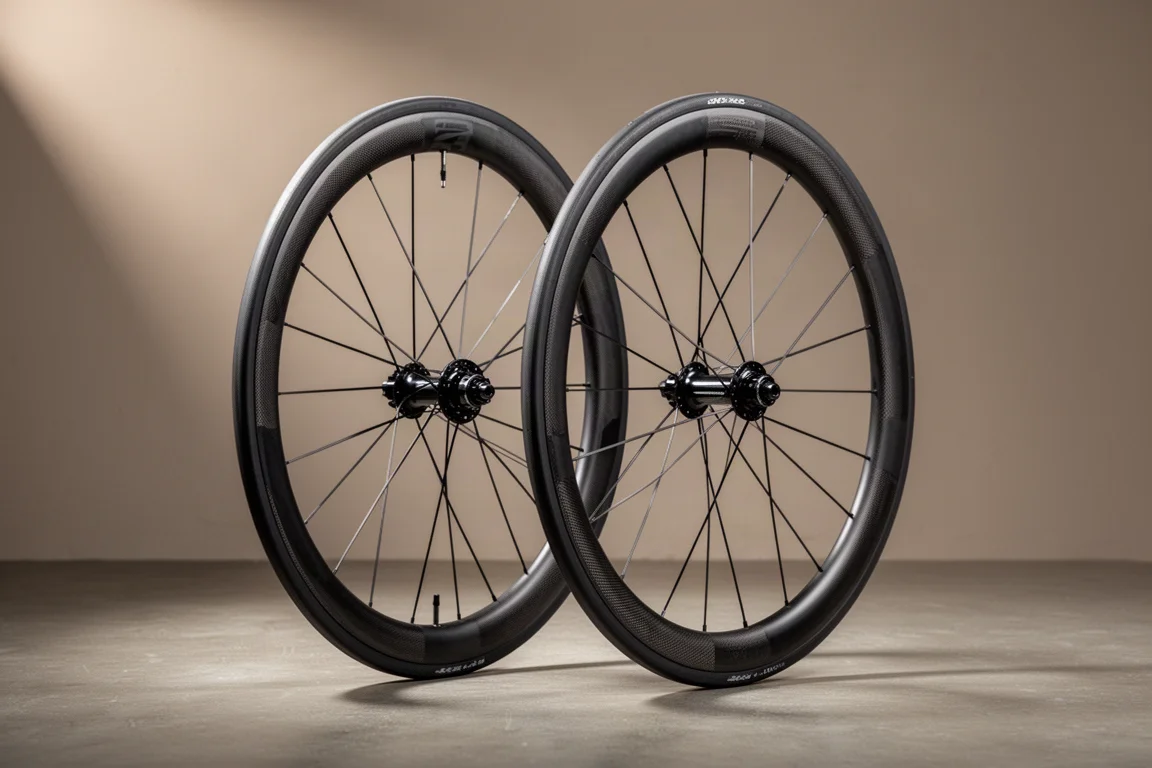
Road Bike Wheels
ENVE SES 2.3 Wheels Review: Ultralight Carbon Climbing Wheels Tested
A full carbon, tubeless-ready disc wheelset at 1,197 g, tested on steep local climbs against deeper-section wheels.