Running Shoes
Saucony Triumph vs On Cloudmonster: Two Max Cushion Trainers Compared
The Saucony Triumph and On Cloudmonster take very different paths to max cushion. Here is how their foams, fit, stability, and ride compare.
Introduction
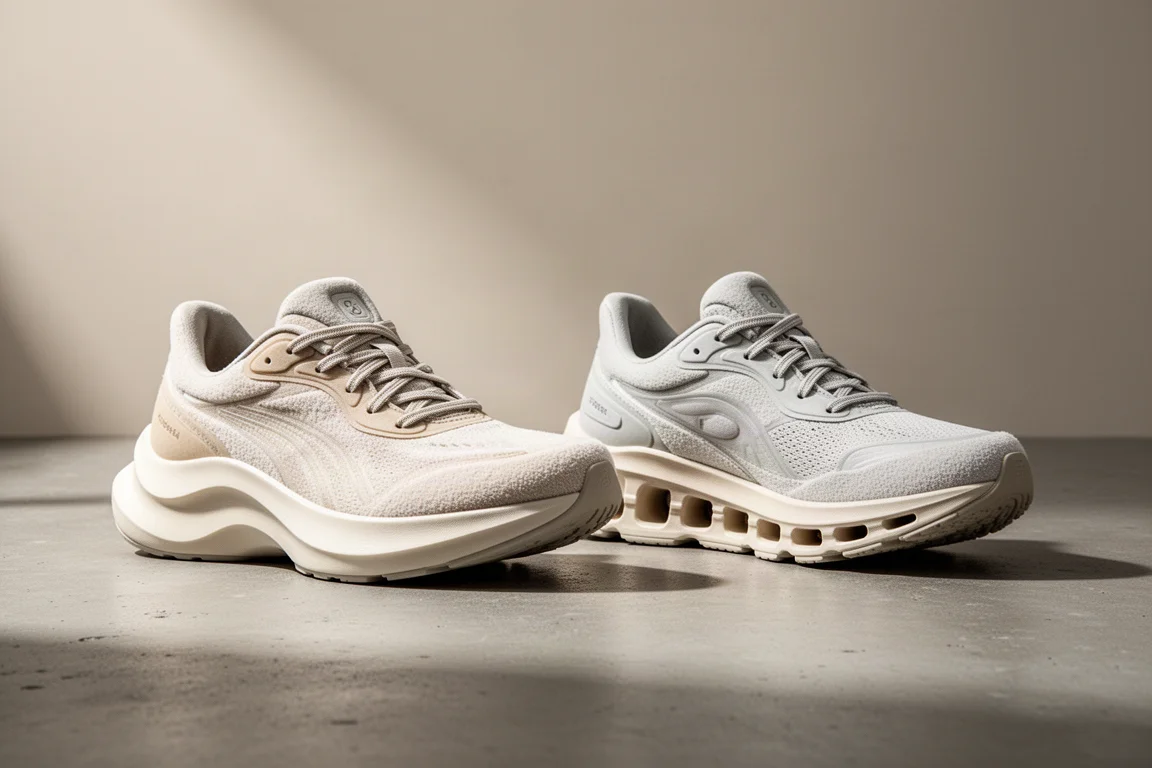
Max cushion trainers have quietly become the default daily shoe for a lot of runners, and two models keep coming up in that conversation: the Saucony Triumph and the On Cloudmonster. Both sit in the same general price bracket and both promise a plush ride, but they get there in very different ways. This comparison breaks down the foam, fit, durability, stability, and versatility of each so you can pick the one that matches how you actually run.
Midsole Technology: A Tale of Two Foams
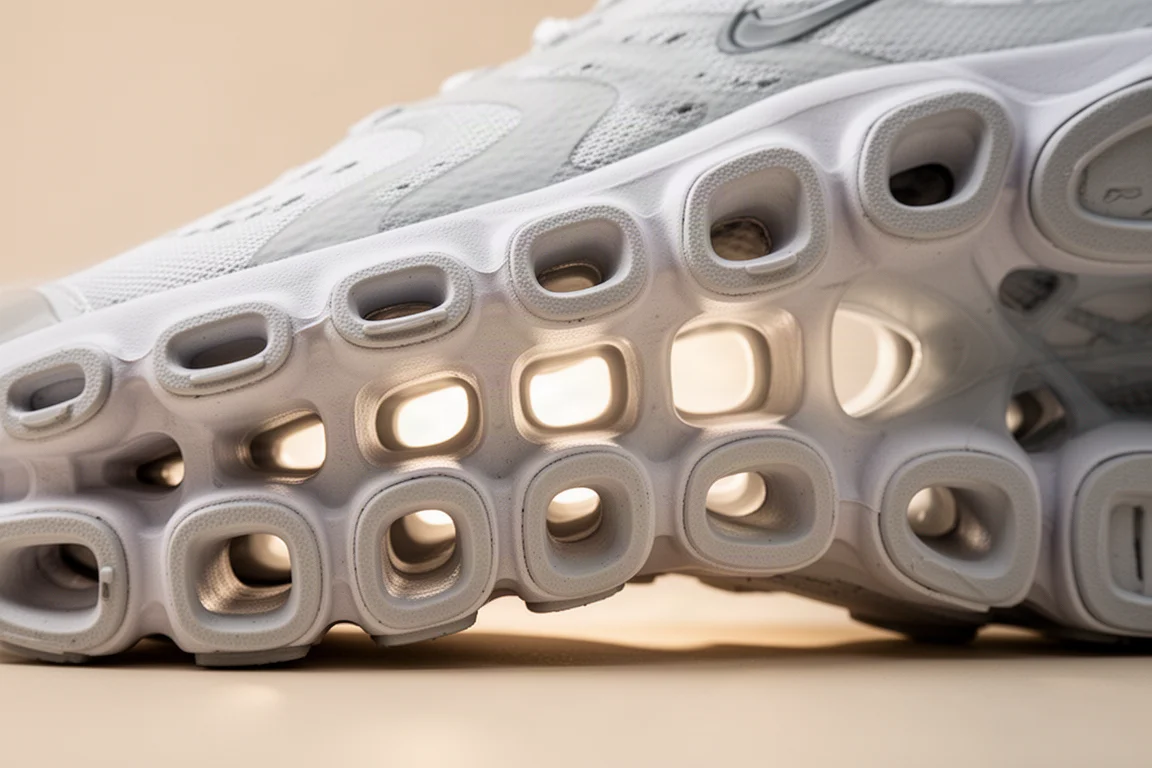
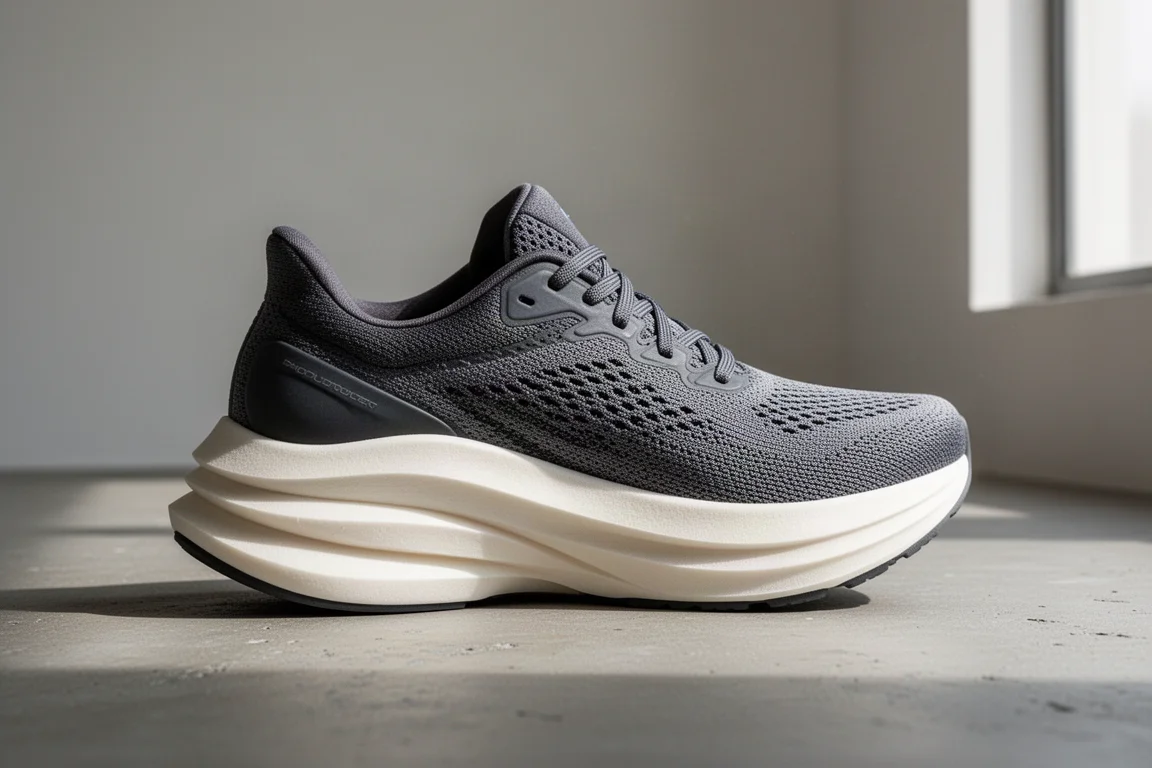
The On Cloudmonster is On’s first true max cushion shoe. It carries a stack of over 30 millimeters of Helion foam shaped into CloudTec pods in the midsole, and those pods connect to a speedboard, a plastic plate that gives the ride both cushion and a touch of responsiveness. The foam itself is a standard EVA mixed with olefin for added rigidity and durability, similar to what you would find in common daily trainers, but the hollow pod design gives it a distinct squish-and-release sensation as you run.
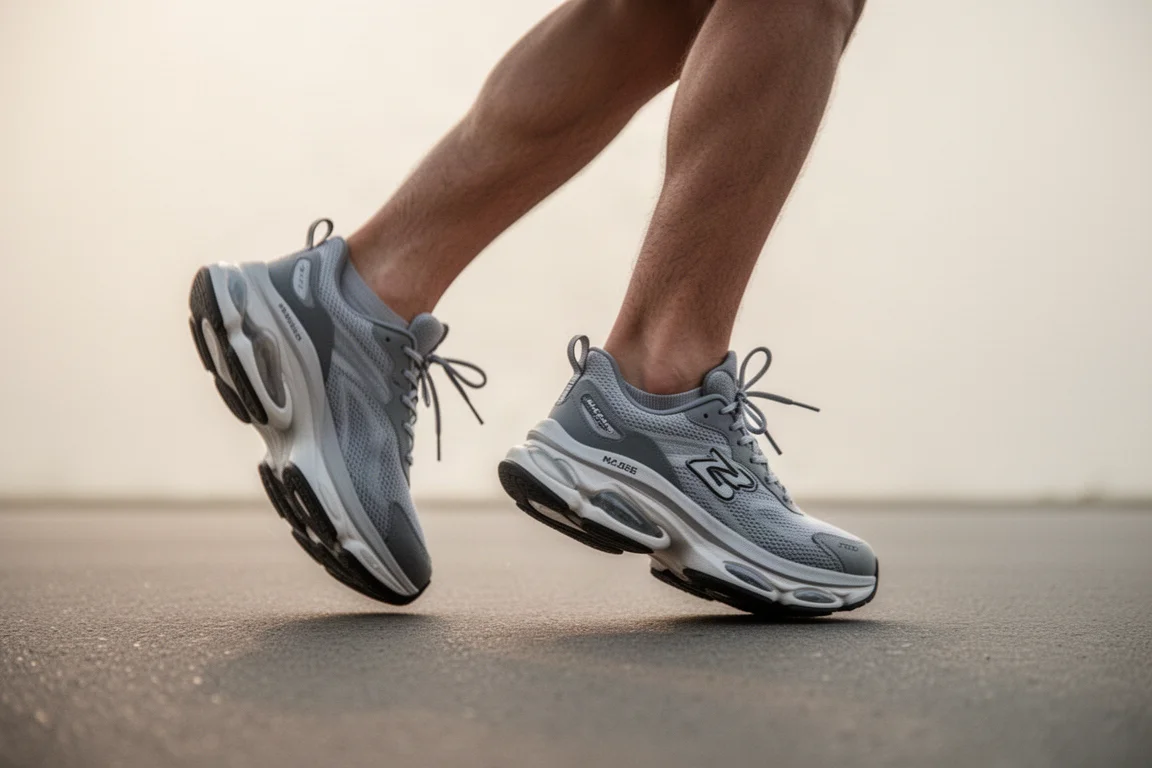
The Saucony Triumph takes a softer route with a full-length stack of PWRRUN+ foam, a beaded TPU compound similar in feel to adidas Boost. It delivers a plush, bouncy sensation underfoot, and because TPU is softer than standard EVA, you still get a little more ground contact feel in the forefoot than you would from a giant EVA stack.
Saucony Triumph
The Triumph is built for daily paces and slower recovery runs. Its thick, soft PWRRUN+ stack produces a comfortable, bouncy ride, and the platform is slightly more flexible than the Cloudmonster’s. The trade-off is stability: the heel is not very stable, so runners who need any type of stability should look elsewhere, such as the Saucony Endorphin Shift or the Cloudmonster.
Fit is good for narrow to mid-width footed runners, with decent heel collar padding, though the midfoot runs a bit skinnier than in other Saucony shoes, which is a strange quirk of this model. In terms of durability, the Triumph offers strong outsole coverage and is the more durable option for daily training miles. At full price it comes in at $160, though the previous version, the Triumph 20, can be found for around $120, which is worth factoring into your decision.
On Cloudmonster
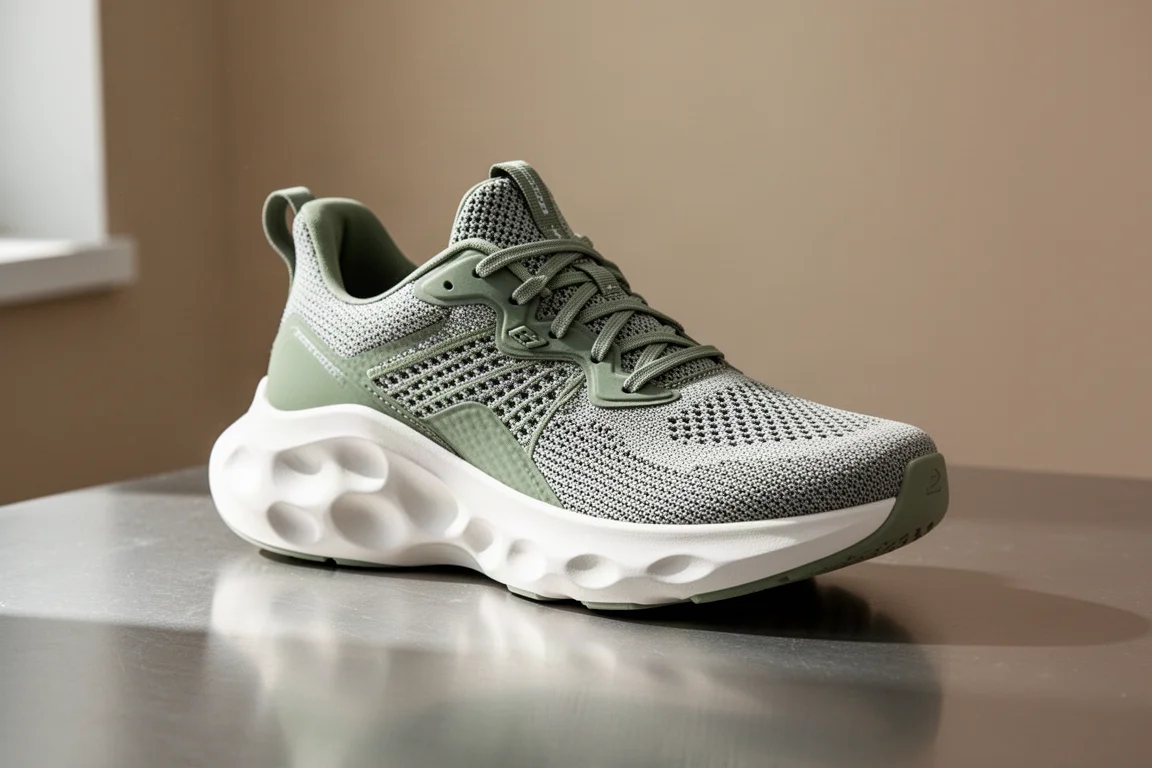
The Cloudmonster is an enormously popular shoe, and its hollow CloudTec pods plus the plastic speedboard make it the more versatile of the two. It is very comfortable at slower paces thanks to the plush pods, yet the speedboard adds pop that lets you push it up to roughly marathon pace. It would not be the pick for anything faster than that.
Stability is a genuine strength here. On is known for a stable platform for landings, and good stability through the heel comes from the pods and how the platform is laid out. That also makes it a bit more versatile for walking, whereas the Triumph is pretty much a dedicated running shoe. The fit again suits narrow to mid-width runners, and the heel collar padding is slightly less generous than the Triumph’s. It comes in at $170, and part of that premium goes to On’s proprietary technology and brand cachet.
Fit and Comfort Across the Upper
Both shoes fit similarly and suit narrow to mid-width footed runners; neither is a great choice for wide feet. The Triumph’s midfoot runs skinnier than both the Cloudmonster and other Saucony models, so if you have a narrow midfoot it may lock down nicely. The Triumph also has slightly more padding at the heel collar, which adds a touch of premium comfort for long, easy miles.
Durability and Outsole Coverage
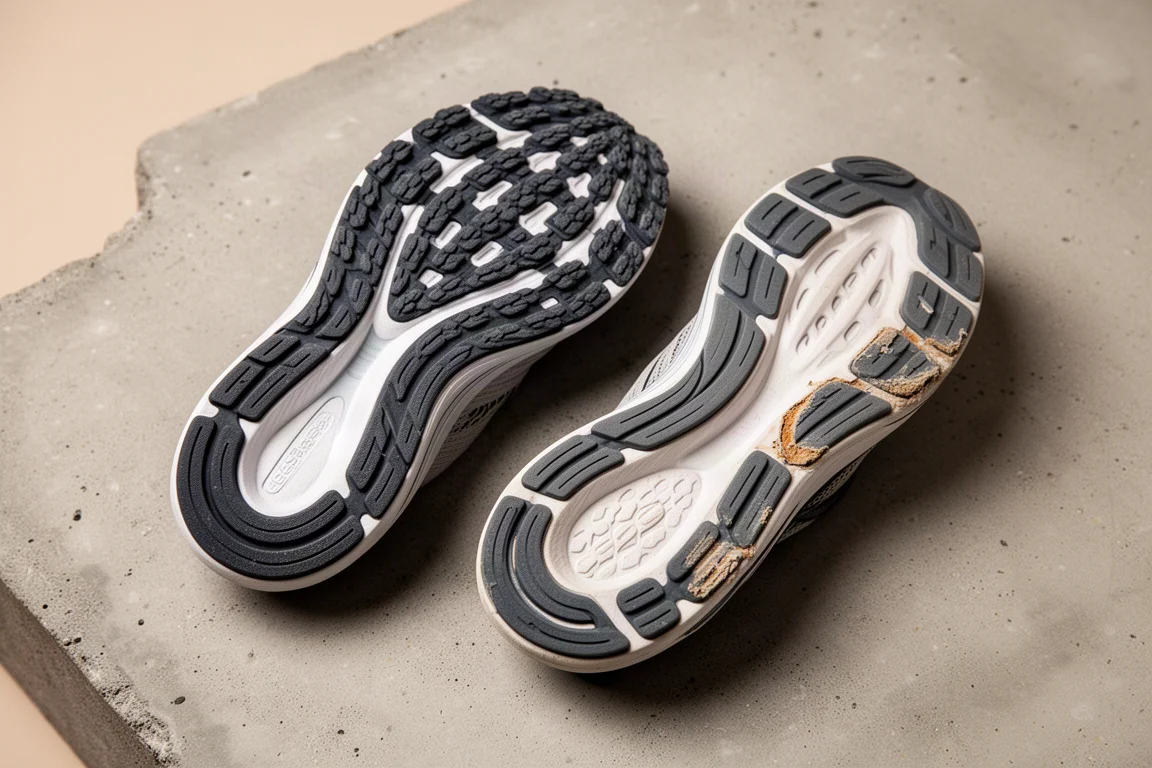
Both shoes are fairly durable. The Triumph has more outsole coverage and edges out the Cloudmonster as the more durable option for daily training. The Cloudmonster’s rubber is holding up well overall, though the lateral heel component shows the highest wear. Its upper and pod structure have also proven resilient in regular use.
Ride and Versatility
This is where the two really separate. The Cloudmonster is way more versatile because of the speedboard: comfortable on the treadmill and at slower paces, yet capable of picking up the tempo to marathon pace. The Triumph is strictly a daily trainer, best at daily paces and slower recovery runs, delivering that soft, cushioned, bouncy ride. If you want one shoe that can stretch across more of your week, the Cloudmonster makes the stronger case; if your running is all easy mileage, the Triumph does that job very well.

Buying Advice
Pick the Cloudmonster if you value stability, want a shoe that can handle easy runs through marathon-pace efforts, and appreciate something that also works for walking. Pick the Triumph if you want maximum plushness for daily and recovery miles, better outsole durability, and can find the previous model at a discount. Avoid the Triumph if you need a stable heel; the Cloudmonster or the Endorphin Shift are the safer choices there.
Conclusion
Both the Saucony Triumph and the On Cloudmonster are worthwhile max cushion trainers, and the right choice comes down to ride character and versatility. The Triumph is a soft, bouncy cruiser strictly for daily paces, while the Cloudmonster trades a slightly higher price for a stable platform, a poppier ride, and more flexibility across paces and activities.
Further reading
Related Reviews

Running Shoes
Best Road-to-Trail Running Shoes: Three Versatile Options for Mixed Terrain
A practical guide to three road-to-trail running shoes that handle both pavement and mild trails, with clear strengths and trade-offs for different runner types.

Running Shoes
Best Running Shoes for Achilles Tendonitis: Three Options Explained
Three running shoes with different heel drops and support features designed to help reduce Achilles tendon pain during walking and running.

Running Shoes
Best Running Shoes for Women: Five Top Choices Ranked
A ranked guide to five women's running shoes, from versatile daily trainers to high-performance racing options, with real strengths and trade-offs for each.