Running Shoes
Saucony Triumph RFG After 100 Miles: How the Eco Foam Holds Up, Plus 4 Shoes to Pair With It
A long-term look at the Saucony Triumph Run for Good's durability after 100 miles, with pairing and buying advice including the Topo Cyclone 2, Endorphin Pro 3, ASICS Nimbus 26, and On Cloud Eclipse.
Introduction
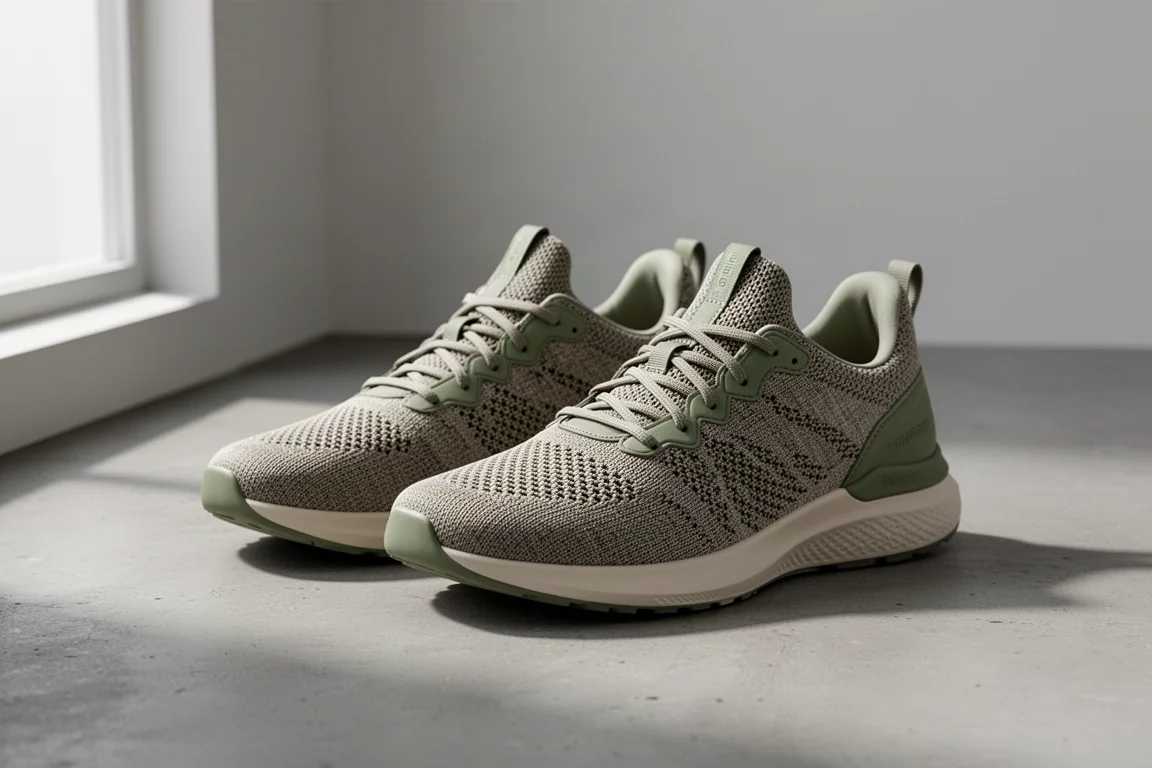
Saucony’s eco-focused foam has been one of the more interesting sustainability stories in running shoes, and the Triumph Run for Good (RFG) is where it gets its biggest test. After 100 miles of real-world running, the question is simple: does an environmentally friendlier build give up anything that matters to everyday runners?
The short answer from this long-term look is encouraging. The PWRRUN Bio Plus Eco foam, which is 55% corn-based, has held up remarkably well, and the shoe still feels close to how it did out of the box. Below is a full breakdown of how the shoe has been used, how it is wearing, what to pair with it, and how it compares to the rest of the market.
How It Has Been Used
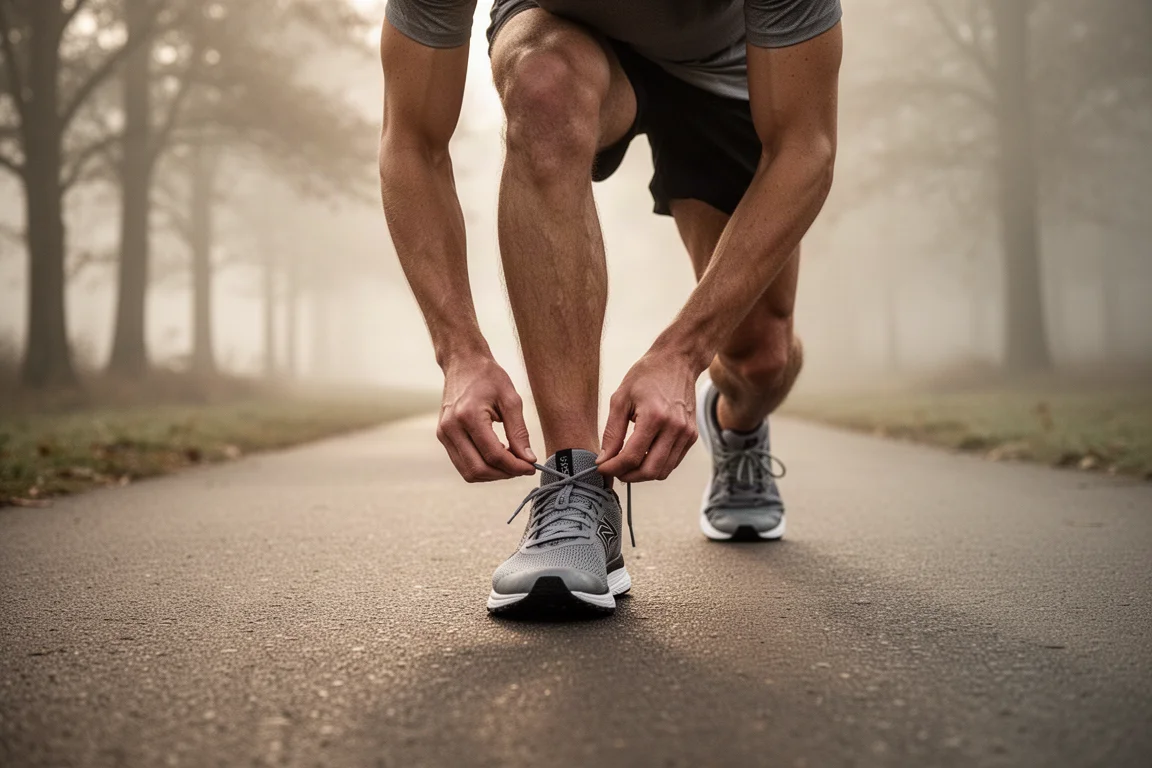
The Triumph series has traditionally sat squarely in the max cushion category, but the RFG has been used here more as a fun, cushioned daily trainer. That is less about anything unique to the eco version and more a reflection of how stack heights are changing the way daily trainers are chosen today. A shoe that used to feel like a dedicated cushion shoe now feels very much like a versatile daily option.
The RFG still works beautifully for low and slow easy runs, and it is arguably one of the more comfortable treadmill options available. The PWRRUN Bio Plus Eco foam has a nice pop to it that keeps the shoe engaging when the pace picks up slightly, which is not always a given at this level of cushioning.
Durability and Wear After 100 Miles
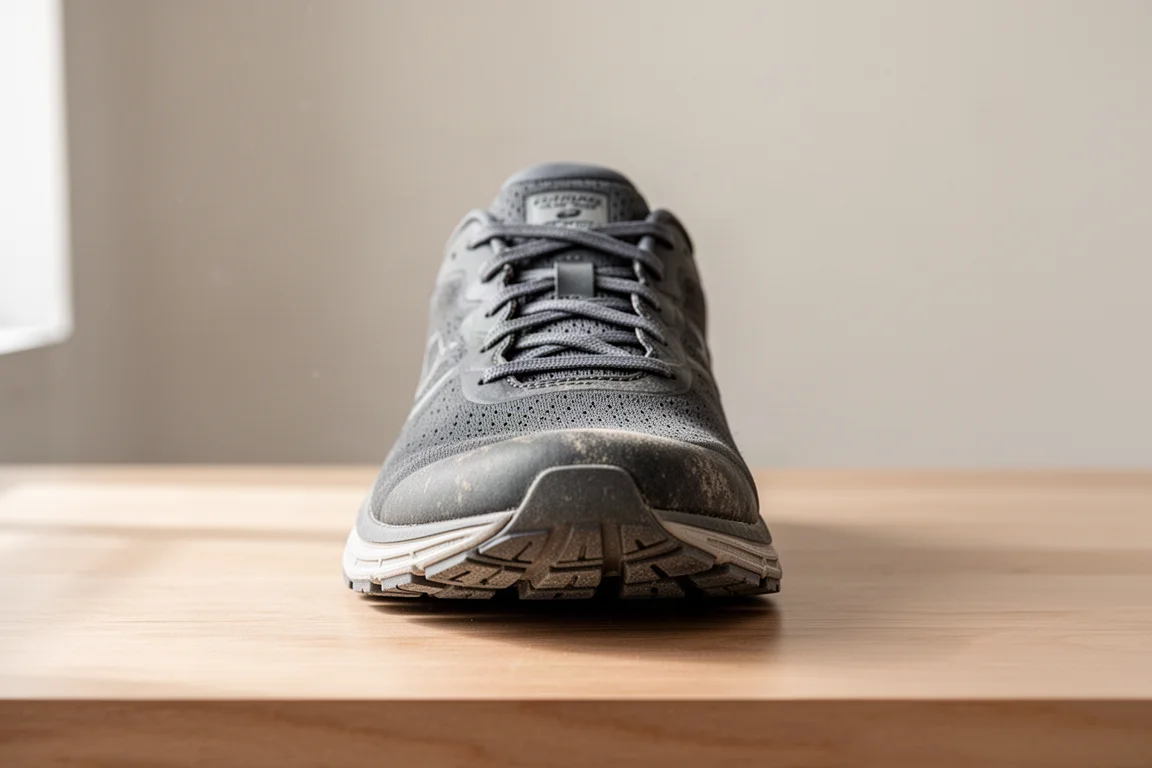
The midsole is the headline. Even though the PWRRUN Bio Plus Eco foam is 55% corn-based, it has held up very similarly to PWRRUN Plus, Saucony’s non-eco foam, over the years. After 100 miles the shoe feels fresh, close to straight out of the box, and the midsole should deliver strong longevity over its life.
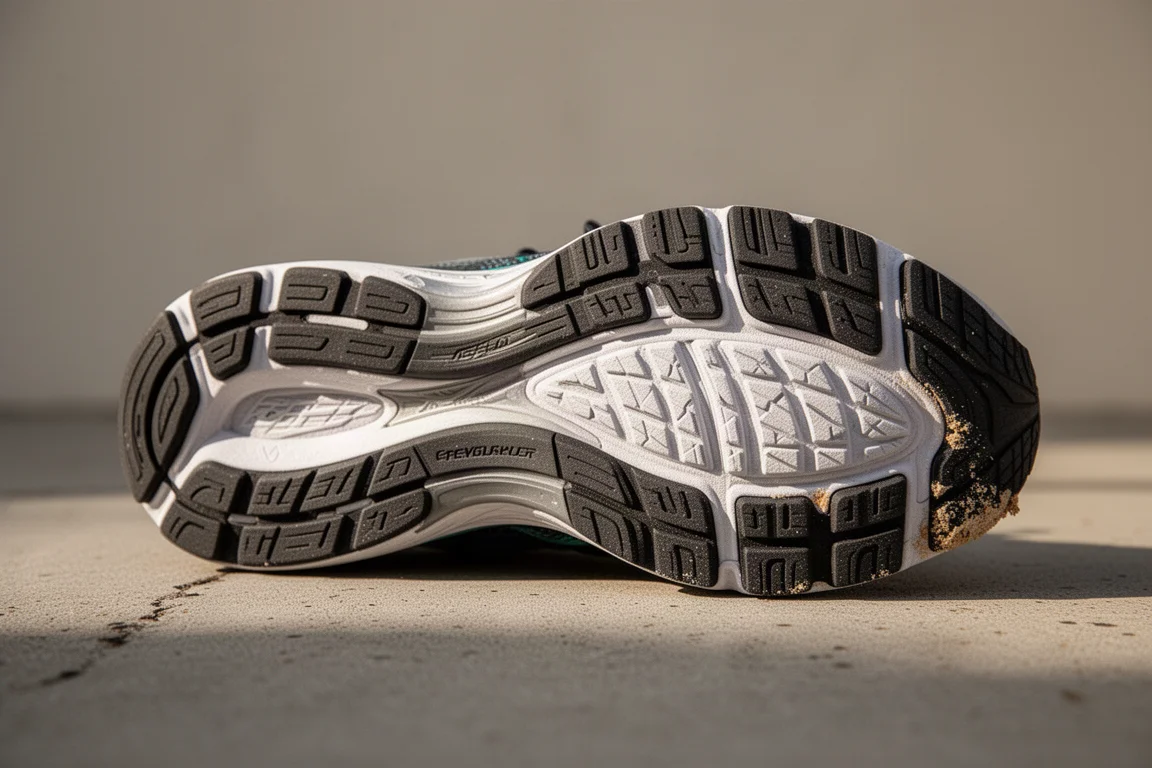
The outsole tells a slightly different story. This shoe uses 80% natural rubber rather than the fully synthetic rubber found on other Saucony Triumph outsoles, and there is a slight amount of additional wear visible at this point compared to a typical 100-mile Saucony. Even so, the outsole still looks like it will hold up well for the life of the midsole.
The upper holds the same pattern. Cotton is the predominant material, paired with plant-based dyes, and there is no significant or even noticeable difference in performance. On a scale, the upper may weigh slightly more than the synthetic materials on the regular Triumph, but it is a trade-off that is barely noticeable on easy days. This is not a pinnacle performance product, and the small weight penalty has effectively disappeared in use.
Pairing the Triumph RFG in a Rotation
If the RFG is your daily trainer and recovery run shoe, two gaps tend to appear in a rotation: something for light workouts when you want to pick up the pace, and something for race day or your hardest sessions. Two shoes fill those roles well.
Speed-Work Pairing: Topo Cyclone 2
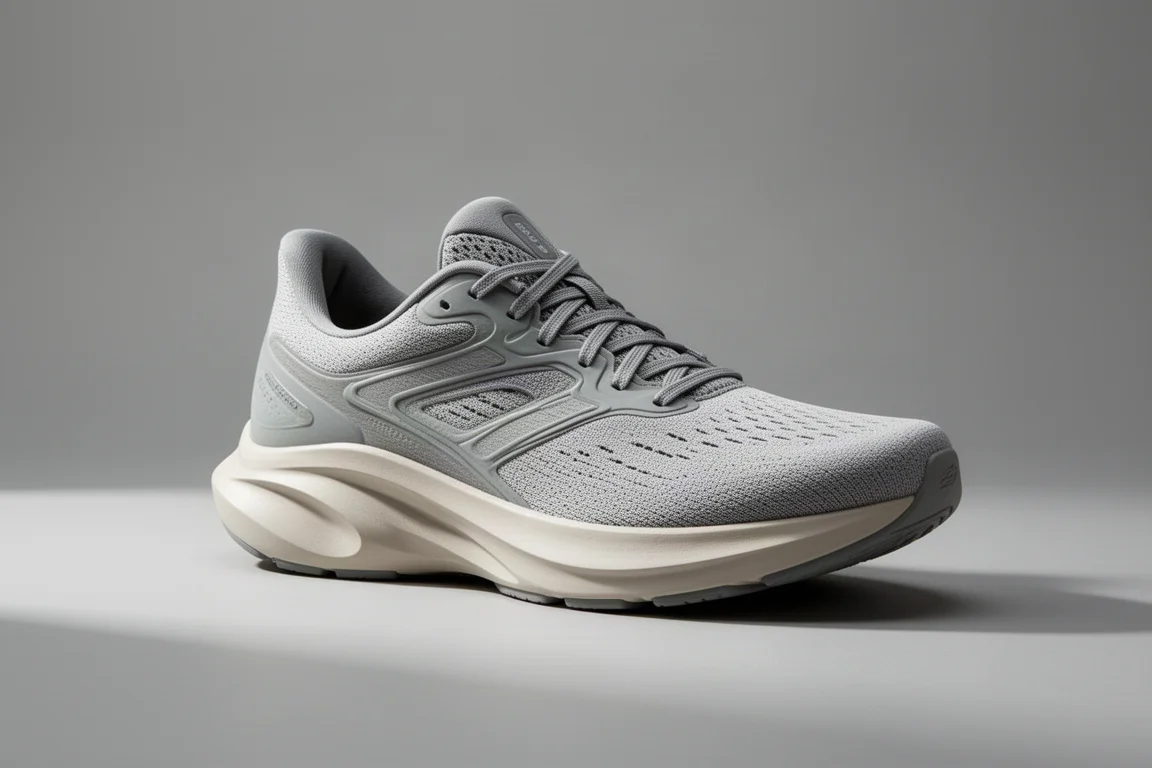
The Topo Cyclone 2 is the pick for tempo sessions and faster workouts. Its midsole looks visually similar to the Triumph RFG’s, but it uses a beaded PEBA foam, which is a race-caliber material. The result is a neutral, lightweight, low-to-the-ground shoe that still delivers fun cushioning for speedy sessions. It contrasts nicely with the RFG’s softer, more cushioned ride.
Race-Day Pairing: Saucony Endorphin Pro 3
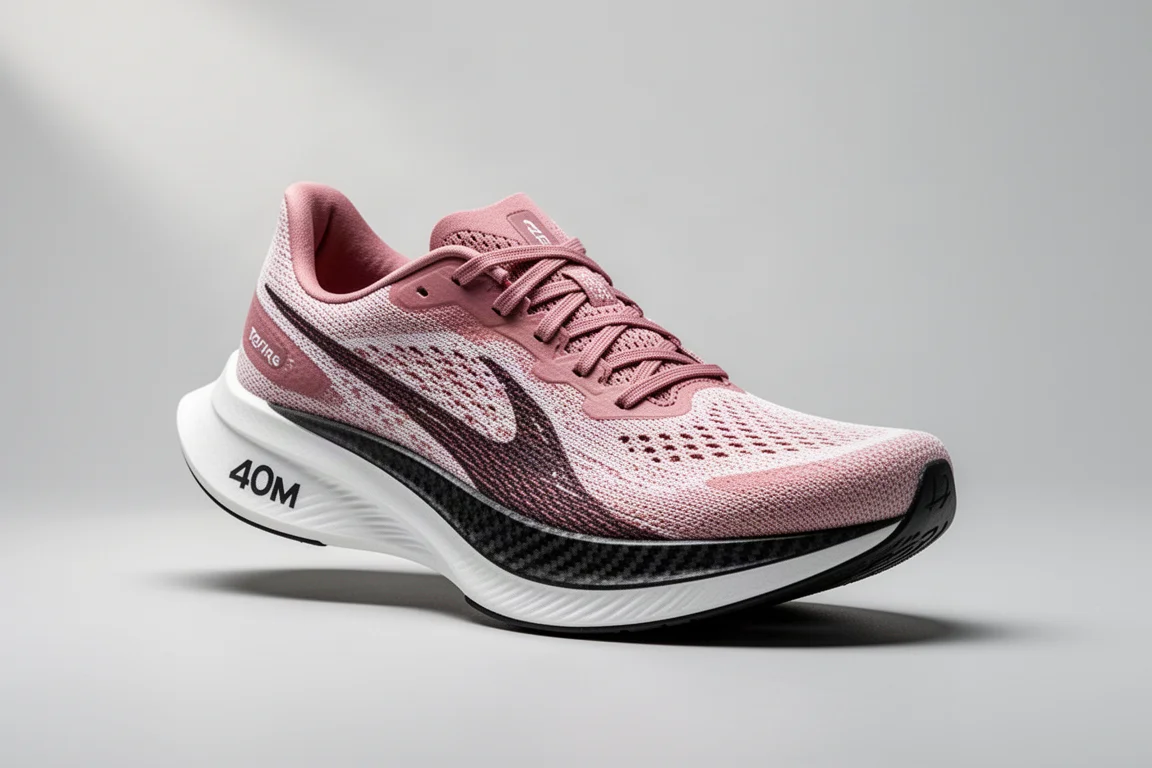
For races and the biggest, toughest workouts, the Saucony Endorphin Pro 3 remains the recommendation. It shares the same beaded-foam look and feel family as the Triumph RFG, but it is lighter, faster, and snappier thanks to a carbon fiber plate and race-caliber foam. The upper is comfortable, and the shoe is approachable for a wide range of runners, making it a natural fit for a half marathon or marathon.
Buying Advice: How the Competition Stacks Up
The Triumph RFG has been out for a while, but it still appears to be selling at its full retail price of $160. That is a high price for a daily trainer, though it is more normal for the max cushion range, so it may be reasonable if you view it as a very cushioned daily trainer.
The closest competitor is the ASICS Nimbus 26, which serves a similar use case and also carries eco features through its FF Blast Plus Eco midsole, containing roughly 24% bio-based materials. The Nimbus 26 also retails at $160 and is a recent release, so it is unlikely to be on sale yet.
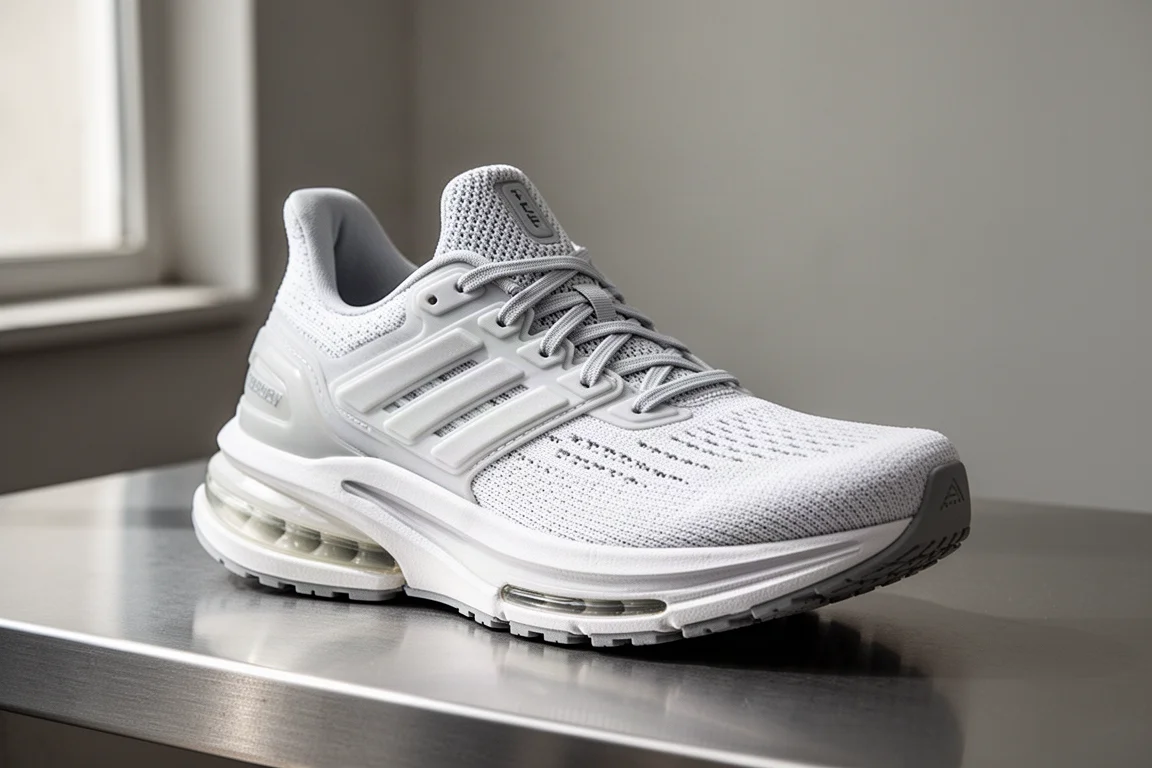
The On Cloud Eclipse is another strong alternative. It is not an eco shoe, but it occupies a similar cushioned-daily-trainer space and moves remarkably well. Despite the amount of shoe underfoot, it carries its weight well and is eager to go faster than an easy-day pace, comfortable with strides and anything up to a light fartlek or moderate efforts. At $180, it is the most expensive of the three, but all three shoes reward runners with genuinely fun miles.
Conclusion
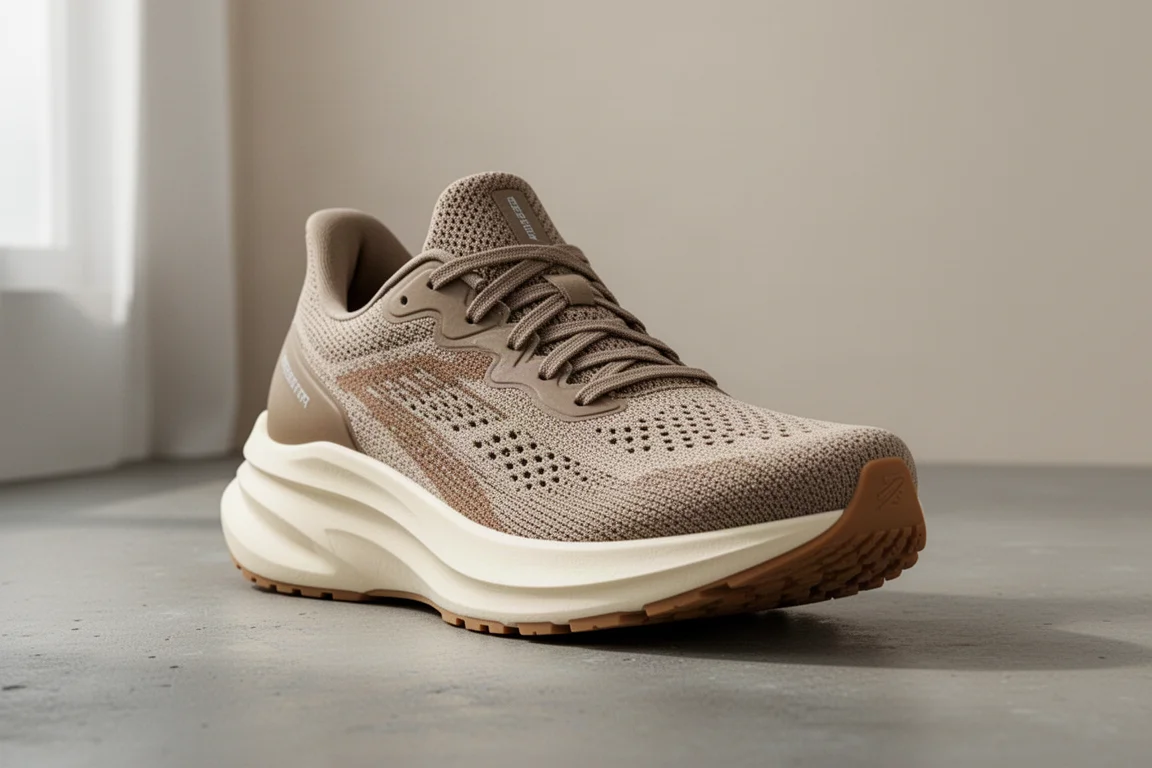
After 100 miles, the Saucony Triumph RFG is a success story for eco running shoe materials. The corn-based PWRRUN Bio Plus foam has proven nearly as durable as its non-eco counterpart, the cotton and plant-dyed upper shows no meaningful wear penalty, and the outsole wear is minor. If you want a cushioned daily trainer with a smaller environmental footprint, it is an easy shoe to recommend at $160.
Further reading
Related Reviews

Running Shoes
Best Road-to-Trail Running Shoes: Three Versatile Options for Mixed Terrain
A practical guide to three road-to-trail running shoes that handle both pavement and mild trails, with clear strengths and trade-offs for different runner types.

Running Shoes
Best Running Shoes for Achilles Tendonitis: Three Options Explained
Three running shoes with different heel drops and support features designed to help reduce Achilles tendon pain during walking and running.

Running Shoes
Best Running Shoes for Women: Five Top Choices Ranked
A ranked guide to five women's running shoes, from versatile daily trainers to high-performance racing options, with real strengths and trade-offs for each.