Running Shoes
Saucony Triumph 23 vs Saucony Hurricane 25: Which Cushioned Trainer Should You Buy?
Two max-cushion daily trainers from Saucony go head to head on weight, drop, ride feel, fit and stability, with clear advice on which one suits your running.
Introduction
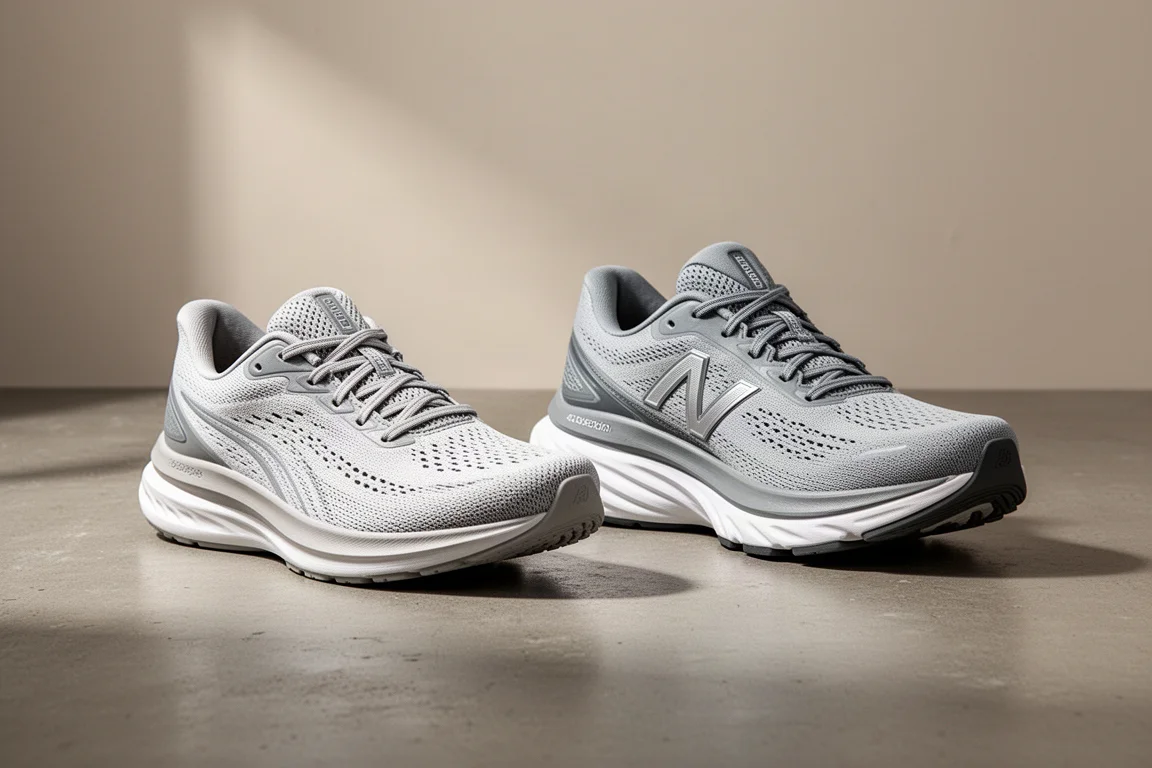
Saucony’s Triumph and Hurricane lines sit close together in the brand’s cushioned daily training range, but the 23rd Triumph and the 25th Hurricane have quietly become quite different shoes. The Triumph 23 is a lighter, more direct trainer with a 10 mm drop, while the Hurricane 25 is a max-cushion, wide-based cruiser with a 6 mm drop and a stronger stability slant. Both cost around £165 to £170, so the real question is not which one is better value, but which ride suits the way you run.
Spec Overview
The Triumph 23 costs £170 or $170, weighs 278 g (9.8 oz) for men in a size 8, and has a 10 mm drop. The Hurricane 25 costs £165 or $170, weighs 293 g (10.3 oz) in the same size, and has a 6 mm drop. That 15 g difference is noticeable on the foot, but the bigger contrast shows up in how each shoe is built and what it is trying to do.
Saucony Triumph 23: Lighter, Smoother, More Direct
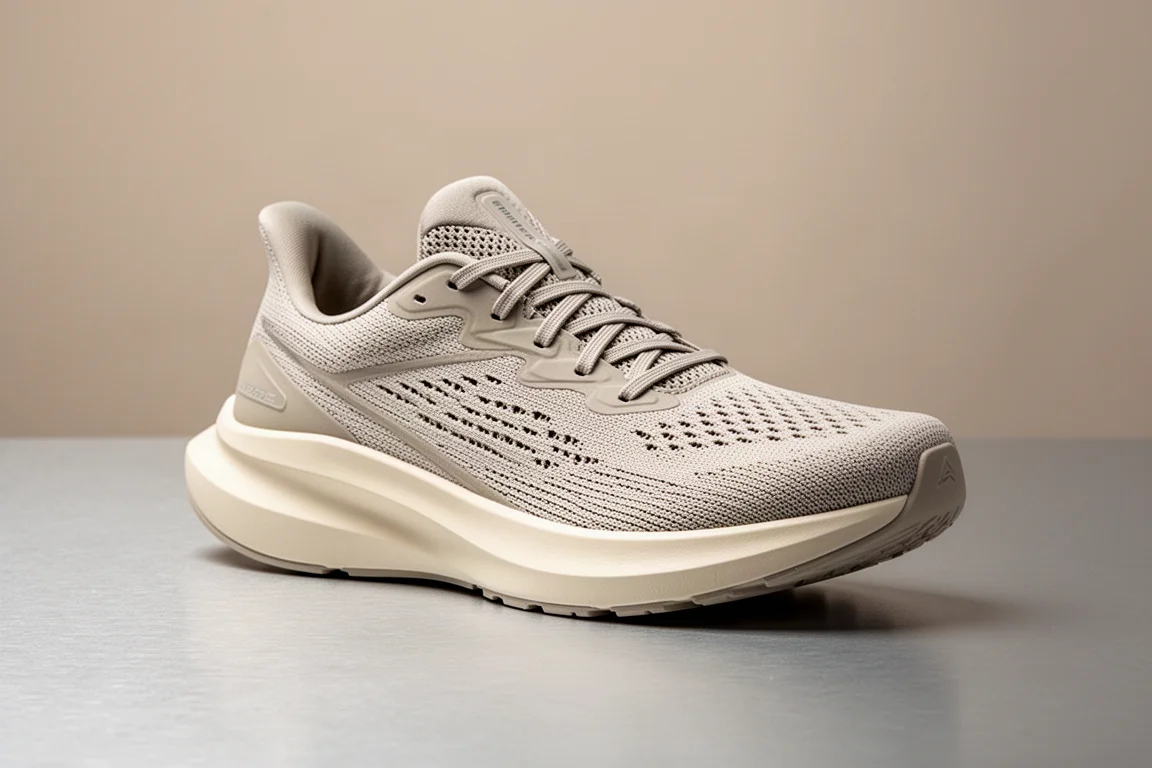
The Triumph 23 is a clear departure from the bulky Triumph 22, focusing on making the shoe lighter and giving it a smoother heel-to-toe transition. The PowerRun PB midsole aims to be lighter and softer than before, and a redesigned rubber outsole works with that foam for a more fluid, natural ride. The upper is a lightweight engineered mesh built for breathability, paired with a thick padded gusseted tongue.

On the run, it comes across as a competent workhorse: a bit lighter, a bit more direct, with more immediate return and noticeably more ground feel than the Hurricane, while still carrying a soft cushioned edge. The wide forefoot base brings good stability and a reliable feel underfoot. If there is a criticism, it is that the pickup is not instant; compared with shoes like the Brooks Glycerin 22 or the Adidas Boston 13, you may work a little harder from touchdown to toe-off. Overall the key sensations are softness, cushion, reliability and pretty good stability, and it is neither as soft nor as sluggish as the Hurricane 25.
Saucony Hurricane 25: Comfort With Built-In Support
The Hurricane 25 is a max-cushion shoe built around comfort, a smooth ride and a good level of stability. Its wide midsole combines a layer of soft PowerRun PB foam with a more supportive PowerRun layer, and new CenterPath technology geometry produces a smooth, enjoyable heel-to-toe transition that guides the foot through easy runs and longer sessions. The upper is a soft, well-padded breathable mesh, with a thick layer of outsole rubber for grip and durability.
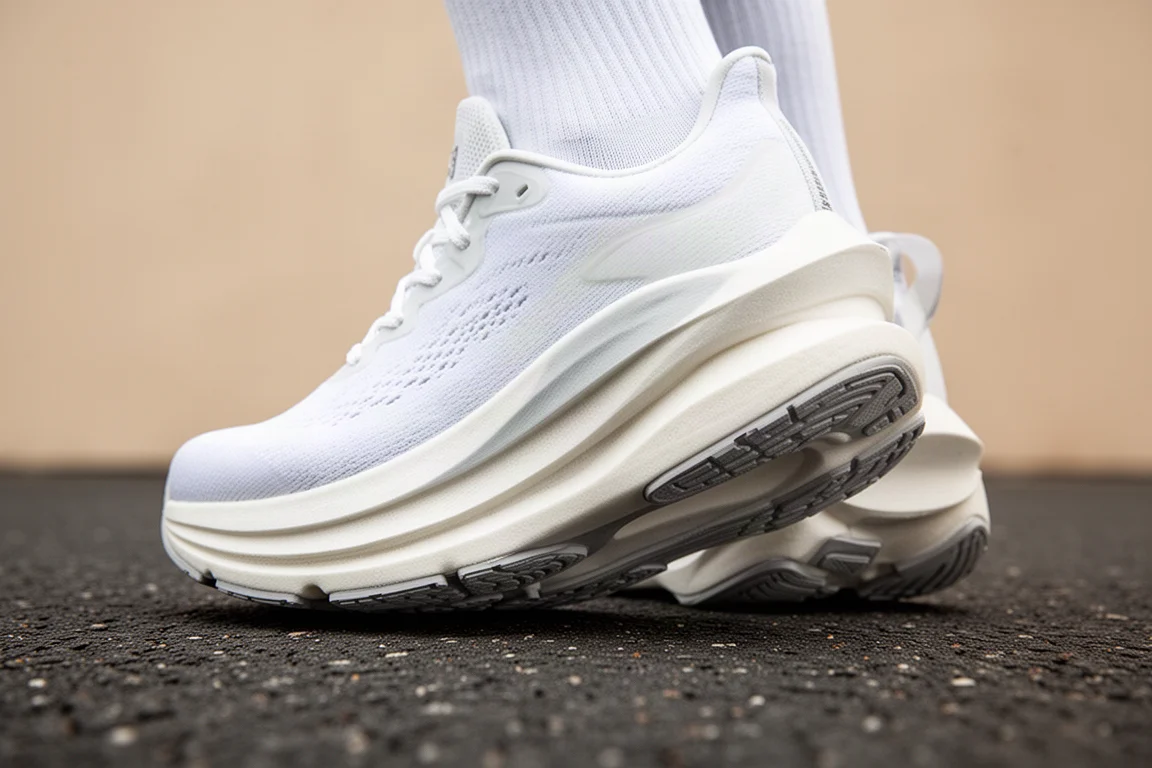
For slower miles and recovery runs, it feels significantly softer and more responsive than the Hurricane 24, offering smooth guidance that naturally supports your gait without feeling controlling. There is a bit of spring without sacrificing stability. It does have a short break-in period, feeling softer and better after a few runs. The trade-offs: some runners may find it softer than they need, and the overall package can feel heavy, hugging and warm, like a bit too much shoe on the foot. The wide base is polarising too, though many runners will enjoy feeling planted and rolled forward in a balanced midsole.
Fit and Sizing Advice
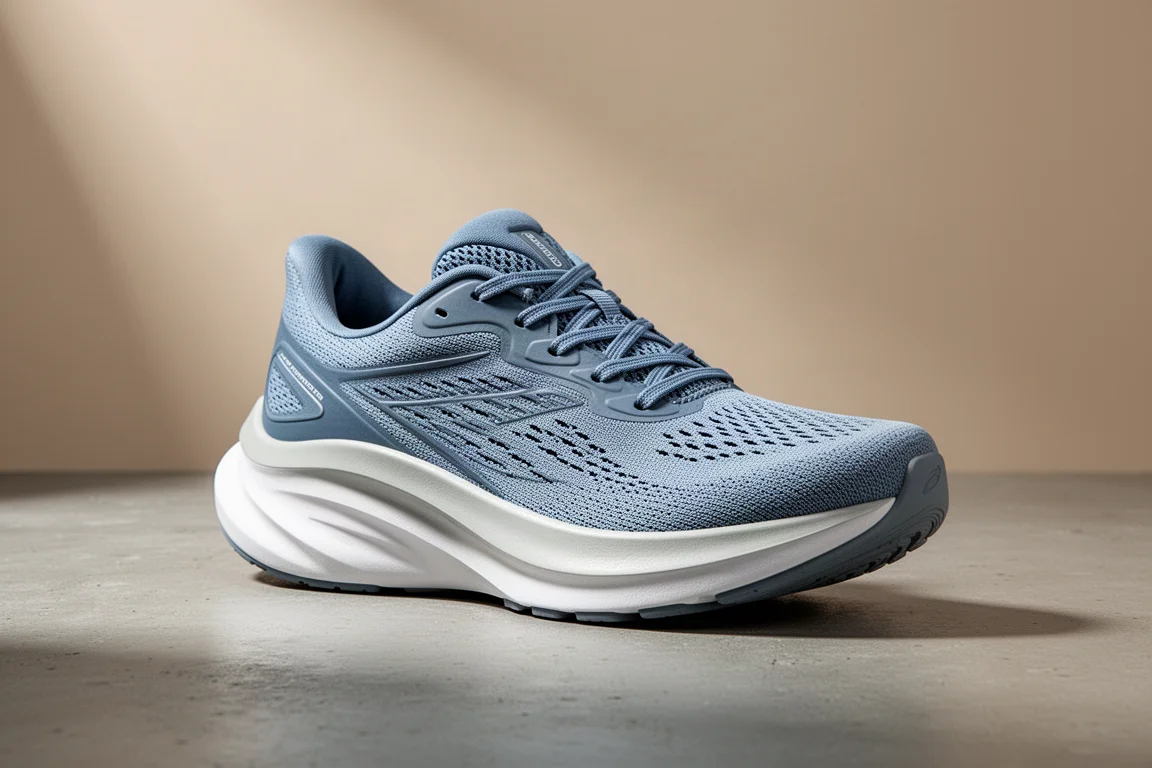
Across the Saucony range, both shoes run essentially true to size, so sticking to your normal running shoe size is the sensible default. The Triumph 23 offers a roomier forefoot with more toe clearance and a more airy feel up front, while the Hurricane’s thicker upper sits closer across the top of the toes and feels more hugging through the midfoot.
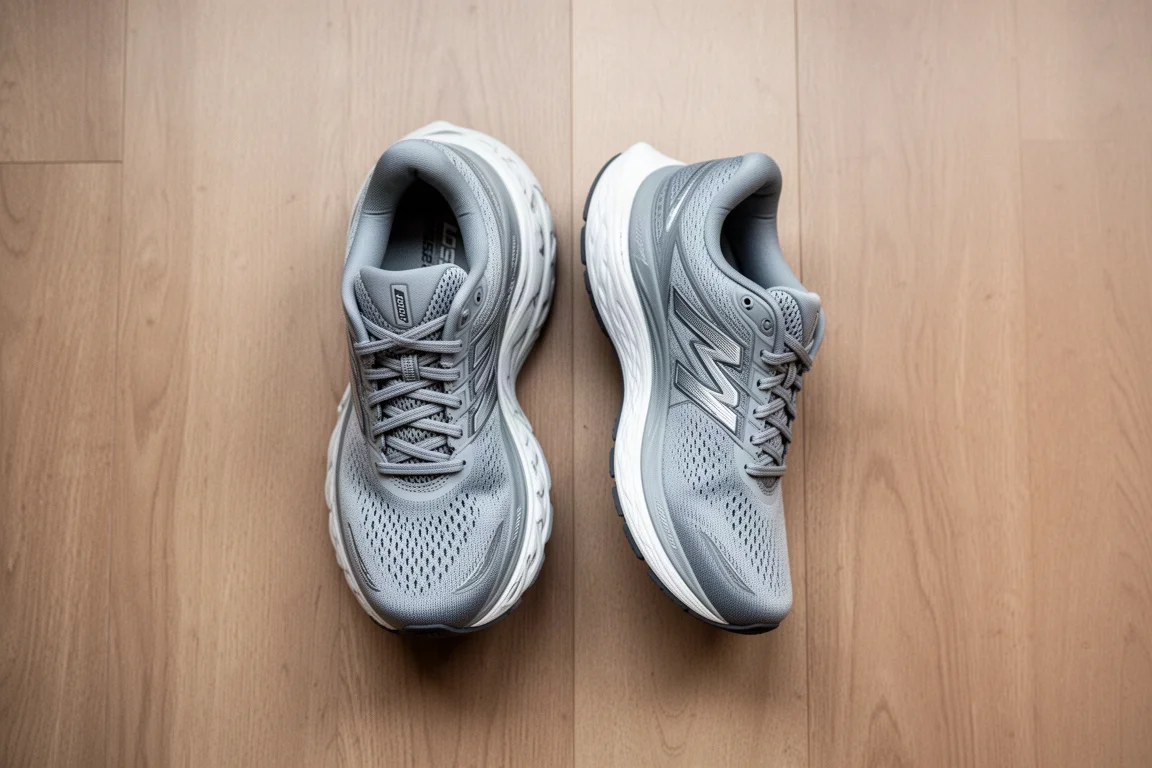
Both shoes provide good midfoot lockdown, similarly padded tongues, and heel collars that hold nicely, with plenty of padding around the collar and Achilles area that is comfortable even if it runs slightly warm. One practical note: the Hurricane is the more padded, enveloping shoe, so if you want extra room for longer sessions, some testers suggest going half a size up; if you do not mind a snugger fit, stay true to size.
Ride Comparison: Easy Miles Head to Head
In a side-by-side mile, the contrast is immediate. The Hurricane feels soft, spongy and sinky by comparison, with more sink and a slower return; there is bounce there, but you have to work to find it. The Triumph feels lighter, more agile and more nimble, with a natural connection to the ground and better immediacy. Interestingly, despite the Hurricane’s stability focus, the Triumph can feel the more stable of the two, with some testers noticing a bit of wobble in the Hurricane.
Neither shoe is quick, though. PowerRun PB sits in the whole midsole of the Triumph and in the core of the Hurricane, but neither delivers enough punch to overcome the size and width of these big shoes. The Hurricane’s lower drop and rocker design feel smoother and more relaxed, rolling you forward; the Triumph’s higher drop feels a touch snappier and marginally more versatile when the pace rises, but it is still very much a cushioned easy-run shoe rather than a genuine fast-day option.
Verdict: Which Shoe Wins?
The Triumph 23 is a solid, comfortable shoe and a clear improvement over the Triumph 22, but in a market crowded with good cushioned daily trainers it does not particularly stand out for the price. The Hurricane 25 offers something less common: a genuinely smooth, comfortable, cushioned ride with a wide base and stability elements that are there when you need them and invisible when you do not. For easy-day and recovery miles, the Hurricane is the more accomplished shoe and the stronger pick of the two.

If you want one cushioned shoe to do everything, the Triumph is the better pick of this pair, though alternatives such as the ASICS Novablast 5 or Hoka Clifton 10 are worth a look as lighter, more versatile options. But if you are adding an easy-day shoe to a rotation, the Hurricane 25 is one of the better options on the market right now.
Conclusion
Both shoes earn their place as cushioned trainers, but they know different jobs. The Hurricane 25 excels at exactly what it was built for: comfortable, stable, smooth easy miles. The Triumph 23 is a capable, more nimble all-rounder that gives up a little comfort and smoothness in exchange. Choose based on which of those priorities matters more to you.
Further reading
Related Reviews

Running Shoes
Best Road-to-Trail Running Shoes: Three Versatile Options for Mixed Terrain
A practical guide to three road-to-trail running shoes that handle both pavement and mild trails, with clear strengths and trade-offs for different runner types.

Running Shoes
Best Running Shoes for Achilles Tendonitis: Three Options Explained
Three running shoes with different heel drops and support features designed to help reduce Achilles tendon pain during walking and running.

Running Shoes
Best Running Shoes for Women: Five Top Choices Ranked
A ranked guide to five women's running shoes, from versatile daily trainers to high-performance racing options, with real strengths and trade-offs for each.