Running Shoes
Saucony Triumph 22 Compared: Adidas Supernova Rise and On Cloud Eclipse Alternatives
Thirty miles of testing reveals a comfortable but workmanlike daily trainer. Here is how the Triumph 22 stacks up against two strong alternatives in its price neighborhood.
Introduction
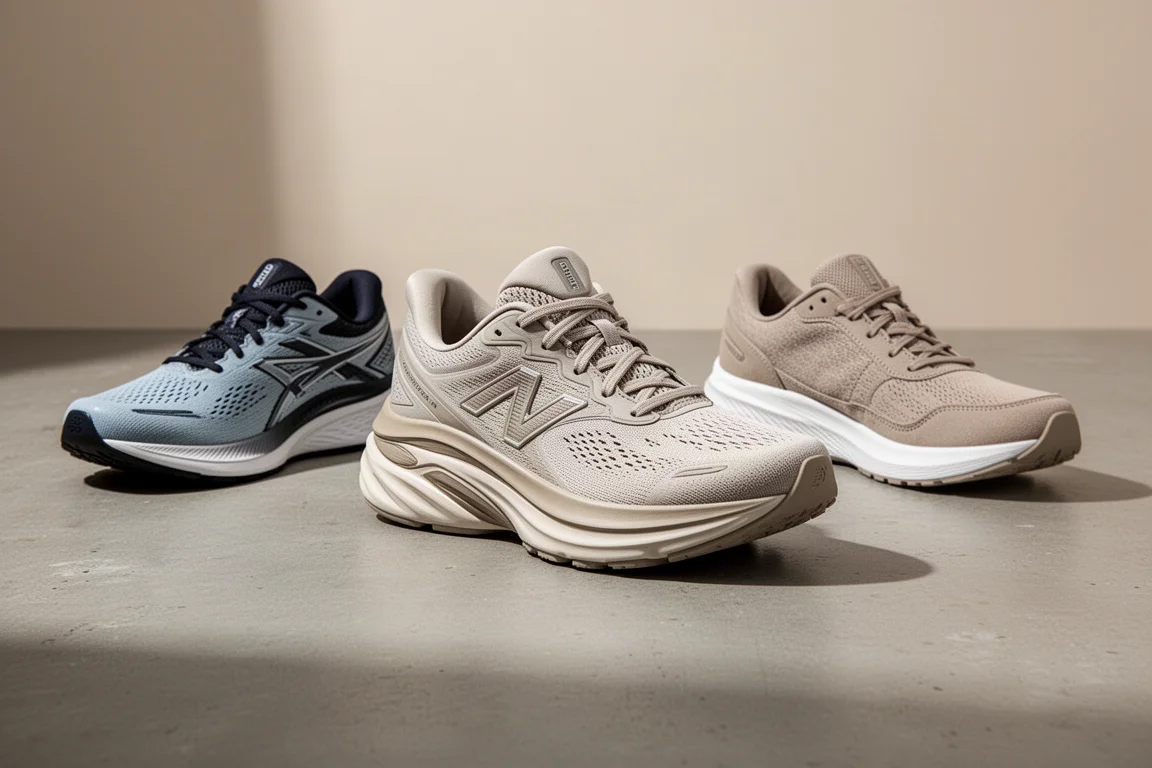
Some shoes earn their place in a rotation by being genuinely great at one thing. Others are simply solid, dependable, and hard to get excited about. The Saucony Triumph 22, tested across roughly 30 miles including a 22-mile double run day, lands closer to the second category, and that makes comparing it against similarly priced alternatives genuinely useful. Two of those alternatives, the Adidas Supernova Rise and the On Cloud Eclipse, came along for the same travel week and revealed a lot about what the Triumph does and does not deliver.
Evaluation Criteria
The headline question for any max-cushion daily trainer is simple: does the cushion actually provide comfort and protection over big mileage? Beyond that, the comparison weighed upper comfort and breathability, stability, midsole pop, weight, and overall value at each shoe’s price point. A double run day, where a shoe takes a hard morning pounding and then has to perform again in the evening, is one of the most reliable ways to expose both strengths and weaknesses.
Saucony Triumph 22: Comfortable but Not Special
The Triumph 22 fixes the biggest complaints about its predecessor. The narrow base and awkward heel fit of the older model are gone, replaced by a wide platform with genuine stability and a superbly padded upper. The heel and tongue padding rivals the best in class, and the toe box has been widened enough that there is actual room between the foot and the midsole edge, which was never the case in previous versions.
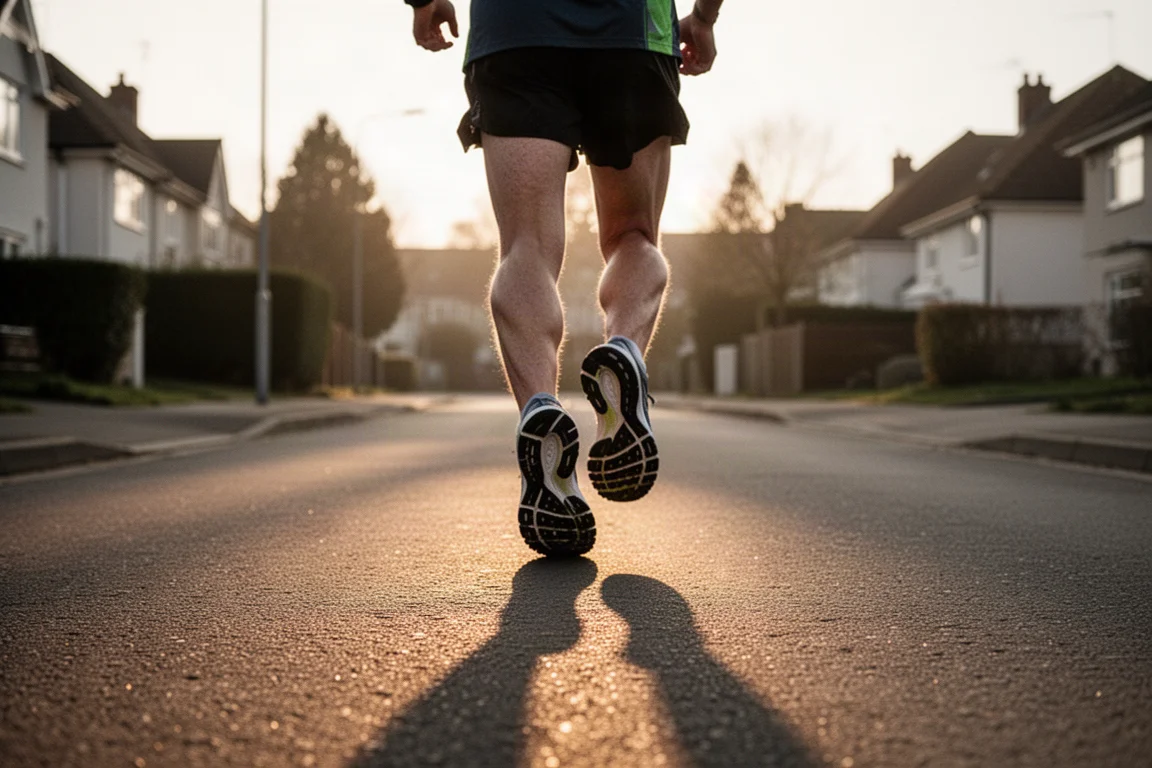
The midsole uses Saucony’s PWRRUN PB foam, the same compound found in the brand’s carbon-plated racing shoes. It is bouncy, decently soft, and notably it did not feel flat or tired at the end of a long second run, which is more than can be said for many un-plated daily trainers. That foam resilience is a genuine strength.
But the design around the foam holds the shoe back. The 10mm drop setup leaves the forefoot with noticeably less cushion than rivals like the New Balance 1080 v13 or the ASICS Novablast. Through 14 and 22 mile runs, the forefoot felt under-protected and surprisingly close to the ground for a shoe this thick. The width adds weight, and at around 10.6 ounces the shoe feels bulky without delivering proportionate protection. It rides more like a standard daily trainer than a max-cushion shoe, and at its price point that is a hard sell when more comfortable or more fun options exist.
Adidas Supernova Rise: The Better Value Pick
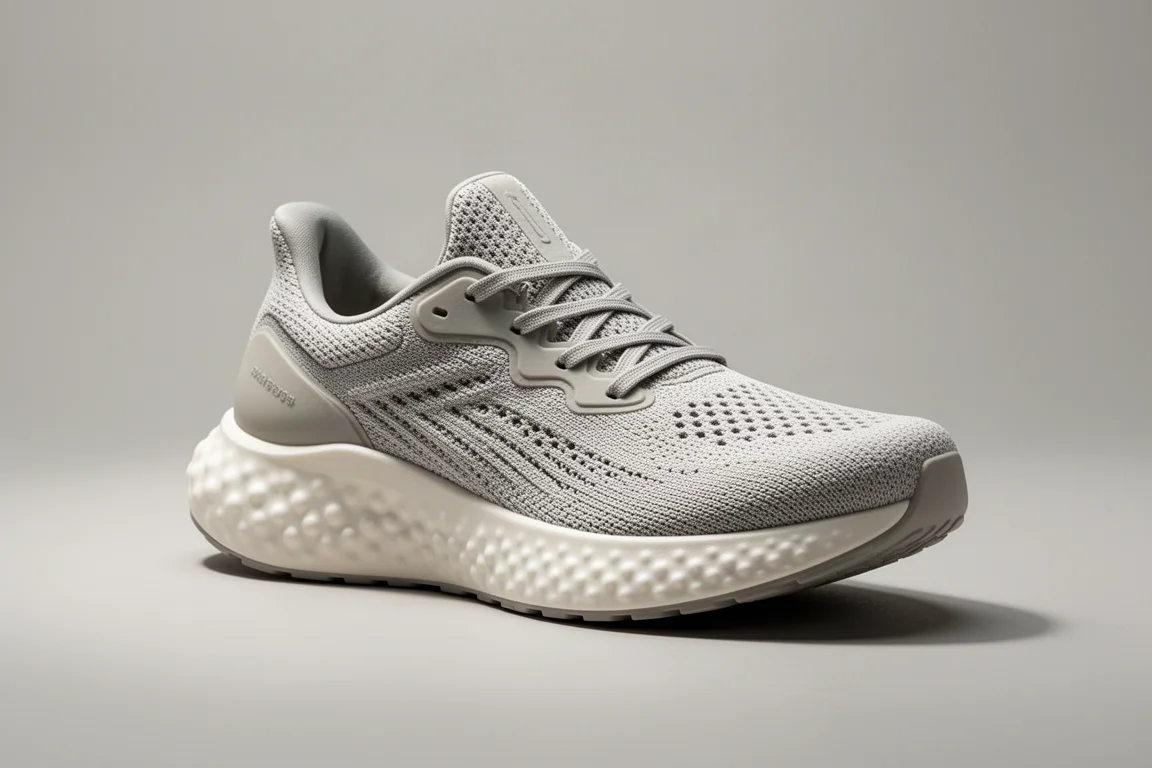
The Supernova Rise was brought out specifically to challenge the Triumph, and it won the value argument convincingly. It uses a PEBA-based Dreamstrike Plus midsole with a firmer EVA layer underneath, plus a wide, stable rearfoot platform, producing a structured ride that covers nearly everything the Triumph does.
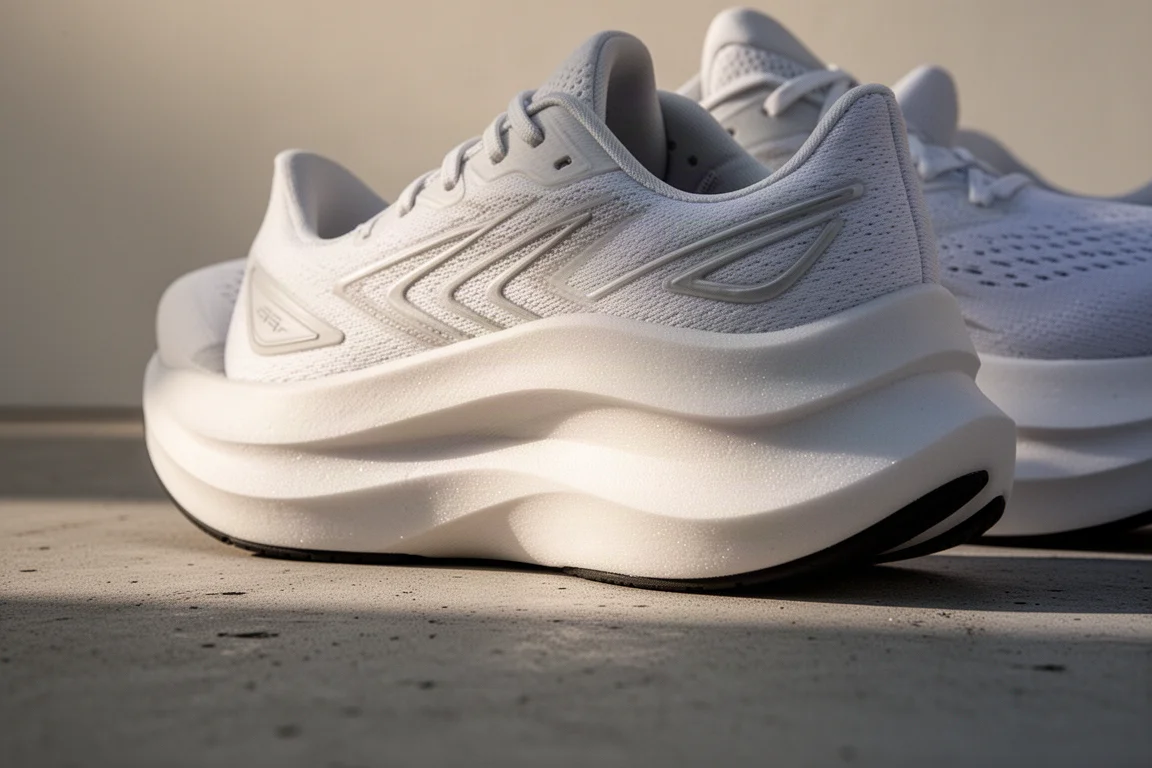
The difference is price and weight. The Supernova Rise sells for $140, roughly $20 less than the Triumph, and it is significantly lighter at around 9.3 to 9.7 ounces versus the Triumph’s heftier build. On paper the stack is a little lower, but in practice the ride feels close. Both shoes are stable, both use premium PEBA foams, and both ride more like structured daily trainers than plush max-cushion shoes. If comfortable, reliable, and supportive are the priorities, the Supernova Rise delivers those qualities for less money.
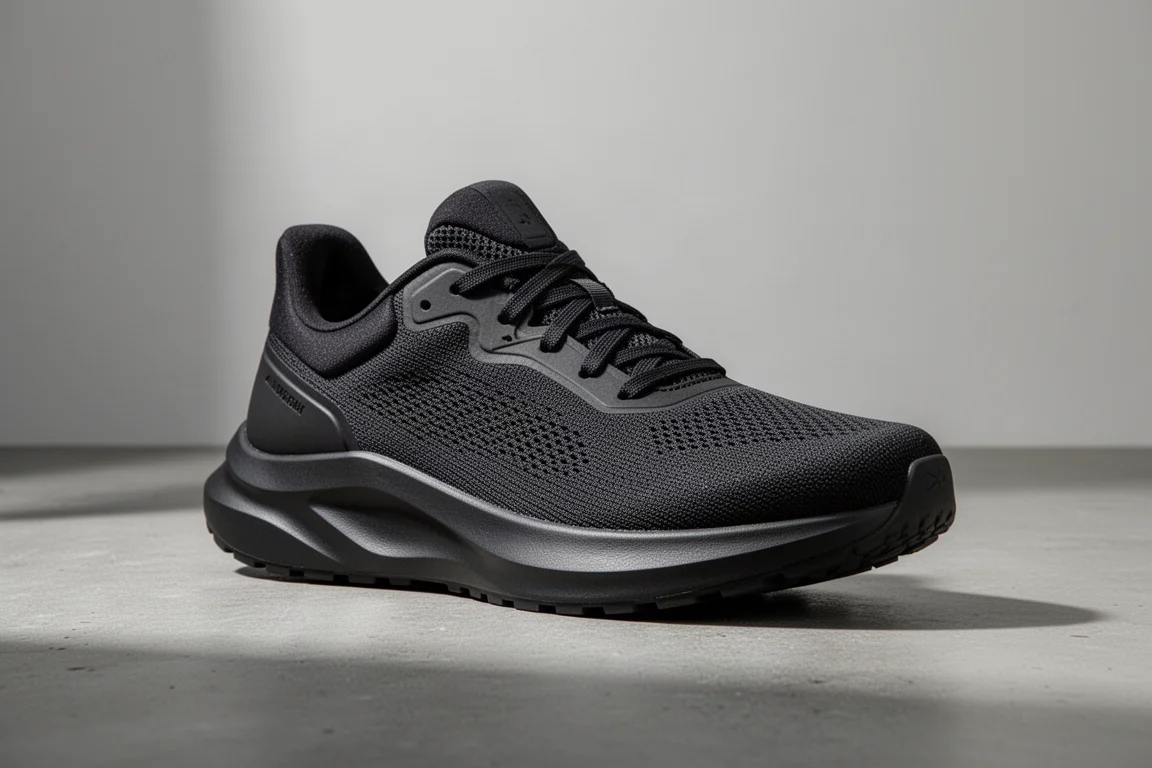
On Cloud Eclipse: Style and Comfort for Everyday Wear
The On Cloud Eclipse entered the trip as the casual travel shoe, and it ended up making the strongest lifestyle case of the three. Where the Triumph’s upper runs hot and its design feels utilitarian, the Cloud Eclipse has a level of design polish and attention to detail that makes it genuinely wearable off the run. It simply looks better on foot.
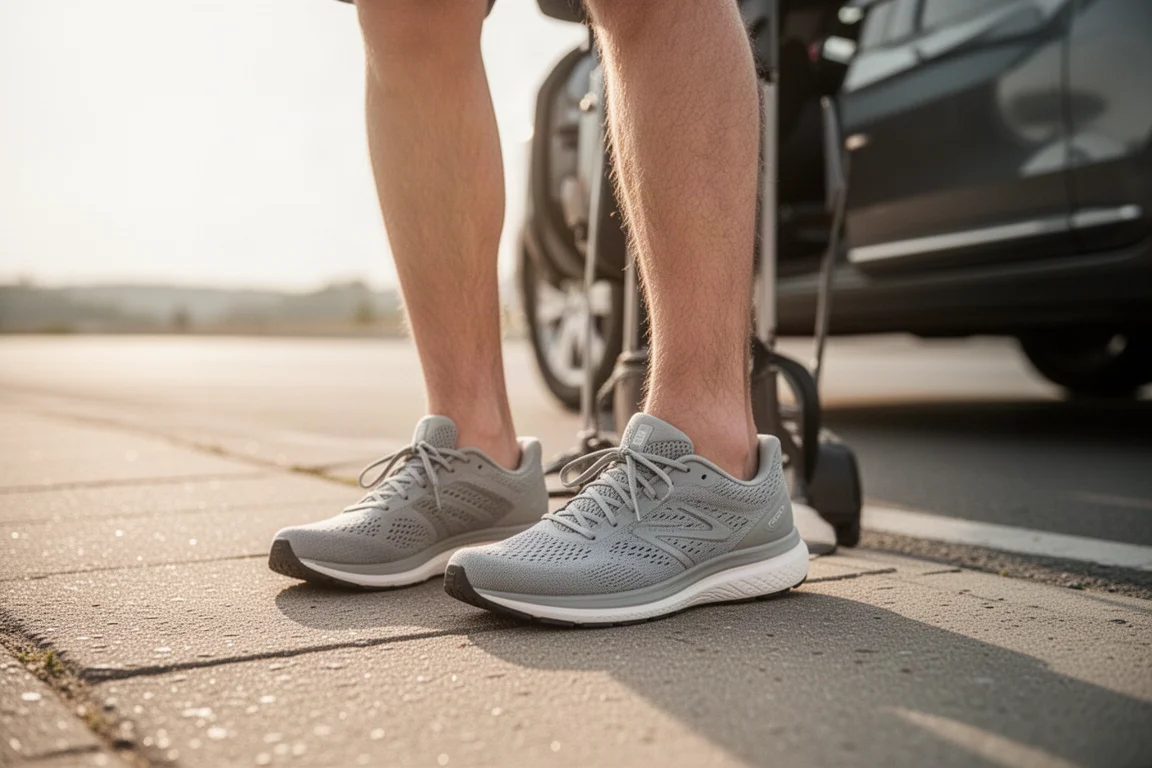
Comfort is the surprise. The Cloud Eclipse is not known as one of the softest shoes available, yet during a full day of walking and standing it felt noticeably softer underfoot than the Triumph, with a more forgiving step-in feel despite a thinner, more standard upper. It also breathes far better in warm weather, which matters because the Triumph’s heavily padded, essentially unvented upper turned into an oven in 80-degree heat, making it a poor choice for summer running. The Cloud Eclipse costs $20 more than the Triumph, but it earns it through versatility: a legitimately good running shoe that doubles as a genuinely appealing everyday option.
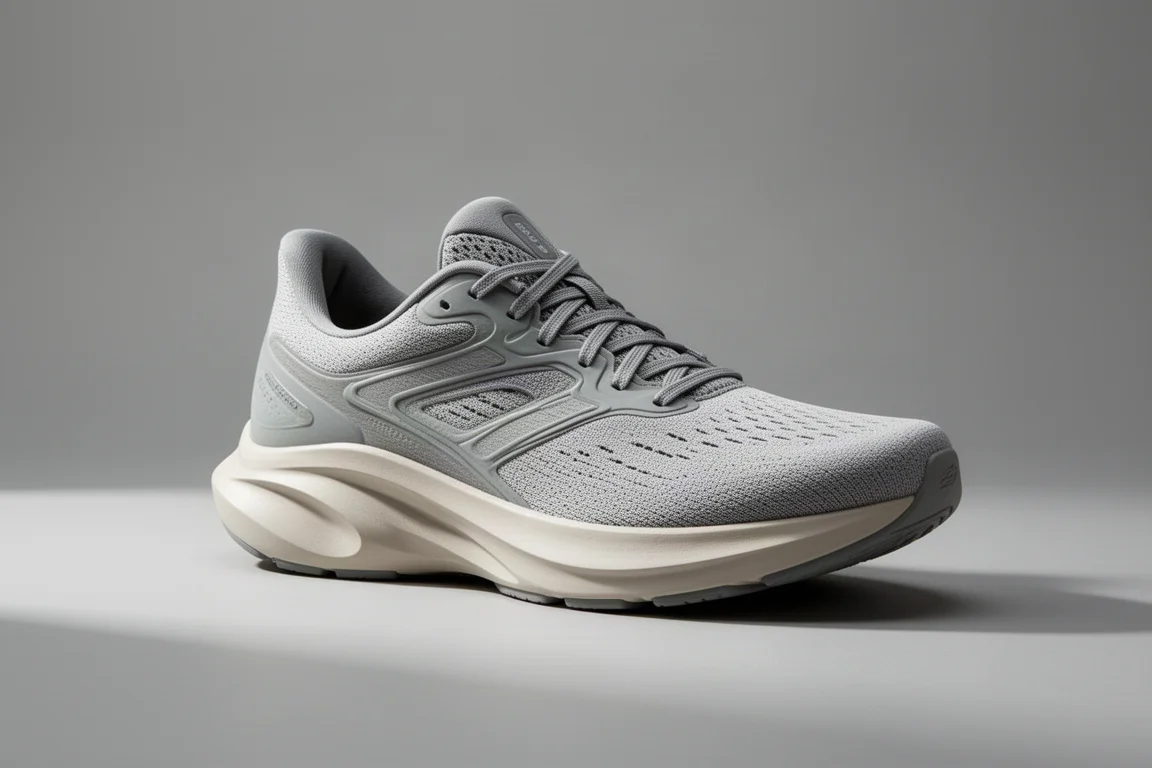
What the Double Day Test Revealed
The evening treadmill session after 14 hard morning miles exposed the Triumph 22’s defining trade-off. The strength is also the weakness: the wide platform delivers stability but adds weight, and that weight apparently forced Saucony to keep the forefoot stack restrained. The result is a shoe that feels slightly unwieldy while simultaneously being less protective than its stack suggests.
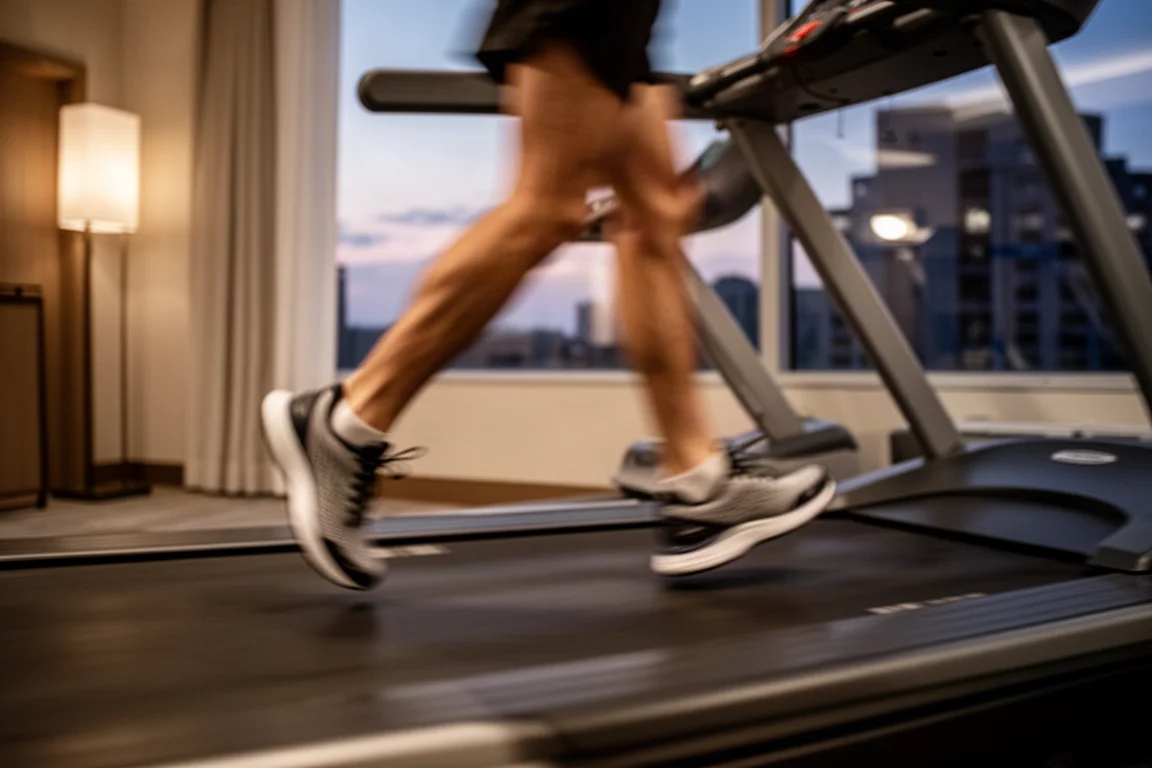
At certain paces, particularly around 7:30 per mile on the treadmill, the PWRRUN PB foam produced decent bounce, and it never felt tired late in the run. But no single element of the shoe outperformed a direct rival. The padded upper and soft-ride crown belong to the New Balance 1080 v13, the peppier ride to the Nike Vomero, and the overall value to the Supernova Rise. For a shoe to earn a spot in a rotation, it needs to be the best at something. Right now, the Triumph 22 is not clearly the best at anything.
Buying Advice
If you already own a max-cushion shoe like the 1080 v13, GEL-Nimbus, or SC Trainer v2, there is little reason to add the Triumph 22; those options are preferable for high mileage, comfort, and easy cruising. If you own a Vomero, Ride 17, Supernova Rise, or Novablast, you already have something very similar. The Triumph does make a modest upgrade over a standard trainer like the Pegasus, and for winter running or cooler climates the warm upper becomes less of a liability. For pure walking and standing comfort, the Ghost Max or the Cloud Eclipse are the stronger picks.
Conclusion
The Saucony Triumph 22 is not a bad shoe. It is comfortable, stable, and built on a genuinely excellent foam that resists fatigue over long days. But it is heavier and hotter than its comfort suggests, under-cushioned in the forefoot, and priced above alternatives that do its job as well or better. Until it can claim one clear advantage, the Supernova Rise remains the smarter buy for structured daily miles, and the Cloud Eclipse remains the better pick for the run-and-life crossover.
Further reading
Related Reviews

Running Shoes
Best Road-to-Trail Running Shoes: Three Versatile Options for Mixed Terrain
A practical guide to three road-to-trail running shoes that handle both pavement and mild trails, with clear strengths and trade-offs for different runner types.

Running Shoes
Best Running Shoes for Achilles Tendonitis: Three Options Explained
Three running shoes with different heel drops and support features designed to help reduce Achilles tendon pain during walking and running.

Running Shoes
Best Running Shoes for Women: Five Top Choices Ranked
A ranked guide to five women's running shoes, from versatile daily trainers to high-performance racing options, with real strengths and trade-offs for each.