Running Shoes
Saucony Triumph 22 vs Triumph 23: Which One Fits Your Running?
Two very different takes on Saucony's premium neutral trainer. Here is how the soft, relaxed Triumph 22 compares with the lighter, more responsive Triumph 23.
Introduction
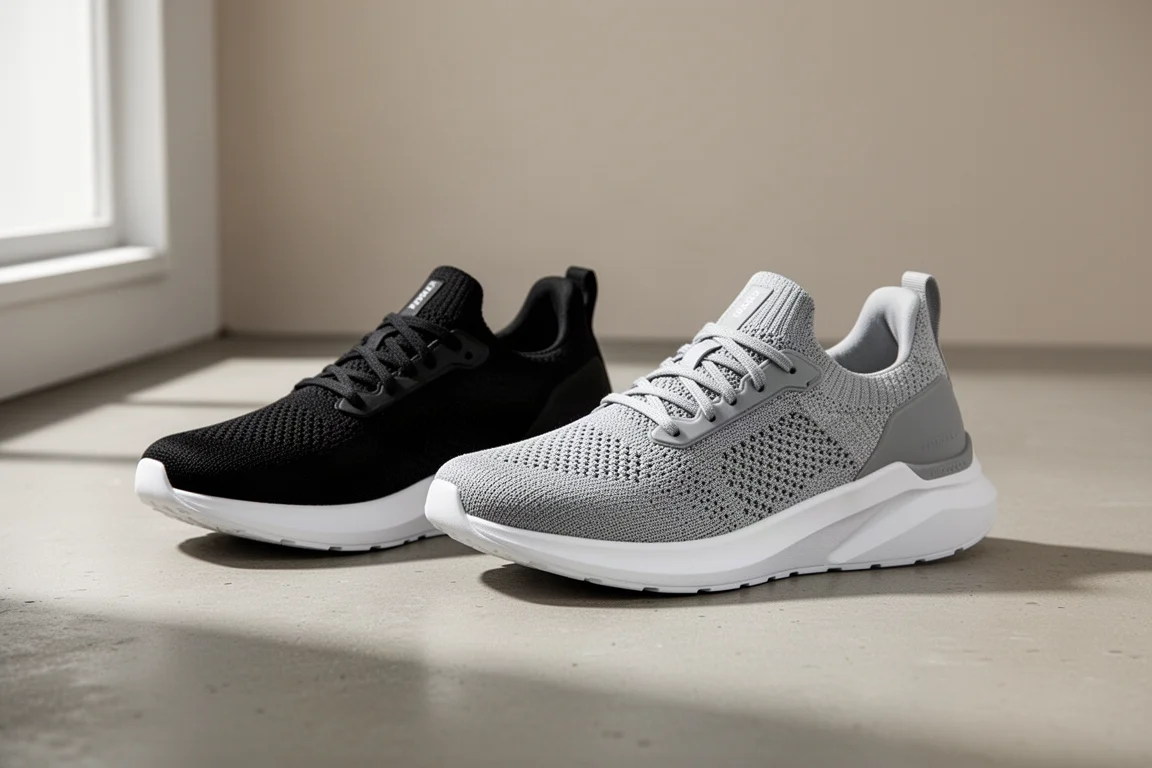
The Saucony Triumph series has long been the brand’s premium neutral daily trainer, and the 22 and 23 take strikingly different approaches. The 22 pushed the line toward maximum softness with a full-length PWRRUN PB midsole, while the 23 swings back toward the lighter, more responsive character of earlier versions. Because these two shoes feel so different underfoot, the right choice depends heavily on what kind of running you actually do. This comparison breaks down where each one shines.
Both shoes share a 37 mm heel, 27 mm forefoot stack for a 10 mm drop, and both use PWRRUN PB foam. The real split starts with weight: the 22 comes in at 11.1 oz (317 g) in a men’s size 10, while the 23 drops to 9.9 oz (281 g). That difference shapes almost everything else about how they ride.
Saucony Triumph 22: The Soft, Relaxed One
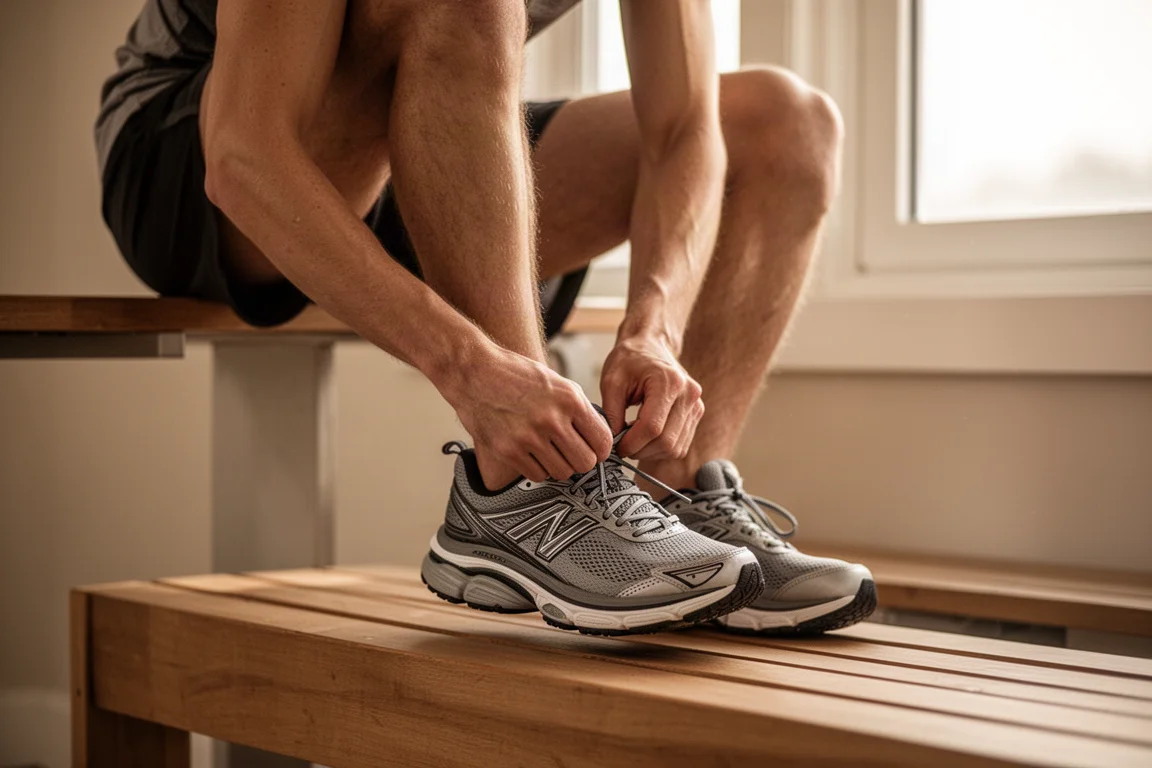
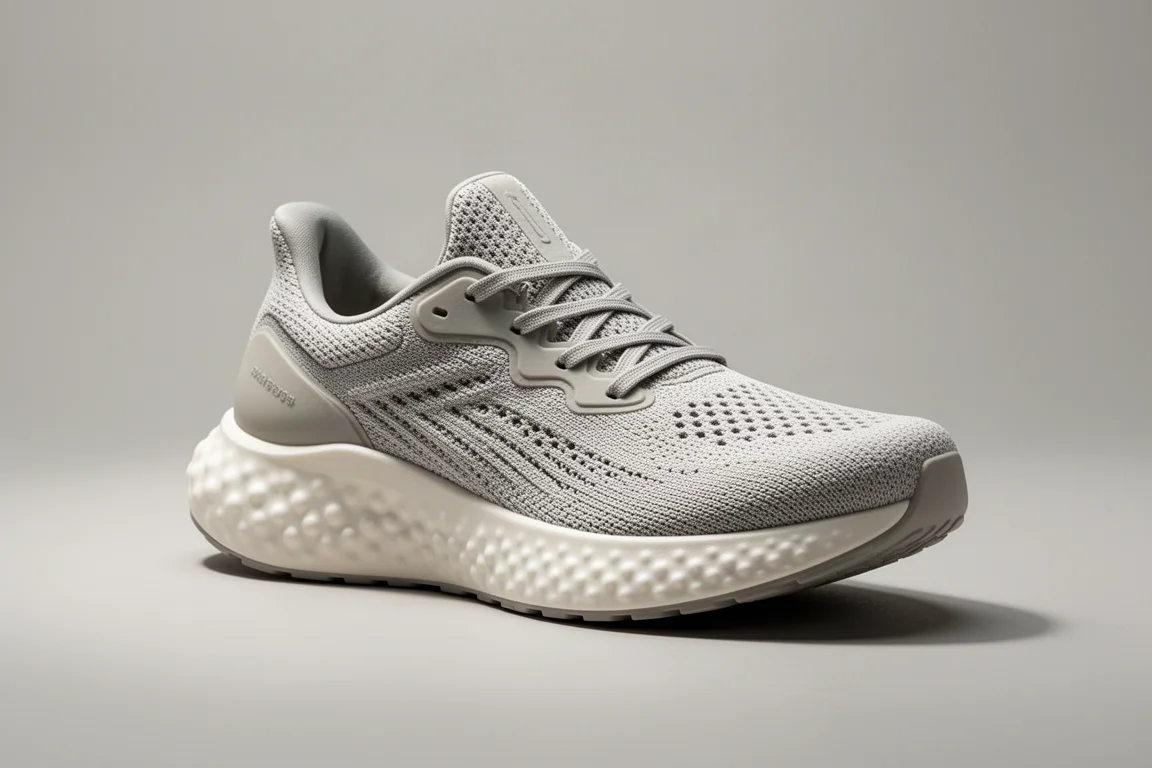
The Triumph 22 was a major departure from the 21. Moving to a full-length PWRRUN PB midsole made it much softer and heavier, turning it into a relaxed, plush cruiser. It works really well for easy runs, and it is genuinely pleasant for walking and standing all day. The softer platform does demand a bit of stability from the runner, and not everyone will enjoy that much compression underfoot.
The sole carries a wider base with sidewalls, plus a well-shaped heel bevel and forefoot rocker. There is a good amount of stiffness from the sheer volume of midsole, with just a hint of flexibility for smooth transitions, but no plate or stiffening agent inside. The upper fits wide and high-volume with generous padding, which is great for wider feet but runs warm on hot days.
Saucony Triumph 23: The Responsive Return
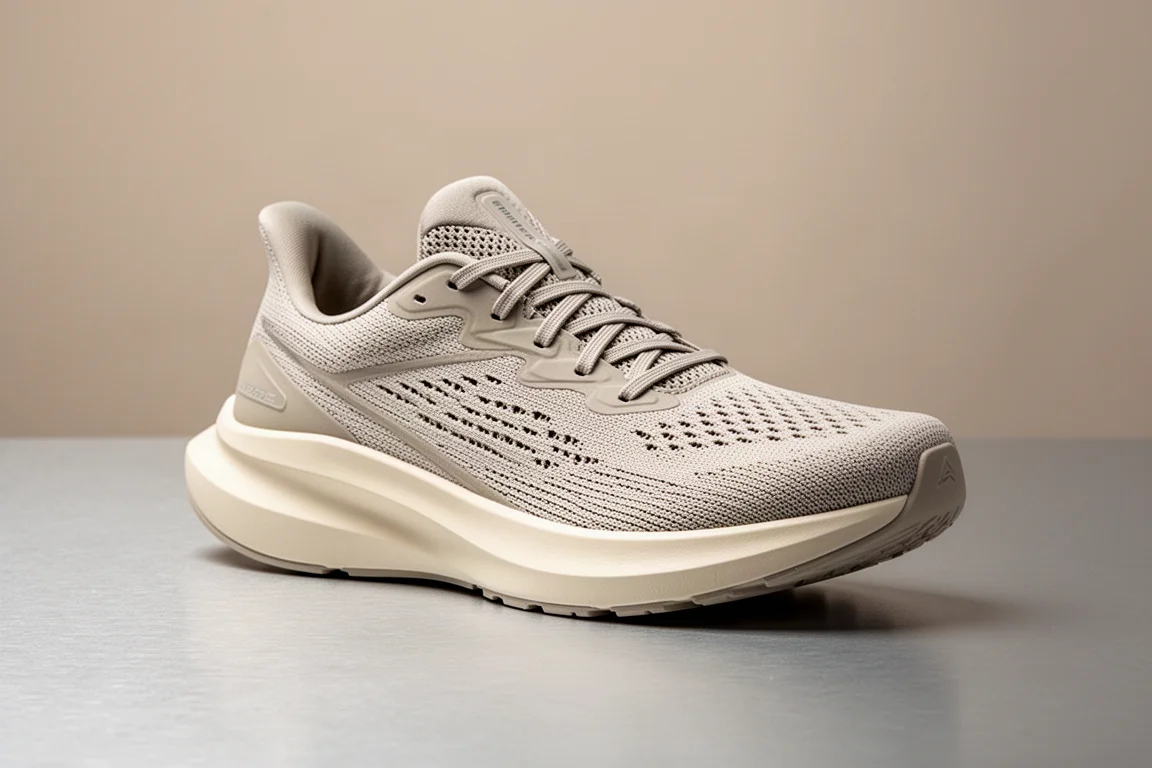
The Triumph 23 moves back toward the roots of the 21: lighter, bouncier, and noticeably more aggressive. Where the 22 felt too soft for faster running, the 23 has enough snap to handle workouts while still delivering plenty of cushioning. Its midsole is slightly firmer, which adds a touch more stiffness without ever feeling like a plated shoe.
Stability is quietly better too. The rearfoot uses more medial flare and less lateral flare, adding mild guidance that allowed longer runs for runners who need a bit of medial support. The midfoot is slightly wider, adding overall steadiness. Runners with lateral sensitivities, however, may prefer the 22’s setup. The upper is more performance-oriented: lower volume, snug through the length of the shoe, and better suited to narrower feet. It takes a short break-in period before it opens up.

Durability and Outsole
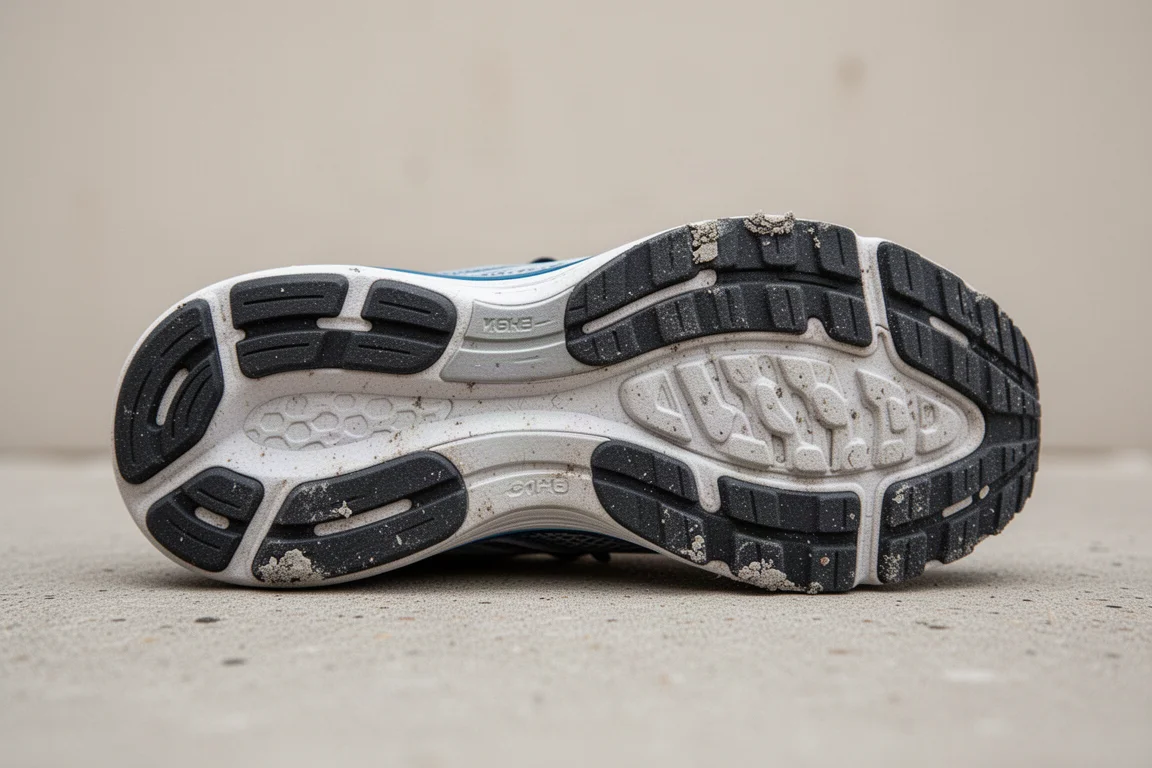
The weight savings on the 23 had to come from somewhere, and the outsole is where it shows. Early miles already reveal visible wear on the outsole rubber, so heavier strikers may want to watch how theirs ages.
The 22 uses more extensive XD900 rubber across the length of the shoe and should last noticeably longer. If durability is a priority, the 22 is the safer pick; if you are lighter on your feet, the 23’s trade-off is easier to accept.
Fit and Upper Comfort
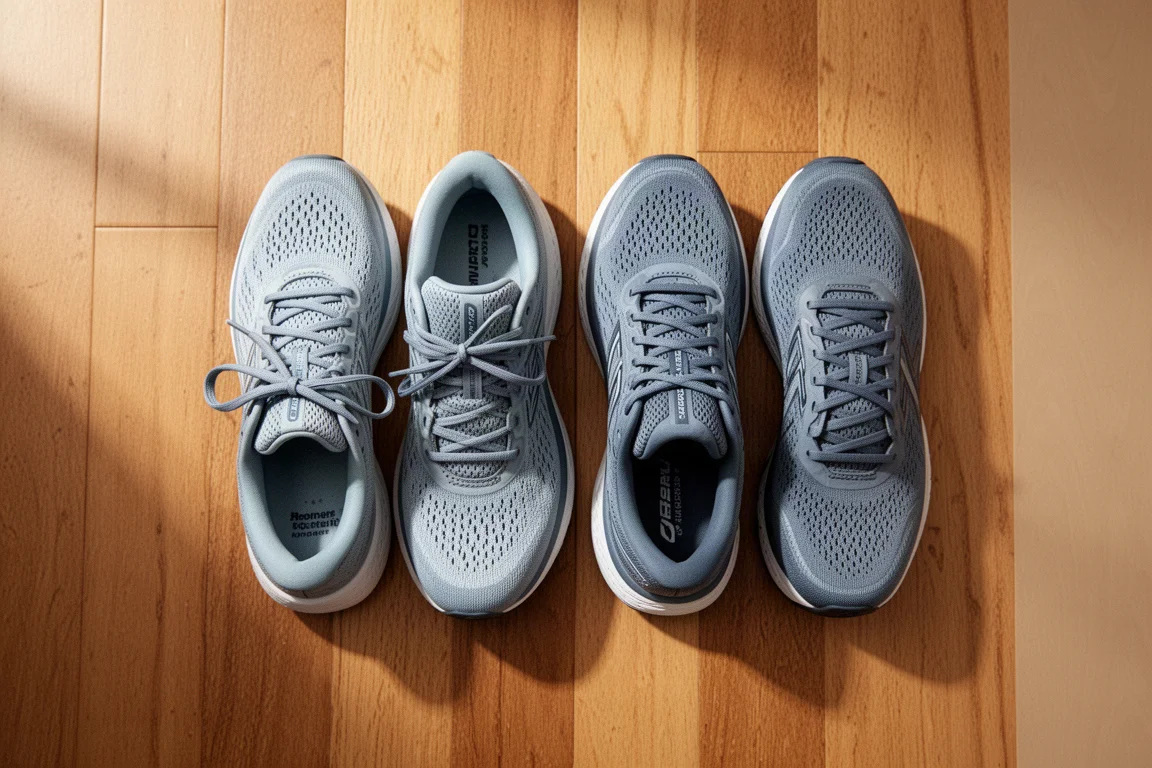
These two uppers suit different feet. The 22 fits wider and higher-volume than the 21, with thick padding and plush cushioning throughout, which makes it comfortable for long days but warm in summer heat. The heel collar padding is generous.
The 23 goes the other way with a lower-volume, snugger performance fit and a thinner heel collar that feels more balanced. Runners with narrower feet, or anyone wanting a more connected, performance-oriented feel, will prefer it. If you like extra padding around the foot, the 22 remains the better match.
Which Should You Buy?
Choose the Triumph 22 if you want a soft, relaxed neutral shoe for easy running, walking, and standing, especially if you have wider feet or want maximum underfoot plushness and better outsole durability. Choose the Triumph 23 if you want a lighter, more responsive ride that can handle workouts, prefer a snugger performance fit, or appreciate a touch of medial guidance. Neither is a plated max-stiffness shoe, so runners with significant toe mobility issues may need to look elsewhere.
Conclusion
The Saucony Triumph 22 and 23 are far more alike on paper than they are on the road. One leans into softness and all-day comfort, the other into responsiveness and a performance feel. Matching the shoe to your feet and your running style is what matters most, and both remain highly cushioned options worth serious consideration.
Further reading
Related Reviews

Running Shoes
Best Road-to-Trail Running Shoes: Three Versatile Options for Mixed Terrain
A practical guide to three road-to-trail running shoes that handle both pavement and mild trails, with clear strengths and trade-offs for different runner types.

Running Shoes
Best Running Shoes for Achilles Tendonitis: Three Options Explained
Three running shoes with different heel drops and support features designed to help reduce Achilles tendon pain during walking and running.

Running Shoes
Best Running Shoes for Women: Five Top Choices Ranked
A ranked guide to five women's running shoes, from versatile daily trainers to high-performance racing options, with real strengths and trade-offs for each.