Running Shoes
Saucony Triumph 22 vs Triumph 20: A Big Weight Gap and a New Foam Tune
The Triumph 22 brings PWRRUN PB foam, a wider base, and a heavily padded upper, but it also gains serious weight. Here is how it compares with the long-serving Triumph 20.
Introduction
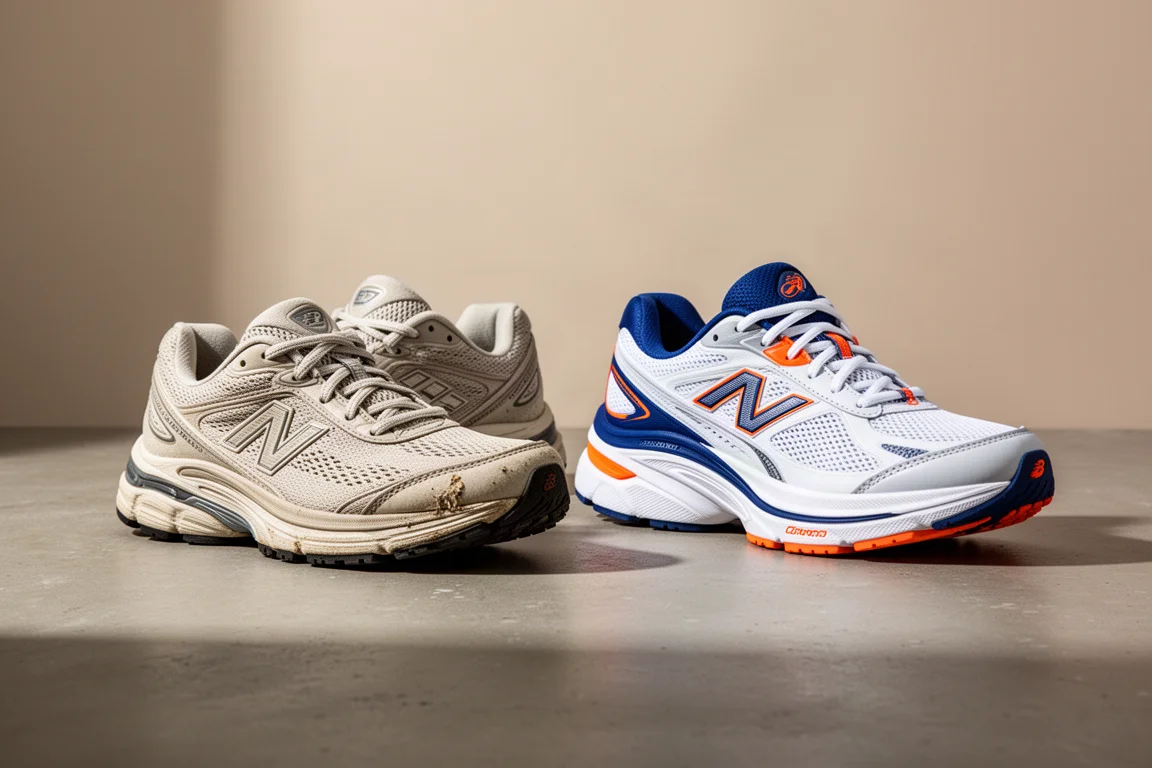
The Saucony Triumph line sits in a tricky spot. The Triumph 20 has quietly built one of the strongest reputations among daily trainers in recent years, racking up hundreds of miles while still holding its bounce. The Triumph 22 arrives as a bigger, heavier, more padded shoe with a new foam tune, and the two make for an instructive comparison.
The Triumph 22 is priced at $160, the same launch price as the Triumph 20, but it aims higher with a PWRRUN PB midsole, the same foam family as Saucony’s racing shoes, tuned differently for training. Whether that elevated foam earns the weight penalty is the central question of this comparison.

Saucony Triumph 20: A High-Mileage Favorite
The Triumph 20 earns its place in the conversation through longevity. At around 350 miles, the pair tested here still feels energetic, with a nice bounce that holds up at steady paces. It is a versatile, protective shoe with a tall cushioned stack, and it proved to be one of the better marathon training shoes of its generation.
That said, it is not flawless. The 10 mm drop is pronounced and does not suit every foot strike, and the narrow heel and midfoot can feel a touch wobbly at slower paces. It is also a shoe that rewards distance: it feels better on longer runs than on short, slow efforts, sharing some of that character with shoes like the Novablast. The upper is functional but not perfect, with some heel area looseness unless the laces are cranked down tight.
Saucony Triumph 22: The Wider, Padded, Heavier Direction
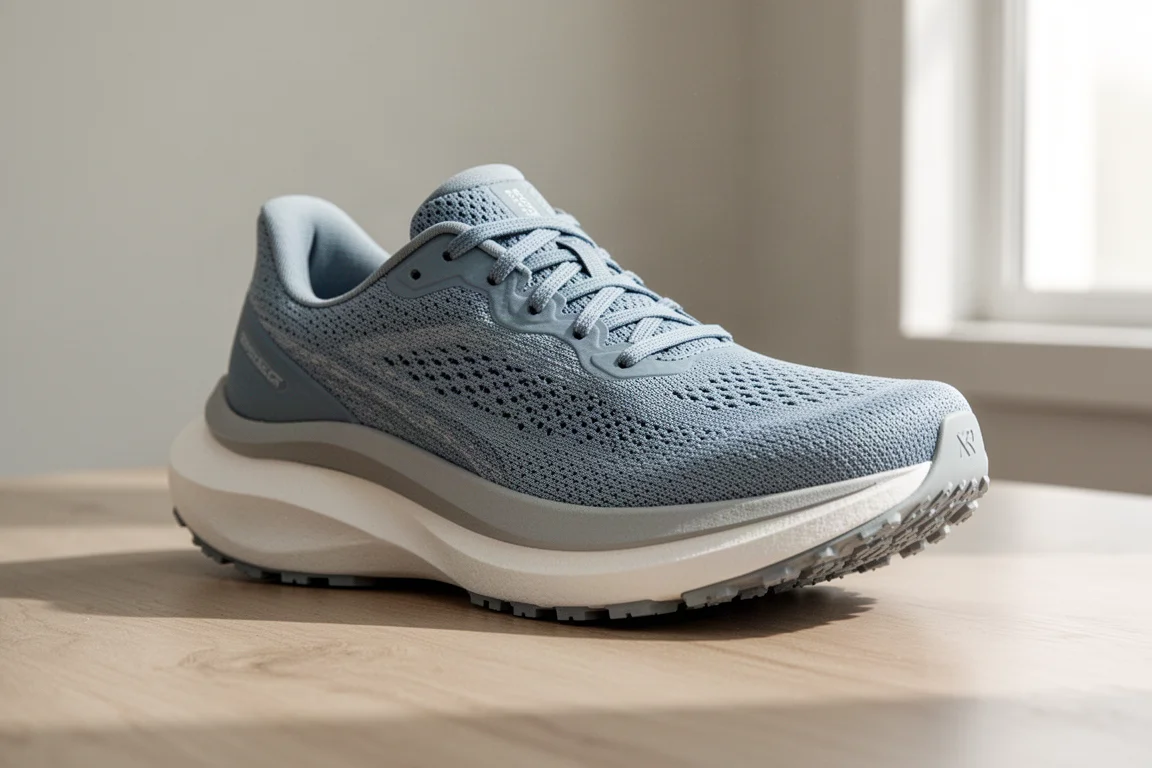
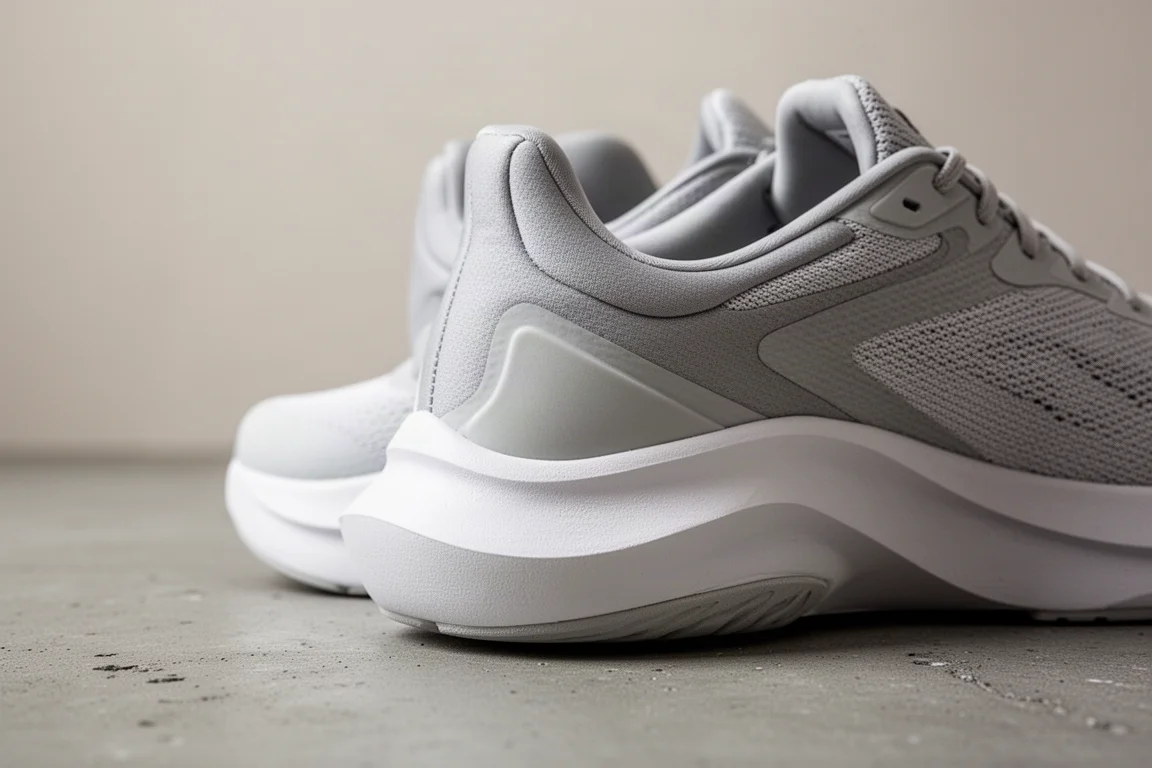
The Triumph 22 represents a clear course correction. The base is noticeably wider at the heel and midfoot, addressing the stability complaints that dogged the 20 and 21, and the toe box is roomier than even some of the widest neutral trainers. The heel feels planted with no wobble, and the upper, with a padded tongue, flat laces, and a heavily cushioned collar, is arguably the most comfort-oriented upper in the premium daily trainer class right now.
The trade-off is weight. A size 11 sample weighs 328 g, roughly 34 g heavier than the already chunky Triumph 20 RunShield version, and nearly on par with some of the heaviest max cushion shoes on the market. The padding in the upper accounts for part of it, but the firmer, denser foam formulation adds heft too. PWRRUN PB appears here in a training-specific tune: firmer and more structured than the race-day version in the Endorphin Pro, with durometer readings in the mid-30s to low 40s versus a softer forefoot in the race shoe.
How the Triumph 22 Rides
On a first 8-mile run split between recovery and aerobic paces, the Triumph 22 came across as a comfortable, stable, simple ride rather than a souped-up race-foam trainer. When pace was pushed down into the shoe, there was a pop and some energy return, though not as much as you would get from the same foam in the Endorphin Pro 4. The closest comparison is a trainer that pairs a race foam with a conservative execution: simple, reliable, and comfortable, similar in spirit to the Nike Vomero 17 rather than a budget Superblast.
The 10 mm drop designation remains, but the ride feels gentler than the 20, closer to an 8 mm feel, without the harsh push toward the forefoot. Encouragingly, the shoe felt better at mile 8 than at mile zero, a promising sign for a marathon trainer that should respond well to accumulating mileage. One thing to monitor is forefoot ground feel during very slow paces, where the foam taper occasionally left toes close to the ground.

Durability and Value Considerations
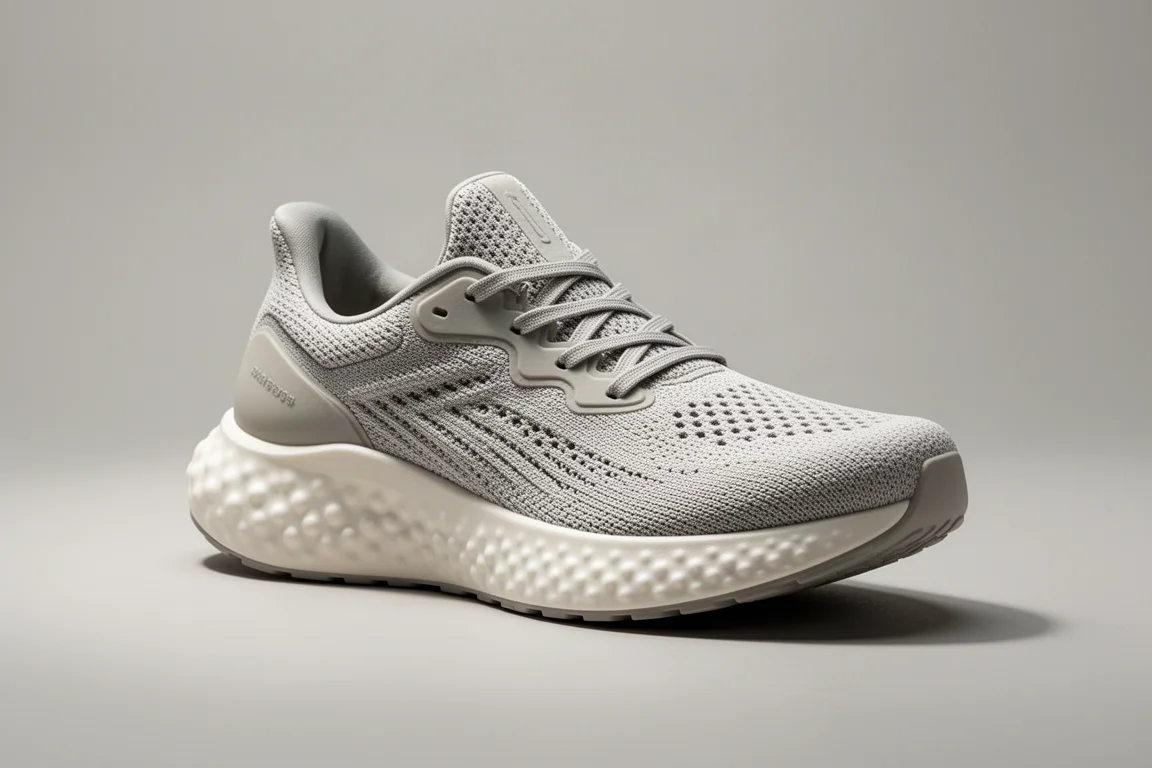
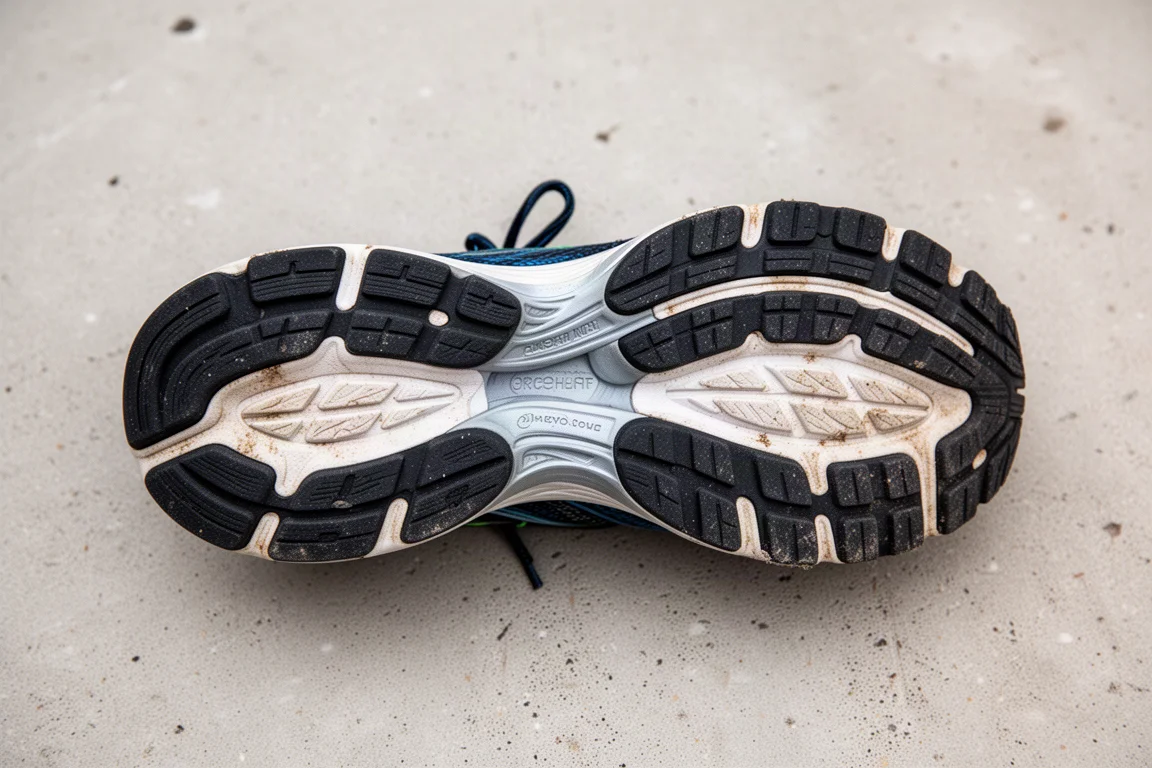
Outsole durability looks strong on paper: thick rubber coverage in a cross-hatch pattern, similar coverage to the 20, and a material that has improved across recent Saucony generations. The 20, with 350 miles and counting and still going strong, suggests the Triumph line has earned its reputation for longevity, and the 22 keeps a similarly tall protective stack near 40 mm.
Value is the harder question. At $160, the 22 competes directly with established premium daily trainers like the New Balance 1080 v13, ASICS Gel-Nimbus 25 or 26, and Brooks Ghost Max, while the Vomero 17, which rides similarly, can often be found for well under $100. The Triumph 22 is solid and comfortable, but its weight and conservative tuning mean buyers should weigh what the wide, stable, padded package is worth to them compared with cheaper alternatives.
Buying Advice
Choose the Triumph 22 if stability and all-day comfort matter most: wider feet, runners who found the 20’s heel wobbly, or anyone wanting a plush, protective everyday trainer with a bit of pop when the pace picks up. Choose the Triumph 20, or hunt down a discounted pair, if you value a lighter, bouncier, more agile ride and can tolerate the narrower fit. The 20’s well-documented durability at high mileage makes clearance pricing on it a genuinely strong deal.
Conclusion
The Triumph 22 does not mess up the formula, but it does not deliver a revolution either. It swings wide: more comfort, more padding, more stability, and considerably more weight. It rides like a well-executed elevated daily trainer rather than a race-foam shortcut to speed. Runners who voted with their miles on the Triumph 20 should decide whether stability and upper comfort are worth the extra heft.
Further reading
Related Reviews

Running Shoes
Best Road-to-Trail Running Shoes: Three Versatile Options for Mixed Terrain
A practical guide to three road-to-trail running shoes that handle both pavement and mild trails, with clear strengths and trade-offs for different runner types.

Running Shoes
Best Running Shoes for Achilles Tendonitis: Three Options Explained
Three running shoes with different heel drops and support features designed to help reduce Achilles tendon pain during walking and running.

Running Shoes
Best Running Shoes for Women: Five Top Choices Ranked
A ranked guide to five women's running shoes, from versatile daily trainers to high-performance racing options, with real strengths and trade-offs for each.