Running Shoes
Saucony Triumph 22 Review: A Durable Daily Trainer With Real Trade-Offs
Tested to 72 miles, including a 22-mile long run in heavy rain, the Triumph 22 shows comfortable upper craft and strong durability, but a firm PWRRUN PB midsole and 10mm drop hold it back for many runners.
Introduction
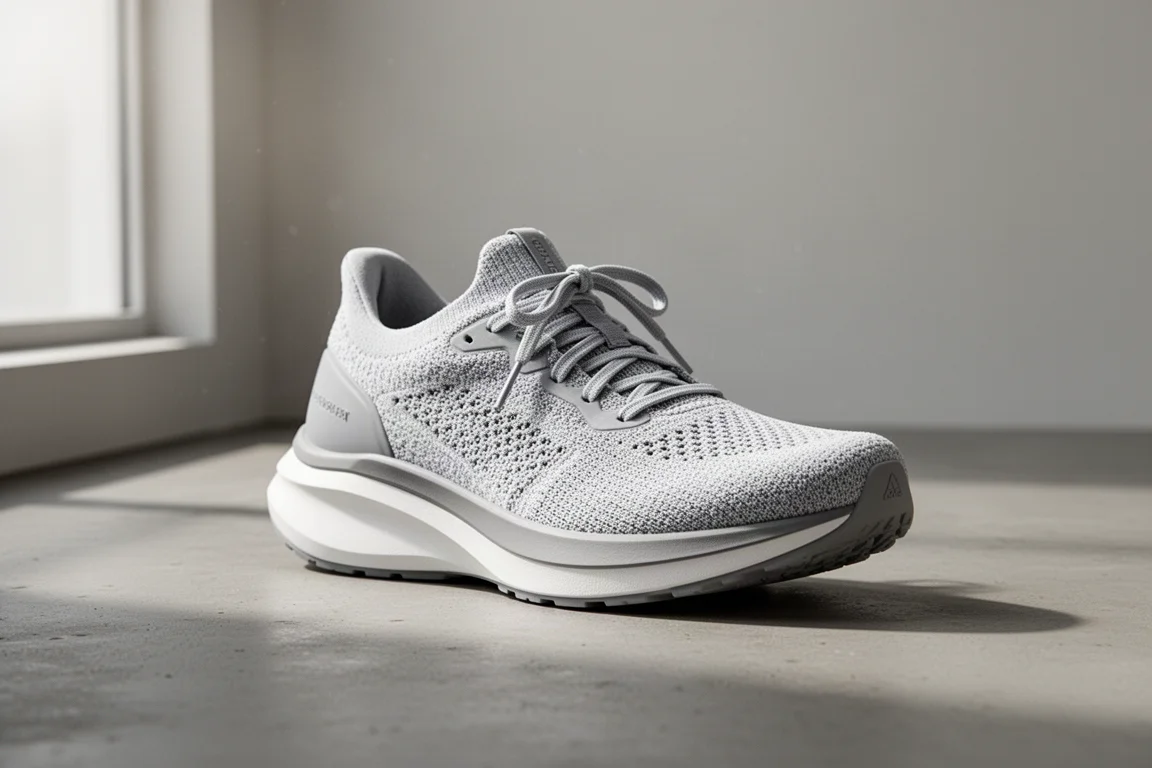
After around 50 miles of testing, including an 8-mile first run, a 22-mile double day, and a 20-mile double day, the Saucony Triumph 22 came into a 22-mile long run test needing to prove itself. The verdict so far has been mixed: at a $160 price point, the shoe has felt heavy, clunky, and firmer than expected, but there have been genuine glimmers of promise, particularly around comfort, stability, and durability.
The final test was 22 miles in pouring rain, roughly three hours on feet at a relaxed 8:05 average pace, finishing with a fast final two miles. Here is how the Triumph 22 held up, and who it actually makes sense for.
First Impressions
The Triumph 22 has not been an easy shoe to warm up to. The initial miles felt heavy, awkward, and clunky, with noticeably more ground feel than expected from a shoe with this much cushion. That said, it was never an uncomfortable ride: legs did not get chewed up, and there was some nice bounce at certain paces.
The long run test itself started with a practical check. The right shoe was weighed before the rain at 327.5g, and by the end of 22 miles in a downpour it had picked up roughly 20g of water weight. In wet conditions, that makes for a genuinely heavy shoe by the end of a run.
The Midsole: Firm by Design
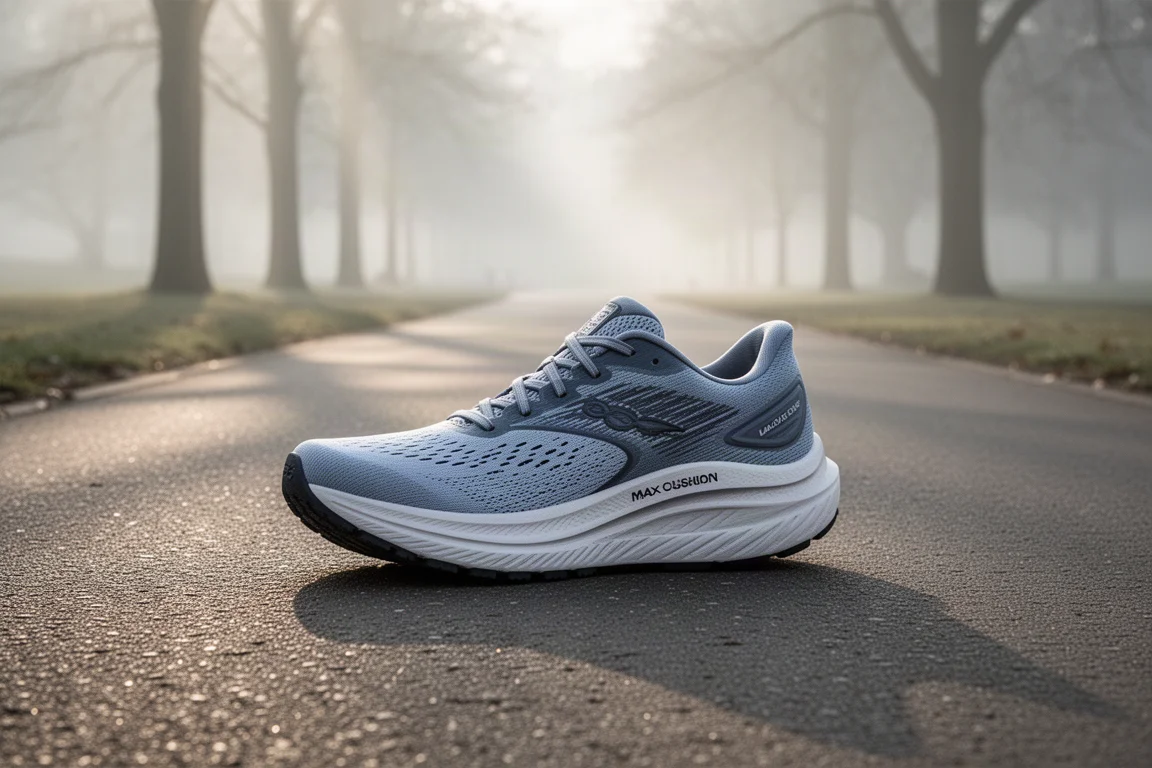
The midsole uses PWRRUN PB foam, the same foam family that works brilliantly in the Saucony Endorphin Pro 4, where it feels soft, bouncy, and fast. In the Triumph 22, Saucony tuned the foam differently to make it stable enough without a plate, and the result has been a firmer feel than many runners will expect from a premium max-cushion trainer.
A durometer check confirmed the foam is firmer than the Triumph 20, even accounting for the older pair having 300 miles on it. At 160 lbs, the forefoot compresses too little at slower paces, producing a hard ground feel at the front of the foot. Notably, several heavier runners closer to 200 lbs report really enjoying the shoe, getting useful bounce out of the same platform, similar to how the Puma ForeverRun Nitro 2 works better for bigger runners.
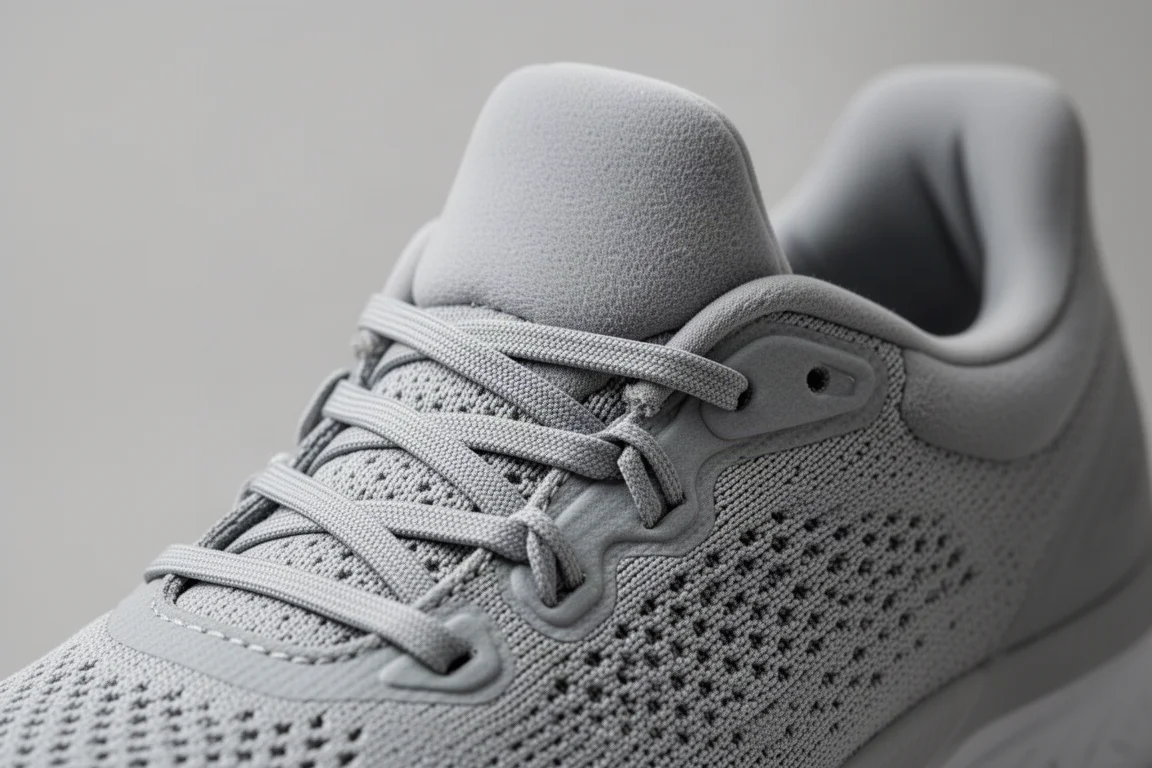
The 10mm drop combined with the wide platform also makes the shoe harder to run in than expected. A 6mm drop with more forefoot foam would likely transform this setup, but Saucony has stuck with the 10mm geometry, and it is the single biggest thing holding this version back.
Upper Comfort and Fit
The upper is where the Triumph 22 earns real credit. It is generously padded, comfortable, and comes with a widened toe box. There were no issues with rubbing across the long run test.
The trade-off is heat and weight. In temperatures above 75°F, the padded upper creates a hot-box sensation, and the extra padding adds bulk that lighter-fitting rivals do not carry. Below about 75°F, it was not a problem: during the long run at around 70-73°F, there were no issues with the foot warming up.
Durability and Outsole Grip
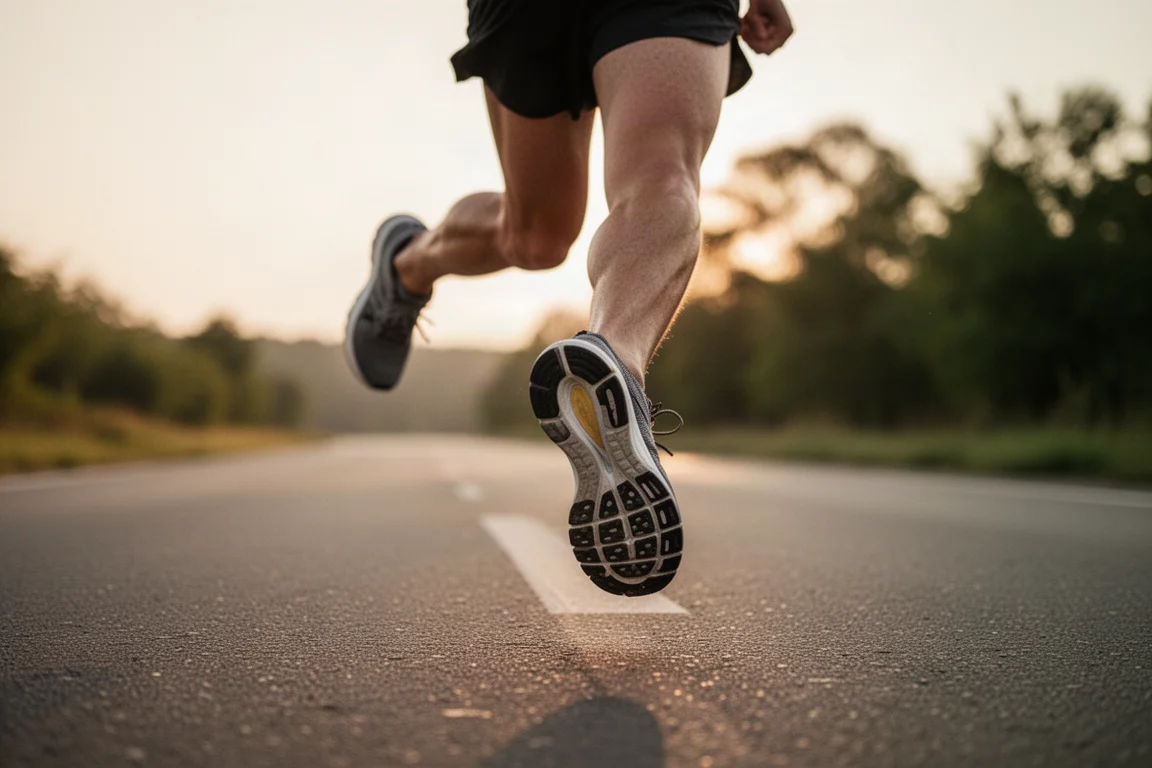
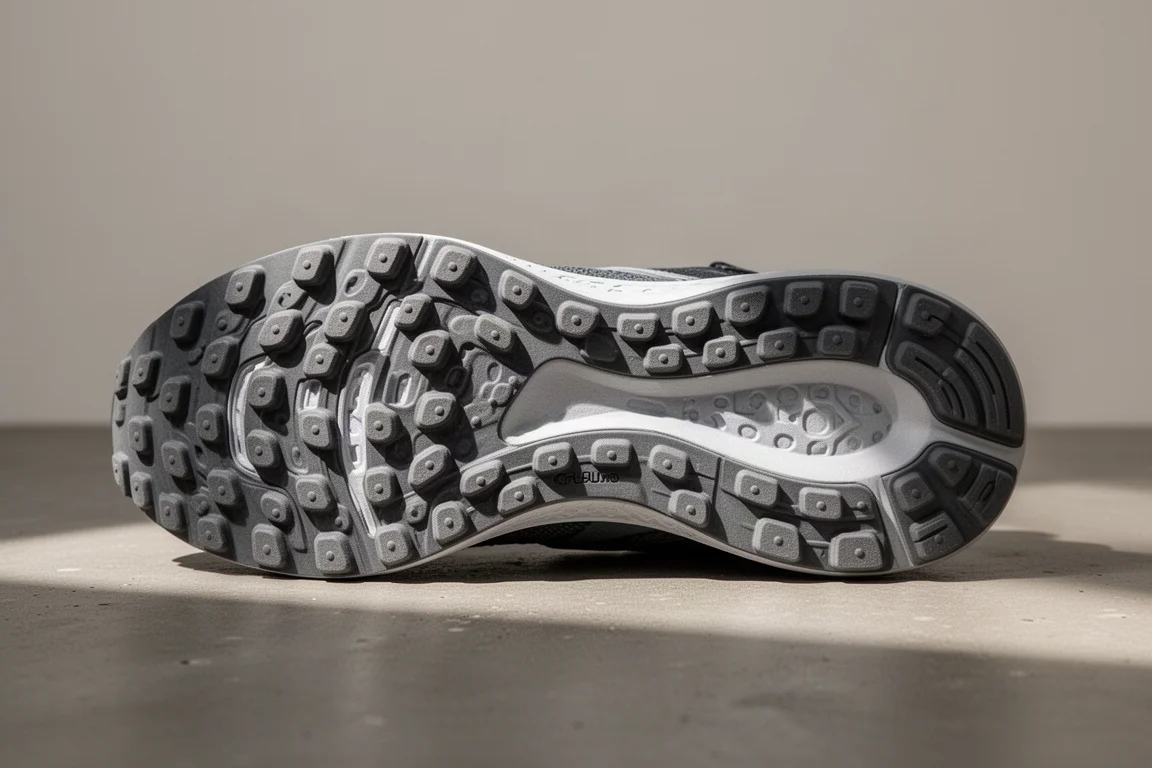
The outsole offers solid, if not exceptional, rubber coverage: not the best on the market and not the worst, sitting somewhere in the middle. In the rain test, there was no serious slipping, though it also was not the grippiest shoe. Saucony’s XT-900 rubber has proven reliable this year, and after 70 miles the outsole and upper remain in good shape.
Given how firm the midsole is, this looks like a shoe that will go the distance, potentially a 400-mile-plus trainer. The firm foam resembles a less lively version of the durable TPU-based foam from earlier generations, which suggests slow wear over time.
Who the Triumph 22 Is For
This shoe works best for a narrower subset of runners than its price and pedigree suggest. Heavier runners who want additional support, who don’t mind firm ground feel, and who appreciate the width and stability will likely get the most out of it. If you want a daily trainer that simply does the job, nothing fancy, and you value durability above liveliness, it can fill that role.
For most other runners, though, there are stronger options at this price. Cheaper shoes like the Adidas Supernova Rise, Craft Pacer, and New Balance Fresh Foam X More v4-style alternatives in this market deliver more for less, while max-cushion cruisers like the New Balance 1080 and ASICS GEL-Nimbus offer a different feel entirely. The Triumph 22 is arguably better than those max-cushion cruisers for long runs thanks to its firmer foam, but it feels like a worse version of the Nike Vomero, which delivers a fun, slightly soft, bouncy pop that the Triumph makes you work to earn.
Things to Consider Before Buying
The list of frustrations is real: the firmer-than-expected PWRRUN PB tuning, the unwieldy wide platform, the 10mm drop, and a weight about 60g heavier than a shoe like the Adidas Boston 12. Compared with the Triumph 20 and 21, this generation’s foam feels noticeably less lively.
The counterpoints are equally real: a very comfortable padded upper, good stability, solid rubber coverage, likely long-term durability, and no injury or bruised feet after a three-hour long run. Some shoes, like the Boston 12, have also needed around 50 miles to break in and hit their stride, so the remaining miles before a 100-mile check could still change the picture somewhat.
Buying Advice
Buy the Triumph 22 if you are a heavier runner who wants width, stability, and a firm, durable platform, and who finds firmer foams comfortable. Look elsewhere if you want a lively, bouncy max-cushion daily trainer at $160, because competitors deliver that feel better and sometimes for less money. This is a shoe that does the job, but only a slim subset of runners will genuinely love it in its current state.
Conclusion
The Saucony Triumph 22 survives a three-hour long run with comfort, stability, and durability on its side, but the firm PWRRUN PB tuning, wide platform, and 10mm drop make it a hard recommendation at $160 for most runners. Saucony knows how to tune this foam better, as the Endorphin Pro 4 proves, and small changes for a future version could make this a genuinely great trainer. For now, it is a competent but unremarkable shoe best suited to bigger runners seeking a stable, durable daily trainer.
Product link
View more details for Saucony Triumph 22
This product is mentioned in the review. Check the specifications, options, and compatibility before buying.
View more details for Saucony Triumph 22Further reading
Related Reviews
Running Shoes
Best Road-to-Trail Running Shoes: Three Versatile Options for Mixed Terrain
A practical guide to three road-to-trail running shoes that handle both pavement and mild trails, with clear strengths and trade-offs for different runner types.
Running Shoes
Best Running Shoes for Achilles Tendonitis: Three Options Explained
Three running shoes with different heel drops and support features designed to help reduce Achilles tendon pain during walking and running.
Running Shoes
Best Running Shoes for Women: Five Top Choices Ranked
A ranked guide to five women's running shoes, from versatile daily trainers to high-performance racing options, with real strengths and trade-offs for each.