Running Shoes
Saucony Triumph 21 vs the Rest: How It Stacks Up Against Five Max-Cushion Rivals
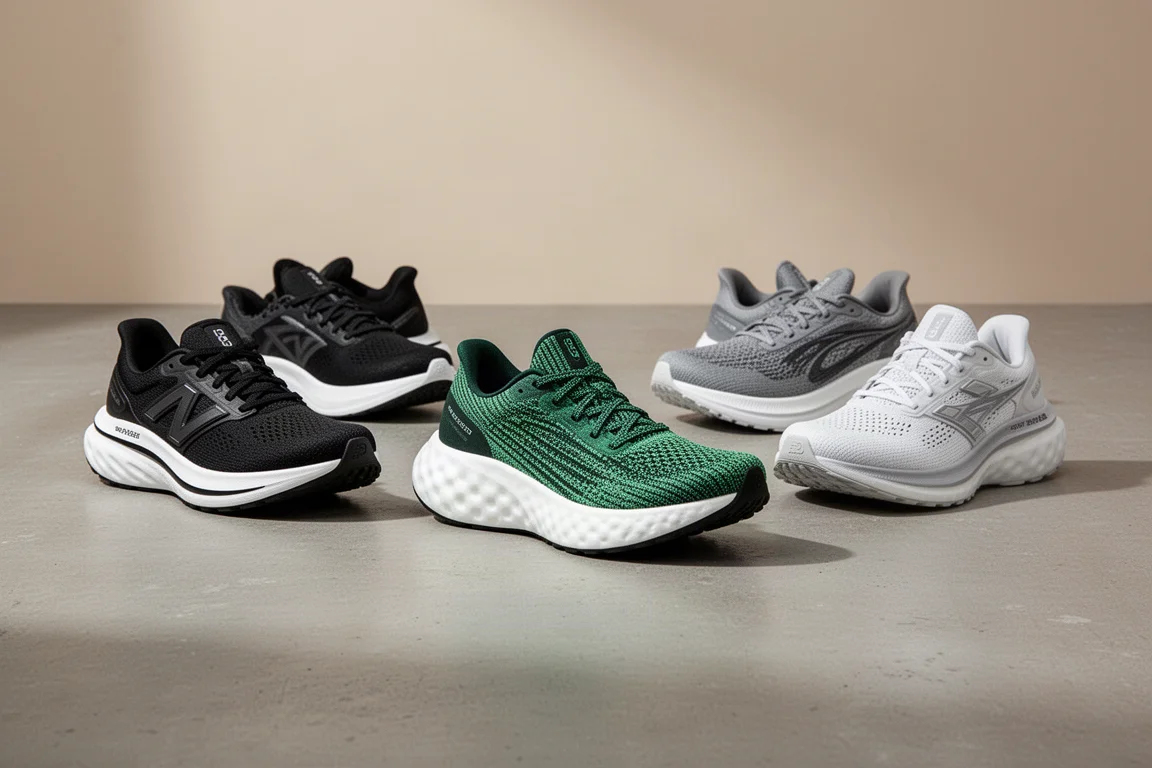
The Saucony Triumph 21 promises max cushioning in a light, nimble package. We compare it against the Asics Gel Nimbus 25, Nike Vomero 16, Puma ForeverRun Nitro and Nike Invincible Run 3.
Introduction
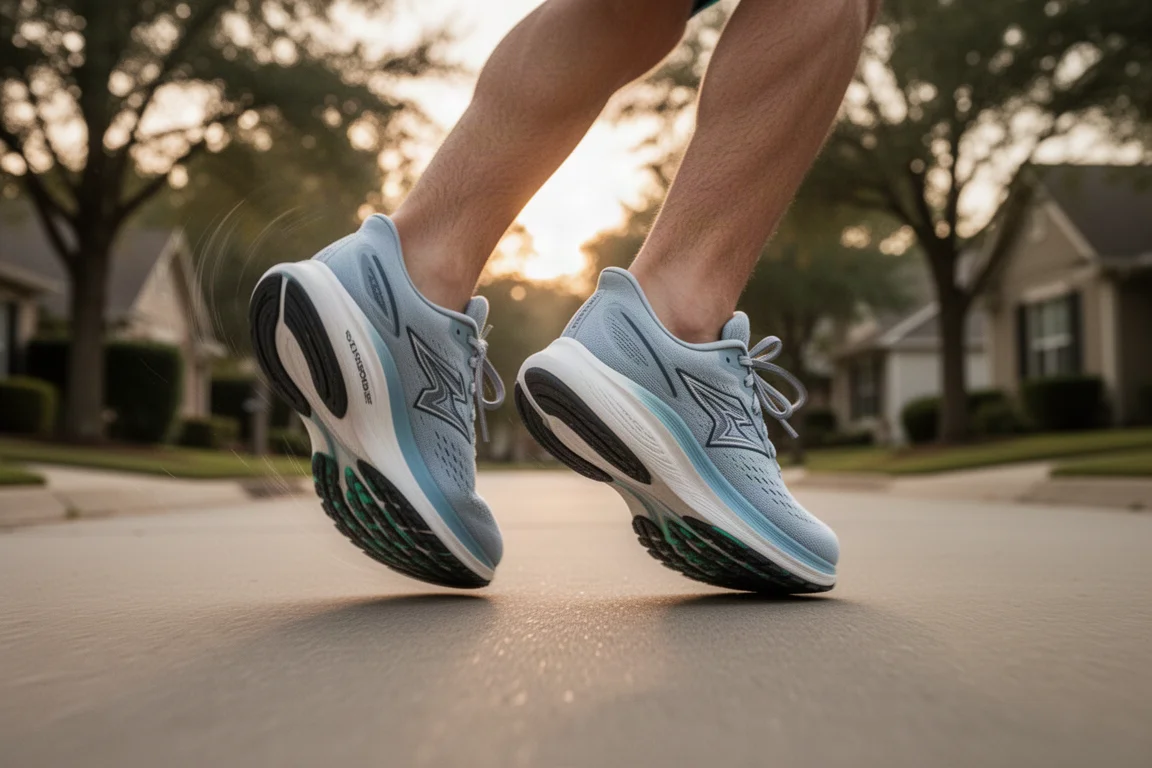
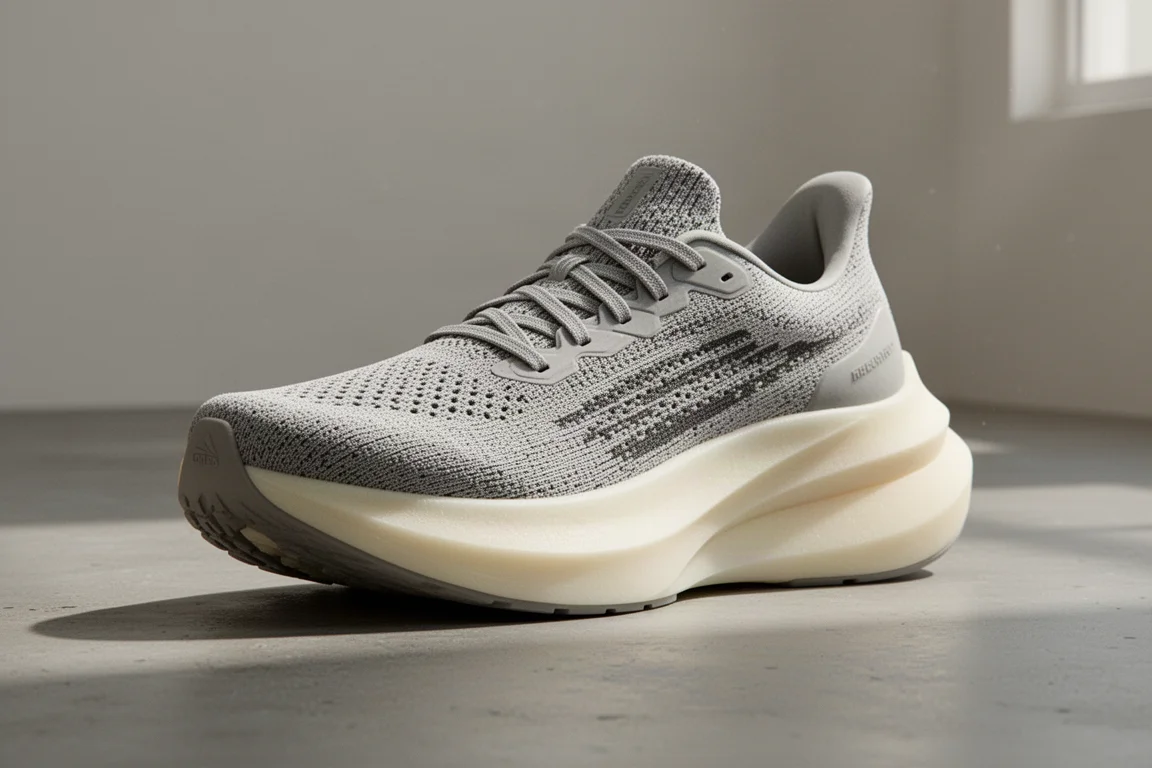
The Saucony Triumph 21 is an interesting shoe to pin down. It is light enough for daily use, yet maximally cushioned for longer, slower runs, and it ticks a lot of the boxes most runners look for in a rotation staple. The racing green colourway gives it plenty of character too.
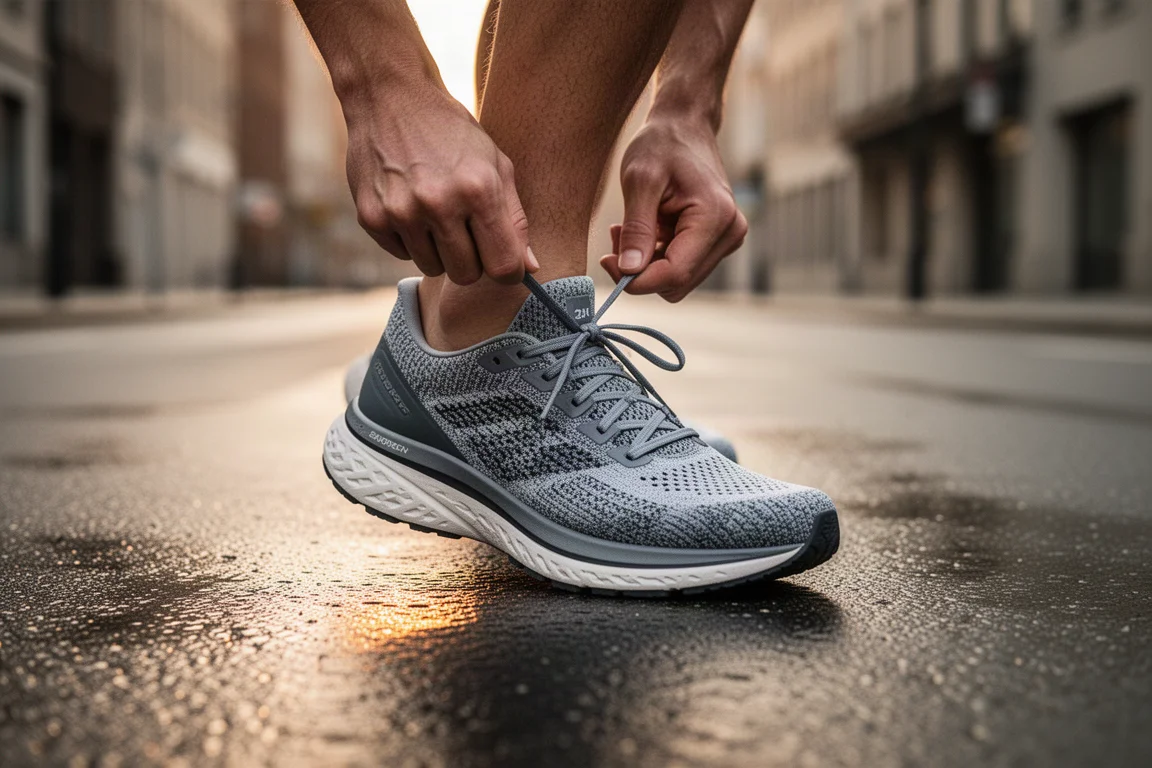
To help you decide whether it deserves a spot in your own rotation, this comparison puts it up against four well-known max-cushion and daily trainer alternatives: the Asics Gel Nimbus 25, the Nike Vomero 16, the Puma ForeverRun Nitro and the Nike Invincible Run 3.
Saucony Triumph 21: The All-Rounder
The Triumph 21 sits in a slightly unusual place. It is a max-cushion shoe, but done in a way that keeps it light and nimble, so it crosses categories: daily miles, easy long runs and even a quicker session now and then. The midsole foam is soft and compressive, yet it stays consistent underfoot without feeling mushy or squashy, and it absorbs impact well, especially on downhills.
The upper is breathable with perforations and relatively little padding, which makes it a genuinely good option for warmer weather. The outsole design is another strength: rubber is minimised in places, leaving a little exposed midsole that adds flexibility. It works superbly well on road and pavement, and the forgiving stack makes longer distances very manageable.
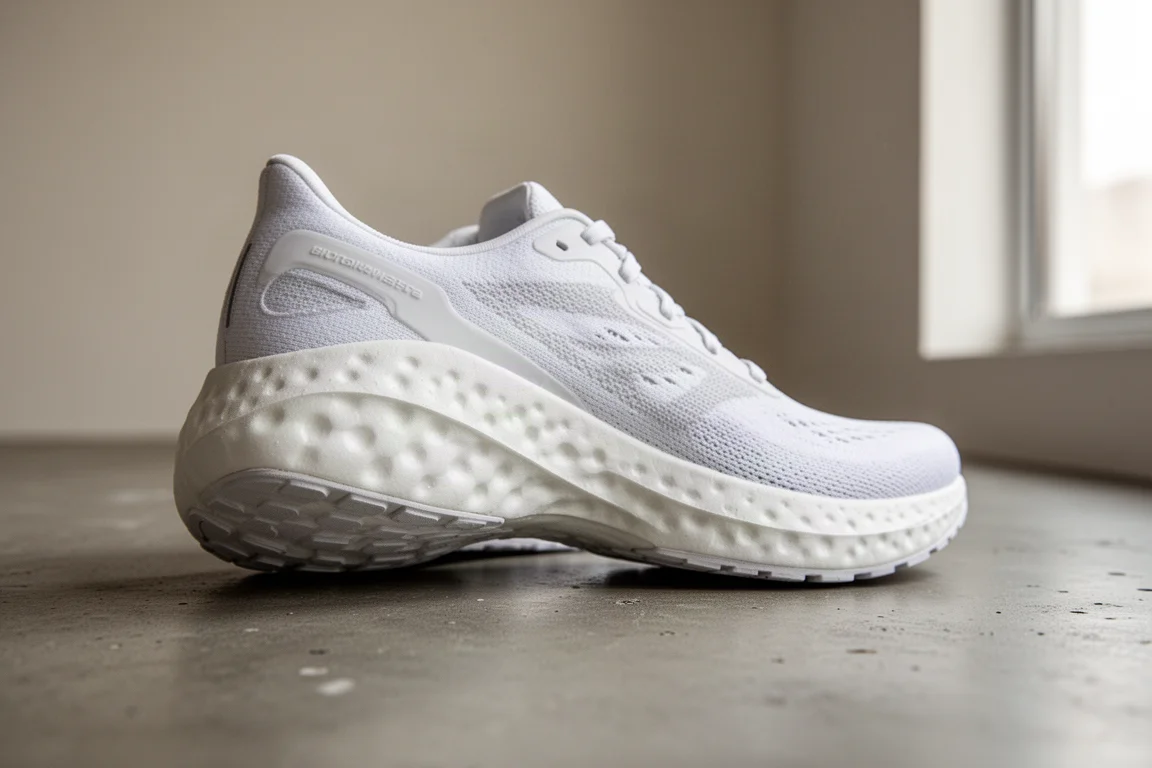
If there is one caveat, it is the heavily packed pellet-style midsole construction, whose long-term durability will be worth watching as the shoe racks up miles.
Versus the Asics Gel Nimbus 25
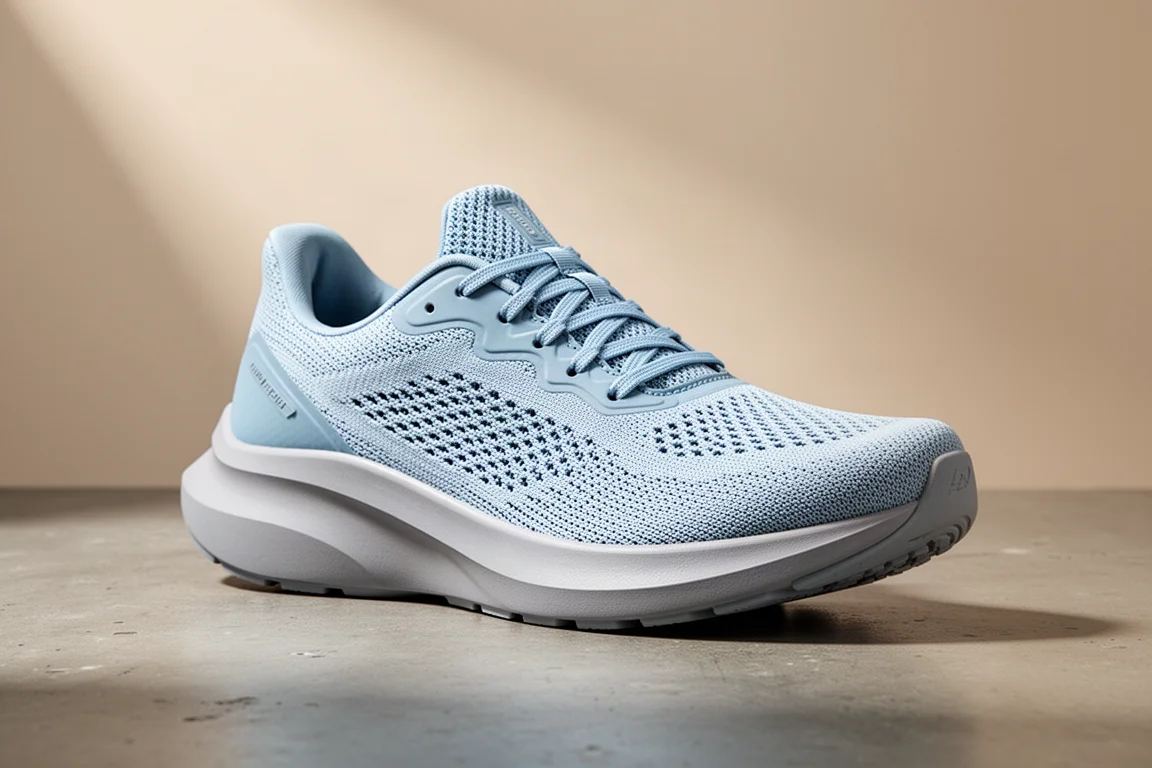
This is one of the most requested head-to-heads in the max-cushion category. The Triumph 21 is by far the more compressive of the two in the midsole, with that little bit of extra softness. The Gel Nimbus 25 offers a slightly firmer, more consistent and denser feel. Not hard or harsh, just more uniform, and the extra surface area underfoot can help if you want a touch of stability.
The weight difference is noticeable both in hand and on foot, which makes the Triumph the more versatile of the pair. The Nimbus feels locked into slower long-run, max-cushion mode, and its plush padding around the ankle collar contrasts with the leaner, more breathable Triumph upper.
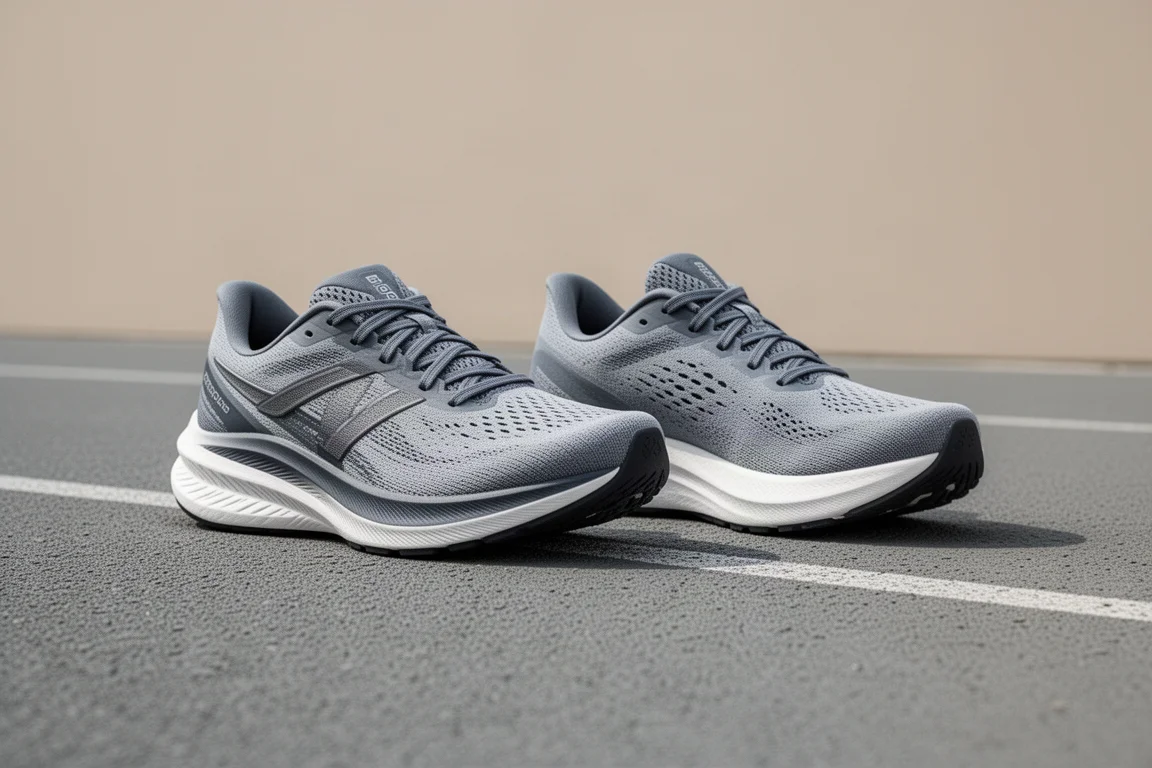
All things considered, the Saucony is the better all-around shoe, but heavier-set runners may well prefer the Gel Nimbus 25.
Versus the Nike Vomero 16
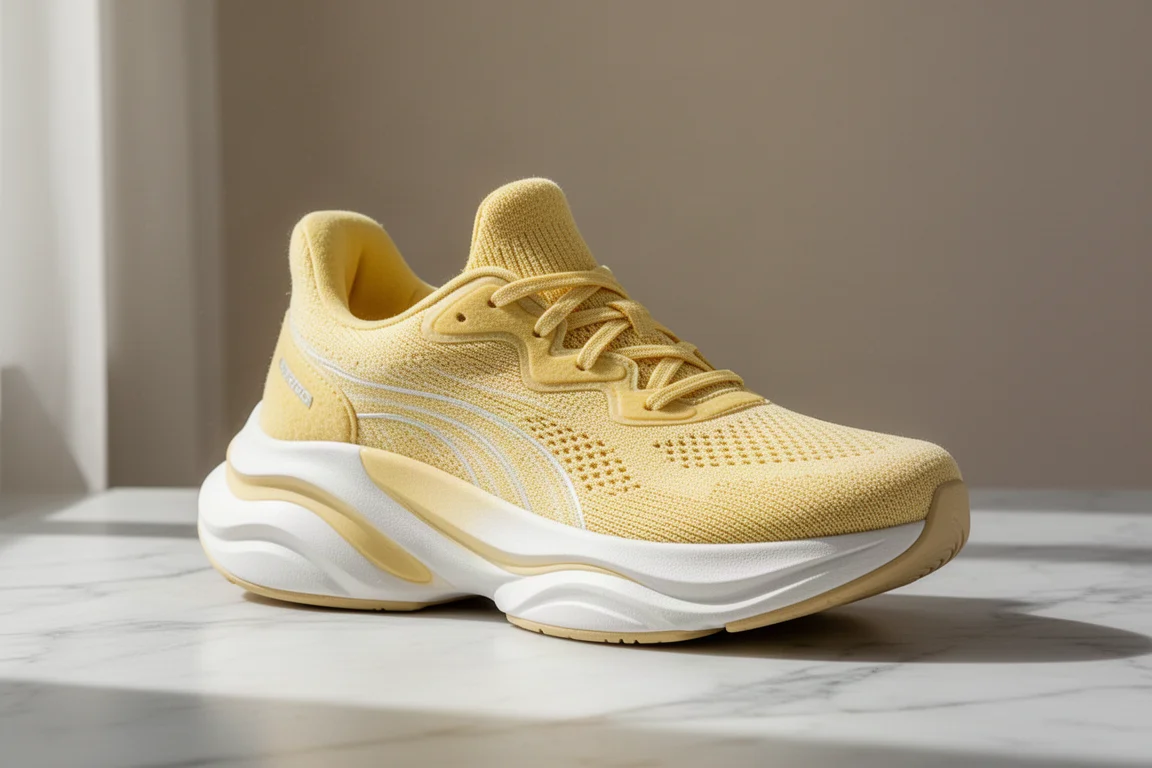
The Vomero 16 has been around for a couple of years, with new colourways still appearing. At 36mm in the heel with a 10mm drop, what was once considered a maximal shoe now reads as a lower-stack option. Nike’s mix of technology sets it apart: rather than relying on foam alone, there is an air pod in the forefoot alongside the foam layers, which gives a unique and slightly more responsive forefoot feel than the Triumph 21.
The Vomero covers daily use well, balancing plush comfort with that responsive forefoot, and its full-coverage outsole delivers absolutely superb traction on almost any surface. But it is a heavier shoe, and the plush tongue and ankle collar can feel like too much for summer running. The Triumph offers more foam underfoot without the weight, an improved outsole with more flexibility, and it handles longer distances better.
If you had to pick one, the Triumph 21 just about shades it here: it does nearly everything the Vomero can, plus longer runs, at a noticeably lighter weight.
Versus the Puma ForeverRun Nitro
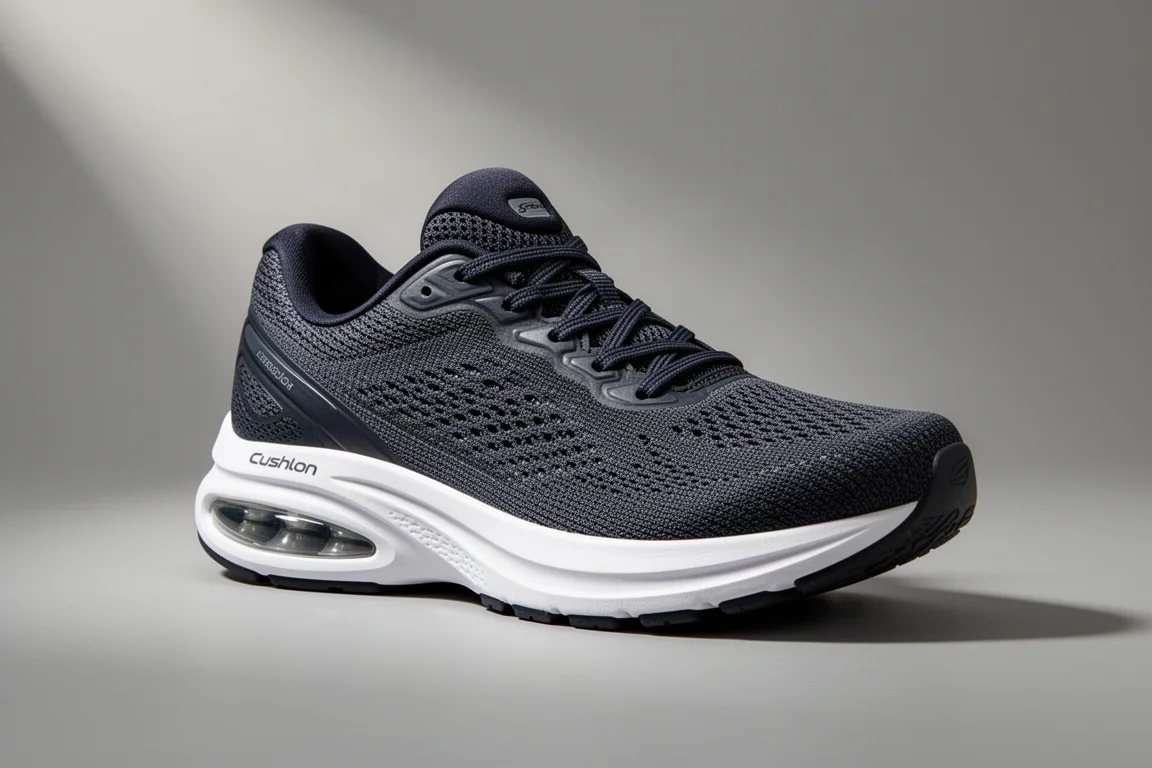
This one is remarkably close. The forefoot width is almost identical to the Triumph, though the Puma has a slightly wider heel landing platform and a marginally wider, taller toe box that is a touch more breathable. Weight and price are very similar between the two.
If you do not need the stability elements built into the Puma’s heel, the Triumph is the one to go for: you get roughly two millimetres more heel stack and a slightly more aggressive heel-to-toe drop, though a 10mm drop will not suit everyone. Both shoes handle pace changes well and neither feels clunky when you slow down, and grip is equally good. The Triumph has a touch more flex in the mid-to-forefoot thanks to its segmented rubber, while the Puma uses cutouts to save weight and improve flexibility, though the exposed foam between the outsole and inner core could be vulnerable if you are not careful where you tread.
Heavier runners may appreciate the two Nitro foams in the Puma midsole, and its higher sidewalls make it undoubtedly the more stable shoe in the heel. On pure use case they are nearly impossible to split, so it may come down to looks, and the racing green Saucony just about wins that shootout.
Versus the Nike Invincible Run 3
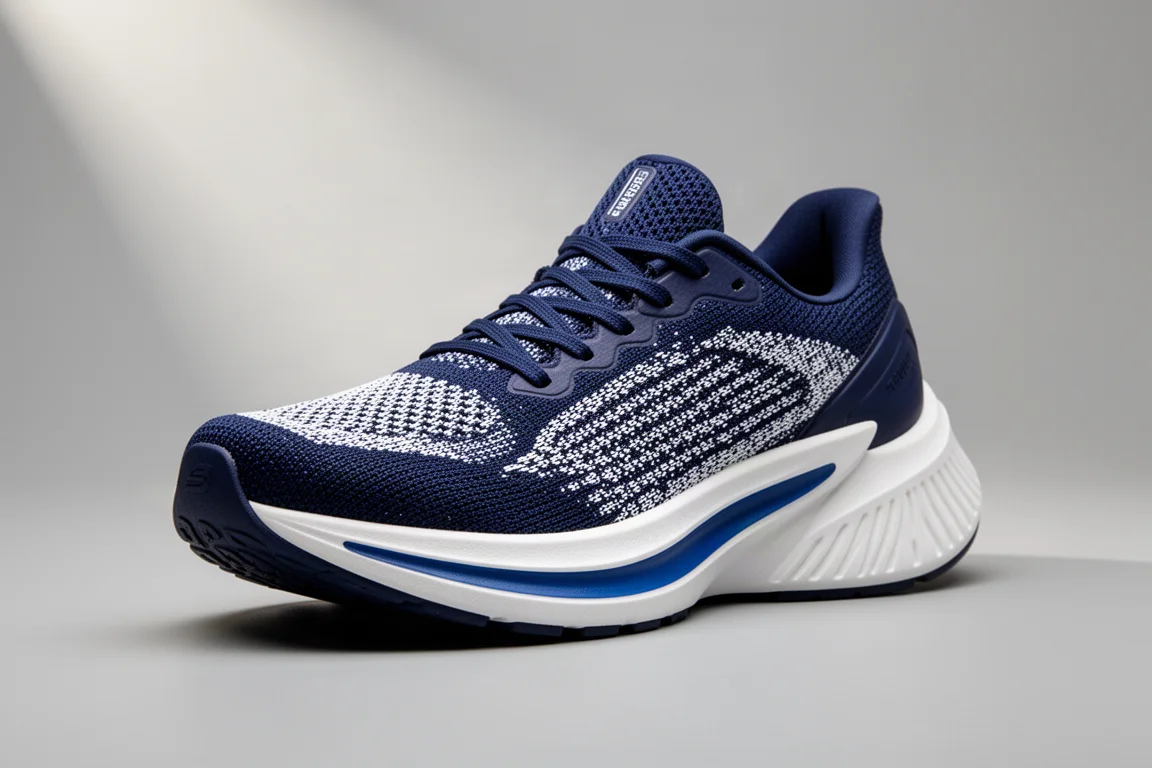
The Invincible Run 3 is a divisive shoe: people tend to love it or hate it. The super-soft ZoomX-based midsole measures around 20 on the durometer scale, among the squishiest foam you will find, and for recovery runs it is fantastic and very forgiving. But the plentiful rubber outsole and dense upper make it a heavy shoe, and the huge forefoot and heel volume make the Triumph feel almost like a slimline racer by comparison.
At pace, the Invincible feels like running through a soft pillow, demanding extra effort in a way the Triumph simply does not. The Triumph’s midsole is more resilient and usable across speeds, with a lighter, better-locking-down upper and improved durability. The Invincible counters with its full rubber web outsole and that unmatched knee-saving squash.
If you want one shoe that does lots of things, the Saucony is the better, more versatile buy, and it appears to launch cheaper than the still-quite-expensive Invincible. But if you specifically need that marshmallow-soft ride, nothing else quite matches the Nike.
Buying Advice: Which One Fits Your Running
If you want a single versatile shoe that covers daily miles, easy long runs and the occasional quicker session, the Triumph 21 is the strongest overall pick. Heavier-set runners looking for a firmer, more consistent platform should look at the Gel Nimbus 25, while those who need built-in heel stability will find the ForeverRun Nitro the most reassuring. The Vomero 16 suits runners who value traction and a responsive forefoot over stack height, and the Invincible Run 3 remains the specialist choice for softest-possible recovery miles.
Conclusion
The Saucony Triumph 21 earns its place by refusing to sit neatly in one category: max cushioning without the bulk, breathability for warm weather, and enough composure to pick up the pace. Against four very capable rivals, it comes out ahead as the most versatile shoe of the bunch, with each competitor only winning if you have a very specific need it happens to answer.
Further reading
Related Reviews

Running Shoes
Best Road-to-Trail Running Shoes: Three Versatile Options for Mixed Terrain
A practical guide to three road-to-trail running shoes that handle both pavement and mild trails, with clear strengths and trade-offs for different runner types.

Running Shoes
Best Running Shoes for Achilles Tendonitis: Three Options Explained
Three running shoes with different heel drops and support features designed to help reduce Achilles tendon pain during walking and running.

Running Shoes
Best Running Shoes for Women: Five Top Choices Ranked
A ranked guide to five women's running shoes, from versatile daily trainers to high-performance racing options, with real strengths and trade-offs for each.