Running Shoes
Saucony Triumph 21 vs Saucony Ride 17: Which Cushioned Daily Trainer Should You Buy?
Two Saucony daily trainers now share the same midsole foam and similar stack heights. Here is how the Ride 17 and Triumph 21 differ and which one makes more sense for your running.
Introduction
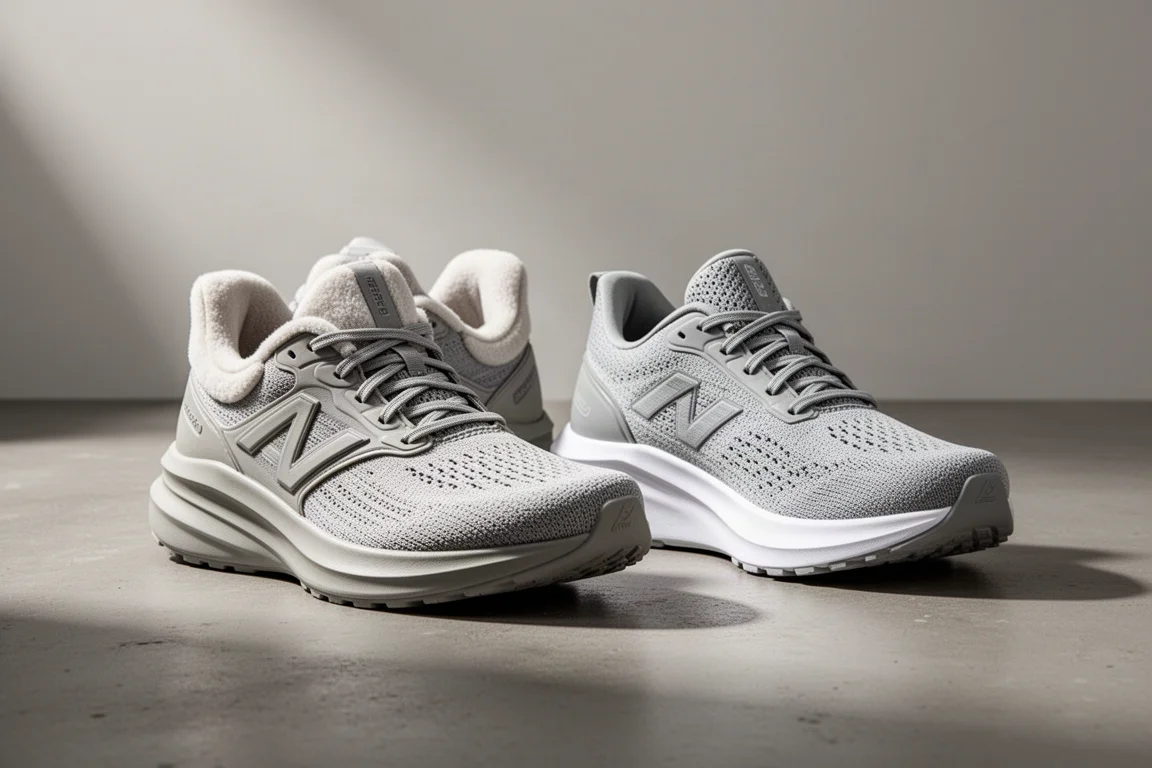
The Saucony Triumph and Ride lines have long been easy to separate: the Triumph was the premium cushioning shoe with the tallest stack, while the Ride was the do-everything daily trainer. That split has narrowed dramatically. The Ride 17 update has brought it very close to the Triumph 21, so choosing between them now comes down to a handful of real differences rather than two distinct categories.
Both shoes use the same PWRRUN+ midsole foam, have similar stack heights, and can handle nearly the same range of runs. The main separation is price: the Ride 17 costs £115 or $140, while the Triumph 21 costs £170 or $160. Whether the Triumph’s extra comfort justifies the gap is the core question of this comparison.
Why These Two Shoes Are Now So Similar
The big change is that Saucony added the PWRRUN+ midsole and sockliner to the Ride 17, replacing the older PWRRUN foam used in previous versions. That is the same foam found in the Triumph, so the midsoles are now very similar throughout.

The remaining structural differences are modest. The Triumph 21 has a 10 mm drop with a 37 mm heel and 27 mm forefoot stack, while the Ride 17 sits at an 8 mm drop with 35 mm at the heel and 27 mm at the forefoot. The Ride is slightly wider, particularly around the midfoot, which adds a touch of stability. The Triumph is also a touch lighter: 293 g / 10.3 oz versus 306 g / 10.8 oz in a UK 9.
Fit and Sizing
Both shoes fit true to size and were comfortable from the first run in regular running shoe sizing. There is plenty of forefoot room in both, with good lockdown across the midfoot and no heel slipping. If anything, the Ride 17 feels slightly airier across the top of the toes, while the Triumph 21 feels a bit more dialed in, which suits faster-paced efforts.
One small caveat: the Ride 17 uses fabric eyelets rather than a traditional lacing system, and one reviewer managed to tear one without yanking the laces hard. The Triumph’s more conventional lacing feels sturdier, so go gently when tightening the Ride.
Upper and Outsole Details
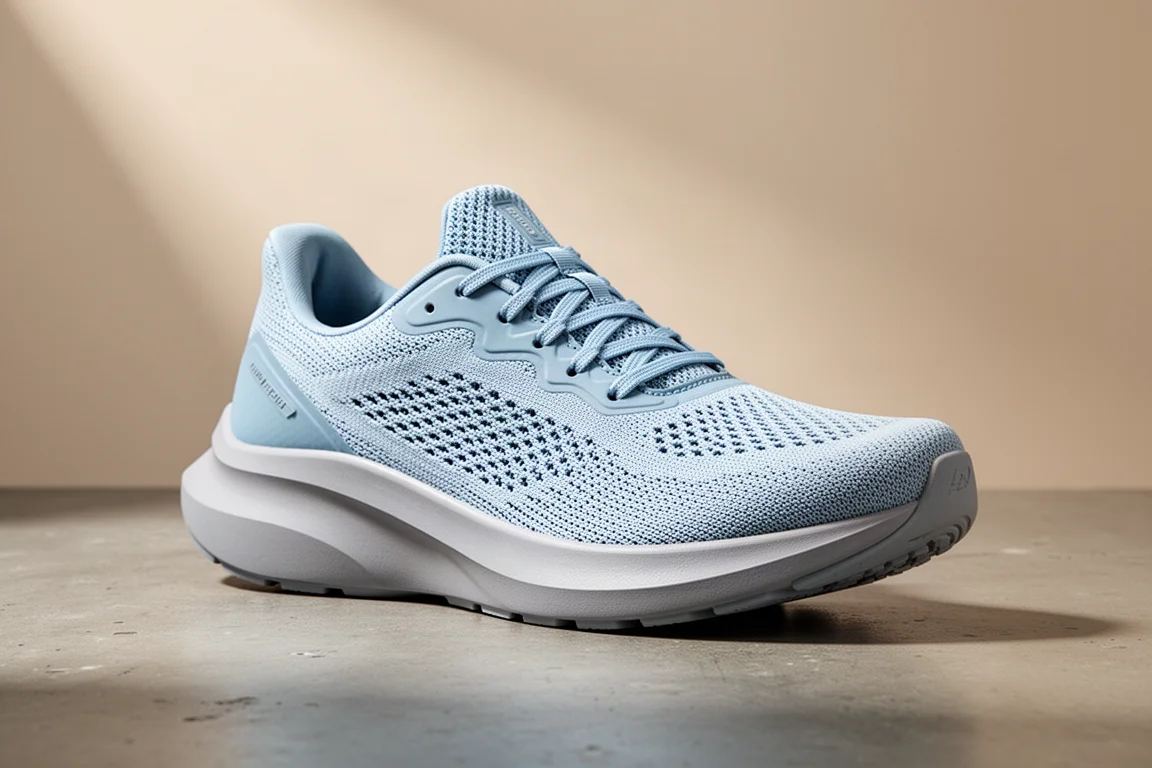
Both shoes use mesh uppers, with the Triumph offering a closer fit and noticeably more padding around the heel. Outsoles are broadly similar rubber designs, with slightly more midfoot coverage on the Triumph and a different heel groove pattern. Wet-road testing produced no slipping in either shoe, and both outsoles performed very well.
On the Road: Ride Feel Compared
In a side-by-side test, the differences became clear. The Ride 17 offers a wider base at the heel and forefoot, creating a bigger platform to land on, with a lower stack that also sinks noticeably more. It cushions the landing more, and the Triumph 21’s PWRRUN+ stack feels more energetic and responsive, stiffening up quicker and giving back a bit more punch.
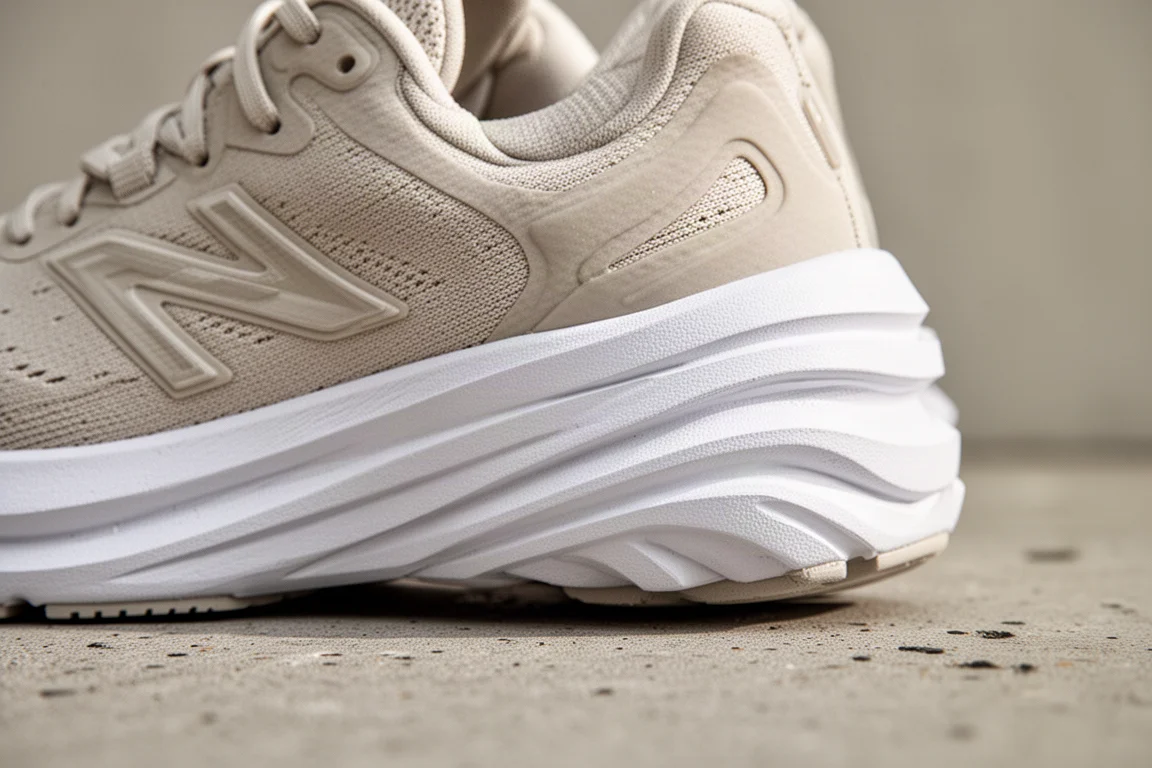
That makes the Triumph 21 the better option at faster paces, particularly around marathon pace and beyond, while the Ride 17 is better equipped for slower, more protective cruising. Both can do either job; each is just better at one end of the range. The Ride 17 also feels like the slightly bigger, heavier shoe on foot, even though the weight difference is small.
In training, the Triumph 21 is a superb cushioned daily shoe: comfortable, slightly bouncy, and well suited to easy runs, recovery runs, and long runs. The Ride 17 feels slightly firmer, but with nice bounce and responsiveness, and it has proven capable of intervals, tempo work, easy runs up to around 15K, and even a sub-20-minute all-out 5K on the treadmill.
Durability and Outsole
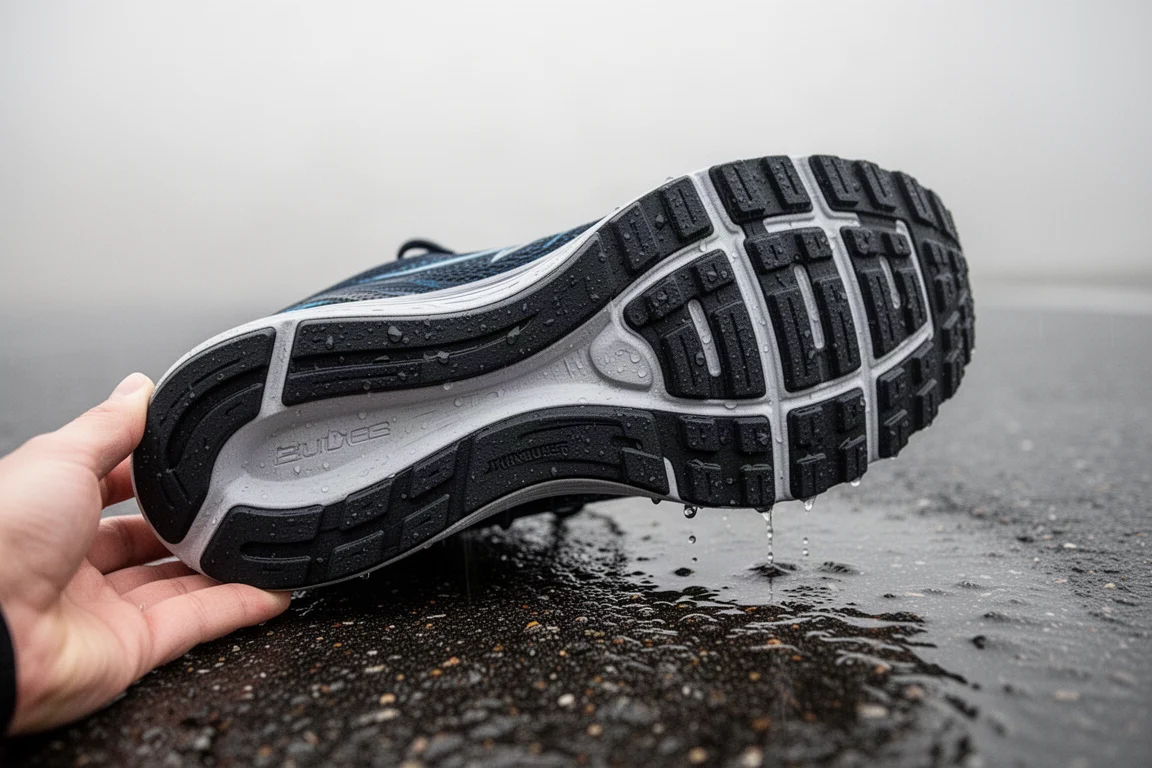
The midsole foam holds up well over longer runs, maintaining its resiliency and bounce without compressing or losing liveliness, which applies to both shoes. The nearly identical outsoles have handled plenty of wet runs without any grip concerns. The main durability watch-item is the Ride 17’s fabric eyelets, which are slightly flimsy compared with the Triumph’s traditional setup.
Verdict: Which One Should You Buy
If you are on a budget, the Ride 17 is the pick: it delivers very similar performance at a lower price and suits a wider range of runners. If you already own the Triumph 21, the Ride 17 is unlikely to add anything meaningful to your rotation. If you prioritize snappiness and speed, the Triumph 21 edges it; if you want more protection and stability, go for the Ride 17.

At the same price, the slight preference goes to the Triumph 21 for its plusher feel, but the Ride 17 is clearly stepping into the Triumph’s spot in the Saucony lineup at a lower price, and it is a fantastic update over the unremarkable Ride 15 and 16.
Conclusion
Both shoes are very good cushioned cruisers with a comfortable, natural disappearing feel on the foot. The Triumph 21 caters better from the middle to the top end of the pace range, while the Ride 17 copes better from the middle down. For most runners, the Ride 17’s value makes it the default recommendation, with the Triumph 21 as the upgrade if maximum cushioned comfort matters most.
Further reading
Related Reviews

Running Shoes
Best Road-to-Trail Running Shoes: Three Versatile Options for Mixed Terrain
A practical guide to three road-to-trail running shoes that handle both pavement and mild trails, with clear strengths and trade-offs for different runner types.

Running Shoes
Best Running Shoes for Achilles Tendonitis: Three Options Explained
Three running shoes with different heel drops and support features designed to help reduce Achilles tendon pain during walking and running.

Running Shoes
Best Running Shoes for Women: Five Top Choices Ranked
A ranked guide to five women's running shoes, from versatile daily trainers to high-performance racing options, with real strengths and trade-offs for each.