Running Shoes
Saucony Triumph 21 RFG Review: An Eco-Friendly Daily Trainer That Actually Works
The Triumph 21 RFG swaps petroleum-based foam for a 55 percent corn-based midsole, and unlike most eco-friendly running shoes, it still feels genuinely good underfoot.
Introduction
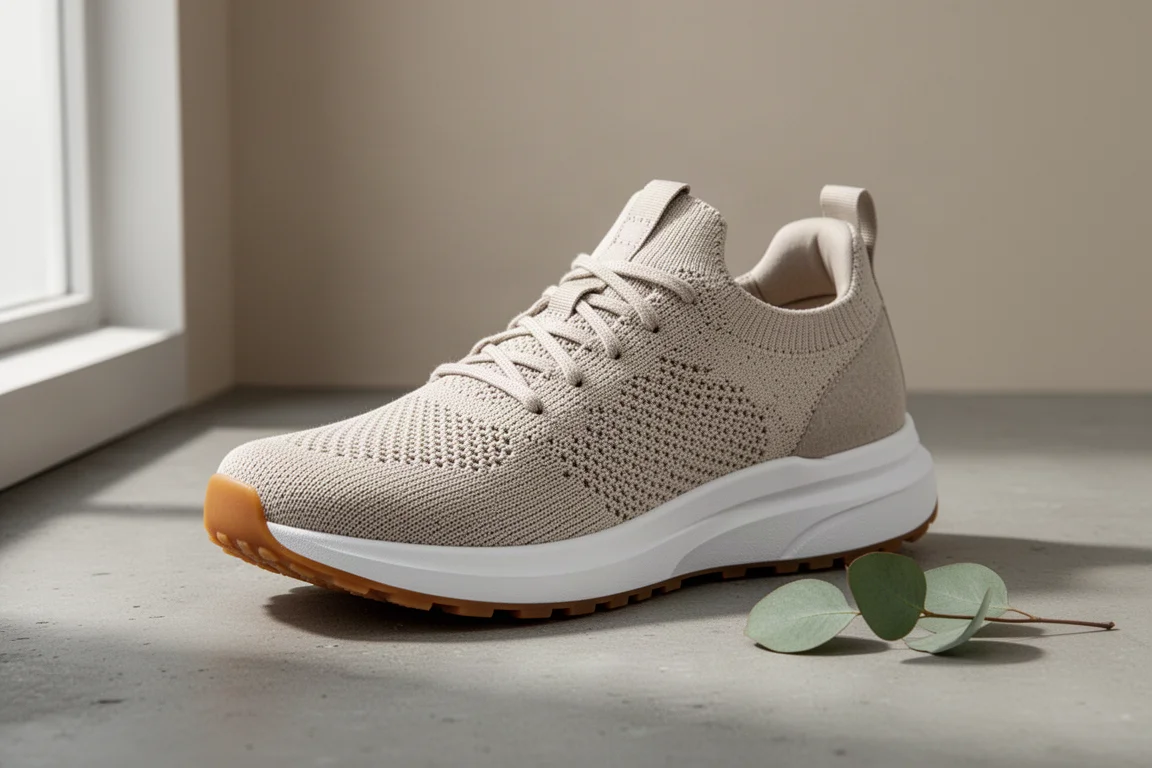
The problem with most eco-friendly midsoles is simple: they generally are not very good. Foam that trades petroleum-based chemistry for plant-based ingredients usually gives up bounce, durability, or both. The Saucony Triumph 21 RFG is Saucony’s attempt to break that pattern, building its flagship comfort trainer with a 55 percent corn-based midsole foam, a gum rubber outsole, and a cotton upper. The question worth asking is whether Saucony has finally made an eco-friendly running shoe that is actually worth running in.
What Makes the Triumph 21 RFG Eco-Friendly
The environmental story here is not just about the midsole, although that is the biggest part of it. The standard Triumph uses PWRRUN+ foam, a beaded TPU-based material. The RFG version swaps in PWRRUN Bio+, a foam that is 55 percent corn-based. Crucially, it still looks and feels much like the regular foam, and it relies far less on plastics to make the midsole.
The eco credentials continue elsewhere. The outsole uses 80 percent gum rubber, which reduces reliance on petrochemicals while giving the shoe an attractive classic look. Up top, the upper is made from cotton with plant-based dyes used in the coloration process, and it looks a lot like the upper on last year’s Triumph 20.
Specs and Fit
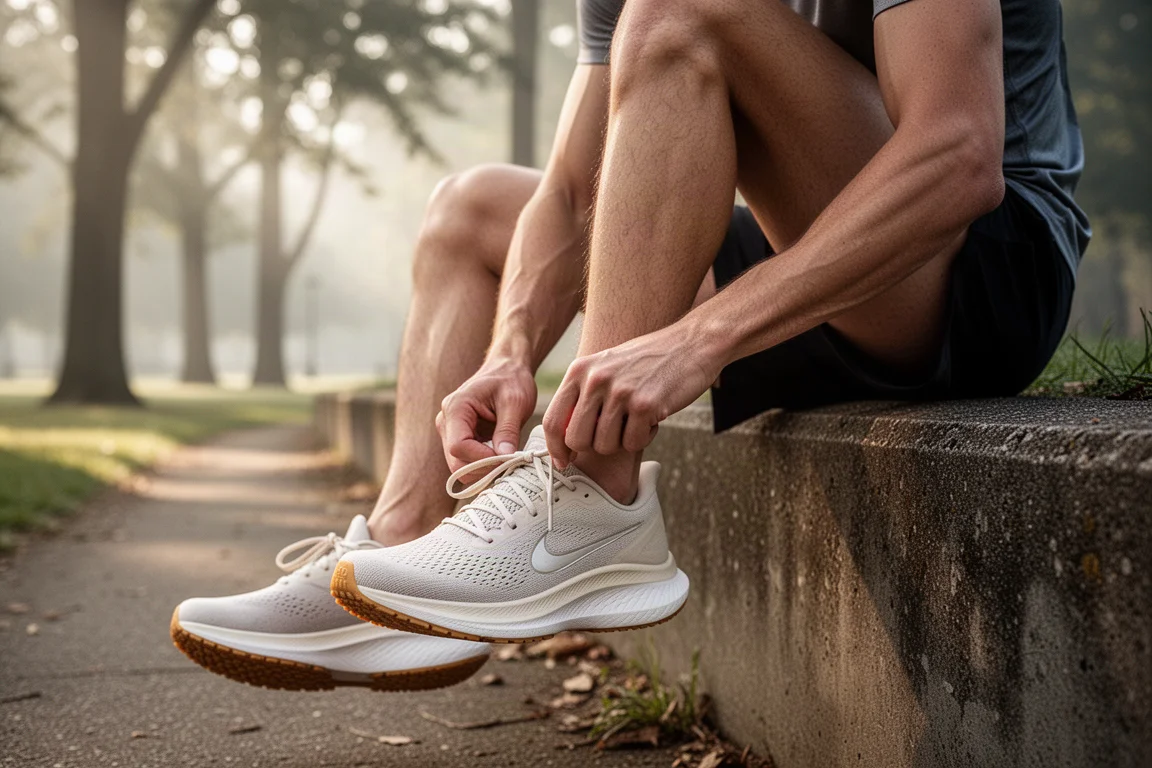
On paper, the Triumph 21 RFG is very close to the regular Triumph 21. It keeps the same 10 millimeter drop, the same 37 millimeter heel stack, and the same 27 millimeters of forefoot stack height. The last of the upper and the amount of padding around the shoe also appear unchanged. In effect, Saucony has taken the same shoe and rebuilt it in a more eco-friendly form, which makes for a genuinely fair comparison between the standard and bio-based foams.
The main difference is weight. The men’s shoe comes in at 10.4 ounces (295 grams) and the women’s at 9.7 ounces (275 grams). That is heavier than the non-eco versions, with the men’s about 0.6 ounces heavier and the women’s about 0.9 ounces heavier.
Ride and Performance
The good news is that PWRRUN Bio+ is an eco-friendly midsole foam that is genuinely pleasant to run in. Compared with the regular foam in the Triumph series, it feels slightly firmer, but it still offers plenty of impact absorption and bounces off the ground well. On everyday runs and shorter efforts, the difference is subtle enough that most runners would likely never notice the swap.
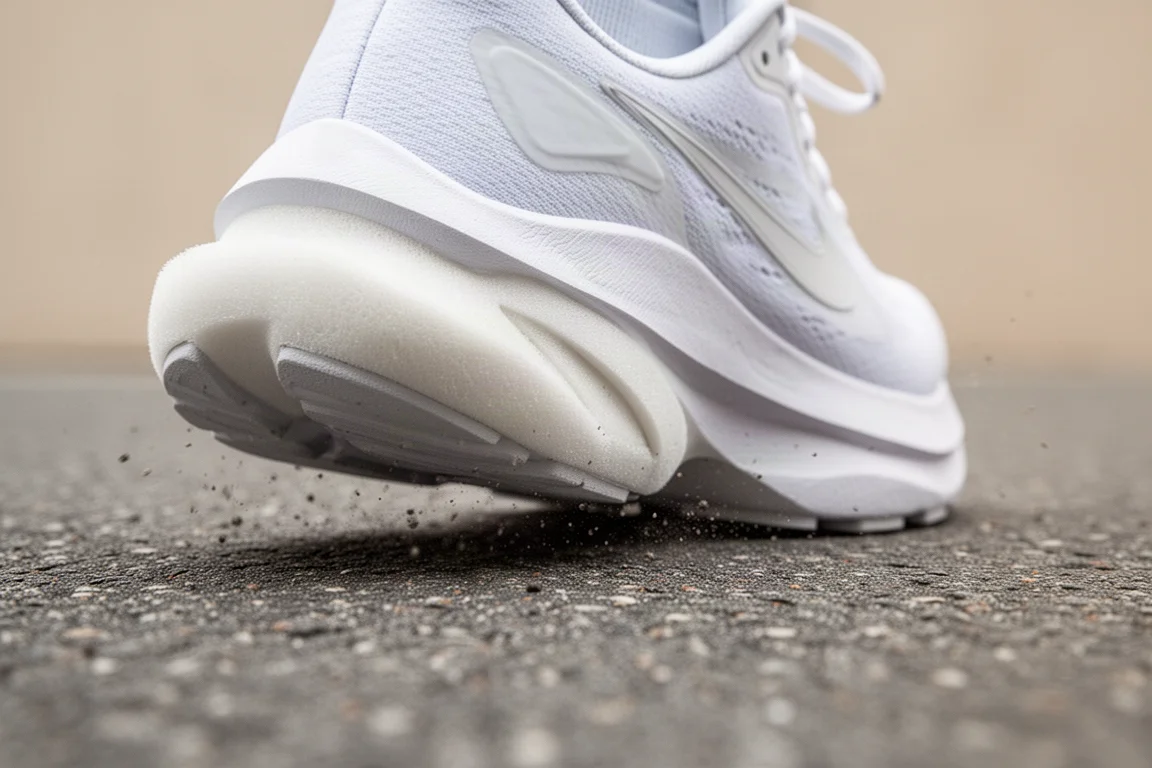
The firmness does become more noticeable on longer efforts. Past about a dozen miles, that slight extra firmness starts to register a bit more compared with other Triumph versions. In a foot-to-foot comparison against the Triumph 20, the older shoe felt a little softer, especially in the forefoot, with a bit more pleasant sink into the foam. The Triumph 21 RFG counters with that slight extra firmness, which some runners will actually prefer for a touch of stability and response.

Overall, this is real progress in eco-friendlier foams. A shoe that uses less oil while still being fun to run in is a meaningful step forward for the category.
Who This Shoe Is For
The Triumph line has long been a strong recommendation for bigger, taller runners, and the RFG version keeps that appeal. The way the foam compresses and decompresses through the gait cycle suits heavier runners especially well, and the bio-based version should work just as nicely as a daily trainer.
There is also decent versatility here. As the foam compresses, it gives back a nice amount of pop, so the shoe can handle faster-paced runs in addition to easy daily mileage.
Buying Advice and Pricing
The Triumph 21 RFG costs $160, the same price as the regular Triumph 21, which is worth acknowledging: Saucony did not charge a premium for the eco version.
A few natural competitors are worth weighing. The New Balance Fresh Foam X 1080 v13 is a perennial rival in the cushioned daily trainer space, arriving at $165. Its Fresh Foam X is not eco-based, but it is a fun, pace-versatile update, so runners who want something a bit nimbler at faster paces may prefer it despite the higher price. The Adidas Boston 12, at $160, is another comfortable daily trainer with a denser, slightly firmer feel from its Lightstrike Pro forefoot and Lightstrike 2 midsole, making it a good match for runners who want some stability in their easy miles.
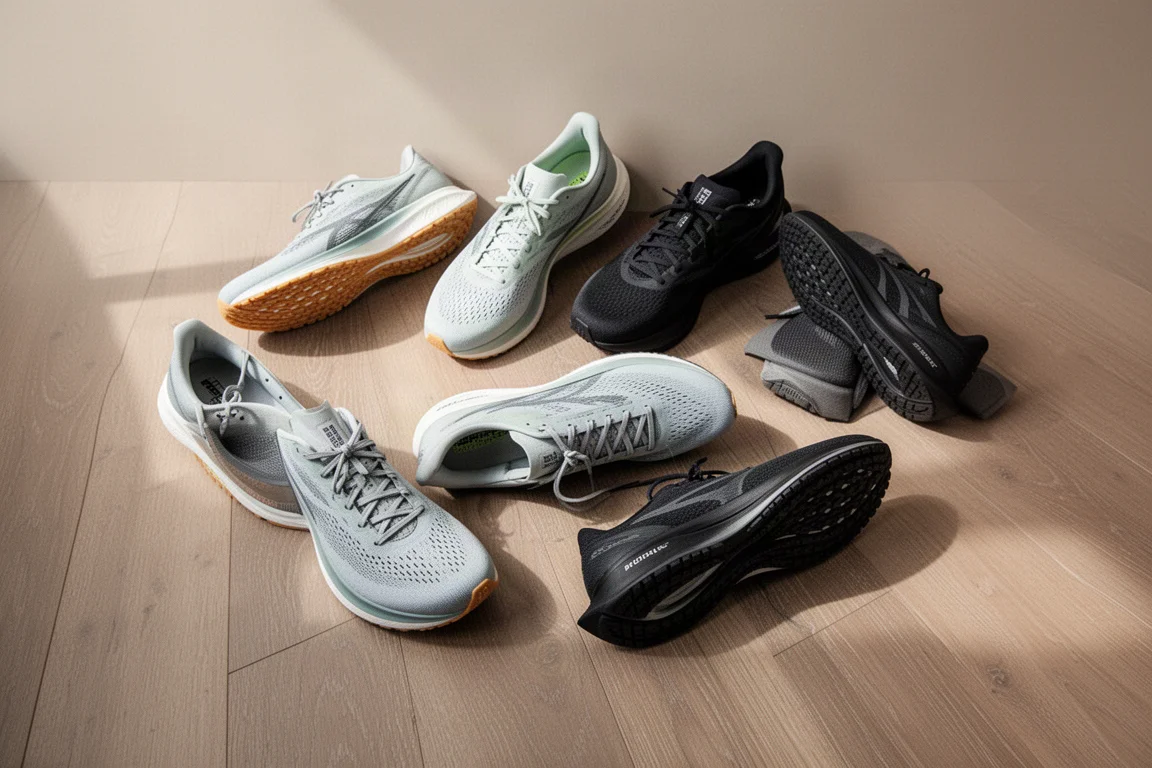
The toughest competitor, though, may be Saucony’s own Triumph 20. It remains a fantastic shoe, and on Saucony’s website it can currently be found for around $110 in some colorways. If saving money matters, the Triumph 20 is a smart buy now, with the option to step up to the 21 RFG later once the older model sells out.
Conclusion
The Saucony Triumph 21 RFG is a rare thing: an eco-friendly daily trainer that does not ask you to compromise. The corn-based foam runs slightly firmer than the standard version, and it is a touch heavier, but the ride remains comfortable, versatile, and genuinely enjoyable. At the same $160 as the regular Triumph 21, it is an easy recommendation for bigger runners and anyone who wants their daily trainer to tread a little lighter.
Product link
View more details for Saucony Triumph 21 RFG
This product is mentioned in the review. Check the specifications, options, and compatibility before buying.
View more details for Saucony Triumph 21 RFGFurther reading
Related Reviews

Running Shoes
Best Road-to-Trail Running Shoes: Three Versatile Options for Mixed Terrain
A practical guide to three road-to-trail running shoes that handle both pavement and mild trails, with clear strengths and trade-offs for different runner types.

Running Shoes
Best Running Shoes for Achilles Tendonitis: Three Options Explained
Three running shoes with different heel drops and support features designed to help reduce Achilles tendon pain during walking and running.

Running Shoes
Best Running Shoes for Women: Five Top Choices Ranked
A ranked guide to five women's running shoes, from versatile daily trainers to high-performance racing options, with real strengths and trade-offs for each.