Running Shoes
Saucony Triumph 21 Review: A Balanced Cushion Trainer With More Room Up Front
The Triumph 21 keeps the well-balanced PWRRUN+ ride of its predecessor and refreshes the upper for a roomier, more breathable fit. Here is what to expect before you buy.
Introduction
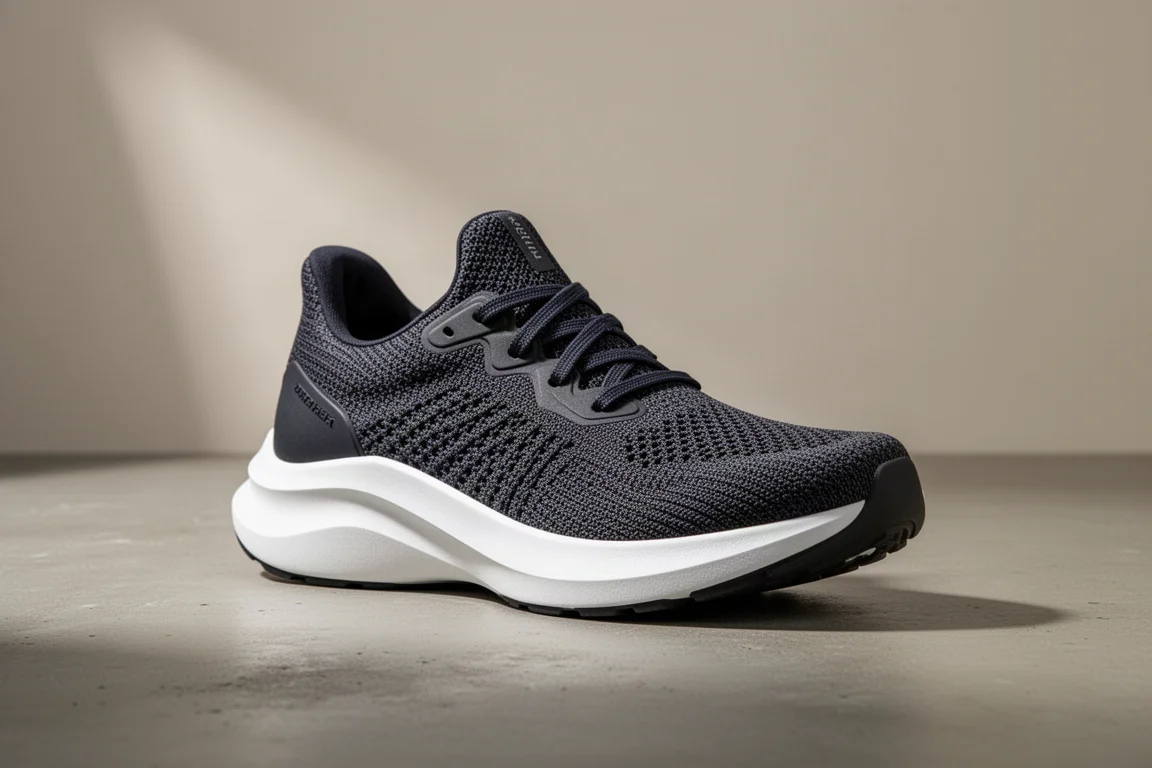
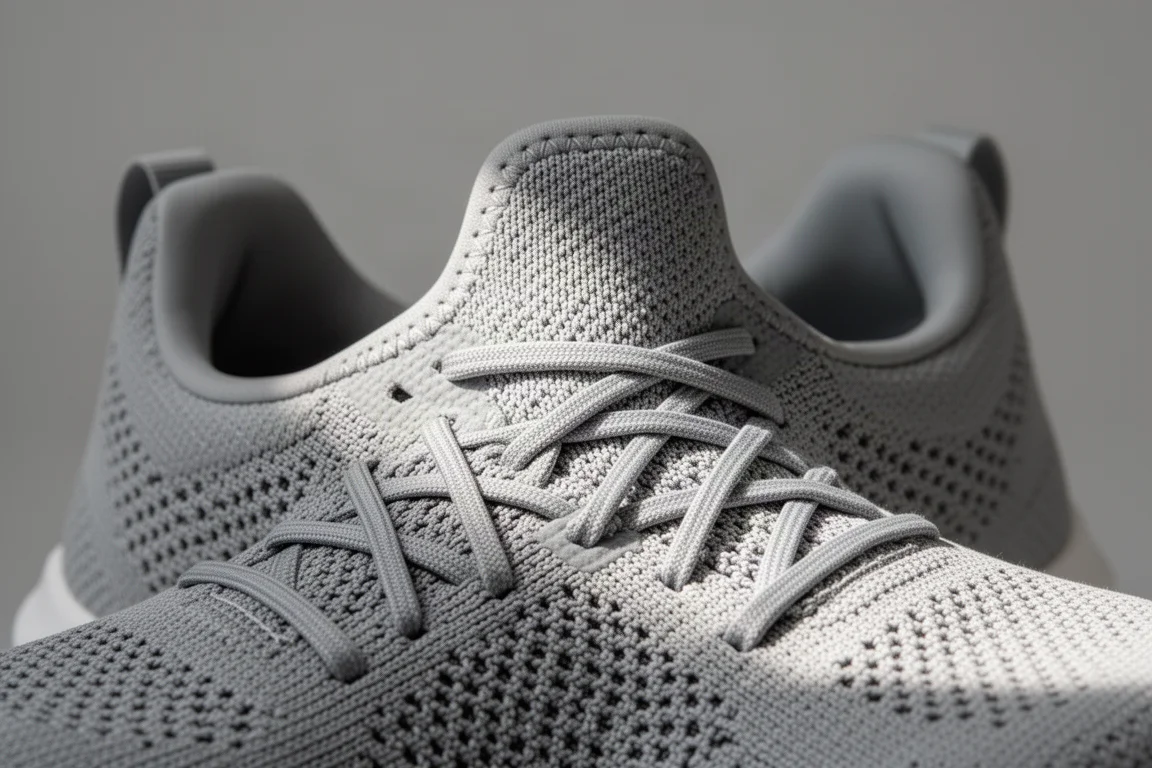
The Saucony Triumph 21 arrives at £170 or $160 and weighs 280g (9.9oz) for men in a size 8, with a 10mm drop. The changes over the Triumph 20 are concentrated in the upper: a revamped flat knit material aimed at better fit and breathability, plus a modified lacing system for improved lockdown. Underneath, the shoe keeps the PWRRUN+ midsole and sockliner, the same outsole design, a heel lock to hold the foot in place, and a rear pull tab for easier on and off. It is also slightly heavier than the previous version.
Who This Shoe Is For
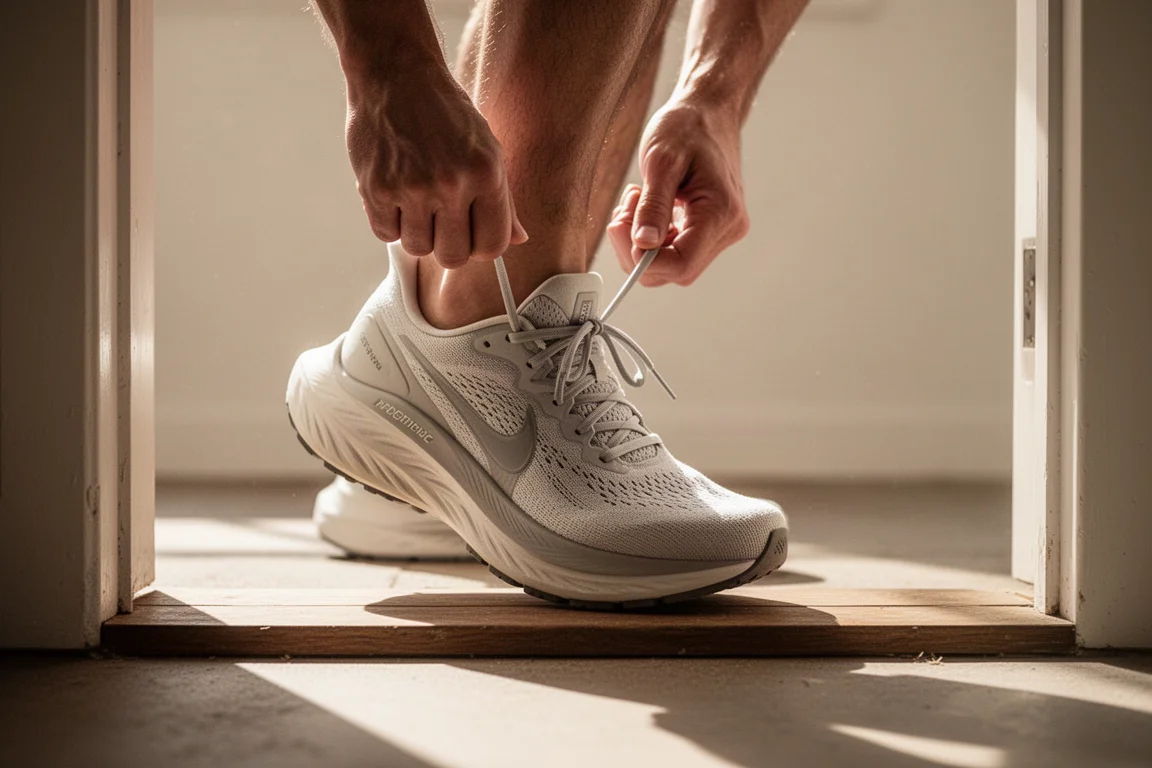
Saucony positions the Triumph 21 as a light and plush performance shoe built for daily miles, and the emphasis is firmly on comfort. It is at its best on easy, recovery, and long runs, where the cushioning and the slightly roomier forefoot let your feet splay naturally. There is a modest rocker feel that helps you roll smoothly through transitions and cruise at a consistent pace.
It is not quite the max cushion monster it once was. Next to today’s big stack shoes it sits more as a versatile daily cushioned trainer, and that versatility is the point: it has a little more bounce and pop in the midsole than most cushion shoes, so you can pick up the pace to an easy tempo without changing shoes.
Main Strengths
The step-in comfort is excellent. It is one of those shoes that feels right the moment you put it on, and on test runs covering just short of 20 miles, including a half marathon at mixed paces from easy up to marathon effort, there was no slipping, rubbing, or hot spots. The upper hugs and wraps well without feeling restrictive.
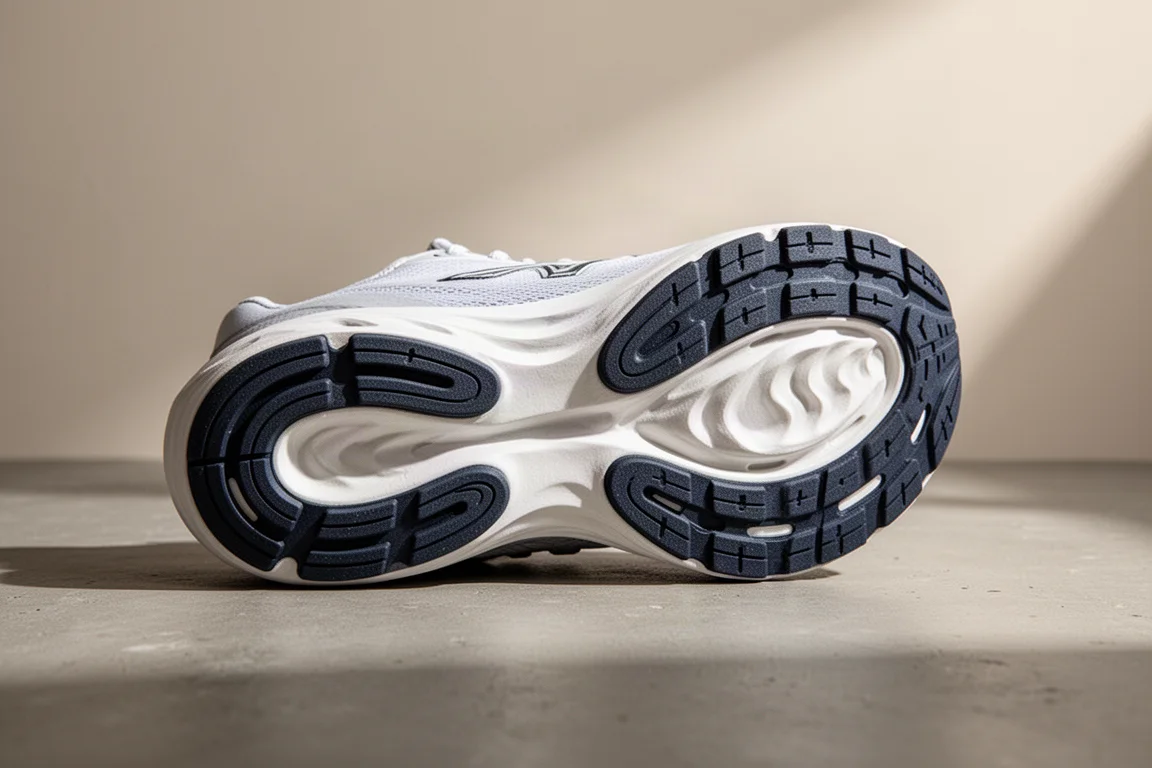
The PWRRUN+ midsole and sockliner manage a rare balance: soft and cradled on landing, but with enough energy return and firmness to help you clip through your stride naturally. It is plush without feeling bulky, and there is still a noticeable bit of pop compared with cushion shoes that simply absorb everything. The generous outsole rubber delivers strong grip across varied road conditions, including wet tarmac, light gravel, and even a stretch of cobbles, and the outsole itself is built to handle high mileage.
Things to Consider Before Buying
Fit was consistent across our testers: UK sizes 8 to 8.5 came up true to size, with some saying the toe box runs slightly long, which suits anyone who likes extra room in front of the toes. The new upper opens up the forefoot and midfoot for a roomier feel, which works well for long, easy runs, though it is a minor improvement rather than a dramatic overhaul. If you loved the Triumph 20, this is essentially the same shoe with a better upper; if you already own the Triumph 20, there is little reason to upgrade.
The price is the main sticking point. At £170, it pushes the top of the daily trainer price bracket, and the competition is stiff: cheaper or similarly priced options may offer comparable or better performance depending on your priorities. It is also not built for proper speed work, and it is stronger at slow to mid paces than at marathon effort.
Buying Advice
If you are a runner who wants one comfortable cushioned shoe that can do a bit more, the Triumph 21 is an easy recommendation. It suits marathon training where most of your miles are easy but you occasionally pick up the pace, and it will grow with you if you are newer to running and gradually getting faster. It was, after all, the successor to a shoe that topped a cushioned-shoe guide not long before.

Alternatives worth weighing: the Brooks Glycerin 20 is the closest all-rounder, the New Balance More v4 and Nike Invincible 3 lean fully into slow, soft miles with less versatility, and the Asics Gel Nimbus 25 feels plusher but with a less lively ride. Within Saucony’s own range, the Ride offers a touch more versatility and the Kinvara Pro brings a more aggressive, race-focused ride. If value matters most, cheaper options in this space may save you money without a big performance trade-off.
Conclusion
The Saucony Triumph 21 is a very capable, well-balanced cushioned trainer that gets a lot right: soft but responsive cushioning, excellent step-in comfort, dependable grip, and a genuinely improved upper. It may be priced a little high against the competition, but you are unlikely to be disappointed if you buy it for easy, long, and everyday miles.
Product link
View more details for Saucony Triumph 21
This product is mentioned in the review. Check the specifications, options, and compatibility before buying.
View more details for Saucony Triumph 21Further reading
Related Reviews
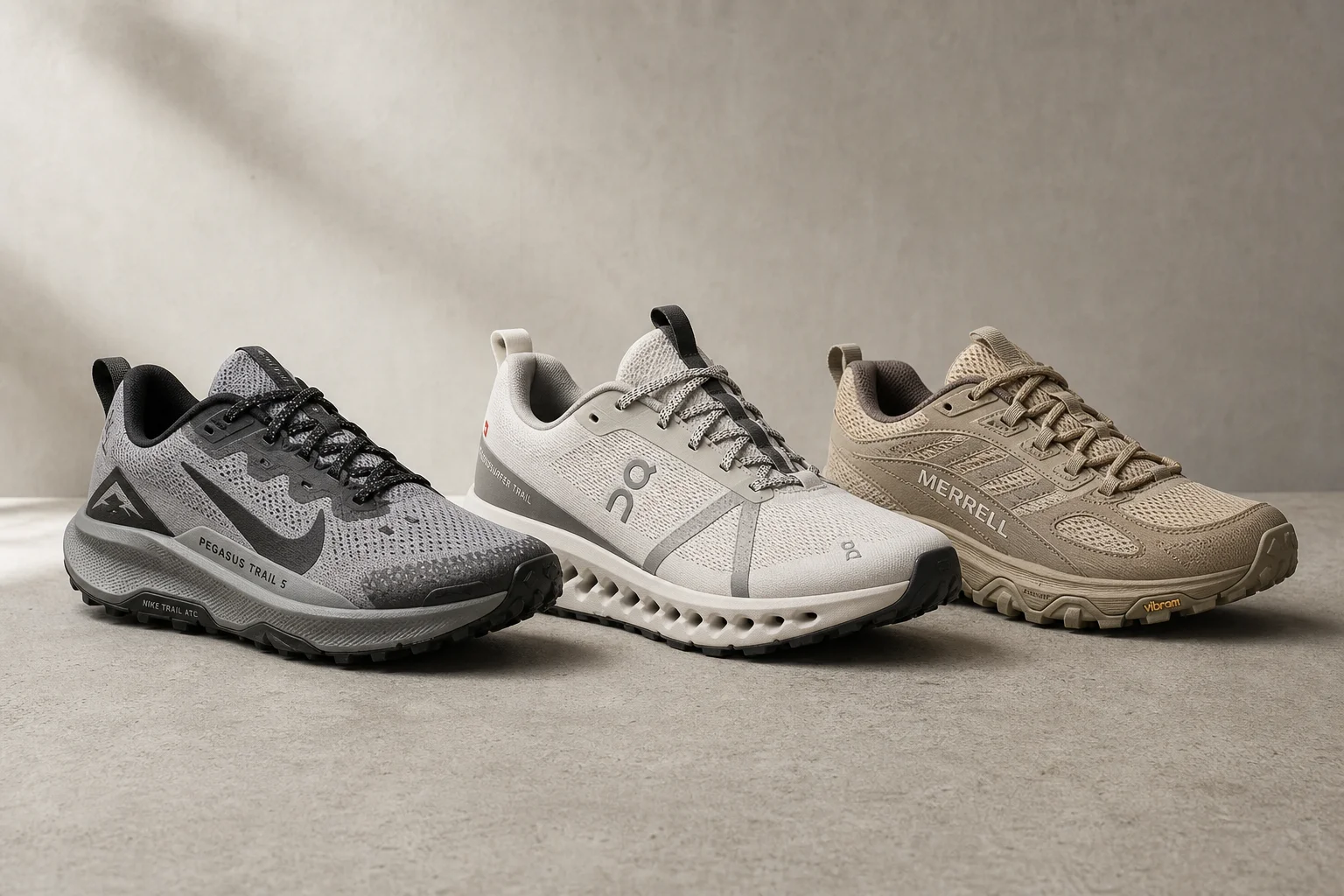
Running Shoes
Best Road-to-Trail Running Shoes: Three Versatile Options for Mixed Terrain
A practical guide to three road-to-trail running shoes that handle both pavement and mild trails, with clear strengths and trade-offs for different runner types.
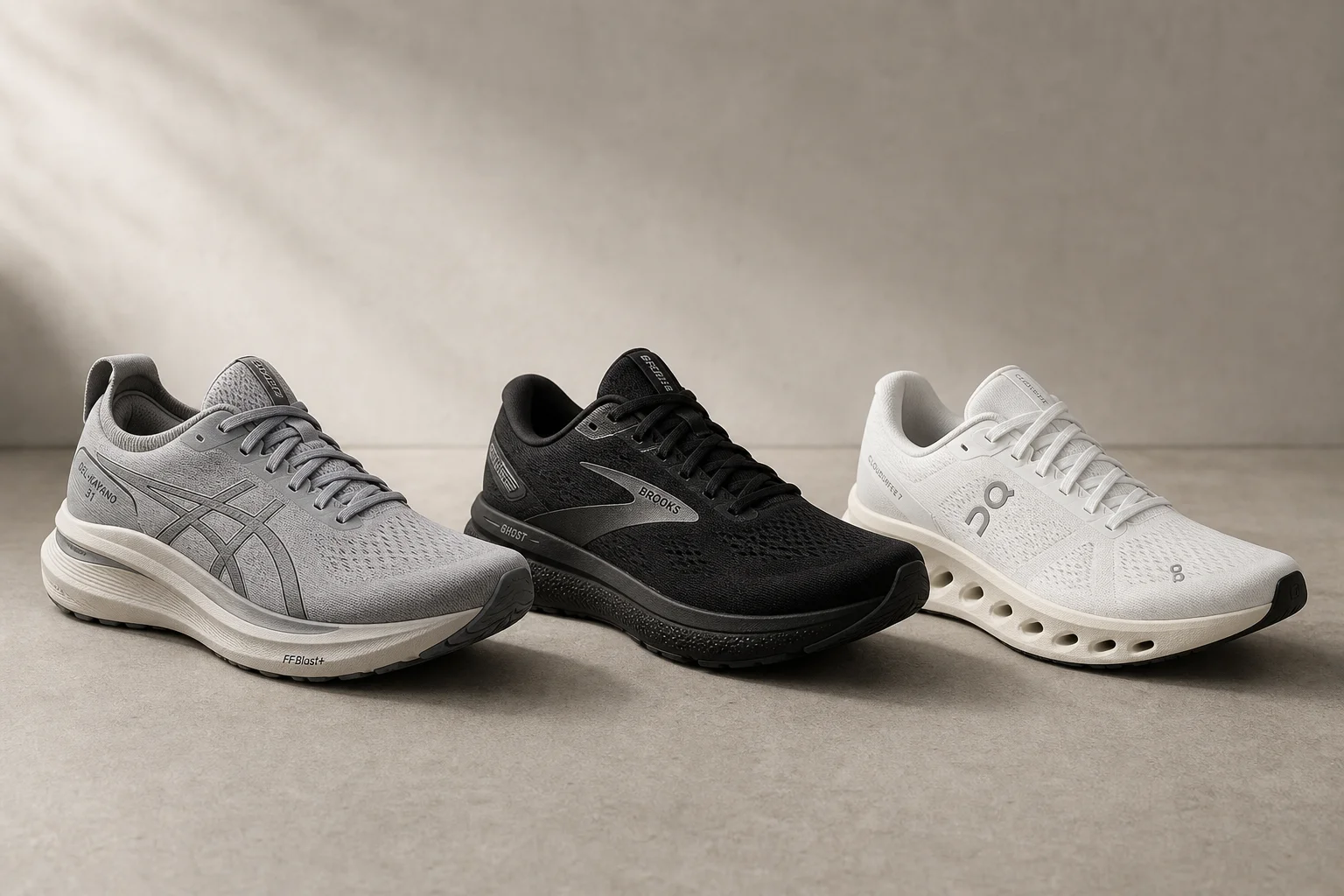
Running Shoes
Best Running Shoes for Achilles Tendonitis: Three Options Explained
Three running shoes with different heel drops and support features designed to help reduce Achilles tendon pain during walking and running.
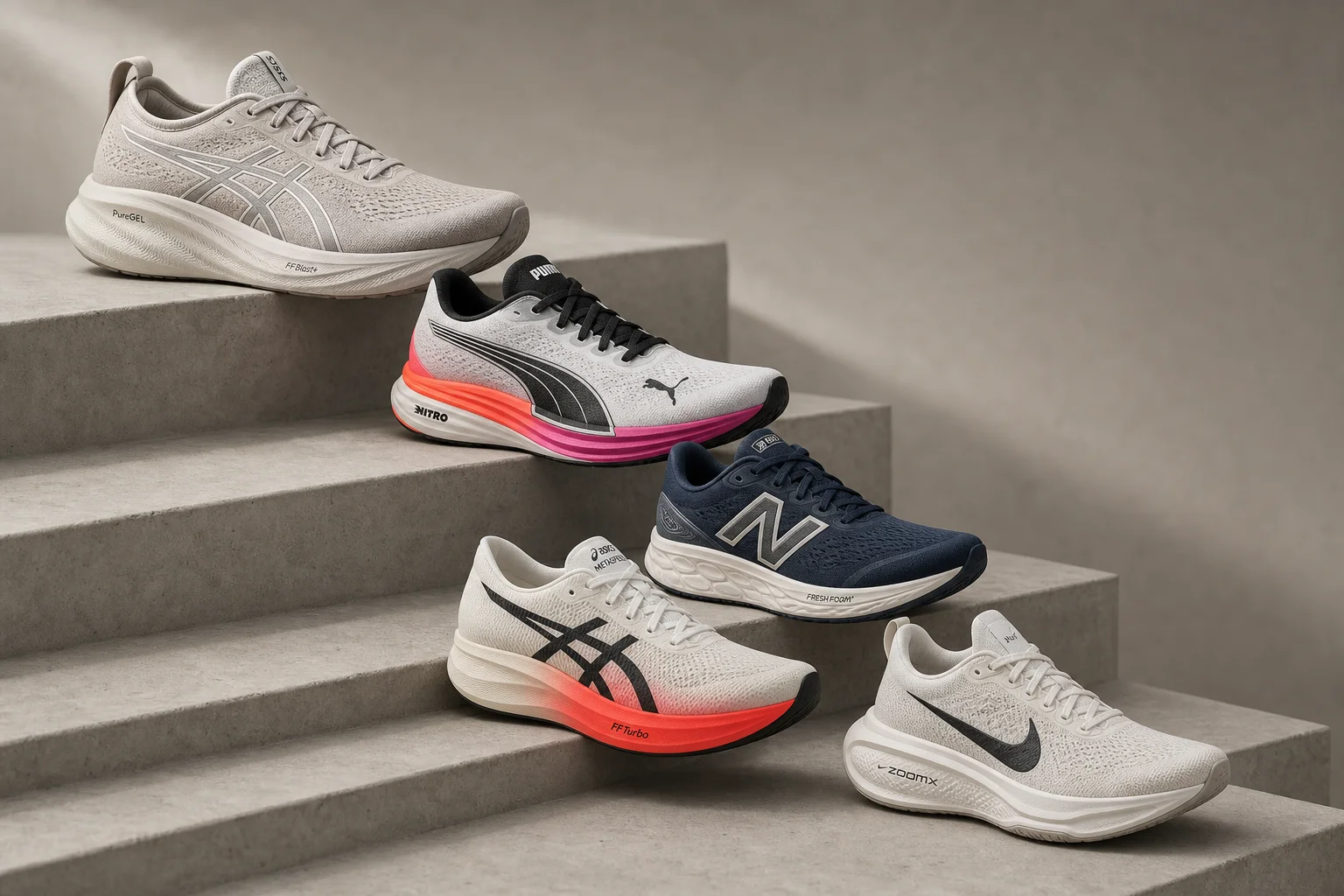
Running Shoes
Best Running Shoes for Women: Five Top Choices Ranked
A ranked guide to five women's running shoes, from versatile daily trainers to high-performance racing options, with real strengths and trade-offs for each.