Running Shoes
Saucony Triumph 20 vs New Balance Fresh Foam More v4: Two Maximal Cushion Shoes, Two Very Different Rides
Both are high-stack daily trainers, but the Triumph 20 leans bouncier while the Fresh Foam More v4 goes softer, wider, and more stable.
Introduction
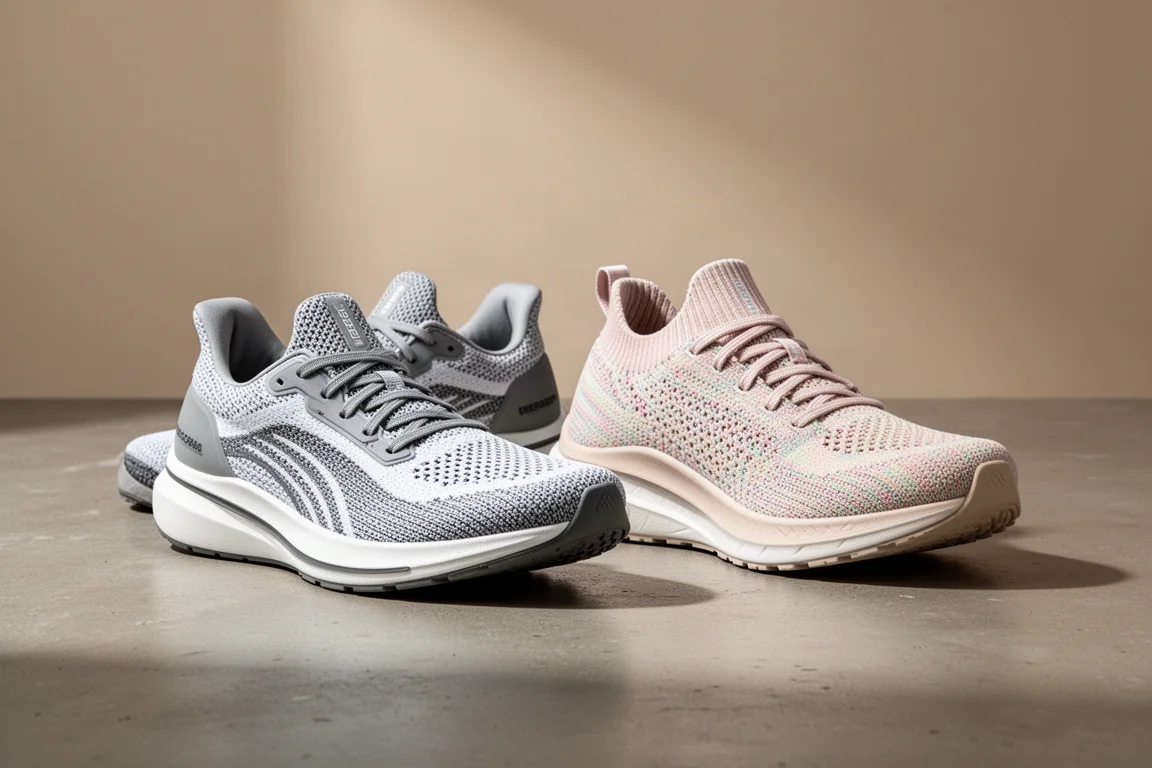
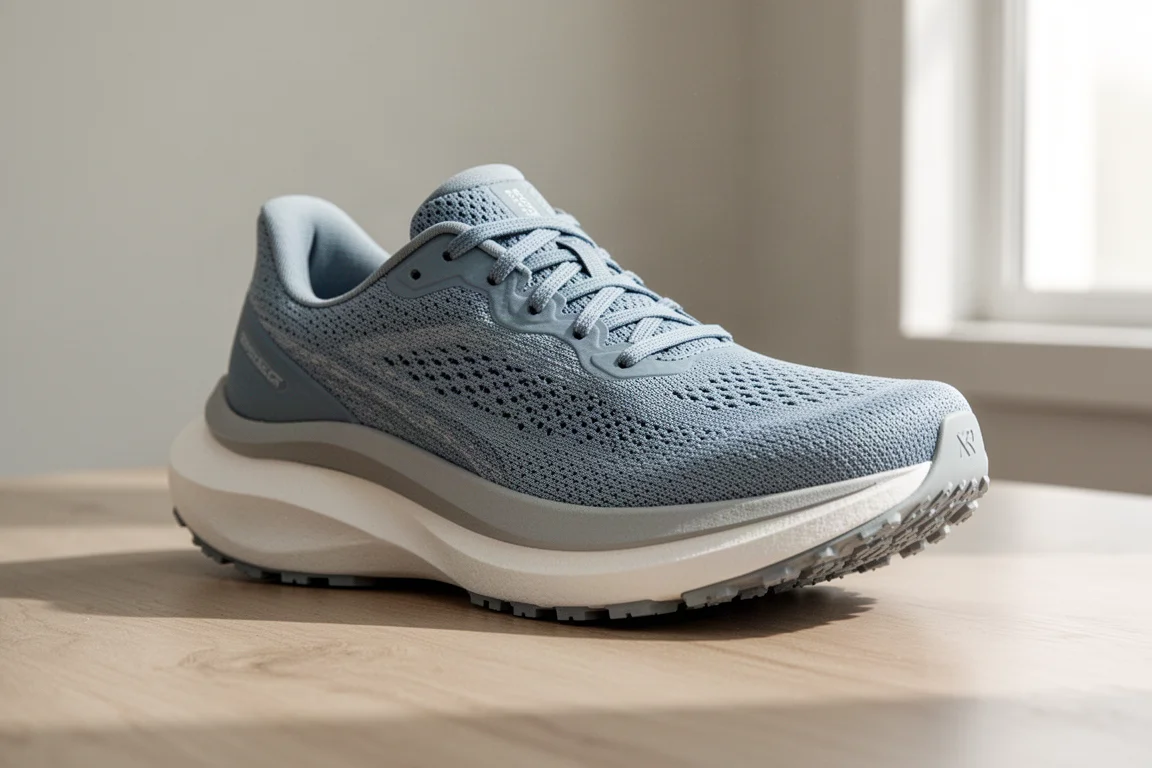
High-stack, maximally cushioned trainers have become the default choice for daily miles, and two of the most interesting options in this space are the Saucony Triumph 20 and the New Balance Fresh Foam More v4. On paper they look like close relatives. On the foot, they turn out to be very different shoes.
The Triumph 20 is the sharper, bouncier option with a more snug upper. The Fresh Foam More v4 is softer, wider, lower in volume, and noticeably more stable. Choosing between them comes down less to which is better overall and more to which ride and fit suits your feet and your training.
At a Glance: Specs and Stack Heights
The Triumph 20 measures 37 millimeters in the heel and 27 millimeters in the forefoot, giving it a 4 millimeter drop. The Fresh Foam More v4 does not have confirmed official measurements here, but it sits close to an estimated 38 to 39 millimeters in the heel, with a 10 millimeter drop.
That means both shoes put a lot of foam underfoot, but the geometry pushes your foot into different positions. Neither uses a true super foam, yet the midsole characters diverge quickly: the Triumph carries noticeably more bounce, while the Fresh Foam More compresses far more and feels much more relaxed.
Fit and Feel: Width and Volume
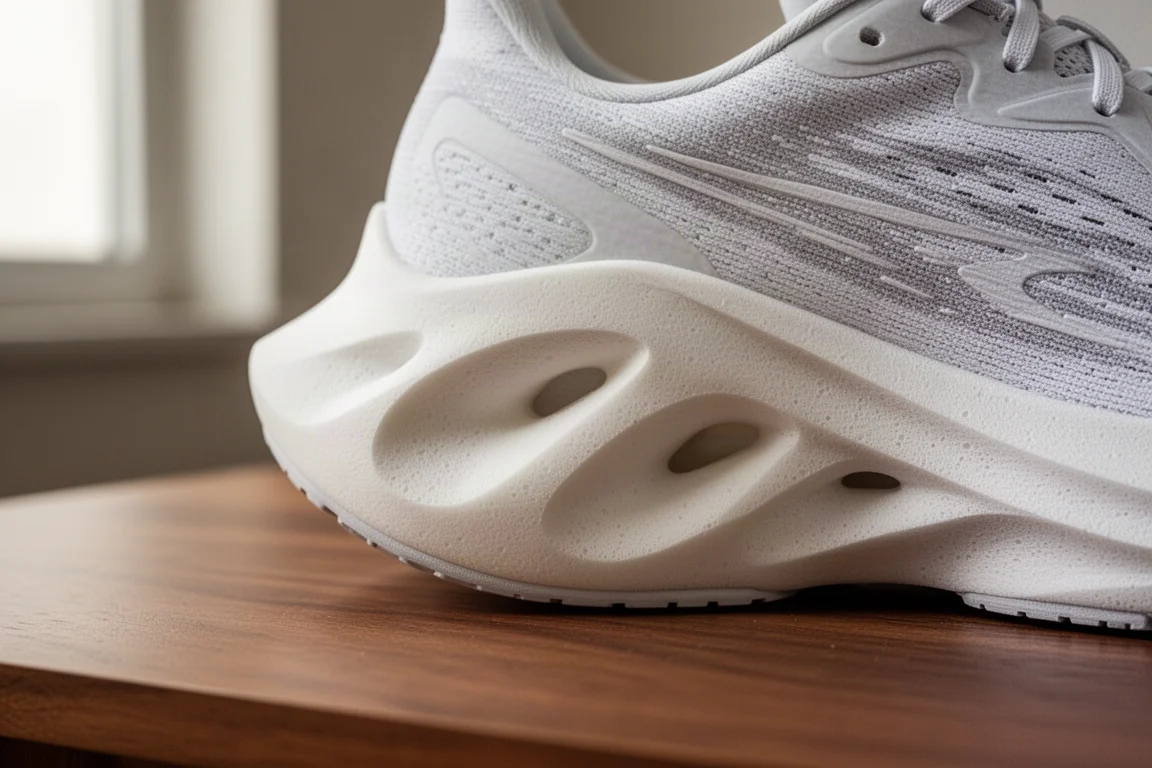
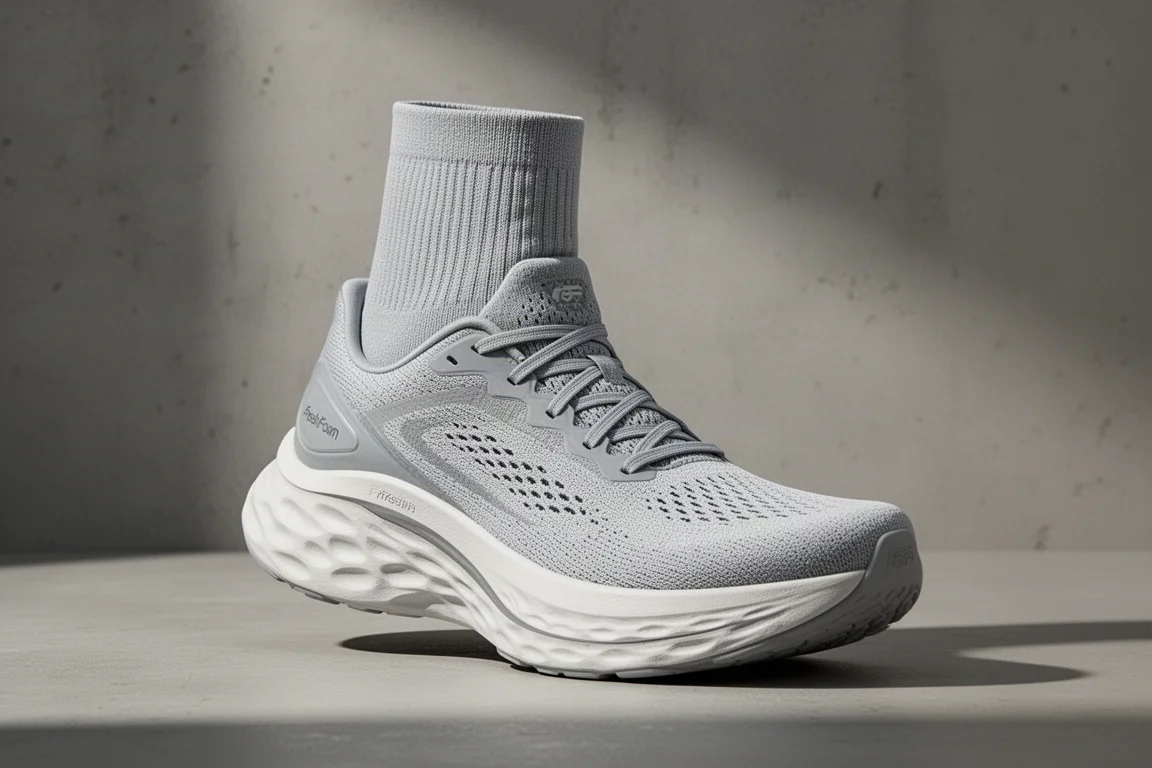
This is where the two shoes separate most clearly. The Fresh Foam More v4 is much wider, while the Triumph 20 fits more snugly with a bit more interior volume. The More sits lower around the foot because of its lower-volume construction.
In practical terms, if you have wider feet with lower volume, the Fresh Foam More v4 is the better match. If your feet run narrow to normal and you like a touch more room inside the shoe, the Triumph 20 is the one to try. Both uppers are solid overall, though the Triumph still needs a bit more break-in time.
Performance: Daily Trainer or Something Faster
Neither shoe is a dedicated tempo weapon, but they lean in different directions. The Triumph 20 has enough bounce from its midsole that it handled strides well and can cope with a little more up-tempo work in a pinch.
The Fresh Foam More v4, by contrast, is a softer, more compression-heavy platform. It has been taken through a workout and did fine, but its real strength is relaxed pace work: easy miles and long run efforts are where it shines. If your week is built around recovery runs and long slow distance, that softer character is an asset.
Durability and Stability
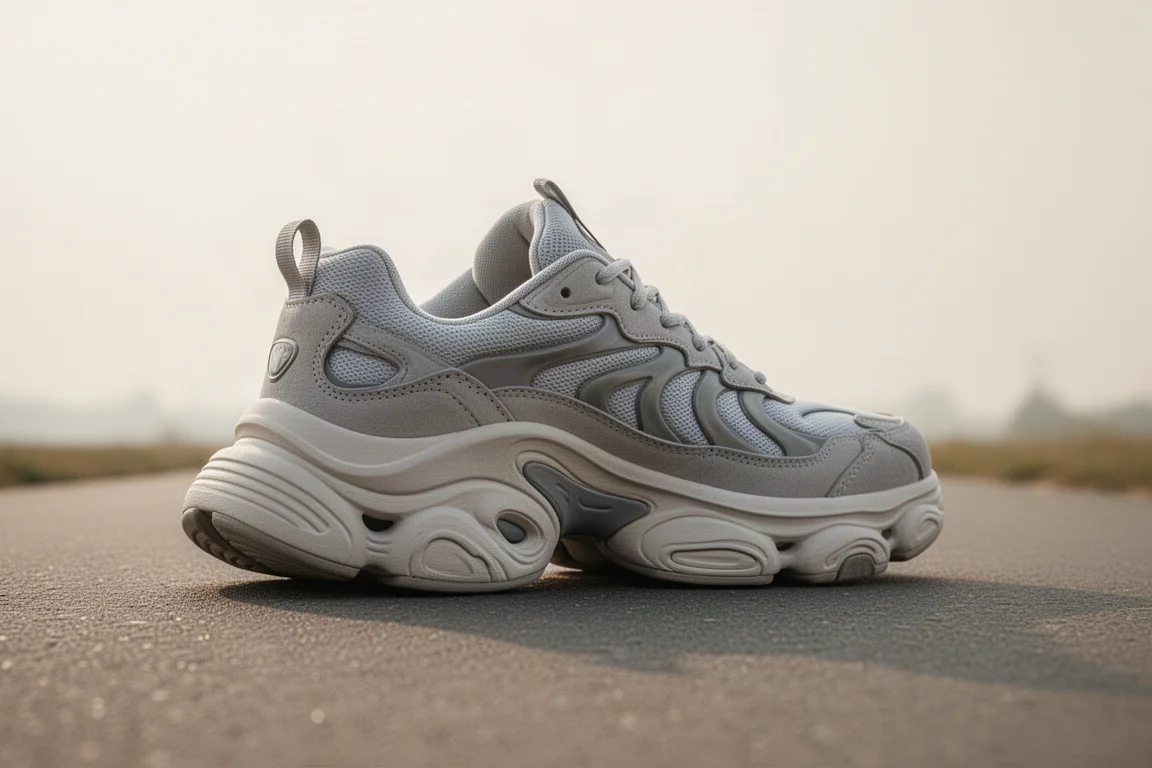
Early durability signals are positive on both sides. The Fresh Foam More v4 has close to 100 miles logged with wear that looks likely to hold up really well over time. The Triumph 20 has fewer miles on it, but its durability also appears promising.
Stability is another clear differentiator. The Triumph 20 is firmly a neutral shoe with a narrower, more snug platform. The Fresh Foam More v4 is dramatically more stable thanks to its wider last and supportive sidewalls, even though both are technically neutral, maximal cushion designs.
Which One Should You Buy?
If you want a bouncier, more energetic ride in a snugger upper and might occasionally dip into quicker running, the Saucony Triumph 20 fits that brief. If you prefer maximum softness, a wide and stable footprint, and a shoe dedicated to easy and long runs, the New Balance Fresh Foam More v4 is the safer pick.

They share similar specs on paper, but the ride, fit, and stability profile are different enough that most runners will find one of these an obvious match.
Conclusion
The Saucony Triumph 20 and New Balance Fresh Foam More v4 prove that two maximal cushion shoes can share stack height territory while offering completely different experiences. The Triumph 20 brings bounce, a snugger fit, and some up-tempo capability. The Fresh Foam More v4 brings softness, width, stability, and a relaxed ride made for easy and long miles. Match the shoe to your foot shape and training style, and either one can anchor a daily rotation.
Further reading
Related Reviews

Running Shoes
Best Road-to-Trail Running Shoes: Three Versatile Options for Mixed Terrain
A practical guide to three road-to-trail running shoes that handle both pavement and mild trails, with clear strengths and trade-offs for different runner types.

Running Shoes
Best Running Shoes for Achilles Tendonitis: Three Options Explained
Three running shoes with different heel drops and support features designed to help reduce Achilles tendon pain during walking and running.

Running Shoes
Best Running Shoes for Women: Five Top Choices Ranked
A ranked guide to five women's running shoes, from versatile daily trainers to high-performance racing options, with real strengths and trade-offs for each.