Running Shoes
Saucony Triumph 20 vs Brooks Glycerin 20: Which Cushioned Trainer Deserves Your Miles?
Two of the most trusted max-cushion daily trainers go head to head, with updated midsoles, refined uppers, and very different ride personalities.
Introduction
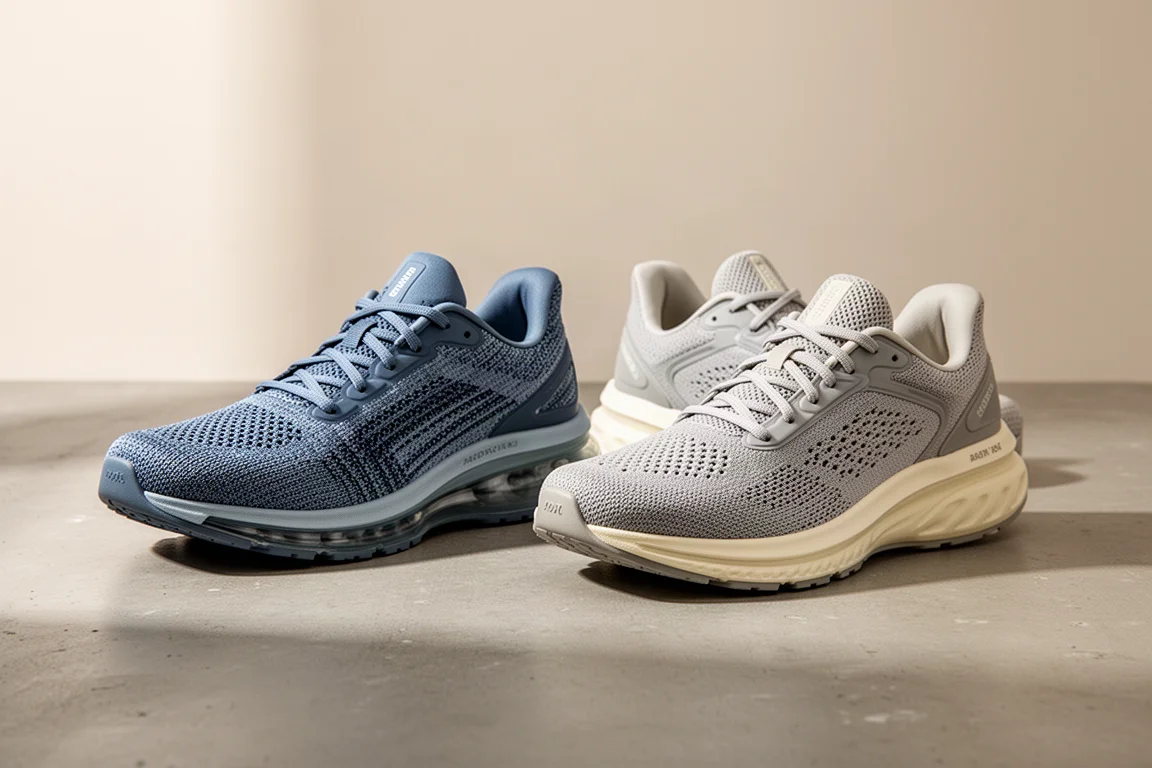
The Saucony Triumph 20 and the Brooks Glycerin 20 sit in the same crowded corner of the running shoe market: genuinely cushioned, daily-mile trainers that have topped plenty of best-of lists over the years. Both shoes arrived with some of the most significant updates their lines have seen in years, which makes this comparison tighter than it has ever been.
The short version? Both are excellent. The differences are subtle enough that fit, feel and personal preference will likely decide your choice.
Price, Weight and Drop at a Glance
On paper, the two shoes are close neighbours. The Saucony Triumph 20 costs 155 pounds or 150 dollars and weighs 264 grams (9.3 ounces) for men in a size 8, with a 10mm drop. The Brooks Glycerin 20 costs 150 pounds or 160 dollars, weighs 298 grams (9.8 ounces) in the same size, and shares the same 10mm drop.
So the Saucony is lighter and marginally pricier in pounds, while the Brooks is the heavier shoe of the pair. Both keep the classic 10mm heel-to-toe offset that cushioned trainers have long favoured.
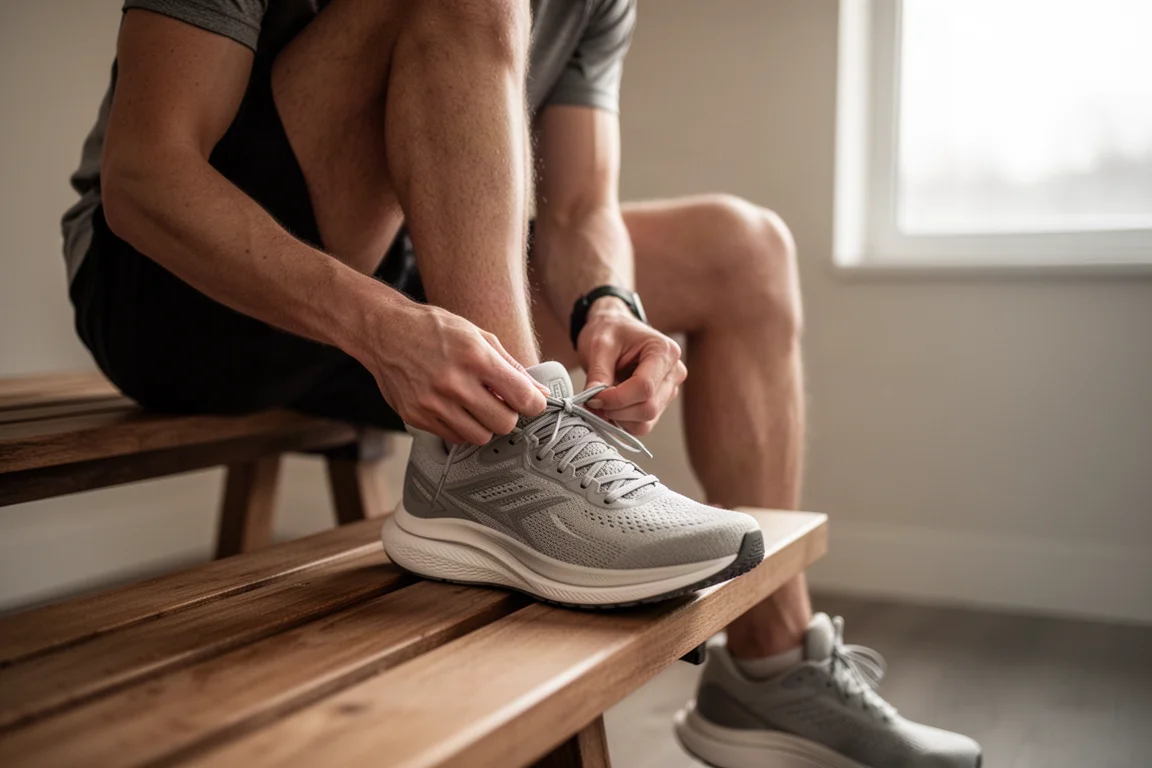
Fit is one area where there is no debate at all: both shoes run true to size, with no sizing concerns reported. Testers found a lovely amount of room, great hold everywhere, and plush cushioning around the heel and tongue in each shoe. In their normal sizes, both fit impressions were described as absolutely spot on.
Saucony Triumph 20: Lighter, Softer, Smoother
The Triumph line has long been popular with runners who want a high level of cushioning for easy sessions, long runs and daily training miles. The Triumph 20 refines that formula with a modified PWRRUN+ midsole foam that makes the ride lighter and softer, along with new geometry featuring an increased rocker and a smoother transition through the gait cycle.
Other design details include a PWRRUN+ sockliner for comfort, a heel counter for better stability, and a healthy covering of outsole rubber for grip and protection. Changes to the lacing system and upper material round out the update.
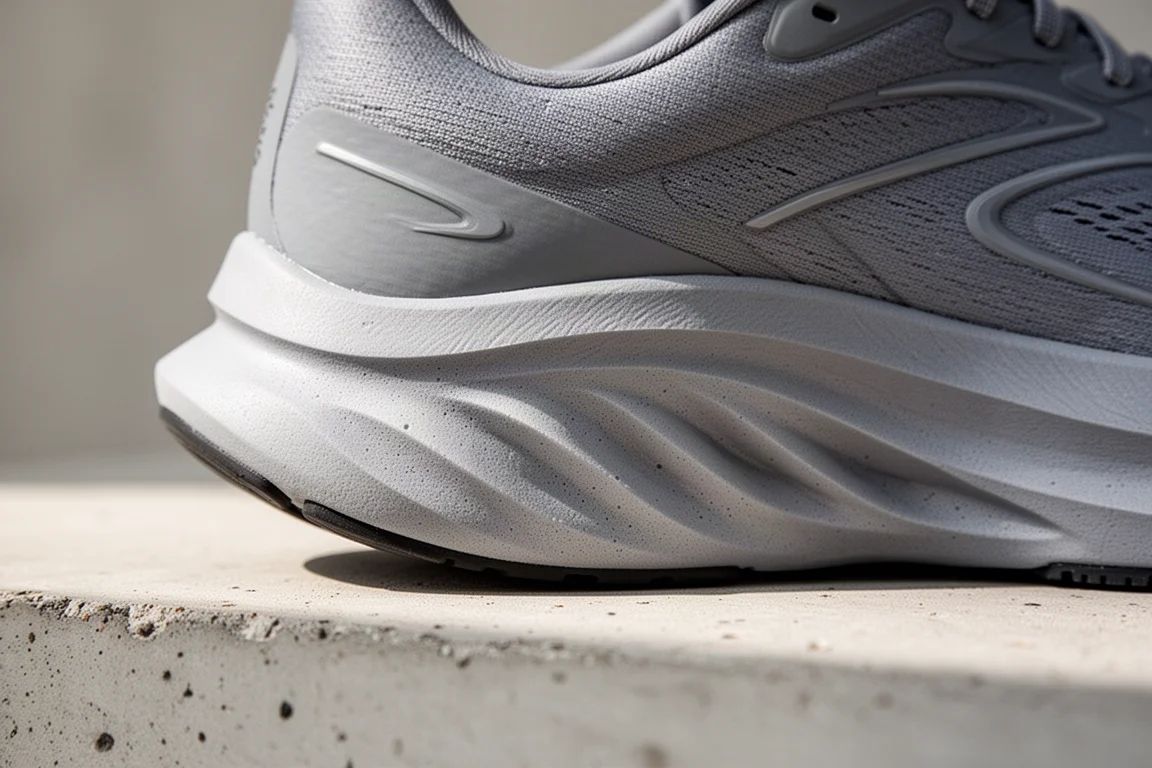
The key takeaway from testing is that the previous two versions had become a bit too heavy and dull, losing some of the versatility that made the line great. This latest version fixes that. It remains a really comfortable and protective easy-day shoe, but now has a bit more to offer if you want to pick up the pace. It also rolls nicely, with a fluid motion that some found missing from its rival.
Brooks Glycerin 20: Nitrogen-Infused Comfort
For years, the Glycerin has been the benchmark for comfortable, easy-day mileage, delivering a well-balanced midsole stack for runners who want to tick off miles as enjoyably as possible. The Glycerin 20 gets one of the biggest upgrades in the shoe’s history: a new nitrogen-infused DNA LOFT v3 midsole that makes the ride softer and bouncier, plus an improved upper fit that combines plush comfort with a locked-down feel.
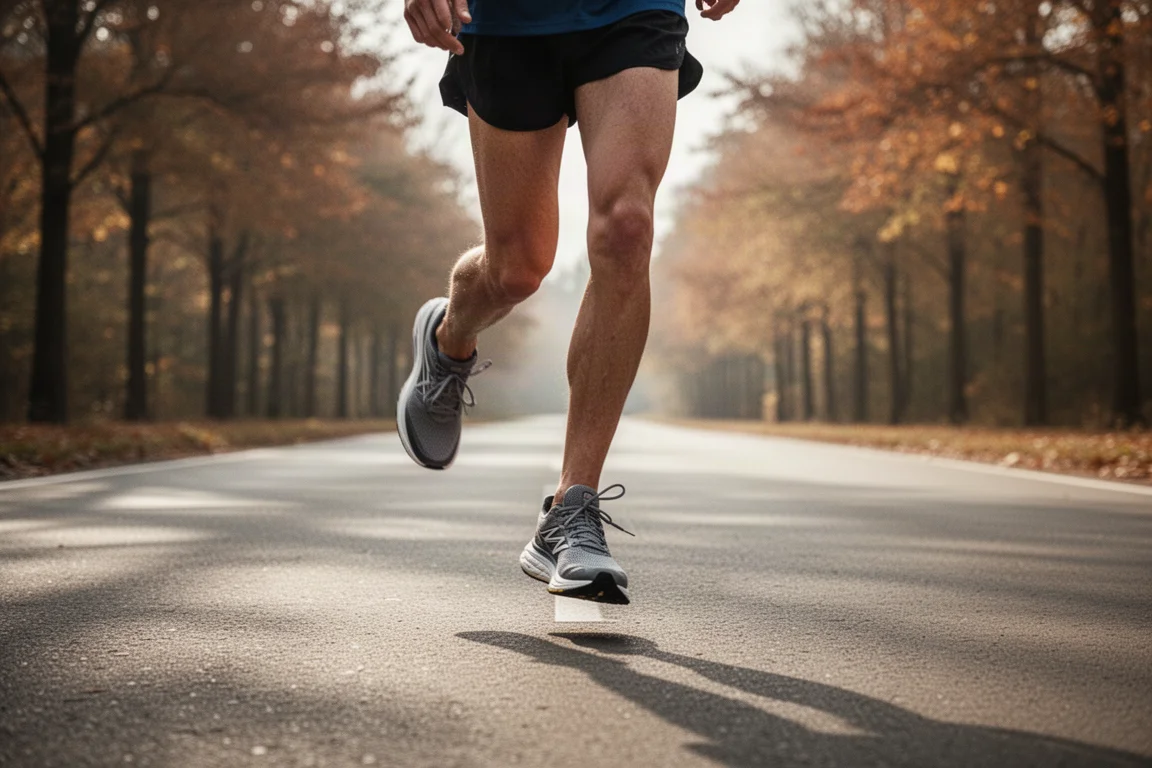
The new midsole foam is not quite as cushy and soft as previous versions, but it is certainly more responsive. Crucially, it stays consistent and feels good deep into runs, refusing to bottom out towards the end of long efforts. On long, hard runs, it genuinely protects the legs so you can finish fast. One tester even raced a 10-mile race in the Glycerin 20 and came away pleasantly surprised by how well the foam held up, despite initially finding the shoe hard to run in.
Verdict: Which One Should You Buy?
There is very little between these two shoes, and honestly, whichever one you pick up in this category is going to be a win. Both are well cushioned yet surprisingly versatile for big, cushioned trainers, with good stability and a really nice feel underfoot whatever kind of running you are doing.
The Triumph 20 edges ahead slightly for versatility. It feels a little more conducive to running faster for longer, not speed training, but holding a consistent pace over distance. It also has more of a rolling action that encourages a fluid stride. If you are a newer runner or a one-shoe runner who wants a single pair to cover everything from easy days to a half marathon build, the Triumph 20 is the safer all-rounder pick.
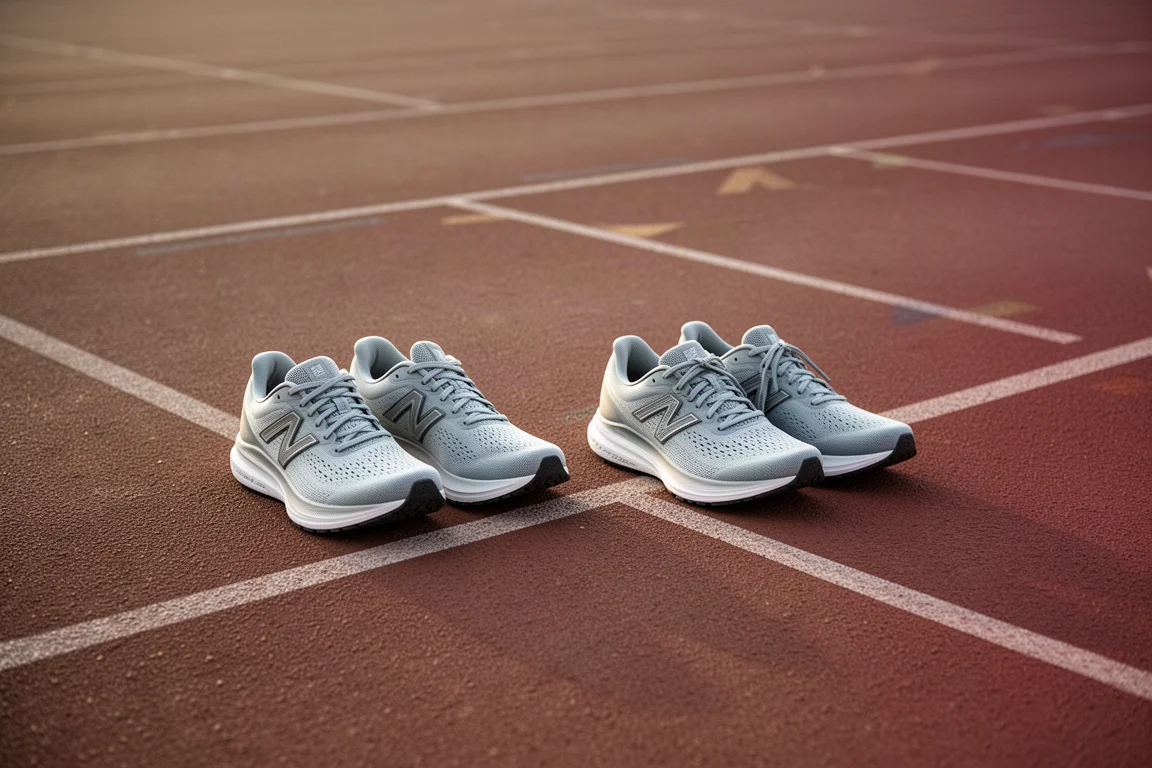
The Glycerin 20, meanwhile, still leans towards easy-day cushioning and support, and for long runs specifically it earns real praise. The way its foam feels at the end of any distance gives it a genuine edge when the priority is comfort deep into a long effort, and some testers simply preferred the feel of the nitrogen-infused midsole underfoot.
Ultimately, the differences come down to the individual runner. If you are torn, a practical approach is to pick whichever is cheaper on the day and whichever colourway you like best. Either shoe will do a very similar job, very well.
Conclusion
The Saucony Triumph 20 and Brooks Glycerin 20 are two of the top options you can get in the cushioned daily trainer category. The Triumph 20 offers slightly more versatility and a bouncier feel for those who want to mix paces, while the Glycerin 20 remains arguably the most comfortable choice for easy miles and long runs. Whichever one lands on your feet, you are sitting down happy.
Product link
View more details for Saucony Triumph 20
This product is mentioned in the review. Check the specifications, options, and compatibility before buying.
View more details for Saucony Triumph 20Further reading
Related Reviews

Running Shoes
Best Road-to-Trail Running Shoes: Three Versatile Options for Mixed Terrain
A practical guide to three road-to-trail running shoes that handle both pavement and mild trails, with clear strengths and trade-offs for different runner types.

Running Shoes
Best Running Shoes for Achilles Tendonitis: Three Options Explained
Three running shoes with different heel drops and support features designed to help reduce Achilles tendon pain during walking and running.

Running Shoes
Best Running Shoes for Women: Five Top Choices Ranked
A ranked guide to five women's running shoes, from versatile daily trainers to high-performance racing options, with real strengths and trade-offs for each.