Running Shoes
Saucony Triumph 20 vs Tempest vs Endorphin Shift 3: Three Cushioned Trainers Compared
Three cushioned Saucony trainers tested side by side to find out which one deserves a place in your rotation.
Introduction
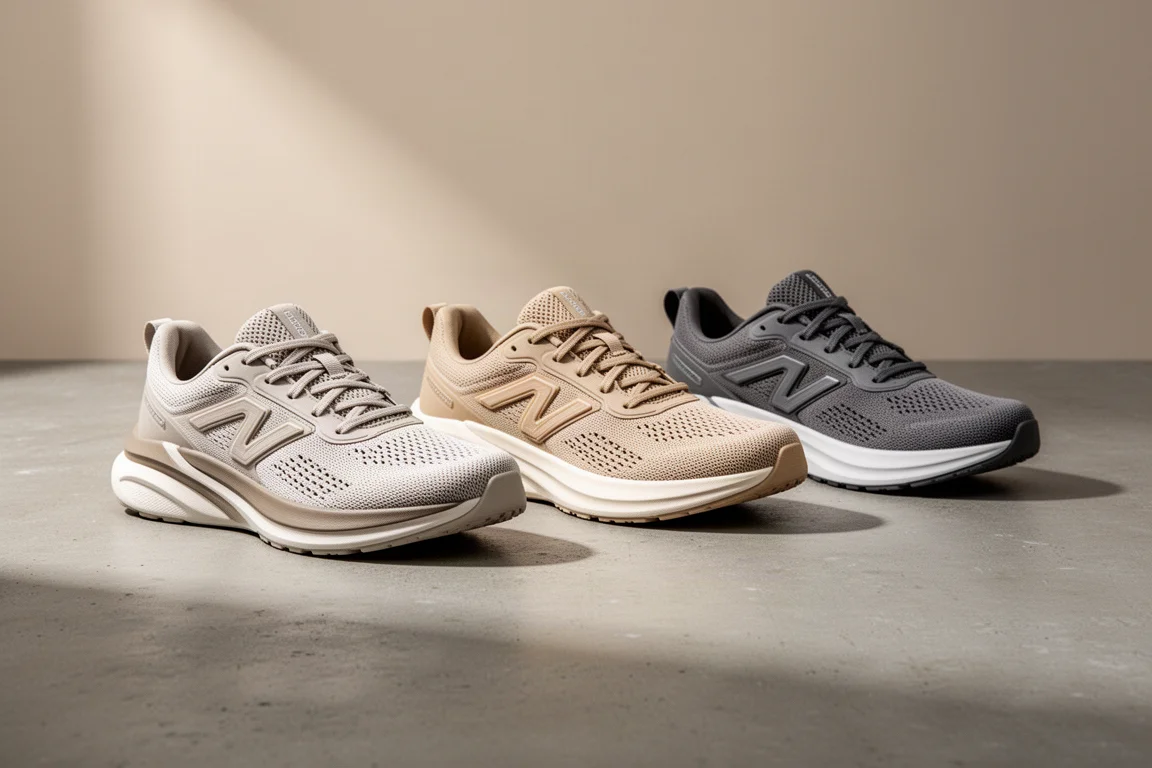
Saucony currently offers three cushioned trainers that, on paper, cover very similar ground: the Triumph 20, the Tempest and the Endorphin Shift 3. All three are built around generous midsole foam, all three target easy miles and daily training, and all three fit true to size. Put them side by side, though, and clear differences in ride character, stability and versatility start to emerge.
The headline numbers are close. The Triumph 20 costs £155 / $160, weighs 264g (9.3 oz) for men in a size 8 and has a 10mm drop. The Tempest costs £165 / $160, weighs 263g (9.3 oz) and drops 8mm. The Endorphin Shift 3 costs £140 / $150, weighs 268g (9.5 oz) and has the lowest drop of the trio at 4mm.
Saucony Triumph 20: The Classic Cruiser, Refined
The Triumph line is one of Saucony’s most popular options for runners who want a high level of cushioning for easy sessions, long runs and daily training miles. The 20 brings meaningful upgrades: a modified PWRRUN+ midsole foam that makes the ride lighter and softer, a new geometry with an increased rocker and a smoother transition, plus changes to the lacing system and upper material. There’s also a PWRRUN+ insole for comfort, a heel counter for stability, and plenty of outsole rubber for grip and protection.
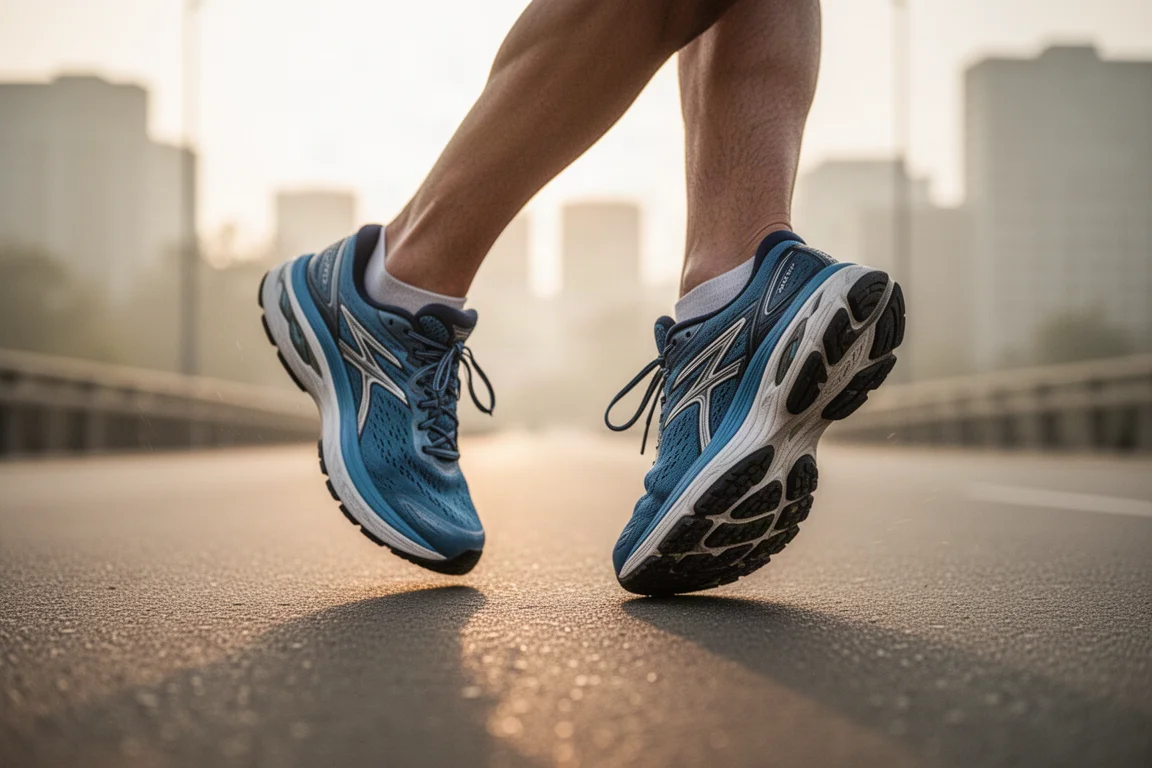
On the run, this is the best Triumph in several years. It’s comfortable, but the more responsive ride makes it noticeably more versatile than recent versions, which had lost some of the pop earlier models were known for. Testers described a classic, traditional feel with a bit of squish and bounce rather than the very soft, springy character of some modern shoes, and highlighted good outsole grip and durability. One tester called it their favourite cushioned shoe of the year and used it for long marathon training runs without any issues.
Saucony Tempest: Stability That Doesn’t Feel Like Stability
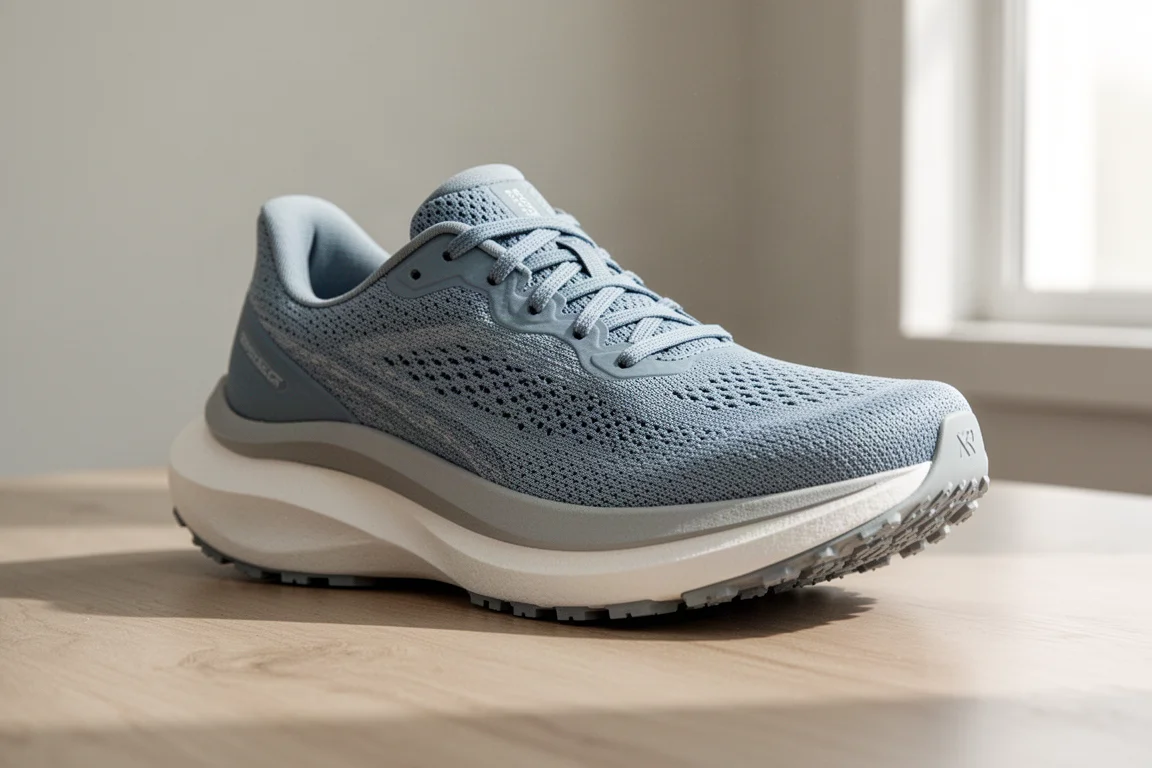
The Tempest is the most interesting shoe of the three. It aims to balance performance features with stability elements, combining a contoured PWRRUN frame with a deeper midsole design to hold the foot in place while keeping a plush fit. The PWRRUN PB midsole, the same soft, bouncy foam found in shoes like the Endorphin Pro 3 and Speed 3, delivers energy return alongside that supportive geometry.
Other features include an XT-900 outsole for grip and durability, a breathable mesh upper, an adaptive lacing design and a FORMFIT upper for a personalised fit along the length of the shoe.

The surprising part is how normal it feels. Unless you actively look for the stability, it simply delivers like a really nice cushioned shoe. It’s the lightest of the three, the most versatile, and testers found it genuinely enjoyable during progression runs, comfortable early in the run when legs were tired and still lively when the pace picked up towards tempo. It doesn’t feel like a traditional stability shoe at all, which means almost any runner can use and enjoy it. Many testers ranked it as one of the breakout shoes of the year.
Saucony Endorphin Shift 3: A Stable, If Unexciting, Easy-Mile Shoe
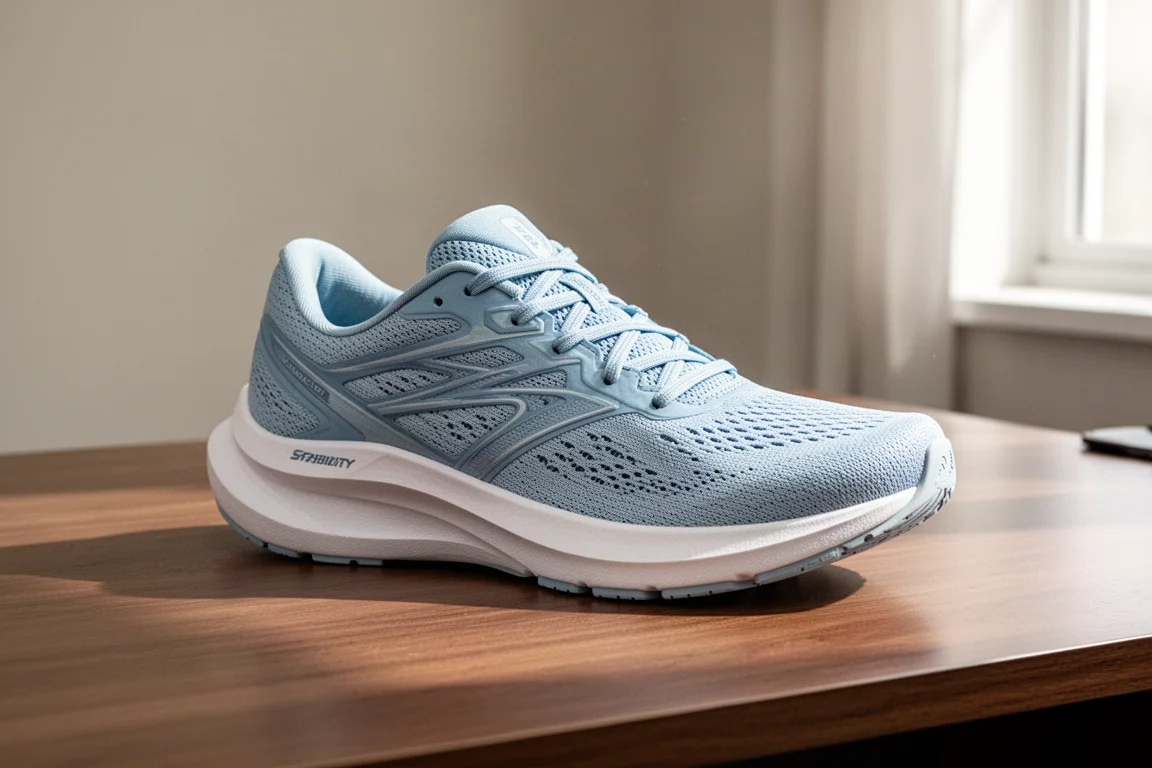
The Endorphin Shift 3 sits in Saucony’s Endorphin range as a high-cushion training partner to the Speed 3 and Pro 3. It features a large stack of PWRRUN foam for comfort, a streamlined heel clip to support the foot and add gentle stability, and Speedroll geometry designed to help with a fluid transition. There’s also a torsional heel groove to improve transitions, a lightweight breathable mesh upper and an XT-900 outsole.
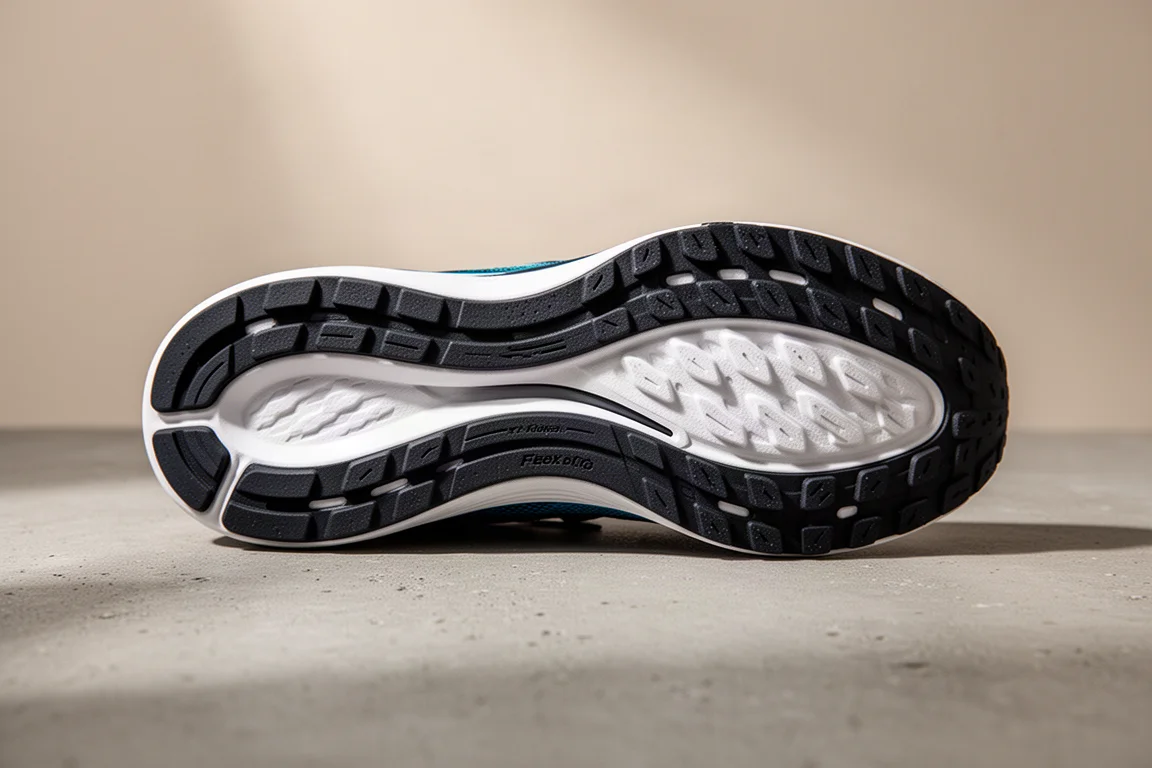
The Speedroll foam update brings the weight down despite the tall stack, and the Shift 3 is a clear improvement over the Shift 2, which felt clunky and heavy. It’s the most stable of the three and protects the body well on easy runs and high mileage. The criticism is that the ride can feel dull and occasionally firm in a joyless way, and when pace increases it can feel a little unwieldy given how big the shoe is. It does a good job, but with the Triumph and Tempest doing the same job more enjoyably, it’s hard to find a reason to pick it over either.
Which One Should You Buy?
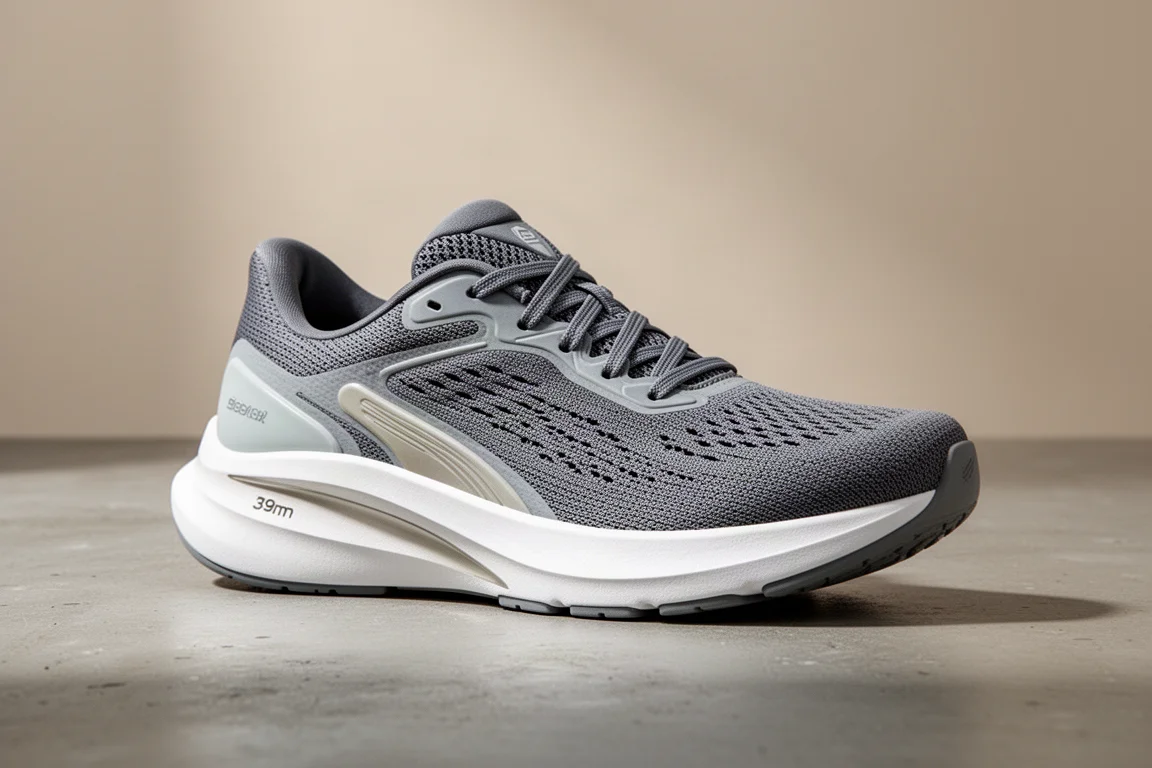
For easy days, long runs and ticking off the miles, most testers favoured the Triumph 20 or the Tempest, and which one wins depends on your priorities. The Triumph has a slightly more traditional, reliable ride with a little more life in the midsole now, and it’s the more comfortable pure cruiser. The Tempest adds stability you barely notice, plus extra bounce from the PWRRUN PB foam, and handles steady training and quicker pacing better than either of the others. If you want one shoe that does everything in a cushioned package, the Tempest is arguably the better all-round shoe; if you just want maximum comfort for easy mileage, the Triumph is the safer pick.
The Endorphin Shift 3 is very stable, smoother than the Triumph in that sense, and genuinely protective, but it doesn’t wow. Given that the Tempest offers similar stability with a far more engaging ride, the Shift is easiest to recommend only if you find it at a noticeably lower price and prioritise outright stability over ride enjoyment.
Conclusion
Saucony’s cushioned lineup is genuinely strong at the top. The Triumph 20 is an excellent, refined classic cruiser, and the Tempest is the sleeper pick: versatile, bouncy, stable and comfortable enough that most runners will forget it’s a stability shoe at all. The Endorphin Shift 3 does its job as a stable easy-day trainer, but it’s the least exciting of the three and difficult to justify over its siblings. Pick the Triumph for pure cruising comfort, the Tempest for versatility with a hidden stability benefit, and the Shift 3 only if stability and value matter more than ride fun.
Further reading
Related Reviews

Running Shoes
Best Road-to-Trail Running Shoes: Three Versatile Options for Mixed Terrain
A practical guide to three road-to-trail running shoes that handle both pavement and mild trails, with clear strengths and trade-offs for different runner types.

Running Shoes
Best Running Shoes for Achilles Tendonitis: Three Options Explained
Three running shoes with different heel drops and support features designed to help reduce Achilles tendon pain during walking and running.

Running Shoes
Best Running Shoes for Women: Five Top Choices Ranked
A ranked guide to five women's running shoes, from versatile daily trainers to high-performance racing options, with real strengths and trade-offs for each.