Running Shoes
Saucony Triumph 20 RunShield: A Winter-Ready Long Run Shoe
The RunShield version of the Triumph 20 adds water and wind resistance to an already capable long run trainer, making it a strong cold-weather option.
Introduction
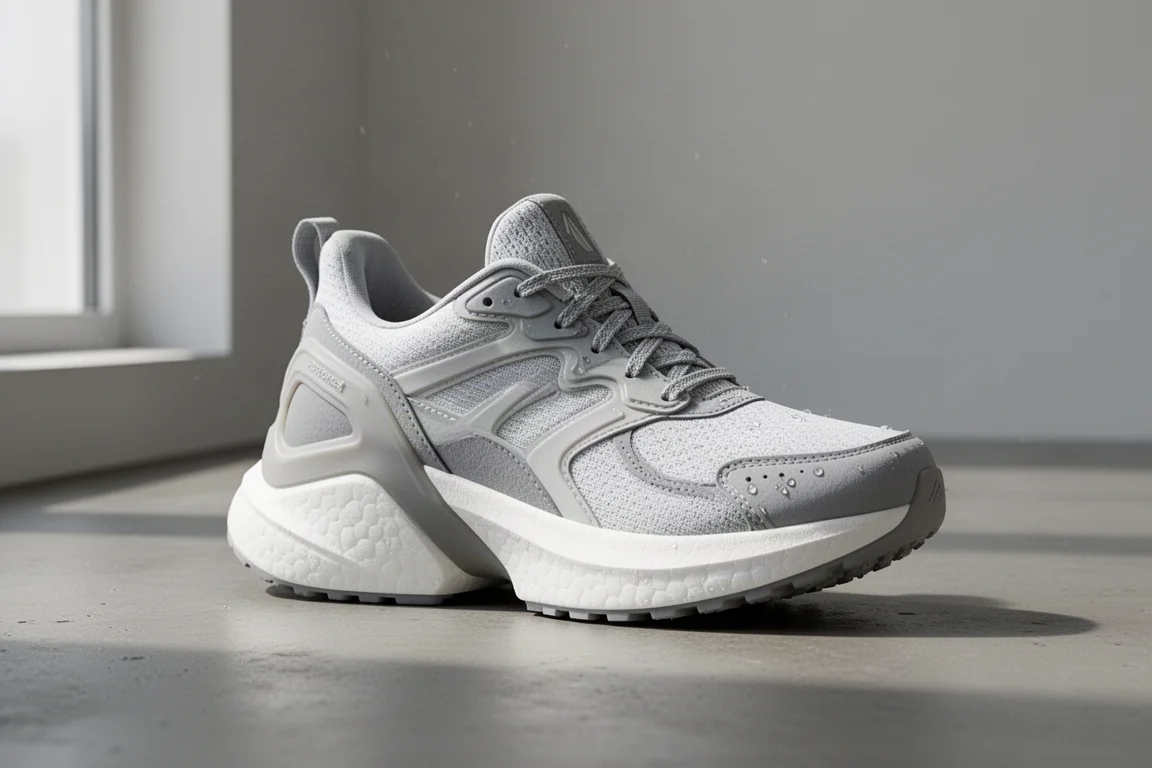
Cold-weather running asks more from a shoe than most riders of the roads realize until their toes go numb. The Saucony Triumph 20 RunShield takes the well-regarded Triumph 20 platform and adds a protective, water-resistant and wind-resistant layer over the top of the foot, aimed squarely at runners who refuse to take winter months off.
The RunShield variant carries a small price premium over the standard Triumph 20, which is reasonable given the added layer of protection. It also weighs slightly more, a trade-off inherent to the weatherized upper.
Who This Shoe Is For
This is a shoe for the runner who heads out regardless of the forecast. During testing, the shoe went through what could fairly be described as the windiest run imaginable: a 20-mile mountain outing where gusts, estimated somewhere around 70 miles per hour, kept hitting in waves, visible from a distance as they lifted snow off the ridge. Stopping to brace and lean into the gusts was the only option, and through all of it, feet stayed comfortable.

Warmth was a standout. Wearing medium to slightly thicker socks rather than the heaviest options available, feet stayed warm in severe wind exposure. For anyone who has cut runs short because of numb toes, that is a meaningful promise.
Main Strengths
The RunShield treatment is the headline. It is not fully waterproof, but it delivers very strong water resistance plus genuine wind resistance, which is what matters most in cold, gusty conditions. The upper scored well, and arguably could have scored even higher.
Underfoot, the midsole sits in the mid-30s to low 40s on a durometer reading, so it is not a maximally soft ride. That is a feature for long runs rather than a flaw: a little resistance underfoot helps when landing in mile 16, 18, or 20. Runners who prefer a mushy, sink-in feel for easy days may disagree, and that preference is personal, but for sustained long efforts the firmer cushioning makes sense.
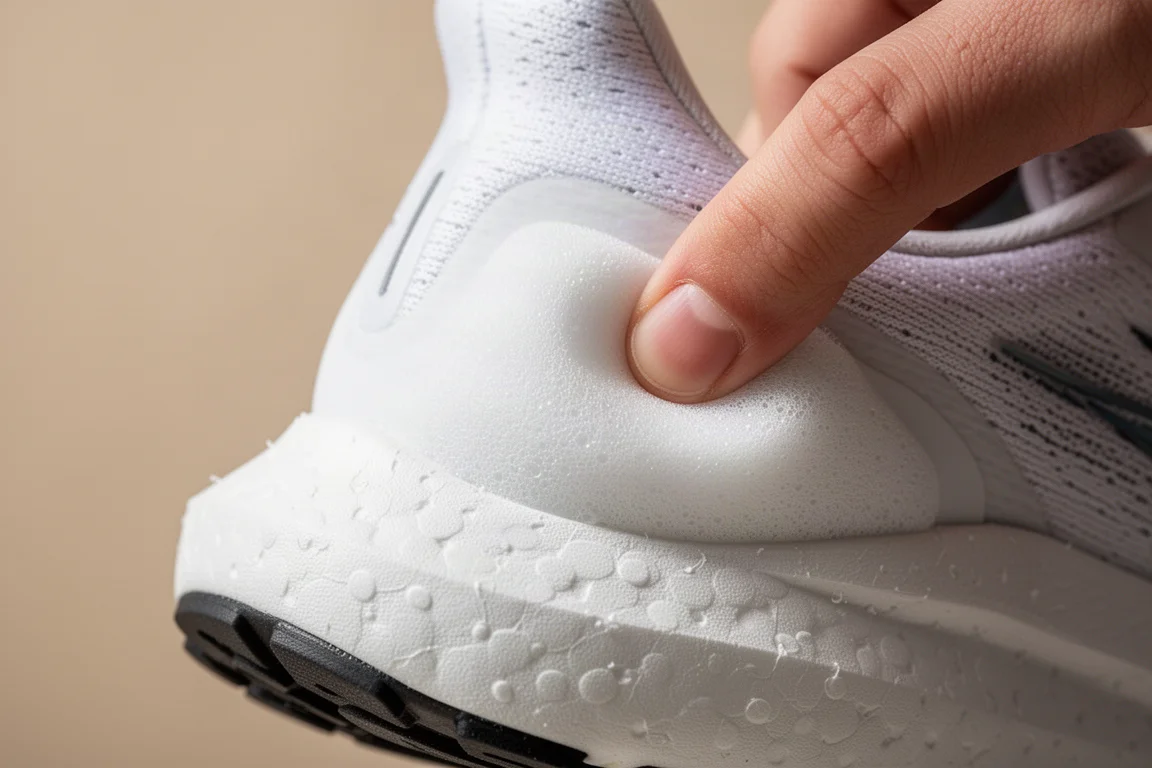
Durability is another reason for optimism. The midsole structure appears built to hold up over high mileage, and the long-term look of the foam after 300, 500, or 700 miles should be interesting to track. Early impressions suggest this platform will age well.
Things to Consider Before Buying
The most common note about the Triumph 20 midsole is that it feels a little firm. It does not offer the plush, super-soft character of some max-cushion competitors, and runners who want that sinking sensation may want to look elsewhere or accept a different feel for easy days.
The weight is slightly higher than the standard Triumph 20 because of the water-resistant construction, and the price is a step up as well. Both trade-offs are reasonable if winter protection is the goal, but worth acknowledging up front.
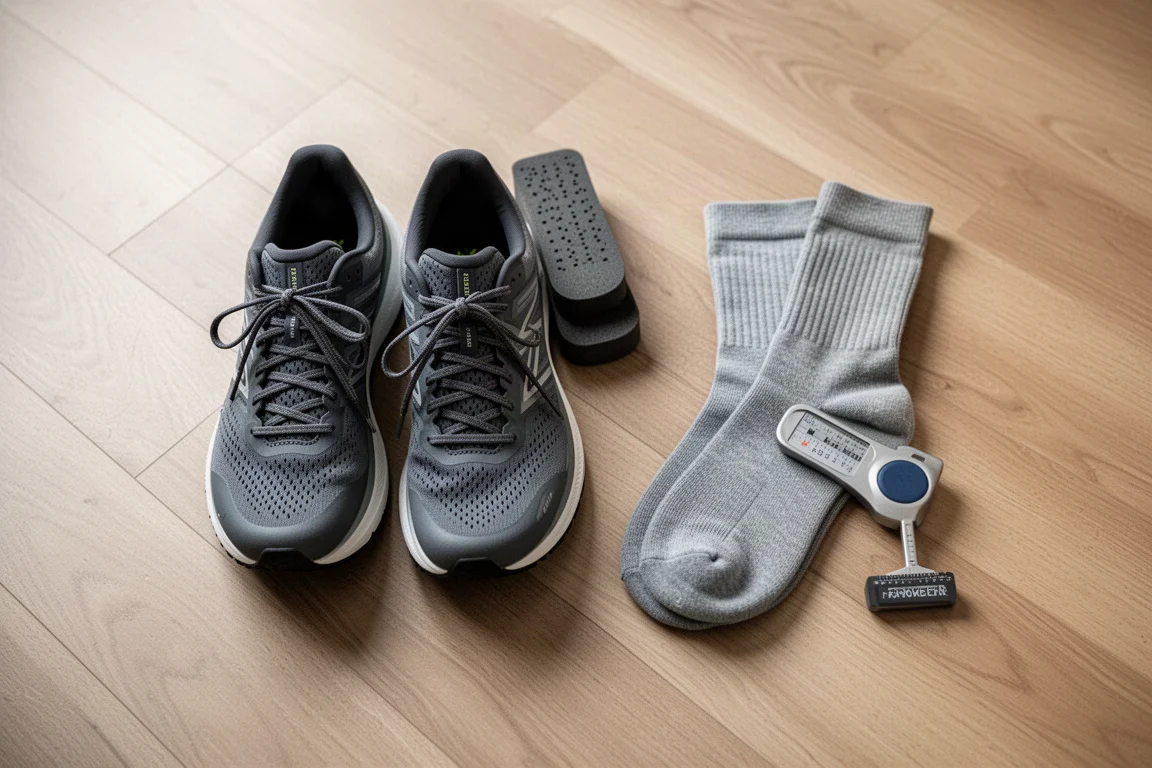
Sock choice also plays a role. Medium-weight socks were enough in testing, so extremely thick socks are probably unnecessary and might even reduce the fit quality.
Buying Advice
The RunShield sits in a bit of a class of its own. There are few direct equivalents that combine a proven long run platform with this level of weather protection, so if cold, windy, or wet conditions define your running season, the case for this shoe is unusually clear.
For runners who mostly face mild weather, the standard Triumph 20 remains the better value. But if winter is when you log your longest miles, the added protection is easy to justify.

One wishlist item for the brand: many runners have been asking for a RunShield option in the Tempest lineup. If that pairing ever arrives, it would be a welcome addition for runners who prefer a stability-oriented winter trainer.
Conclusion
The Saucony Triumph 20 RunShield solves a specific problem well: keeping feet warm, dry, and comfortable through harsh winter running conditions without giving up the long run credentials of the Triumph platform. It costs a little more and weighs a little more than the standard model, and the ride leans firm rather than plush. For the runner who keeps training through the coldest months, those trade-offs look like a bargain.
Product link
View more details for Saucony Triumph 20 RunShield
This product is mentioned in the review. Check the specifications, options, and compatibility before buying.
View more details for Saucony Triumph 20 RunShieldFurther reading
Related Reviews

Running Shoes
Best Road-to-Trail Running Shoes: Three Versatile Options for Mixed Terrain
A practical guide to three road-to-trail running shoes that handle both pavement and mild trails, with clear strengths and trade-offs for different runner types.

Running Shoes
Best Running Shoes for Achilles Tendonitis: Three Options Explained
Three running shoes with different heel drops and support features designed to help reduce Achilles tendon pain during walking and running.

Running Shoes
Best Running Shoes for Women: Five Top Choices Ranked
A ranked guide to five women's running shoes, from versatile daily trainers to high-performance racing options, with real strengths and trade-offs for each.