Running Shoes
Saucony Triumph 20 RunShield Review: A Cushioned Long Run Shoe Built for Wet Weather
The Saucony Triumph 20 RunShield pairs max-cushion PWRRUN plus foam with a waterproof upper, making it a strong pick for high-mileage winter training.
Introduction
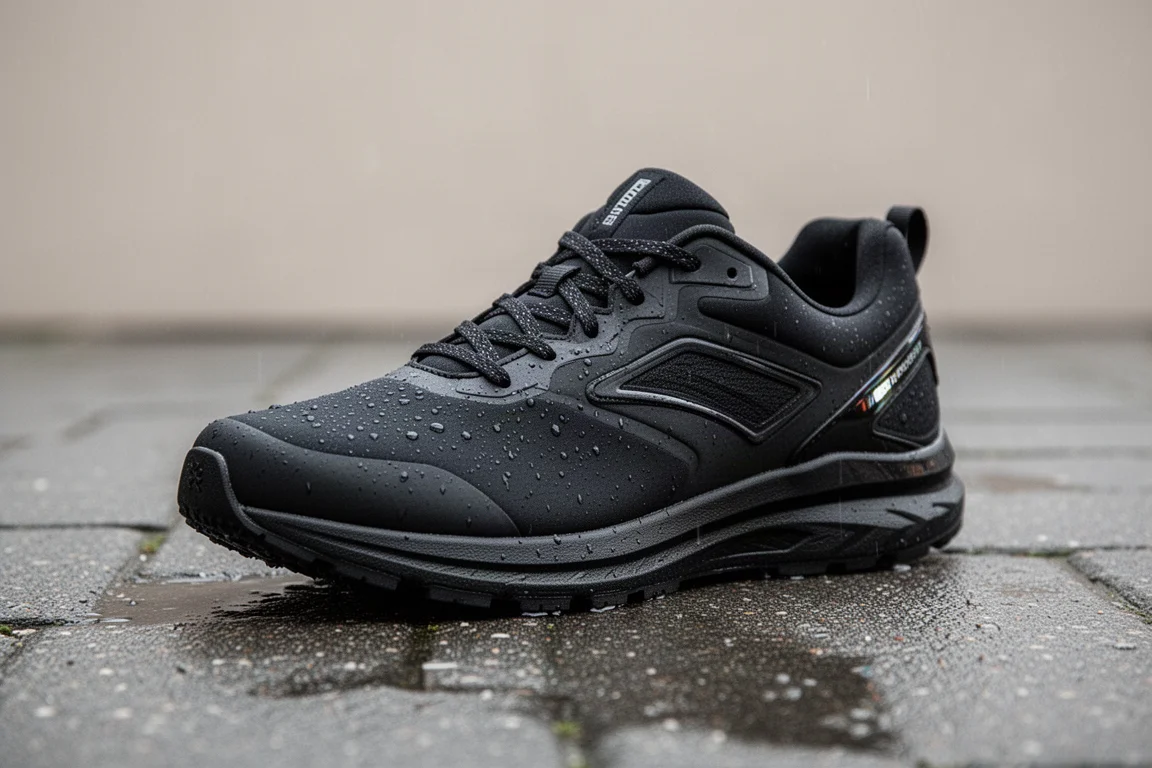
The Saucony Triumph 20 RunShield is the waterproof take on Saucony’s max-cushion daily trainer, and it has earned a reputation as a favorite long run shoe for good reason. It pairs the brand’s PWRRUN plus foam with a weatherproof upper, making it a natural choice for rainy winter miles when dry feet matter as much as cushioning.
In this review, we break down how it rides, how it fits, how it holds up over hundreds of miles, and who should actually buy it.
Why the RunShield Edition Exists
The RunShield edition exists for one simple reason: keeping feet dry. In wet and unpleasant winter weather, a waterproof upper combined with merino wool socks makes a genuine difference on easy and long runs. The RunShield comes primarily in a black colorway, which is understated to the point of being plain, though it does carry some charming winter details, including typography referencing Robert Frost’s “Stopping by Woods on a Snowy Evening” on the tongue and a wet-leaf print inside the shoe. The midsole even has a grey and white finish that resembles melted icicles.
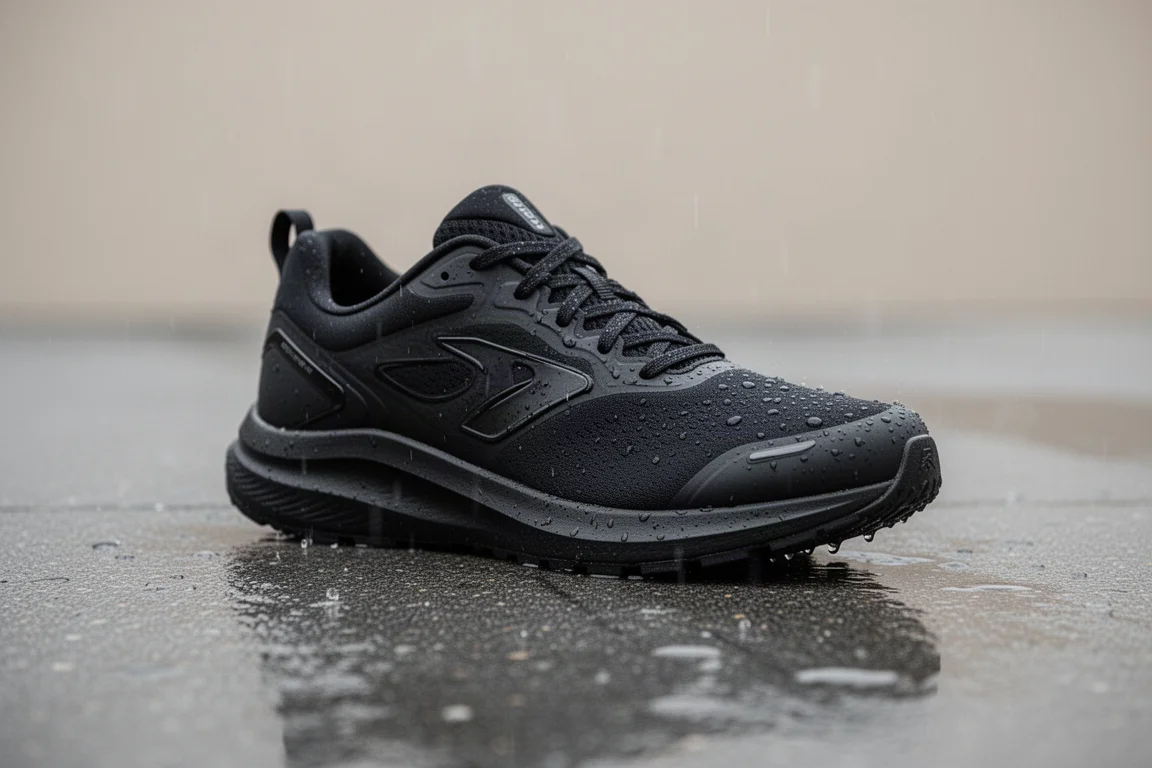
Design-wise, this is a standard-looking running shoe. It is not inventive, and some will find it boring. The trade-off is that the boring exterior hides the best part of the shoe: the ride.
The Ride: Where the Triumph Shines
The ride is the magic of the Saucony Triumph. The best way to describe it is smooth like butter, yet bouncy with a pleasant zing. It handles everything from slow long runs at around a 9-minute per mile pace up to the occasional interval session when comfort matters more than speed. It is extremely versatile at aerobic paces, though it is not a shoe most runners would want to take to threshold pace on a regular basis.
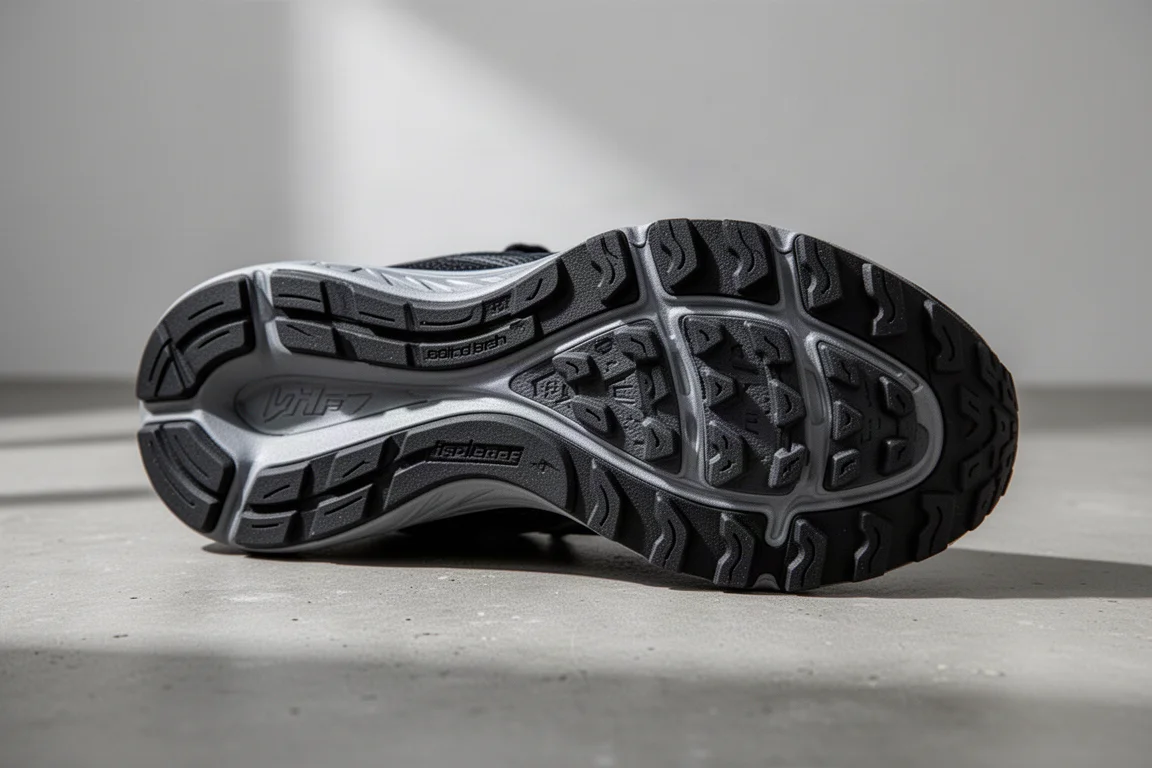
The key technology is Saucony’s PWRRUN plus foam, a beaded TPU compound similar in concept to Adidas’ Boost from the 2010s, but lighter. Because the foam is light, Saucony can pack in more of it for a max-cushion stack without weighing the shoe down. That is a real advantage over other max-cushion shoes, such as the ASICS GEL-Nimbus 25, which can feel heavier on the foot due to heavier EVA-based blends.
Durability After 300 Miles
After roughly 300 miles, the PWRRUN plus foam is holding up extremely well. The visible wear shows up on the lateral sides at the outside of the heel, which is typical for a runner who pushes shoes hard. Realistic lifespan estimates put these at around 400 miles total.
A smart way to stretch that lifespan further is to rotate the RunShield out of the standard daily rotation and save it specifically for rainy days. Pulling it out of the closet once or twice a month for wet weather runs reduces constant compression fatigue on the foam and keeps the waterproof upper doing its intended job.
Fit and Lockdown: Watch the Midfoot and Heel
The fit is fairly standard, but there are two things to watch. First, the midfoot runs a bit snug. Runners with narrow to mid-size feet should have no issues, but wider-footed runners have reported the midfoot feeling tight. Trying them on at a local specialty running shop before buying is a sensible move for anyone with broader feet.
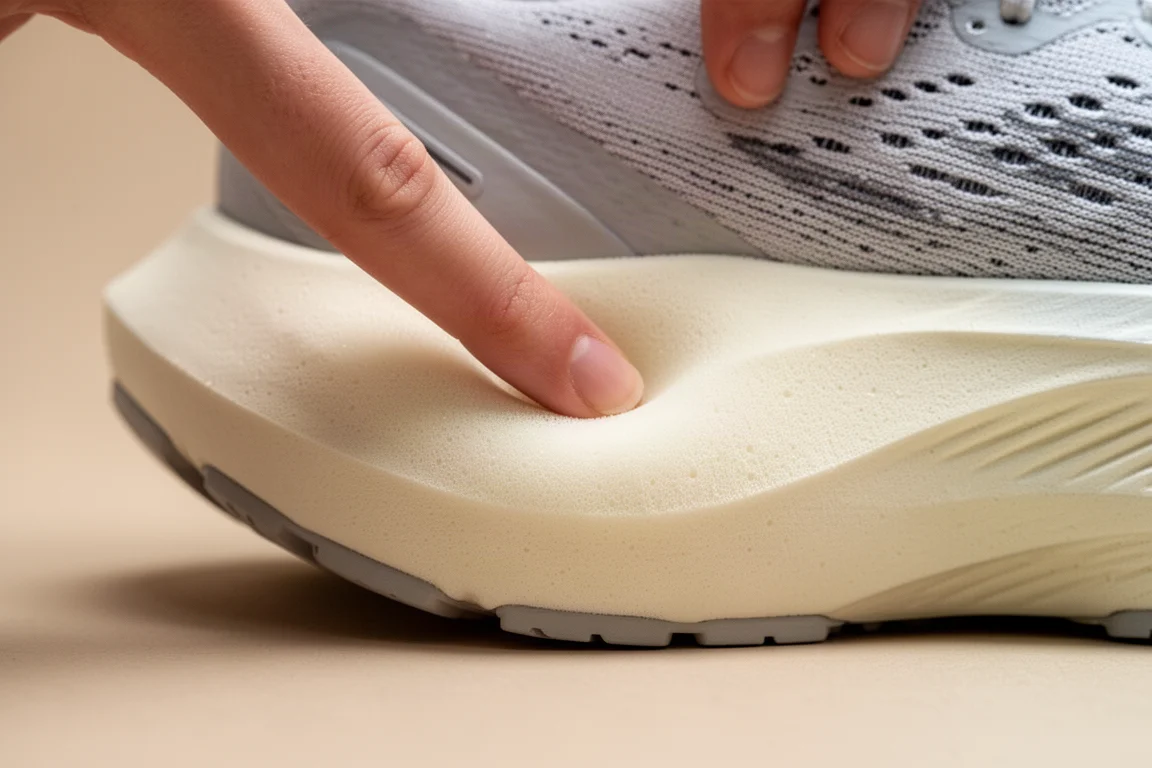
Second, heel lockdown is hit or miss. Some runners have struggled to get a perfect lockdown at the back heel, which is frustrating because the ride is so good. The lacing system, with its small pull tabs near the top eyelets, seems to play a role. The toe box itself, however, has posed no problems.
Things to Consider Before Buying
Two caveats stand out. The platform is not the most stable. The back end can feel narrow for some runners, and the heel lacks a pronounced bevel, so heel strikers may find the transition a bit awkward at times.
The second caveat is versatility. This is not a do-it-all shoe. It will not take you to race day or your fastest training paces the way a tempo shoe will. At the $160 list price, competition gets stiff, with rivals like Saucony’s own Endorphin Speed 3 at $170, and the Nike Mach 5-class alternatives, the Brooks Hyperion Tempo, and the ASICS GEL-Nimbus 25 around $150. But at the $120 sale price it has regularly dropped to, the Triumph is an amazing buy.
Who Should Buy the Triumph 20 RunShield
At its core, the Triumph 20 is a high-mileage trainer. If you are deep into marathon training or pushing your biggest-ever mileage block, this is the kind of shoe that keeps you comfortable over long runs, easy runs, and daily aerobic efforts across heavy training weeks.

For wider-footed runners, or anyone who wants a single shoe to cover fast paces too, alternatives deserve a look. For everyone else who values plush cushioning and dry feet in wet weather, the RunShield edition is an easy recommendation, especially while last year’s model is on sale.
Conclusion
The Saucony Triumph 20 RunShield looks plain, fits a touch narrow, and asks for patience with heel lockdown, but it delivers one of the smoothest and bounciest max-cushion rides available in a waterproof trainer. For high-mileage runners facing rainy winters, it is a genuinely worthwhile addition to a rotation.
Product link
View more details for Saucony Triumph 20 RunShield
This product is mentioned in the review. Check the specifications, options, and compatibility before buying.
View more details for Saucony Triumph 20 RunShieldFurther reading
Related Reviews

Running Shoes
Best Road-to-Trail Running Shoes: Three Versatile Options for Mixed Terrain
A practical guide to three road-to-trail running shoes that handle both pavement and mild trails, with clear strengths and trade-offs for different runner types.

Running Shoes
Best Running Shoes for Achilles Tendonitis: Three Options Explained
Three running shoes with different heel drops and support features designed to help reduce Achilles tendon pain during walking and running.

Running Shoes
Best Running Shoes for Women: Five Top Choices Ranked
A ranked guide to five women's running shoes, from versatile daily trainers to high-performance racing options, with real strengths and trade-offs for each.