Running Shoes
Saucony Triumph 20 After 100 Miles: A Durable Cushioned Daily Trainer That Still Feels Fresh
A long-term look at the Saucony Triumph 20, including how its PWRRUN Plus foam and outsole hold up after 100 miles, and how it compares to the New Balance Fresh Foam More v4 and 1080 v12.
Introduction
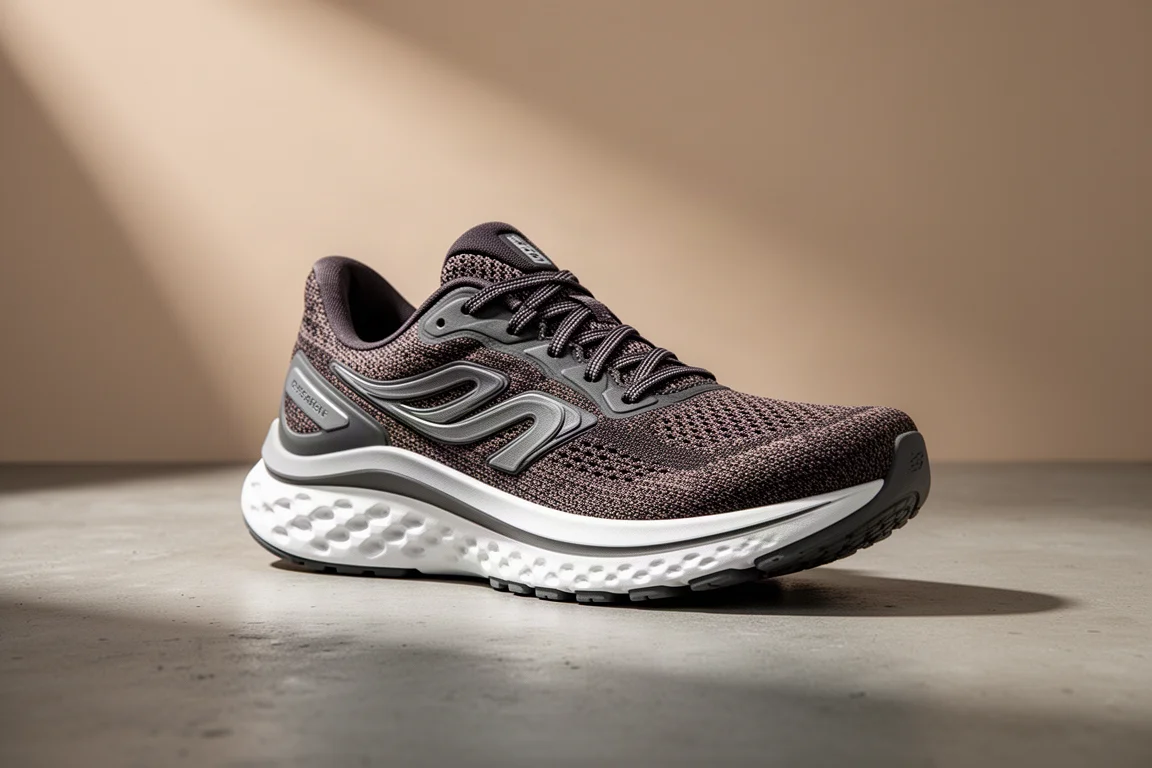
Some shoes fade quietly over their first hundred miles. The Saucony Triumph 20 is not one of them. Built around a generous 37 mm heel stack and Saucony’s bouncy PWRRUN Plus foam, it started life as a pleasure to run in, and after 100 miles it still feels closer to a fresh pair than a broken-in one. This long-term look covers how the shoe has been used, how it has worn, and where it fits against the competition.
Saucony Triumph 20 After 100 Miles
The Triumph 20 is a tall shoe, with 37 mm of stack height in the heel. The PWRRUN Plus foam inside it behaves like a lighter, springier take on Boost-style material, which gives the shoe a livelier character than most max cushion designs. Combined with a 10 mm drop and an upper that has grown steadily more streamlined over recent versions, the result is a well-cushioned daily trainer that still moves easily.
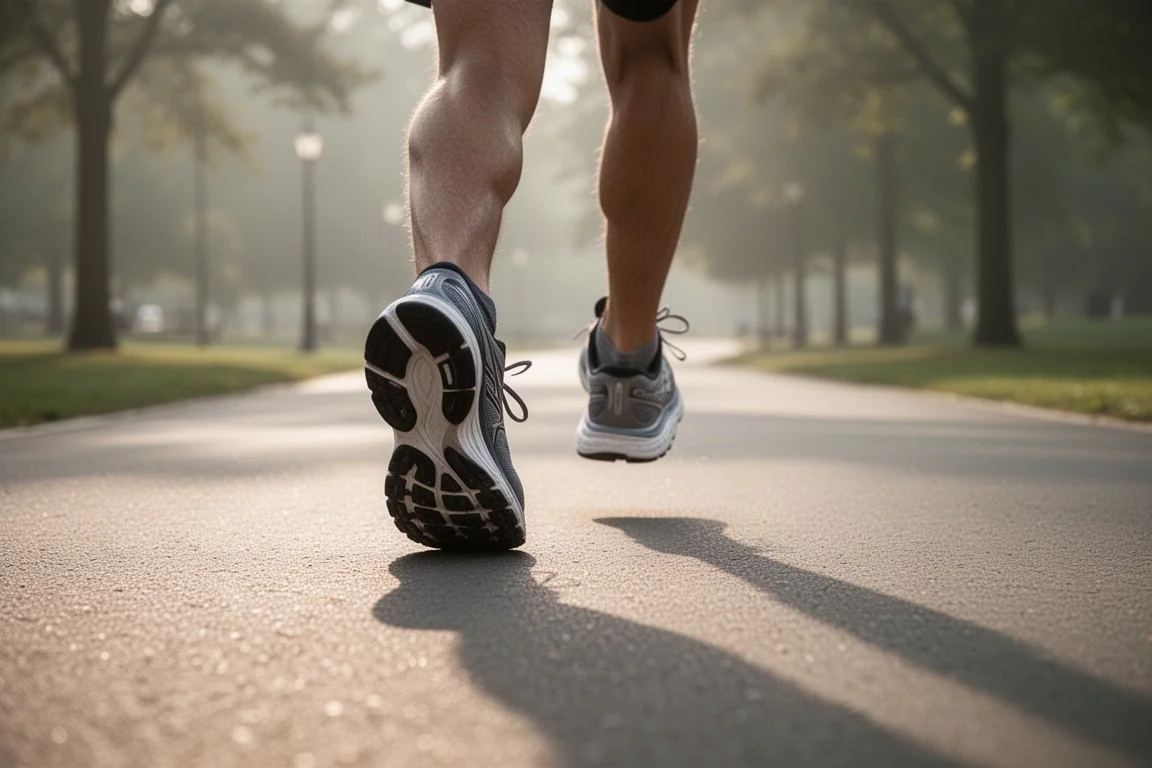
At 9.7 oz (274 g), it is on the heavier side, but the foam’s springiness keeps it from feeling sluggish. It has earned its place as the shoe for the bulk of easy weekly mileage, and it is pleasant enough to pick up the pace for strides and shorter bursts. It is probably a bit heavy for serious workout duty, though as a one-shoe option for a travel weekend or vacation it handles just about anything you might throw at it. Off the run, it is simply comfortable to wear around all day.
How It Has Held Up
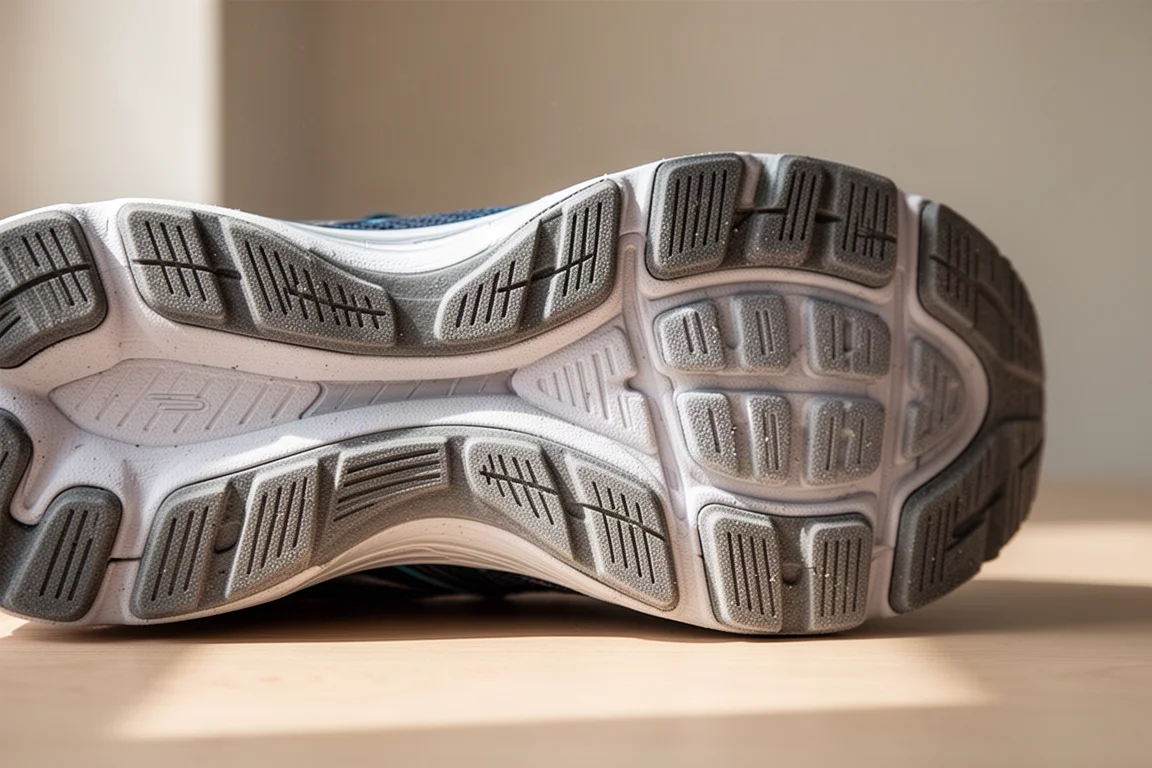
Durability is where this version genuinely stands out. After 100 miles, the outsole rubber still looks fresh. Only on very close inspection can you see the etchings on the face of the outsole beginning to wear, and even in the highest-wear areas, the outside of the heel and the pads underfoot, there is still plenty of rubber coverage left.
The foam tells the same story. It feels absolutely fresh, and it is hard to tell by feel alone that this shoe has any mileage on it. Most shoes announce themselves as 100-mile shoes; this one does not, and there is clearly plenty of longevity remaining. The upper has aged just as well, still stretchy where it should be and supportive where it needs to be, with no pinching and all padding and materials intact. It is one of the more durable Triumph models in recent memory, and the upper in particular is a job very well done.
Who the Triumph 20 Is Best For
This is a shoe for runners who want a daily trainer with a little extra cushion and stack height underfoot. Heavier and taller runners in particular are likely to appreciate how the platform absorbs miles without feeling dead.
Because it doubles comfortably as a recovery-day and easy-day shoe, it can also serve as the base of a two-shoe rotation, leaving room for something faster on workout and race days. Within the Saucony family, the Endorphin Elite is the natural partner, bringing PWRRUN HG racing foam, more stack, and a more aggressive feel for long runs and workouts. Outside the family, the Adios Pro 3 is a strong match: its stiffer foam asks for more effort but rewards runners who already enjoy the taller, springier character of the Triumph 20.
How It Stacks Up
New Balance Fresh Foam More v4
The Fresh Foam More v4 is a more traditional max cushion shoe and a favorite of that category from its release year. It carries plenty of stack height and New Balance’s Fresh Foam X, which is cushioned and springy in a way that resembles PWRRUN Plus. The difference is attitude: the More v4 is more relaxed and more purely max cushion, while the Triumph 20 is sharper and more willing to move. Depending on how you use your cushioned trainer, they can even be direct competitors. At $150, the More v4 saves you $10.
New Balance 1080 v12
The closest analog on the market is the 1080 v12. Both shoes occupy that in-between space between max cushion and everyday trainer, what the industry used to call the premium daily trainer. Both handle easy runs, long runs, and recovery days, and both can manage quick bursts of pace such as strides. It is also currently $160, so there is no price advantage either way, and both make genuinely fun options for warm-weather miles.
Pricing and Buying Advice
The Triumph 20 launched at $160 and, somewhat surprisingly, still sits there. With the next version already appearing with testers, a discount should not be far off. Somewhere in the $140 to $130 range would make it an easy pick-up, and even $120 would make it a steal. Until then, $160 is the market price, and it is worth weighing against the $150 More v4 and the $160 1080 v12 before deciding where your money goes.
If you want one well-cushioned shoe that does not feel heavy-footed, the Triumph 20 justifies its price. If you prefer a softer, more relaxed ride, the More v4 is the better match. If you want the most direct premium daily trainer rival, the 1080 v12 is the one to try on.
Conclusion
After 100 miles, the Saucony Triumph 20 has proven itself as a durable, springy, well-cushioned daily trainer that still feels close to new. It earns its $160 asking price, but with a successor on the way, patient buyers may soon get an even better deal on one of the more resilient cushioned trainers in its class.
Product link
View more details for Saucony Triumph 20
This product is mentioned in the review. Check the specifications, options, and compatibility before buying.
View more details for Saucony Triumph 20Further reading
Related Reviews

Running Shoes
Best Road-to-Trail Running Shoes: Three Versatile Options for Mixed Terrain
A practical guide to three road-to-trail running shoes that handle both pavement and mild trails, with clear strengths and trade-offs for different runner types.

Running Shoes
Best Running Shoes for Achilles Tendonitis: Three Options Explained
Three running shoes with different heel drops and support features designed to help reduce Achilles tendon pain during walking and running.

Running Shoes
Best Running Shoes for Women: Five Top Choices Ranked
A ranked guide to five women's running shoes, from versatile daily trainers to high-performance racing options, with real strengths and trade-offs for each.