Running Shoes
Saucony Triumph 20 First Run Review: A Big Step Up From the Triumph 19
Lighter, plusher, and more versatile than its predecessor, the Triumph 20 could challenge the New Balance More v3 and Brooks Glycerin 20 as a go-to daily cushioned trainer.
Introduction
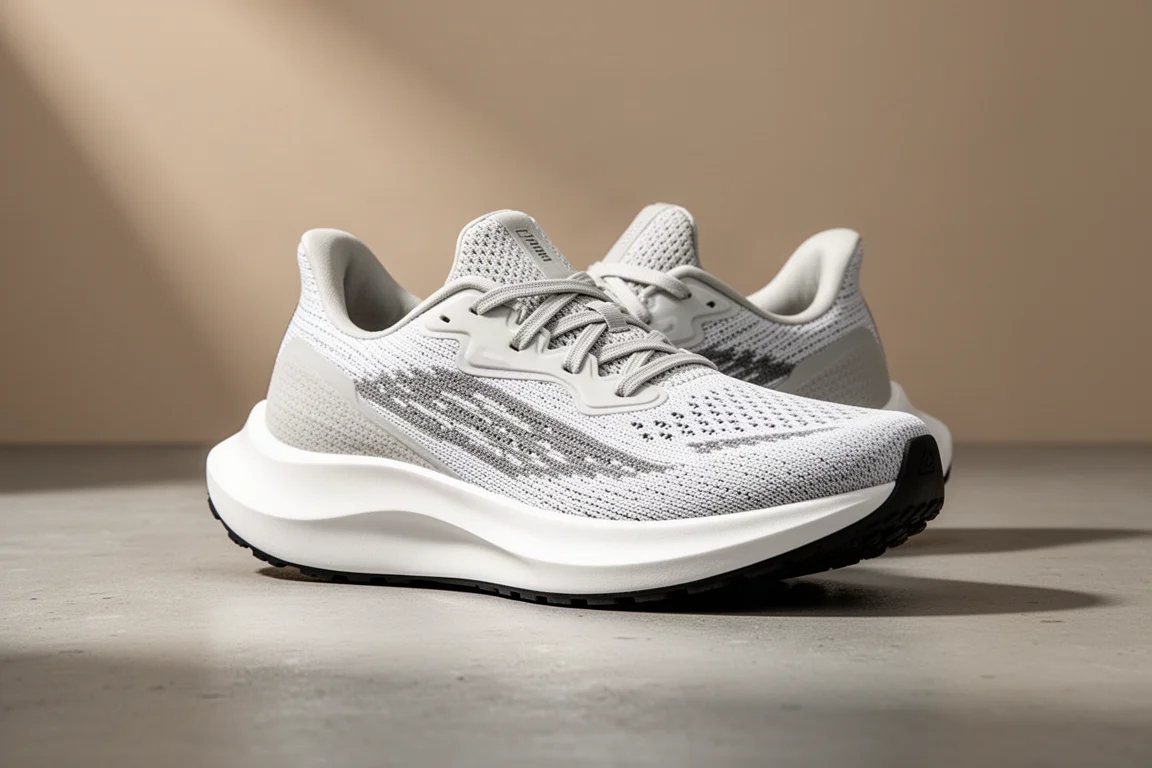
The Saucony Triumph 20 arrives with a fair amount of pressure on it. The Triumph 19 was a well-loved shoe for easy and long miles, and the 20 carries some genuinely big changes. The headline is that it should be more comfortable, highly cushioned, and better suited to running longer distances, while also adding a touch more versatility than before. After a first run in it, the early signs are very positive.
What Has Changed in the Triumph 20
The Triumph 20 is still a neutral shoe that goes big on cushioning and is designed to eat up long distances in soft, comfortable fashion. It is priced at £150 in the UK and $160 in the US, making it £5 and $10 more expensive than the Triumph 19 in each market.
Saucony says the shoe is now lighter, and the numbers back that up: a UK size 8 came in at 270 grams, down from 290 grams for the same size in the Triumph 19. The drop also changes from 8mm to 10mm, giving a 37mm heel and 27mm forefoot for both men’s and women’s models.
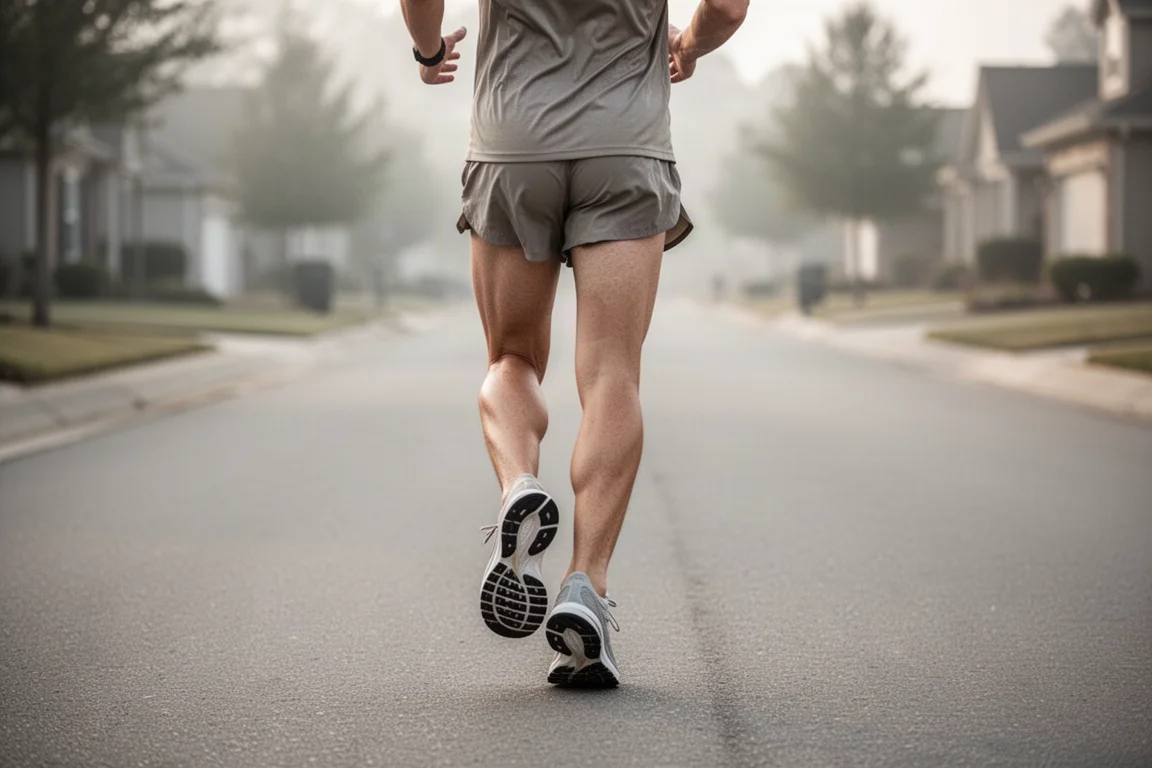
Other updates include:
- A revamped upper that swaps the spongy laces for flatter ones, with small straps on the sides of the eyelets for a more secure feel without extra pressure on the top of the foot
- An upgraded PWRRUN+ midsole foam that is lighter than the version in the 19, plus a PWRRUN+ sockliner replacing the FORMFIT one for extra comfort
- A revised shoe geometry with more rocker-like attributes than the previous model
- A new outsole pattern in the same durable rubber, now feeling a touch thicker, which should help durability
Fit and Sizing
The fit runs true to size, though the shoe feels slightly long with a roomy upper, and it takes a little time to get a nicely locked-in feel. If you prefer a snugger fit, sizing down a half size is worth considering, but staying true to size is the safer default. The toe box offers a generous amount of space, the midfoot holds nicely, and padding around the heel collar and tongue is similar to the 19.
How It Feels on the Run
On a 7k first run that mixed marathon-pace work at around 4:23 per kilometre with easy cooldown kilometres at roughly 5:20, the Triumph 20 impressed. The midsole foam feels lighter and bouncier than before, with more foam in the shoe, and that bounce makes it far more versatile than most heavily cushioned trainers. Instead of feeling like a slog at faster paces, it keeps a nice turnover and a noticeable responsiveness in every step.
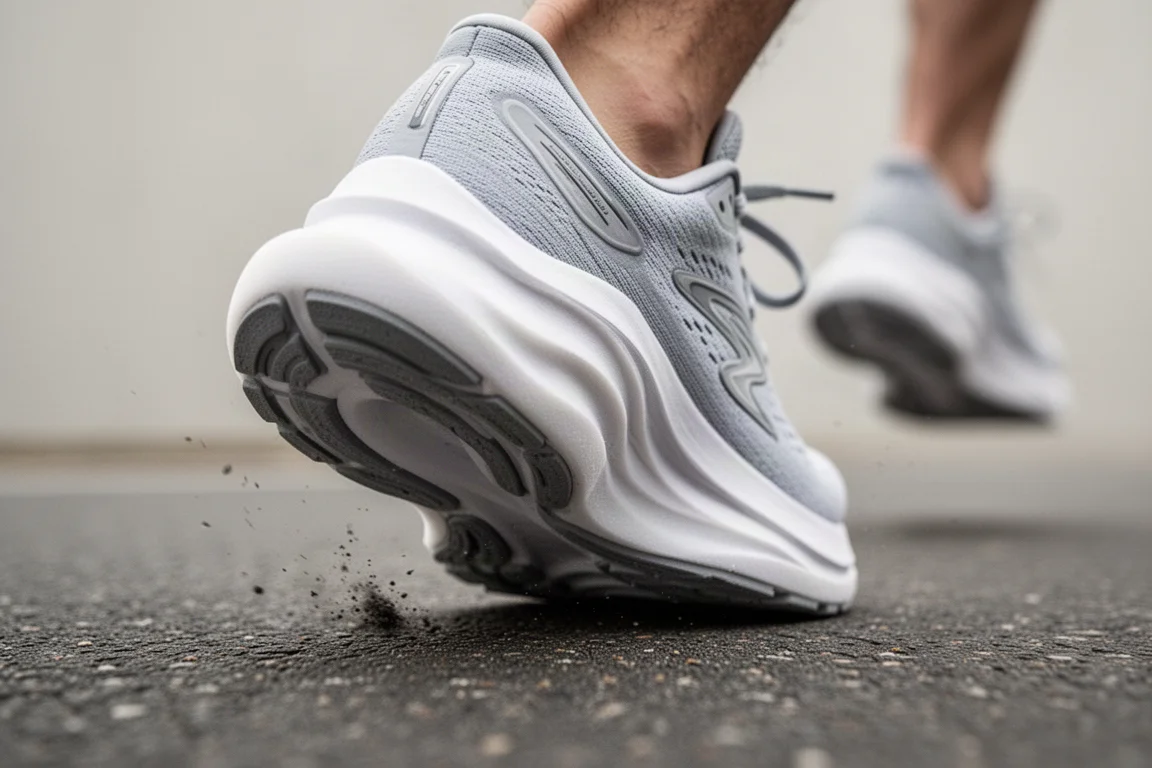
At easy pace, it does exactly what the Triumph line is built for. The softer, squishier sockliner lets the foot sink in slightly, while the midsole gives a clear bounce back on heel landings rather than feeling dead underfoot. It delivers plush comfort without the heavy, disconnected ride some max-cushioned shoes have.
How It Compares to the Triumph 19 and the Competition
Compared with the Triumph 19, this feels like a markedly different and mostly better experience: 20 grams lighter, a plusher midsole, a new drop, and a thicker outsole that should hold up to more mileage. It even shares some hallmarks with the Nike Invincible Run 2, in that you can get a very comfortable easy run but still have the capacity to push the pace a little if you want to.
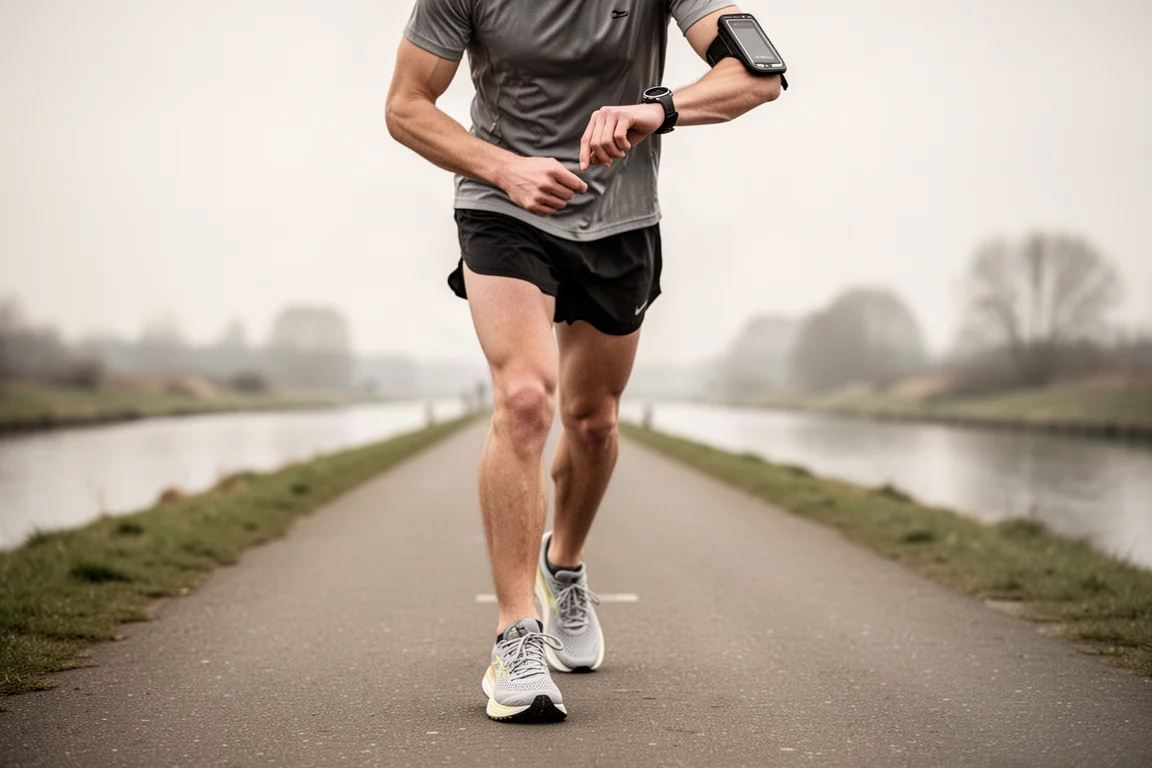
Against the wider field, the picture is clearer. The New Balance More v3 is very soft with a nice rolling motion, but it is not versatile and would not be a pick for anything beyond easy miles, let alone a marathon. The Brooks Glycerin 20 sits a little closer but is still less versatile than the Triumph 20. The Puma Velocity Nitro 2 is a cheaper alternative, and the Nike Invincible Run 2, with its softer ZoomX midsole, targets similar runs, though the Triumph 20 fit this tester better. On early evidence, the Triumph 20 sits at the top of the pile for versatility in this cushioned category.
Who Should Buy the Triumph 20
If you want one shoe to carry you from marathon training all the way to race day at a comfortable pace, the Triumph 20 fits that brief well. It is equally appealing if your priority is cushioning and comfort for slow, long runs but you occasionally want the option to run a bit quicker without changing shoes.
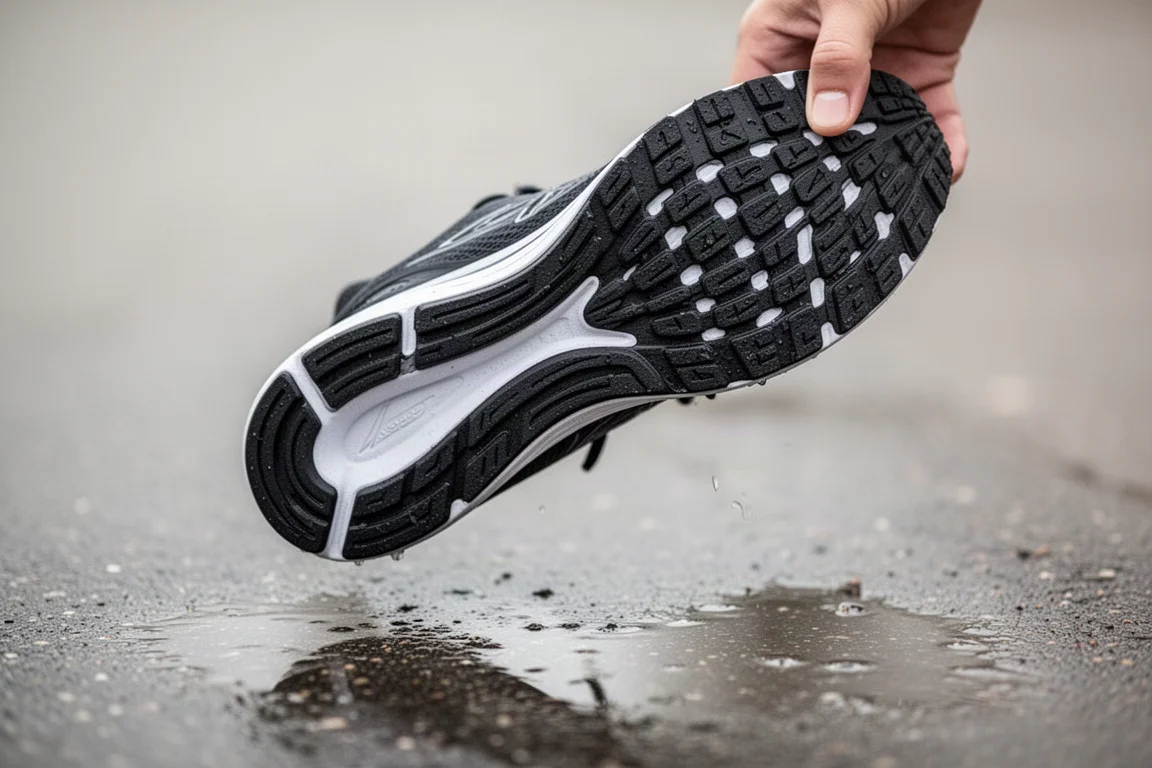
It costs a little more than the 19 did, but the upgrades look real: more responsive foam, a lighter build, and a more durable outsole. If you liked the Triumph 19, the 20 genuinely improves on it.
Conclusion
The Saucony Triumph 20 is shaping up as a big upgrade over an already excellent predecessor. It keeps the plush comfort that made the Triumph line popular, adds bounce and versatility that the Triumph 19 lacked, and should last longer too. For runners choosing between the big cushioned trainers, this early run suggests it may well knock the New Balance More v3 and Brooks Glycerin 20 off the top of the charts.
Product link
View more details for Saucony Triumph 20
This product is mentioned in the review. Check the specifications, options, and compatibility before buying.
View more details for Saucony Triumph 20Further reading
Related Reviews

Running Shoes
Best Road-to-Trail Running Shoes: Three Versatile Options for Mixed Terrain
A practical guide to three road-to-trail running shoes that handle both pavement and mild trails, with clear strengths and trade-offs for different runner types.

Running Shoes
Best Running Shoes for Achilles Tendonitis: Three Options Explained
Three running shoes with different heel drops and support features designed to help reduce Achilles tendon pain during walking and running.

Running Shoes
Best Running Shoes for Women: Five Top Choices Ranked
A ranked guide to five women's running shoes, from versatile daily trainers to high-performance racing options, with real strengths and trade-offs for each.