Trail Running Shoes
Saucony Trail Running Shoes Compared: Endorphin Rift vs Endorphin Edge vs Exodus Ultra 2 vs Exodus Ultra
Four Saucony trail shoes put through rocky, technical, wet and gravelly terrain, with honest verdicts on comfort, stability and value.
Introduction
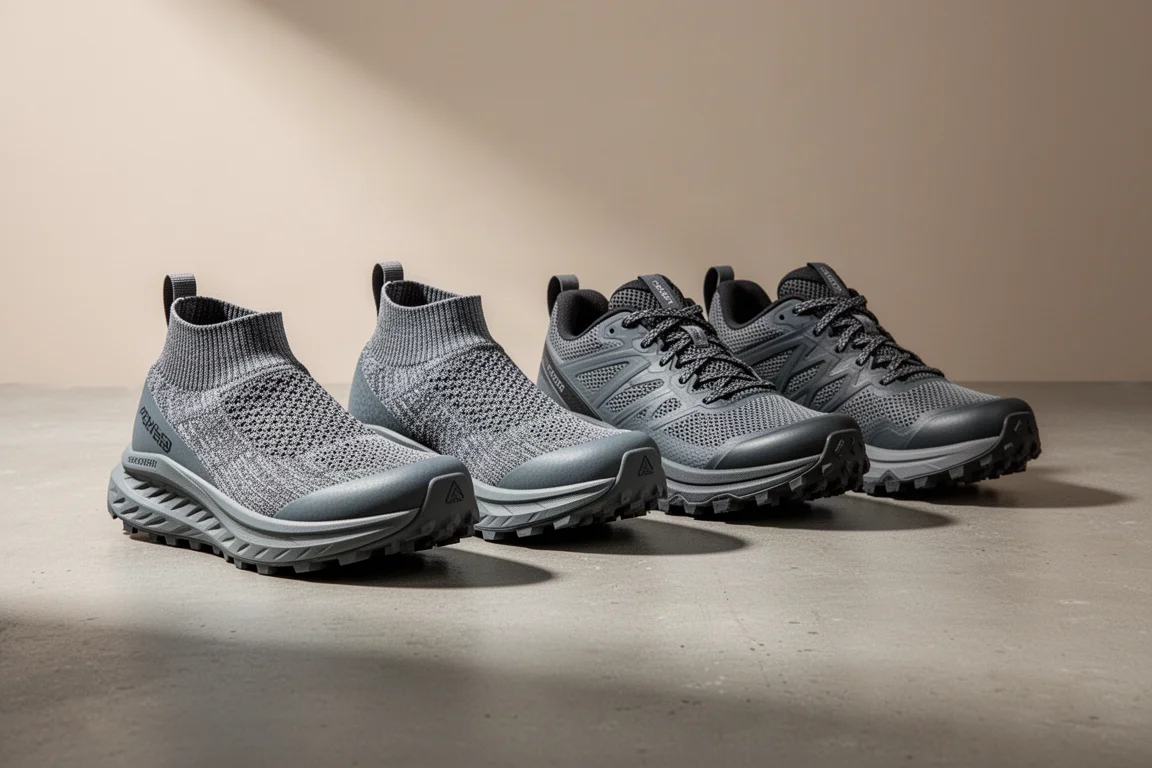
Trail shoes earn their reputation on long, messy days out, not on a quick loop around the woods. To see how Saucony’s current trail line-up really behaves, we took the Endorphin Rift out for a demanding 16-mile coastal run with roughly 2,500 feet of elevation: steep climbs, technical descents, rocky ground underfoot, gravel, wet and dry tarmac, sand, mud and even a few puddles after a heavy downpour. Alongside it, we compare the Endorphin Edge, the Exodus Ultra 2 and the original Exodus Ultra, because the differences between them matter once you are two or three hours into an effort.
How We Tested
The test route was deliberately mixed: sections of aggressive, rocky, technical trail under vegetation, gravelly loose paths, stretches of tarmac, sand near the halfway point, and muddy, wet terrain late in the run. That variety is exactly what exposes a shoe’s weak spots. On longer efforts, comfort in the upper, stability on uneven ground, underfoot protection and grip all matter far more than they do over seven or eight easy miles. Layer in price and fit, and you get a fair picture of which shoe belongs on which kind of runner’s feet.

Saucony Endorphin Rift
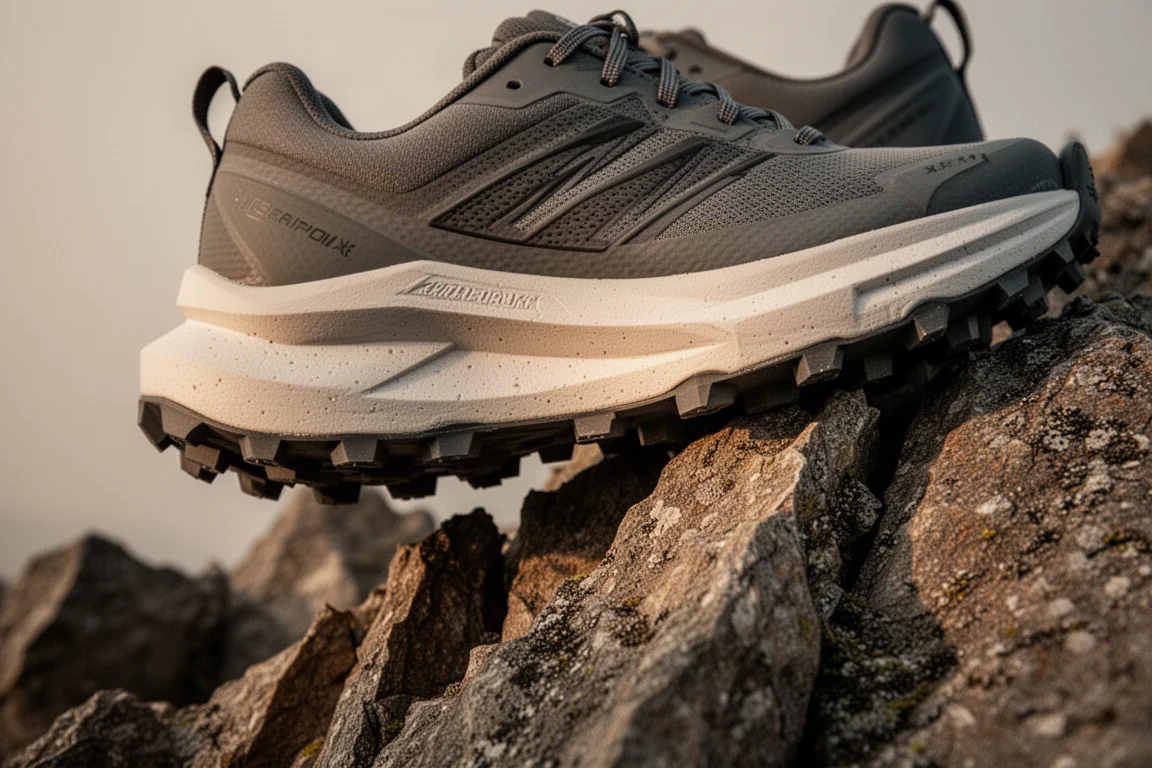
The Endorphin Rift is the shoe this long run was built to test. It handled everything the route threw at it remarkably well. On rocky, technical, aggressive sections it felt nicely connected and, despite being a deeply cushioned trail shoe, impressively stable. The lack of a carbon plate in the midsole appears to help here: there is more give and flex, a better sense of ground connection, and a noticeably more planted feel underfoot than its plate-equipped sibling. The PwrOn PB-style midsole felt comfortable all day, seemed to return energy on flatter ground, and the Speedroll-style geometry felt efficient on the easier stretches. The PwrTrac outsole delivered good grip and traction across every surface we hit.
Two things are worth knowing before buying. First, the sock-style bootie upper has limited padding across the top of the foot, and on this 16-mile run the laces started to become noticeable towards the end. They never caused real discomfort, but they were felt. Second, the Rift may size up a fraction small: in a standard UK 9.5, on steep descents the big toe pressed against the end of the toe box, which has a fairly substantial bumper. It was never painful, but it was noticeable on the downhills. At £180 it is also an expensive trail option, which is where the comparison with its siblings becomes interesting.
Saucony Endorphin Edge
The Endorphin Edge shares a very similar platform with the Rift, but adds a carbon plate into the midsole. On rocky, technical mountain terrain, that plate made the midsole platform feel less stable, and ankle tweaks followed on a couple of occasions. When the midsole feels unstable on the rough stuff, confidence drops, and that is exactly what happened here.
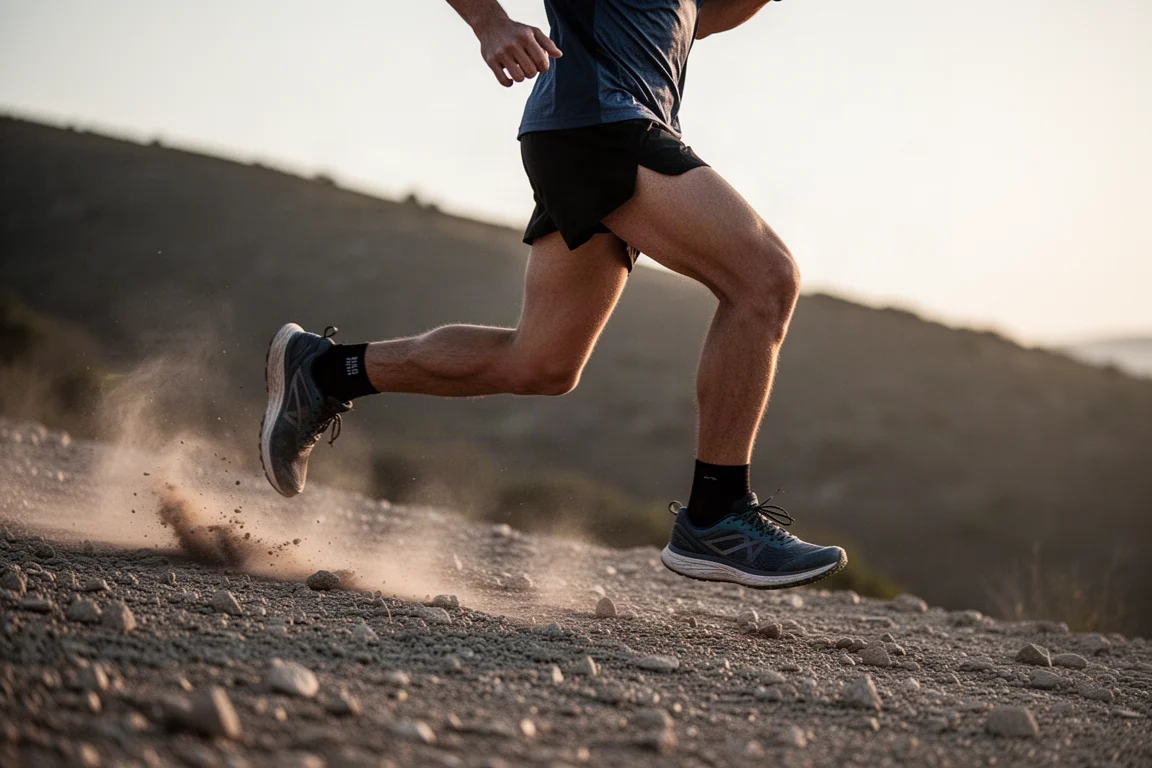
The Edge is also the more expensive shoe of the pair, which makes the Rift’s absence of a plate look less like a compromise and more like a genuinely better choice for technical trails. If your running lives mostly on smoother, runnable terrain and you want maximum propulsion, the Edge still has appeal, but for mixed, rocky ground it is hard to argue against the more planted alternative.
Saucony Exodus Ultra 2
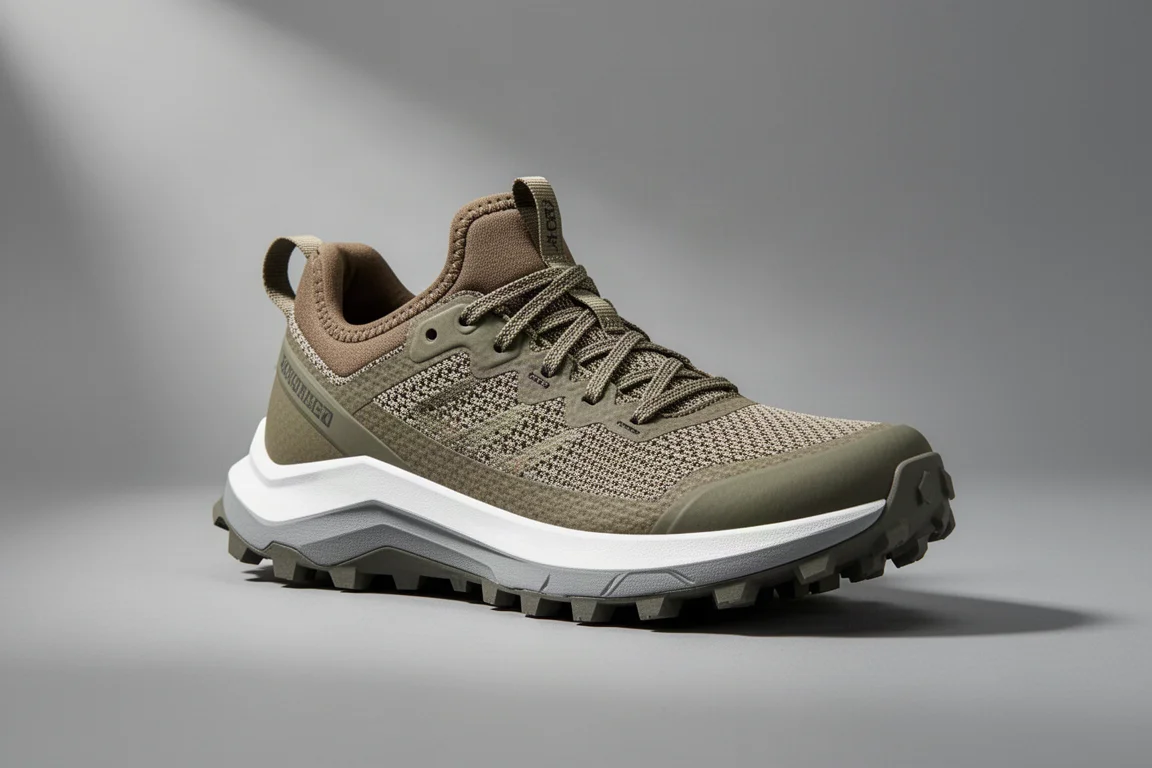
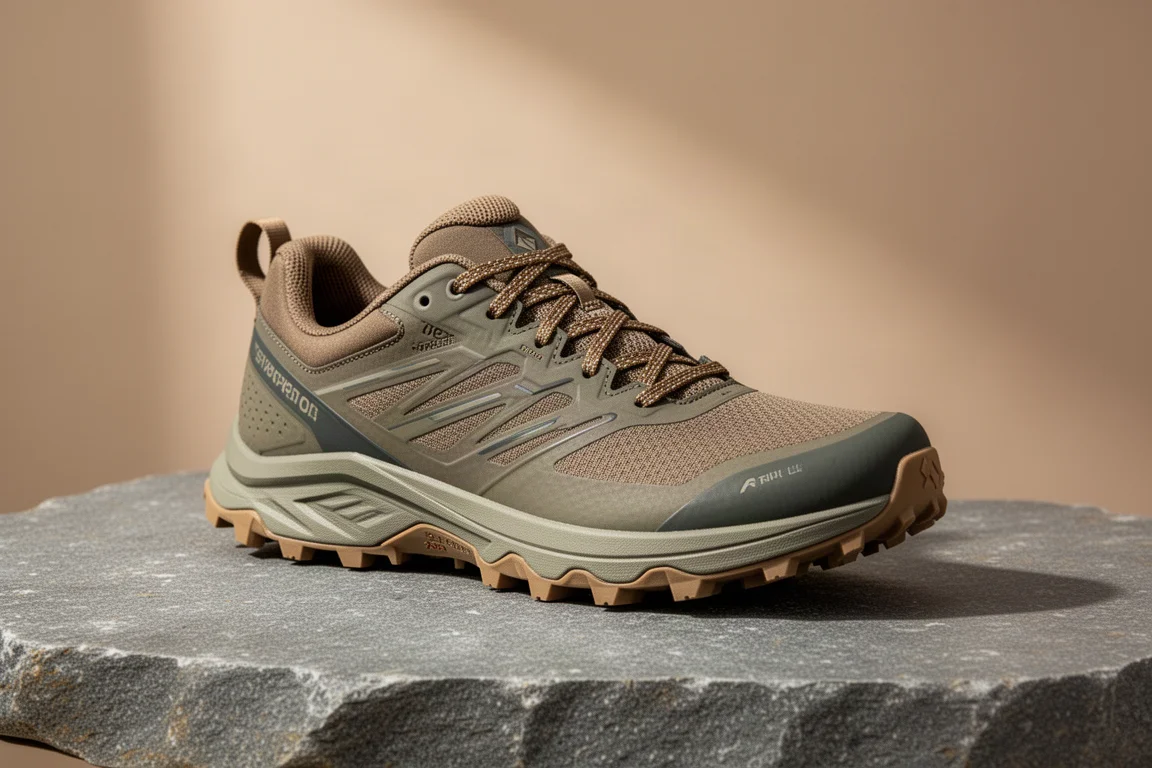
The Exodus Ultra 2 sits at the comfort-focused end of the range, and after the Rift’s long run it is the shoe we would reach for first. The upper uses zonal padding in the sock-like construction, which simply feels more comfortable over long distances than the Rift’s sparser bootie design. The dual-compound midsole strikes an excellent balance between cushioning and ground connection, and the fit suits a slightly wider foot shape better too. At £145 in the UK it undercuts the Rift meaningfully while delivering the kind of all-day comfort that matters most on three-hour efforts.
Saucony Exodus Ultra
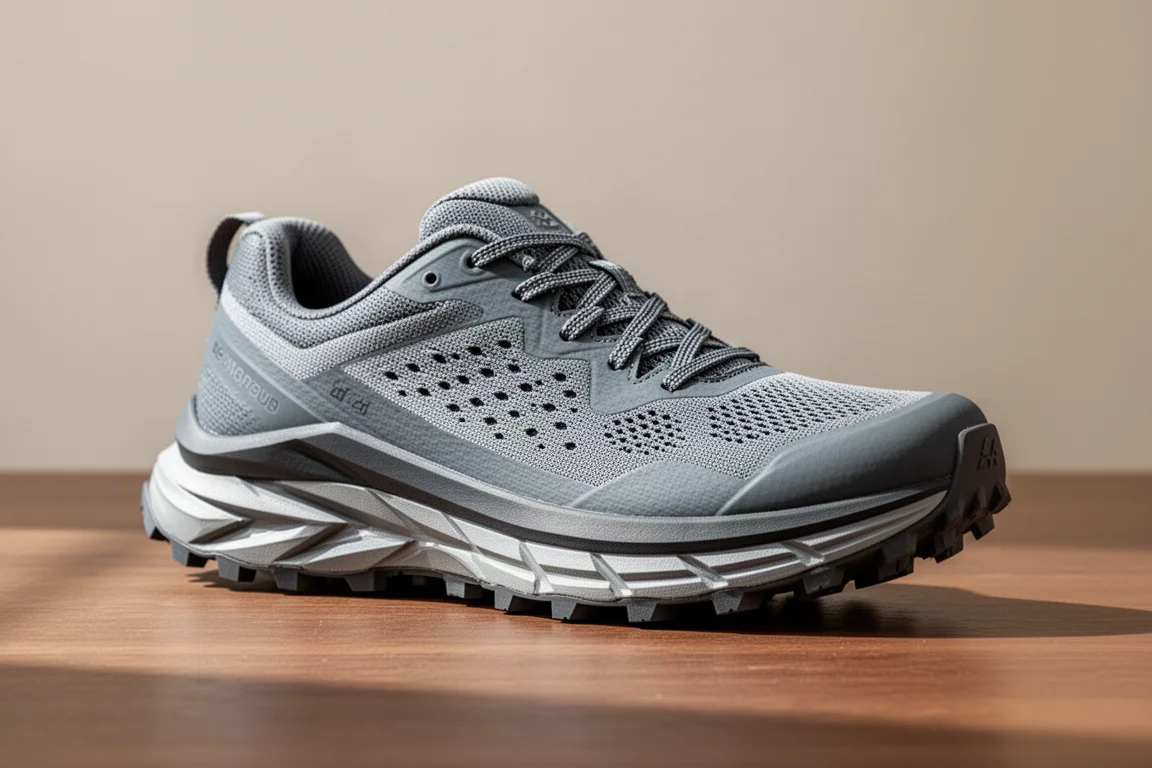
The original Exodus Ultra remains one of the best value propositions in trail running. While the Ultra 2 retails for £145, the first-generation version can be found online for as little as £75, which is an outright bargain for a shoe this capable. If you are newer to trail running, building a rotation, or simply reluctant to spend nearly £200 on a pair of trail shoes, the original Exodus Ultra deserves a serious look before anything flashier.
Overall Buying Advice
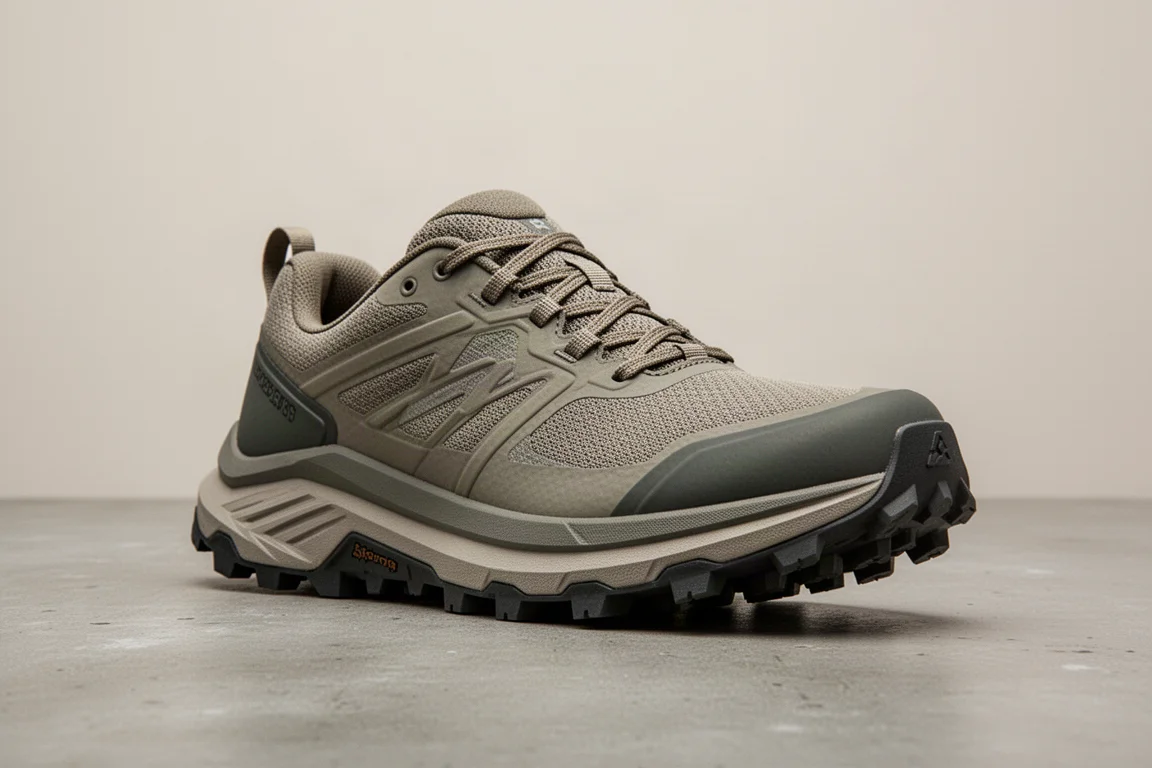
If you want the most stable, connected feel on rocky, technical trails and can live with a sparser bootie upper and a snugger toe box, the Endorphin Rift is an excellent performer, and it beats the Endorphin Edge on exactly the terrain where stability matters most. If all-day upper comfort and a better-balanced midsole are your priorities, the Exodus Ultra 2 is our personal pick for long runs. And if budget leads the decision, the original Exodus Ultra at around £75 online is almost impossible to beat. For a long day on the trails, we would lace up the Exodus Ultra 2 first, but the Rift runs it close.
Conclusion
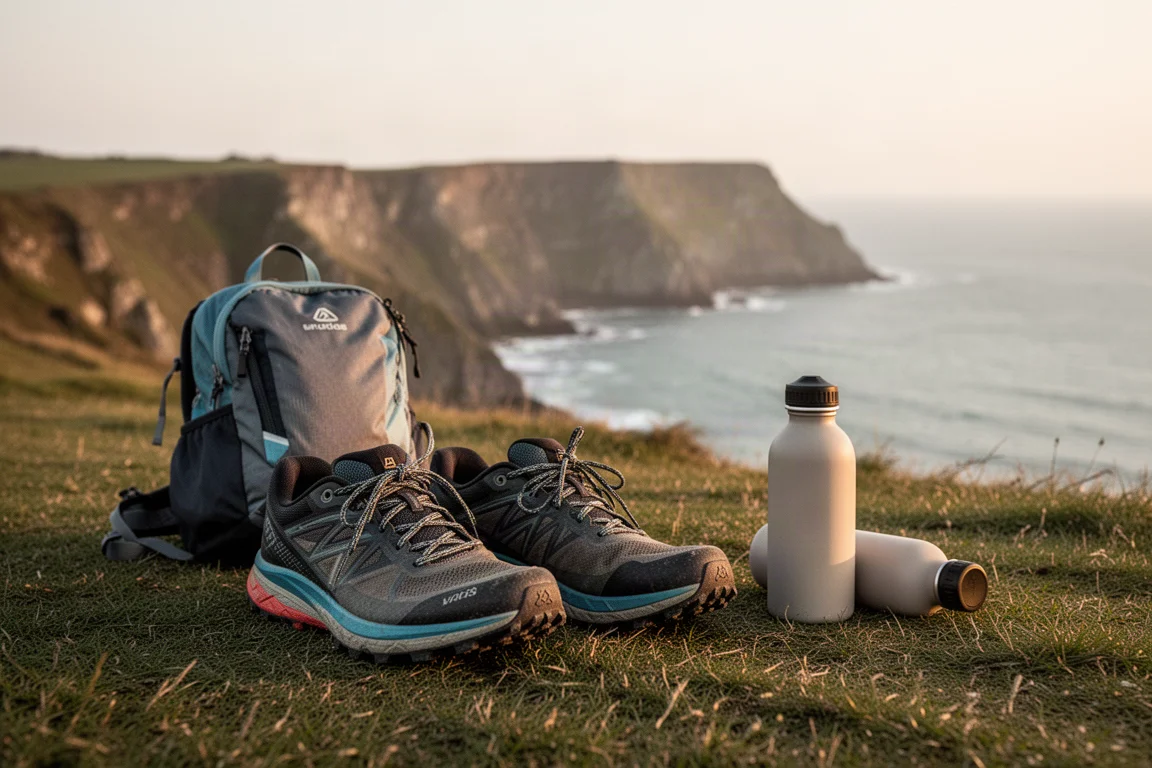
Saucony’s trail range covers a surprisingly wide spread of needs, and this 16-mile test made the trade-offs clear. The Endorphin Rift handles mixed, technical terrain with more stability than its carbon-plated Edge sibling, the Exodus Ultra 2 wins on long-run comfort and value, and the original Exodus Ultra remains a bargain for the price. Match the shoe to the terrain and your budget, and any of them can earn a place in your rotation.
Further reading
Related Reviews
Trail Running Shoes
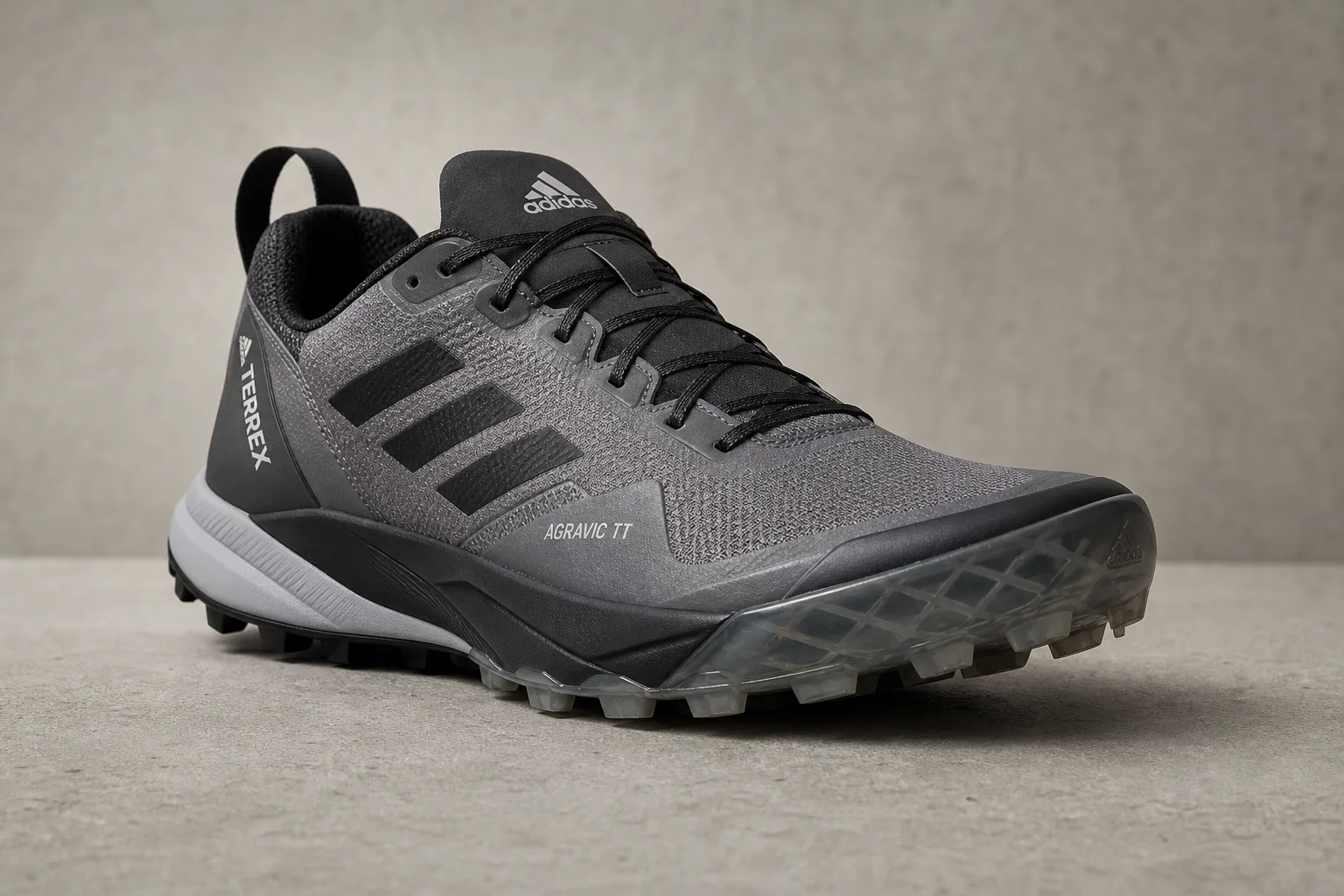
Adidas Terrex Agravic TT Review: A Technical Trail Shoe Built for Rocky Terrain
The Adidas Terrex Agravic TT combines a full-coverage rock plate with a firmer midsole to deliver protection and stability on technical, rocky trails. A capable choice for runners who prioritize underfoot defense over lightweight cushioning.
Trail Running Shoes
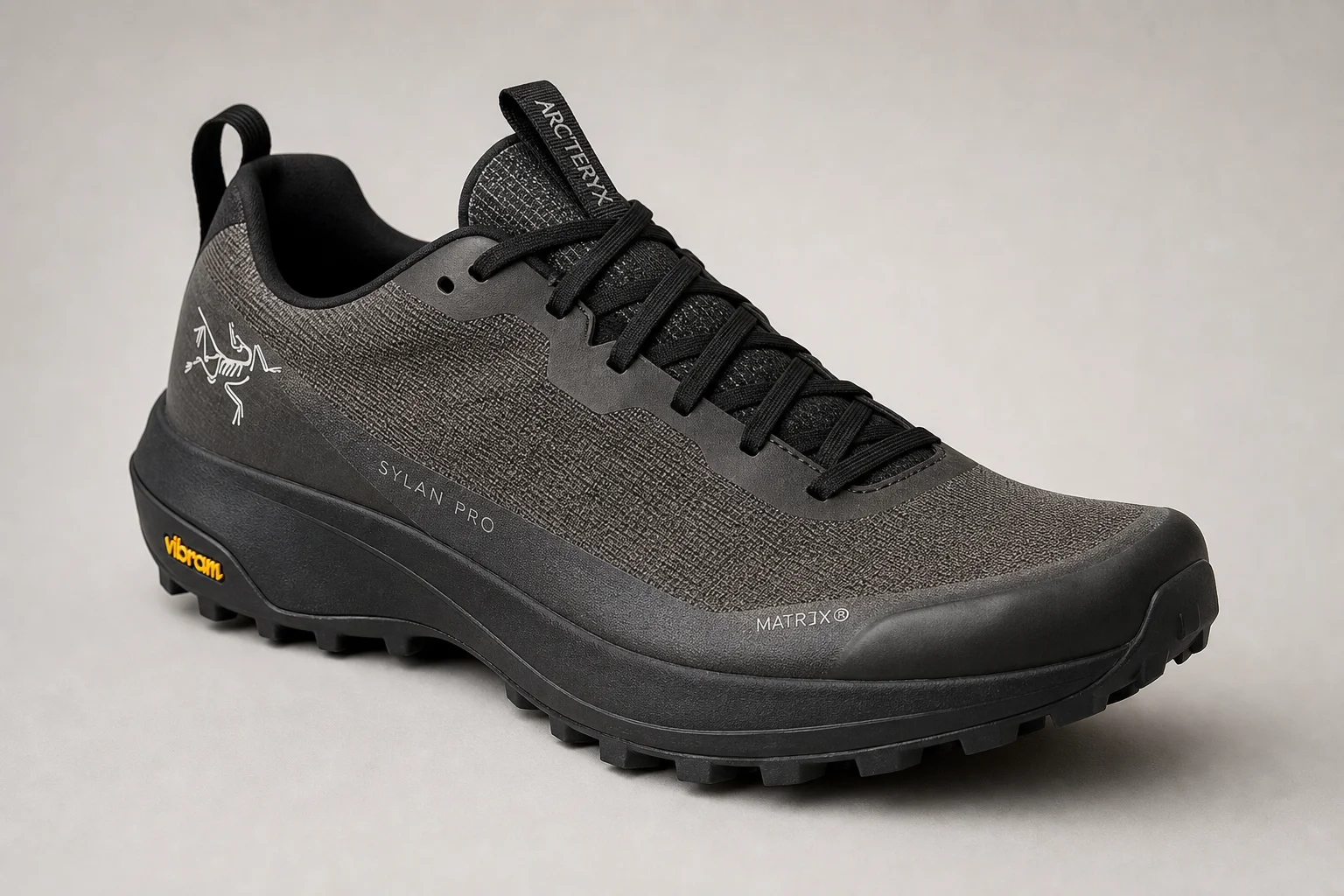
Arc'teryx Sylan Pro Review: A Rocker-Focused Mountain Running Shoe Tested on 20 Miles
The Arc'teryx Sylan Pro brings a pronounced rocker geometry and secure fit to mountain terrain. We tested it on a 20-mile Sawtooth loop to evaluate its climbing efficiency, protection, and handling of technical descents.
Trail Running Shoes
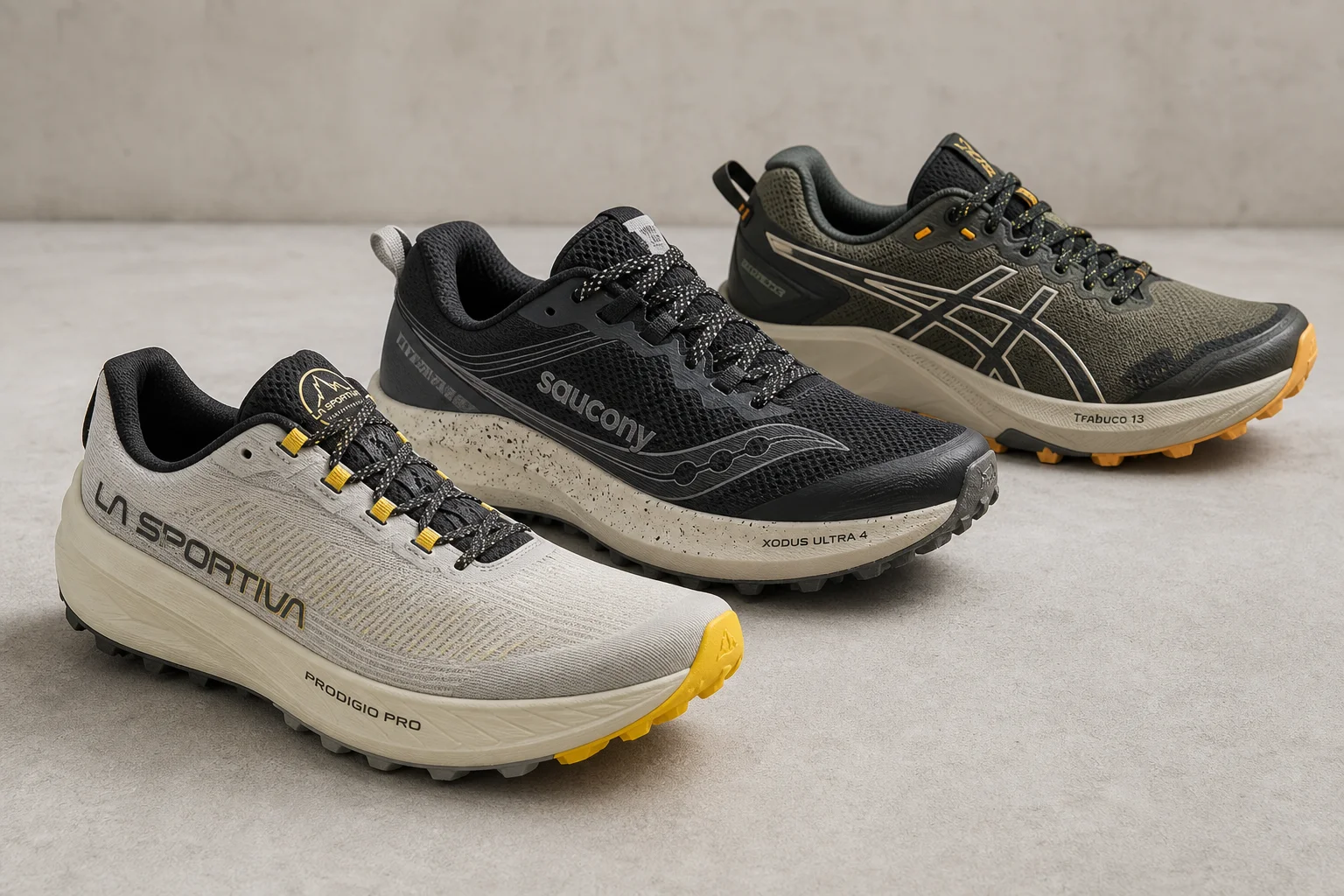
Best All-Mountain Trail Running Shoes: Three Versatile Options for Any Trail
A focused roundup of three all-mountain trail running shoes that handle technical terrain, long distances, and variable conditions with real strengths and practical trade-offs.